 YardMate


Common Buckthorn
Rhamnus cathartica
Easy · Beginner friendlyAbout Common Buckthorn
Common Buckthorn is a European deciduous tall shrub or small tree introduced to the US in the 1800s as a hedge plant and now one of the most destructive invasive woody plants in northern US forests. Growing 10 to 25 feet tall with oval finely toothed leaves and small yellowish flowers, it produces black berries that act as laxatives in birds, aiding seed dispersal. Listed noxious in many northern and midwestern states.
- Shade-tolerant
How to care for Common Buckthorn
Watering
- Springevery 14 days
- Summerevery 10 days
- Fallevery 14 days
- Winterevery 30 days
Soil · Well-draining
- Top dressingPine bark mulch10%
- Main mixPotting soil + perlite 2:170%
- DrainageLECA / gravel20%
Never skip the drainage layer — standing water is the top cause of root rot.
FERTILIZER
This plant needs little to no feeding.
At a Glance
- NativeEurope, Africa, Western Asia
- Height15–25 ft (4.6–7.6 m)
- Spread12–18 ft (3.7–5.5 m)
- Flower colorGreen, Yellow
- Foliage colorGreen, Yellow
- Fruit colorBlack
- SoilLoamy, Well-drained
- LocationsYard
Bloom time
BLOOM CYCLE
Peak bloom
Mar–May
Small yellow-green flower clusters spring
Fragrance
LIGHT FRAGRANCE
The flowers have a light sweet scent.
Toxicity
Humans Moderate · Pets Moderate
anthraquinone glycosides and emodin
Moderate
- Fruit
- Bark
- Ingestion
EXPOSURE Eating fruit and bark.
EFFECT Severe diarrhea and abdominal cramping.
NOTE Strong laxative; large quantities dangerous.
Moderate
- Fruit
- Bark
- Ingestion
EXPOSURE Eating fruit and bark.
EFFECT Vomiting and diarrhea.
NOTE Strong laxative; large quantities dangerous.
Moderate
- Fruit
- Bark
- Ingestion
EXPOSURE Eating fruit and bark.
EFFECT Vomiting and diarrhea.
NOTE Strong laxative; large quantities dangerous.
Educational information, not medical or veterinary advice. If exposure is suspected, contact a doctor or veterinarian.
DISTRIBUTION

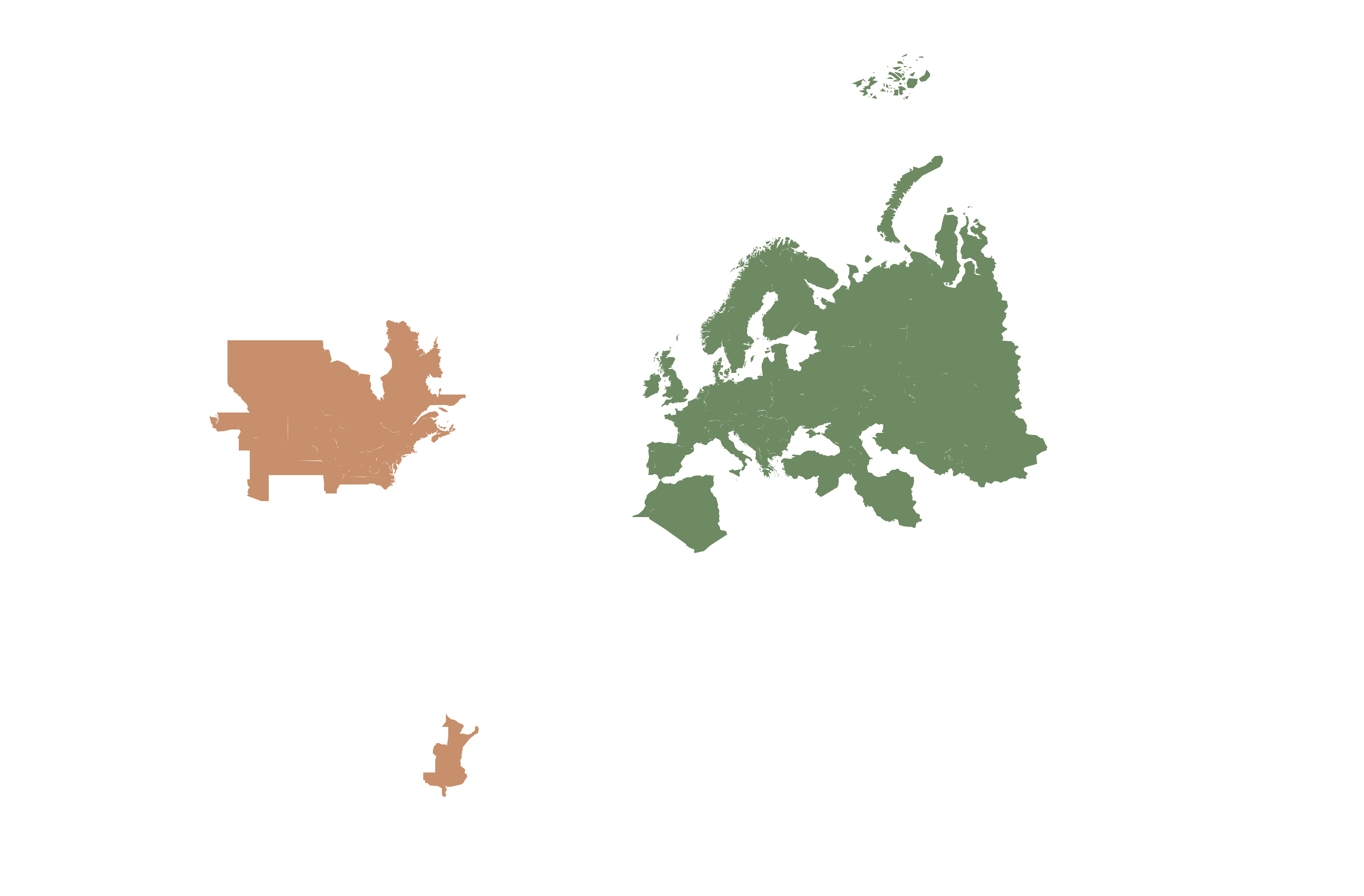
- Native
- Introduced
- Europe
- Africa
- Western Asia
History

Rhamnus cathartica, common or European buckthorn, is native to Europe, northwest Africa, and western Asia. It is a deciduous shrub or small tree with paired thorny branchlets and dark berries once used in European herbal medicine as a strong laxative, the source of the epithet cathartica.
Nineteenth-century American nurseries promoted it as a tough hedge and windbreak plant, and it was widely planted across the upper Midwest and Ontario. The same traits that made it useful in hedges made it invasive in woodlands: dense shade, heavy fruiting, bird dispersal, and a tendency to alter understory conditions.
In 2000, entomologists also showed that buckthorn is an overwintering host for soybean aphid, linking its management to agriculture as well as ecology. It is now restricted, listed, or discouraged across much of the northern United States and Canada.
Symbolism & meaning
What It Symbolizes
Common Buckthorn is purging invasion at its most literal, its laxative berries hurried through bird gut and dropped, sprouting, into Midwestern woods. There it casts a forest blanket that smothers native understory and rewrites entire ecosystems. In its name and habit, the plant warns that even unromantic flora can leave heavy ecological signatures.
- Purging invader — berries laxative to birds, aiding spread
- Forest blanket — shades out native Midwest forest understory
Where the Name Comes From
'Rhamnus' from ancient Greek name for buckthorns; 'cathartica' from Greek 'kathartikos' meaning purifying, for its laxative effect.
Related plants
Plants with similar care
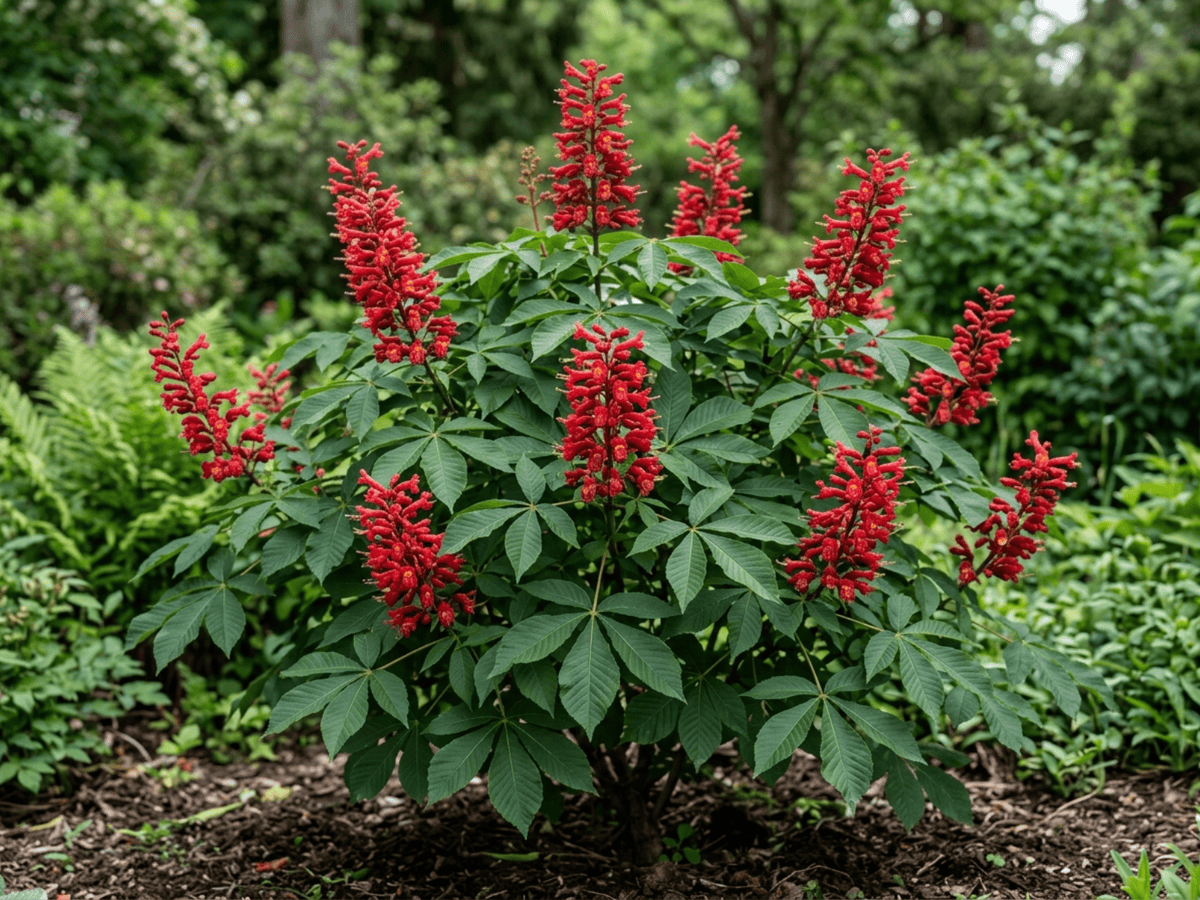 Red BuckeyeAesculus pavia
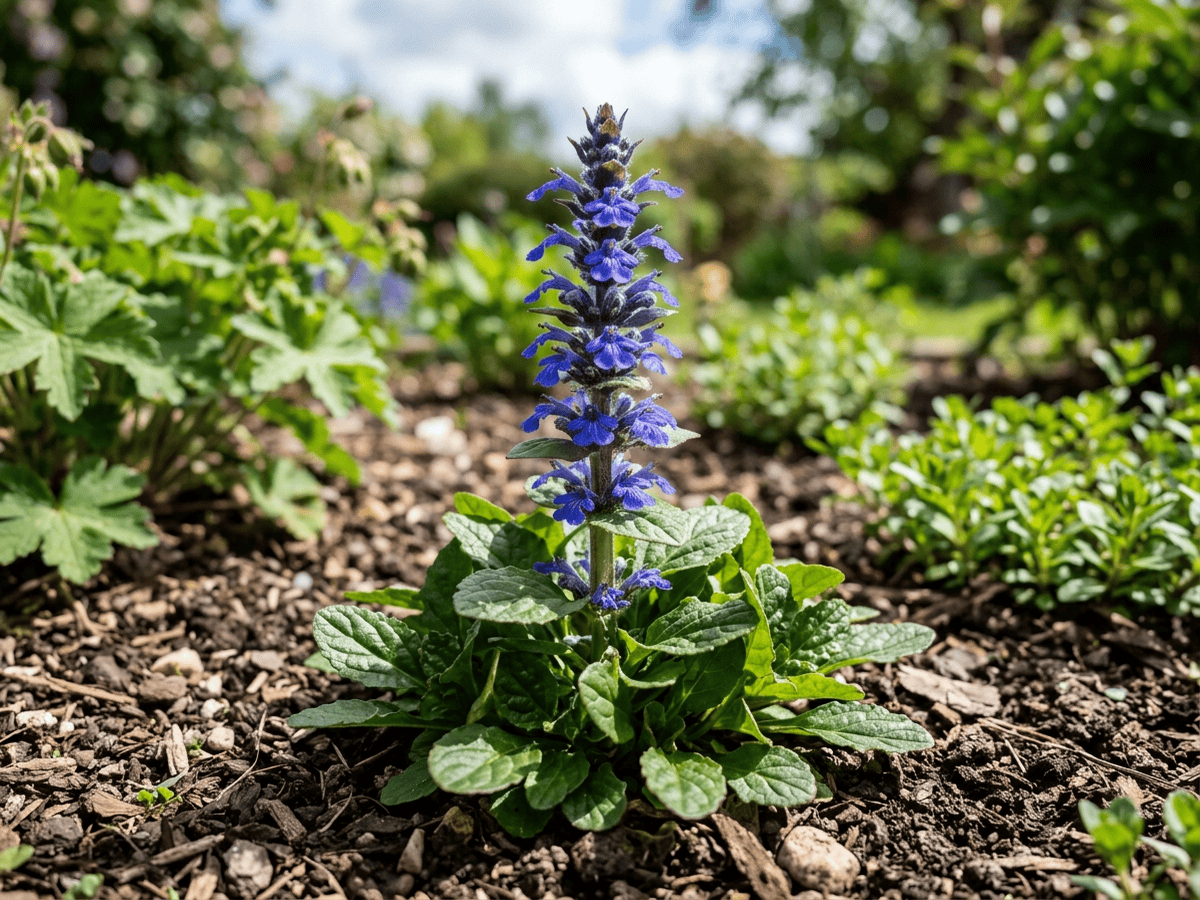 Blue BugleAjuga genevensis
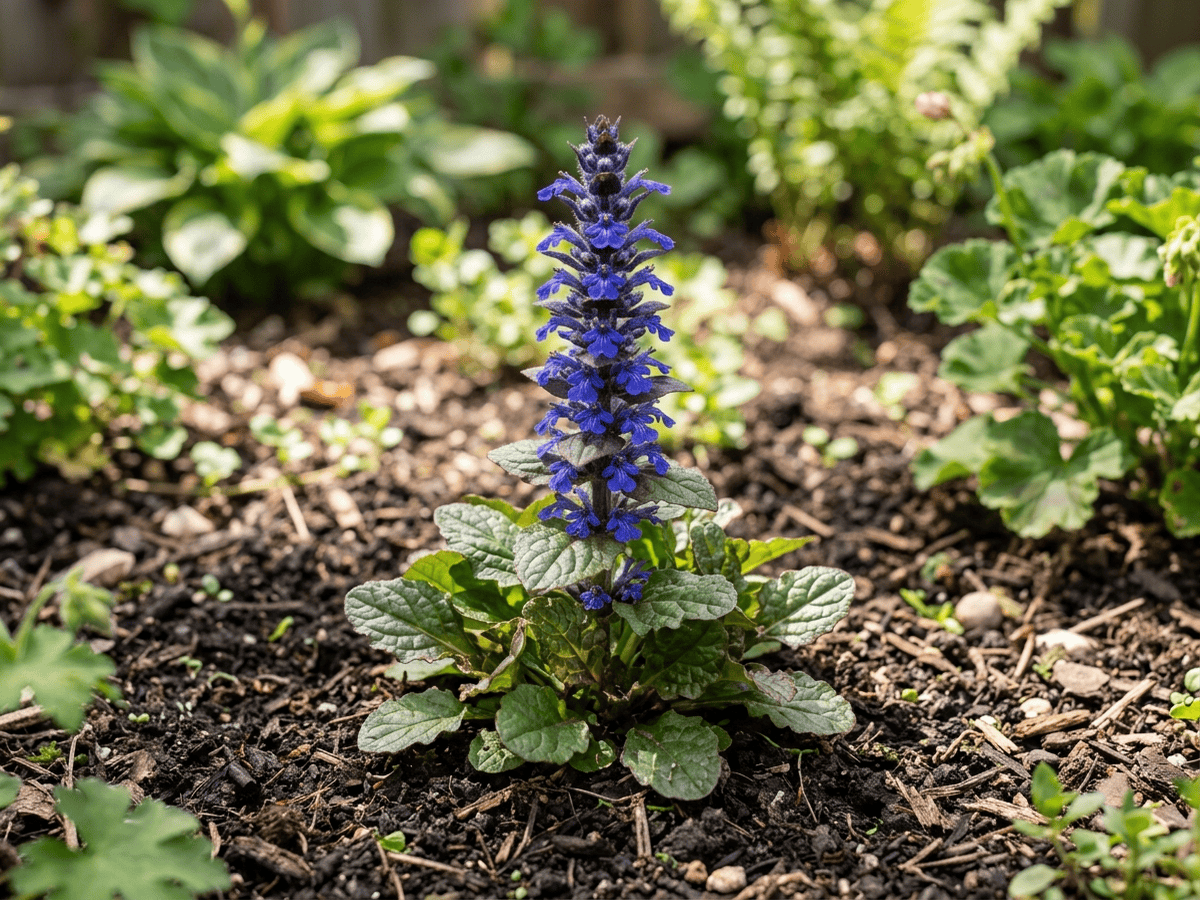 Pyramidal BugleAjuga pyramidalis
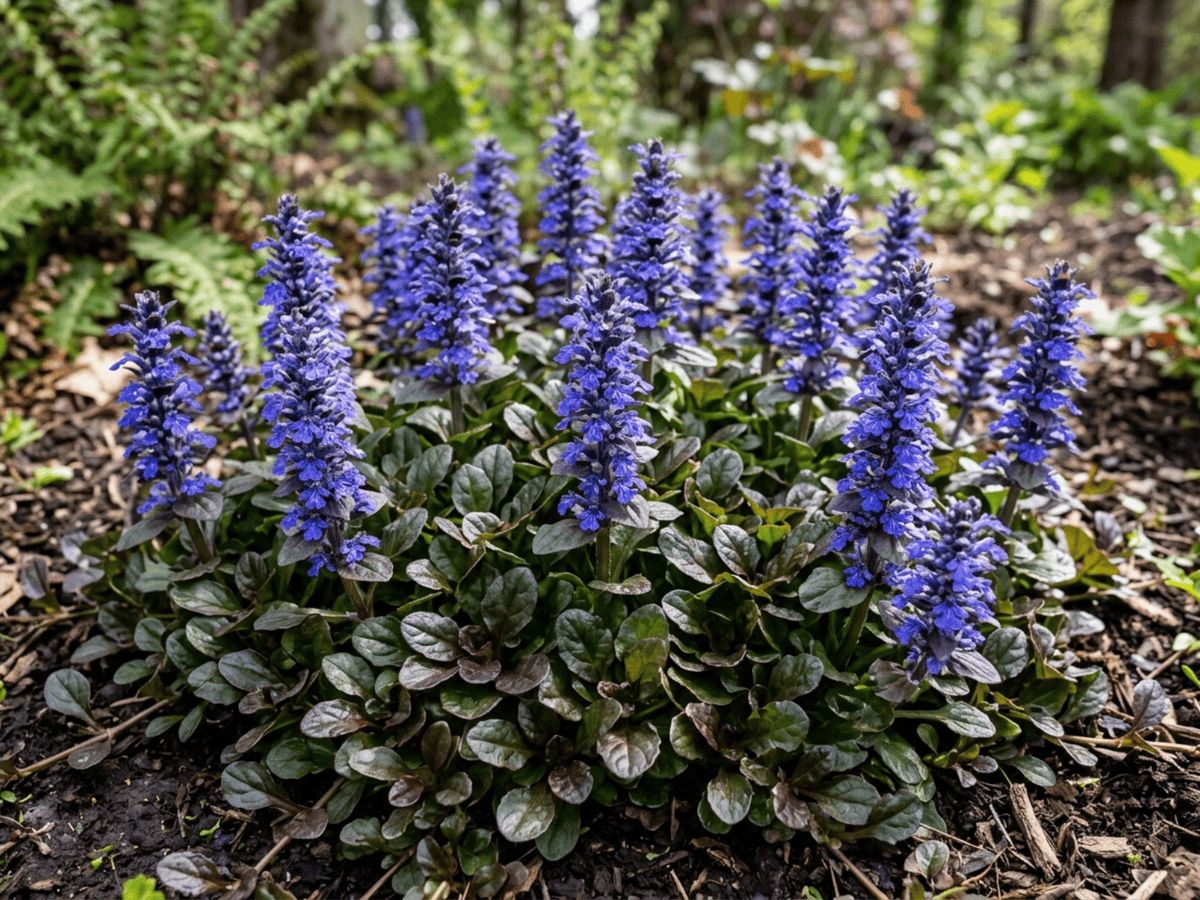 Carpet BugleAjuga reptans
Frequently asked questions
How often should I water Common Buckthorn?
In summer, water about every 10 days; in winter, about every 30 days. Adjust for heat, pot size and drainage.
How much light does Common Buckthorn need?
Part shade: 2–4 hrs direct. Watch the leaves — scorching or stretching means the light needs adjusting.
Is Common Buckthorn toxic to cats or dogs?
Pets Moderate (Dogs Moderate · Cats Moderate) Educational information, not medical or veterinary advice. If exposure is suspected, contact a doctor or veterinarian.
Is Common Buckthorn easy to grow?
Yes — it is considered an easy, beginner-friendly plant.
When does Common Buckthorn bloom?
It typically blooms Mar–May in the Northern Hemisphere.
YardMate
Identify any plant in seconds
Snap a photo — YardMate names the plant, diagnoses problems, and reminds you when to water.
Download on the App Store