 YardMate
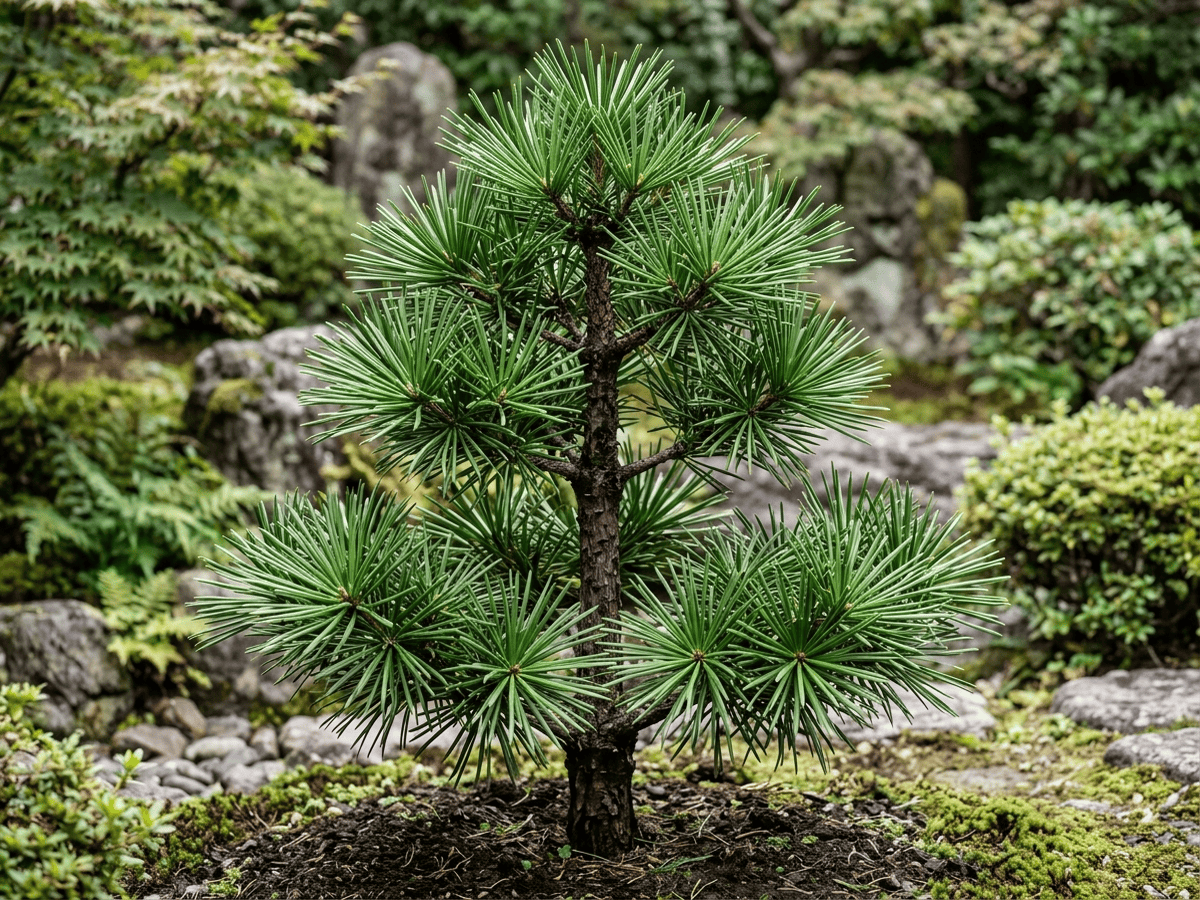

Koyamaki
Sciadopitys verticillata
Medium · Some experienceAbout Koyamaki
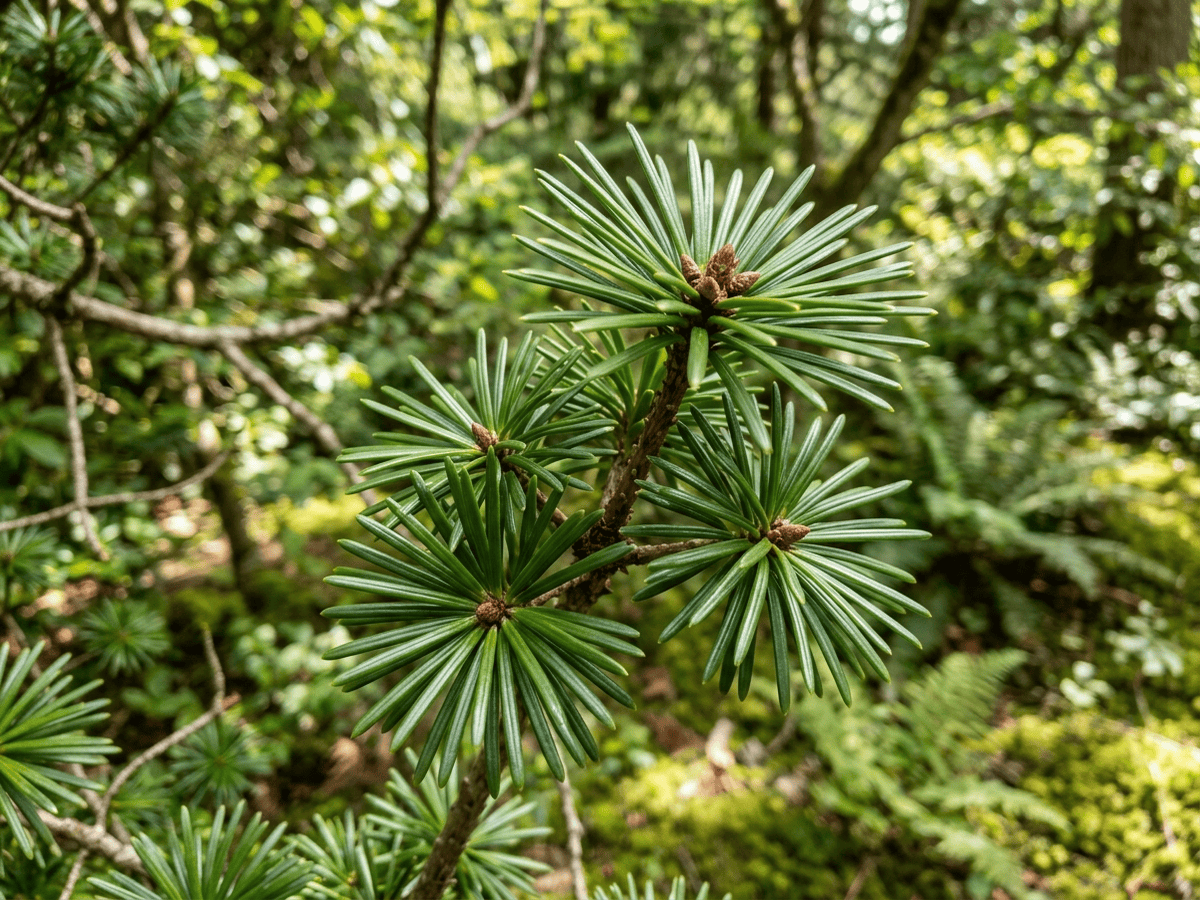
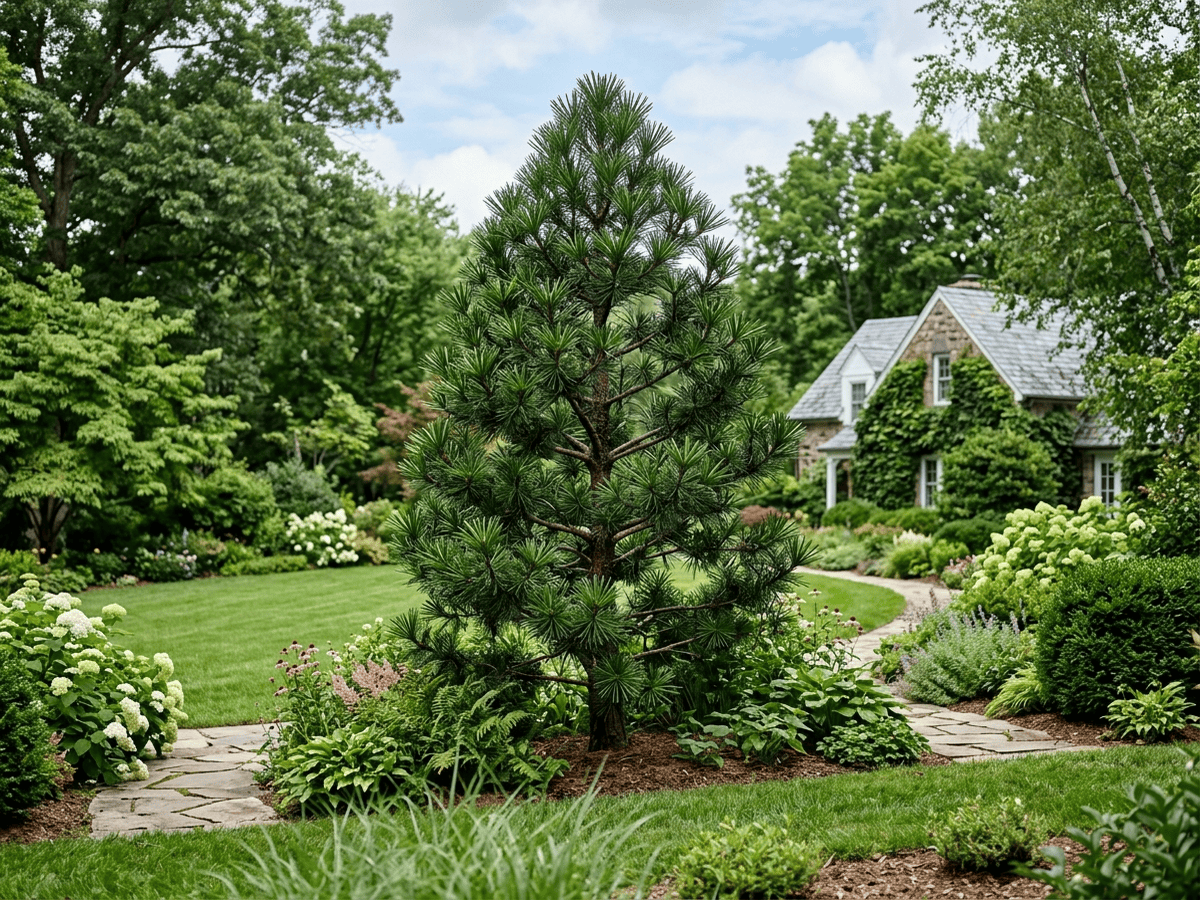
Japanese Umbrella Pine is a unique coniferous tree native to Japan, reaching 25-40 feet in cultivation, recognized by long glossy dark green needle-like leaves arranged in whorled umbrella-spoke clusters at branch tips. Not actually a true pine, it belongs to its own single-species family—a living fossil dating back to the Triassic. Slow-growing, elegantly narrow, and utterly distinctive, it is a connoisseur's specimen conifer for American gardens.
- Evergreen
How to care for Koyamaki
Watering
- Springevery 10 days
- Summerevery 7 days
- Fallevery 14 days
- Winterevery 30 days
Soil · Acidic · pH 4.5–6
- Top dressingPine needle mulch10%
- Main mixAcid-lover mix + peat 3:175%
- DrainageGravel15%
Never add lime or wood ash — it cancels out the acidity.
FERTILIZER
Balanced Feed 14-14-14
An even feed covers all three needs at once, keeping leaves, roots and blooms moving together with nothing pushed out of balance.
- Nitrogen · Leaves
- Phosphorus · Roots + Blooms
- Potassium · Strength
- Springevery 60 days
At a Glance
- NativeEast Asia
- Height25–40 ft (7.6–12.2 m)
- Spread15–25 ft (4.6–7.6 m)
- Flower colorYellow, Green
- Foliage colorDark-green, Green
- Fruit colorBrown
- SoilLoamy, Acidic, Moisture-retentive
- LocationsYard
Bloom time
BLOOM CYCLE
Small male cones clustered at shoot tips
Fragrance
LIGHT FRAGRANCE
Mild resinous scent when crushed.
Toxicity
No toxicity has been reported for this plant. Still, it is wise to keep pets from chewing on any houseplant.
Educational information, not medical or veterinary advice. If exposure is suspected, contact a doctor or veterinarian.
DISTRIBUTION


- Native
- East Asia
History
Sciadopitys verticillata, the Japanese umbrella pine, is a living fossil and the only surviving species in the family Sciadopityaceae. Its lineage diverged from other conifers in the Triassic, more than 230 million years ago, and fossil relatives were once widespread across the Northern Hemisphere. Today it survives naturally only in limited mountain areas of central and southern Japan.
Siebold and Zuccarini described it in 1842. The name koyamaki and the common name umbrella pine refer to the distinctive whorls of glossy green needles that radiate like umbrella spokes; botanically, each apparent needle is a fused pair of photosynthetic shoots.
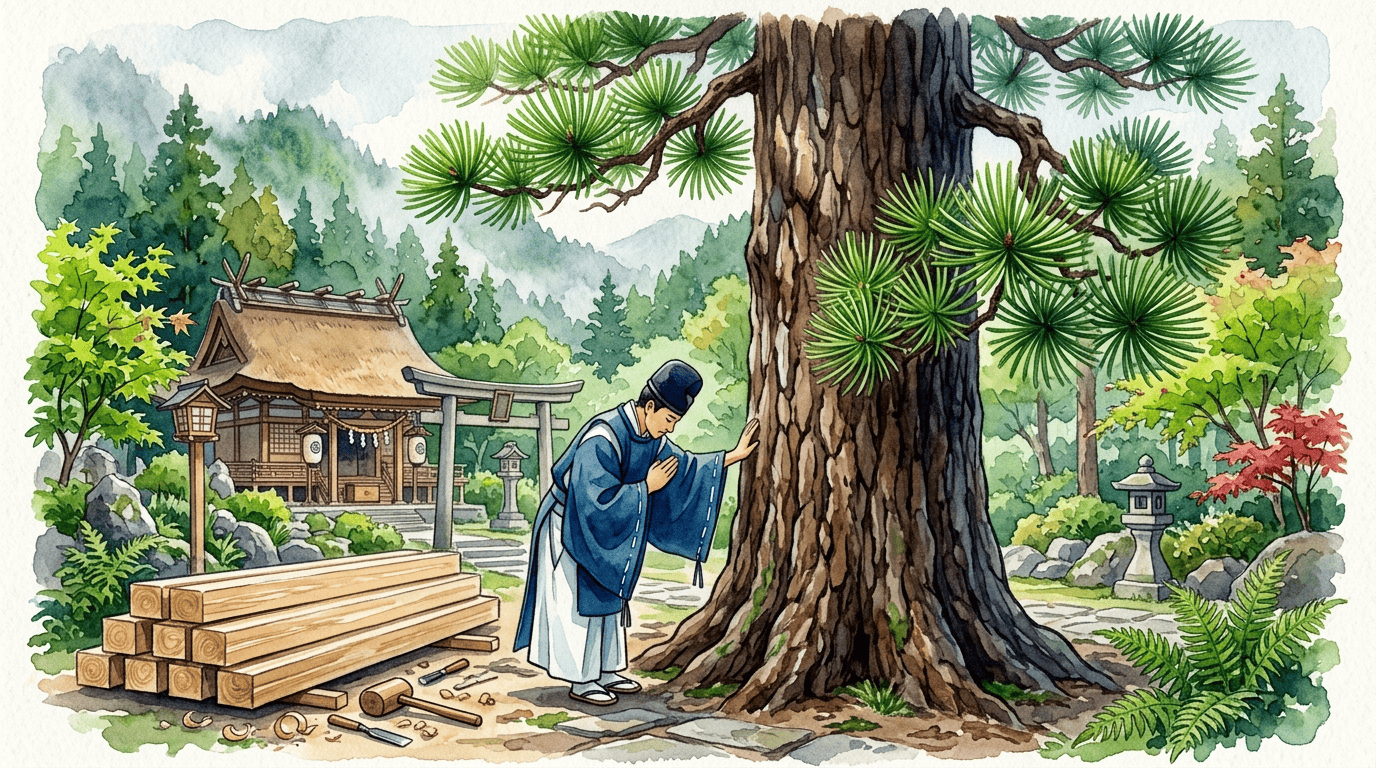
In Japan the tree is one of the Five Sacred Trees of Kiso and has been tied to shrine construction and elite timber traditions. Slow-growing, long-lived, and unlike any other conifer, it became a prized specimen tree in Western gardens: not flashy, but ancient in the deepest sense.
Symbolism & meaning
What It Symbolizes
Koyamaki carries antiquity as its core meaning — sole survivor of an ancient conifer lineage that flourished hundreds of millions of years ago, now alone in its own family. In Japan it is one of the five sacred trees, planted at temples and shrines, its sacredness rooted in this very evolutionary uniqueness. It is a living relic, still elegantly dressed in whorls of green needles like a small ceremony from the Mesozoic.
- Antiquity — living fossil conifer lineage
- Sacredness — among Japan's five sacred trees
Where the Name Comes From
'Sciadopitys' means 'umbrella pine' in Greek; 'verticillata' refers to the whorled leaves.
Uses & Fun Facts
- Living-fossil umbrella conifer as Japanese garden focal point
- Whorled glossy needle clusters give unique year-round texture
Related plants
Plants with similar care
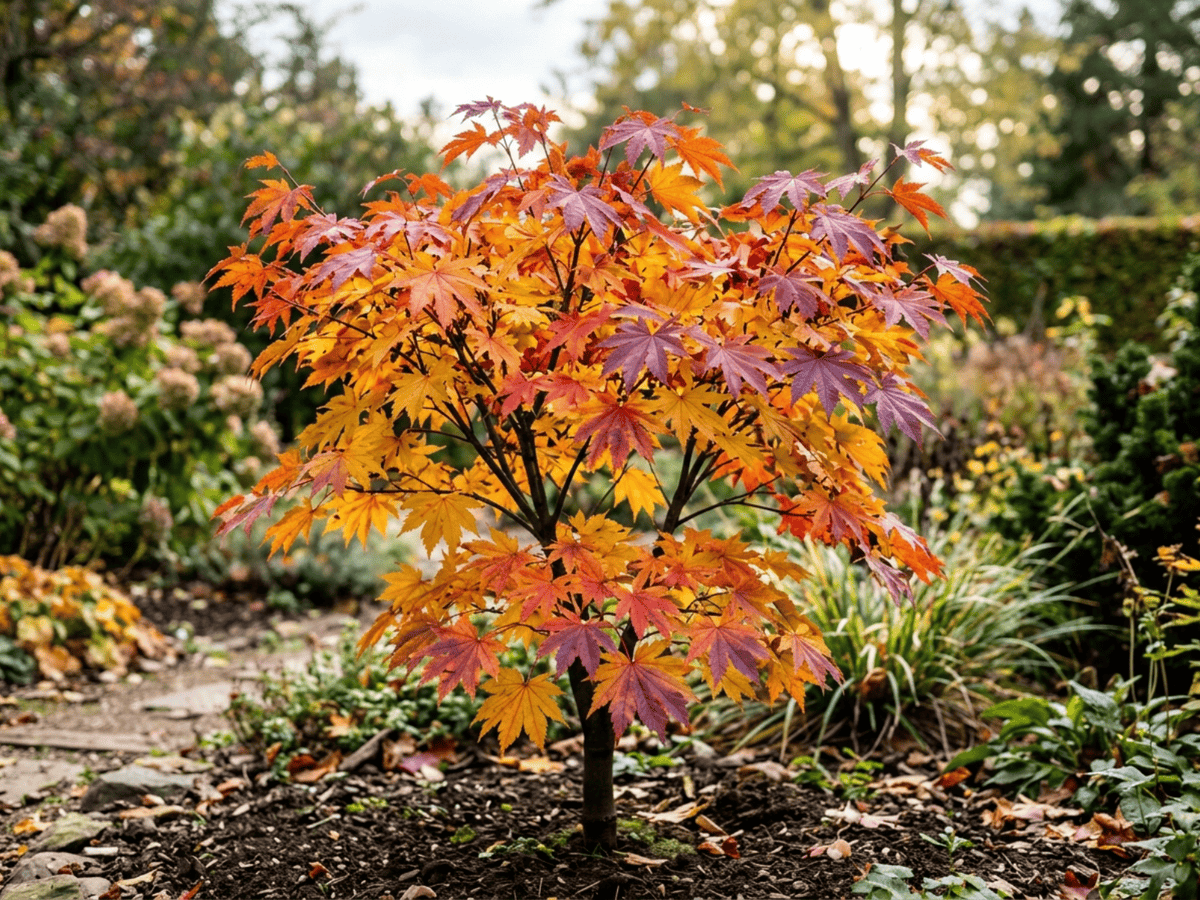 Downy Japanese MapleAcer japonicum
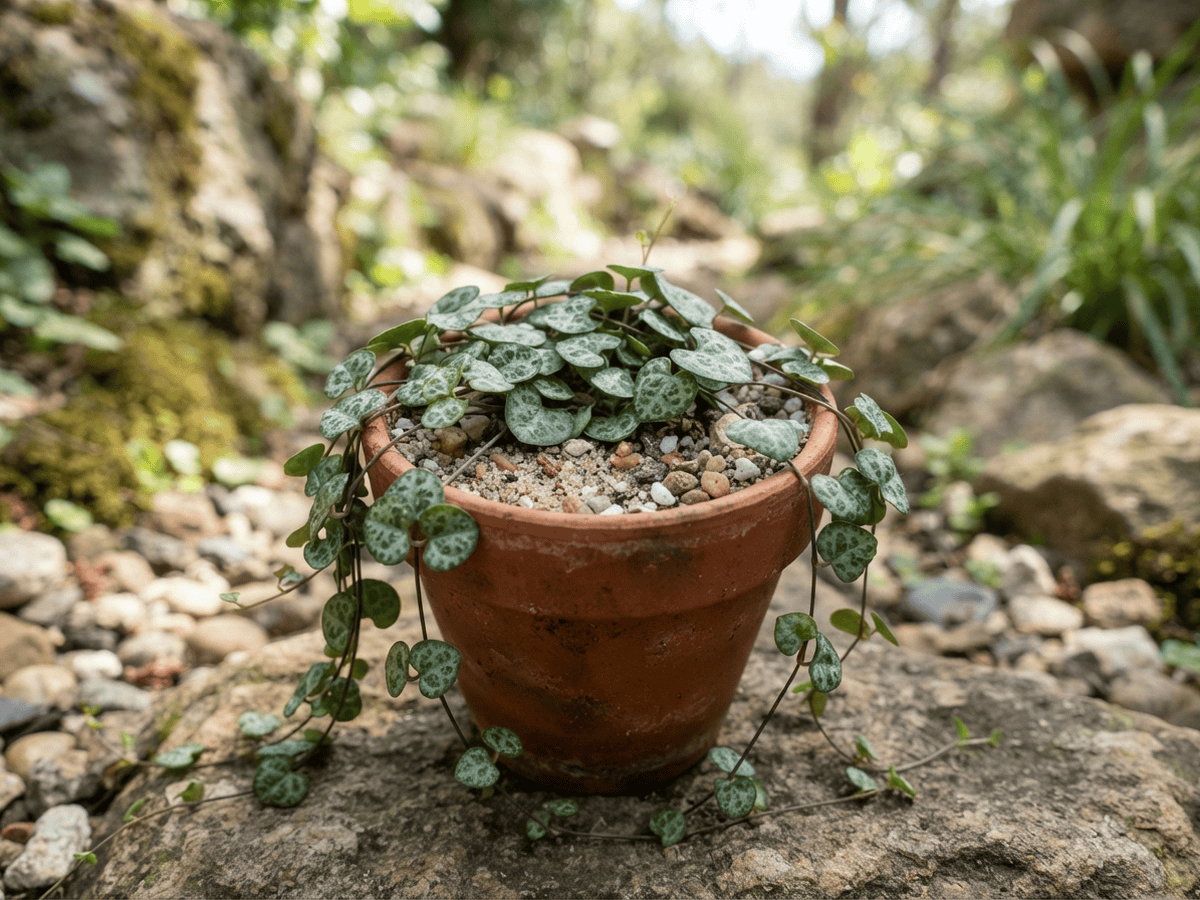 String of HeartsCeropegia woodii
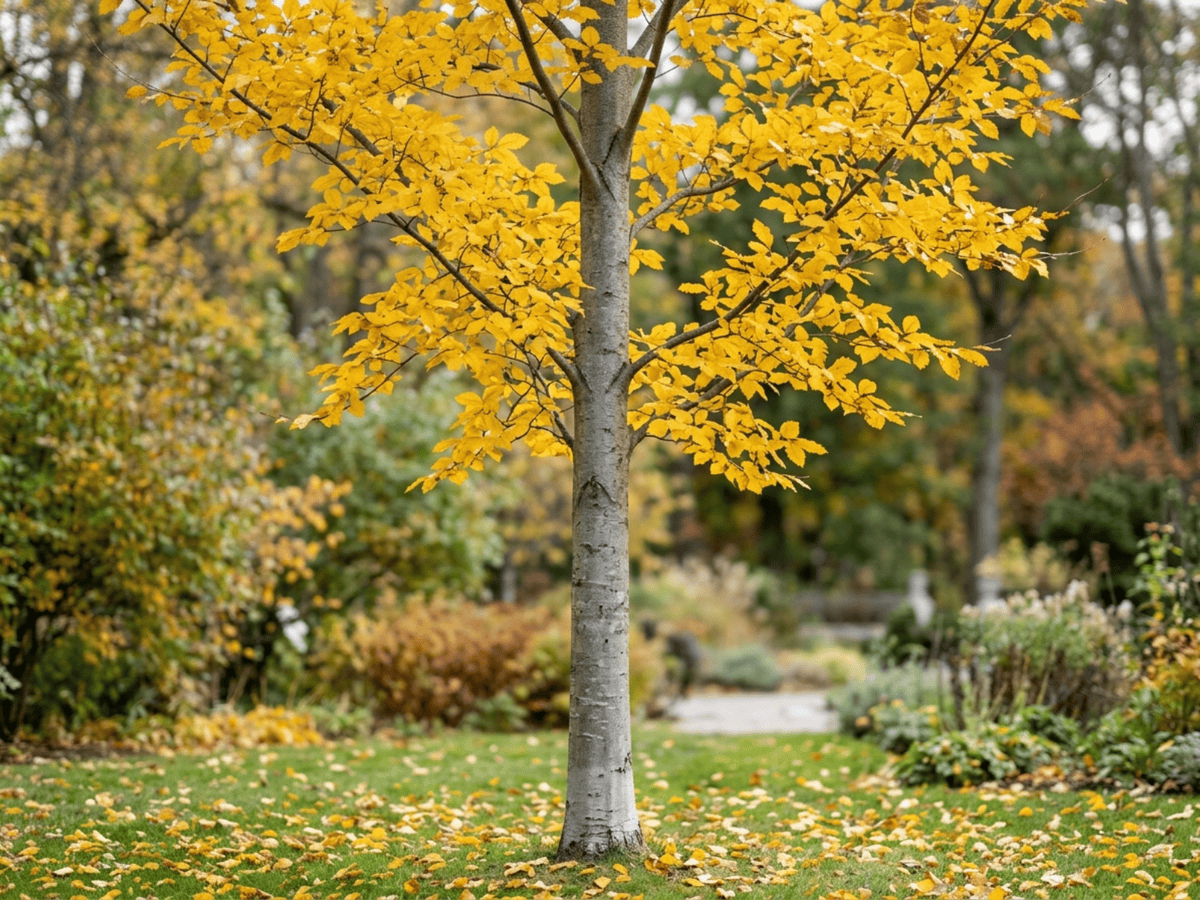 American BeechFagus grandifolia
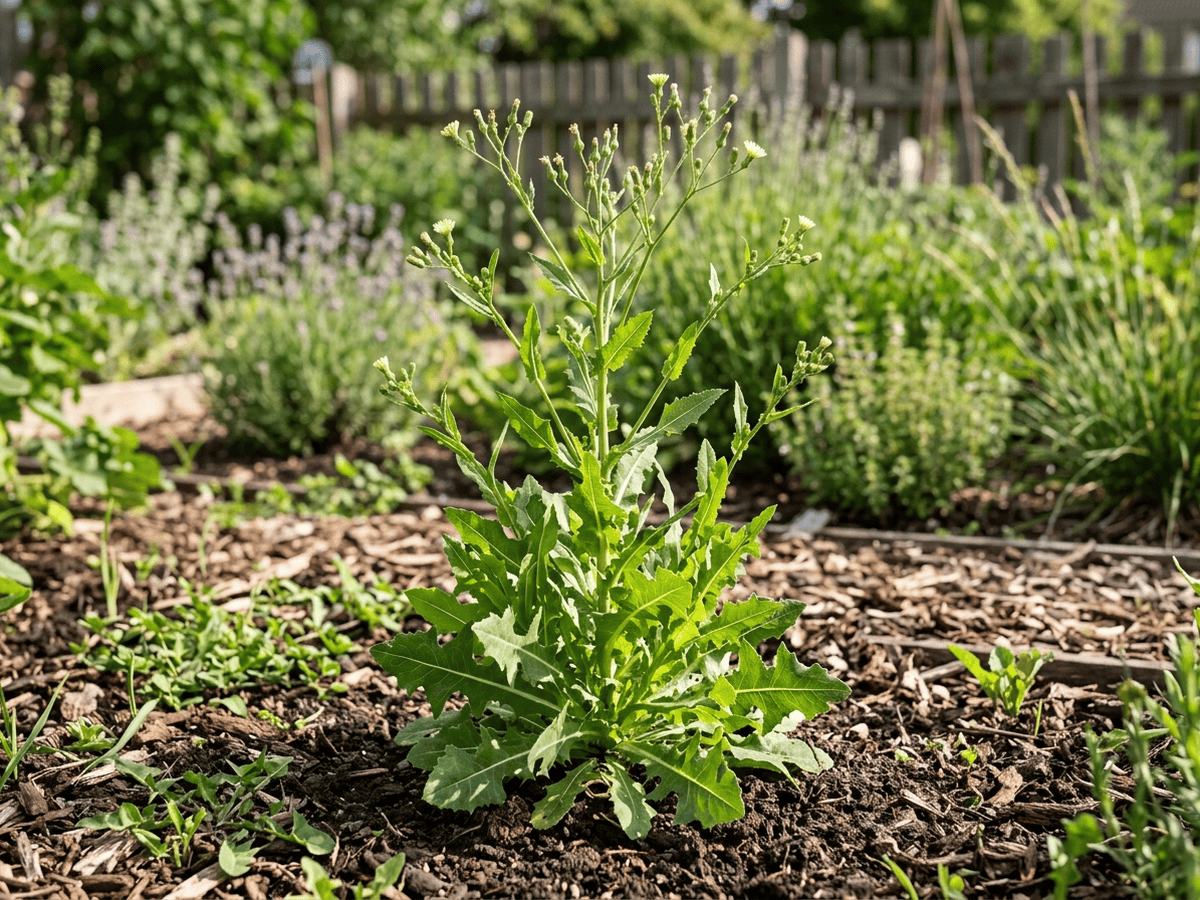 Pliant LettuceLactuca viminea
Frequently asked questions
How often should I water Koyamaki?
In summer, water about every 7 days; in winter, about every 30 days. Adjust for heat, pot size and drainage.
How much light does Koyamaki need?
Part sun: 4–6 hrs direct. Watch the leaves — scorching or stretching means the light needs adjusting.
Is Koyamaki toxic to cats or dogs?
No toxicity has been reported for this plant. Still, it is wise to keep pets from chewing on any houseplant. Educational information, not medical or veterinary advice. If exposure is suspected, contact a doctor or veterinarian.
Is Koyamaki easy to grow?
It is moderately demanding: a good choice once you have a little experience.
YardMate
Identify any plant in seconds
Snap a photo — YardMate names the plant, diagnoses problems, and reminds you when to water.
Download on the App Store