 YardMate


Common Snowberry
Symphoricarpos albus
Easy · Beginner friendlyAbout Common Snowberry
Common Snowberry is a deciduous shrub native to North America from Alaska across Canada south through the western United States. Growing 2 to 5 feet tall, it bears small pink bell-shaped flowers in summer that develop into the round, pure white waxy berries that give it its name. The berries persist through winter, providing food for winter birds and adding striking color to the dormant landscape. A workhorse native shrub for shaded slopes and woodland edges.
- Drought-tolerant
- Native
- Wildlife-friendly
How to care for Common Snowberry
Watering
- Springevery 10 days
- Summerevery 7 days
- Fallevery 14 days
- Winterevery 21 days
Soil · Well-draining
- Top dressingPine bark mulch10%
- Main mixPotting soil + perlite 2:170%
- DrainageLECA / gravel20%
Never skip the drainage layer — standing water is the top cause of root rot.
FERTILIZER
- Springevery 90 days
At a Glance
- NativeNorth America
- Height3–6 ft (0.9–1.8 m)
- Spread3–6 ft (0.9–1.8 m)
- Flower colorPink, White
- Foliage colorGreen, Blue-green
- Fruit colorWhite
- SoilLoamy, Well-drained
- LocationsYard
Bloom time
BLOOM CYCLE
Peak bloom
Jun–Aug
Small pink bell-shaped flowers June to August
Fragrance
LIGHT FRAGRANCE
Flowers have a light, subtle scent.
Toxicity
Humans Slight · Pets Slight
saponins and chelidonine
Slight
- Fruit
- Ingestion
EXPOSURE Eating fruit.
EFFECT Berries can cause vomiting, diarrhea, and mild sedation if eaten in quantity.
NOTE Berries mildly toxic; avoid ingestion by children and pets.
Slight
- Fruit
- Ingestion
EXPOSURE Eating fruit.
EFFECT Saponins and chelidonine can cause vomiting, diarrhea.
NOTE Berries mildly toxic; avoid ingestion by children and pets.
Slight
- Fruit
- Ingestion
EXPOSURE Eating fruit.
EFFECT Saponins and chelidonine can cause vomiting, diarrhea.
NOTE Berries mildly toxic; avoid ingestion by children and pets.
Educational information, not medical or veterinary advice. If exposure is suspected, contact a doctor or veterinarian.
DISTRIBUTION


- Native
- Introduced
- North America
History
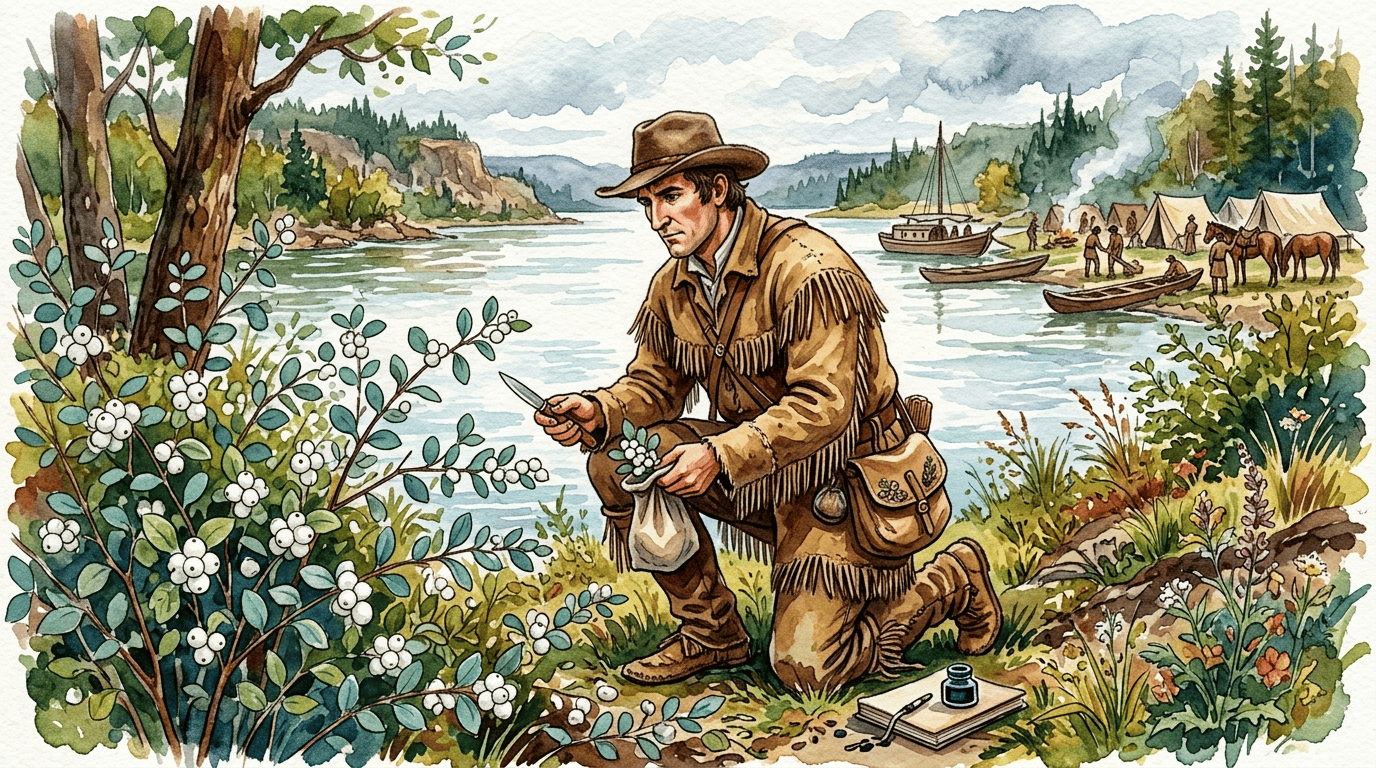
Symphoricarpos albus, the common snowberry, is a deciduous shrub widespread across northern and western North America, from Alaska and Quebec south through the Appalachians and Rockies to California. Meriwether Lewis collected specimens along the Missouri River in 1805, and the Lewis and Clark expedition returned seeds to Thomas Jefferson at Monticello, from which the plant entered European horticulture. Indigenous peoples of the Great Plains and Pacific Northwest including the Blackfoot, Cree, and Salish used crushed fruits and stems as a soap substitute and externally for skin ailments, though internally the berries were considered mildly toxic.
The distinctive waxy white berries persist into winter, providing late-season color and bird food. It remains a widely used shrub in native plant and wildlife gardens.
Symbolism & meaning
What It Symbolizes
The Common Snowberry can symbolize winter beauty, its clusters of waxy white berries glowing against bare branches deep into the cold months. Another layer is quiet strength, for it is a tough native shrub of dry shaded slopes and roadside thickets, persisting where richer ornamentals fail. In the language of native plantings, symphoricarpos is the unobtrusive cold-weather lantern of the woodland edge, a shrub whose beauty waits, deliberately, until the rest of the forest has finished showing off.
- Winter beauty — white berries glow against bare winter branches
- Quiet strength — tough native shrub of dry shaded slopes
Where the Name Comes From
'Symphoricarpos' is Greek for 'fruits borne together'; 'albus' means white, for the berries.
Uses & Fun Facts
- White snowberries persist into winter for songbird food
- Suckering thicket stabilizes slopes and shaded edges
- Pearly white winter berries above blue-green foliage
Related plants
Plants with similar care
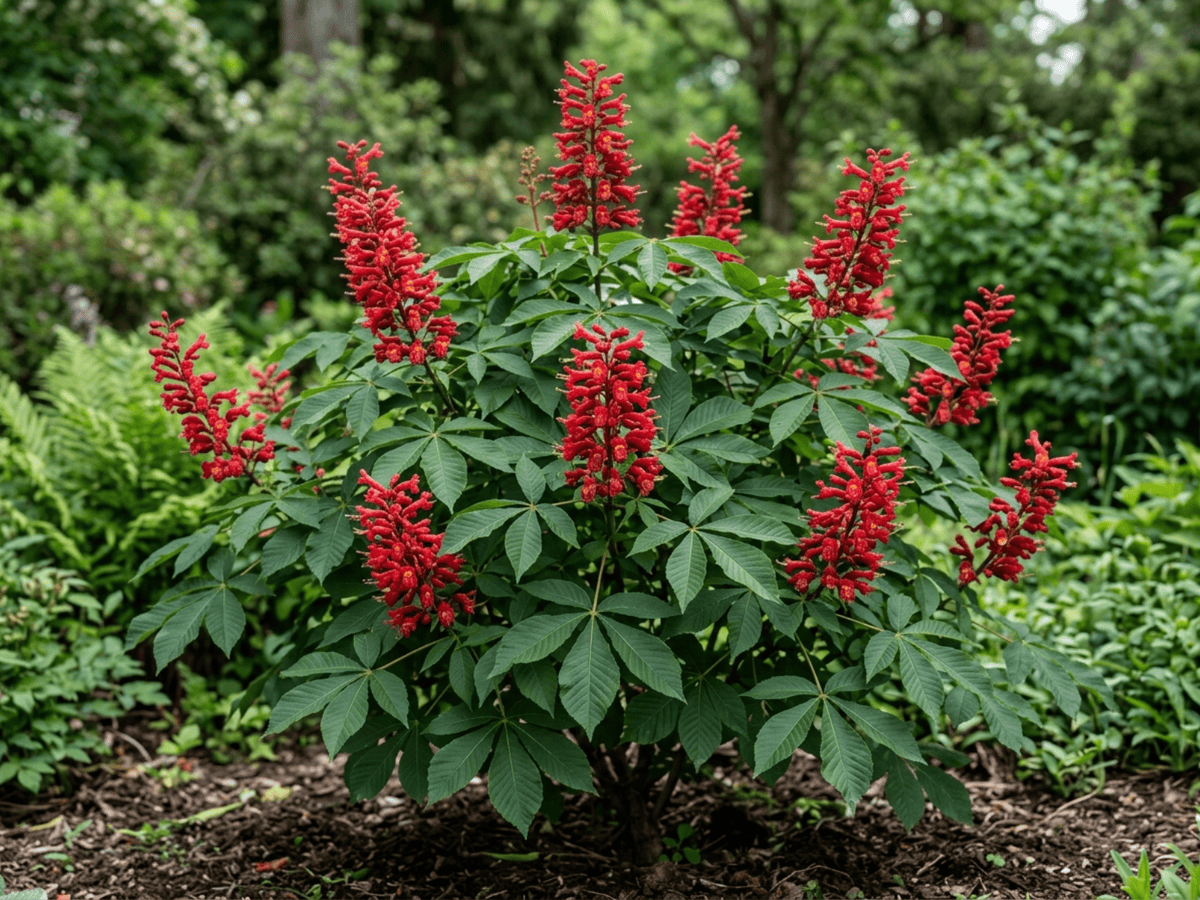 Red BuckeyeAesculus pavia
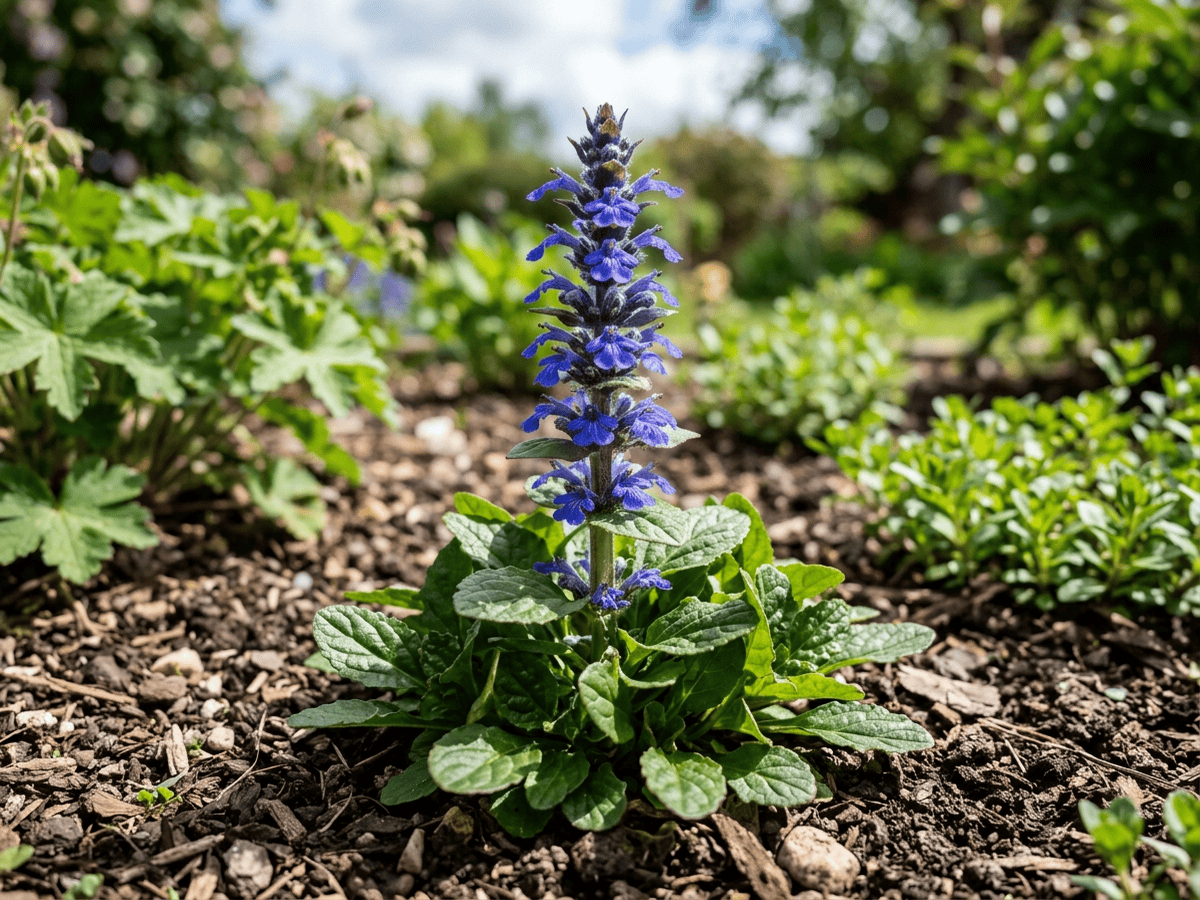 Blue BugleAjuga genevensis
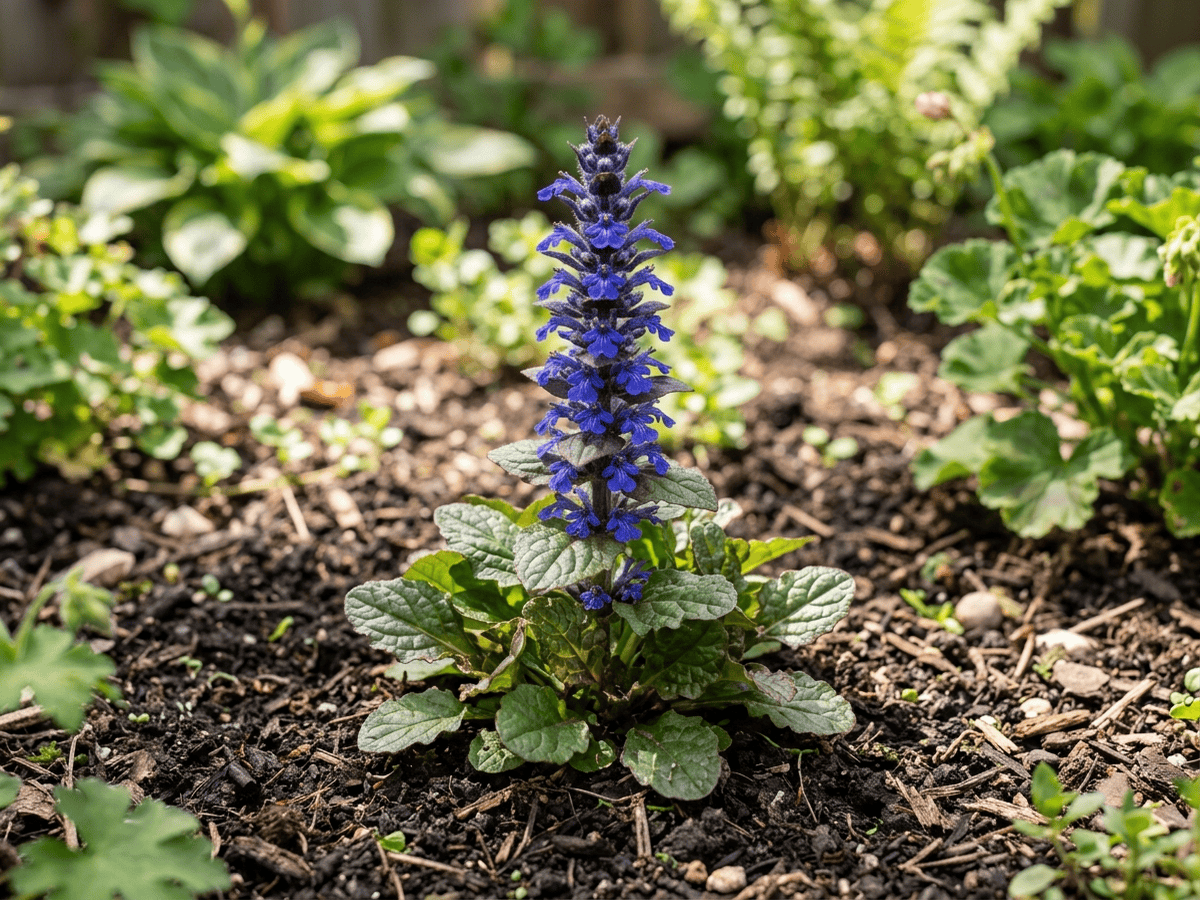 Pyramidal BugleAjuga pyramidalis
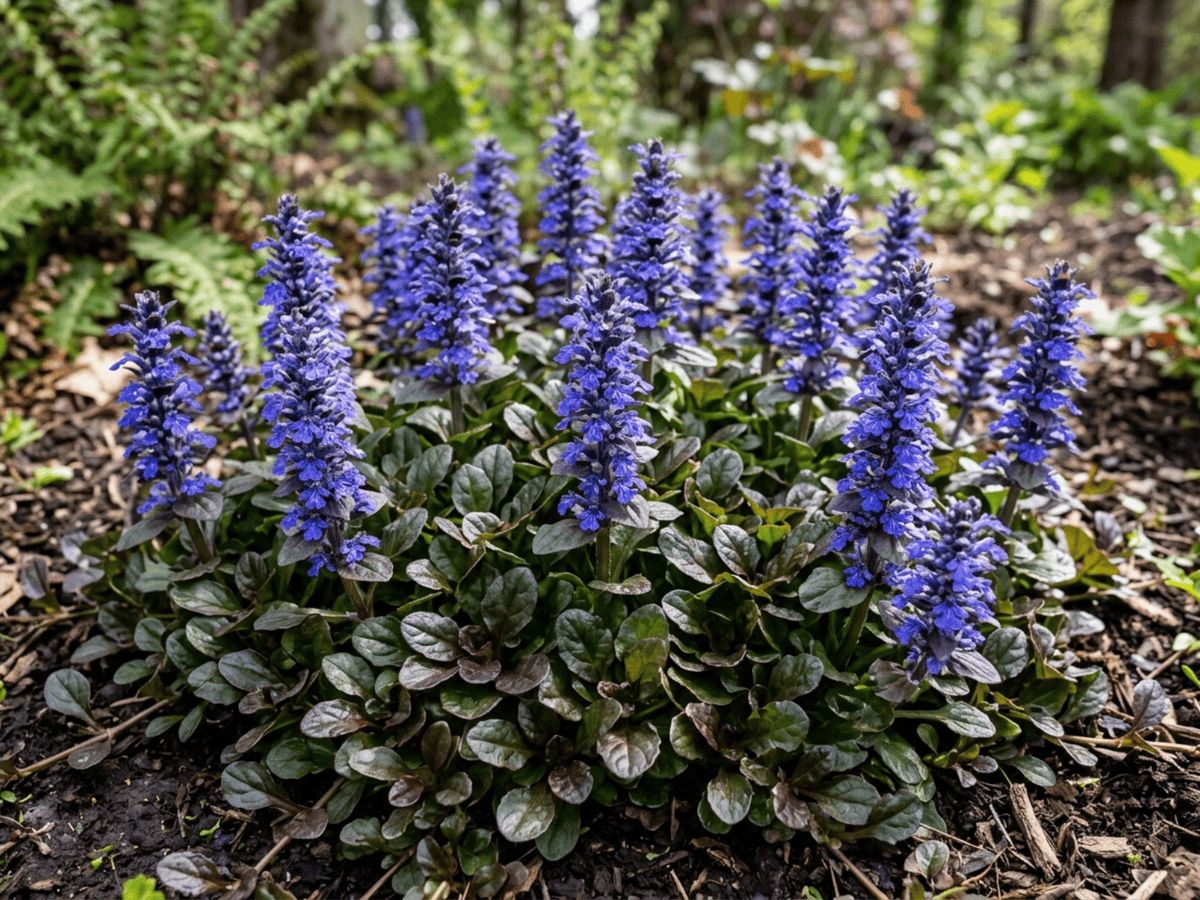 Carpet BugleAjuga reptans
Frequently asked questions
How often should I water Common Snowberry?
In summer, water about every 7 days; in winter, about every 21 days. Adjust for heat, pot size and drainage.
How much light does Common Snowberry need?
Part shade: 2–4 hrs direct. Watch the leaves — scorching or stretching means the light needs adjusting.
Is Common Snowberry toxic to cats or dogs?
Pets Slight (Dogs Slight · Cats Slight) Educational information, not medical or veterinary advice. If exposure is suspected, contact a doctor or veterinarian.
Is Common Snowberry easy to grow?
Yes — it is considered an easy, beginner-friendly plant.
When does Common Snowberry bloom?
It typically blooms Jun–Aug in the Northern Hemisphere.
YardMate
Identify any plant in seconds
Snap a photo — YardMate names the plant, diagnoses problems, and reminds you when to water.
Download on the App Store