 YardMate
Silver Arrowhead
Syngonium wendlandii
Hard · Experienced growersAbout Silver Arrowhead
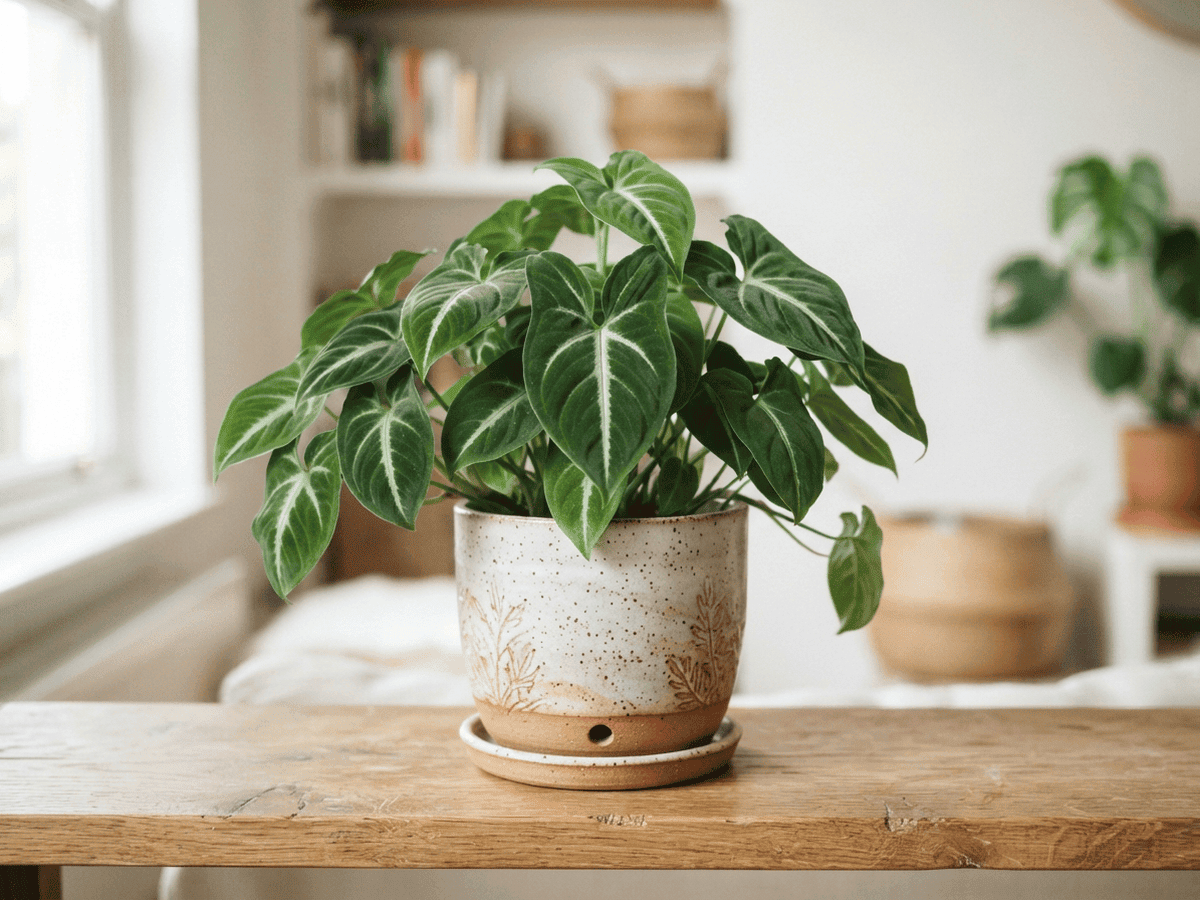
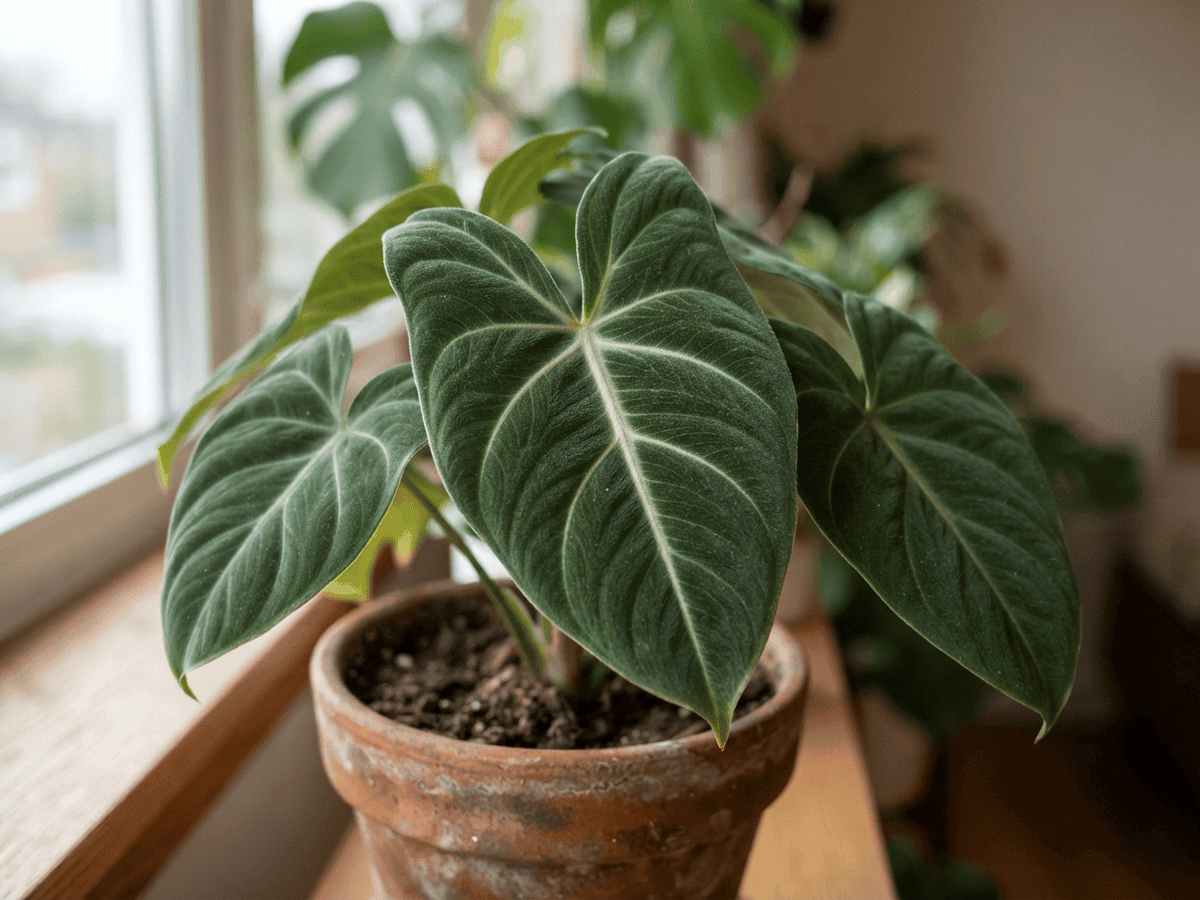
The Silver Arrowhead is a tropical vine native to Costa Rica's rainforests, prized for its velvety, dark green leaves marked with a bold silvery stripe along the veins. Young plants form low, simple arrow-shaped leaves close to the ground; as the vine matures and climbs using aerial roots, its leaves lengthen and develop deep lobes. In its native forest understory it grows as a hemiepiphyte, rooting in soil before climbing tree trunks toward brighter light. Grown indoors for its striking foliage, it favors warm, humid conditions and bright indirect light, rewarding growers with ever-larger, more dramatic leaves as it climbs a support.
- Evergreen
- Container-friendly
- Climbing
- Shade-tolerant
How to care for Silver Arrowhead
Watering
- Springevery 7 days
- Summerevery 7 days
- Fallevery 14 days
- Winterevery 21 days
Soil · Chunky & airy
- Top dressingBark chips10%
- Main mixBark + potting soil + perlite 1:1:170%
- DrainageLECA20%
Chunky pieces hold air pockets open so thick roots don't suffocate.
FERTILIZER
Foliage Feed 24-8-16
Nitrogen leads so the plant spends its energy on dense green growth. Phosphorus and potassium follow just far enough to keep roots and stems up to speed.
- Nitrogen · Leaves
- Phosphorus · Roots + Blooms
- Potassium · Strength
- Springevery 30 days
- Summerevery 30 days
At a Glance
- NativeCentral America, South America
- Height1–3 ft (0.3–0.9 m)
- Spread1–2 ft (0.3–0.6 m)
- Foliage colorGreen, Silver
- SoilWell-drained, Moist
- LocationsIndoor · Patio · Greenhouse
Fragrance
NO FRAGRANCE
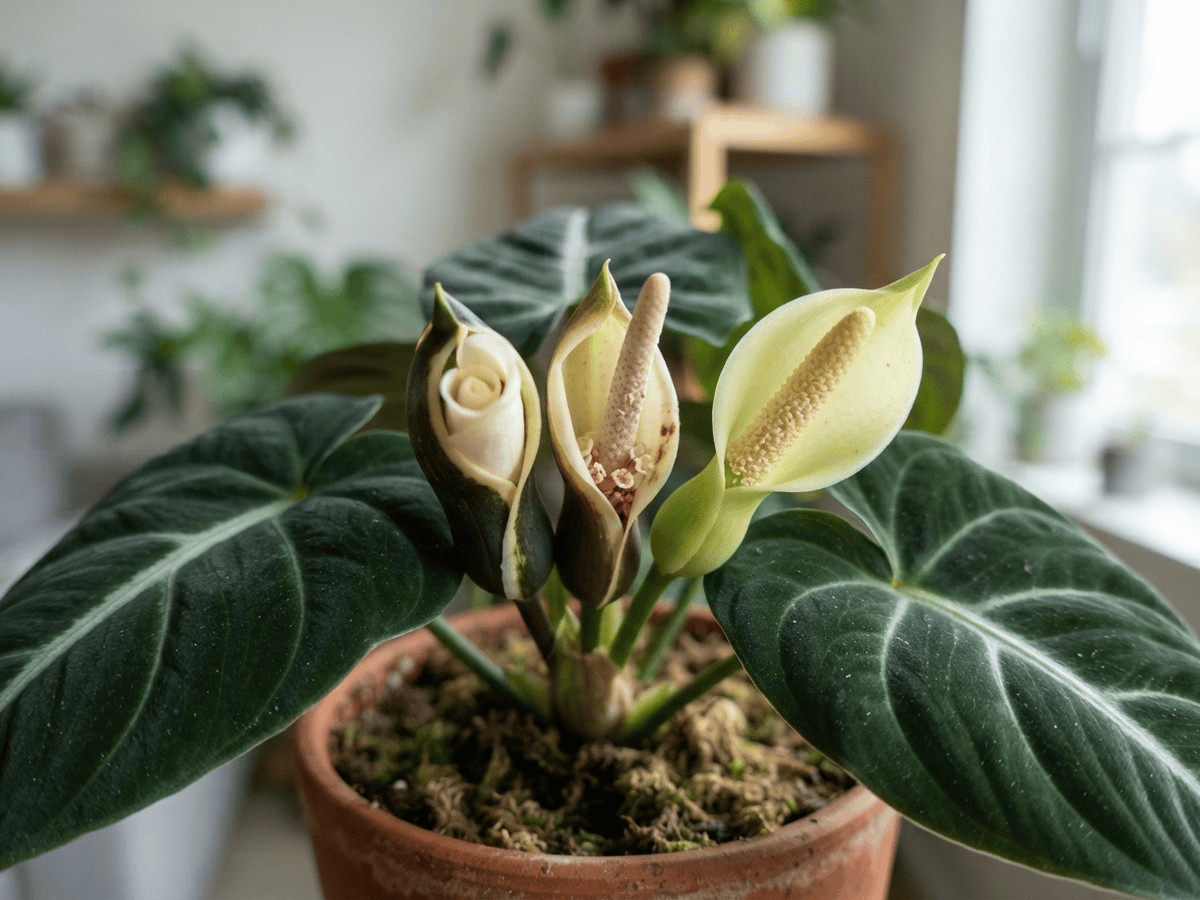
Indoors the plant rarely flowers, and its small aroid blooms carry no noticeable scent.
Toxicity
Toxicity unknown
None reported
Unknown
EXPOSURE No exposure route is reported.
EFFECT No toxic effect is reported.
NOTE Toxicity for humans is not well documented; use caution until verified.
Unknown
EXPOSURE No exposure route is reported.
EFFECT No toxic effect is reported.
NOTE Toxicity for dogs is not well documented; use caution until verified.
Unknown
EXPOSURE No exposure route is reported.
EFFECT No toxic effect is reported.
NOTE Toxicity for cats is not well documented; use caution until verified.
Educational information, not medical or veterinary advice. If exposure is suspected, contact a doctor or veterinarian.
DISTRIBUTION


- Native
- Introduced
- Central America
- South America
History
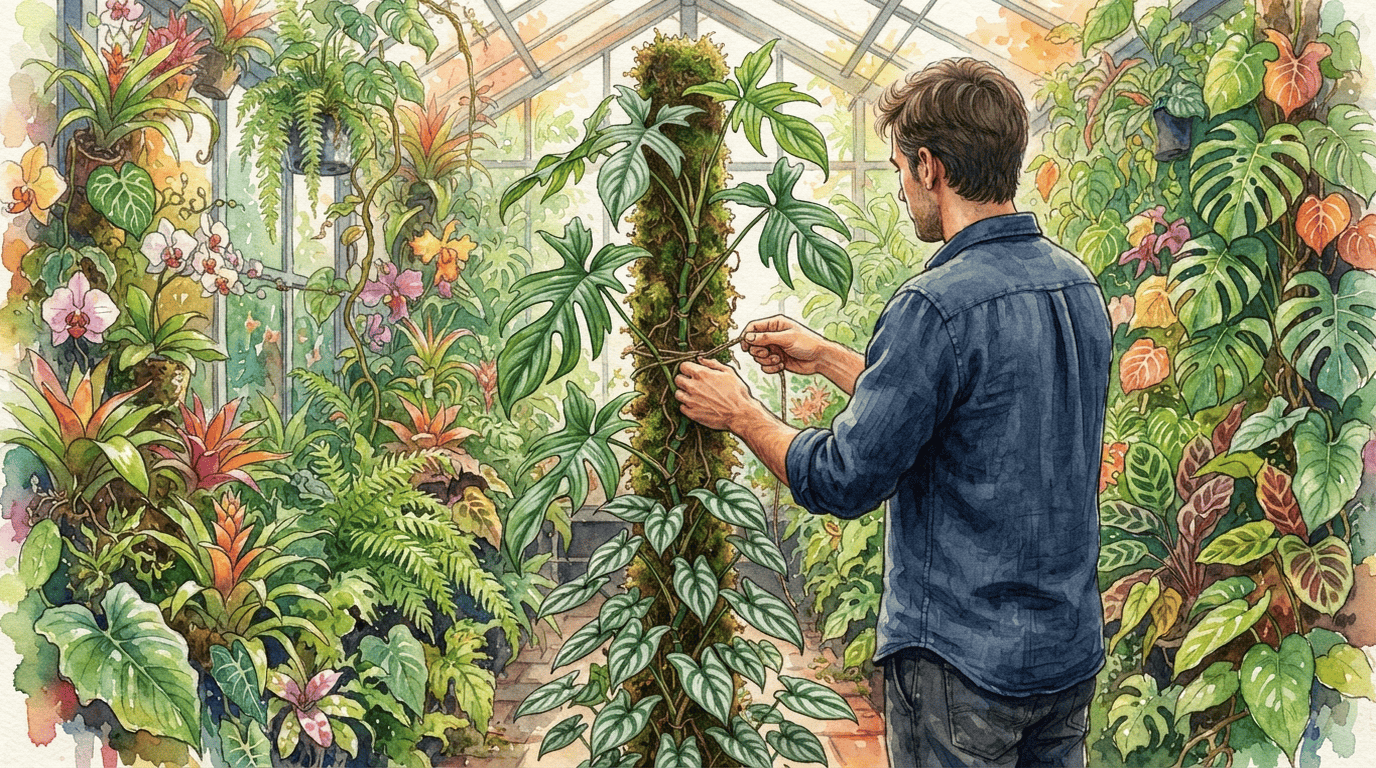
The Silver Arrowhead (Syngonium wendlandii) was collected in the mountain rainforests of Costa Rica in the mid-nineteenth century and named for Hermann Wendland, the German botanist who directed the Royal Gardens at Herrenhausen in Hanover and traveled through Central America gathering plants for European collections. In the wild the species begins life as a small seedling on the shaded forest floor, its first leaves simple and arrow-shaped with a pale silvery stripe running down the center. As it grows, it sends out aerial roots that grip nearby tree trunks, and it climbs upward as a hemiepiphyte, rooted in the soil below but reaching into the canopy above. With this climb comes a striking transformation: the modest juvenile leaves give way to much larger, deeply lobed mature foliage, a change so pronounced that climbing and ground-level specimens were once mistaken for different species. Introduced to European glasshouses not long after its discovery, it became a favorite for its velvety texture and silver venation, and it remains a popular houseplant today, still prized for the same dramatic shift in form that first caught collectors' attention.
Symbolism & meaning
What It Symbolizes
Because it begins as a small, simple leaf on the forest floor and transforms into a large, deeply lobed climber as it reaches toward the light, the Silver Arrowhead has come to symbolize personal growth and transformation, with its patient upward climb reflecting resilience and adaptability.
- Transformation — The dramatic change from a small silver arrowhead leaf to large, deeply lobed foliage as the vine climbs symbolizes personal growth and transformation.
- Resilience — Its hemiepiphytic habit, rooting on the forest floor before reaching up toward the canopy light, reflects quiet resilience and adaptability.
Where the Name Comes From
The genus name Syngonium comes from the Greek syn (together) and gone (womb), referring to the fused ovaries within the plant's flower cluster. The species name wendlandii honors Hermann Wendland, the German botanist who collected it in Costa Rica. The common name Silver Arrowhead describes its arrow-shaped juvenile leaves marked with a silvery central stripe.
Uses & Fun Facts
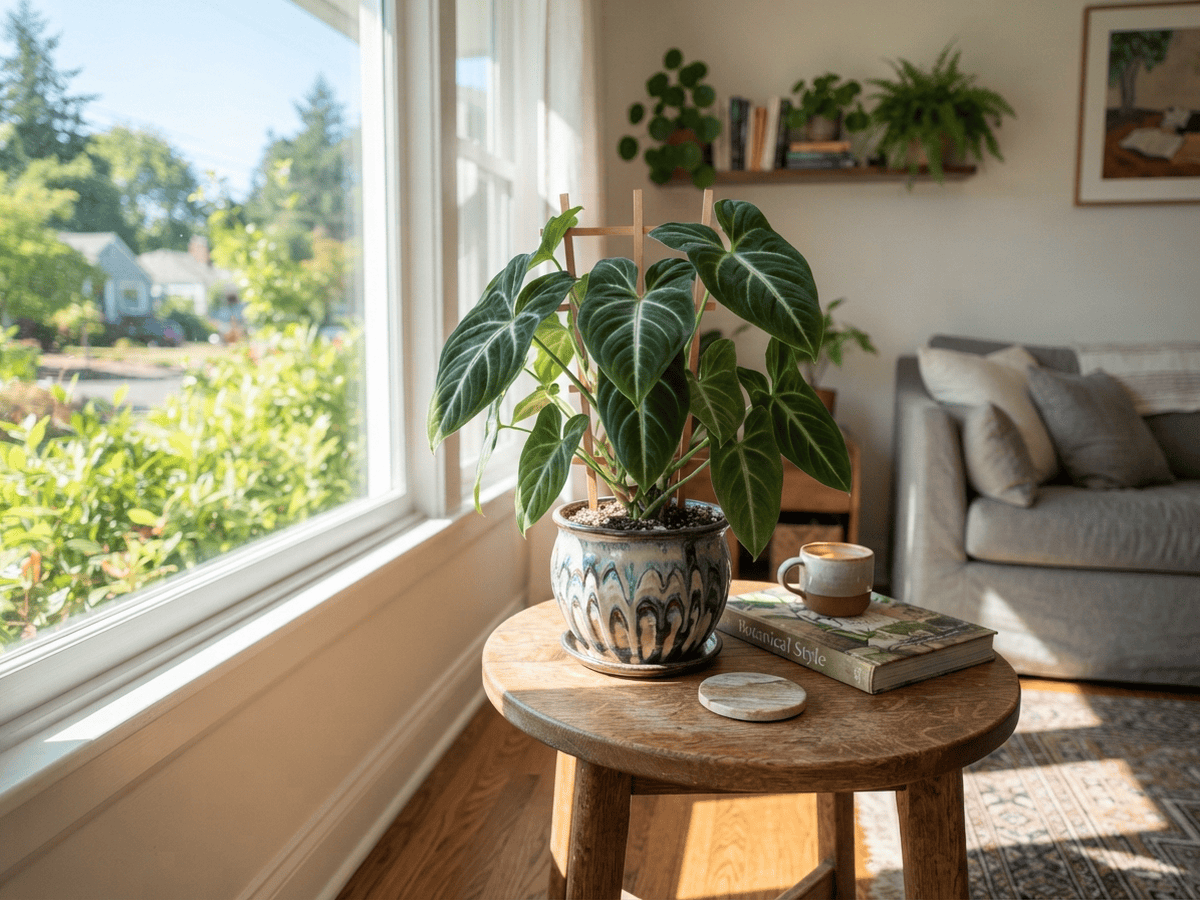
- Grown as a houseplant for its velvety, silver-veined arrowhead leaves, often trained to climb a moss pole.
- Its compact, silver-marked juvenile form is popular with terrarium and vivarium keepers.
Related plants
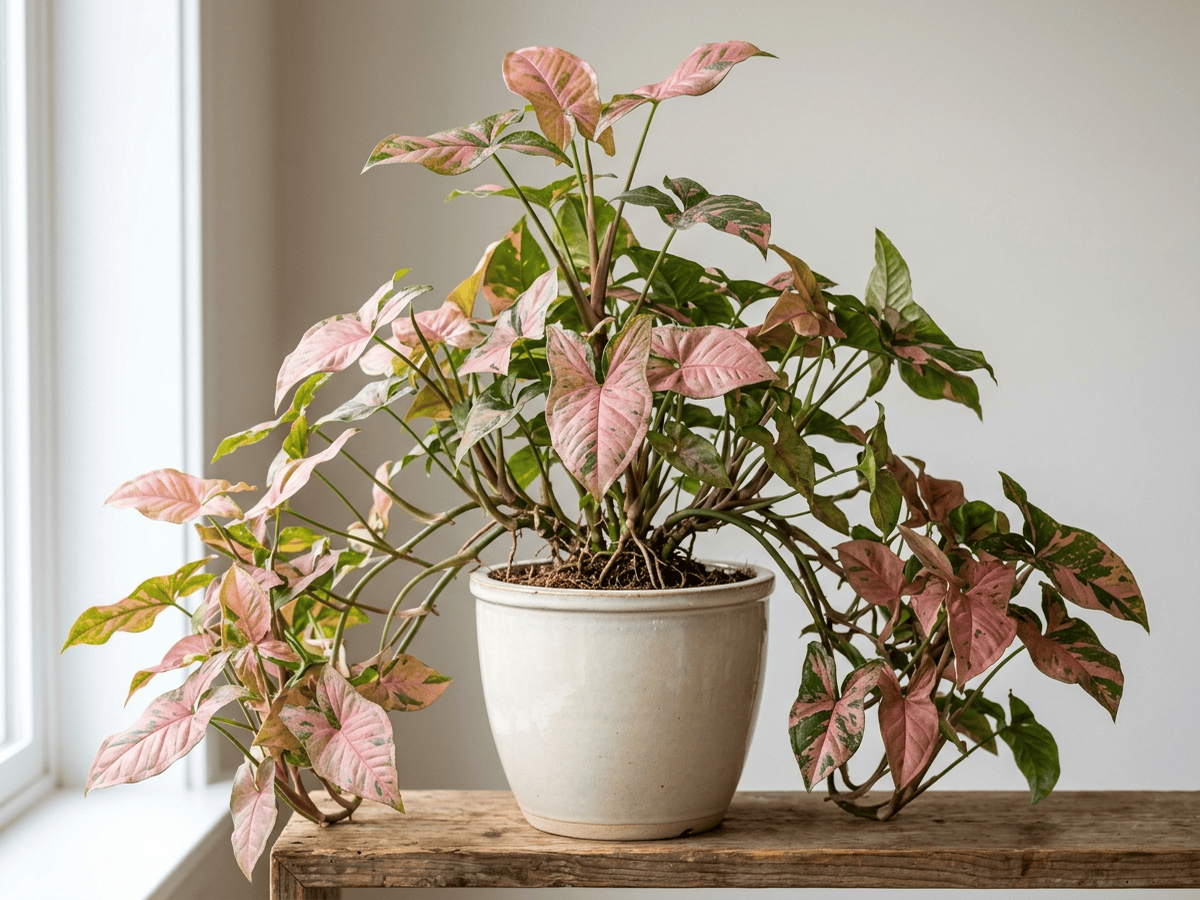
More Syngonium plants
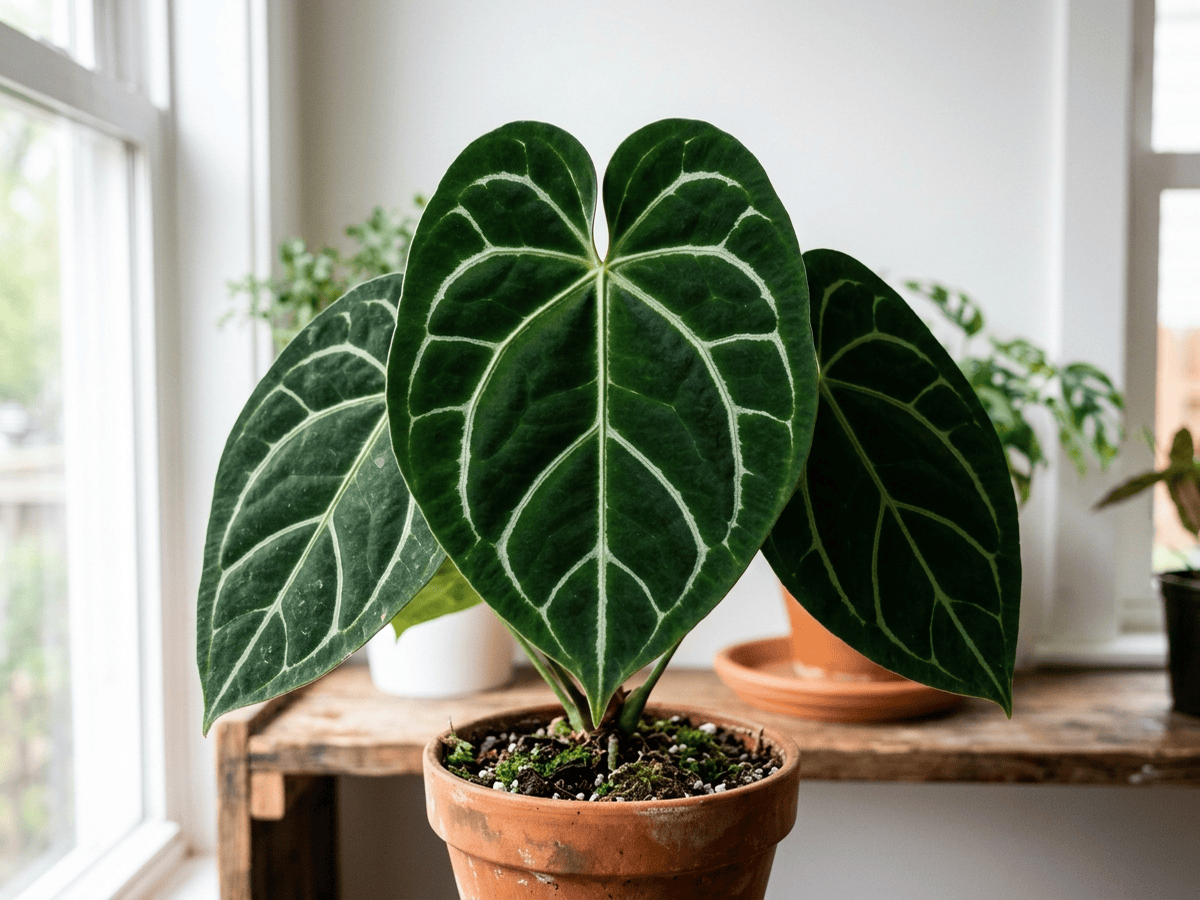
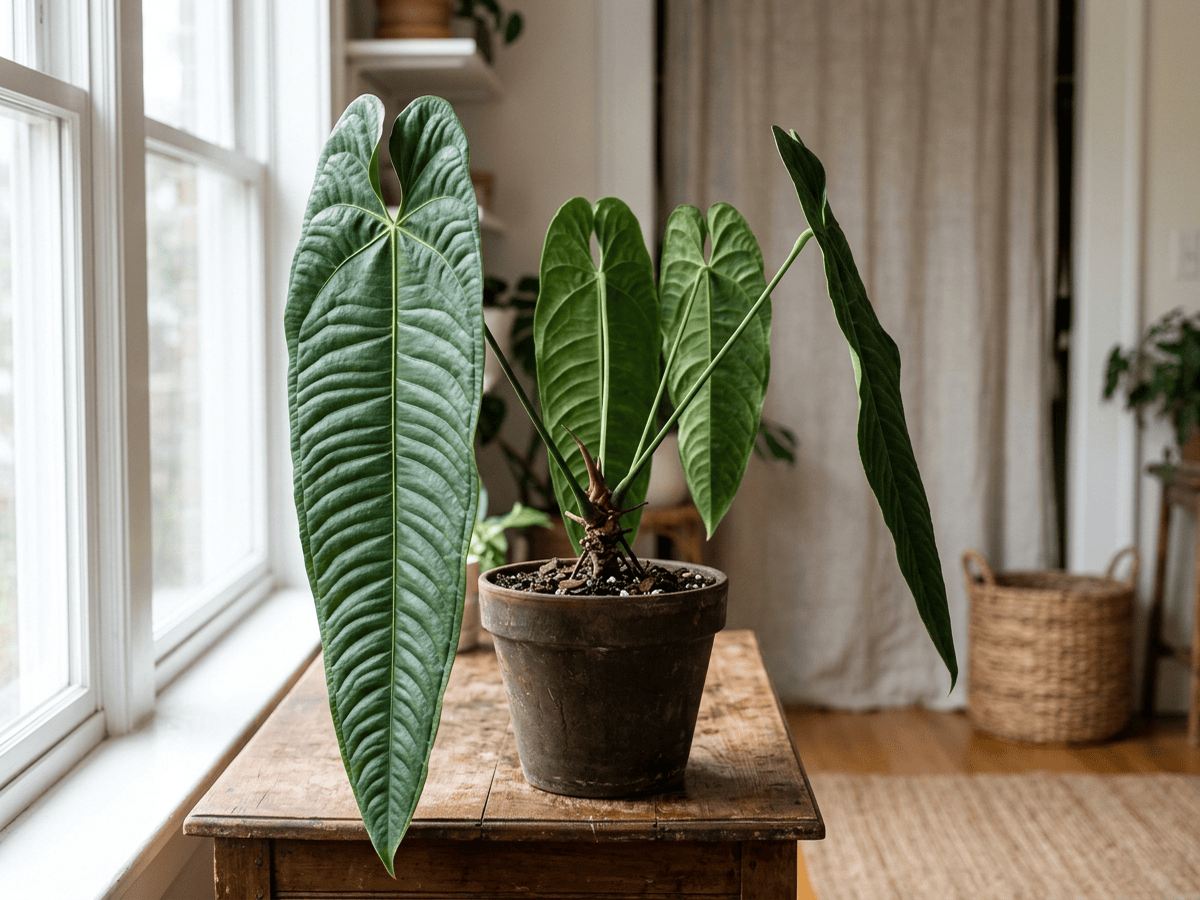
Plants with similar care
Frequently asked questions
How often should I water Silver Arrowhead?
In summer, water about every 7 days; in winter, about every 21 days. Adjust for heat, pot size and drainage.
How much light does Silver Arrowhead need?
Indirect: Filtered light. Watch the leaves — scorching or stretching means the light needs adjusting.
Is Silver Arrowhead toxic to cats or dogs?
Pets Unknown (Dogs Unknown · Cats Unknown) Educational information, not medical or veterinary advice. If exposure is suspected, contact a doctor or veterinarian.
Is Silver Arrowhead easy to grow?
It is considered challenging and rewards experienced growers.
Can Silver Arrowhead be grown indoors?
Yes, it adapts well to indoor growing given the right light.
YardMate
Identify any plant in seconds
Snap a photo — YardMate names the plant, diagnoses problems, and reminds you when to water.
Download on the App Store