 YardMate


Fringe Cups
Tellima grandiflora
Easy · Beginner friendlyAbout Fringe Cups
Fringe Cups is a clump-forming evergreen perennial native to Pacific Northwest forests from Alaska south to central California. Heart-shaped, scalloped basal leaves form attractive mounds, and tall slender flower spikes 18 to 30 inches rise in late spring bearing rows of small bell-shaped flowers with deeply fringed petals that open greenish-white and age to pink. A reliable native for shaded gardens that combines lovely foliage with charming fringed flowers.
- Shade-tolerant
- Deer-resistant
- Evergreen
- Groundcover
How to care for Fringe Cups
Watering
- Springevery 5 days
- Summerevery 4 days
- Fallevery 10 days
- Winterevery 14 days
Soil · Well-draining
- Top dressingPine bark mulch10%
- Main mixPotting soil + perlite 2:170%
- DrainageLECA / gravel20%
Never skip the drainage layer — standing water is the top cause of root rot.
FERTILIZER
- Springevery 60 days
At a Glance
- NativeNorth America
- Height1.5–2.5 ft (0.5–0.8 m)
- Spread1–1.5 ft (0.3–0.5 m)
- Flower colorWhite, Pink, Green
- Foliage colorGreen, Red, Bronze
- SoilMoisture-retentive, Loamy, Rich
- LocationsYard
Bloom time
BLOOM CYCLE
Peak bloom
Mar–May
Spikes of greenish-white aging to pink fringed bells in late spring
Fragrance
LIGHT FRAGRANCE
The flowers have a subtle fragrance, especially at dusk.
Toxicity
Toxicity unknown
None reported
Unknown
EXPOSURE Unspecified plant material.
EFFECT Toxic effects are not specified.
NOTE Toxicity for humans is not well documented; use caution until verified.
Unknown
EXPOSURE Unspecified plant material.
EFFECT Toxic effects are not specified.
NOTE Toxicity for dogs is not well documented; use caution until verified.
Unknown
EXPOSURE Unspecified plant material.
EFFECT Toxic effects are not specified.
NOTE Toxicity for cats is not well documented; use caution until verified.
Educational information, not medical or veterinary advice. If exposure is suspected, contact a doctor or veterinarian.
DISTRIBUTION

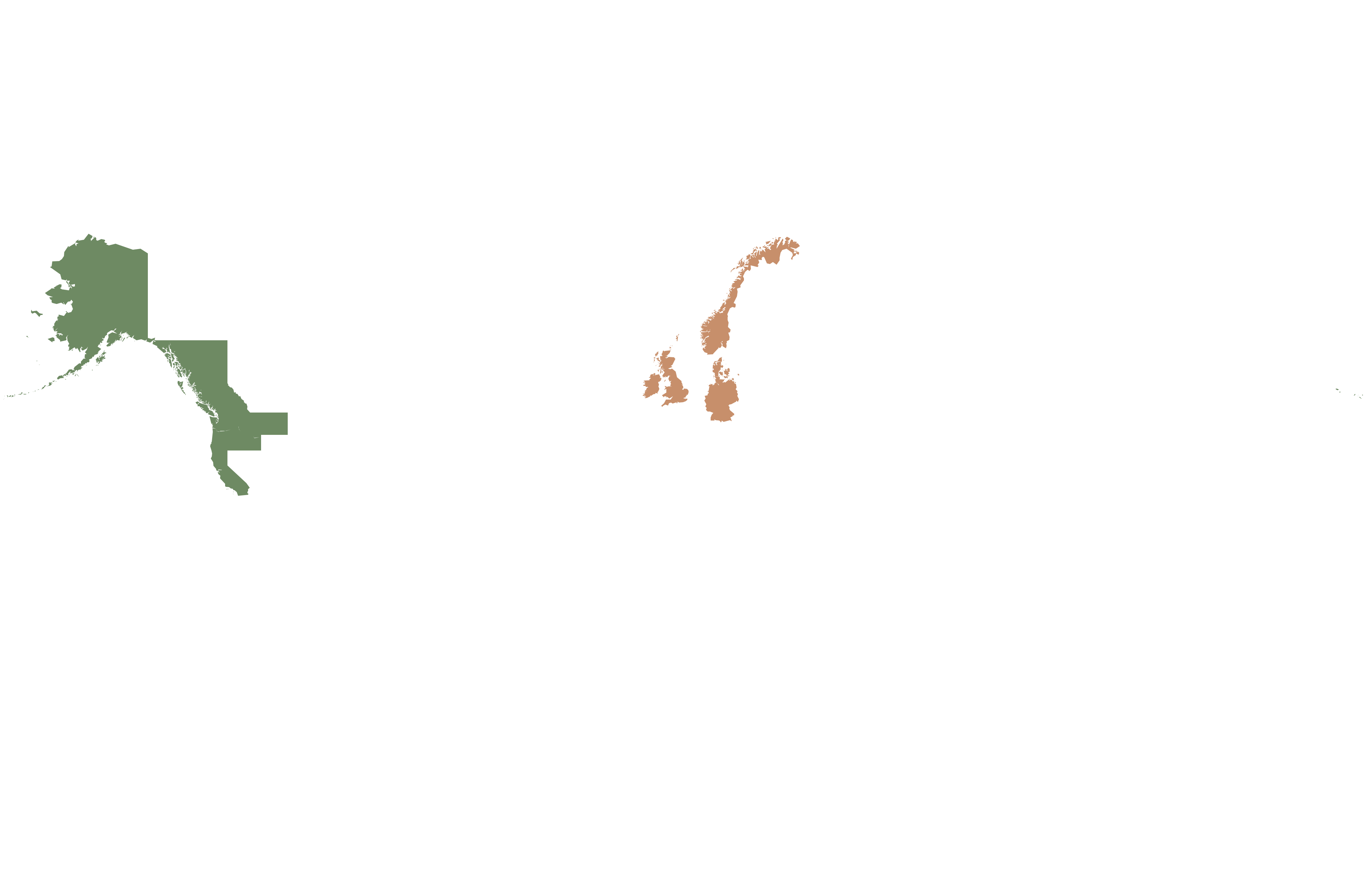
- Native
- Introduced
- North America
History

Tellima grandiflora, commonly called fringecup or bigflower tellima, is a rhizomatous herbaceous perennial native to moist forests and streamsides of western North America from southeast Alaska through British Columbia, Washington, Oregon, and into California and Idaho. Scottish surgeon-naturalist Archibald Menzies collected the species during the Vancouver Expedition in 1792. The genus name Tellima, coined in 1814, is an anagram of the related saxifrage genus Mitella.
Tall slender racemes of cup-shaped greenish-white flowers with fringed petals open in late spring, aging to pink. Indigenous Skagit people used a cold infusion of the plant to restore appetite in convalescents.
The plant has become a favorite for Pacific Northwest woodland and rain gardens, reliably forming evergreen ground cover beneath tall conifers and deciduous trees. Documented by 19th-century botanists exploring the Pacific Northwest, this resilient native has become a staple of West Coast shade gardens and is increasingly grown in similar conditions across temperate Europe.
Symbolism & meaning
What It Symbolizes
Fringe Cups offers Quiet charm — slender spikes of subtly fringed greenish bells rising above scalloped leaves in dappled shade. Its Forest elegance is rooted in the moist woodlands of the Pacific Northwest, where it grows among ferns and salal. A native plant whose beauty asks for a closer look rather than a louder voice.
- Quiet charm — subtle fringed bells on graceful spikes
- Forest elegance — refined native of Northwest woodlands
Where the Name Comes From
'Tellima' is an anagram of Mitella, a related genus; 'grandiflora' means large-flowered.
Uses & Fun Facts
- Heart-shaped leaves form fringecups carpet in shaded gardens
- Slender spikes of fringed greenish bells rise in spring
- Native Pacific Northwest species supports woodland habitat
Related plants
Plants with similar care
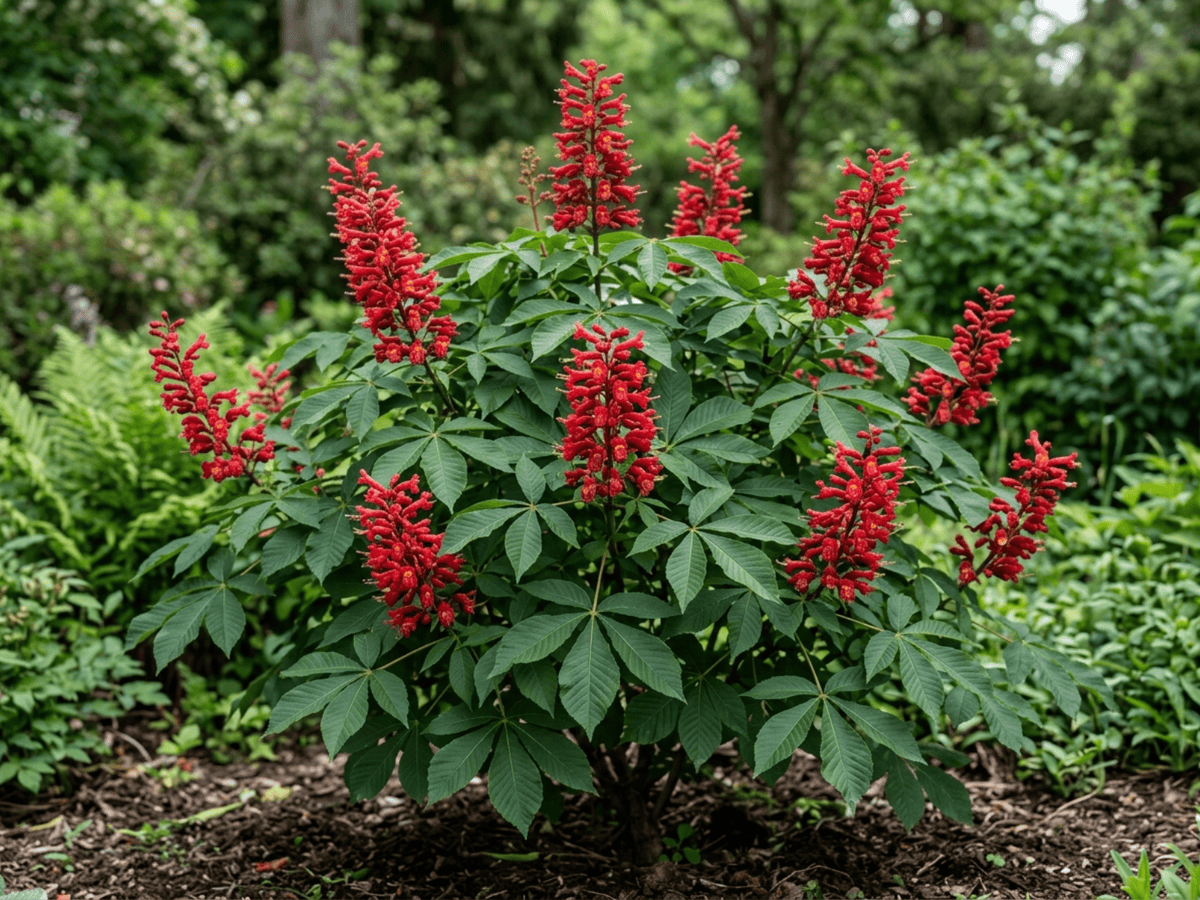 Red BuckeyeAesculus pavia
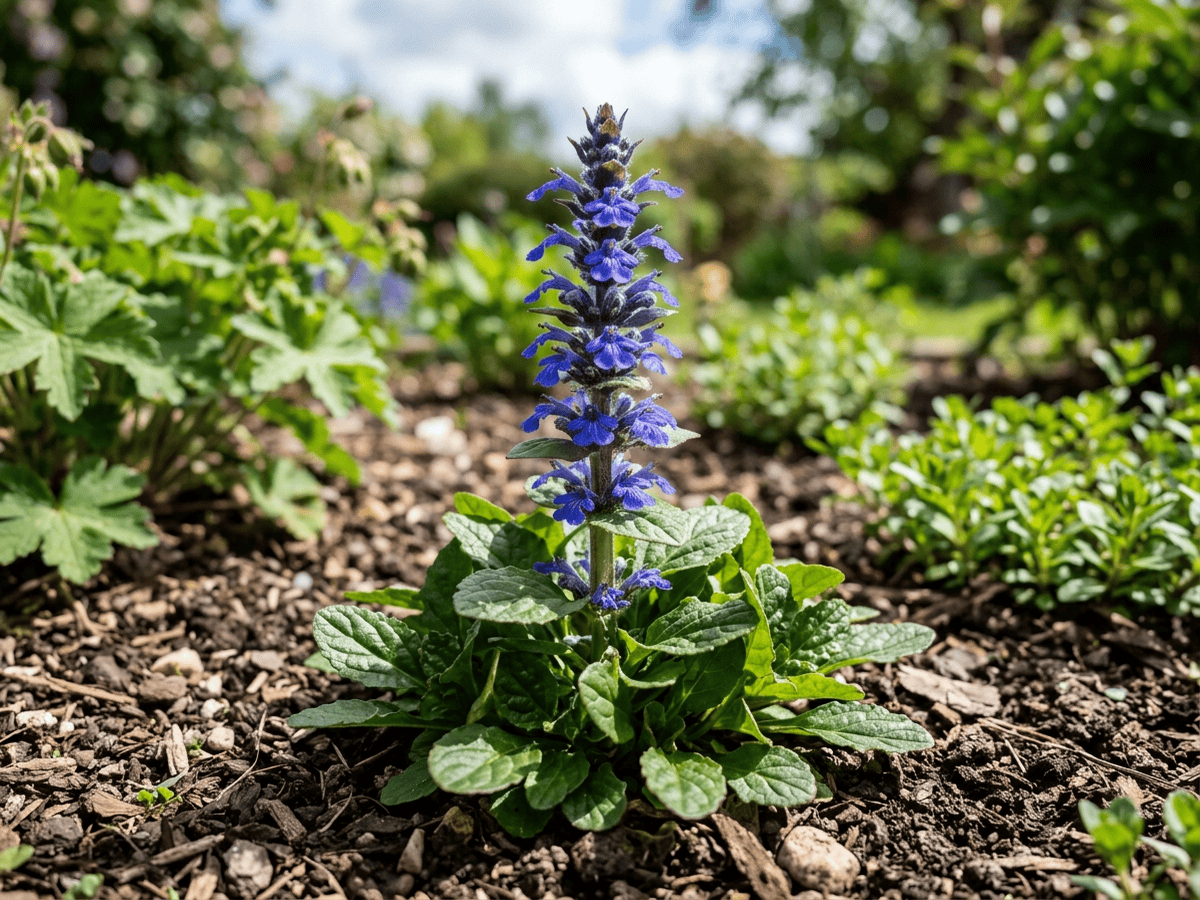 Blue BugleAjuga genevensis
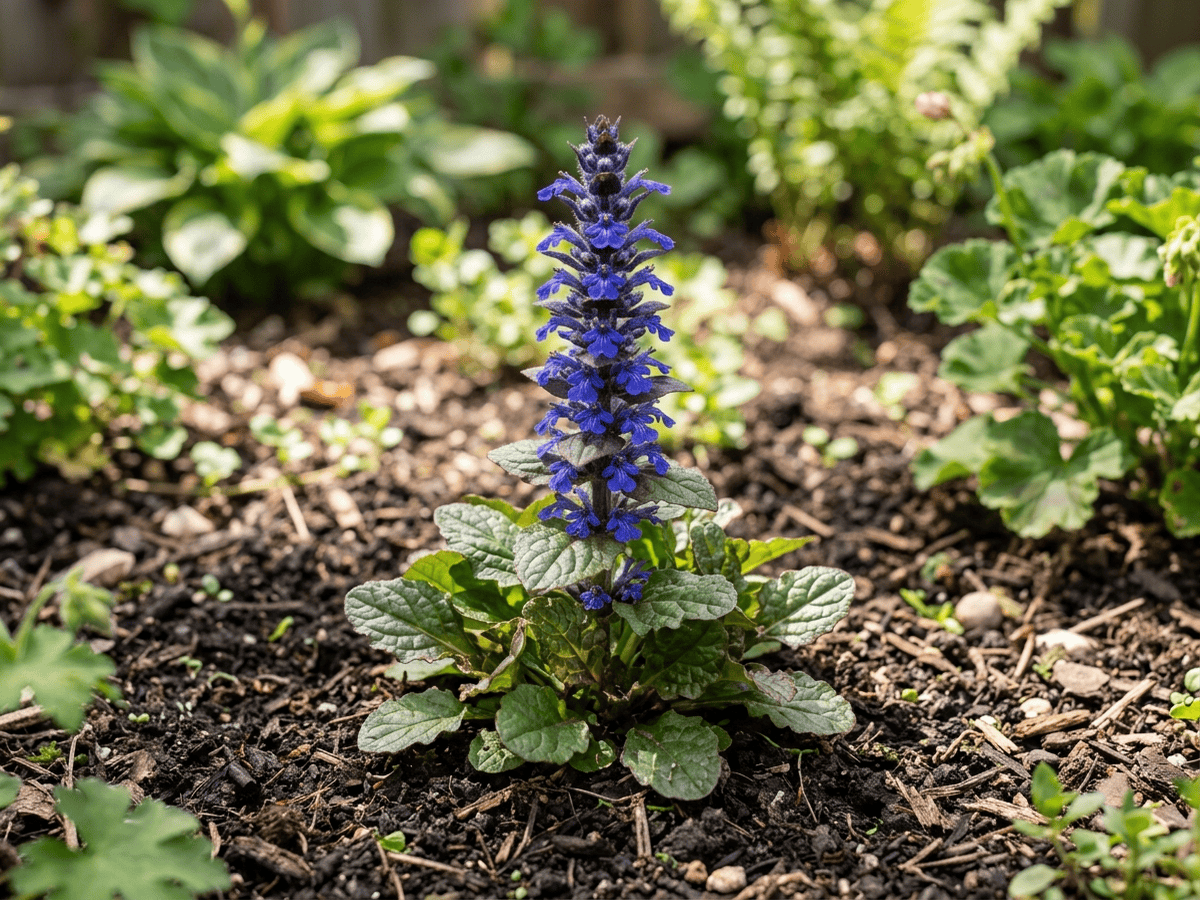 Pyramidal BugleAjuga pyramidalis
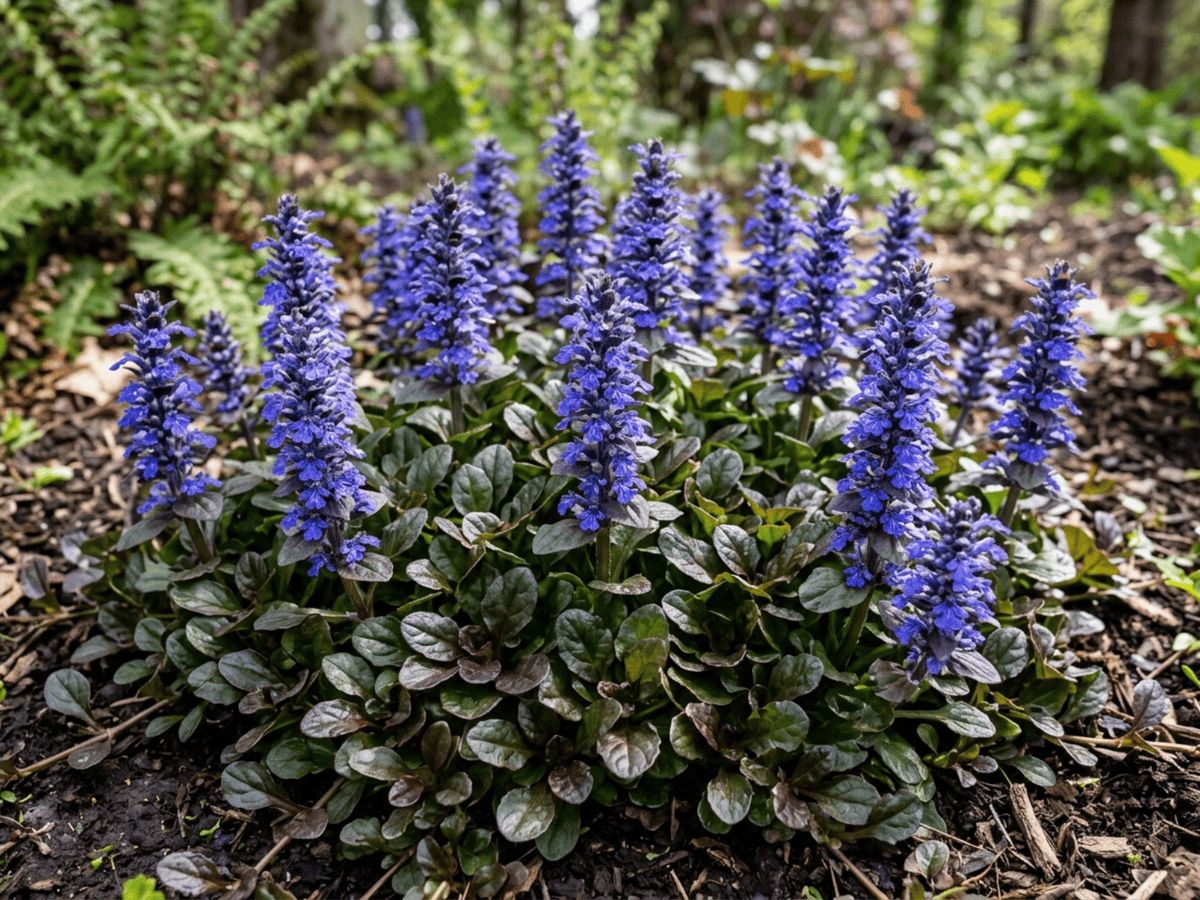 Carpet BugleAjuga reptans
Frequently asked questions
How often should I water Fringe Cups?
In summer, water about every 4 days; in winter, about every 14 days. Adjust for heat, pot size and drainage.
How much light does Fringe Cups need?
Part shade: 2–4 hrs direct. Watch the leaves — scorching or stretching means the light needs adjusting.
Is Fringe Cups toxic to cats or dogs?
Pets Unknown (Dogs Unknown · Cats Unknown) Educational information, not medical or veterinary advice. If exposure is suspected, contact a doctor or veterinarian.
Is Fringe Cups easy to grow?
Yes — it is considered an easy, beginner-friendly plant.
When does Fringe Cups bloom?
It typically blooms Mar–May in the Northern Hemisphere.
YardMate
Identify any plant in seconds
Snap a photo — YardMate names the plant, diagnoses problems, and reminds you when to water.
Download on the App Store