 YardMate


California Torreya
Torreya californica
Medium · Some experienceAbout California Torreya
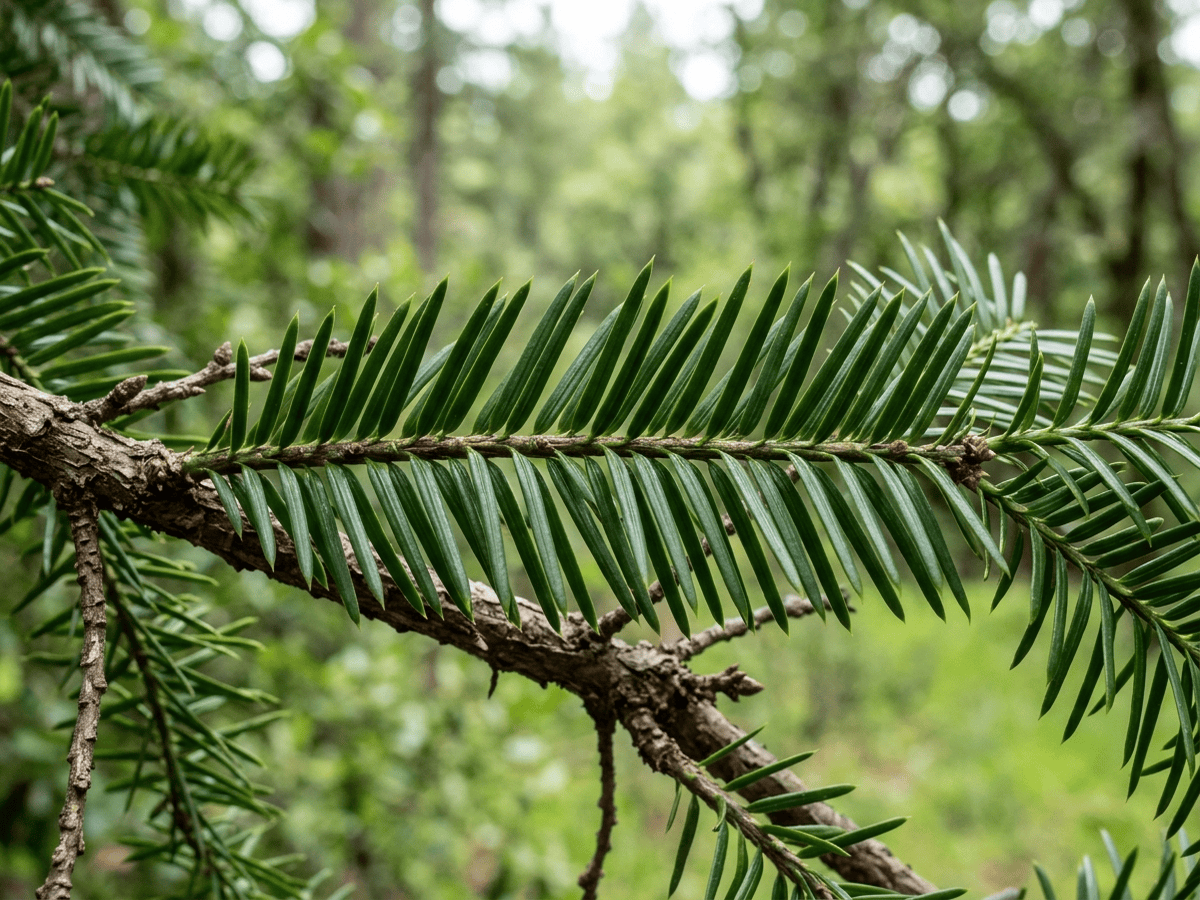
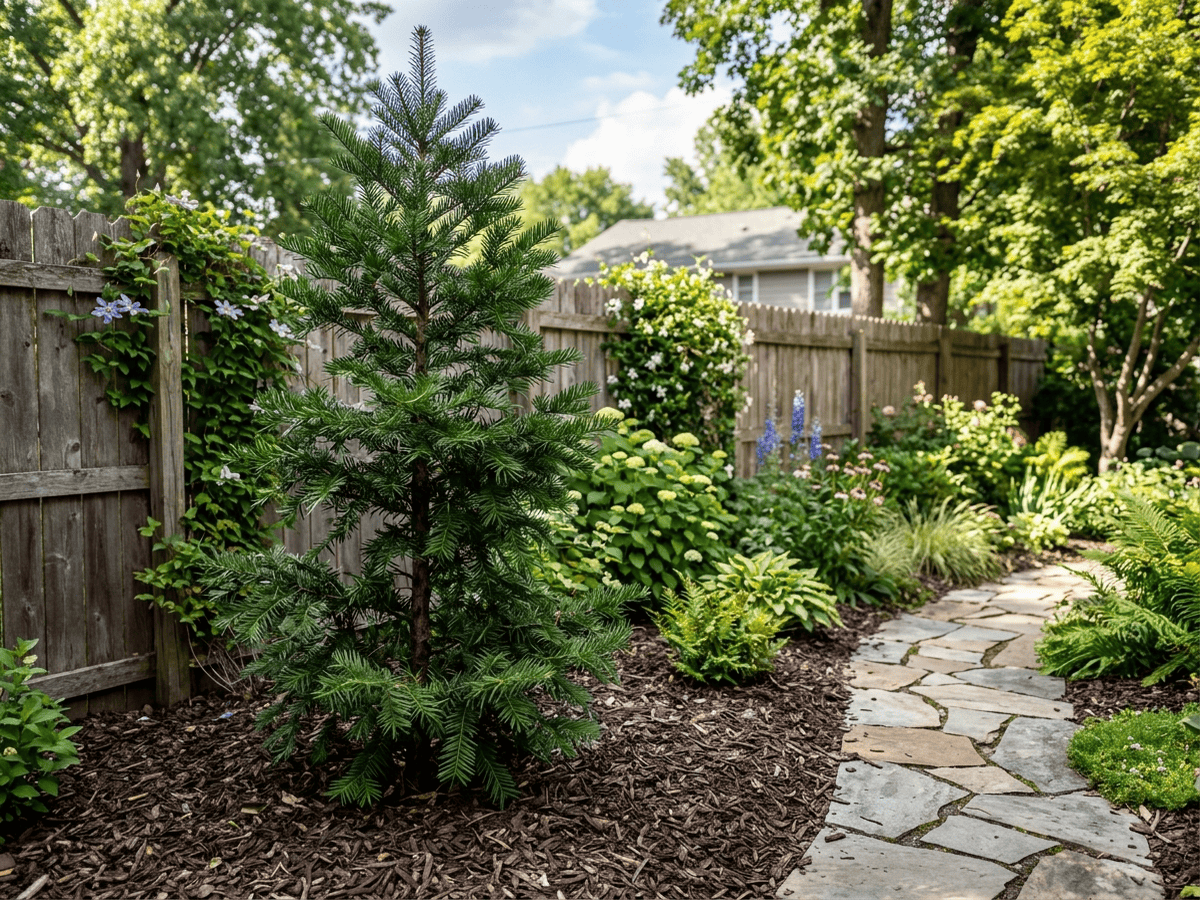
California Nutmeg is a rare evergreen conifer native to scattered locations in the California coastal mountains and Sierra Nevada foothills, reaching 40-70 feet. Sharp, flat, glossy dark green needles resemble yew but twice as long, with notable aromatic fragrance when crushed. Green-purple fleshy plum-like seeds give the common name. A California endemic increasingly rare in the wild, prized by collectors in US botanical gardens.
- Evergreen
- Native
How to care for California Torreya
Watering
- Springevery 10 days
- Summerevery 7 days
- Fallevery 14 days
- Winterevery 30 days
Soil · Well-draining
- Top dressingPine bark mulch10%
- Main mixPotting soil + perlite 2:170%
- DrainageLECA / gravel20%
Never skip the drainage layer — standing water is the top cause of root rot.
FERTILIZER
Balanced Feed 14-14-14
An even feed covers all three needs at once, keeping leaves, roots and blooms moving together with nothing pushed out of balance.
- Nitrogen · Leaves
- Phosphorus · Roots + Blooms
- Potassium · Strength
- Springevery 60 days
At a Glance
- NativeNorth America
- Height30–50 ft (9.1–15.2 m)
- Spread15–25 ft (4.6–7.6 m)
- Flower colorYellow, Green
- Foliage colorDark-green, Green
- Fruit colorGreen, Purple
- SoilWell-drained, Loamy
- LocationsYard
Bloom time
BLOOM CYCLE
Peak bloom
Mar–May
Small male cones in spring
Fragrance
MODERATE FRAGRANCE
Pungent resinous aroma when needles crushed—sometimes compared to sage or tomato leaf.
Toxicity
Humans Slight · Pets Slight
torreyanic acid
Slight
- Leaf
- Ingestion
EXPOSURE Eating leaves.
EFFECT GI irritation if needles chewed.
NOTE Needles have sharp points and bitter resinous taste; seeds are edible when roasted but raw seeds may cause mild GI upset.
Slight
- Leaf
- Ingestion
EXPOSURE Eating leaves.
EFFECT Possible GI upset.
NOTE Needles have sharp points and bitter resinous taste; seeds are edible when roasted but raw seeds may cause mild GI upset.
Slight
- Leaf
- Ingestion
EXPOSURE Eating leaves.
EFFECT Possible GI upset.
NOTE Needles have sharp points and bitter resinous taste; seeds are edible when roasted but raw seeds may cause mild GI upset.
Educational information, not medical or veterinary advice. If exposure is suspected, contact a doctor or veterinarian.
DISTRIBUTION


- Native
- North America
History
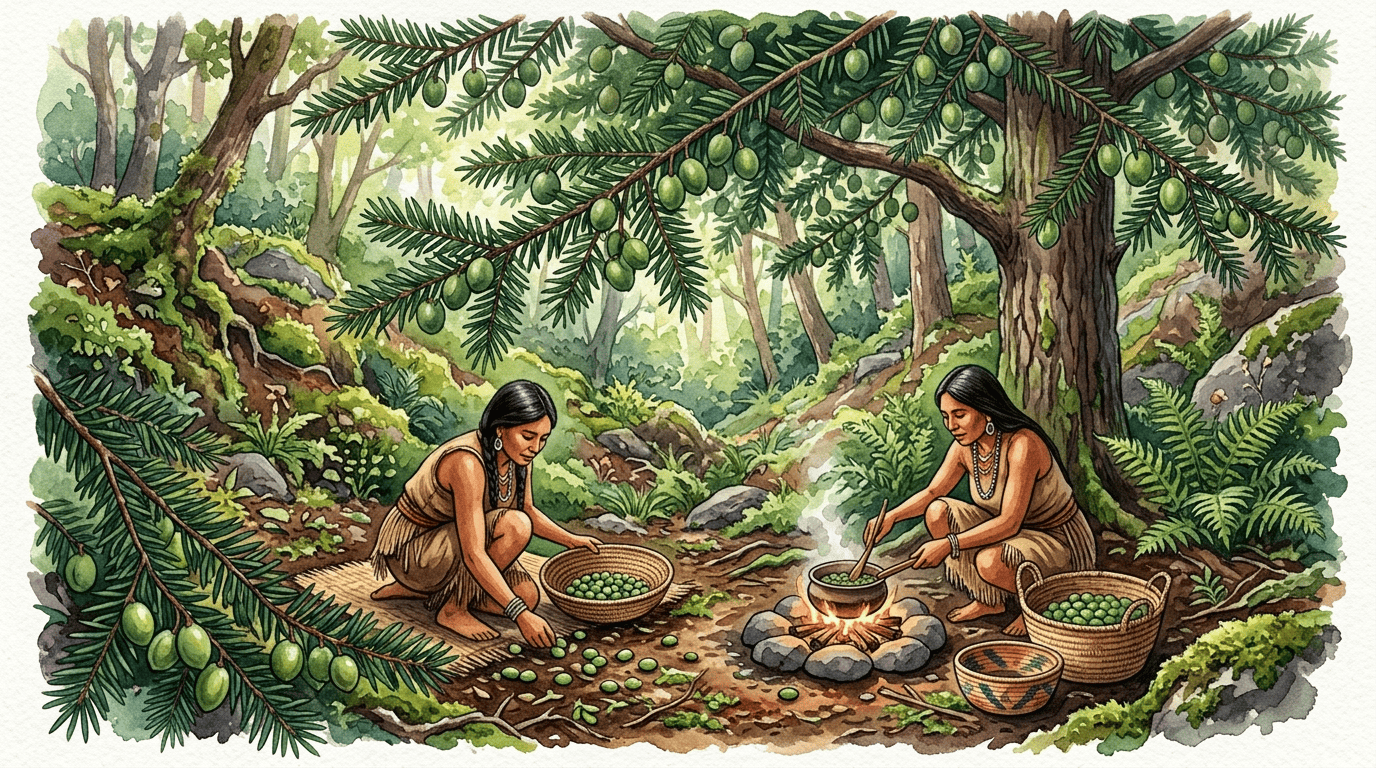
Torreya californica is endemic to California, with scattered populations in the Coast Ranges, Sierra Nevada foothills, and Klamath Mountains, typically on shaded moist canyon slopes. Scottish botanist George Arnott Walker-Arnott named the genus Torreya in 1838 honoring the American botanist John Torrey; Torrey himself described the California species in 1854. The genus is an ancient relict lineage—fossils show wide Northern Hemisphere distribution in the Miocene—now reduced to six surviving species in disjunct refugia in California, Florida (the critically endangered T. taxifolia), Japan, and China.
The aromatic sharp-pointed needles and plum-like seeds resemble the unrelated spice nutmeg (Myristica fragrans), inspiring the misleading common name. Indigenous California peoples including the Pomo, Yuki, and Miwok roasted the seeds as a nut-like food. The species is slow-growing and long-lived, and is propagated from seed in botanical gardens and native plant collections as a distinctive evergreen.
The Pomo, Yuki, and other California tribes roasted and ate the large seeds and used the tough root fibers for bow strings, hence the alternate name 'stinking cedar'. The rare related species Torreya taxifolia in the Florida panhandle is critically endangered. Torreya californica populations survived California's wildfires because they grow in moist canyons.
Symbolism & meaning
What It Symbolizes
California Torreya carries rarity as a California endemic conifer, found only in a few canyons and slopes of the state's coast ranges. Heritage runs deep through its life — its hard wood and edible nuts were used in the traditional foodways and crafts of California tribes for centuries. Its meaning is regional inheritance: a tree limited to one place yet woven into long human histories that began before botanical names existed.
- Rarity — California endemic conifer
- Heritage — traditional food and craft of California tribes
Where the Name Comes From
The name California Torreya points to California. Honors John Torrey (1796-1873), pioneering American botanist.
Uses & Fun Facts
- Roasted seeds traditionally eaten by California native peoples
- Rare native conifer with dark glossy needles for collectors
- Hard durable wood historically used for bows and tools
Related plants
Plants with similar care
 Downy Japanese MapleAcer japonicum
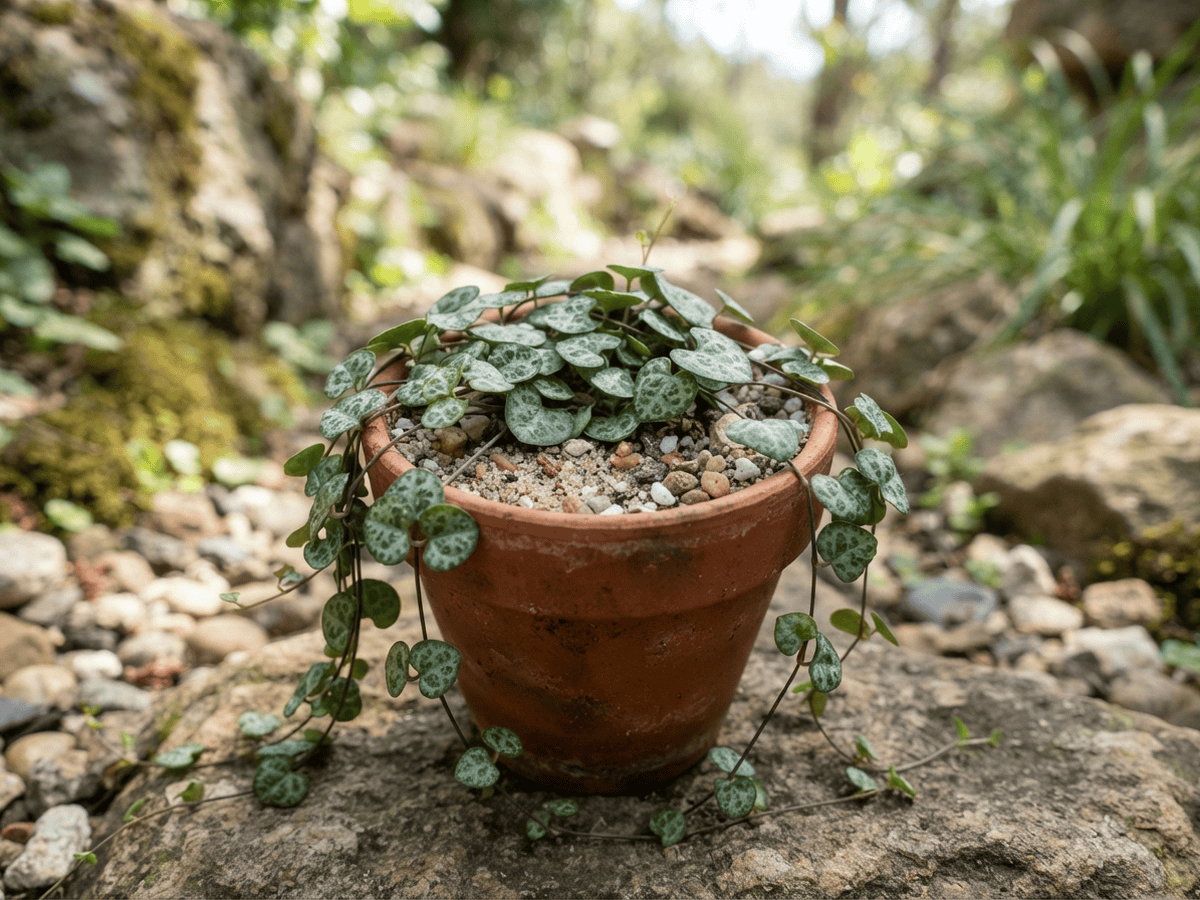 String of HeartsCeropegia woodii
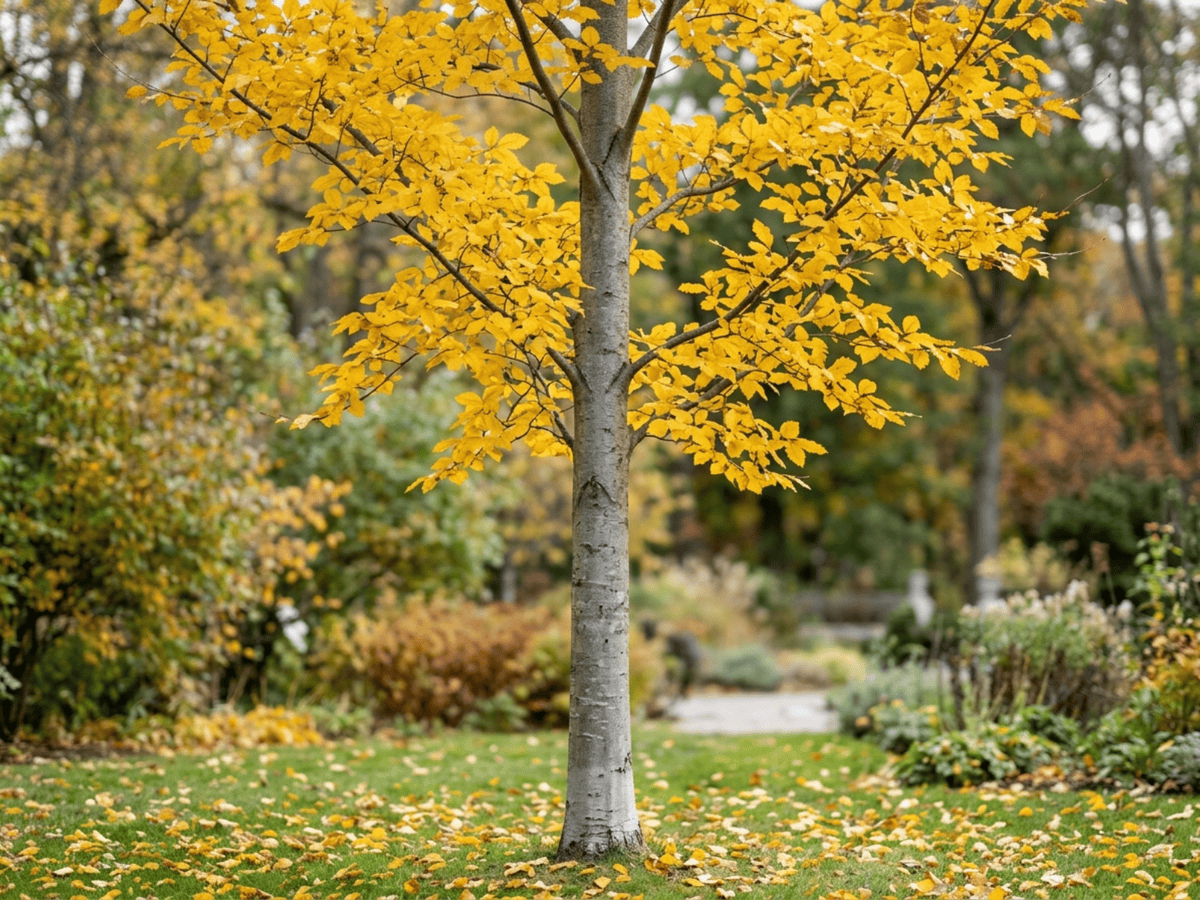 American BeechFagus grandifolia
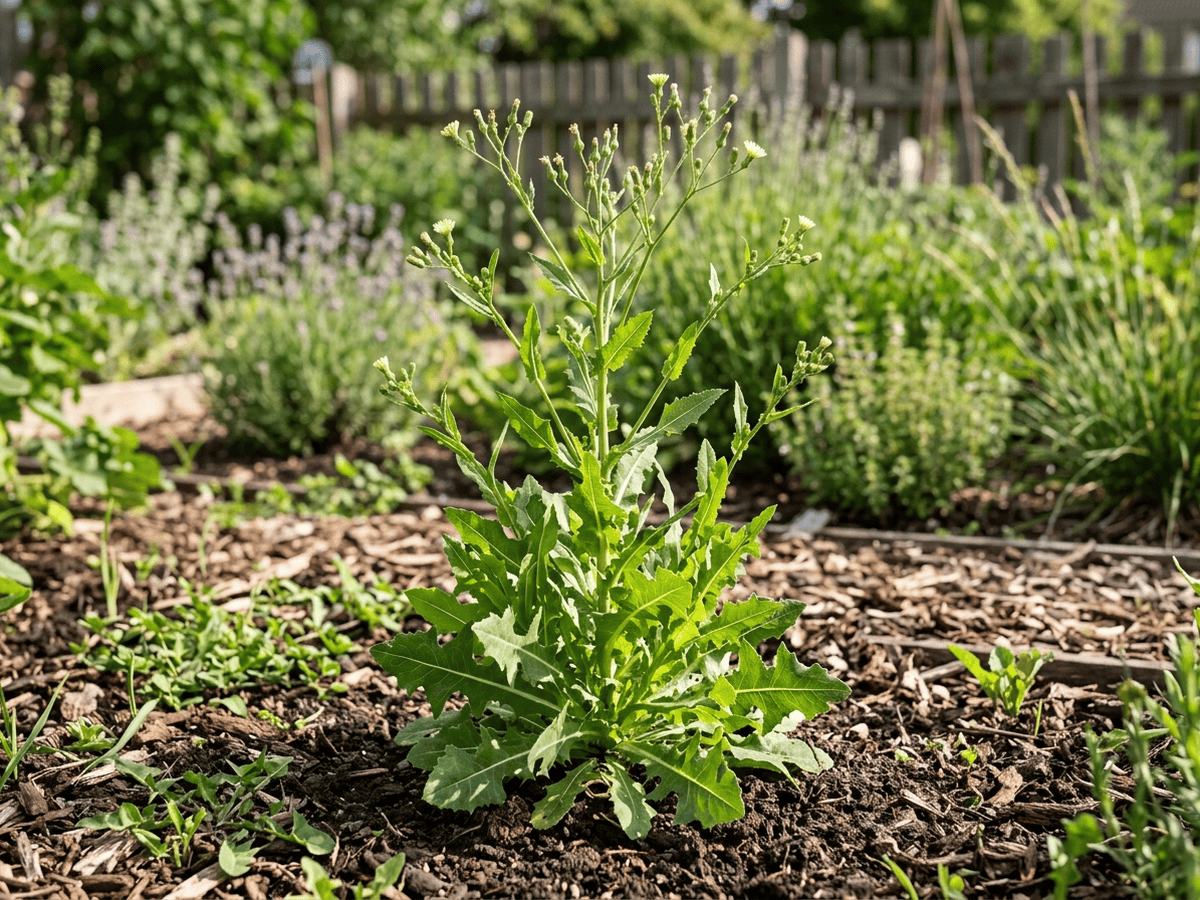 Pliant LettuceLactuca viminea
Frequently asked questions
How often should I water California Torreya?
In summer, water about every 7 days; in winter, about every 30 days. Adjust for heat, pot size and drainage.
How much light does California Torreya need?
Part sun: 4–6 hrs direct. Watch the leaves — scorching or stretching means the light needs adjusting.
Is California Torreya toxic to cats or dogs?
Pets Slight (Dogs Slight · Cats Slight) Educational information, not medical or veterinary advice. If exposure is suspected, contact a doctor or veterinarian.
Is California Torreya easy to grow?
It is moderately demanding: a good choice once you have a little experience.
When does California Torreya bloom?
It typically blooms Mar–May in the Northern Hemisphere.
YardMate
Identify any plant in seconds
Snap a photo — YardMate names the plant, diagnoses problems, and reminds you when to water.
Download on the App Store