 YardMate

Vanilla Leaf
Achlys triphylla
Easy · Beginner friendlyAbout Vanilla Leaf
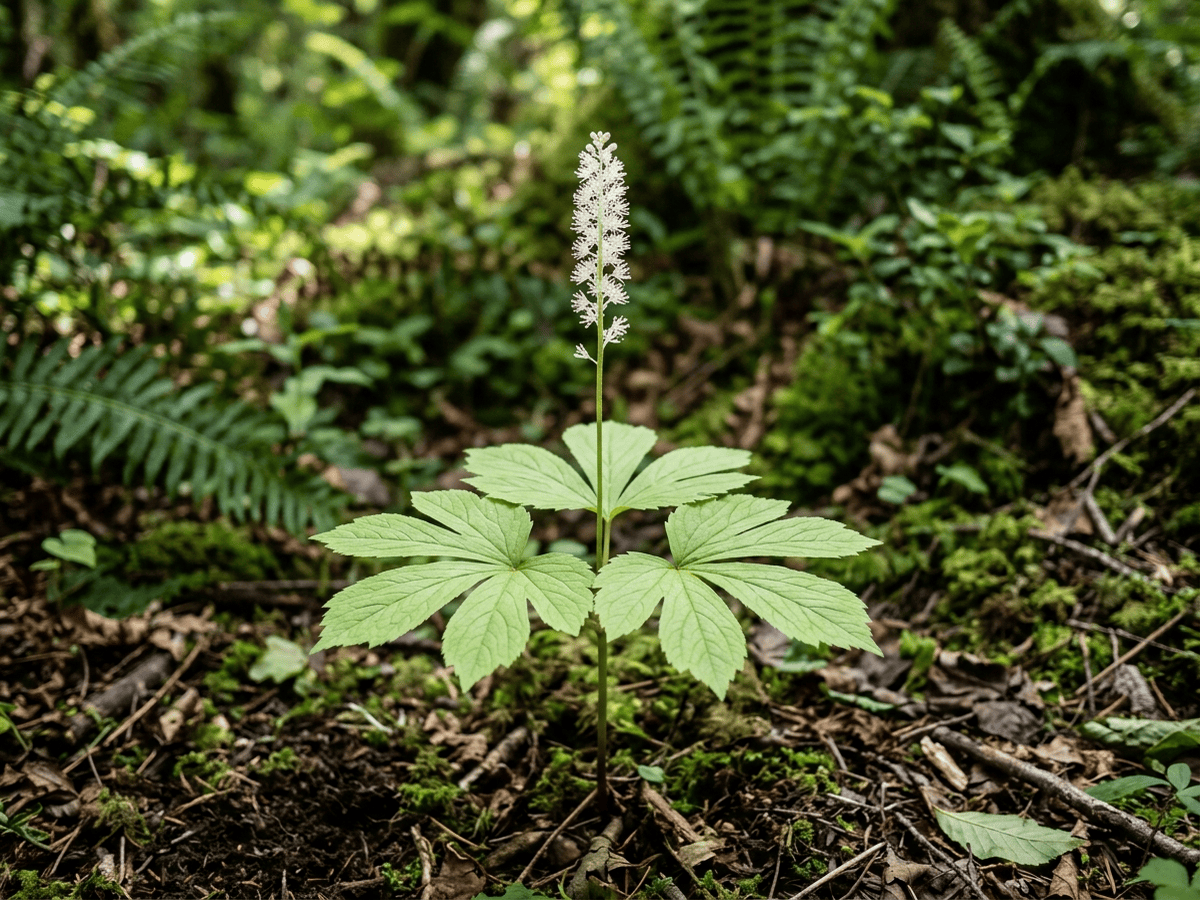
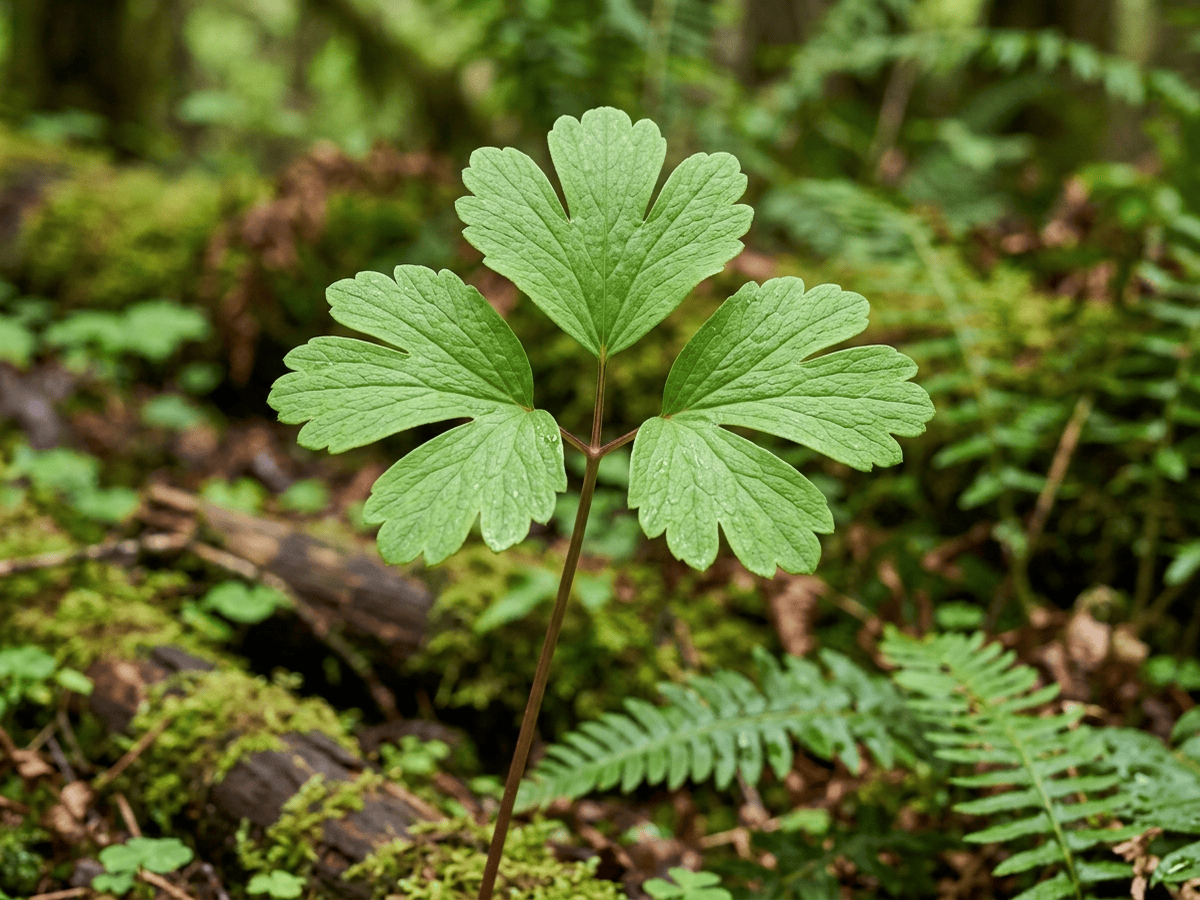
Vanilla Leaf is a delicate woodland perennial native to the Pacific Northwest from British Columbia south to northern California. Its single distinctive leaf divides into three fan-shaped leaflets atop a slender stalk, and a separate stalk bears a fluffy spike of tiny white flowers in late spring. The dried leaves emit a sweet vanilla fragrance, and Indigenous peoples traditionally hung dried bundles indoors as a natural air freshener and insect repellent.
- Fragrant
- Shade-tolerant
- Groundcover
- Native
How to care for Vanilla Leaf
Watering
- Springevery 5 days
- Summerevery 4 days
- Fallevery 10 days
- Winterevery 14 days
Soil · Moisture-retentive
- Top dressingSphagnum moss10%
- Main mixPeat + coco coir 1:180%
- DrainagePerlite / gravel10%
Keep it evenly moist — but the drainage layer still matters.
FERTILIZER
This plant needs little to no feeding.
At a Glance
- NativeNorth America
- Height0.5–1.5 ft (0.2–0.5 m)
- Spread1–2 ft (0.3–0.6 m)
- Flower colorWhite
- Foliage colorGreen
- SoilLoamy, Moisture-retentive, Acidic
- LocationsYard
Bloom time
BLOOM CYCLE
Peak bloom
May
White fluffy flower spikes in late spring
Fragrance
MODERATE FRAGRANCE
Sweet vanilla-hay scent when dried.
Toxicity
Humans Slight · Pets Slight
coumarin
Slight
- Leaf
- Ingestion
EXPOSURE Eating leaves.
EFFECT Coumarin content and not recommended for internal use in quantity.
NOTE Dried leaves traditionally used as insect repellent; avoid internal use.
Slight
- Leaf
- Ingestion
EXPOSURE Eating leaves.
EFFECT Coumarin-containing foliage and avoid large ingestion.
NOTE Dried leaves traditionally used as insect repellent; avoid internal use.
Slight
- Leaf
- Ingestion
EXPOSURE Eating leaves.
EFFECT Coumarin-containing foliage and avoid large ingestion.
NOTE Dried leaves traditionally used as insect repellent; avoid internal use.
Educational information, not medical or veterinary advice. If exposure is suspected, contact a doctor or veterinarian.
DISTRIBUTION


- Native
- North America
History
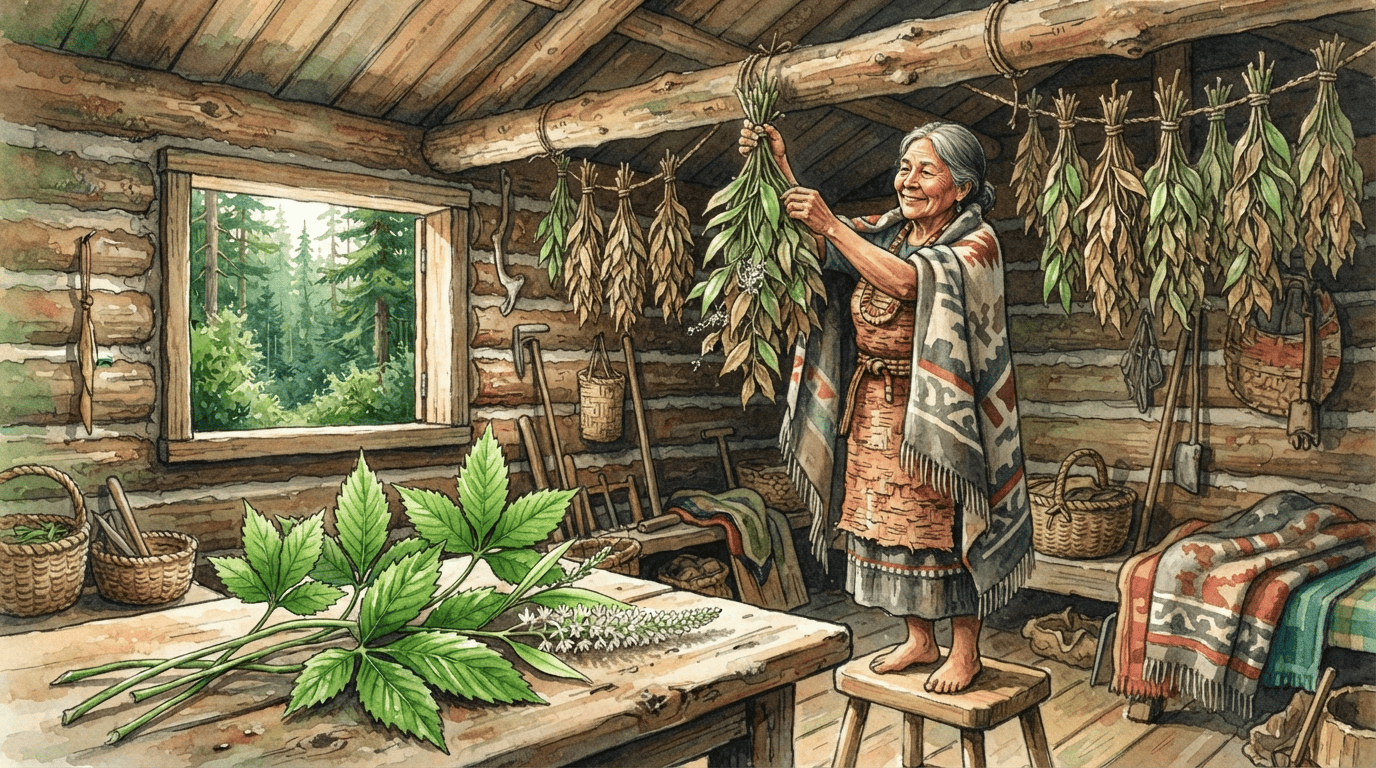
Achlys triphylla, commonly called vanilla leaf, sweet after death, or deer foot, is a herbaceous perennial native to moist coniferous forests of the Pacific Northwest from southern British Columbia to northern California. The genus was named in 1835 by American botanist Augustus DeCandolle, and the name Achlys refers to a Greek goddess of mist. Indigenous peoples of the Pacific Northwest including the Skagit, Nuxalk, and Salish dried bundles of the aromatic foliage to hang in houses as a fly and mosquito repellent and as an air freshener, a practice settlers adopted in homestead cabins.
The dried leaves release a distinctive vanilla-hay fragrance due to coumarin content. The plant forms airy groundcover under Douglas fir and western red cedar, bearing a single slender spike of small white flowers in late spring.
Used by Coast Salish and other Pacific Northwest peoples who hung dried bundles in homes as natural air freshener and to repel flies and mosquitoes. The plant's vanilla scent develops only as the leaves dry, becoming stronger with age.
Symbolism & meaning
What It Symbolizes
Vanilla Leaf can symbolize sweet remembrance, its dried foliage releasing a soft vanilla-hay scent that lingers in cupboards and old books for years. A gentle native of Pacific Northwest forest floors, it suggests forest gentleness — the kind of beauty that asks for nothing and gives quietly. Indigenous peoples once tucked its leaves among clothes to perfume them, a fragrant keepsake of the woods.
- Sweet remembrance — vanilla fragrance lingers from dried leaves
- Forest gentleness — delicate native of Northwest woodland floor
Where the Name Comes From
'Achlys' refers to a Greek goddess of mist and obscurity; 'triphylla' means three-leaved.
Uses & Fun Facts
- Carpets shaded woodland floors with three-fingered fan leaves
- Dried foliage releases vanilla scent used as natural sachet
- Pacific Northwest native for moist forest understory plantings
Related plants
Plants with similar care
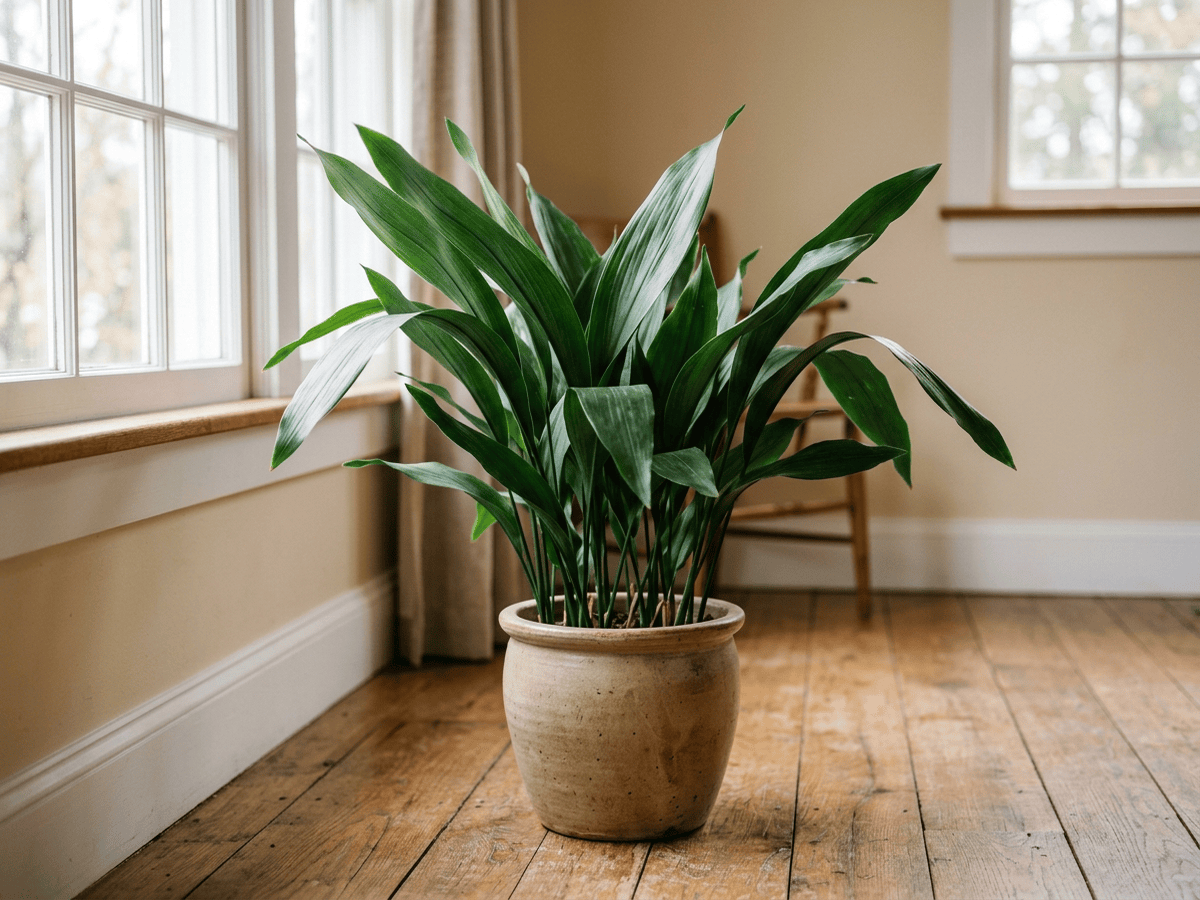 Cast-Iron PlantAspidistra elatior
 Chinese AucubaAucuba chinensis
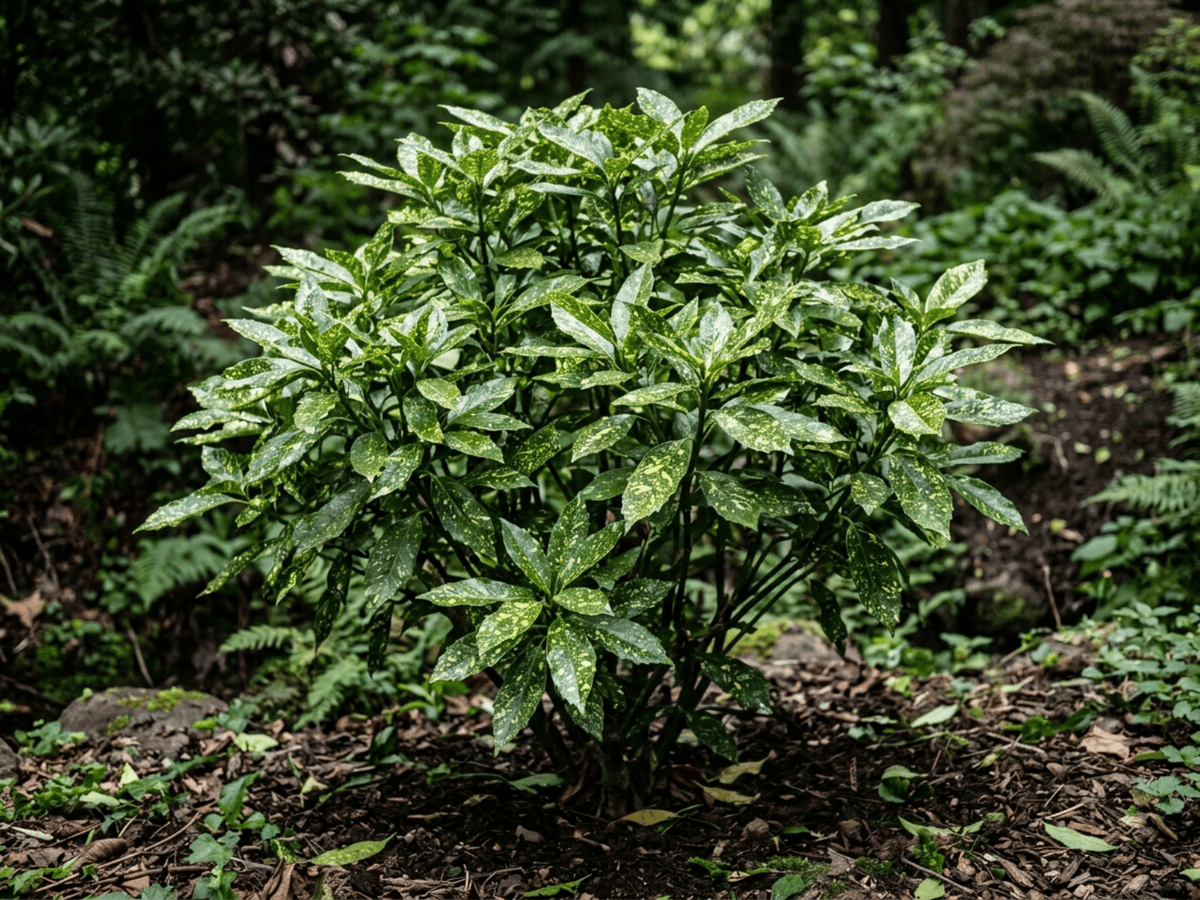 Japanese AucubaAucuba japonica
 Hardy BegoniaBegonia grandis
Frequently asked questions
How often should I water Vanilla Leaf?
In summer, water about every 4 days; in winter, about every 14 days. Adjust for heat, pot size and drainage.
How much light does Vanilla Leaf need?
Full shade: <2 hrs direct. Watch the leaves — scorching or stretching means the light needs adjusting.
Is Vanilla Leaf toxic to cats or dogs?
Pets Slight (Dogs Slight · Cats Slight) Educational information, not medical or veterinary advice. If exposure is suspected, contact a doctor or veterinarian.
Is Vanilla Leaf easy to grow?
Yes — it is considered an easy, beginner-friendly plant.
When does Vanilla Leaf bloom?
It typically blooms May in the Northern Hemisphere.
YardMate
Identify any plant in seconds
Snap a photo — YardMate names the plant, diagnoses problems, and reminds you when to water.
Download on the App Store