 YardMate

Cast-Iron Plant
Aspidistra elatior
Easy · Beginner friendlyAbout Cast-Iron Plant
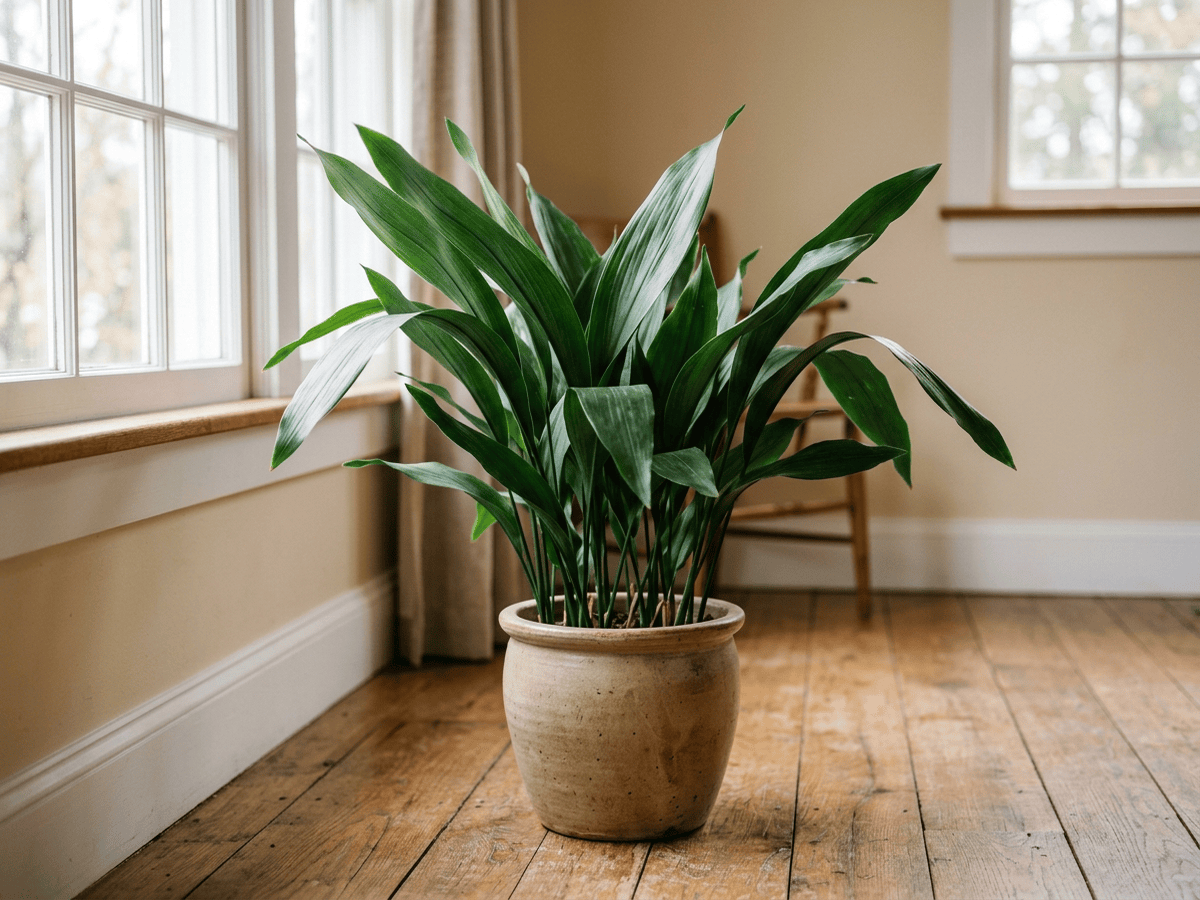
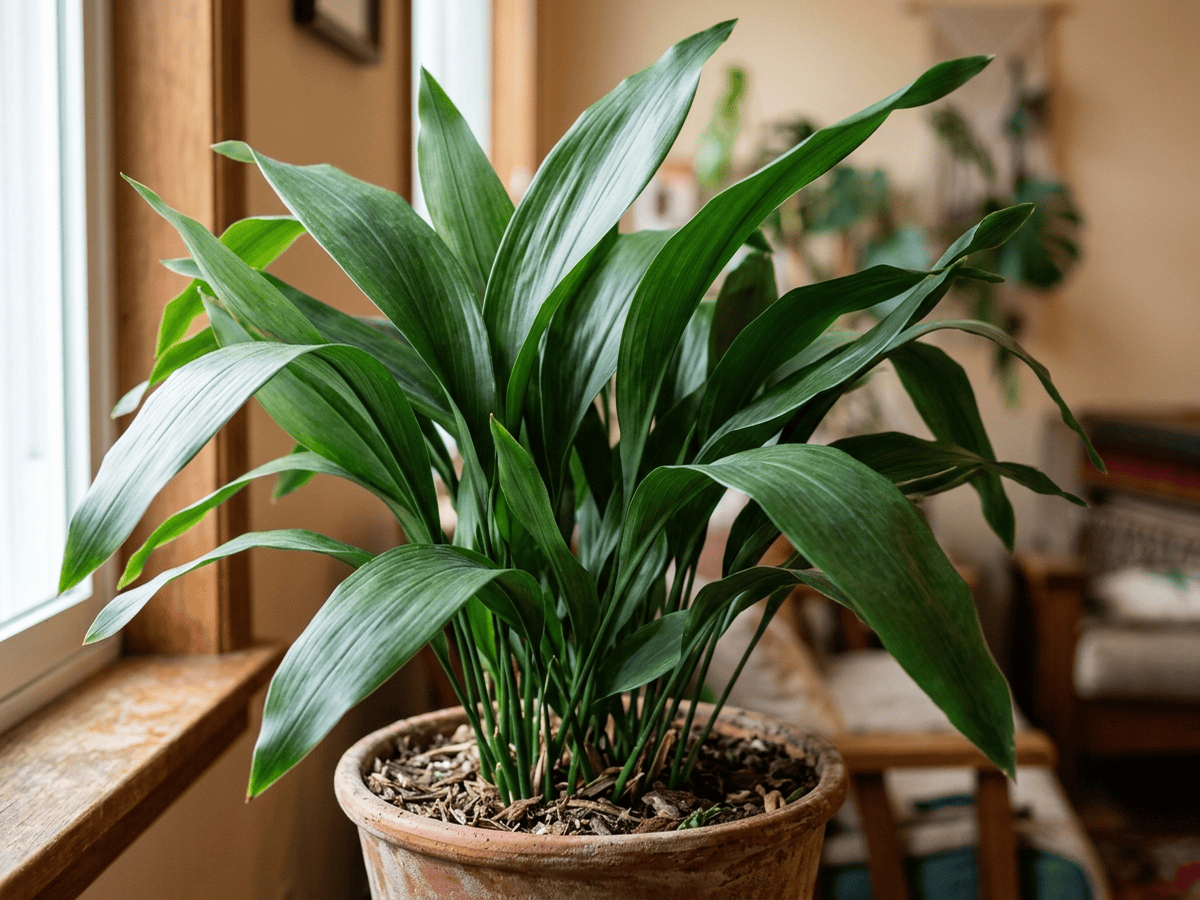
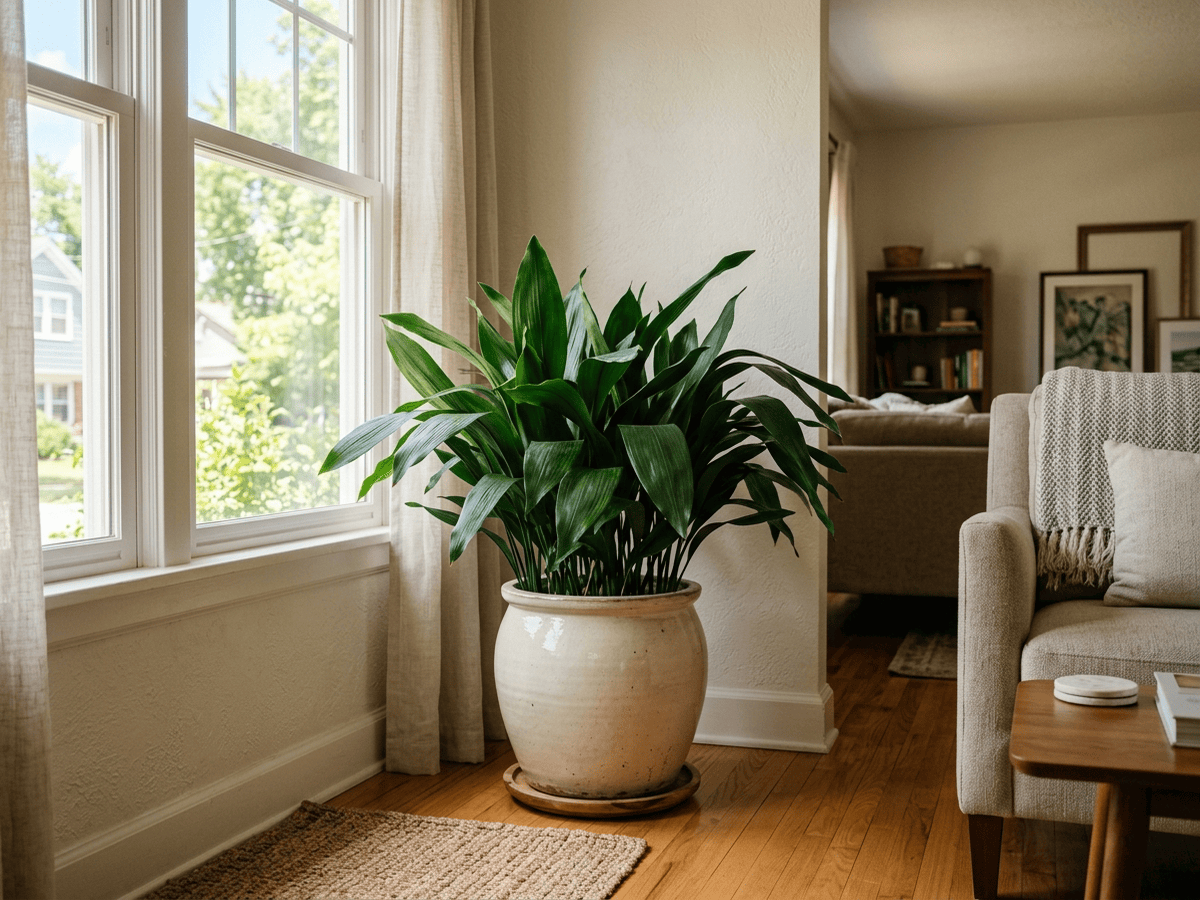
Aspidistra elatior, the cast-iron plant, is an evergreen perennial native to the islands of southern Japan and Taiwan. Its arching lance-shaped dark green leaves — up to 60 cm long — grow directly from creeping underground rhizomes, with no visible stems. The plant is famous for tolerating conditions that kill most other houseplants: deep shade, low humidity, gas fumes, poor soil, and extended neglect.
Throughout the Victorian and Edwardian eras, Aspidistra was the defining parlor plant of gas-lit European and American homes. Its resilience earned it the nickname 'cast-iron plant,' and George Orwell's 1936 novel 'Keep the Aspidistra Flying' used the plant as a symbol of drab middle-class respectability.
Aspidistra occasionally produces small, inconspicuous brown-purple flowers at soil level, pollinated in its native habitat by amphipod crustaceans and small flies. In cultivation, the flowers are rarely noticed. Remains a superb low-light indoor plant today.
- Shade-tolerant
- Low-maintenance
- Evergreen
How to care for Cast-Iron Plant
Watering
- Springevery 14 days
- Summerevery 10 days
- Fallevery 14 days
- Winterevery 21 days
Soil · Well-draining
- Top dressingPine bark mulch10%
- Main mixPotting soil + perlite 2:170%
- DrainageLECA / gravel20%
Never skip the drainage layer — standing water is the top cause of root rot.
FERTILIZER
Balanced Feed 14-14-14
An even feed covers all three needs at once, keeping leaves, roots and blooms moving together with nothing pushed out of balance.
- Nitrogen · Leaves
- Phosphorus · Roots + Blooms
- Potassium · Strength
- Springevery 30 days
- Summerevery 30 days
At a Glance
- NativeEast Asia
- Height2–3 ft (0.6–0.9 m)
- Spread2–3 ft (0.6–0.9 m)
- Flower colorPurple
- Foliage colorDark-green, Green
- SoilLoamy, Well-drained
- LocationsIndoor · Yard
Bloom time
BLOOM CYCLE
Peak bloom
Jun–Aug
Inconspicuous purple-brown flowers at soil level; rarely seen or noticed.
Fragrance
NO FRAGRANCE
Not fragrant.
Toxicity
No toxicity has been reported for this plant. Still, it is wise to keep pets from chewing on any houseplant.
Educational information, not medical or veterinary advice. If exposure is suspected, contact a doctor or veterinarian.
DISTRIBUTION


- Native
- Introduced
- East Asia
History
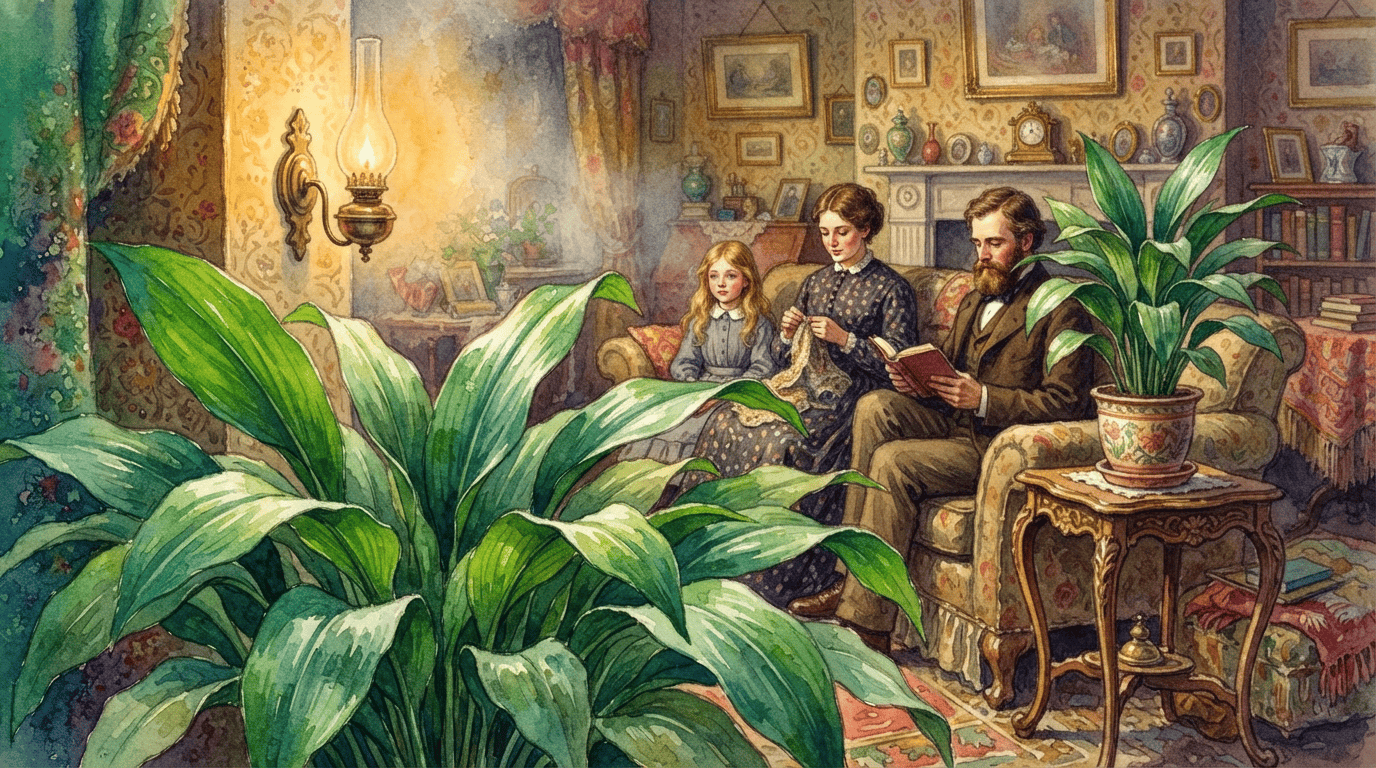
Aspidistra elatior is native to islands of southern Japan (Kuroshima, the Ryukyus) and Taiwan, where it grows in deep forest shade on rocky slopes. Dutch-German botanist Karl Ludwig Blume formally described it in 1822 from cultivated plants, and it was quickly introduced to European horticulture. During the Victorian era in Britain, coal gas used for household lighting produced fumes that killed most indoor plants — but Aspidistra thrived, earning the nickname 'cast-iron plant.'
It became the defining parlor plant of late-19th-century middle-class British homes. George Orwell immortalized its status as a symbol of drab respectability in his 1936 novel 'Keep the Aspidistra Flying.'
The plant fell out of fashion in the mid-20th century but returned strongly in the 2010s as interior designers rediscovered its shade tolerance and architectural leaves. Remarkably, Japanese researchers discovered in 2017 that native Aspidistra species are pollinated by tiny amphipod crustaceans that creep across the soil surface — the first known amphipod-pollinated flowering plants. Became the signature 'parlor palm' of Victorian England, surviving in dimly-lit coal-dust-filled homes when other plants failed.
Symbolism & meaning
What It Symbolizes
The Cast-Iron Plant earned its Victorian fame as a symbol of resilience, surviving the gas-lit drawing rooms, coal-smoke parlors, and benign neglect of nineteenth-century England. George Orwell made it a quiet emblem of middle-class constancy in 'Keep the Aspidistra Flying.' This is the houseplant of stubborn endurance, the green companion that asks for nothing and refuses, with great dignity, to die.
- Resilience — Survives gas fumes, drought, and neglect
- Constancy — Victorian symbol of quiet middle-class endurance
Where the Name Comes From
Aspidistra from Greek 'aspis' (shield), referring to the shield-shaped stigma; 'elatior' means taller.
Uses & Fun Facts
- Cast-Iron Plant spreads as low groundcover on banks and slopes
- Tough evergreen leaves fill shaded rooms, porches, and dry garden corners
Related plants
Plants with similar care
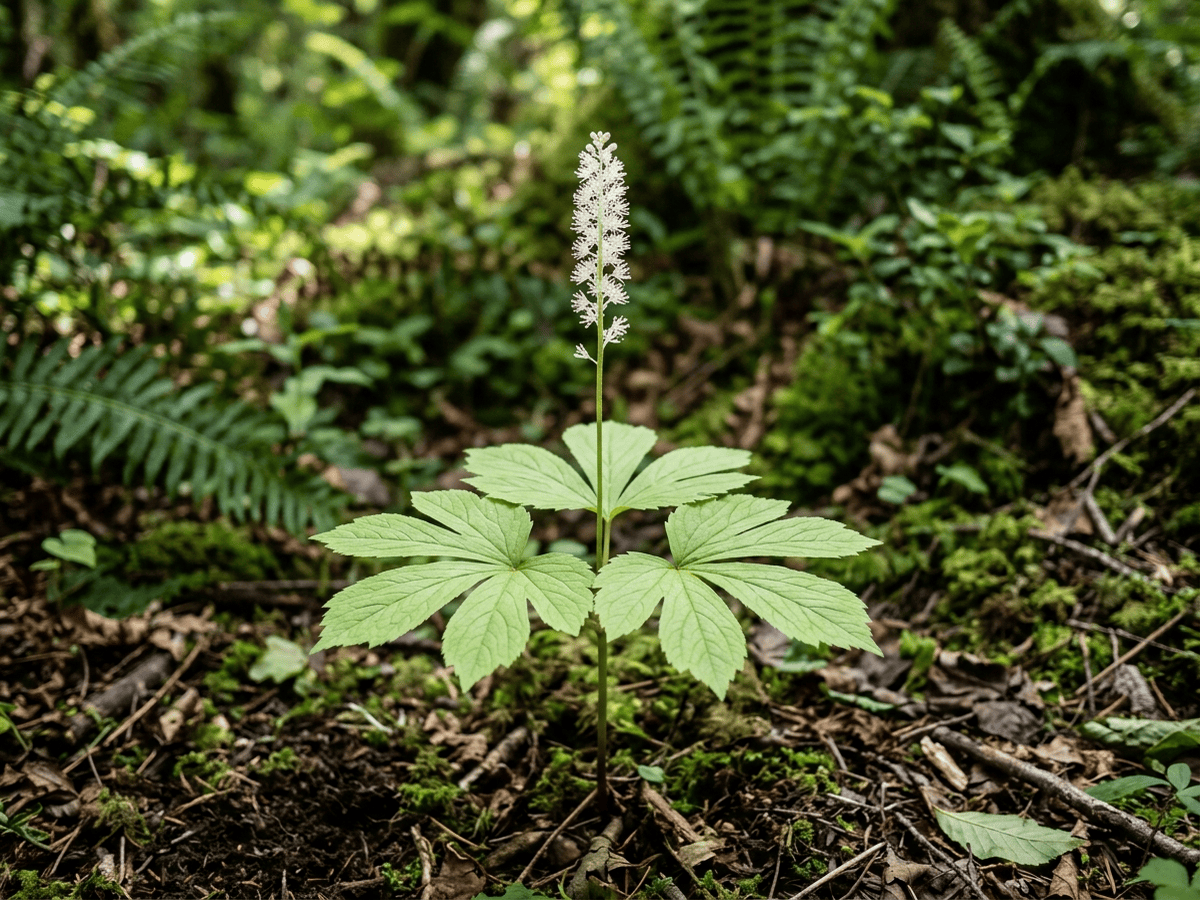 Vanilla LeafAchlys triphylla
 Chinese AucubaAucuba chinensis
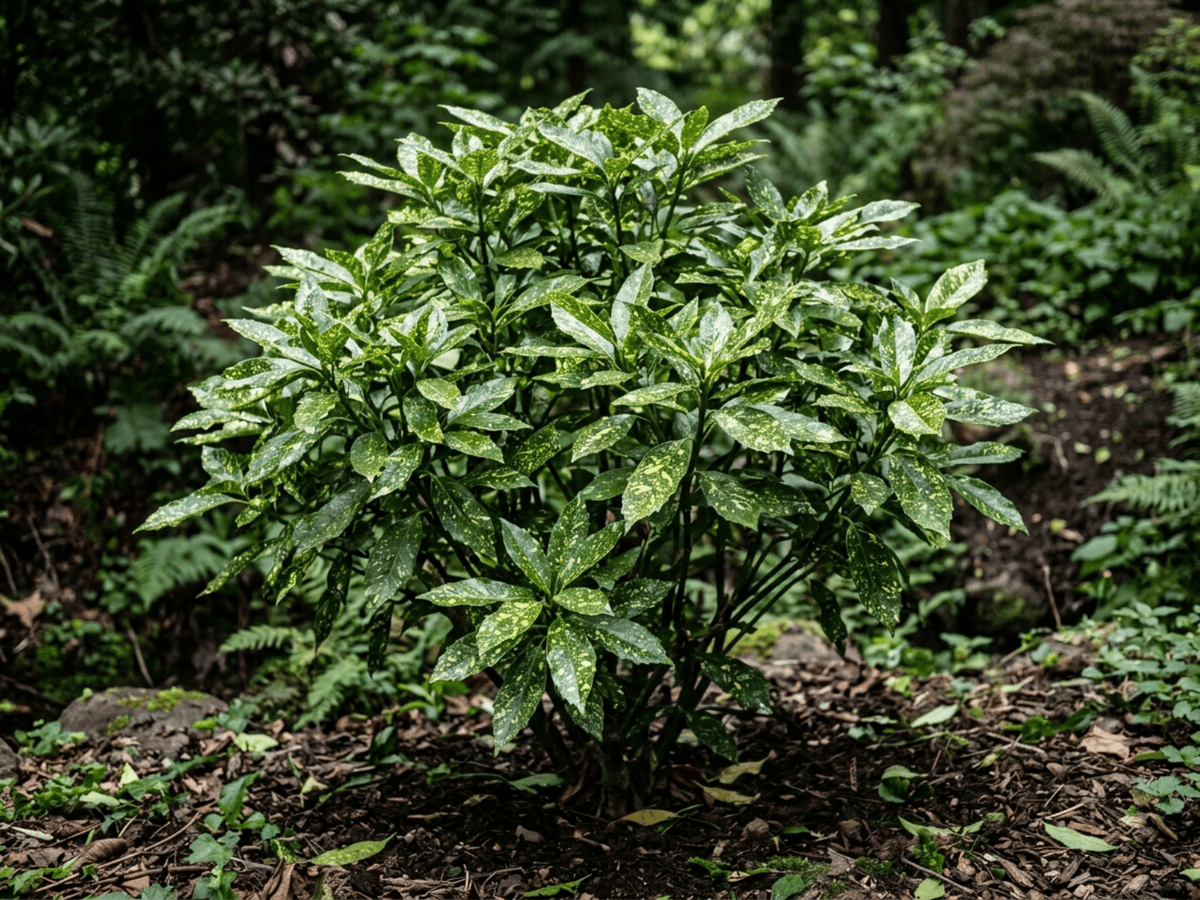 Japanese AucubaAucuba japonica
 Hardy BegoniaBegonia grandis
Frequently asked questions
How often should I water Cast-Iron Plant?
In summer, water about every 10 days; in winter, about every 21 days. Adjust for heat, pot size and drainage.
How much light does Cast-Iron Plant need?
Full shade: <2 hrs direct. Watch the leaves — scorching or stretching means the light needs adjusting.
Is Cast-Iron Plant toxic to cats or dogs?
No toxicity has been reported for this plant. Still, it is wise to keep pets from chewing on any houseplant. Educational information, not medical or veterinary advice. If exposure is suspected, contact a doctor or veterinarian.
Is Cast-Iron Plant easy to grow?
Yes — it is considered an easy, beginner-friendly plant.
Can Cast-Iron Plant be grown indoors?
Yes, it adapts well to indoor growing given the right light.
When does Cast-Iron Plant bloom?
It typically blooms Jun–Aug in the Northern Hemisphere.
YardMate
Identify any plant in seconds
Snap a photo — YardMate names the plant, diagnoses problems, and reminds you when to water.
Download on the App Store