 YardMate


Hardy Begonia
Begonia grandis
Easy · Beginner friendlyAbout Hardy Begonia
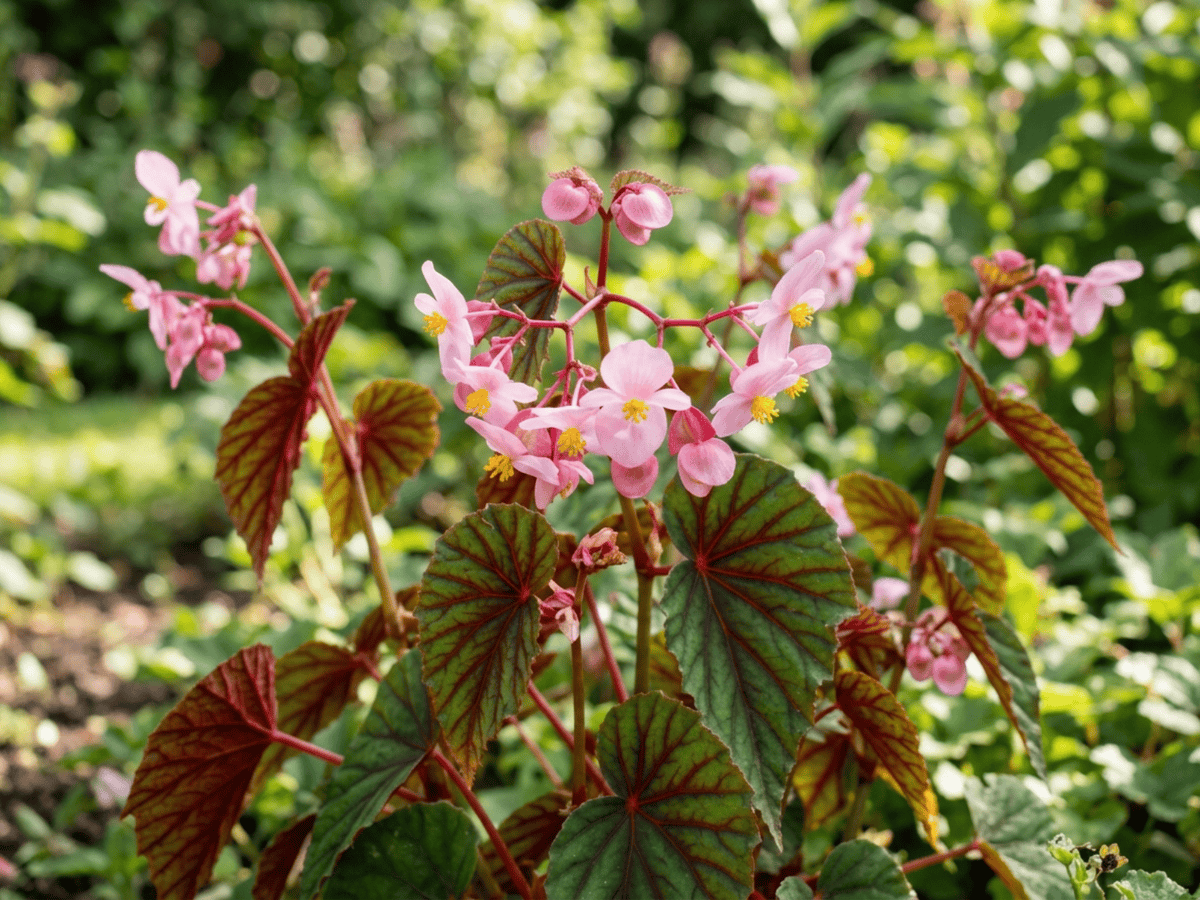
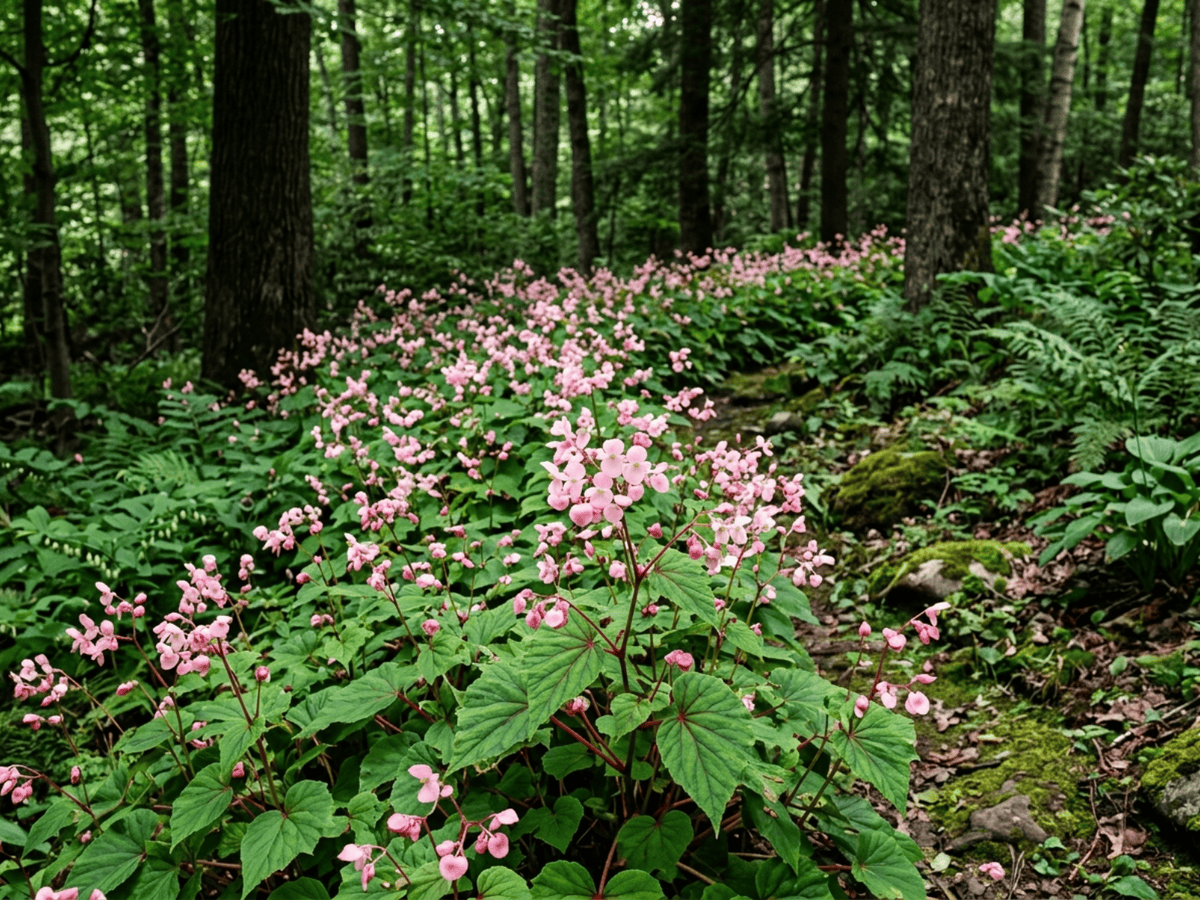
Hardy Begonia is a cold-hardy tuberous begonia native to China and Japan, with asymmetrical heart-shaped leaves that are olive-green above and wine-red beneath, and loose clusters of pink or white flowers in late summer to fall. Growing 18-24 inches tall, it is one of the few begonias reliably hardy in American gardens through USDA zone 6. A refined plant for shaded American borders where its foliage and autumnal bloom shine.
- Cold-hardy
- Shade-tolerant
- Pollinator-friendly
How to care for Hardy Begonia
Watering
- Springevery 4 days
- Summerevery 3 days
- Fallevery 5 days
- Winterpause watering
Soil · Well-draining
- Main mixLoam + coarse sand 3:175%
- DrainageGravel25%
Sharp drainage matters most — bulbs rot in wet soil while dormant.
FERTILIZER
Balanced Feed 14-14-14
An even feed covers all three needs at once, keeping leaves, roots and blooms moving together with nothing pushed out of balance.
- Nitrogen · Leaves
- Phosphorus · Roots + Blooms
- Potassium · Strength
- Springevery 30 days
- Summerevery 30 days
At a Glance
- NativeEast Asia
- Height2–3 ft (0.6–0.9 m)
- Spread1–2 ft (0.3–0.6 m)
- Flower colorPink, White
- Foliage colorGreen, Red
- SoilLoamy, Moisture-retentive
- LocationsYard
Bloom time
BLOOM CYCLE
Peak bloom
Aug–Oct
Pink or white clusters August to October
Toxicity
Humans Moderate · Pets Moderate
calcium oxalate crystals and soluble oxalates
Moderate
- All
- Ingestion
EXPOSURE Eating any part of the plant.
EFFECT Oral irritation and nausea.
NOTE Documented concern for humans: Oral irritation and nausea.
Moderate
- Tuber
- Ingestion
EXPOSURE Eating tubers.
EFFECT Oral irritation, vomiting, and kidney failure in quantity.
NOTE ASPCA lists Begonia as toxic; tubers contain highest concentration of oxalates.
Moderate
- Tuber
- Ingestion
EXPOSURE Eating tubers.
EFFECT Oral irritation, vomiting, and kidney failure in quantity.
NOTE ASPCA lists Begonia as toxic; tubers contain highest concentration of oxalates.
Educational information, not medical or veterinary advice. If exposure is suspected, contact a doctor or veterinarian.
DISTRIBUTION


- Native
- Introduced
- East Asia
History
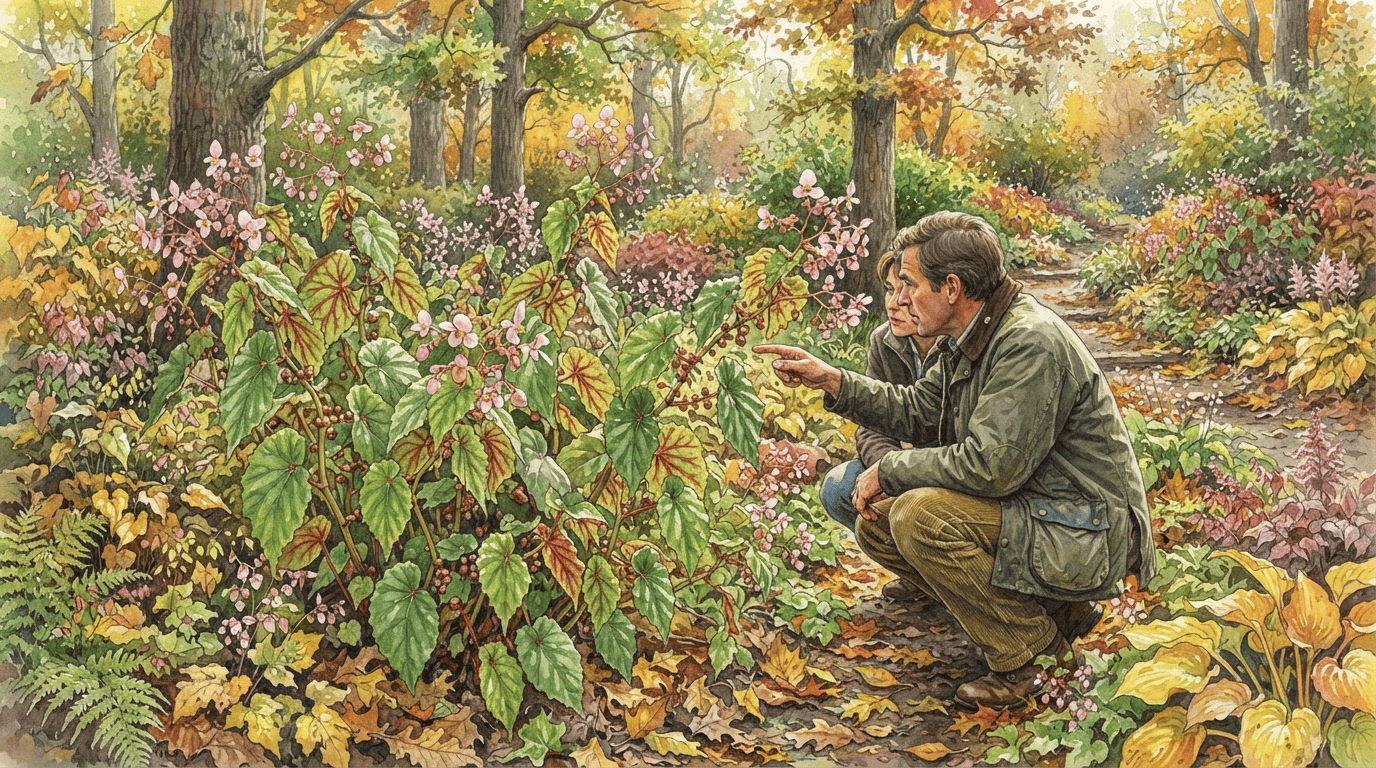
Begonia grandis is native to shaded rocky slopes and stream banks across China and Japan. British botanist Jonas Dryander formally described it in 1791. Unlike the thousands of tropical begonia species, B. grandis is the only species reliably hardy in temperate gardens to USDA zone 6, making it uniquely valuable.
The subspecies evansiana with its characteristic red-veined undersides reached European horticulture through John Graham at Edinburgh Botanic Garden around 1810. It spreads through small bulbils formed in leaf axils, slowly colonizing suitable shaded areas. Cultivars include 'Alba' with pure white flowers and 'Heron's Pirouette' with larger pink bloom.
Native to subtropical East Asia, introduced to Europe by the plant collector Charles Maries around 1880. Produces small bulbils in leaf axils that drop to form colonies—a rarity among begonias. Plantsmen including Heronswood's Dan Hinkley and Piedmont Nursery's Edith Eddleman championed it in late 20th-century American shade garden design.
Symbolism & meaning
What It Symbolizes
Hardy Begonia carries the classic begonia language of gratitude, a flower long given as quiet thanks. Paired with resilience — for it overwinters where most begonias would surrender to frost — it becomes a deeper kind of thank-you: one that returns, year after year, of its own accord. A plant for old friendships and the gardener who keeps coming back.
- Gratitude — classic begonia meaning
- Resilience — cold-hardy where most begonias fail
Where the Name Comes From
'Grandis' means 'large' in Latin, likely referring to the flowers or plant size relative to other begonias.
Uses & Fun Facts
- Pink late-summer flowers attract bees in shaded gardens
- Hardy begonia with red-veined leaves for shady woodland borders
Related plants
More Begonia plants
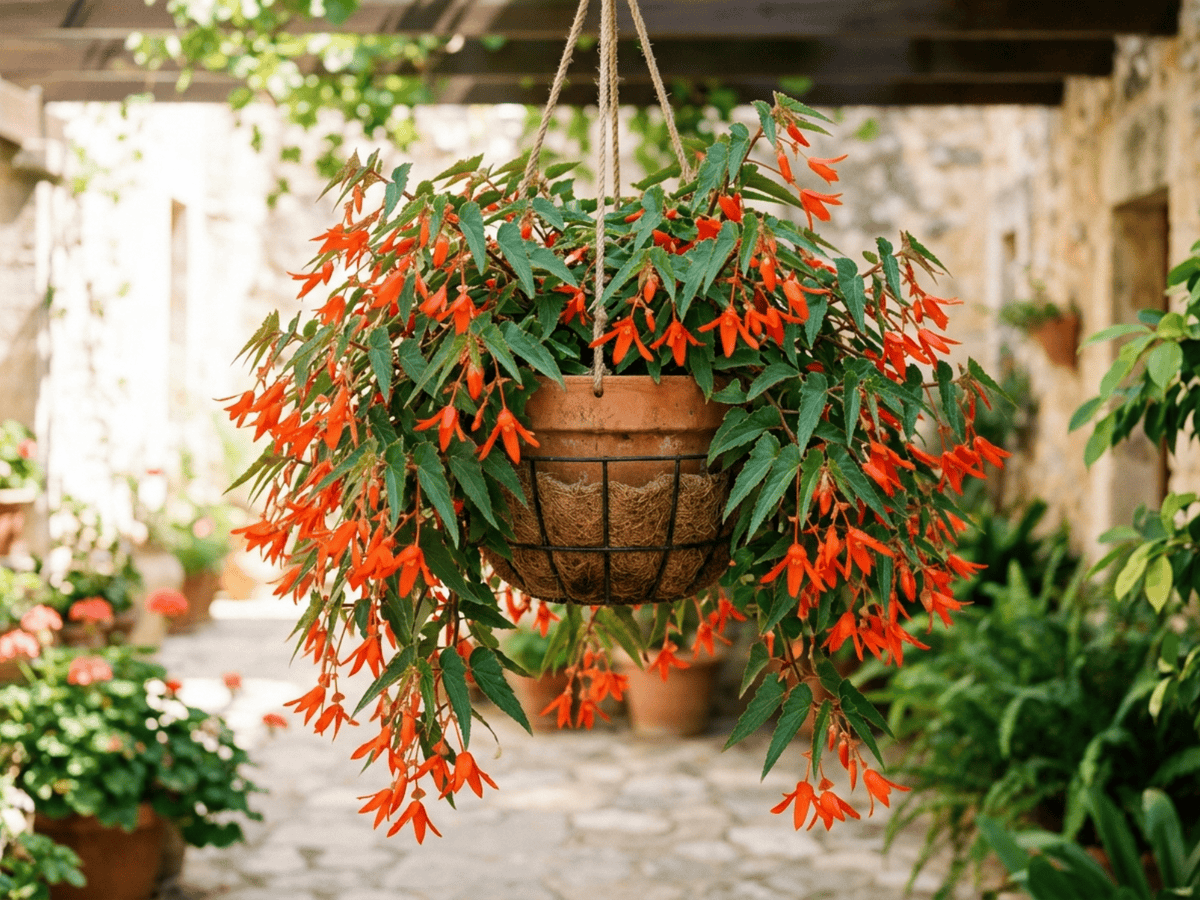 Tuberous BegoniaBegonia boliviensis
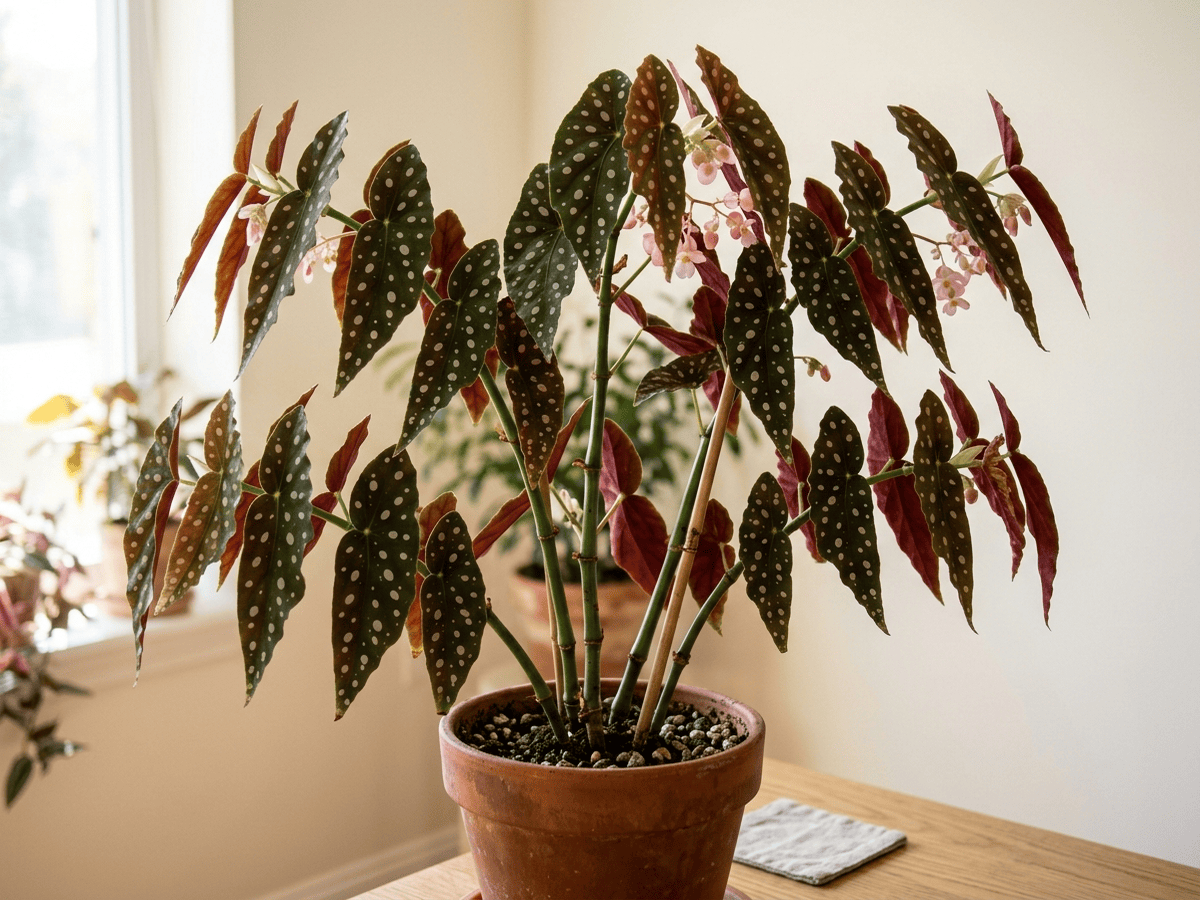 Polka Dot BegoniaBegonia maculata
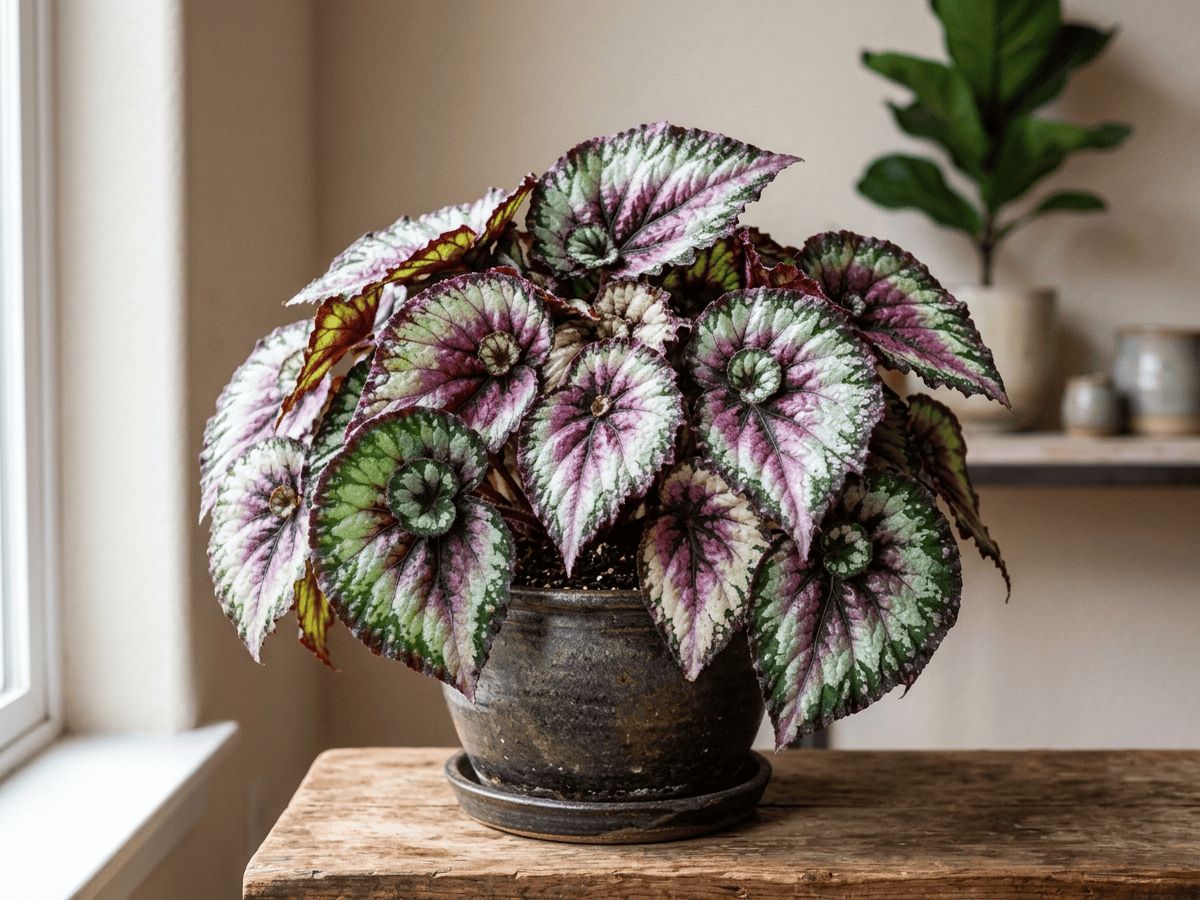 King BegoniaBegonia rex
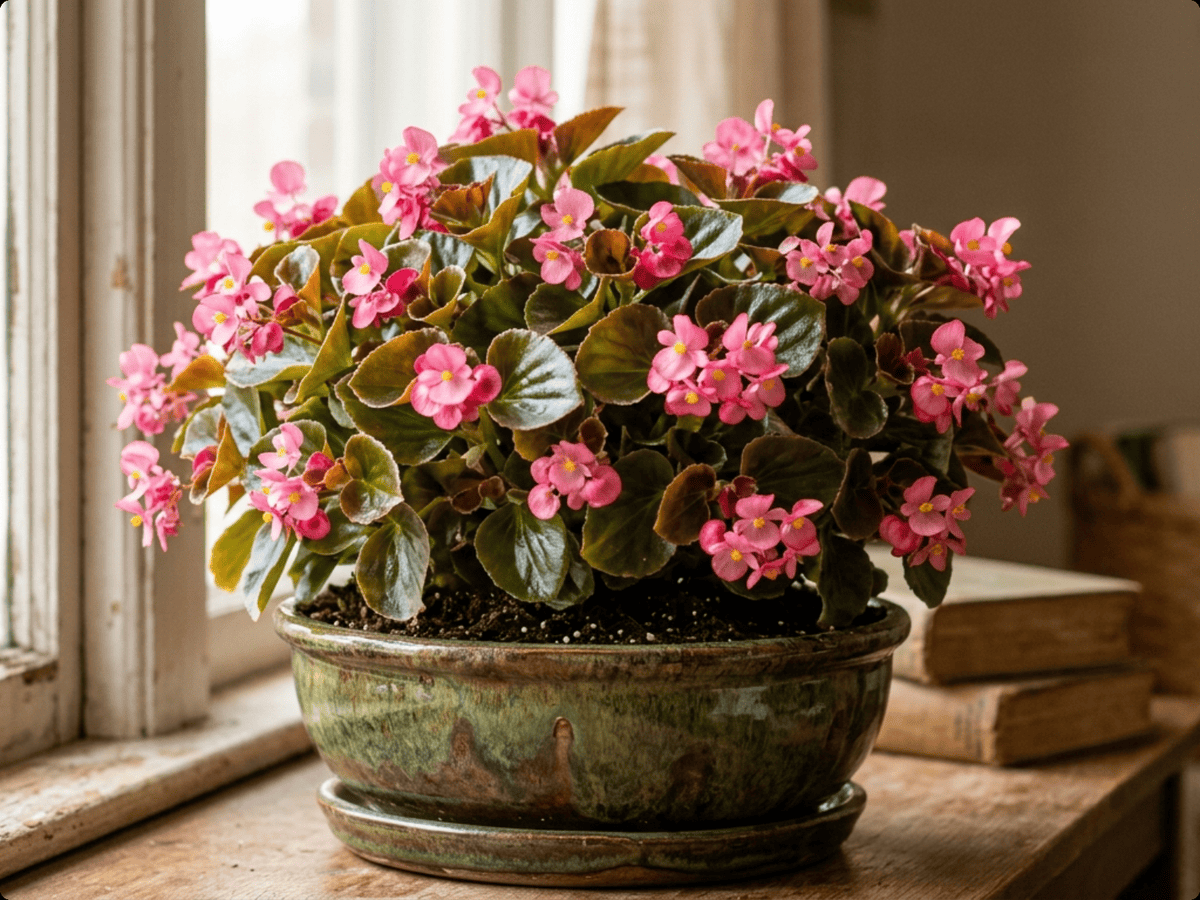 Wax BegoniaBegonia semperflorens
Plants with similar care
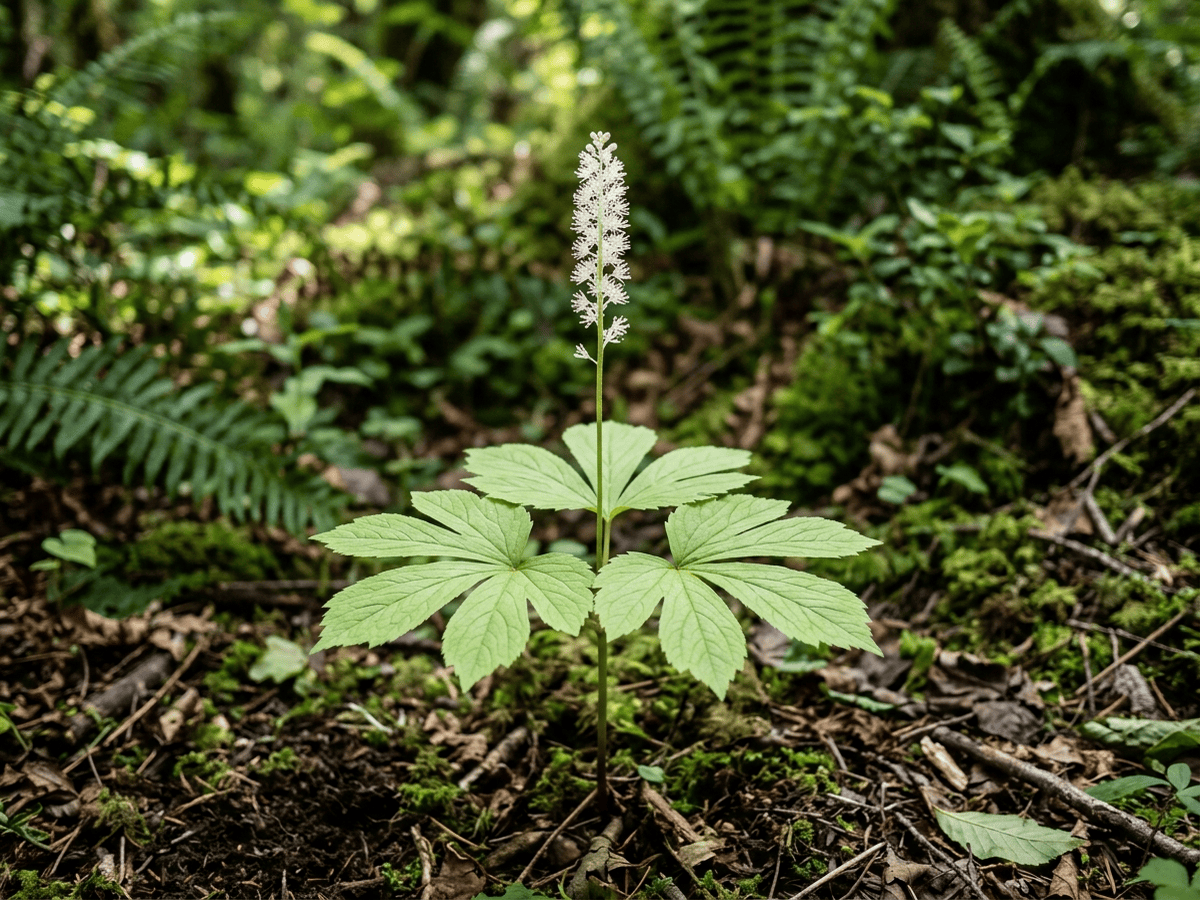 Vanilla LeafAchlys triphylla
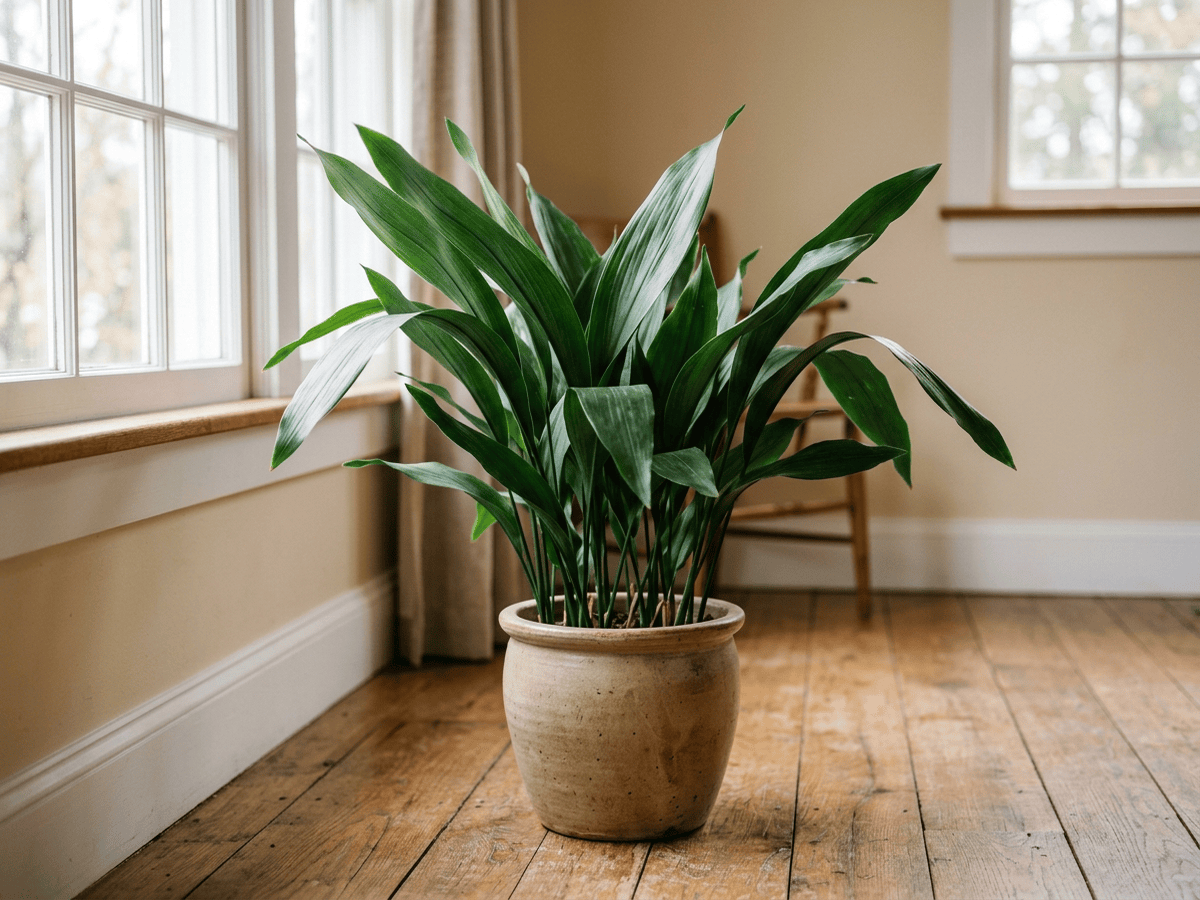 Cast-Iron PlantAspidistra elatior
 Chinese AucubaAucuba chinensis
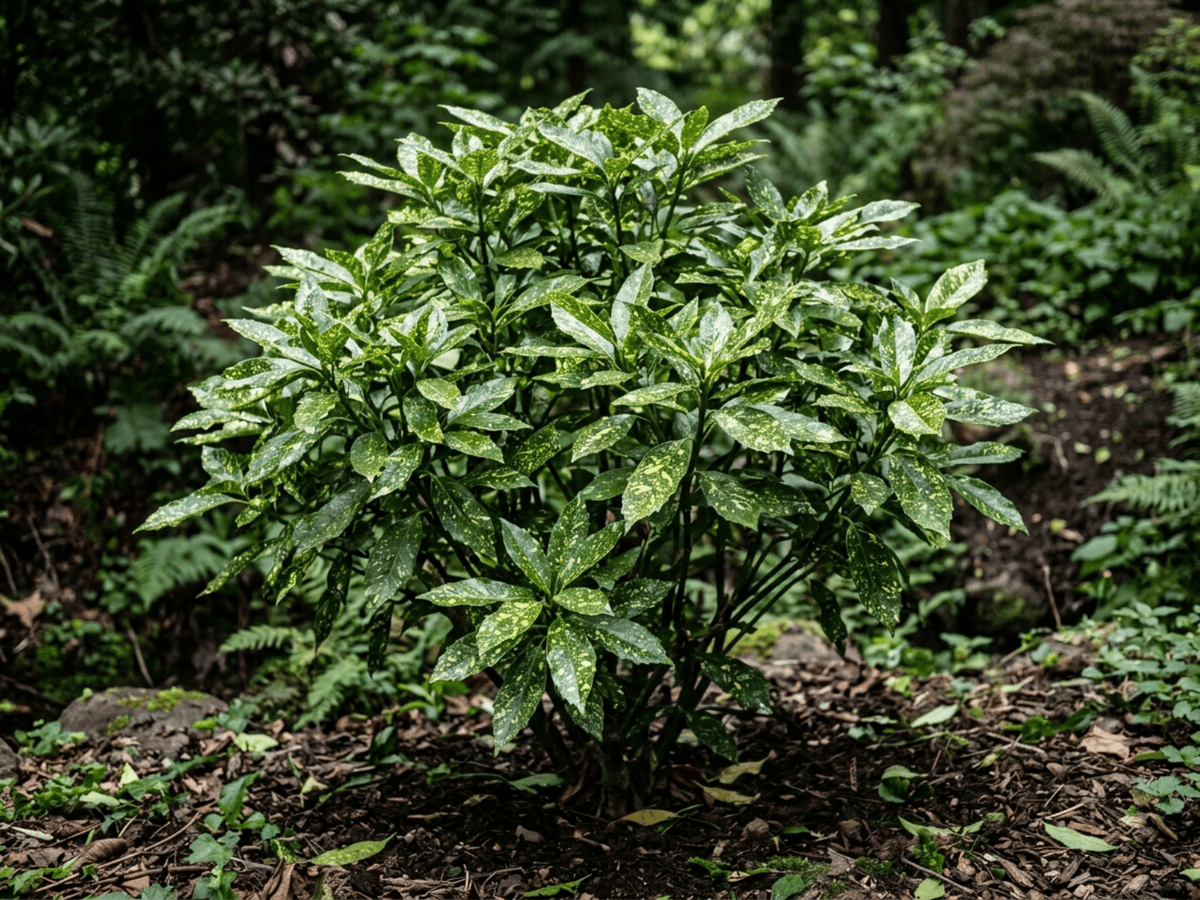 Japanese AucubaAucuba japonica
Frequently asked questions
How often should I water Hardy Begonia?
Water about every 4 days during the growing season, and always let excess water drain away.
How much light does Hardy Begonia need?
Full shade: <2 hrs direct. Watch the leaves — scorching or stretching means the light needs adjusting.
Is Hardy Begonia toxic to cats or dogs?
Pets Moderate (Dogs Moderate · Cats Moderate) Educational information, not medical or veterinary advice. If exposure is suspected, contact a doctor or veterinarian.
Is Hardy Begonia easy to grow?
Yes — it is considered an easy, beginner-friendly plant.
When does Hardy Begonia bloom?
It typically blooms Aug–Oct in the Northern Hemisphere.
YardMate
Identify any plant in seconds
Snap a photo — YardMate names the plant, diagnoses problems, and reminds you when to water.
Download on the App Store