 YardMate
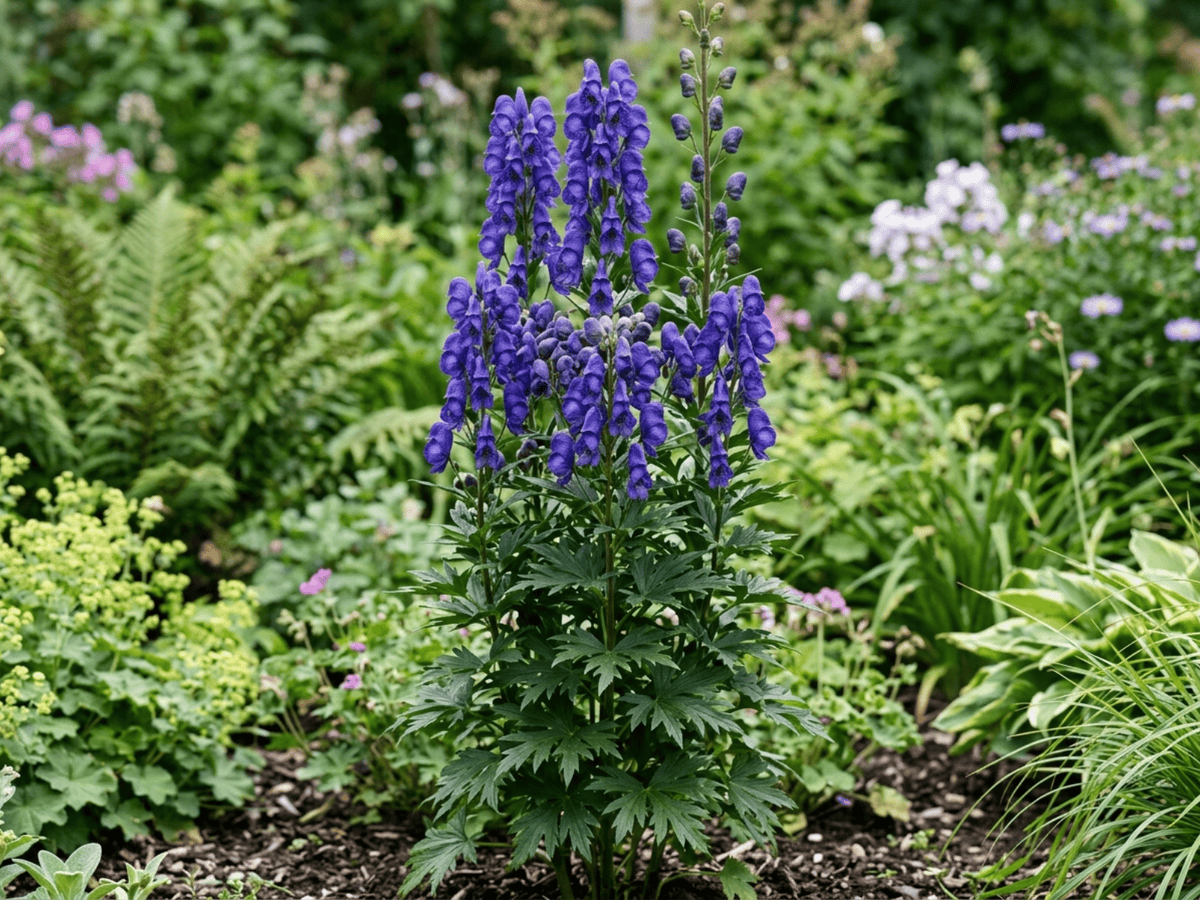


Azure Monkshood
Aconitum carmichaelii
Medium · Some experienceAbout Azure Monkshood
Carmichael's Monkshood is a late-blooming perennial from central and western China prized for its spires of hooded violet-blue flowers rising above deeply divided glossy green foliage in autumn. Growing 3-5 feet tall, it brings rare late-season blue color to shaded American borders. Highly toxic—one of the most poisonous plants in horticulture—it should be sited away from children and pets, but offers unmatched autumnal elegance.
- Shade-tolerant
- Cold-hardy
- Deer-resistant
- Pollinator-friendly
How to care for Azure Monkshood
Watering
- Springevery 5 days
- Summerevery 4 days
- Fallevery 7 days
- Winterpause watering
Soil · Well-draining
- Top dressingPine bark mulch10%
- Main mixPotting soil + perlite 2:170%
- DrainageLECA / gravel20%
Never skip the drainage layer — standing water is the top cause of root rot.
FERTILIZER
Balanced Feed 14-14-14
An even feed covers all three needs at once, keeping leaves, roots and blooms moving together with nothing pushed out of balance.
- Nitrogen · Leaves
- Phosphorus · Roots + Blooms
- Potassium · Strength
- Springevery 30 days
- Summerevery 30 days
At a Glance
- NativeEast Asia
- Height3–4 ft (0.9–1.2 m)
- Spread1–2 ft (0.3–0.6 m)
- Flower colorBlue, Purple
- Foliage colorGreen
- SoilMoisture-retentive, Loamy, Rich
- LocationsYard
Bloom time
BLOOM CYCLE
Peak bloom
Sep–Oct
Violet-blue hooded spires September to October
Toxicity
Humans Severe · Pets Severe
aconitine, mesaconitine, and hypaconitine
Severe
- All
- Contact
- Ingestion
EXPOSURE Touching any part of the plant. Eating any part of the plant.
EFFECT Cardiac arrest, numbness, paralysis, and death.
NOTE Among the most dangerous garden plants; all parts lethal. Wear gloves; fatal poisonings recorded.
Severe
- All
- Ingestion
EXPOSURE Eating any part of the plant.
EFFECT Cardiac arrest, seizures, and death.
NOTE Among the most dangerous garden plants; all parts lethal. Wear gloves; fatal poisonings recorded.
Severe
- All
- Ingestion
EXPOSURE Eating any part of the plant.
EFFECT Cardiac arrest, seizures, and death.
NOTE Among the most dangerous garden plants; all parts lethal. Wear gloves; fatal poisonings recorded.
Educational information, not medical or veterinary advice. If exposure is suspected, contact a doctor or veterinarian.
DISTRIBUTION


- Native
- Introduced
- East Asia
History

Aconitum carmichaelii grows wild across central and eastern China, Vietnam, and Russia's Far East. Traditional Chinese medicine texts dating to the Han dynasty describe its processed root—fu zi—as a potent heating tonic used for circulatory conditions, carefully detoxified by boiling and long soaking. Unprocessed root is among the most toxic plant materials known, causing rapid cardiac arrest through aconitine's action on sodium channels.
Western science encountered it through Robert Fortune's 1840s-1860s China expeditions; Debeaux described the species in 1879 honoring Scottish collector J.R. Carmichael. Its late-season deep blue hooded flowers on 4-foot spikes made it popular in Edwardian autumn borders. Cultivars including 'Arendsii' and 'Spätlese' remain garden staples, though all parts remain dangerously toxic and gloves are recommended for handling.
Introduced to British horticulture by plant hunter E.H. Wilson in 1886. The cultivar 'Arendsii', discovered in a German nursery in 1945, became the most popular form in American gardens. Used in traditional Chinese medicine after careful processing to reduce toxicity; in ancient times aconite extracts poisoned arrows and Greek hunters' spears.
Symbolism & meaning
What It Symbolizes
Azure Monkshood is often read as a flower of Caution — beauty that asks to be admired from a respectful distance. Its hooded blue blooms have long carried the air of mystery, gathered into European witch-lore and apothecary cabinets where every part of the plant was known to bite back. To grow it is to keep company with old magic, gracefully and warily.
- Caution — beauty that demands respect
- Mystery — traditional associations with witchcraft and magic
Where the Name Comes From
The name Azure Monkshood describes its hooded flowers. 'Aconitum' from the Greek 'akoniton'; 'carmichaelii' honors English botanist Dugald Carmichael.
Uses & Fun Facts
- Late-season deep blue hooded flowers in shade borders
- Processed roots used in traditional Chinese medicine
- Tall spikes add architectural drama to autumn arrangements
Related plants
Plants with similar care
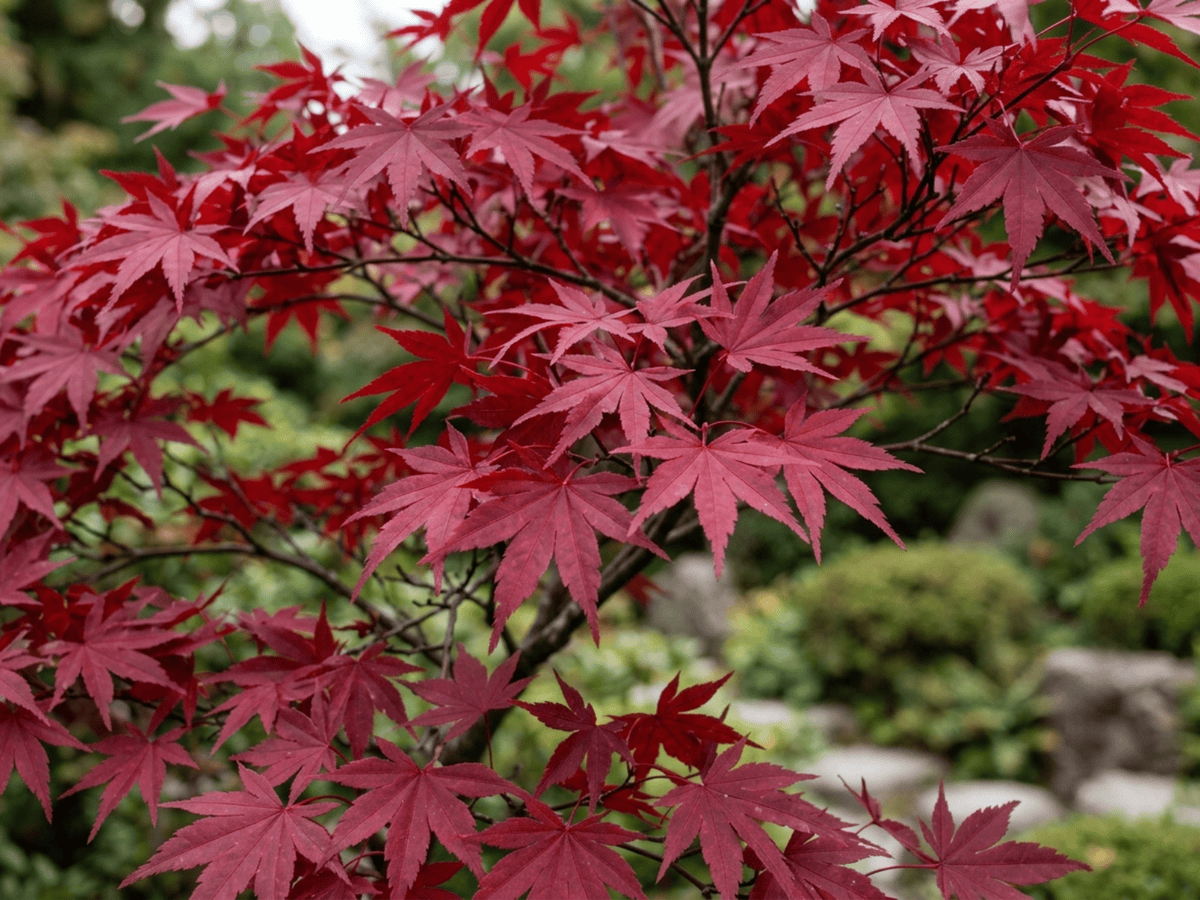 Japanese MapleAcer palmatum
 Florida HobblebushAgarista populifolia
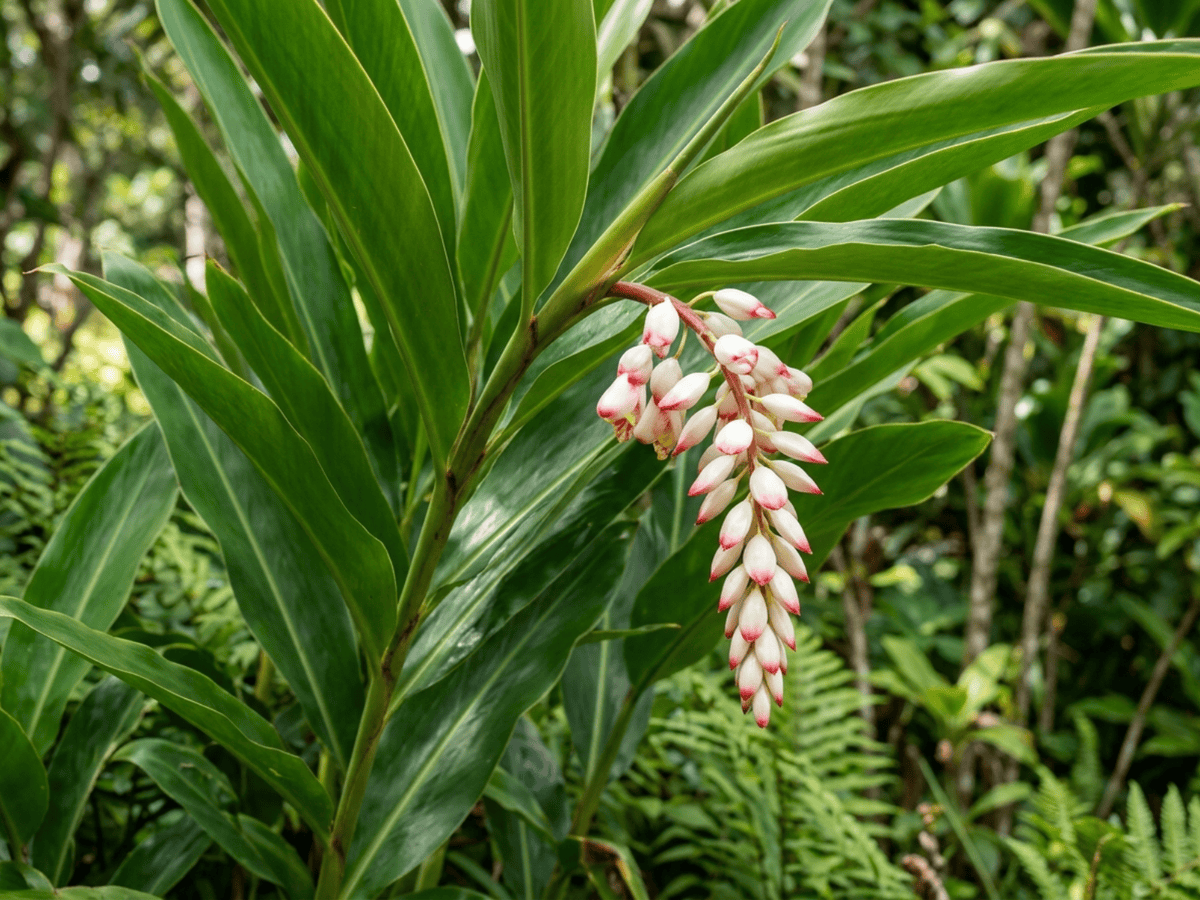 Shell GingerAlpinia zerumbet
 PipevineAristolochia macrophylla
Frequently asked questions
How often should I water Azure Monkshood?
Water about every 5 days during the growing season, and always let excess water drain away.
How much light does Azure Monkshood need?
Part shade: 2–4 hrs direct. Watch the leaves — scorching or stretching means the light needs adjusting.
Is Azure Monkshood toxic to cats or dogs?
Pets Severe (Dogs Severe · Cats Severe) Educational information, not medical or veterinary advice. If exposure is suspected, contact a doctor or veterinarian.
Is Azure Monkshood easy to grow?
It is moderately demanding: a good choice once you have a little experience.
When does Azure Monkshood bloom?
It typically blooms Sep–Oct in the Northern Hemisphere.
YardMate
Identify any plant in seconds
Snap a photo — YardMate names the plant, diagnoses problems, and reminds you when to water.
Download on the App Store