 YardMate

Shell Ginger
Alpinia zerumbet
Medium · Some experienceAbout Shell Ginger
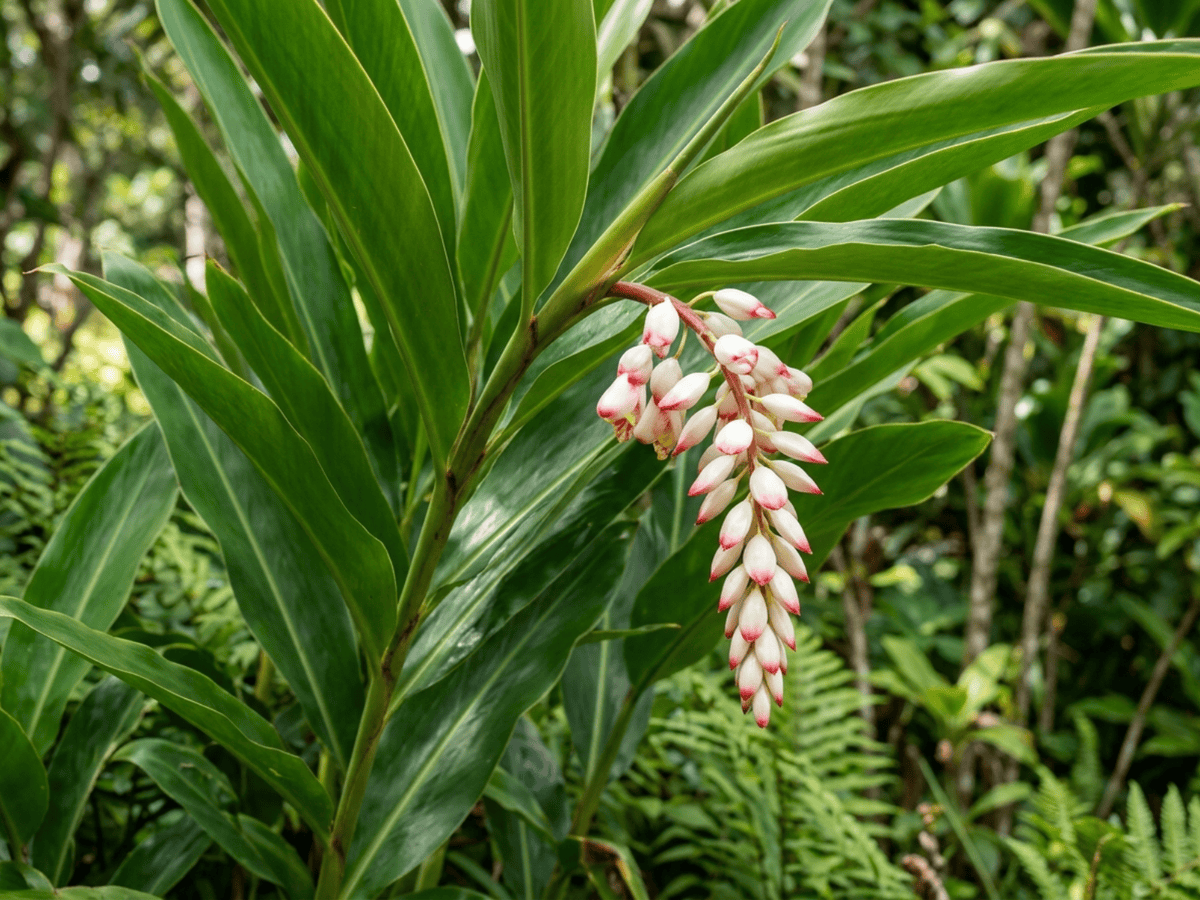
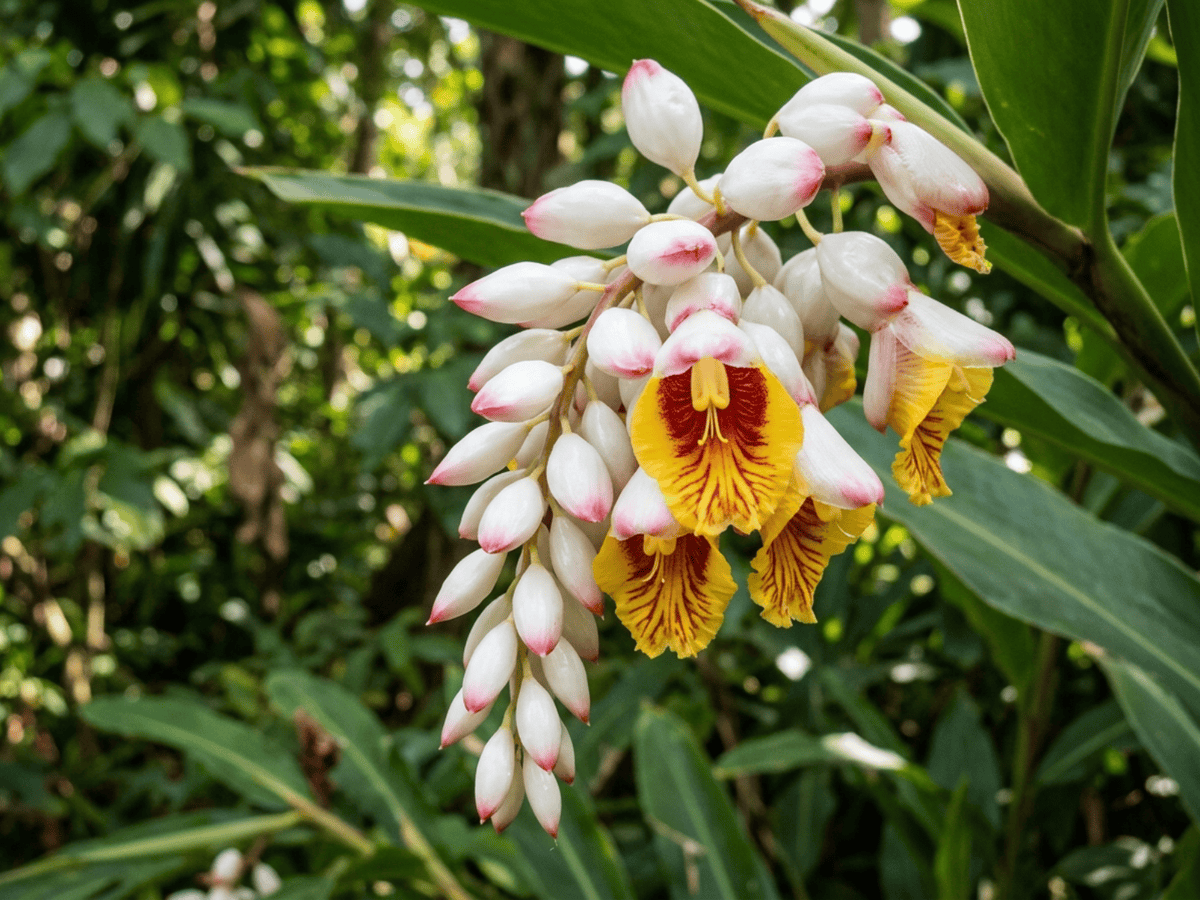
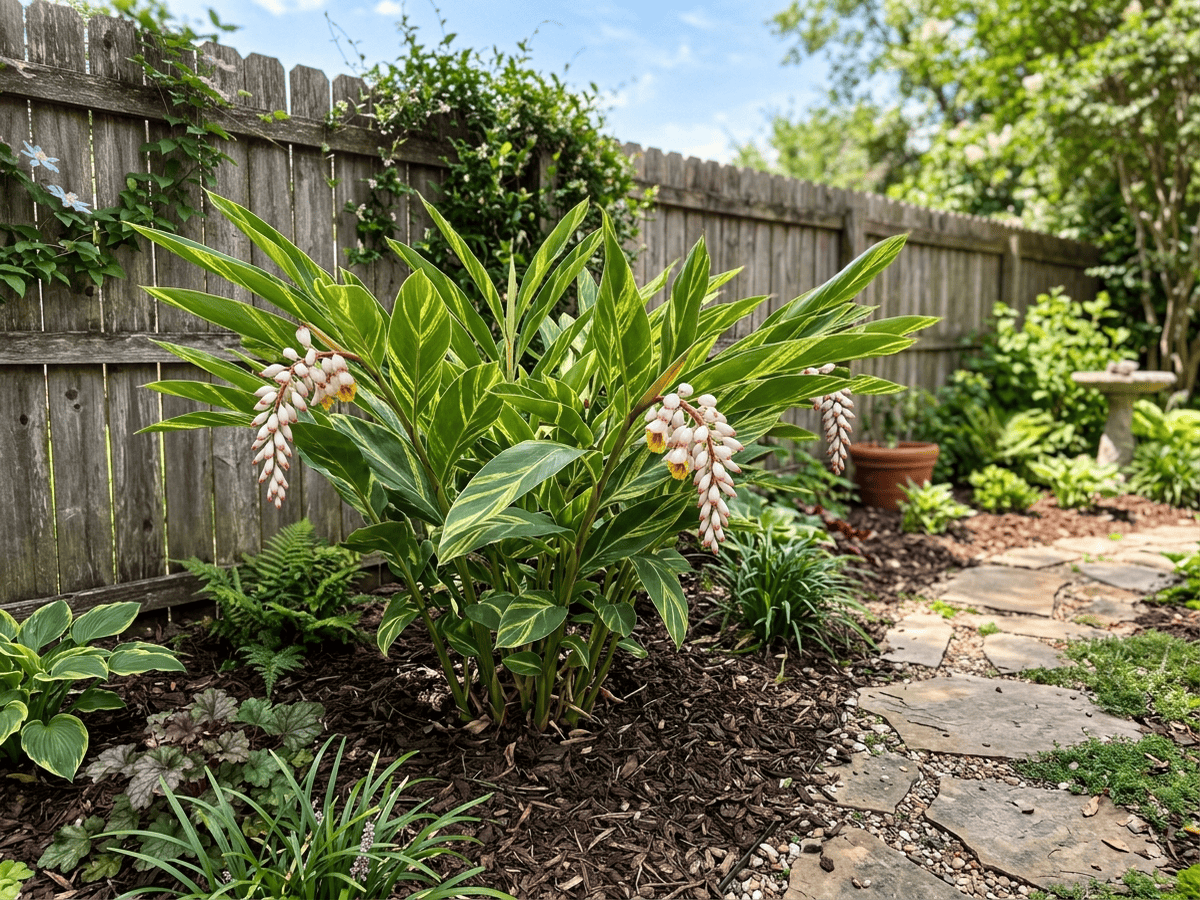
Shell ginger is a tall tropical perennial from East Asia with arching stems, glossy lance-shaped leaves, and pendant clusters of waxy shell-like flowers. The white to pale pink buds open with yellow and red markings, giving the bloom a porcelain, seashell quality. In warm gardens it reaches 6-10 feet and makes a lush screen or backdrop; in containers it stays smaller. The leaves release a spicy scent when crushed, and in Okinawa they are traditionally used to wrap mochi rice cakes, lending a subtle herbal aroma. Variegated forms with gold-striped foliage are especially popular. Give it rich moist soil, humidity, and protection from frost.
- Fragrant
- Evergreen
- Tropical
How to care for Shell Ginger
Watering
- Springevery 2 days
- Summerevery 2 days
- Fallevery 5 days
- Winterevery 14 days
Soil · Well-draining
- Top dressingPine bark mulch10%
- Main mixPotting soil + perlite 2:170%
- DrainageLECA / gravel20%
Never skip the drainage layer — standing water is the top cause of root rot.
FERTILIZER
Balanced Feed 14-14-14
An even feed covers all three needs at once, keeping leaves, roots and blooms moving together with nothing pushed out of balance.
- Nitrogen · Leaves
- Phosphorus · Roots + Blooms
- Potassium · Strength
- Springevery 30 days
- Summerevery 30 days
At a Glance
- NativeEast Asia
- Height8–12 ft (2.4–3.7 m)
- Spread4–6 ft (1.2–1.8 m)
- Flower colorWhite, Pink, Yellow
- Foliage colorGreen, Variegated, Yellow
- SoilLoamy, Moisture-retentive, Rich
- LocationsYard
Bloom time
BLOOM CYCLE
Peak bloom
Mar–Aug
Pendulous shell-shaped white and pink flowers in spring-summer
Fragrance
MODERATE FRAGRANCE
Aromatic gingery-camphorous scent from crushed leaves; flowers lightly sweet.
Toxicity
No toxicity has been reported for this plant. Still, it is wise to keep pets from chewing on any houseplant.
Educational information, not medical or veterinary advice. If exposure is suspected, contact a doctor or veterinarian.
DISTRIBUTION

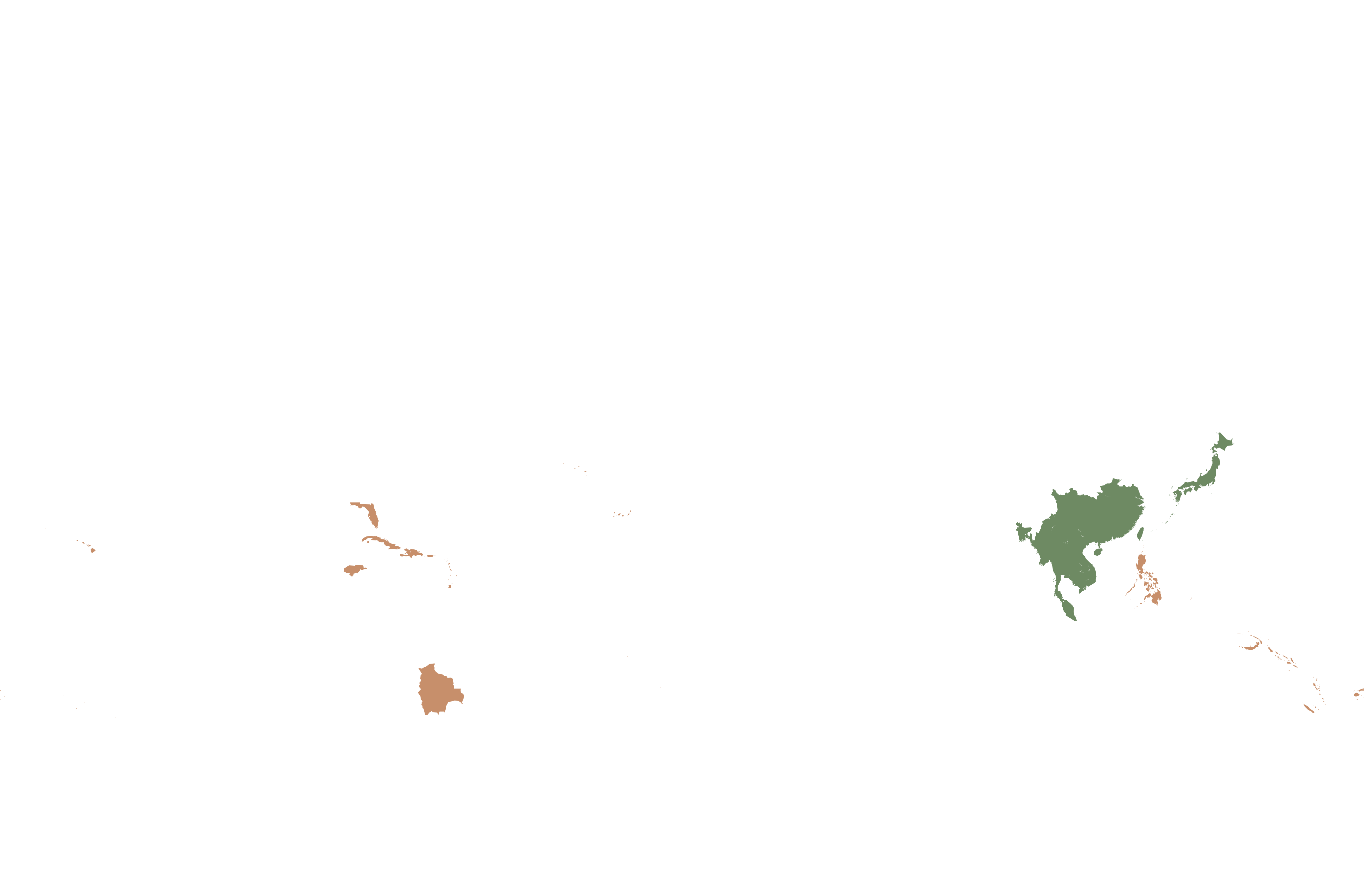
- Native
- Introduced
- East Asia
History
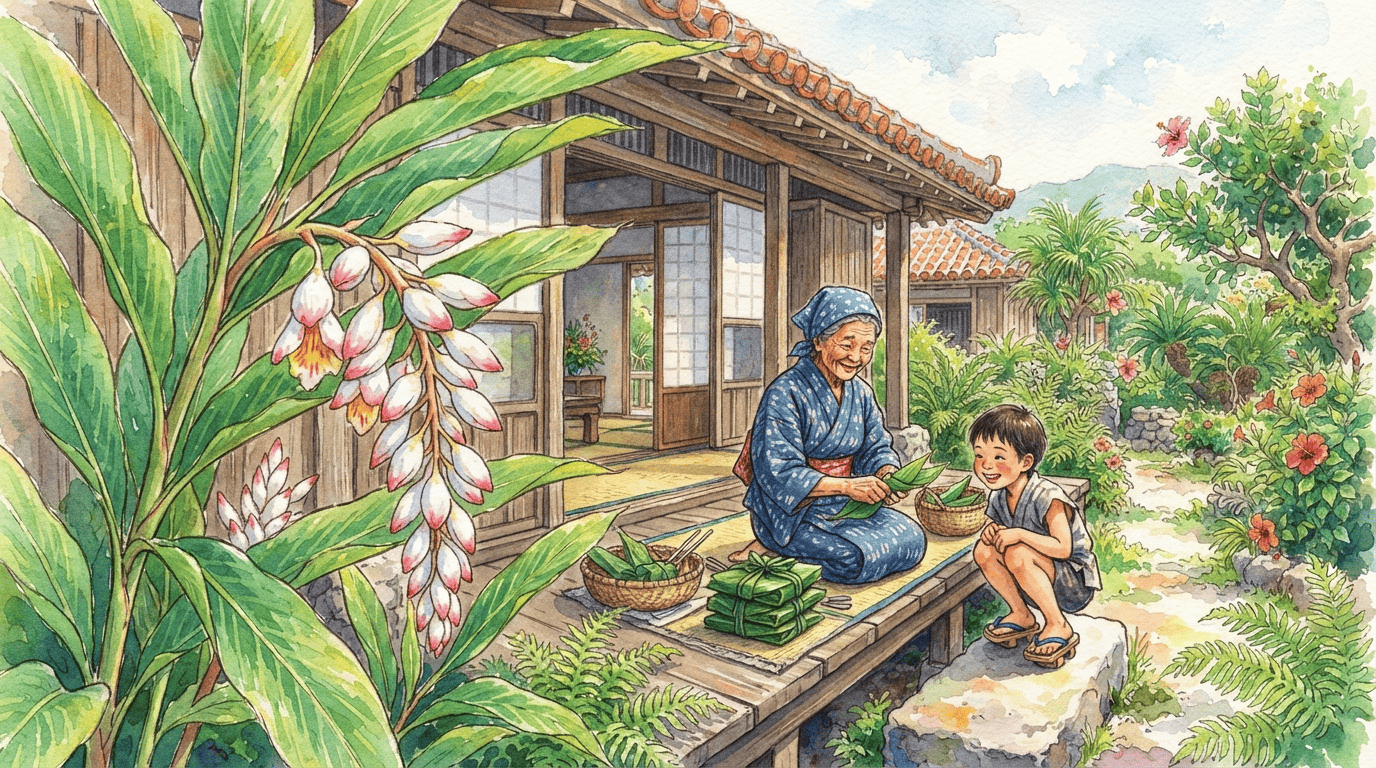
Alpinia zerumbet is a tall ginger relative native to southern China, Taiwan, and the Ryukyu Islands of Japan, including Okinawa. Its upright leafy stems carry pendant clusters of waxy white-and-pink buds whose porcelain sheen gives the common name shell ginger. In Okinawa the plant is known as getto, or moon peach, and its aromatic leaves are woven into daily culture: they wrap muchi rice cakes, scent herbal teas, and appear in seasonal traditions meant to protect children's health.
Researchers in Japan and Taiwan have studied antioxidant compounds in the leaves, and longevity writers often mention getto among the many food and lifestyle threads associated with Okinawa's historic blue-zone reputation. Western gardeners adopted shell ginger in the 19th century for its dramatic flowers and bold foliage, while the gold-striped 'Variegata' became a staple of subtropical gardens and conservatories.
Symbolism & meaning
What It Symbolizes
Shell Ginger can symbolize grace in its arching, pearly flower clusters that seem to bow politely toward the gardener. In Okinawa, where the plant is called getto, its leaves are tied to longevity traditions — wrapped around mochi and steeped in tea by people famous for living long lives. Few flowers so gently weave together elegance, hospitality, and the quiet wish for many more years.
- Grace — the arching flower clusters evoke gentle elegance
- Longevity — associated with Okinawan traditions of long life
Where the Name Comes From
'Alpinia' honors Prospero Alpini, a 16th-century Italian botanist who studied Egyptian plants. 'Zerumbet' derives from an Arabic word for a type of ginger rhizome.
Uses & Fun Facts
- Ginger-scented leaves and lightly sweet flowers suit warm patios and sheltered entries
- Shell Ginger perennial used in cottage and naturalistic borders
Related plants
Plants with similar care
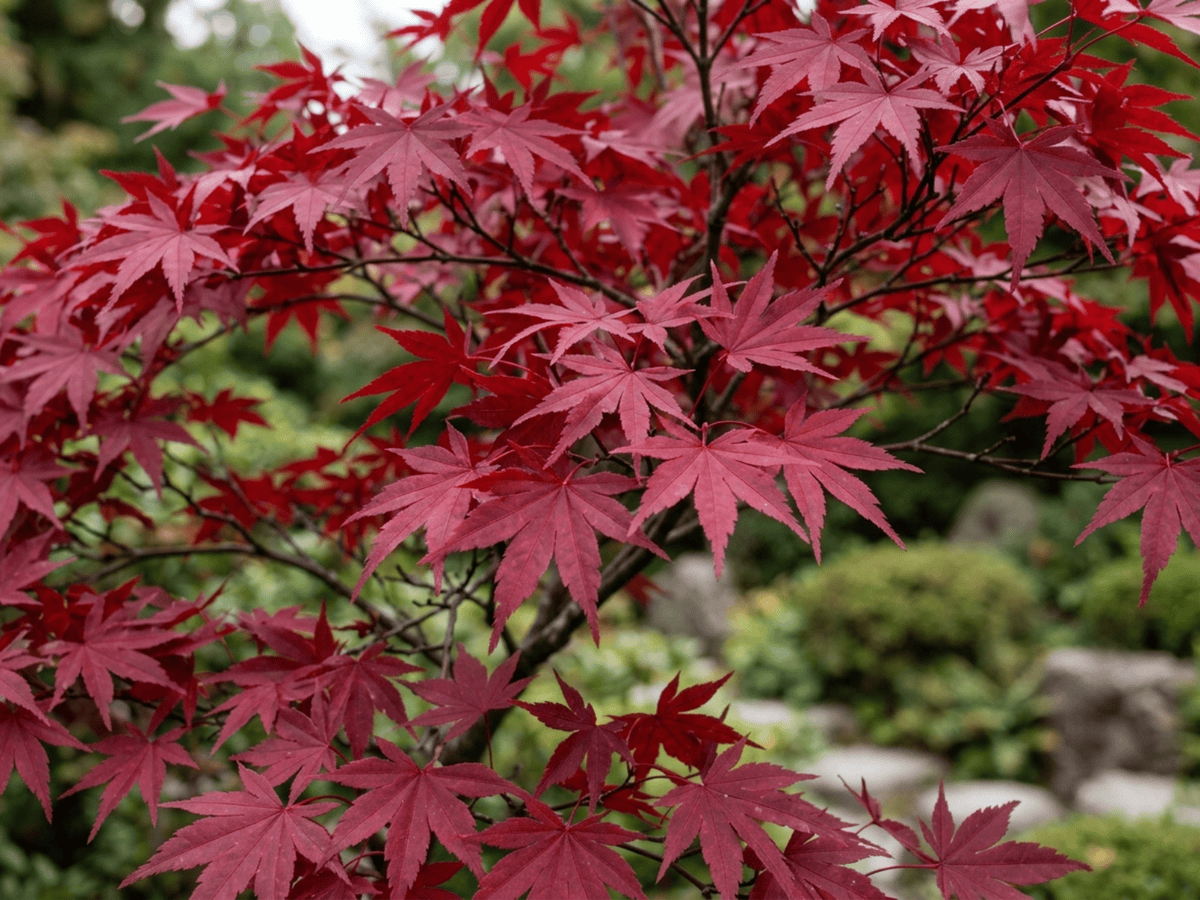 Japanese MapleAcer palmatum
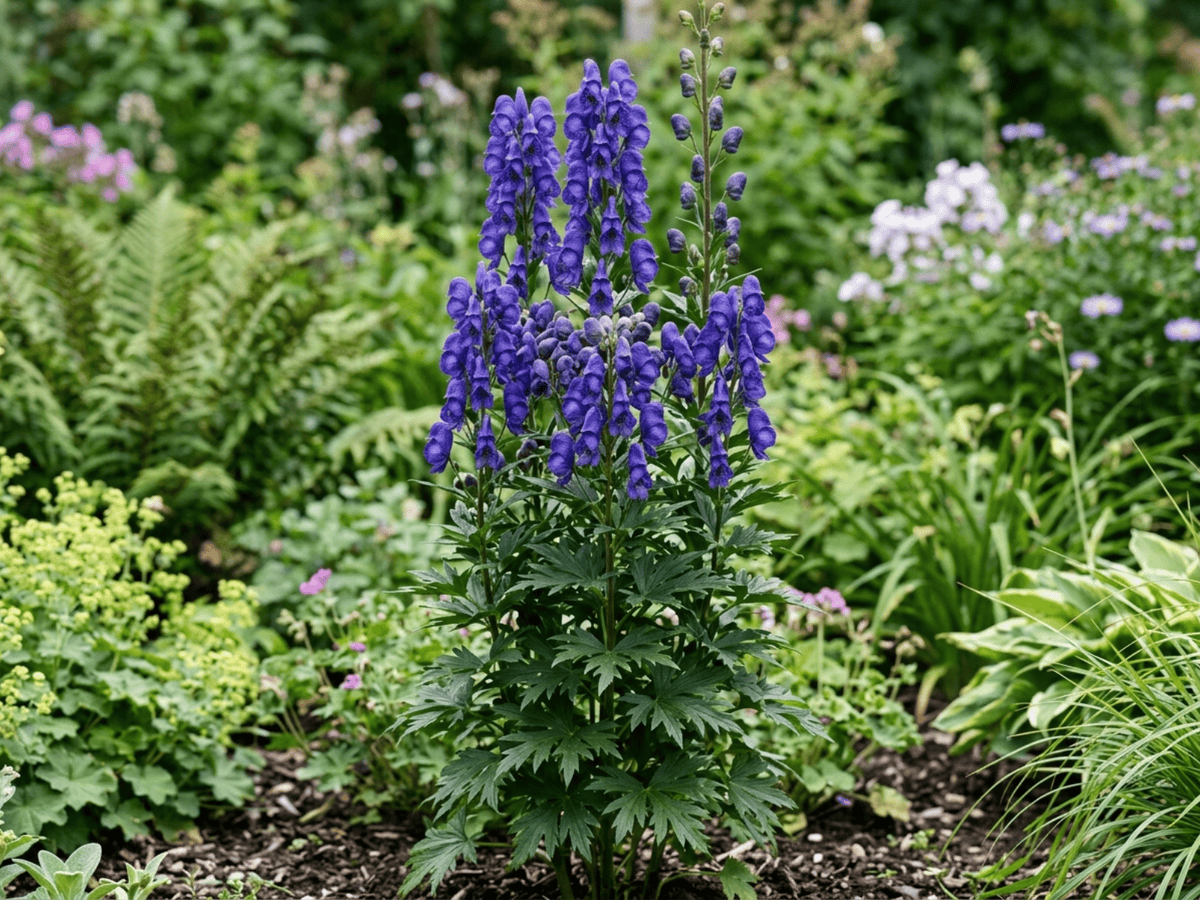 Azure MonkshoodAconitum carmichaelii
 Florida HobblebushAgarista populifolia
 PipevineAristolochia macrophylla
Frequently asked questions
How often should I water Shell Ginger?
In summer, water about every 2 days; in winter, about every 14 days. Adjust for heat, pot size and drainage.
How much light does Shell Ginger need?
Part shade: 2–4 hrs direct. Watch the leaves — scorching or stretching means the light needs adjusting.
Is Shell Ginger toxic to cats or dogs?
No toxicity has been reported for this plant. Still, it is wise to keep pets from chewing on any houseplant. Educational information, not medical or veterinary advice. If exposure is suspected, contact a doctor or veterinarian.
Is Shell Ginger easy to grow?
It is moderately demanding: a good choice once you have a little experience.
When does Shell Ginger bloom?
It typically blooms Mar–Aug in the Northern Hemisphere.
YardMate
Identify any plant in seconds
Snap a photo — YardMate names the plant, diagnoses problems, and reminds you when to water.
Download on the App Store