 YardMate


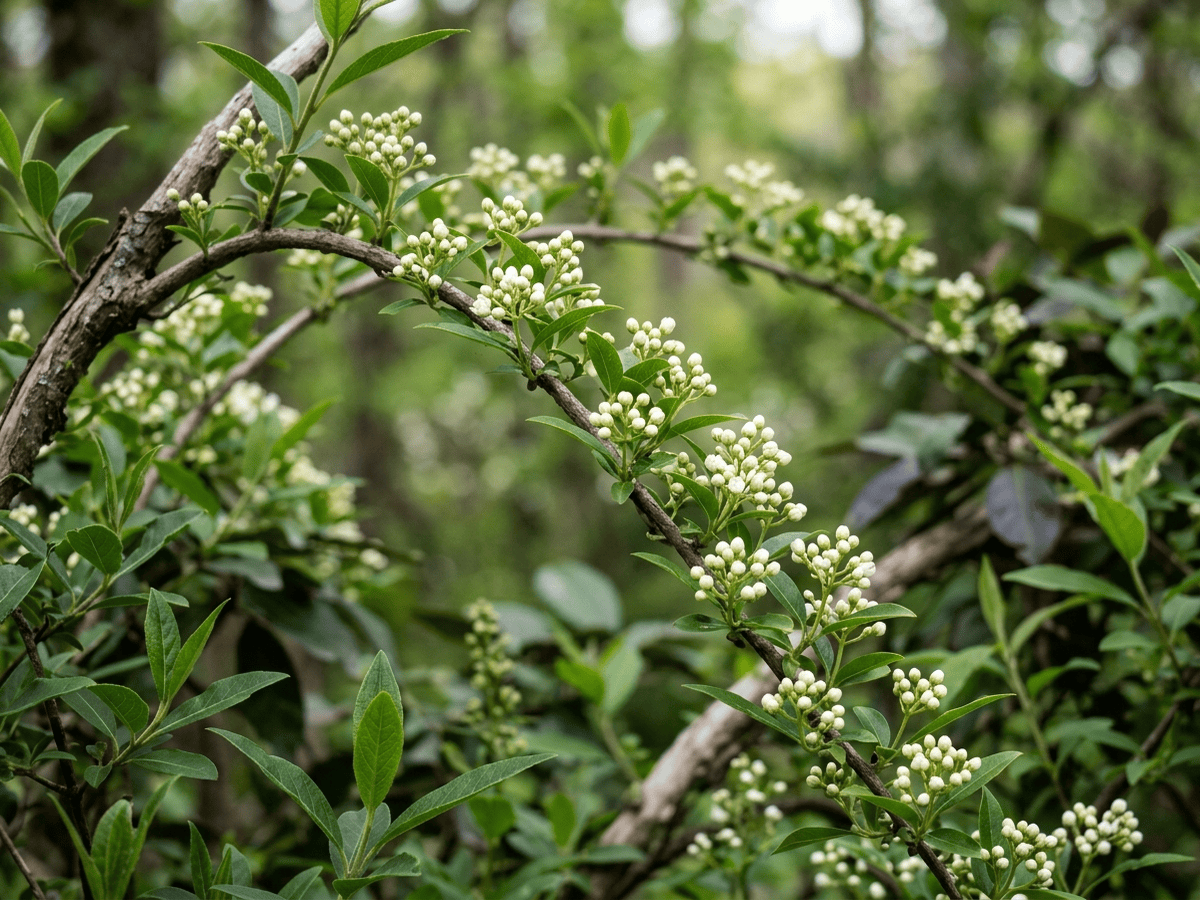

Florida Hobblebush
Agarista populifolia
Medium · Some experienceAbout Florida Hobblebush
Florida Hobblebush or Pipestem is a Southeastern American native evergreen shrub reaching 8-15 feet, with glossy poplar-like dark-green leaves and arching gracefully cascading branches bearing clusters of fragrant small white urn-shaped flowers in late spring. Native to ravines and stream banks of the Florida Panhandle, it provides one of the most graceful evergreen forms among native Southeastern shrubs—well-suited to shaded gardens and woodland edges.
- Fragrant
- Shade-tolerant
- Evergreen
- Native
How to care for Florida Hobblebush
Watering
- Springevery 5 days
- Summerevery 4 days
- Fallevery 10 days
- Winterevery 14 days
Soil · Acidic · pH 4.5–6
- Top dressingPine needle mulch10%
- Main mixAcid-lover mix + peat 3:175%
- DrainageGravel15%
Never add lime or wood ash — it cancels out the acidity.
FERTILIZER
- Springevery 120 days
At a Glance
- NativeNorth America
- Height8–12 ft (2.4–3.7 m)
- Spread6–10 ft (1.8–3 m)
- Flower colorWhite
- Foliage colorGreen
- SoilLoamy, Moisture-retentive, Acidic
- LocationsYard
Bloom time
BLOOM CYCLE
Peak bloom
Mar–May
Clusters of fragrant small white urn-shaped flowers in late spring
Fragrance
LIGHT FRAGRANCE
Flowers have a light, barely noticeable scent.
Toxicity
Humans Moderate · Pets Moderate
grayanotoxins
Moderate
- Leaf
- Flower
- Ingestion
EXPOSURE Eating leaves and flowers.
EFFECT Grayanotoxins cause salivation, vomiting, hypotension.
NOTE Ericaceae family toxicity; avoid ingestion.
Moderate
- Leaf
- Flower
- Ingestion
EXPOSURE Eating leaves and flowers.
EFFECT Ericaceous grayanotoxins cause vomiting, weakness, cardiac effects.
NOTE Ericaceae family toxicity; avoid ingestion.
Moderate
- Leaf
- Flower
- Ingestion
EXPOSURE Eating leaves and flowers.
EFFECT Ericaceous grayanotoxins cause vomiting, weakness, cardiac effects.
NOTE Ericaceae family toxicity; avoid ingestion.
Educational information, not medical or veterinary advice. If exposure is suspected, contact a doctor or veterinarian.
DISTRIBUTION


- Native
- Introduced
- North America
History
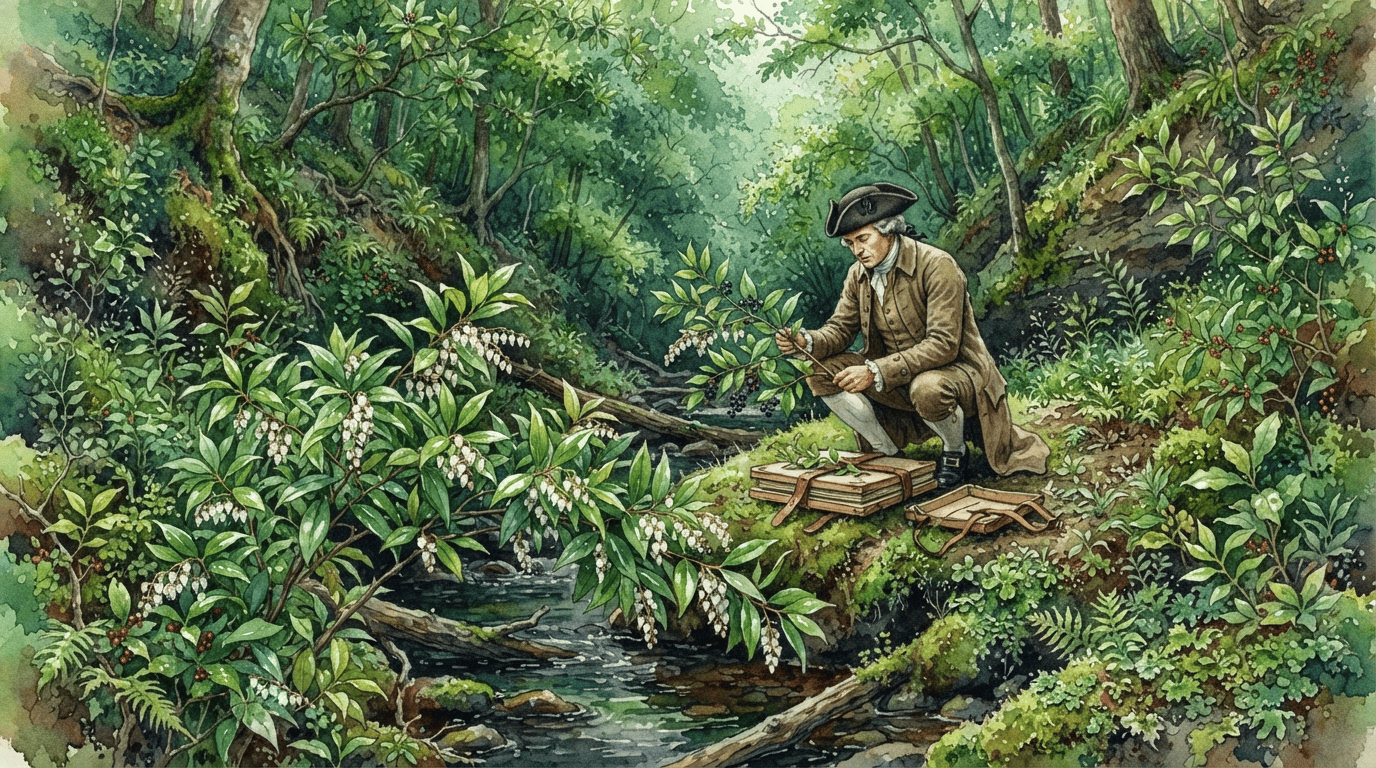
Agarista populifolia is the currently accepted name for the southeastern United States evergreen shrub long cultivated as Leucothoe populifolia or Florida leucothoe. Native to shaded hammocks and stream ravines of north Florida, south Georgia, and South Carolina, it was collected by André Michaux in the 1790s and later described by American botanists. Walter Judd's 1984 revision of the genus moved several New World species from Leucothoe into Agarista to reflect floral morphology and biogeography.
The plant reaches three to four meters, forming an arching fountain of glossy lance-shaped leaves. Small urn-shaped white flowers appear in spring, and the shrub tolerates deep shade and acid soils, making it a premier evergreen for southern woodland gardens where camellias and azaleas thrive.
Endemic to ravines and stream banks of the Florida Panhandle and adjacent Georgia and Alabama. The arching branching habit gives the plant common names 'hobblebush' and 'pipestem' (referring to the slender flexible stems). Among the most graceful and refined of all native Southeastern evergreen shrubs.
Symbolism & meaning
What It Symbolizes
Florida Hobblebush whispers of quiet refinement — a Panhandle endemic whose arching, weeping form is rare grace among evergreen shrubs. Native to a narrow ribbon of Southern shade, it carries the heritage of a small, irreplaceable corner of America. In the garden it brings a soft, fountaining gesture that feels less planted than discovered, a botanical secret of the Florida woods.
- Refinement — arching graceful form rare among evergreen shrubs
- Heritage — Florida Panhandle endemic
Where the Name Comes From
The name Florida Hobblebush points to Florida. 'Agarista' from Greek mythology (a Greek noblewoman); 'populifolia' means poplar-leaved.
Uses & Fun Facts
- Glossy evergreen shrub for southeastern shade and woodland edges
- Cascading clusters of small white urn flowers scent late spring
- Arching branches form informal screens along streams and ravines
Related plants
Plants with similar care
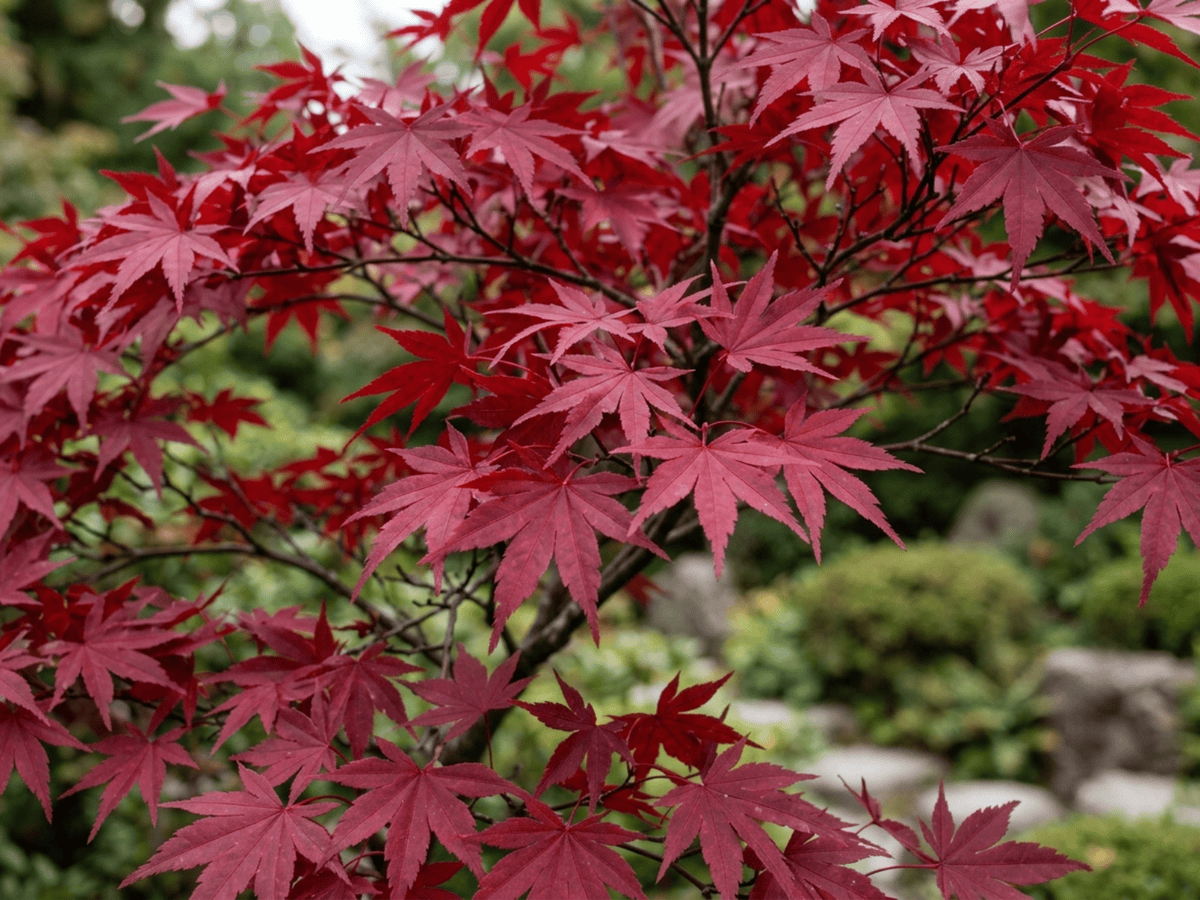 Japanese MapleAcer palmatum
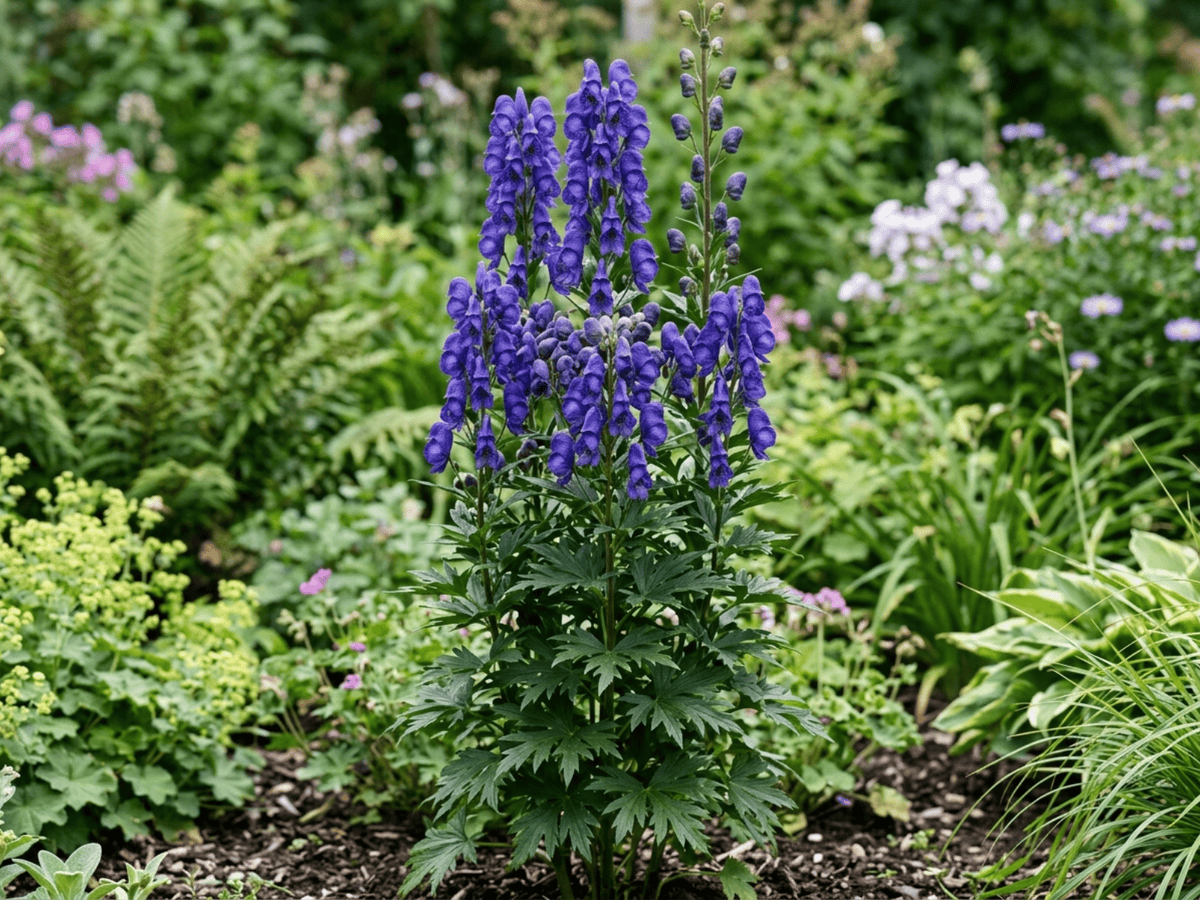 Azure MonkshoodAconitum carmichaelii
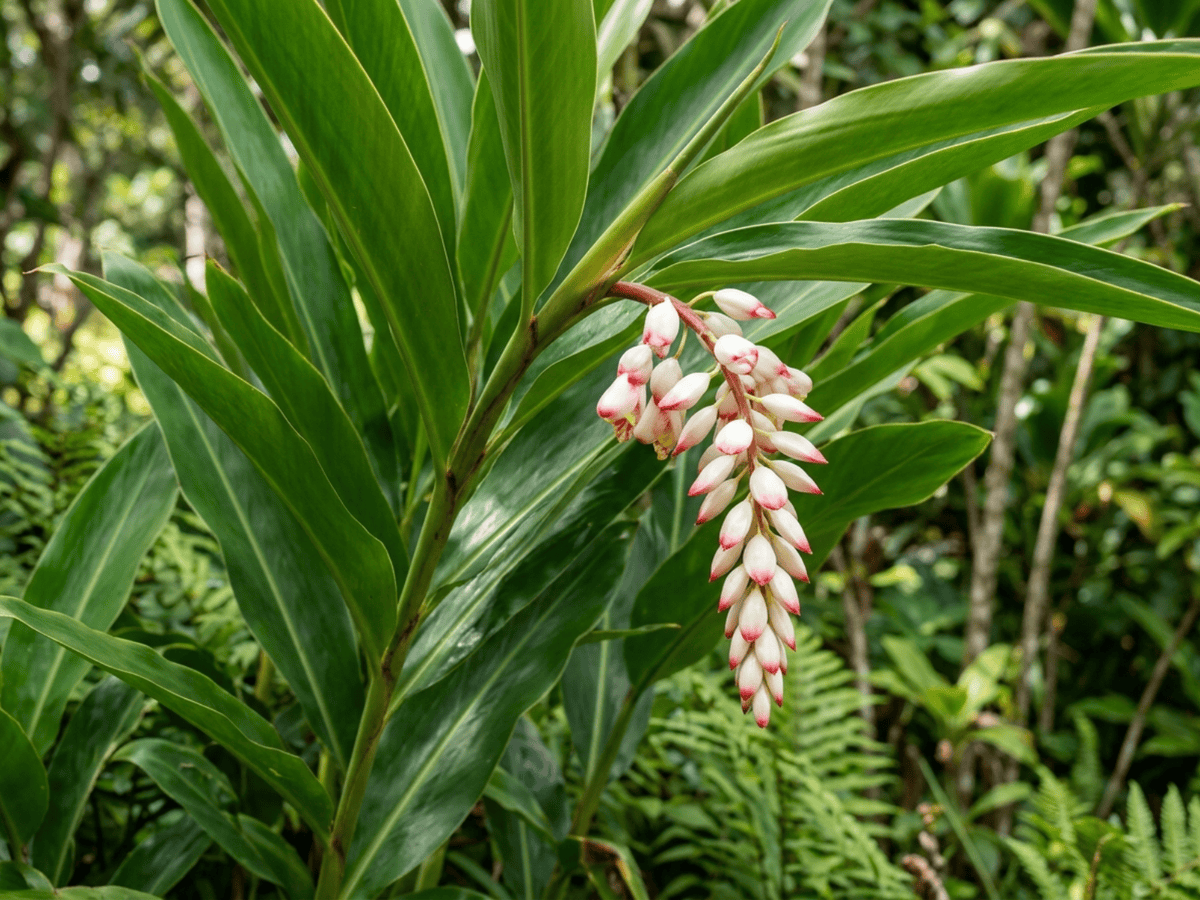 Shell GingerAlpinia zerumbet
 PipevineAristolochia macrophylla
Frequently asked questions
How often should I water Florida Hobblebush?
In summer, water about every 4 days; in winter, about every 14 days. Adjust for heat, pot size and drainage.
How much light does Florida Hobblebush need?
Part shade: 2–4 hrs direct. Watch the leaves — scorching or stretching means the light needs adjusting.
Is Florida Hobblebush toxic to cats or dogs?
Pets Moderate (Dogs Moderate · Cats Moderate) Educational information, not medical or veterinary advice. If exposure is suspected, contact a doctor or veterinarian.
Is Florida Hobblebush easy to grow?
It is moderately demanding: a good choice once you have a little experience.
When does Florida Hobblebush bloom?
It typically blooms Mar–May in the Northern Hemisphere.
YardMate
Identify any plant in seconds
Snap a photo — YardMate names the plant, diagnoses problems, and reminds you when to water.
Download on the App Store