 YardMate
Japanese Maple
Acer palmatum
Medium · Some experienceAbout Japanese Maple
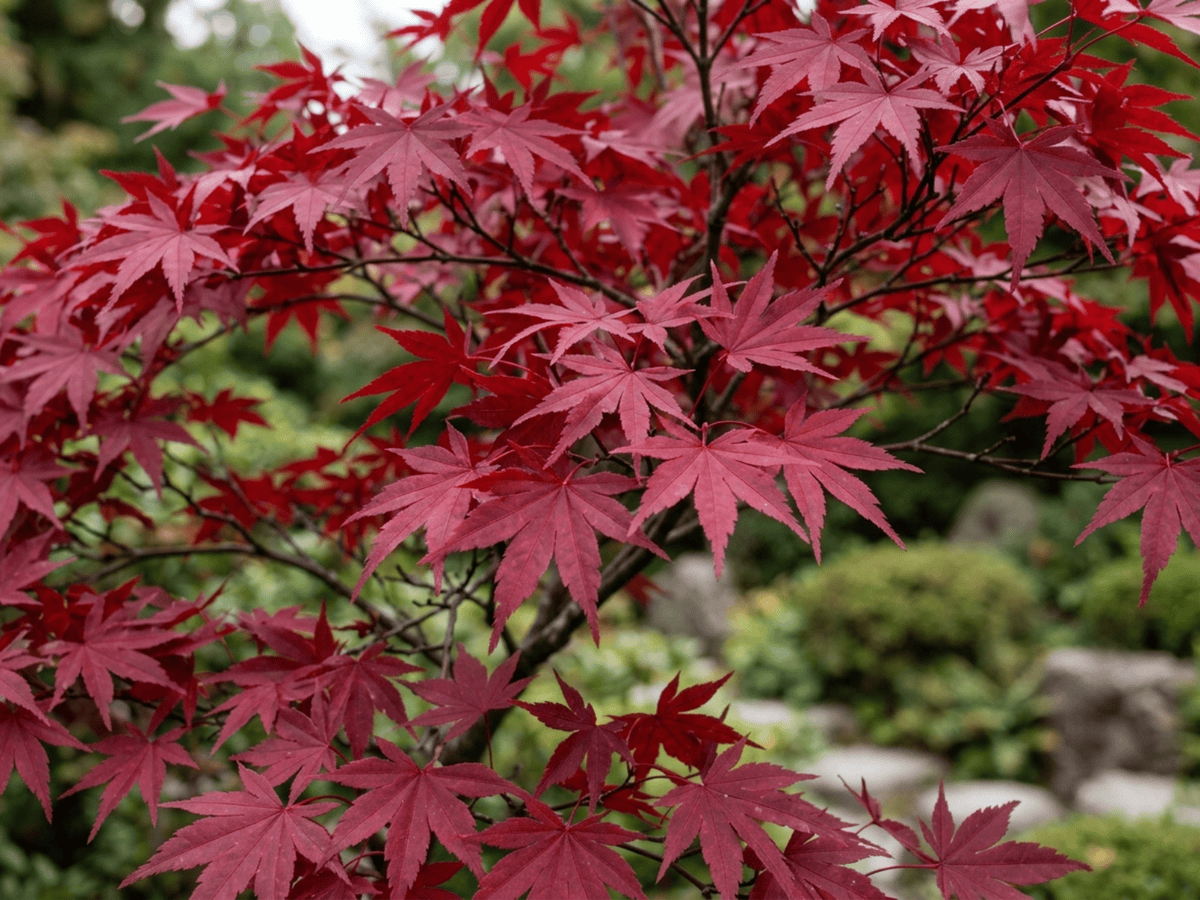
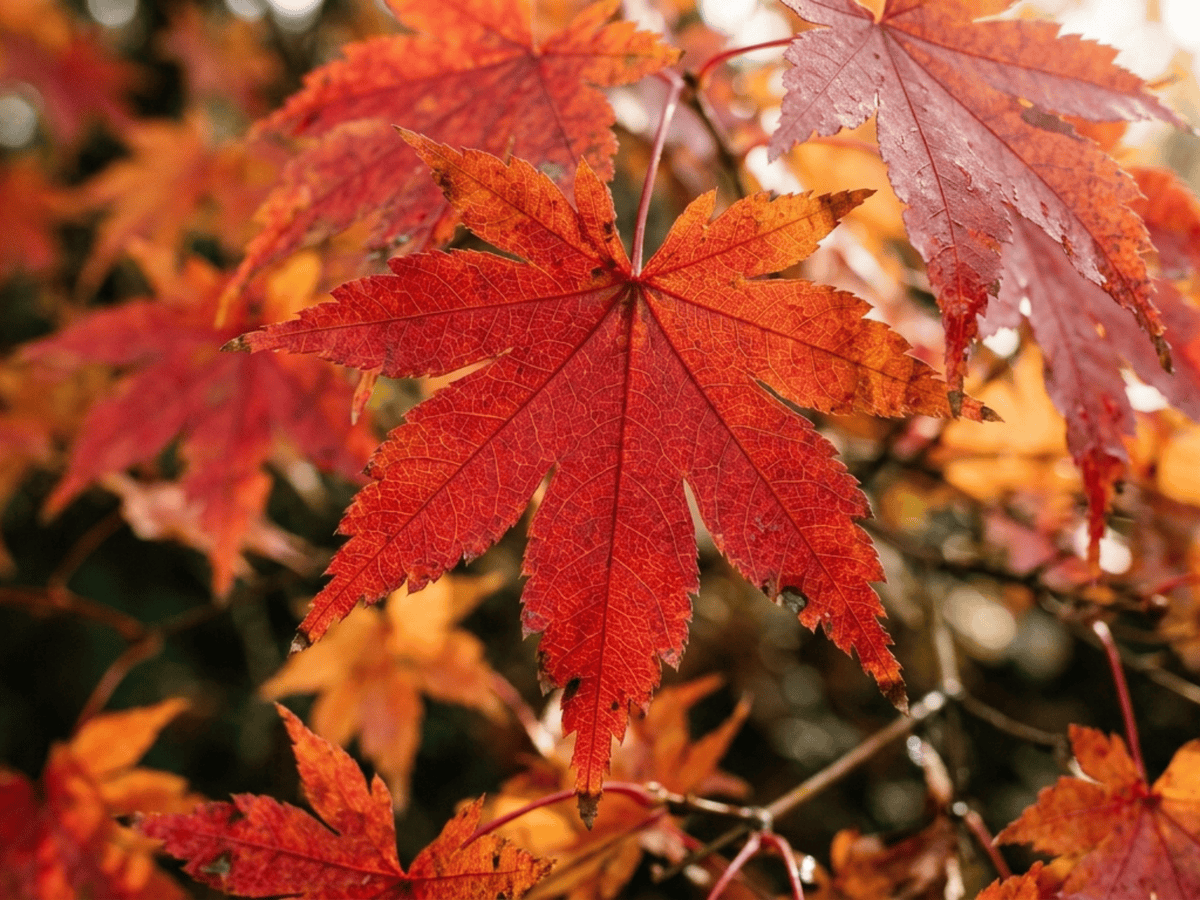
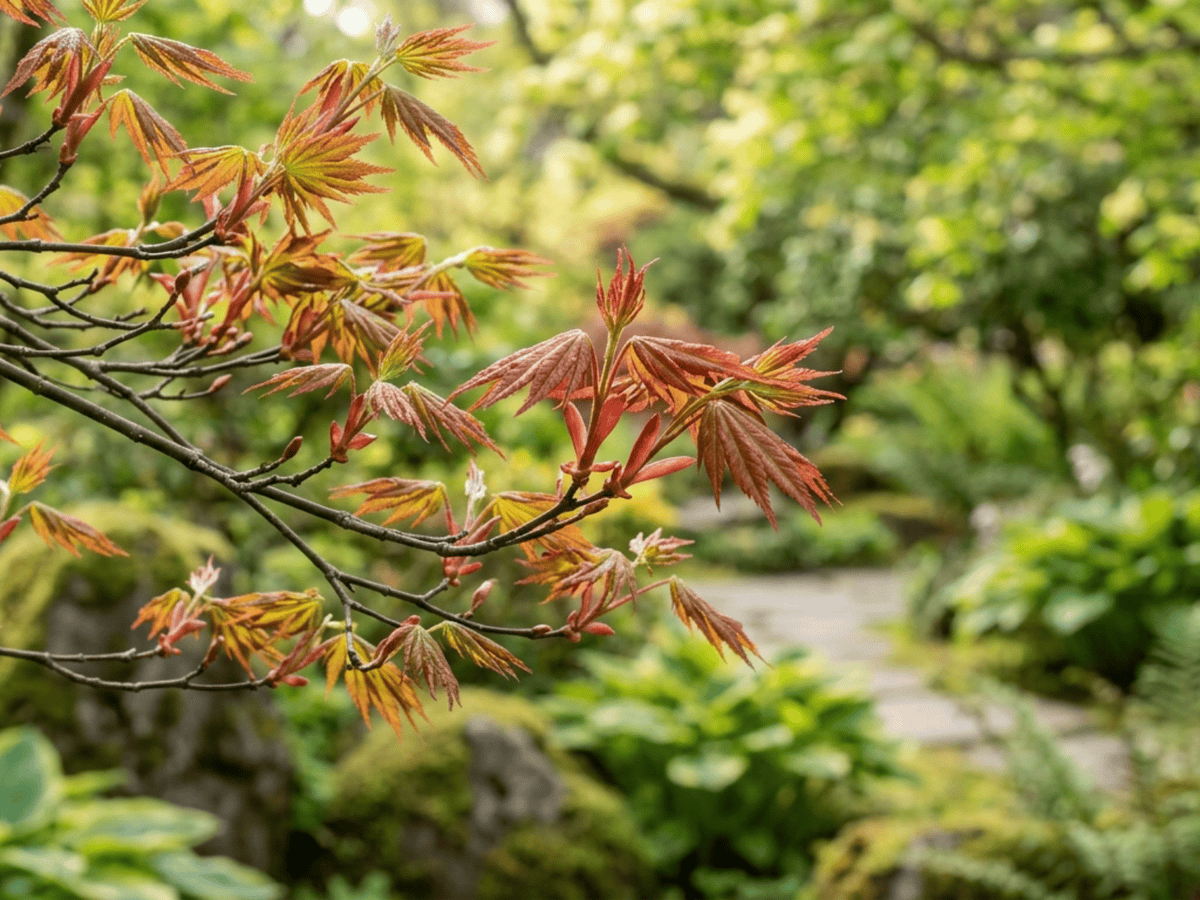
Acer palmatum, the Japanese maple, is a deciduous tree or large shrub in the Sapindaceae family native to Japan, Korea, and China. Growing 5–10 m tall in most cultivars, it features delicately lobed, palmate leaves that emerge in spring in shades of green, red, or purple, then transform into spectacular autumn displays of scarlet, orange, gold, and crimson. Over 1,000 named cultivars exist, from upright trees to cascading laceleaf (dissectum) forms.
Japanese maples thrive in USDA zones 5–8, preferring partial shade (especially afternoon shade), moist but well-drained acidic soil, and protection from drying winds. They are understory trees in the wild, adapted to dappled light. Compact cultivars are superb container plants for patios and balconies. The trees grow slowly and require minimal pruning—their natural form is their greatest asset.
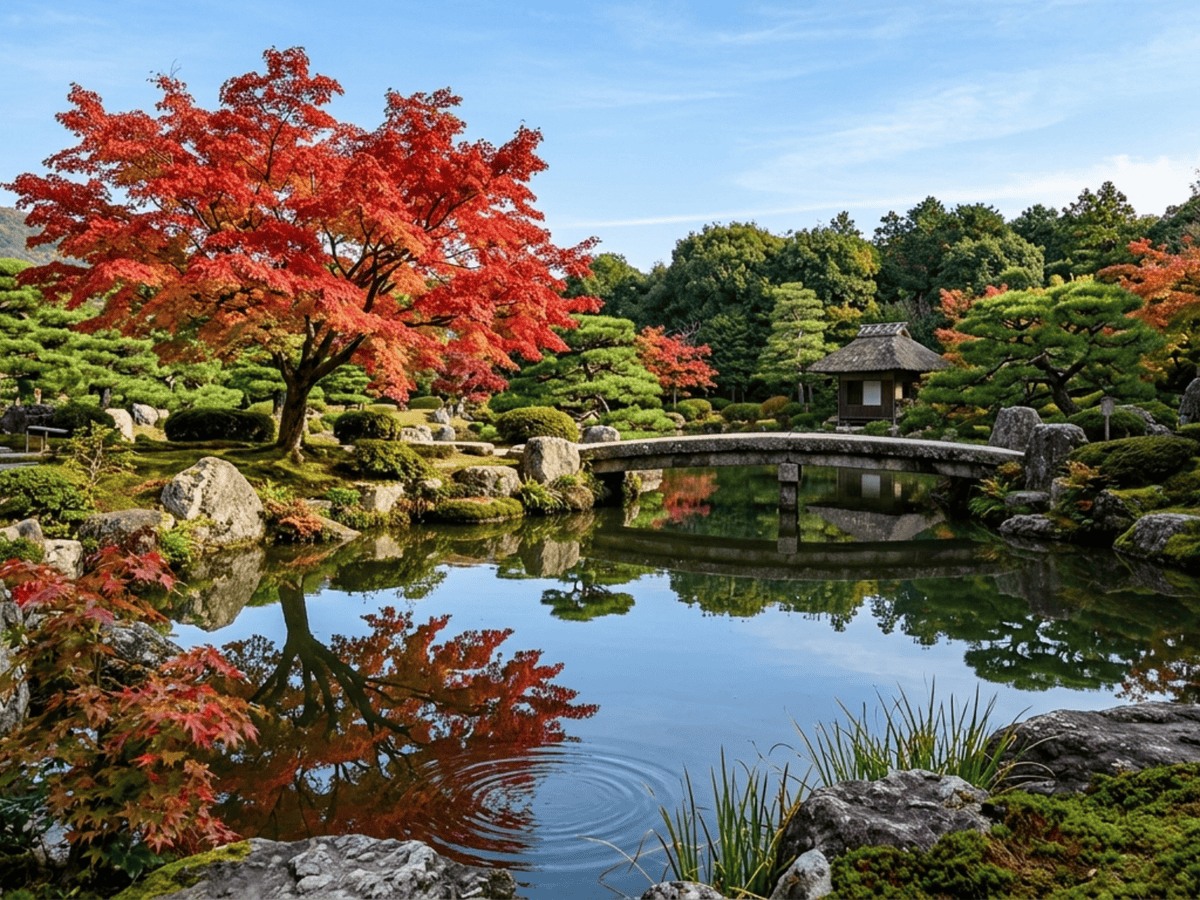
No tree is more central to Japanese garden design. For centuries, Japanese gardeners have selected, named, and cherished maple cultivars as living art. In autumn, 'momijigari' (maple-leaf viewing) is a cultural tradition on par with spring cherry blossom viewing. The tree's elegance, grace, and seasonal transformation make it the quintessential ornamental tree for small gardens worldwide.
- Compact
How to care for Japanese Maple
Watering
- Springevery 3 days
- Summerevery 2 days
- Fallevery 4 days
- Winterevery 14 days
Soil · Well-draining
- Top dressingPine bark mulch10%
- Main mixPotting soil + perlite 2:170%
- DrainageLECA / gravel20%
Never skip the drainage layer — standing water is the top cause of root rot.
FERTILIZER
Acid-Loving Feed 4-3-4
One bag does both jobs. An acid feed carries the usual nitrogen, phosphorus and potassium, plus the sulfur and iron that keep the soil sour enough for the roots to take them up at all.
- Nitrogen · Leaves
- Phosphorus · Roots + Blooms
- Potassium · Strength
- Springevery 30 days
- Summerevery 30 days
- Fallevery 45 days
At a Glance
- NativeEast Asia
- Height15–25 ft (4.6–7.6 m)
- Spread15–25 ft (4.6–7.6 m)
- Foliage colorGreen, Red, Purple, Variegated
- SoilLoamy, Well-drained, Acidic
- LocationsYard · Indoor · Balcony
Fragrance
NO FRAGRANCE
No notable fragrance.
Toxicity
Pets Safe
None reported
Not reported
EXPOSURE No exposure route is reported.
EFFECT No significant toxicity.
NOTE No human toxicity is reported in this catalog; avoid eating ornamental plants unless confirmed edible.
Safe
EXPOSURE No exposure route is reported.
EFFECT Not listed as toxic to dogs by ASPCA (unlike the separately-listed Acer rubrum, which is toxic to horses).
NOTE Listed as non-toxic for dogs; avoid eating ornamental plants unless confirmed edible.
Safe
EXPOSURE No exposure route is reported.
EFFECT Not listed as toxic to cats.
NOTE Listed as non-toxic for cats; avoid eating ornamental plants unless confirmed edible.
Educational information, not medical or veterinary advice. If exposure is suspected, contact a doctor or veterinarian.
DISTRIBUTION


- Native
- Introduced
- East Asia
History
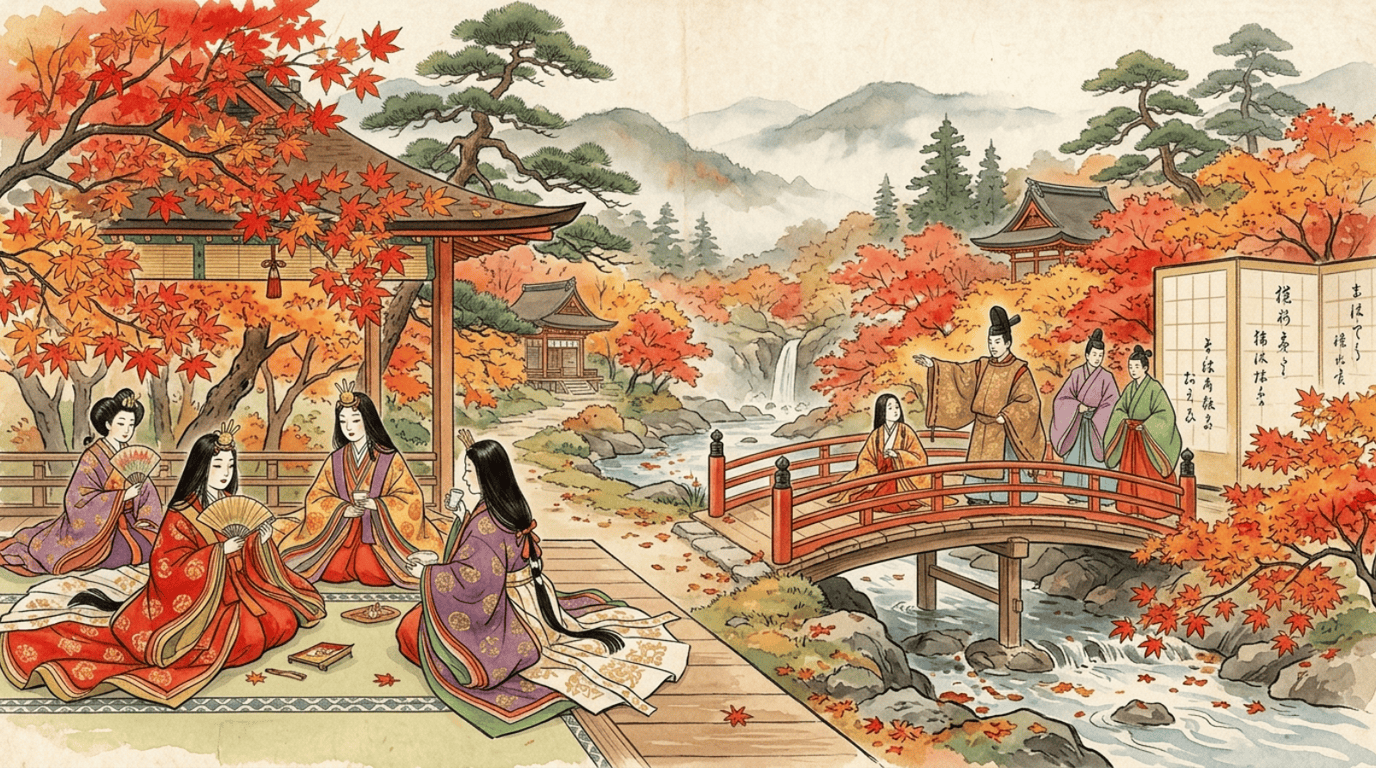
Acer palmatum is native to Japan, Korea, and parts of China. It has been cultivated in Japan for over a thousand years and valued in gardens since at least the Heian period, but the formal horticultural tradition of naming and propagating cultivars ("momiji" in Japanese) emerged in the Edo period (17th-19th centuries), when samurai and wealthy merchants kept named specimens in gardens and as bonsai. The plant's annual color transformation — autumn colors ranging from gold through orange, scarlet, and crimson — anchors the Japanese tradition of "momijigari" (autumn leaf viewing).
The first Western introductions came in 1820 (Europe, via Philipp Franz von Siebold) and 1861 (North America). Boston arborist and collector George Rogers Hall brought important cultivars to America in 1882. Oregon nurseryman J.D. Vertrees's 1978 monograph Japanese Maples catalogued cultivars and remains the reference text.
Thousands of named cultivars now exist — including the laceleaf "dissectum" forms, the red "Bloodgood," and the coral-bark "Sango kaku." Japan and Oregon remain the main production centers for nursery stock. The Momijiyama Garden in Edo Castle was dedicated to maple viewing. The first comprehensive cultivar catalog appeared in 1710. European plant hunters introduced the species to the West in the 1820s. Vertrees' 1978 book 'Japanese Maples' sparked the modern Western collecting craze.
Symbolism & meaning
What It Symbolizes
The Japanese maple is the living emblem of grace, its hand-shaped leaves layered with the composure of a tea-ceremony gesture. Each autumn it enacts mono no aware — the bittersweet beauty of impermanence — flaring scarlet and gold before letting every leaf go. In Japanese gardens it stands for refined taste and for the wisdom that nothing lovely is meant to last forever, and that this is precisely what makes it lovely.
- Grace — The refined, elegant form of the Japanese maple symbolizes beauty, composure, and artistic taste
- Transience — Spectacular autumn color fading to bare branches embodies the Japanese aesthetic of 'mono no aware' — the beauty of impermanence
Where the Name Comes From
Acer is Latin for maple (possibly from 'acer,' sharp, for the pointed leaves); 'palmatum' from Latin 'palma' (palm of the hand), describing the hand-shaped leaves.
Uses & Fun Facts
- Sculptural focal tree for Japanese gardens and front entries
- Compact cultivars thrive in patio pots and bonsai trays
- Lacy palmate leaves deliver fiery red and orange autumn color
Related plants
More Acer plants
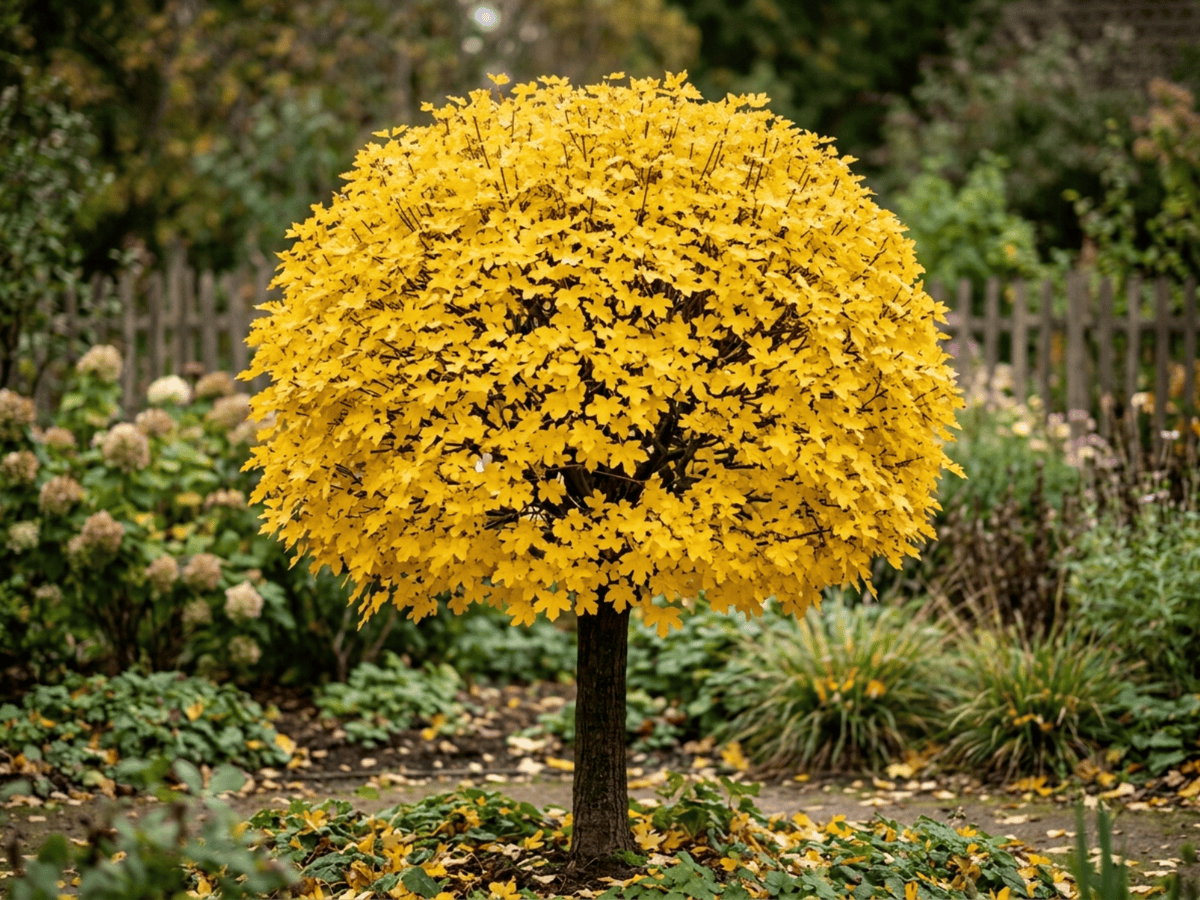 Field MapleAcer campestre
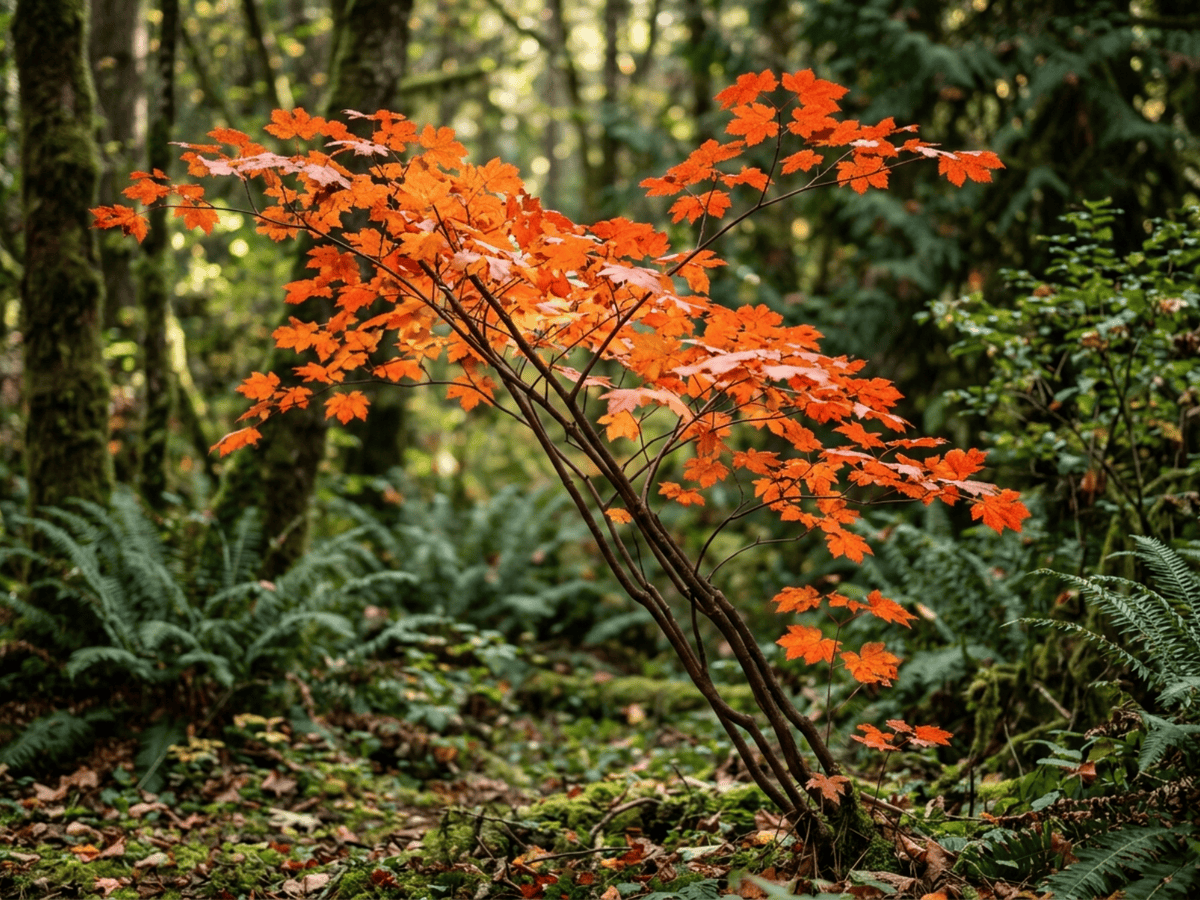 Vine MapleAcer circinatum
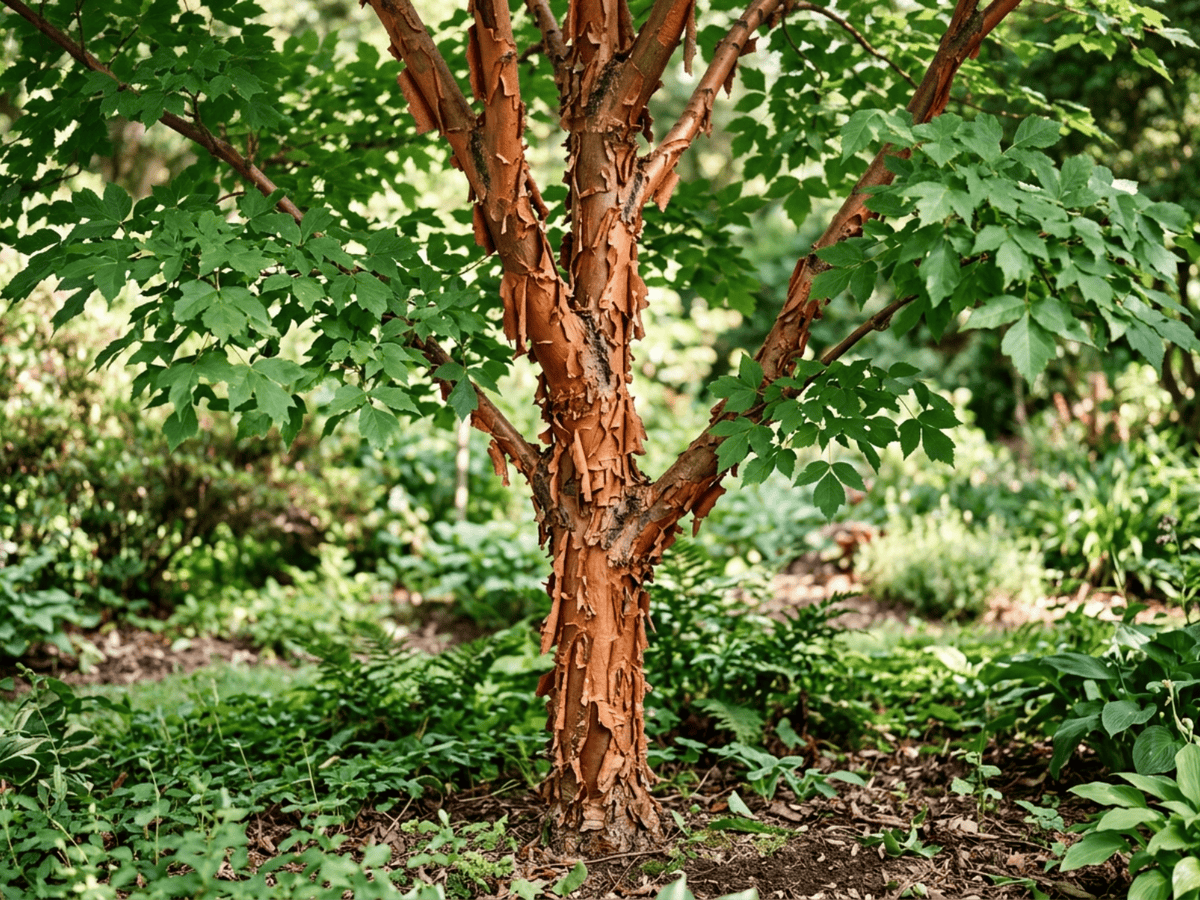 Paperbark MapleAcer griseum
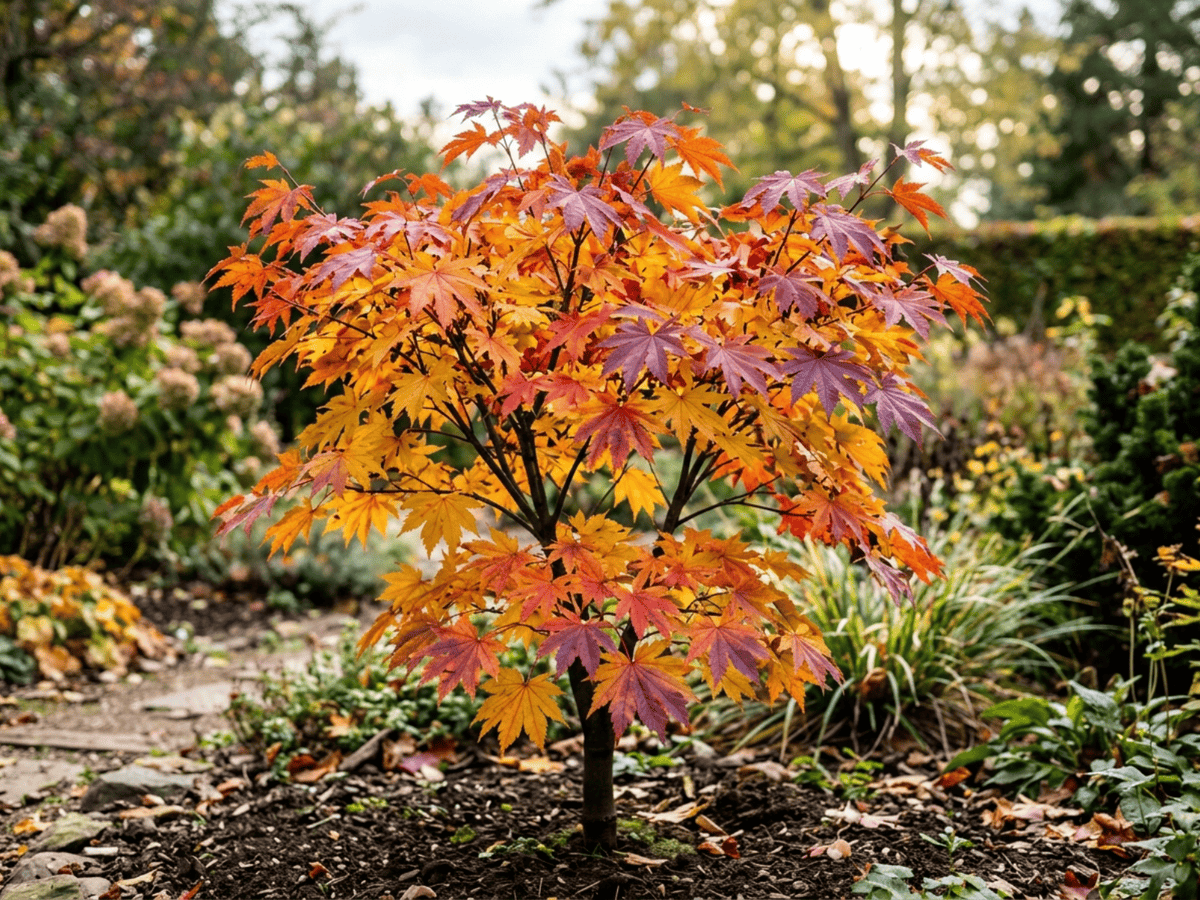 Downy Japanese MapleAcer japonicum
Plants with similar care
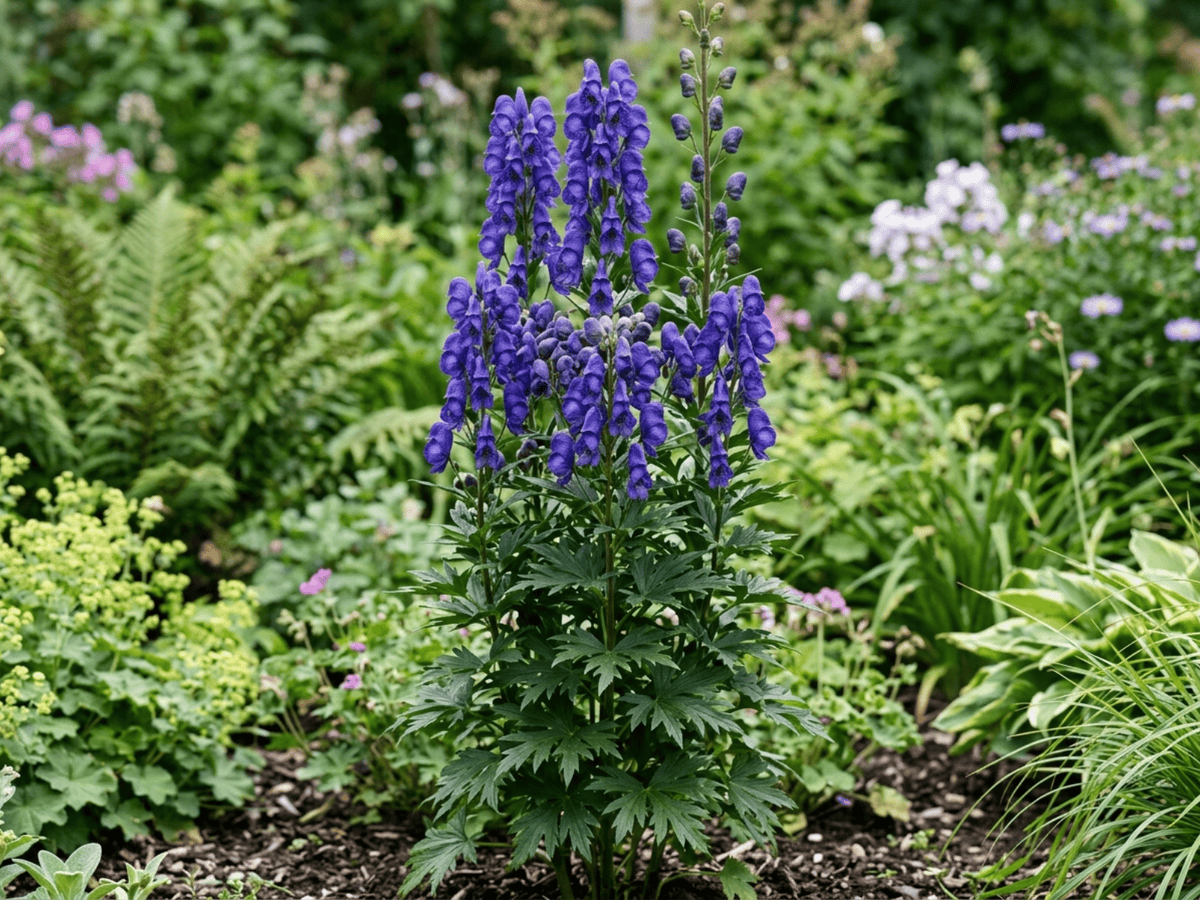 Azure MonkshoodAconitum carmichaelii
 Florida HobblebushAgarista populifolia
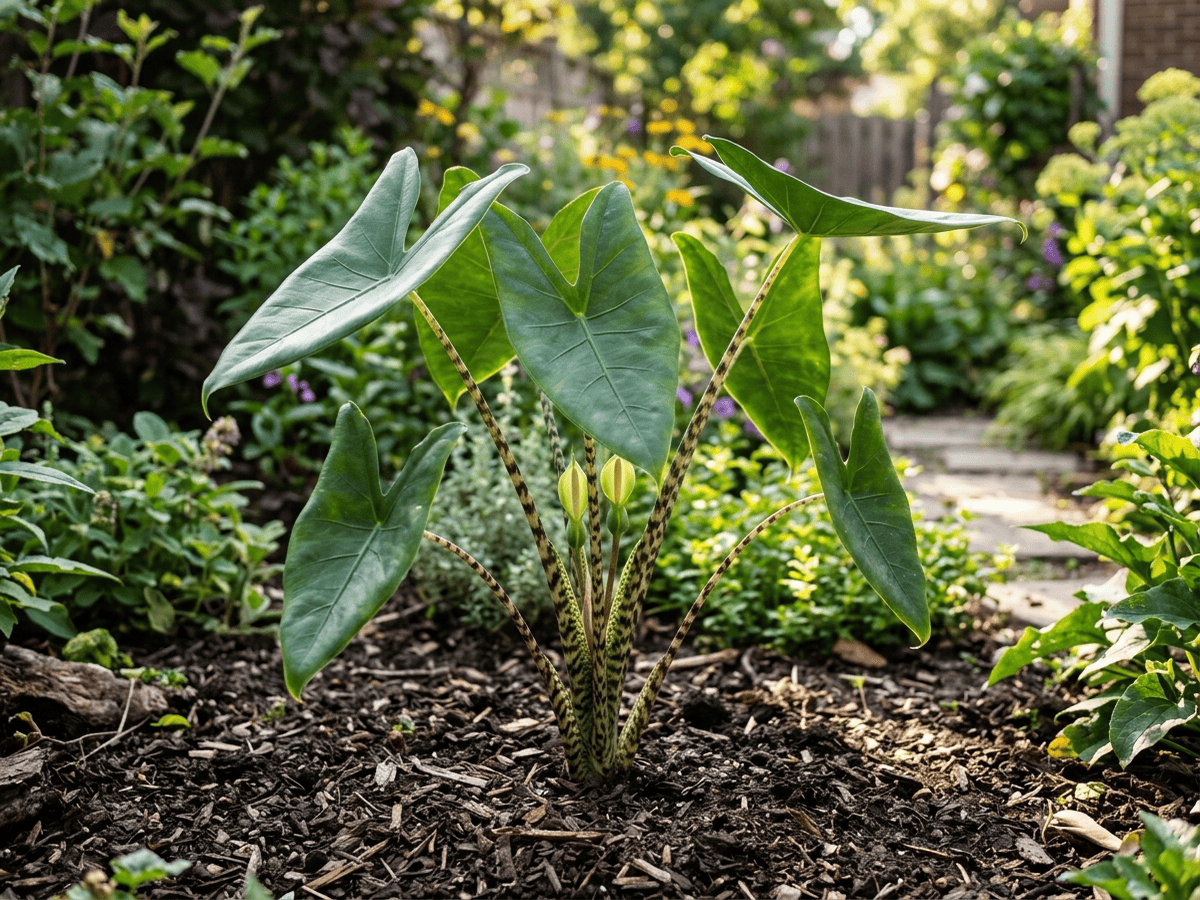 Alocasia zebrinaAlocasia zebrina
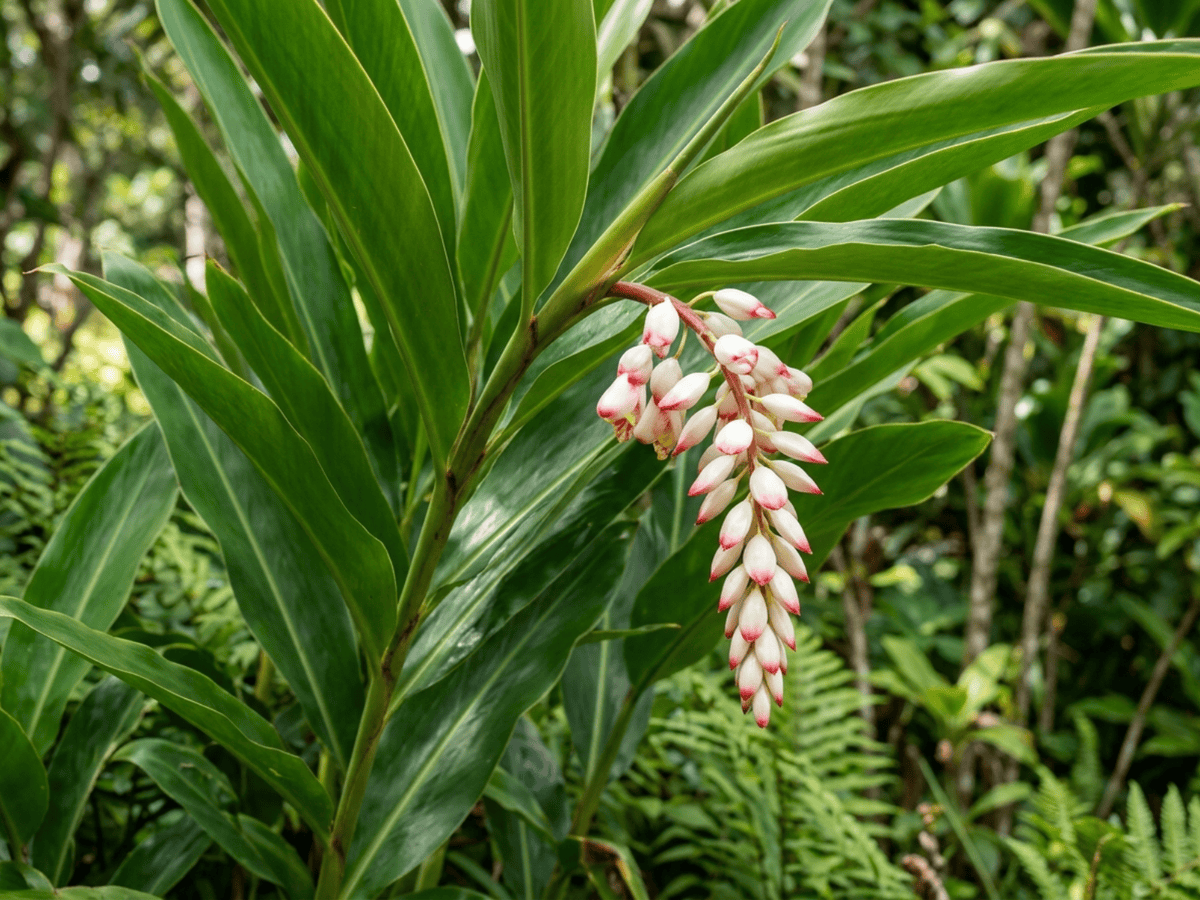 Shell GingerAlpinia zerumbet
Frequently asked questions
How often should I water Japanese Maple?
In summer, water about every 2 days; in winter, about every 14 days. Adjust for heat, pot size and drainage.
How much light does Japanese Maple need?
Part shade: 2–4 hrs direct. Watch the leaves — scorching or stretching means the light needs adjusting.
Is Japanese Maple toxic to cats or dogs?
Pets Safe (Dogs Safe · Cats Safe) Educational information, not medical or veterinary advice. If exposure is suspected, contact a doctor or veterinarian.
Is Japanese Maple easy to grow?
It is moderately demanding: a good choice once you have a little experience.
Can Japanese Maple be grown indoors?
Yes, it adapts well to indoor growing given the right light.
YardMate
Identify any plant in seconds
Snap a photo — YardMate names the plant, diagnoses problems, and reminds you when to water.
Download on the App Store