 YardMate

Desert Rose
Adenium obesum
Medium · Some experienceAbout Desert Rose
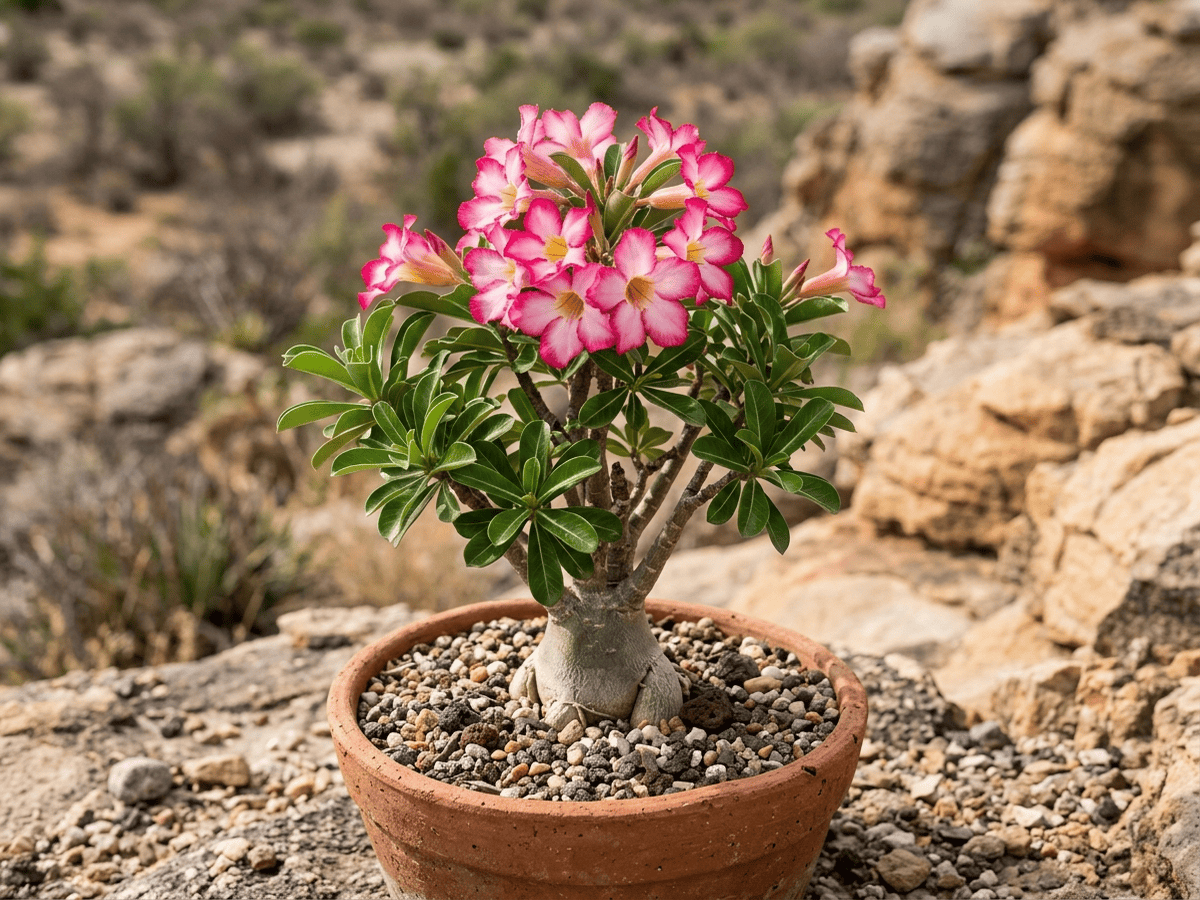
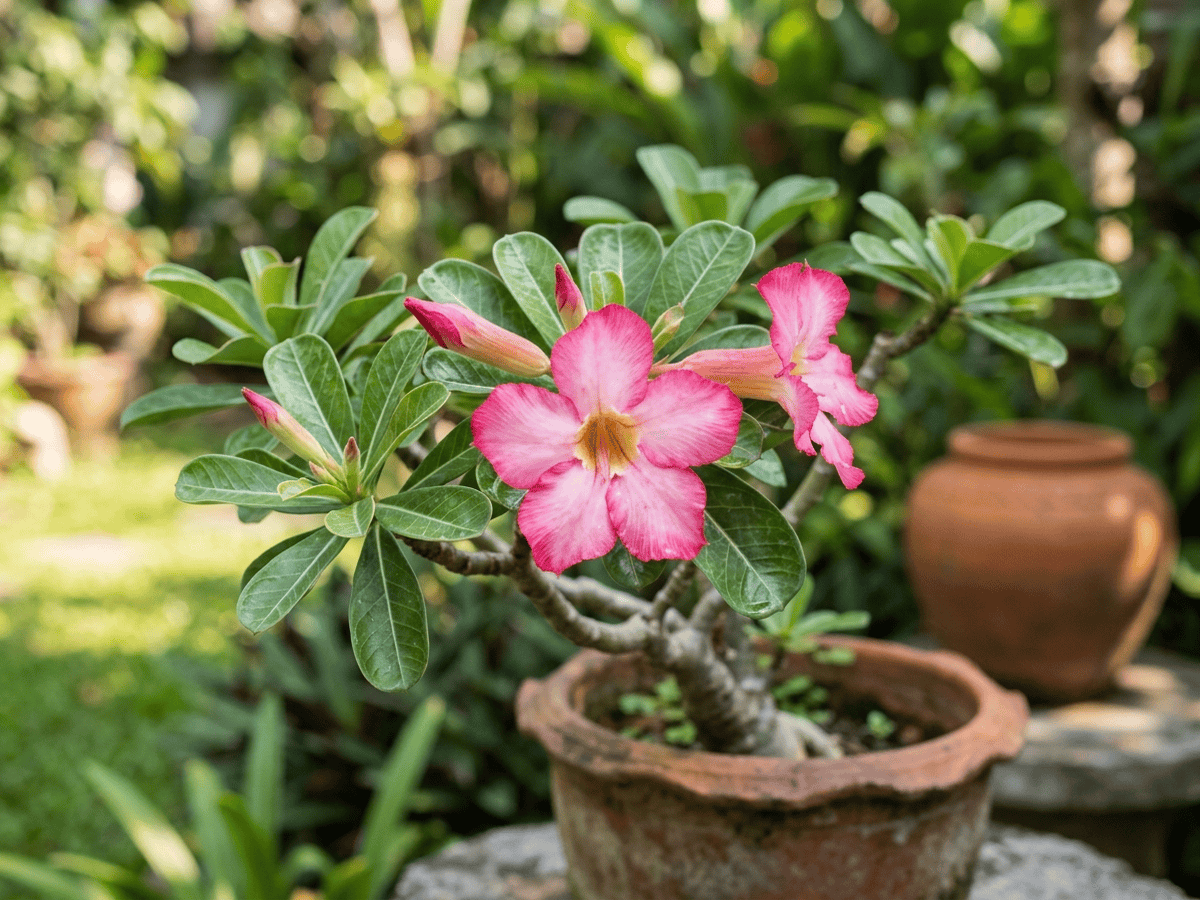
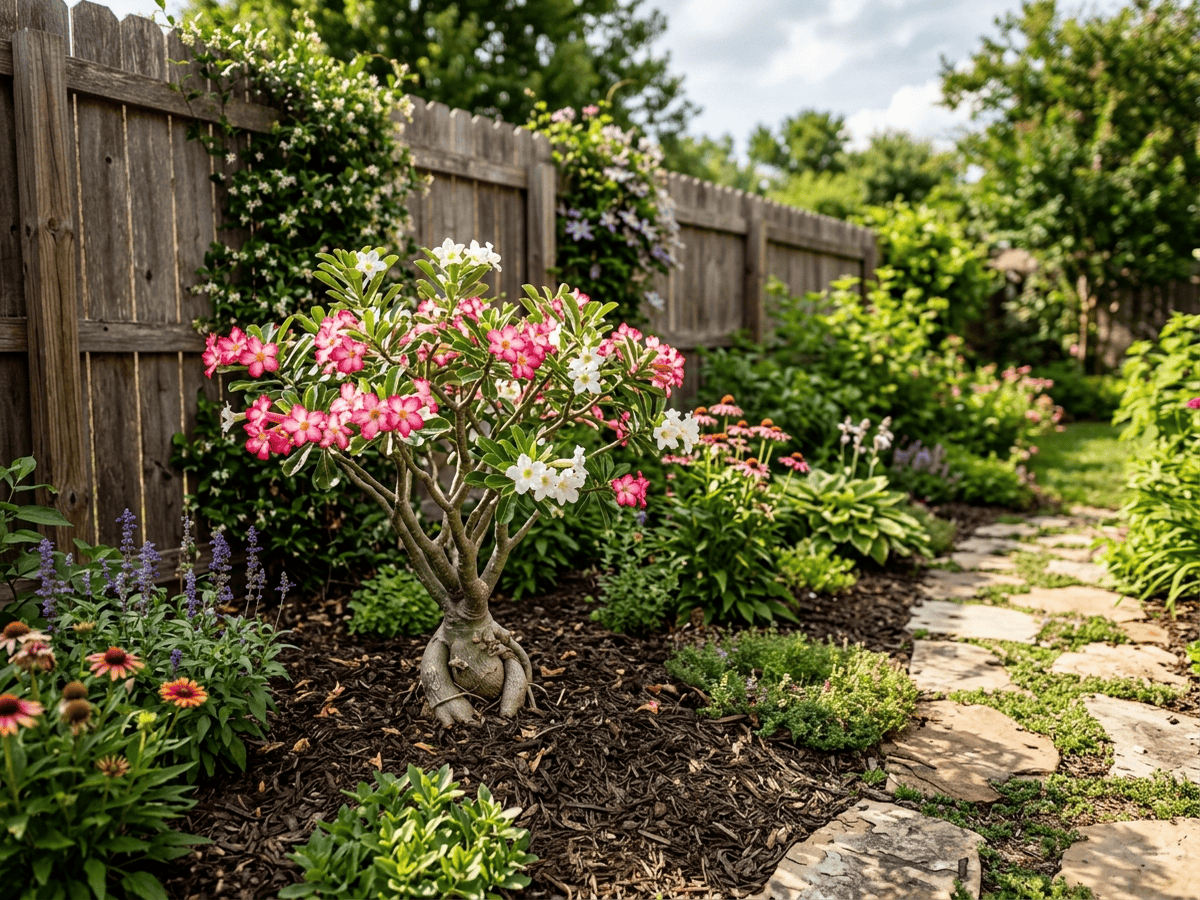
Adenium obesum, the desert rose, is a spectacular caudiciform succulent native to the Sahel regions of Africa and the Arabian Peninsula. Its swollen, bulbous trunk (caudex) stores water and can grow to massive proportions, creating a natural bonsai-like sculpture. The plant produces glossy dark green leaves at the branch tips and blooms prolifically with large funnel-shaped flowers in shades of pink, red, white, and bicolored patterns that rival tropical hibiscus. In its native habitat, it grows in rocky, arid terrain and can reach up to three meters, but it is most commonly grown as a compact potted specimen or trained bonsai. Desert rose is a member of the Apocynaceae family and produces highly toxic milky sap containing cardiac glycosides — all parts of the plant are poisonous if ingested, and the sap can irritate skin and eyes. In East Africa, the sap has been traditionally used as arrow poison for hunting. Despite its toxicity, it is one of the most popular tropical ornamental plants worldwide, especially prized in Thailand and Taiwan where extensive breeding has produced hundreds of spectacular cultivars.
- Drought-tolerant
How to care for Desert Rose
Watering
- Springevery 7 days
- Summerevery 5 days
- Fallevery 14 days
- Winterevery 21 days
Soil · Fast-draining
- Main mixSand + pumice + soil 1:1:150%
- DrainagePumice / gravel50%
Keep grit at half the mix or more — this soil is meant to dry out fast.
FERTILIZER
Bloom Booster 10-52-10
A phosphorus-forward feed fuels abundant blooms, with just enough nitrogen and potassium to keep foliage and roots steady.
- Nitrogen · Leaves
- Phosphorus · Roots + Blooms
- Potassium · Strength
- Springevery 21 days
- Summerevery 21 days
- Fallevery 45 days
At a Glance
- NativeAfrica, Western Asia
- Height3–6 ft (0.9–1.8 m)
- Spread3–5 ft (0.9–1.5 m)
- Flower colorPink, Red, White, Purple
- Foliage colorGreen
- SoilSandy, Well-drained
- LocationsIndoor · Yard · Balcony
Bloom time
BLOOM CYCLE
Peak bloom
Mar–Nov
Large pink to red funnel flowers spring through fall; phosphorus-rich fertilizer promotes blooming
Fragrance
NO FRAGRANCE
No notable fragrance.
Toxicity
Humans Toxic · Pets Toxic
cardiac glycosides (oleandrin-type)
Toxic
- Sap
- All
- Ingestion
EXPOSURE Eating sap and any part of the plant.
EFFECT Cardiac arrhythmia, nausea, vomiting and historically used as arrow poison for hunting and warfare.
NOTE Extremely toxic sap; always wash hands after handling and keep away from pets and children.
Toxic
- All
- Ingestion
EXPOSURE Eating any part of the plant.
EFFECT Vomiting, diarrhea, cardiac arrhythmia, death possible.
NOTE Extremely toxic sap; always wash hands after handling and keep away from pets and children.
Toxic
- All
- Ingestion
EXPOSURE Eating any part of the plant.
EFFECT Vomiting, diarrhea, cardiac arrhythmia, death possible.
NOTE Extremely toxic sap; always wash hands after handling and keep away from pets and children.
Educational information, not medical or veterinary advice. If exposure is suspected, contact a doctor or veterinarian.
DISTRIBUTION


- Native
- Introduced
- Africa
- Western Asia
History
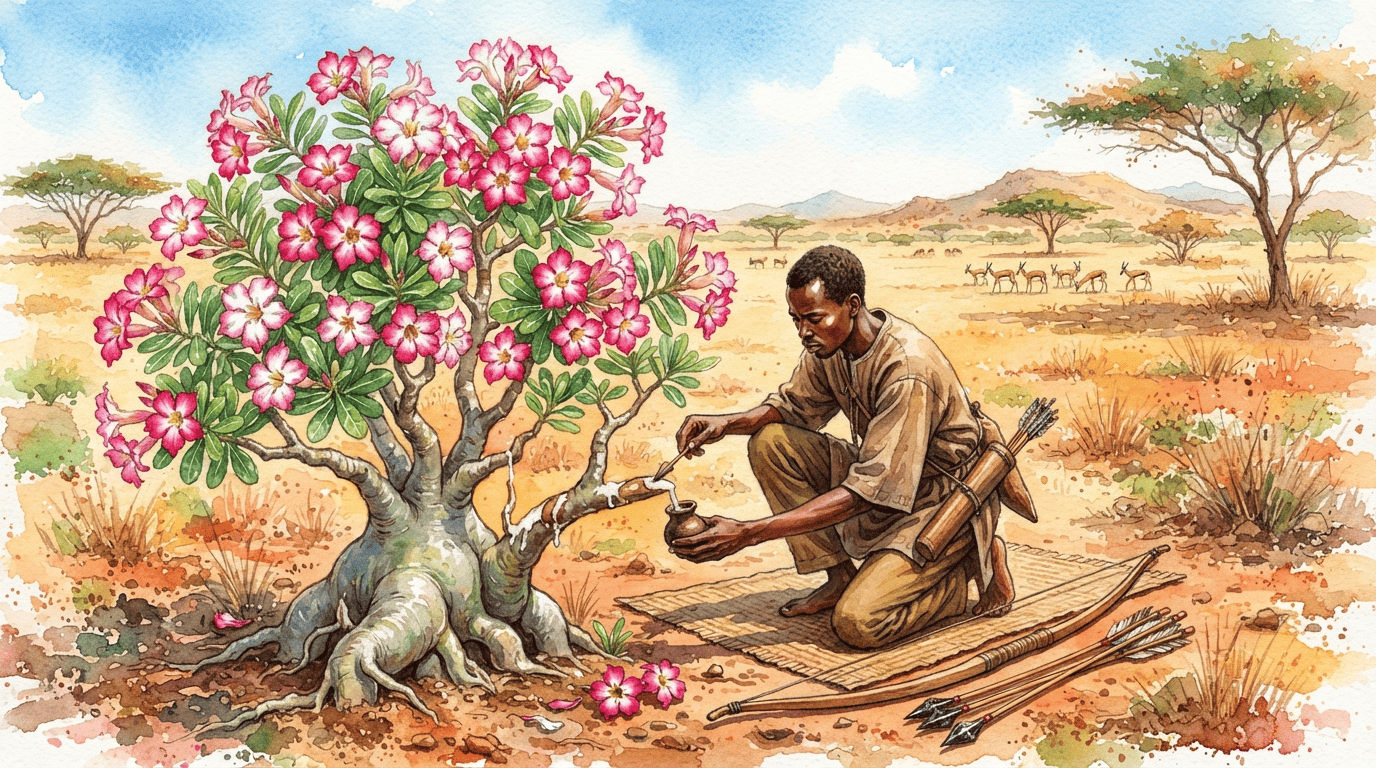
Adenium obesum is native to semi-arid regions from the Sahel across to the Arabian Peninsula. Indigenous peoples across this range — including Somali, Hausa, and Fulani groups — historically used the plant's milky latex, extracted from roots and stems, as an arrow and spear-tip poison for hunting large game; the cardiac glycoside oleandrin-analog compounds in the sap produce rapid cardiac arrest. Modern horticultural transformation occurred in East Asia: Thai, Taiwanese, and later Chinese breeders produced thousands of cultivars from the 1980s onward, selecting for enlarged caudex (swollen base), doubled and striped flowers, dwarf habit, and extended color range.
Thailand is now the global hub for named-cultivar adenium production; desert rose has become central to flowering-caudex collecting in South Asia, Southeast Asia, and the Gulf states. Adenium obesum has been intertwined with human cultures across Africa and Arabia for centuries.
Somali, Hadza, and San hunter-gatherer peoples extracted its toxic sap to poison arrow tips for hunting large game — a practice documented by early European explorers. In Thai culture, the desert rose is called 'chuan chom' and is believed to bring good fortune; Thailand has become the world center for Adenium breeding, with tens of thousands of cultivars developed. The plant's dramatic caudex has made it a cornerstone of the caudiciform (fat plant) collecting community worldwide.
Symbolism & meaning
What It Symbolizes
The Desert Rose channels passion through vivid tropical blooms that flare against the harshest arid landscapes. Its swollen caudex and resilient form thrive where lesser plants perish, embodying an inner fire that turns adversity into spectacle. Across the Sahel and the Arabian peninsula, this rose has long signified the burning heart that endures, bringing grace and color to the unforgiving sun.
- Passion — Its vivid tropical blooms in harsh desert conditions represent burning inner fire
- Resilience — Thriving in extreme arid environments symbolizes overcoming adversity with grace
Where the Name Comes From
The name Desert Rose describes its rose-like blooms. Adenium is derived from 'Aden', the port city in Yemen where the plant was first documented by Western botanists. 'Obesum' means fat or swollen, describing its characteristic bulbous trunk.
Uses & Fun Facts
- Swollen trunks and rose-pink blooms make sculptural dry-container specimens
Related plants
Plants with similar care
 Mexican AbeliaAbelia floribunda
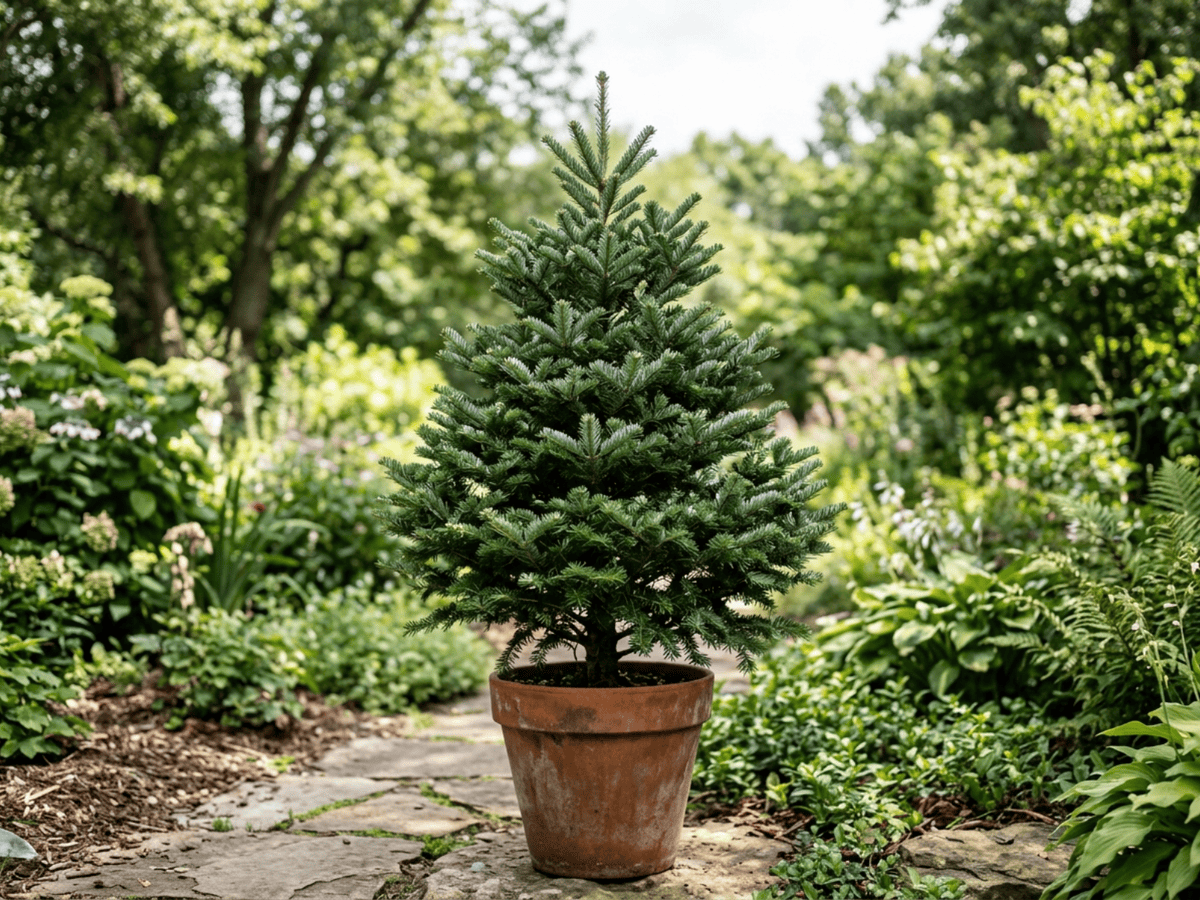 Fraser FirAbies fraseri
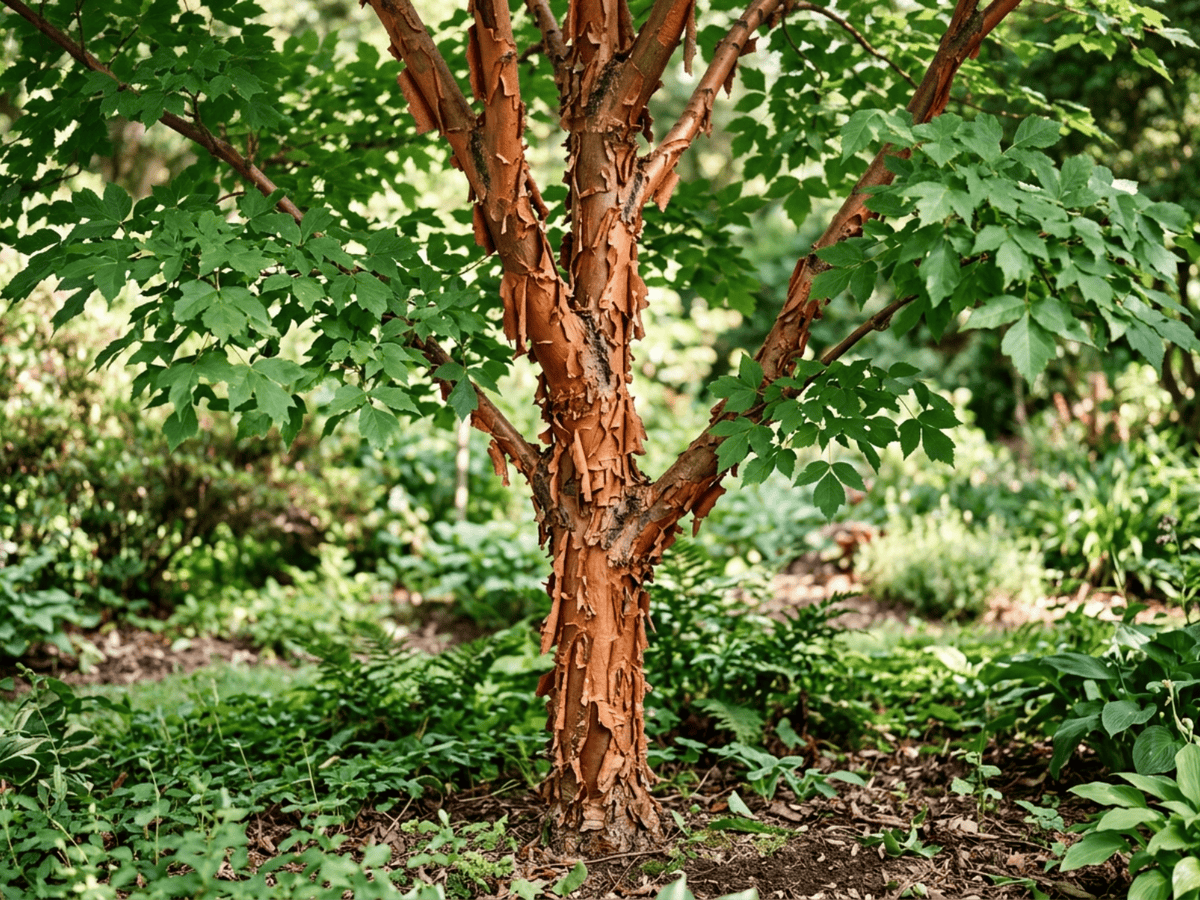 Paperbark MapleAcer griseum
 Sugar MapleAcer saccharum
Frequently asked questions
How often should I water Desert Rose?
In summer, water about every 5 days; in winter, about every 21 days. Adjust for heat, pot size and drainage.
How much light does Desert Rose need?
Full sun: 6+ hrs direct. Watch the leaves — scorching or stretching means the light needs adjusting.
Is Desert Rose toxic to cats or dogs?
Pets Toxic (Dogs Toxic · Cats Toxic) Educational information, not medical or veterinary advice. If exposure is suspected, contact a doctor or veterinarian.
Is Desert Rose easy to grow?
It is moderately demanding: a good choice once you have a little experience.
Can Desert Rose be grown indoors?
Yes, it adapts well to indoor growing given the right light.
When does Desert Rose bloom?
It typically blooms Mar–Nov in the Northern Hemisphere.
YardMate
Identify any plant in seconds
Snap a photo — YardMate names the plant, diagnoses problems, and reminds you when to water.
Download on the App Store