 YardMate
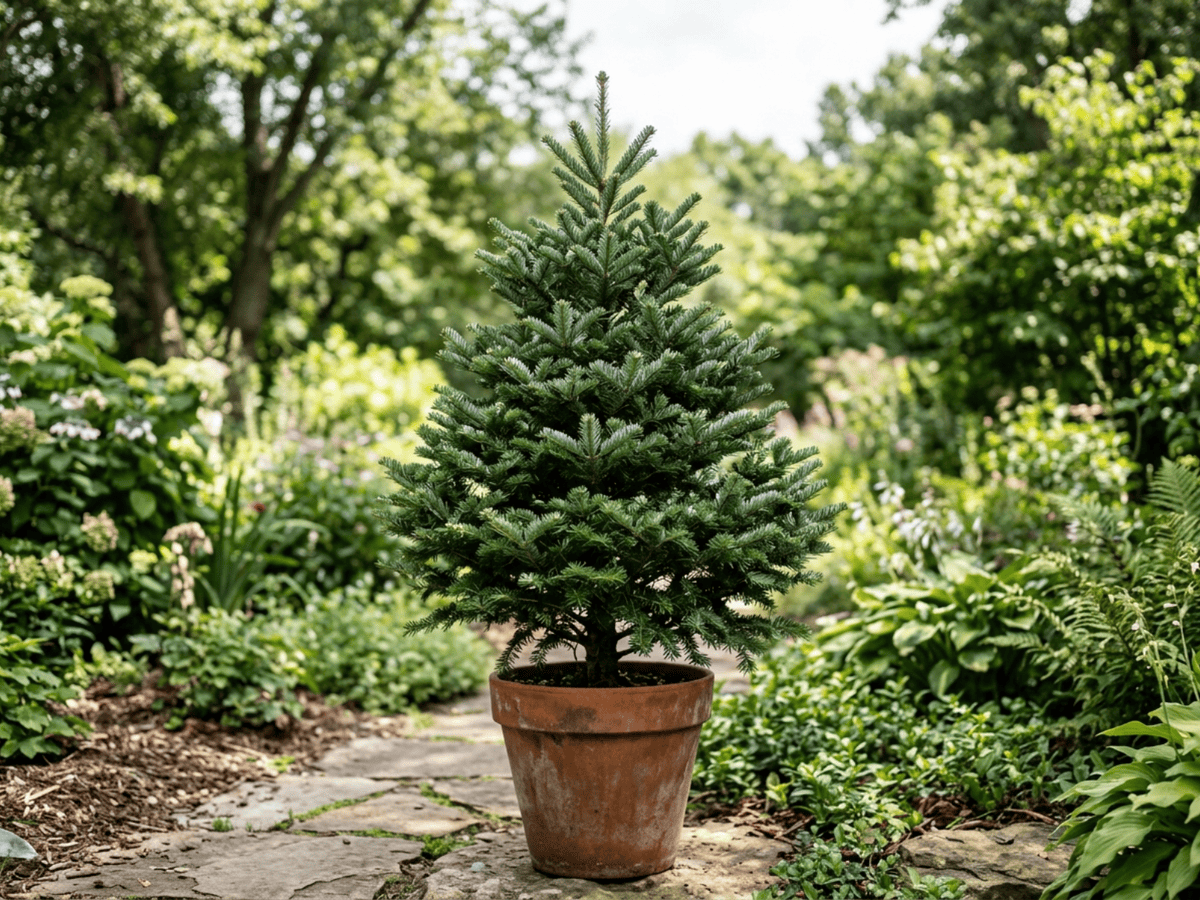
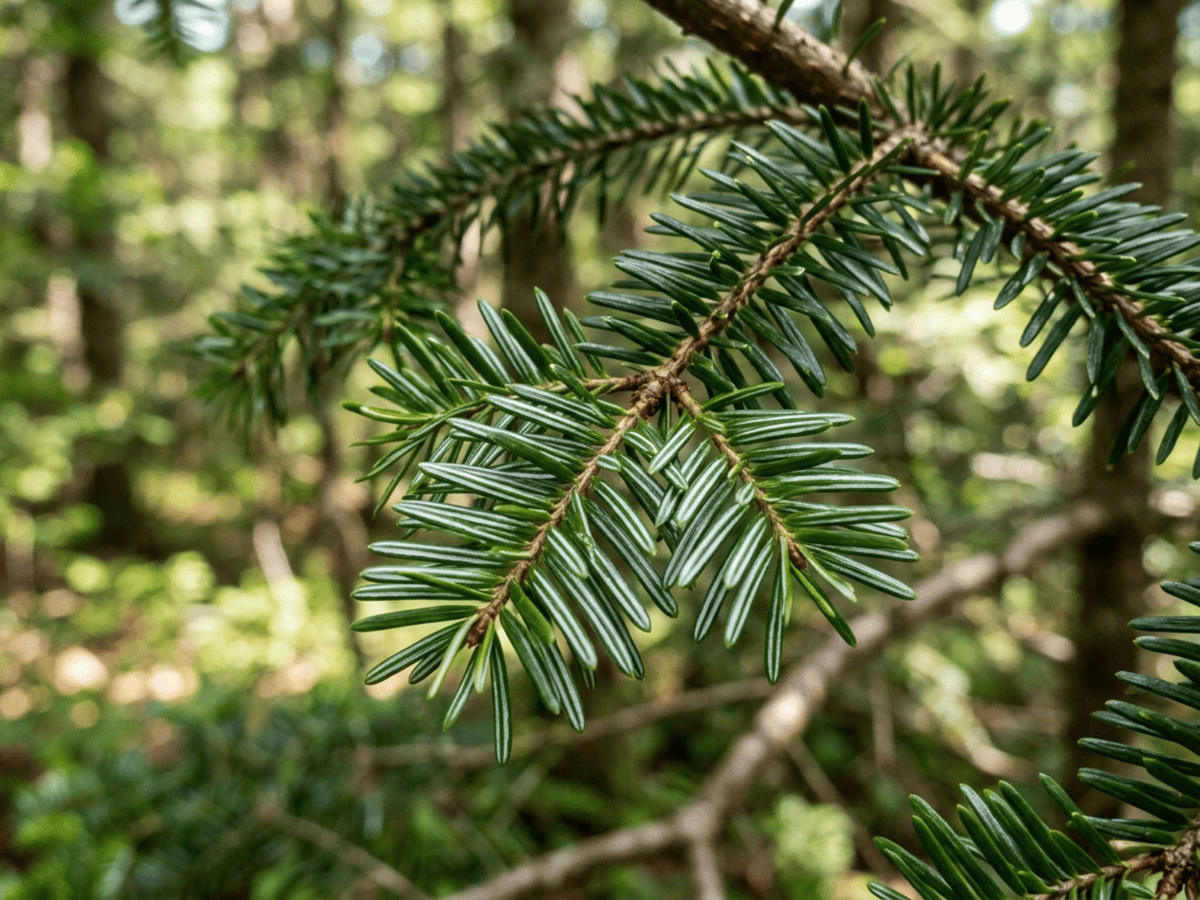


Fraser Fir
Abies fraseri
Medium · Some experienceAbout Fraser Fir
Fraser Fir is a compact conifer native to the highest peaks of the southern Appalachians in North Carolina, Tennessee, and Virginia, reaching 30-50 feet. Short, flat, dark green needles with silver-white undersides and perfectly symmetrical pyramidal form make it the most popular Christmas tree in the American South. Endangered in the wild by balsam woolly adelgid, it remains widely cultivated on Appalachian farms.
- Evergreen
- Native
How to care for Fraser Fir
Watering
- Springevery 10 days
- Summerevery 7 days
- Fallevery 14 days
- Winterevery 30 days
Soil · Well-draining
- Top dressingPine bark mulch10%
- Main mixPotting soil + perlite 2:170%
- DrainageLECA / gravel20%
Never skip the drainage layer — standing water is the top cause of root rot.
FERTILIZER
Balanced Feed 14-14-14
An even feed covers all three needs at once, keeping leaves, roots and blooms moving together with nothing pushed out of balance.
- Nitrogen · Leaves
- Phosphorus · Roots + Blooms
- Potassium · Strength
- Springevery 60 days
At a Glance
- NativeNorth America
- Height30–50 ft (9.1–15.2 m)
- Spread15–25 ft (4.6–7.6 m)
- Foliage colorGreen, Silver
- Fruit colorPurple
- SoilLoamy, Well-drained, Acidic
- LocationsYard
Fragrance
STRONG FRAGRANCE
Classic fresh balsam Christmas tree scent, long-lasting.
Toxicity
Pets Safe
None reported
Not reported
EXPOSURE No exposure route is reported.
EFFECT No toxic effect is reported.
NOTE No human toxicity is reported in this catalog; avoid eating ornamental plants unless confirmed edible.
Safe
EXPOSURE No exposure route is reported.
EFFECT No toxic effect is reported.
NOTE Listed as non-toxic for dogs; avoid eating ornamental plants unless confirmed edible.
Safe
EXPOSURE No exposure route is reported.
EFFECT No toxic effect is reported.
NOTE Listed as non-toxic for cats; avoid eating ornamental plants unless confirmed edible.
Educational information, not medical or veterinary advice. If exposure is suspected, contact a doctor or veterinarian.
DISTRIBUTION


- Native
- Introduced
- North America
History

Abies fraseri is endemic to a small group of high peaks in the southern Appalachian Mountains of North Carolina, Tennessee, and Virginia. It grows mainly above 1,500 meters in spruce-fir forests with Picea rubens.
Scottish plant hunter John Fraser collected specimens in the late 1700s, and French botanist Jean Louis Marie Poiret formally described the species in 1810, naming it in Fraser's honor. Since the 1950s, wild populations have been severely reduced by the balsam woolly adelgid, an introduced insect that left ghost forests on peaks such as Mount Mitchell and Roan Mountain.
In cultivation, Fraser fir became one of America's premier Christmas trees for its fragrance, soft needles, strong form, and excellent needle retention. Christmas tree farms in western North Carolina now carry both commercial importance and a quiet conservation role for this Appalachian endemic.
Symbolism & meaning
What It Symbolizes
The Fraser Fir carries Southern heritage in every needle, its lineage rooted in the misty crowns of Appalachian peaks where it grows nowhere else on Earth. Cut and brought indoors each December, its premier Christmas fragrance fills American homes with the scent of mountain forests. To stand near one is to inhale a piece of high-country wilderness, a small evergreen ambassador of the Blue Ridge.
- Southern heritage — Appalachian mountaintop treasure
- Fragrance — premier Christmas tree scent
Where the Name Comes From
Named for John Fraser (1750-1811), Scottish botanist who explored southern Appalachian flora.
Uses & Fun Facts
- Most popular Christmas tree across eastern United States households
- Symmetrical pyramidal conifer planted as cool-mountain landscape focal point
- Crushed needles release classic balsam evergreen scent
Related plants
More Abies plants
Plants with similar care
 Mexican AbeliaAbelia floribunda
 Paperbark MapleAcer griseum
 Sugar MapleAcer saccharum
 KiwifruitActinidia deliciosa
Frequently asked questions
How often should I water Fraser Fir?
In summer, water about every 7 days; in winter, about every 30 days. Adjust for heat, pot size and drainage.
How much light does Fraser Fir need?
Full sun: 6+ hrs direct. Watch the leaves — scorching or stretching means the light needs adjusting.
Is Fraser Fir toxic to cats or dogs?
Pets Safe (Dogs Safe · Cats Safe) Educational information, not medical or veterinary advice. If exposure is suspected, contact a doctor or veterinarian.
Is Fraser Fir easy to grow?
It is moderately demanding: a good choice once you have a little experience.
YardMate
Identify any plant in seconds
Snap a photo — YardMate names the plant, diagnoses problems, and reminds you when to water.
Download on the App Store