 YardMate


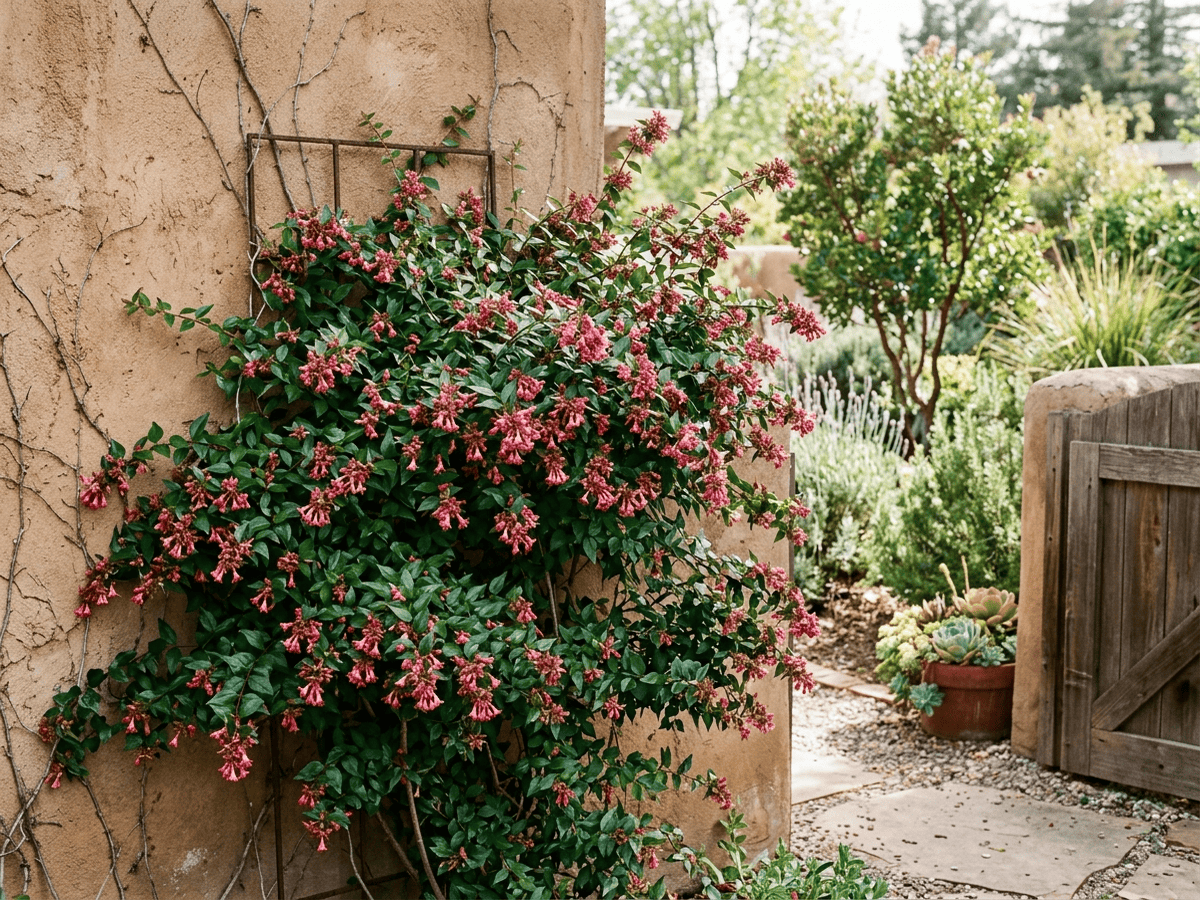
Mexican Abelia
Abelia floribunda
Medium · Some experienceAbout Mexican Abelia
Mexican Abelia is a tender evergreen shrub native to Mexico, growing 6 to 10 feet tall with arching branches producing pendant rose-pink to cherry-red tubular flowers throughout summer. Hardy only in USDA zones 8 to 10, it thrives in mild-winter areas of California, the Gulf Coast, and the low desert. A signature hummingbird plant in American mild-climate gardens.
- Drought-tolerant
- Heat-tolerant
- Evergreen
- Pollinator-friendly
How to care for Mexican Abelia
Watering
- Springevery 7 days
- Summerevery 5 days
- Fallevery 10 days
- Winterevery 21 days
Soil · Rich & loamy
- Top dressingBark mulch15%
- Main mixRich loam + compost 3:170%
- DrainageGravel15%
Use fully finished compost — fresh compost burns roots.
FERTILIZER
Balanced Feed 14-14-14
An even feed covers all three needs at once, keeping leaves, roots and blooms moving together with nothing pushed out of balance.
- Nitrogen · Leaves
- Phosphorus · Roots + Blooms
- Potassium · Strength
- Springevery 45 days
- Summerevery 60 days
At a Glance
- NativeNorth America
- Height6–10 ft (1.8–3 m)
- Spread6–10 ft (1.8–3 m)
- Flower colorRed, Pink
- Foliage colorGreen
- SoilLoamy, Well-drained, Neutral
- LocationsYard
Bloom time
BLOOM CYCLE
Peak bloom
Jun–Aug
Pendant rose-pink tubular flowers throughout summer
Fragrance
LIGHT FRAGRANCE
The flowers have a very lightly sweet-scented scent.
Toxicity
No toxicity has been reported for this plant. Still, it is wise to keep pets from chewing on any houseplant.
Educational information, not medical or veterinary advice. If exposure is suspected, contact a doctor or veterinarian.
DISTRIBUTION


- Native
- North America
History

Abelia floribunda grows on limestone ridges and open pine-oak forests at middle elevations in Puebla, Oaxaca, and Veracruz in central Mexico. Belgian botanical explorer Henri Guillaume Galeotti collected it in the 1830s, and Joseph Decaisne described it in 1846 at the Paris Museum.
The species entered British cultivation through Veitch in the 1840s and was admired for unusually long, cherry-red tubular flowers that hang from arching branches in early summer. Compared with the Asian abelias, it is less cold-hardy and is best suited to USDA zones 8 and warmer.
Modern taxonomy often places the species in Linnaea, but gardeners still know it as Mexican abelia. In mild coastal California, Mediterranean gardens, and warm Gulf landscapes, it remains a specialist shrub for red bloom, evergreen texture, and hummingbird activity.
Symbolism & meaning
What It Symbolizes
The Mexican Abelia suggests tropical devotion through cherry-red tubular blooms that pour ceaselessly from warm-climate branches. Each flower is shaped as a hummingbird lure, an offering of nectar to the iridescent visitors who depend on it. In the language of garden flowers, this abelia signals loyalty given freely and beauty offered without restraint.
- Tropical devotion — blooms ceaselessly in warm climates
- Hummingbird lure — cherry-red tubes shaped for hummingbirds
Where the Name Comes From
The name Mexican Abelia points to Mexico. 'floribunda' from Latin means profusely flowering, for the abundant blooms.
Uses & Fun Facts
- Evergreen arching stems soften warm-climate foundations and mixed shrub borders
- Red tubular flowers invite hummingbirds and long-tongued bees
- Long arching branches show off red trumpet flowers at path corners
Related plants
More Abelia plants
 Chinese AbeliaAbelia chinensis
 Fragrant AbeliaAbelia mosanensis
 Large-Flowered AbeliaAbelia uniflora
 Glossy AbeliaAbelia x grandiflora
Plants with similar care
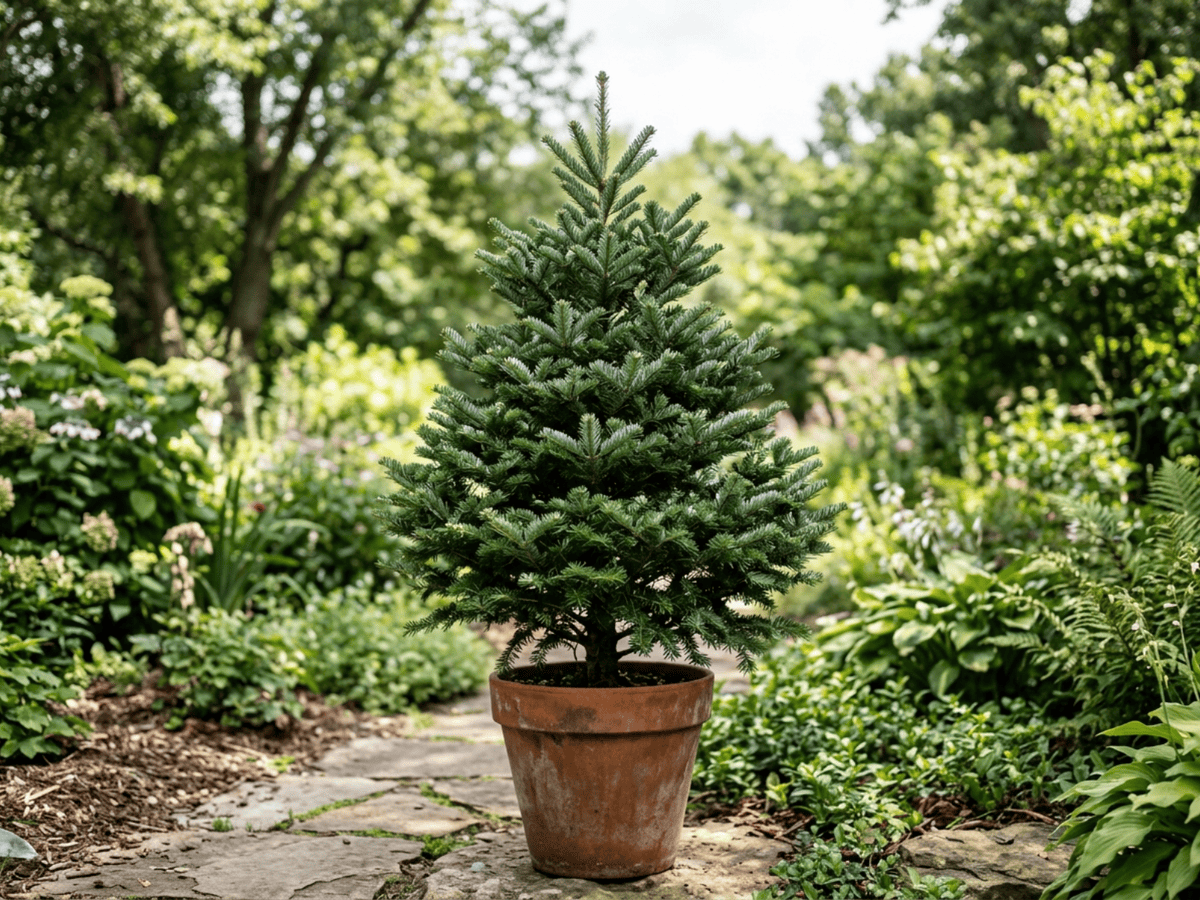 Fraser FirAbies fraseri
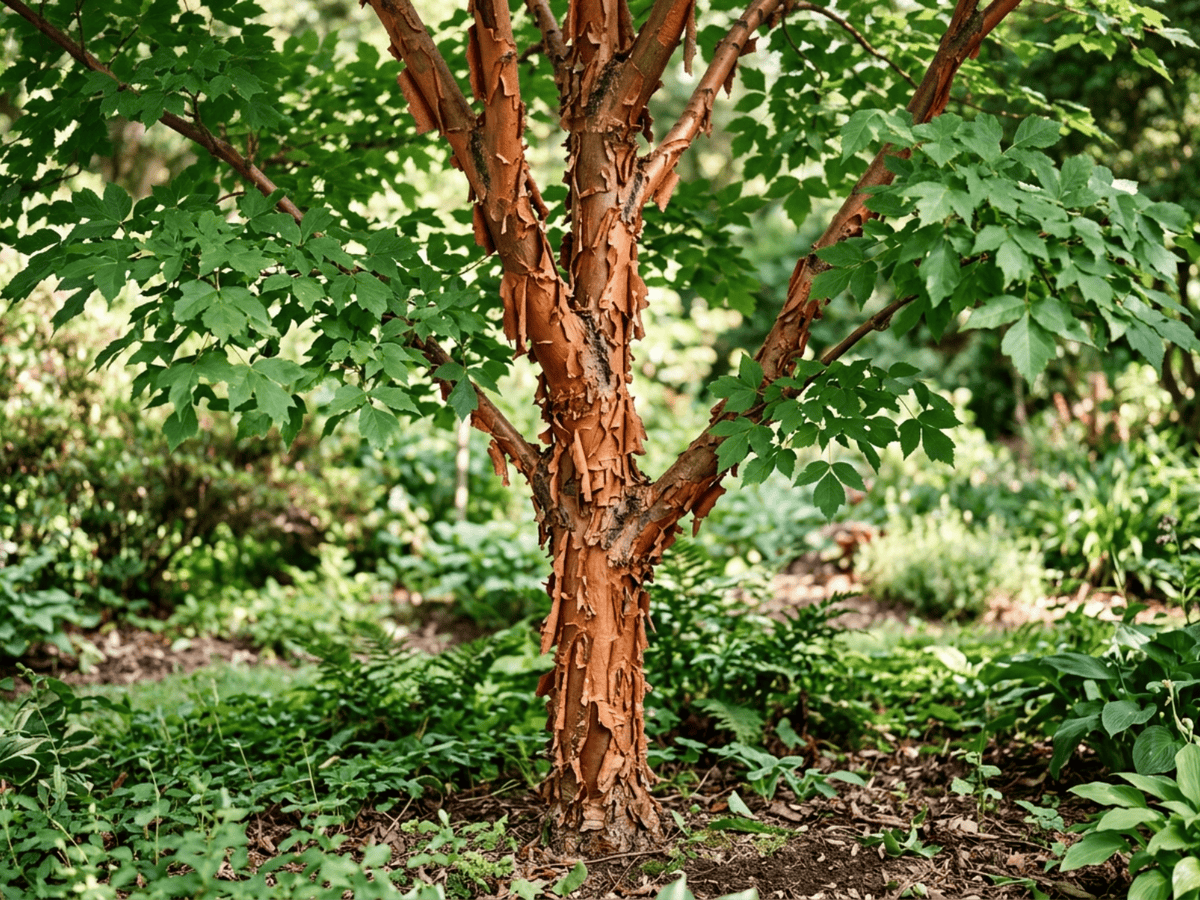 Paperbark MapleAcer griseum
 Sugar MapleAcer saccharum
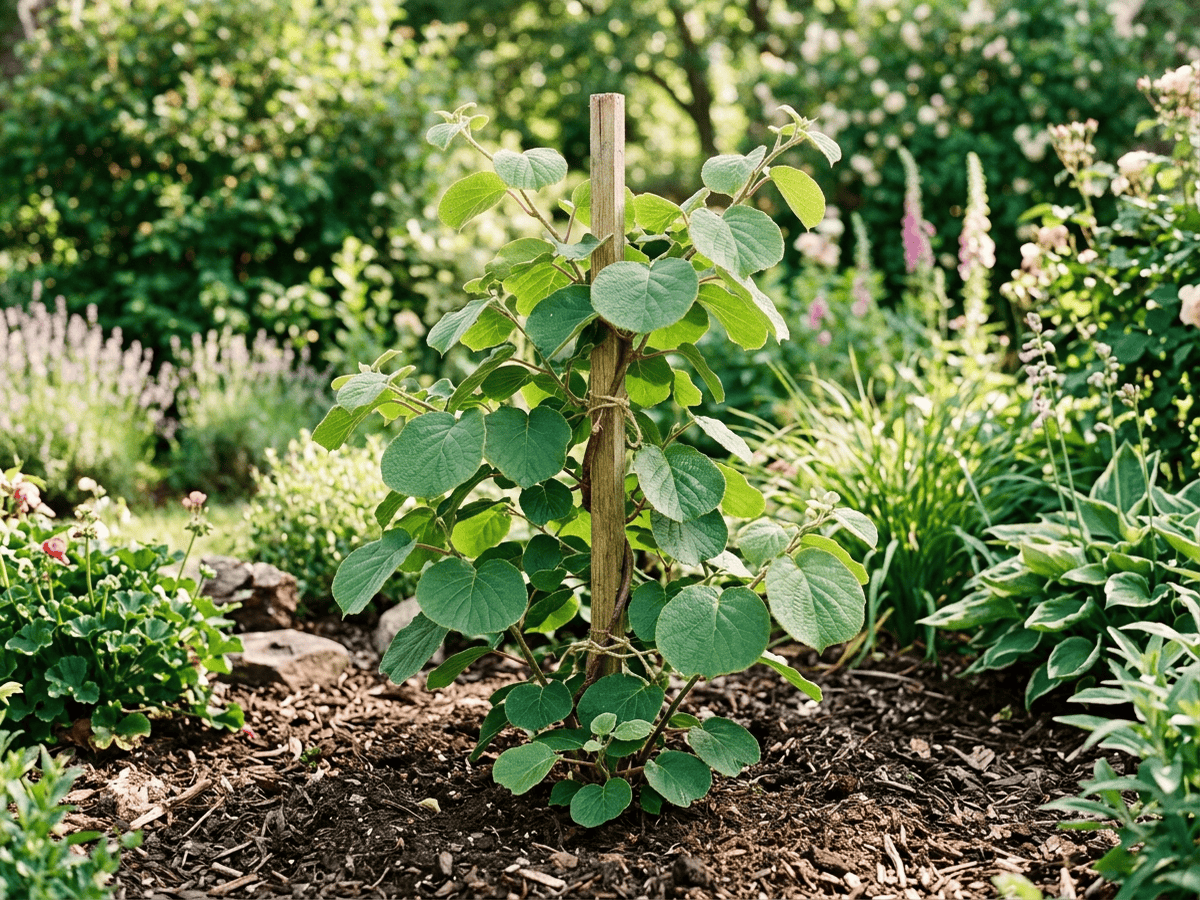 KiwifruitActinidia deliciosa
Frequently asked questions
How often should I water Mexican Abelia?
In summer, water about every 5 days; in winter, about every 21 days. Adjust for heat, pot size and drainage.
How much light does Mexican Abelia need?
Full sun: 6+ hrs direct. Watch the leaves — scorching or stretching means the light needs adjusting.
Is Mexican Abelia toxic to cats or dogs?
No toxicity has been reported for this plant. Still, it is wise to keep pets from chewing on any houseplant. Educational information, not medical or veterinary advice. If exposure is suspected, contact a doctor or veterinarian.
Is Mexican Abelia easy to grow?
It is moderately demanding: a good choice once you have a little experience.
When does Mexican Abelia bloom?
It typically blooms Jun–Aug in the Northern Hemisphere.
YardMate
Identify any plant in seconds
Snap a photo — YardMate names the plant, diagnoses problems, and reminds you when to water.
Download on the App Store