 YardMate

Paperbark Maple
Acer griseum
Medium · Some experienceAbout Paperbark Maple
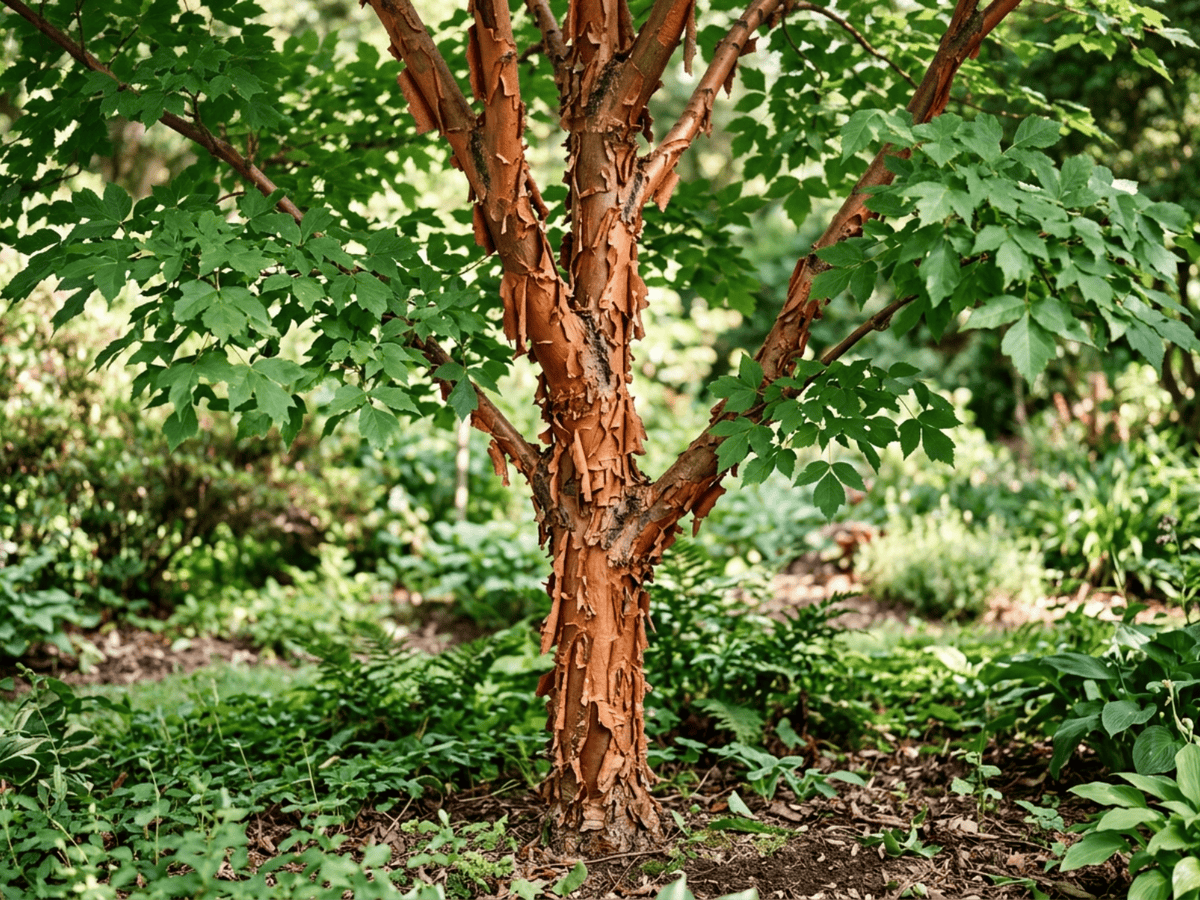
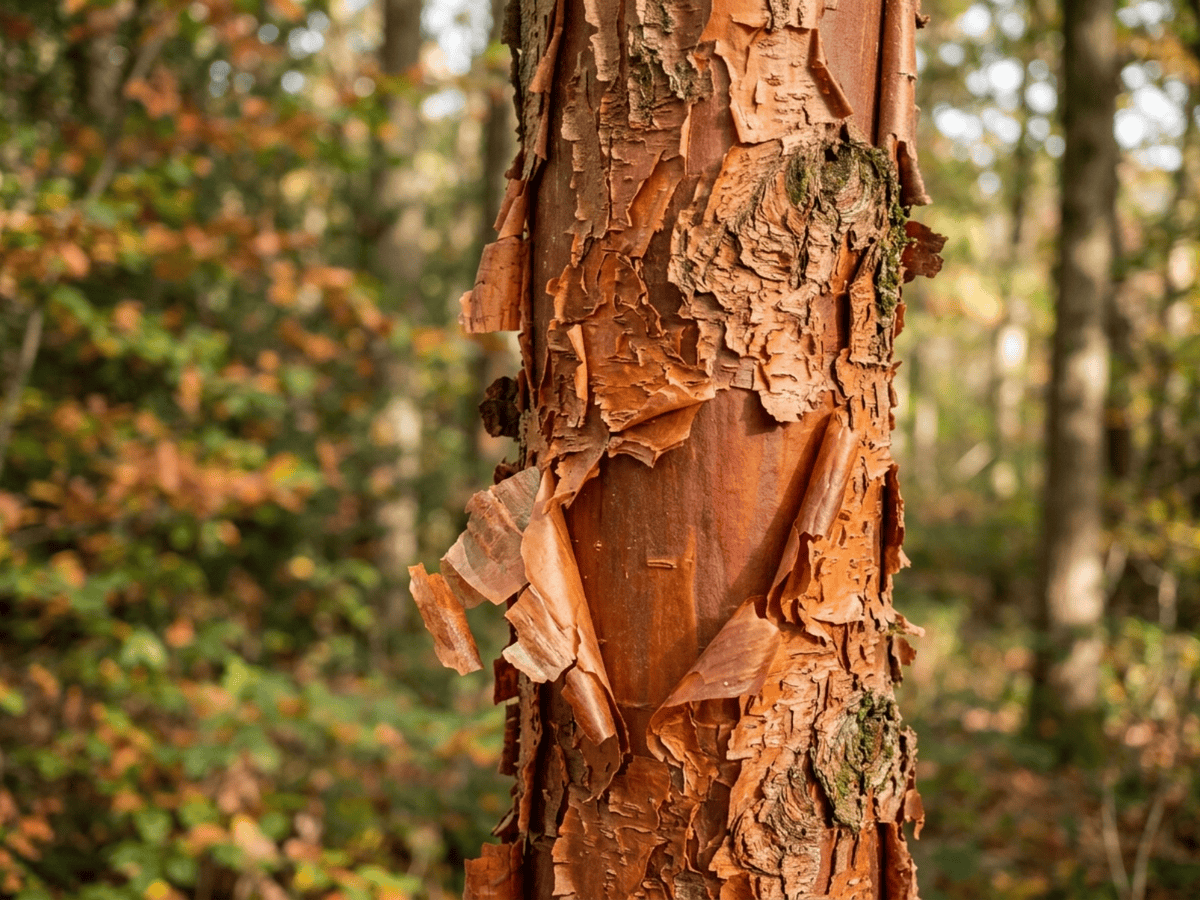
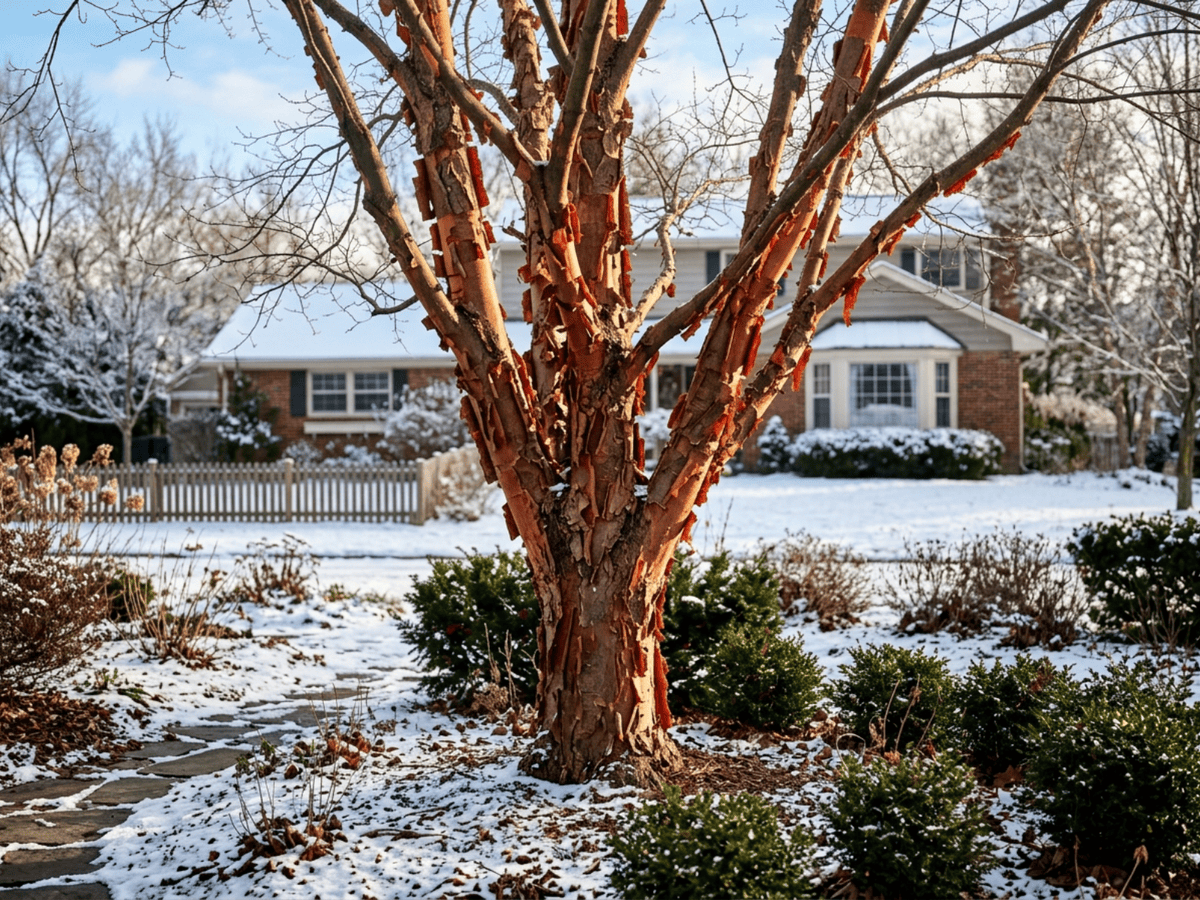
Paperbark Maple is a prized small deciduous tree native to central China, reaching 20-30 feet, renowned for its spectacular cinnamon-orange exfoliating bark that peels in paper-thin curls to reveal coppery inner layers. Trifoliate blue-green leaves turn brilliant scarlet and orange in autumn. A slow-growing specimen tree that brings year-round beauty to American gardens, especially striking in winter when bark is illuminated by low sun.
- Fall-color
How to care for Paperbark Maple
Watering
- Springevery 7 days
- Summerevery 5 days
- Fallevery 10 days
- Winterpause watering
Soil · Well-draining
- Top dressingPine bark mulch10%
- Main mixPotting soil + perlite 2:170%
- DrainageLECA / gravel20%
Never skip the drainage layer — standing water is the top cause of root rot.
FERTILIZER
Balanced Feed 14-14-14
An even feed covers all three needs at once, keeping leaves, roots and blooms moving together with nothing pushed out of balance.
- Nitrogen · Leaves
- Phosphorus · Roots + Blooms
- Potassium · Strength
- Springevery 60 days
- Summerevery 60 days
At a Glance
- NativeEast Asia
- Height20–30 ft (6.1–9.1 m)
- Spread15–25 ft (4.6–7.6 m)
- Flower colorYellow
- Foliage colorGreen, Red
- Fruit colorBrown
- SoilLoamy, Well-drained, Neutral
- LocationsYard
Bloom time
BLOOM CYCLE
Peak bloom
Mar–May
Inconspicuous yellow flowers in spring
Toxicity
No toxicity has been reported for this plant. Still, it is wise to keep pets from chewing on any houseplant.
Educational information, not medical or veterinary advice. If exposure is suspected, contact a doctor or veterinarian.
DISTRIBUTION


- Native
- East Asia
History
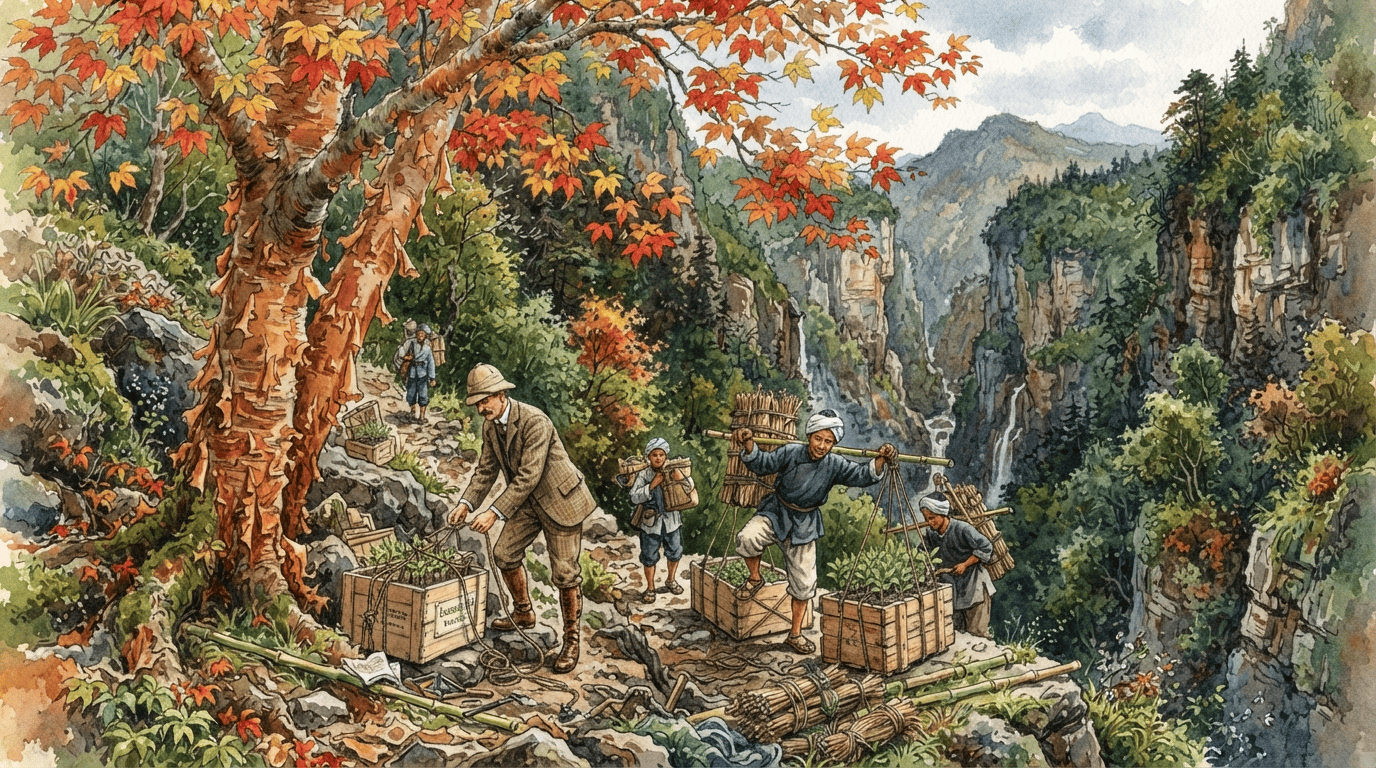
Acer griseum grows in cool montane forests of central China, particularly Hubei, Henan, Shaanxi, and Sichuan provinces. Irish botanist Augustine Henry discovered it around 1888 while serving as a medical officer for the Imperial Maritime Customs Service. English plant hunter Ernest Henry Wilson introduced living material in 1901 during his Veitch Nurseries expedition.
Its defining ornamental feature is the spectacular exfoliating cinnamon-orange-to-chocolate-brown bark peeling in papery curls year-round, rivaling any tree for winter interest. Trifoliate leaves (unusual for maples) turn scarlet-red in autumn. The species is rare in the Chinese wild and listed as vulnerable.
Difficulty propagating it (seeds show low viability, often 5% or less) kept it expensive and uncommon until modern tissue culture techniques in the 1990s-2000s made it more accessible. Cultivars include 'Gingerbread' and the modern 'Copper Rocket' with more upright habit. Considered one of the most beautiful small trees ever introduced, it earned the Royal Horticultural Society Award of Garden Merit. Endangered in its native Chinese habitat.
Symbolism & meaning
What It Symbolizes
The Paperbark Maple suggests endurance, growing slowly across decades and outlasting hastier neighbors. Its cinnamon bark peels in delicate translucent curls, lending it a quiet elegance that deepens with each winter. It reminds us that patience and beauty are not opposing virtues, and that the longest-lived trees are often the most refined. Its is a slow, layered grace.
- Endurance — slow growth and long-lived nature
- Elegance — renowned for peeling cinnamon bark
Where the Name Comes From
'Acer' is the classical Latin name for maple; 'griseum' means gray, referring to the underside of the leaves.
Uses & Fun Facts
- Cinnamon exfoliating bark stars in winter gardens
- Brilliant scarlet trifoliate foliage lights up autumn
Related plants
More Acer plants
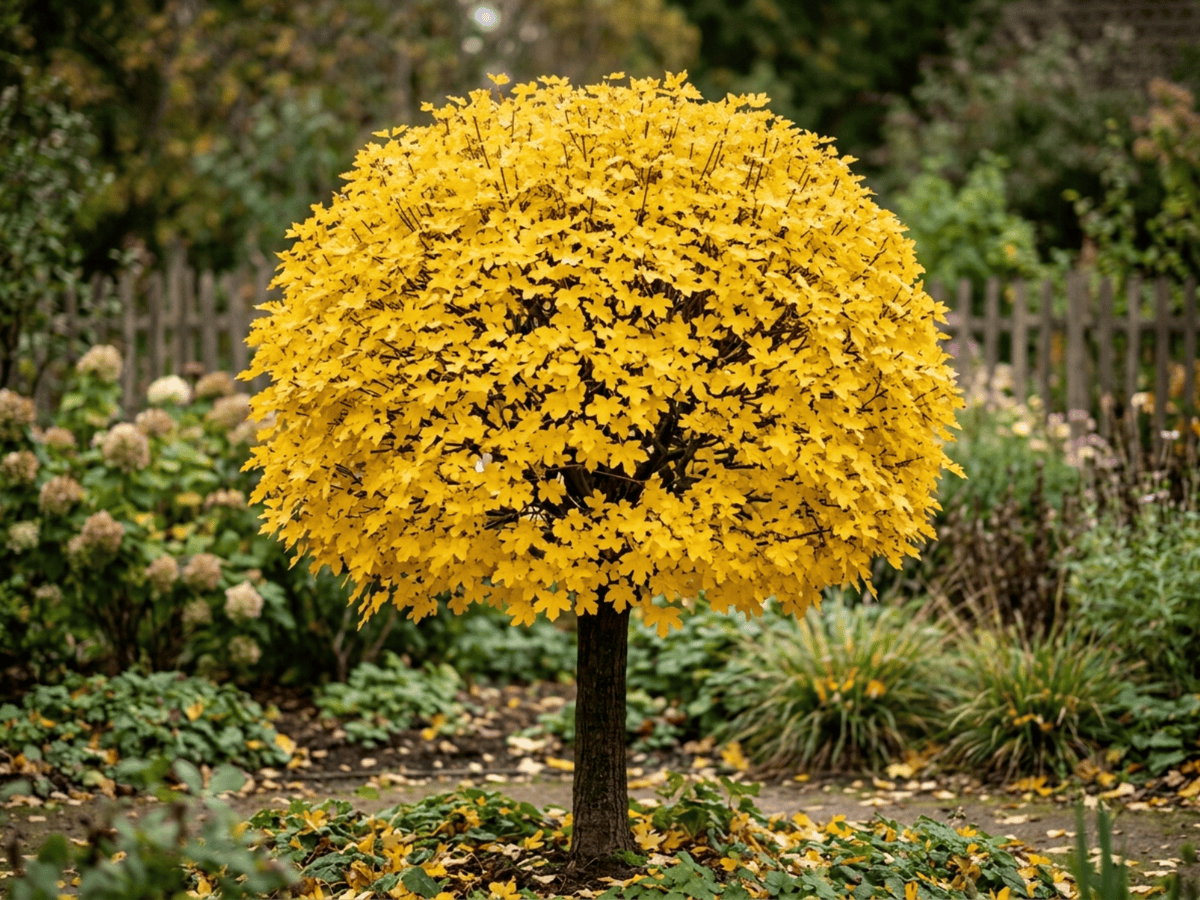 Field MapleAcer campestre
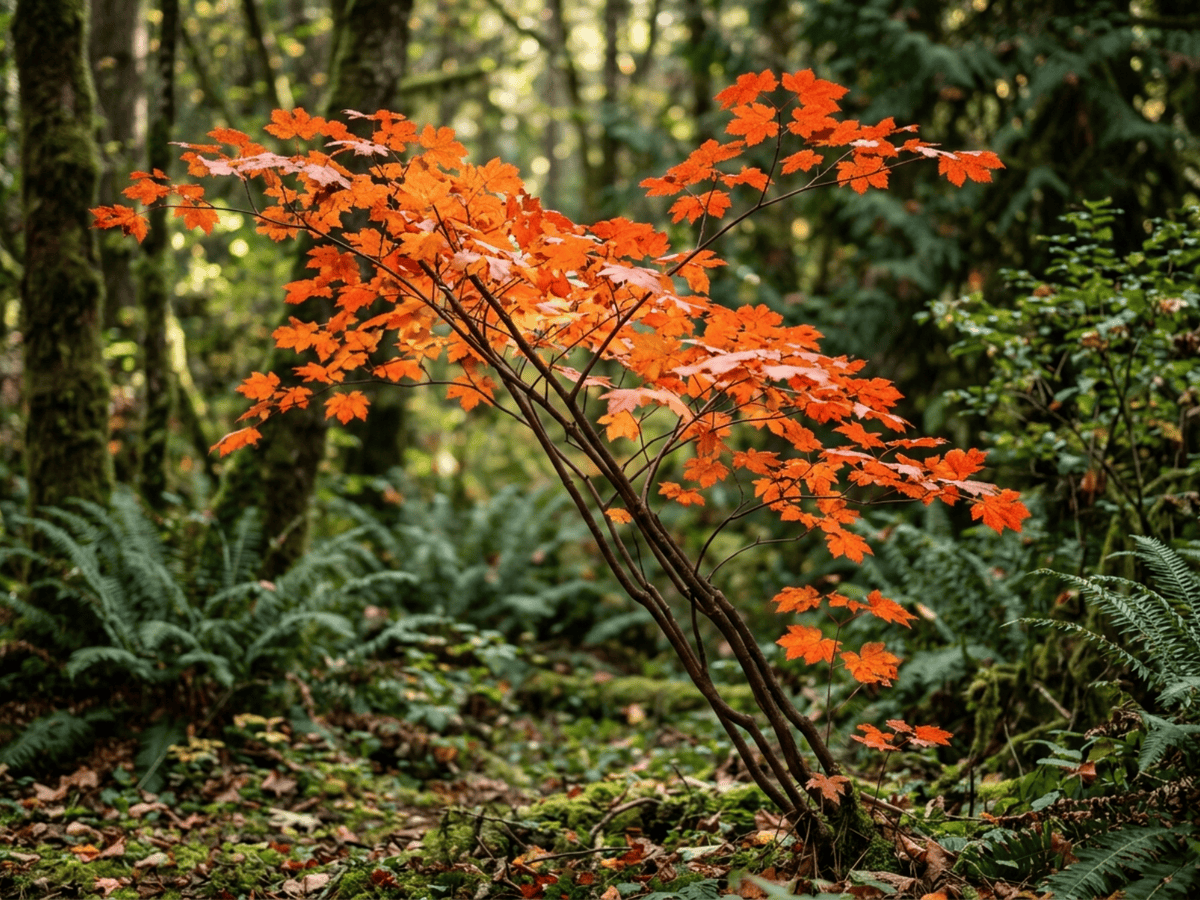 Vine MapleAcer circinatum
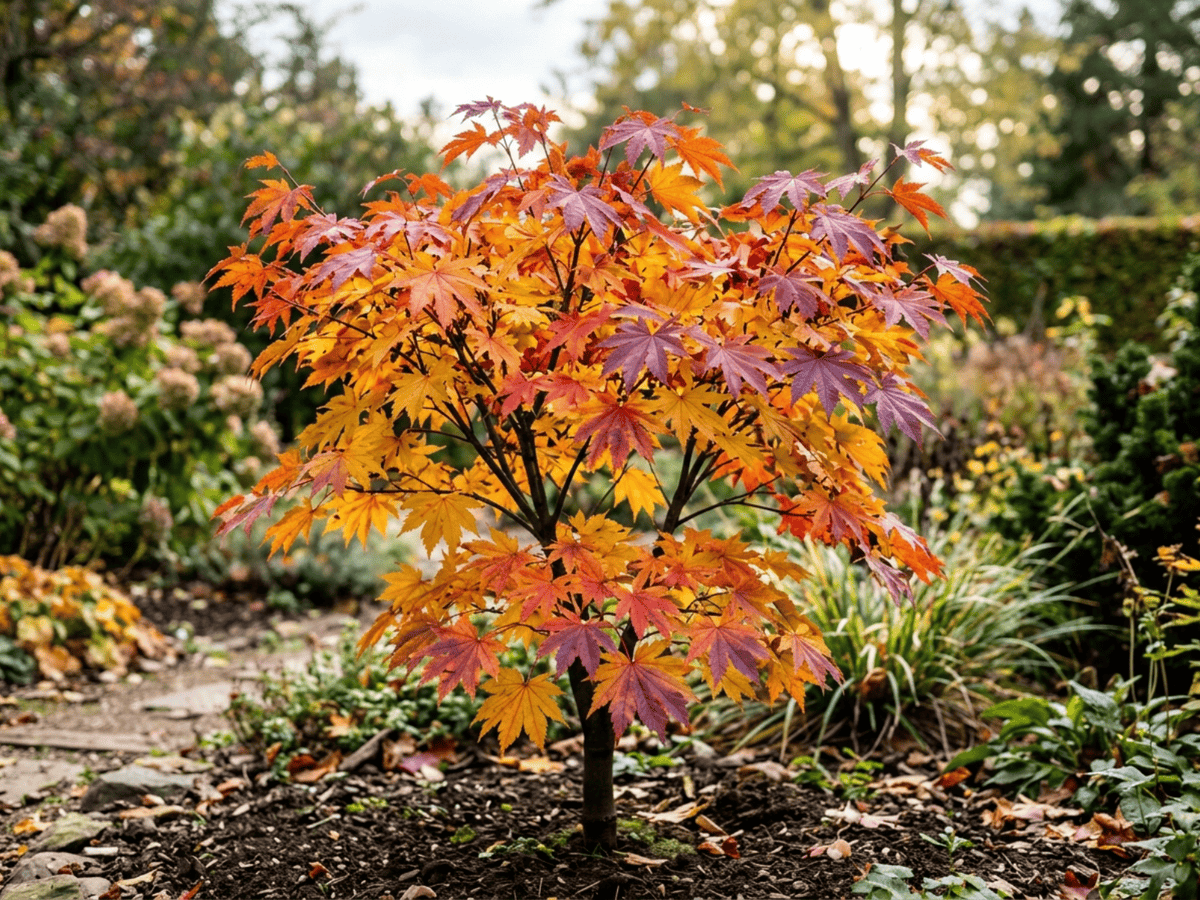 Downy Japanese MapleAcer japonicum
 Box ElderAcer negundo
Plants with similar care
 Mexican AbeliaAbelia floribunda
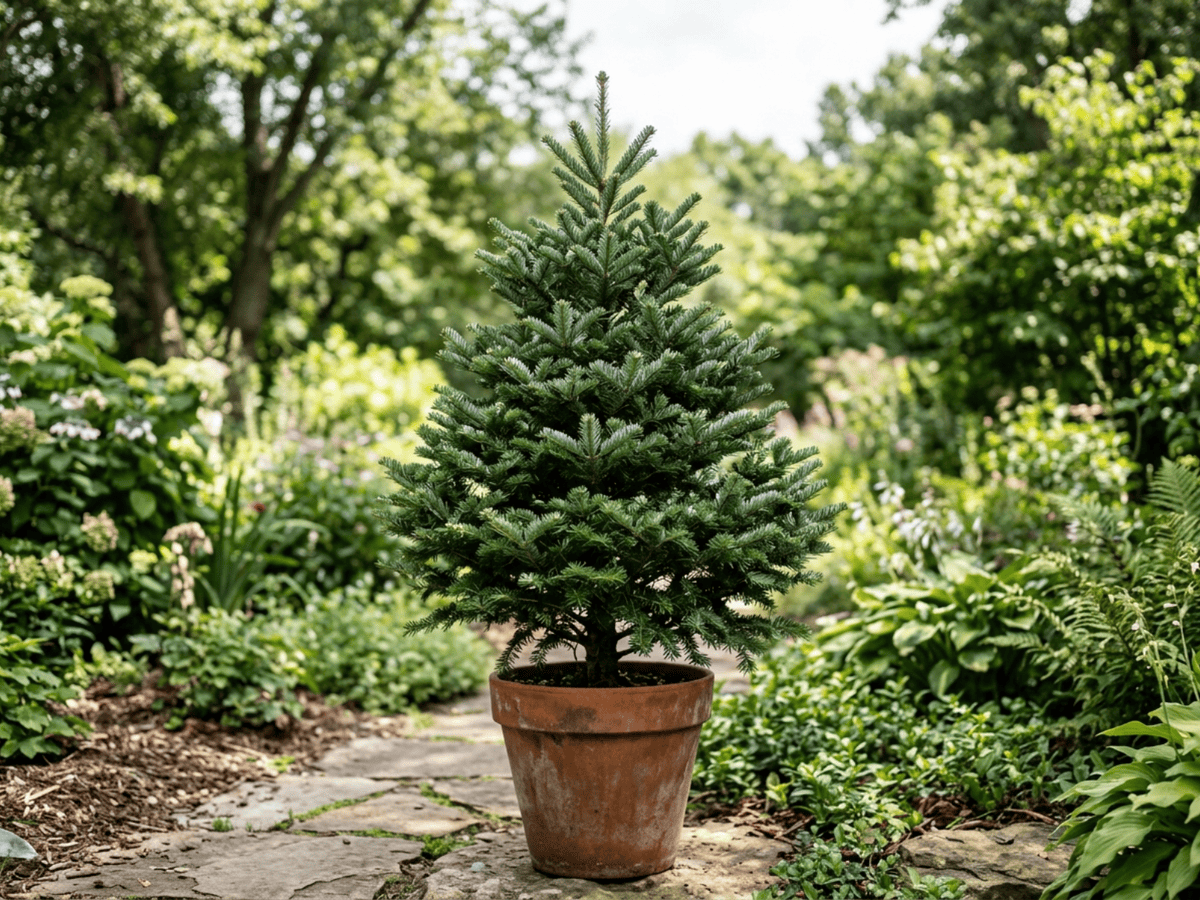 Fraser FirAbies fraseri
 Sugar MapleAcer saccharum
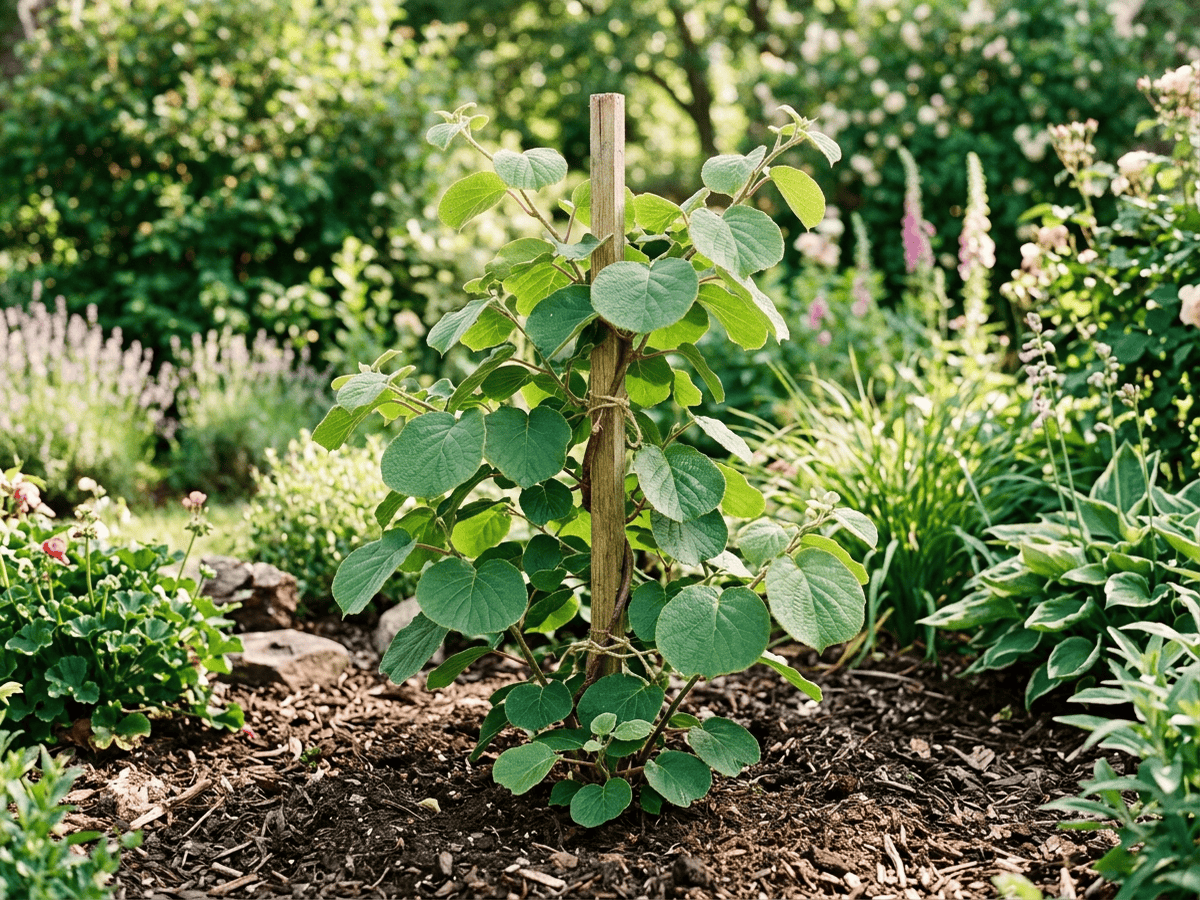 KiwifruitActinidia deliciosa
Frequently asked questions
How often should I water Paperbark Maple?
Water about every 7 days during the growing season, and always let excess water drain away.
How much light does Paperbark Maple need?
Full sun: 6+ hrs direct. Watch the leaves — scorching or stretching means the light needs adjusting.
Is Paperbark Maple toxic to cats or dogs?
No toxicity has been reported for this plant. Still, it is wise to keep pets from chewing on any houseplant. Educational information, not medical or veterinary advice. If exposure is suspected, contact a doctor or veterinarian.
Is Paperbark Maple easy to grow?
It is moderately demanding: a good choice once you have a little experience.
When does Paperbark Maple bloom?
It typically blooms Mar–May in the Northern Hemisphere.
YardMate
Identify any plant in seconds
Snap a photo — YardMate names the plant, diagnoses problems, and reminds you when to water.
Download on the App Store