 YardMate


Sugar Maple
Acer saccharum
Medium · Some experienceAbout Sugar Maple
Acer saccharum, the sugar maple, is a majestic deciduous tree in the Sapindaceae family native to northeastern North America. Growing 20–35 m tall with a dense, rounded crown, it is the defining tree of the northeastern hardwood forest. Its five-lobed leaves turn legendary shades of orange, scarlet, and gold in autumn—the sugar maple is the primary driver of New England's world-famous fall foliage tourism industry.
Sugar maples thrive in USDA zones 3–8 in deep, fertile, well-drained, slightly acidic soil. They prefer cool climates and are intolerant of heat, drought, salt, and urban pollution—this limits their use as street trees compared to the more adaptable red maple. In the right setting, however, they are unsurpassed: a mature sugar maple in peak autumn colour is one of the most spectacular sights in the temperate world.
The sugar maple is the source of maple syrup—a uniquely North American product. Sap collected in late winter (when nights freeze and days thaw) is boiled down at a ratio of 40:1 (40 litres of sap per 1 litre of syrup). Quebec produces over 70% of the world's supply. The sugar maple leaf adorns the Canadian flag, and the tree is the state tree of four US states. The wood ('hard maple') is prized for furniture, flooring, bowling alleys, and musical instruments.
- Cold-hardy
- Native
How to care for Sugar Maple
Watering
- Springevery 7 days
- Summerevery 5 days
- Fallevery 10 days
- Winterevery 30 days
Soil · Well-draining
- Top dressingPine bark mulch10%
- Main mixPotting soil + perlite 2:170%
- DrainageLECA / gravel20%
Never skip the drainage layer — standing water is the top cause of root rot.
FERTILIZER
Balanced Feed 14-14-14
An even feed covers all three needs at once, keeping leaves, roots and blooms moving together with nothing pushed out of balance.
- Nitrogen · Leaves
- Phosphorus · Roots + Blooms
- Potassium · Strength
- Springevery 60 days
At a Glance
- NativeNorth America
- Height60–80 ft (18.3–24.4 m)
- Spread40–50 ft (12.2–15.2 m)
- Foliage colorGreen, Bronze, Red
- SoilLoamy, Well-drained, Moisture-retentive
- LocationsYard
Fragrance
NO FRAGRANCE
No notable fragrance.
Toxicity
Humans Safe · Pets Safe
None reported
Safe
EXPOSURE No exposure route is reported.
EFFECT Syrup and sap widely consumed.
NOTE Listed as non-toxic for humans; avoid eating ornamental plants unless confirmed edible.
Safe
EXPOSURE No exposure route is reported.
EFFECT Not listed as toxic.
NOTE Listed as non-toxic for dogs; avoid eating ornamental plants unless confirmed edible.
Safe
EXPOSURE No exposure route is reported.
EFFECT Not listed as toxic.
NOTE Listed as non-toxic for cats; avoid eating ornamental plants unless confirmed edible.
Educational information, not medical or veterinary advice. If exposure is suspected, contact a doctor or veterinarian.
DISTRIBUTION

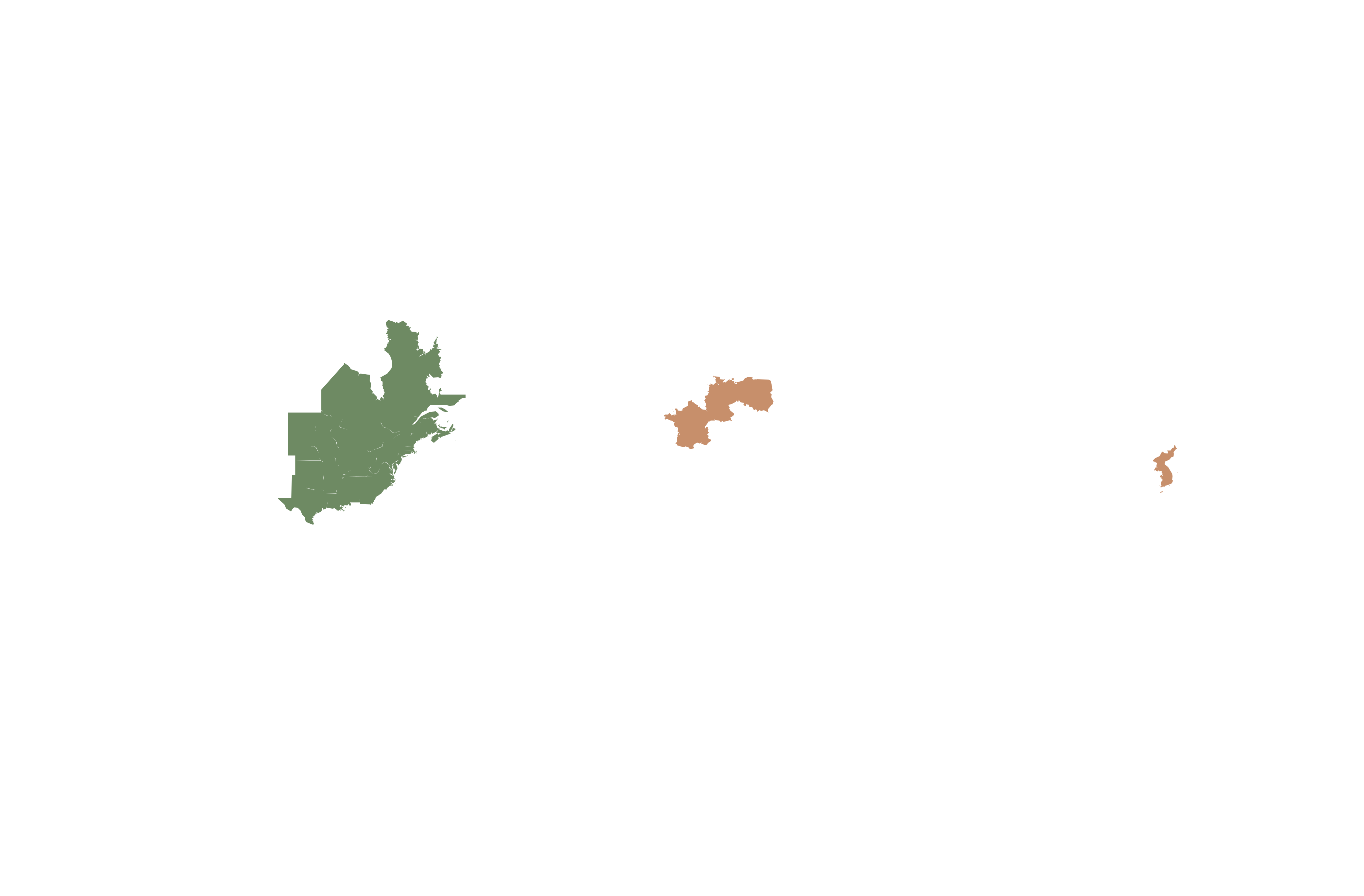
- Native
- Introduced
- North America
History

Acer saccharum is native to northeastern North America, with its range centered on the northern US and southeastern Canada. Indigenous Eastern Woodlands peoples — particularly Algonquian-speaking groups including the Ojibwe and Abenaki, and Iroquois nations — developed the technology of boiling down maple sap into sugar and syrup, with archaeological and oral-tradition evidence of the practice predating European contact. Early French and English colonists learned the sugar-making technique from Indigenous teachers; "sugaring off" remains a springtime cultural event across New England and Quebec.
Modern North American maple production is approximately 80% Canadian (primarily Quebec) and 20% American (Vermont, New York, Maine). Quebec maintains strategic reserves of maple syrup that are sometimes called "the global strategic maple reserve." The red-and-white Canadian flag, adopted 15 February 1965 after intense national debate, features a stylized 11-pointed maple leaf.
The species is also one of the foundational trees of the New England autumn color display. Emerald ash borer and Asian longhorned beetle present growing threats. The sugar maple leaf has been a Canadian symbol since the 1700s, appearing on the flag in 1965. New England's 'leaf peeping' tourism, driven primarily by sugar maples, generates over $3 billion annually.
Symbolism & meaning
What It Symbolizes
The sugar maple is the great heritage tree of North America, emblazoned on the Canadian flag and chosen as state tree by no fewer than four American states. From its sap flows another kind of meaning — sweetness, the generous gift of maple syrup that has fed the continent since long before colonial times. To stand under a sugar maple in October is to read the autobiography of a continent in scarlet leaves.
- Heritage — On the Canadian flag and the state tree of multiple US states, the sugar maple represents North American identity
- Sweetness — The tree that gives the world maple syrup symbolizes nature's sweetest, most generous gifts
Where the Name Comes From
Acer is Latin for maple; 'saccharum' from Latin/Greek 'saccharon' (sugar), for its sweet sap.
Uses & Fun Facts
- Broad dense canopy planted as shade tree in lawns and parks
- Hard-rock maple timber valued for furniture flooring and bowling pins
- Spring sap boiled down into traditional pure maple syrup
- Brilliant orange-red autumn foliage signature of New England fall color
Related plants
More Acer plants
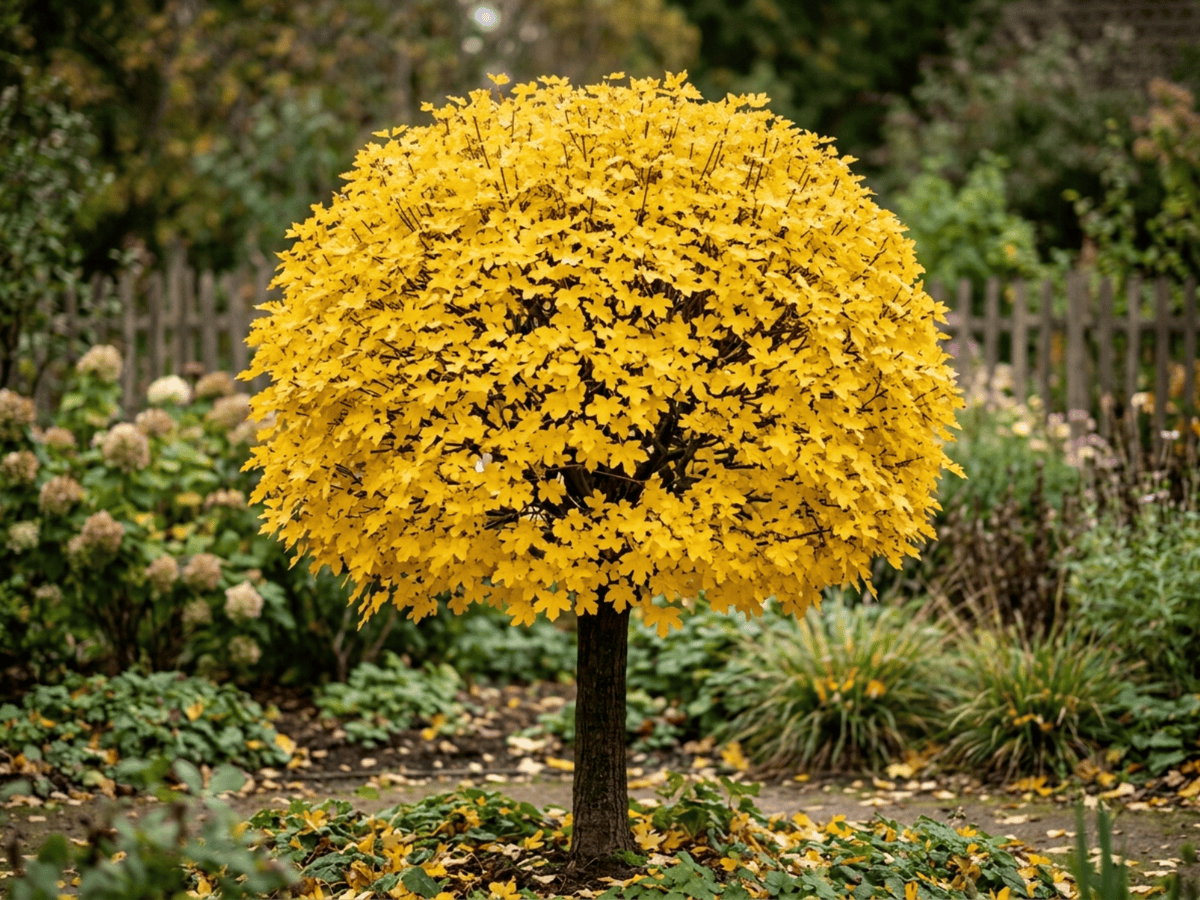 Field MapleAcer campestre
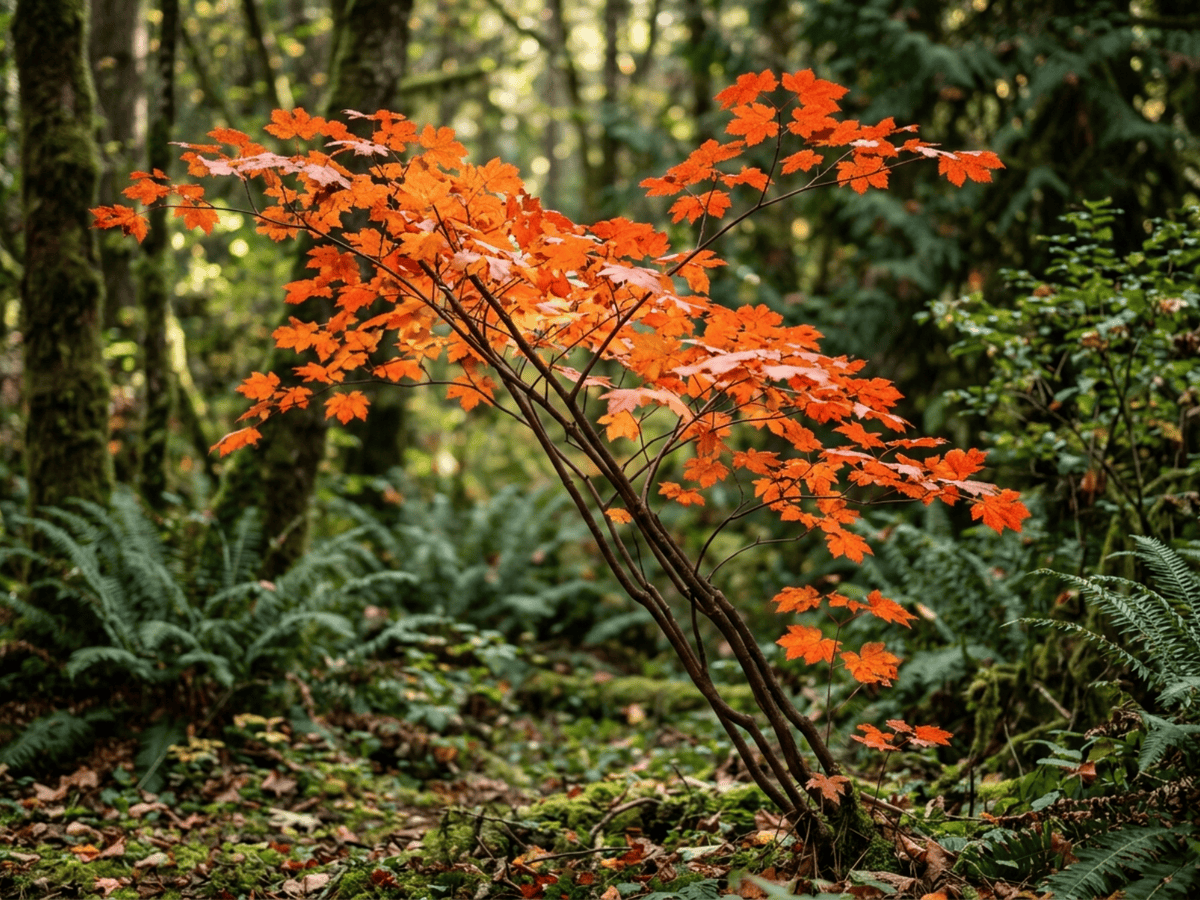 Vine MapleAcer circinatum
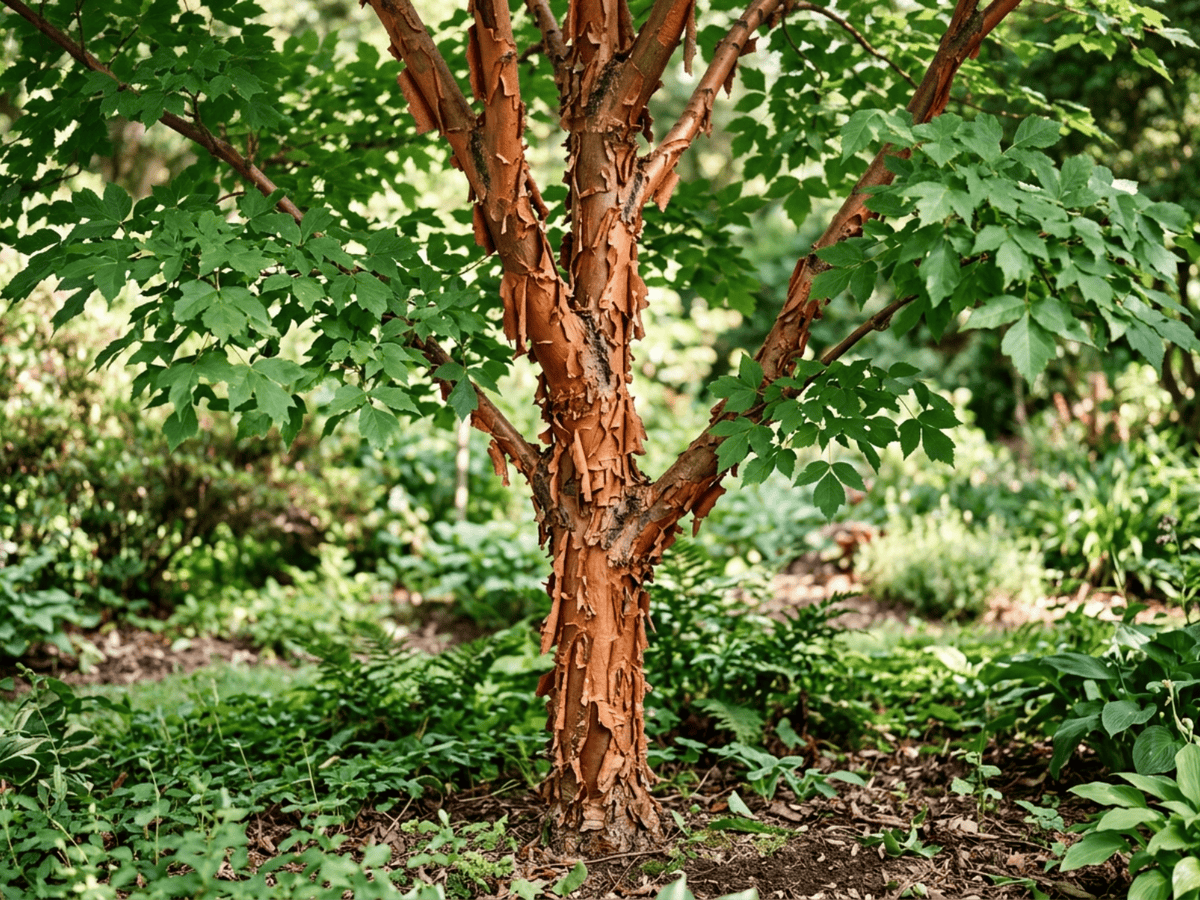 Paperbark MapleAcer griseum
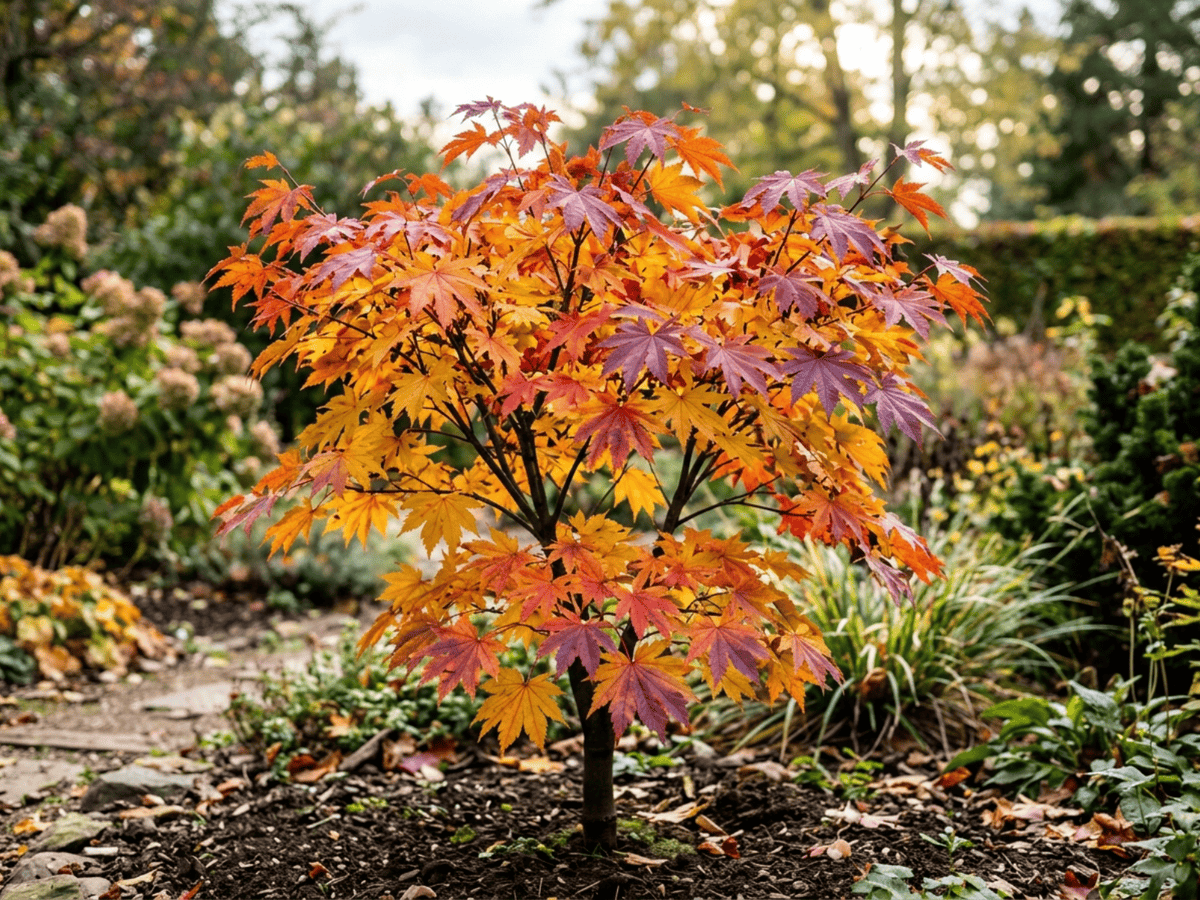 Downy Japanese MapleAcer japonicum
Plants with similar care
 Mexican AbeliaAbelia floribunda
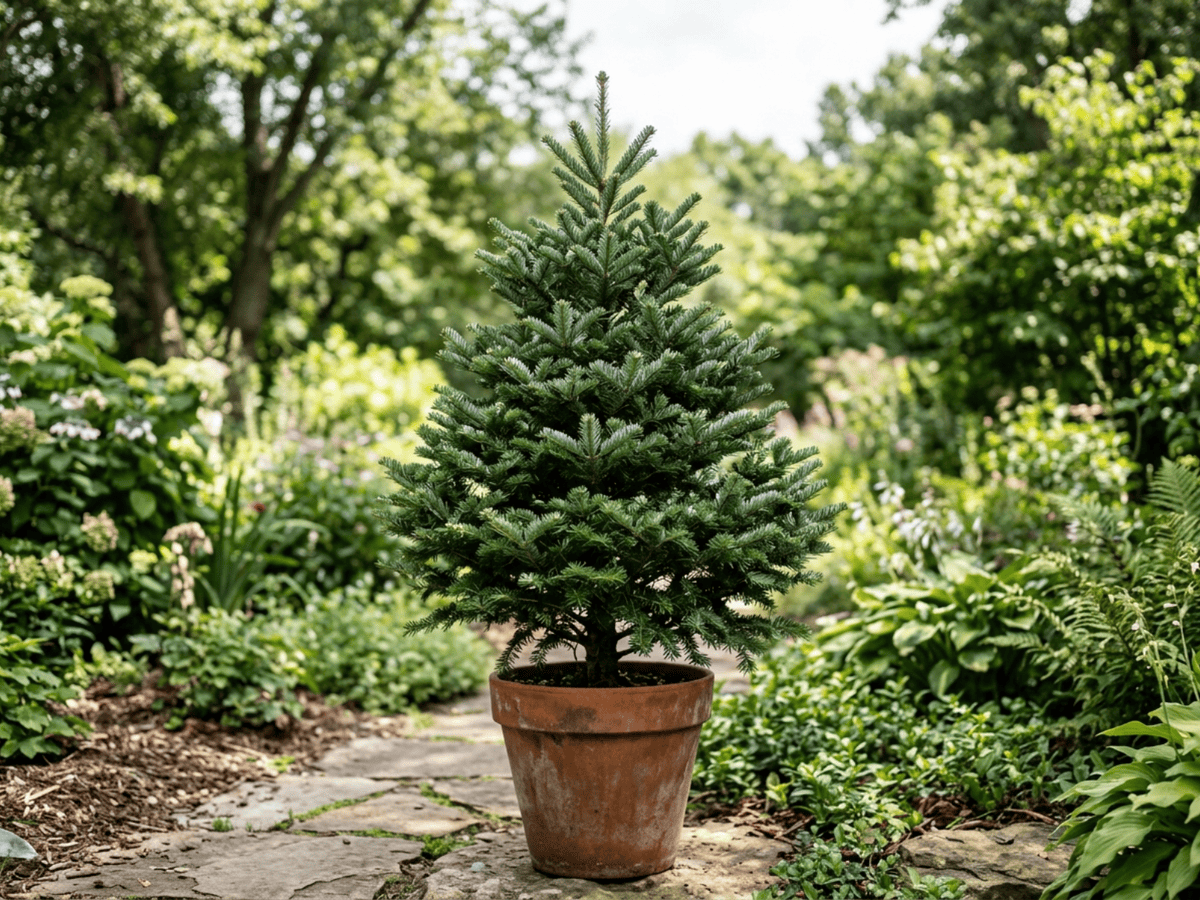 Fraser FirAbies fraseri
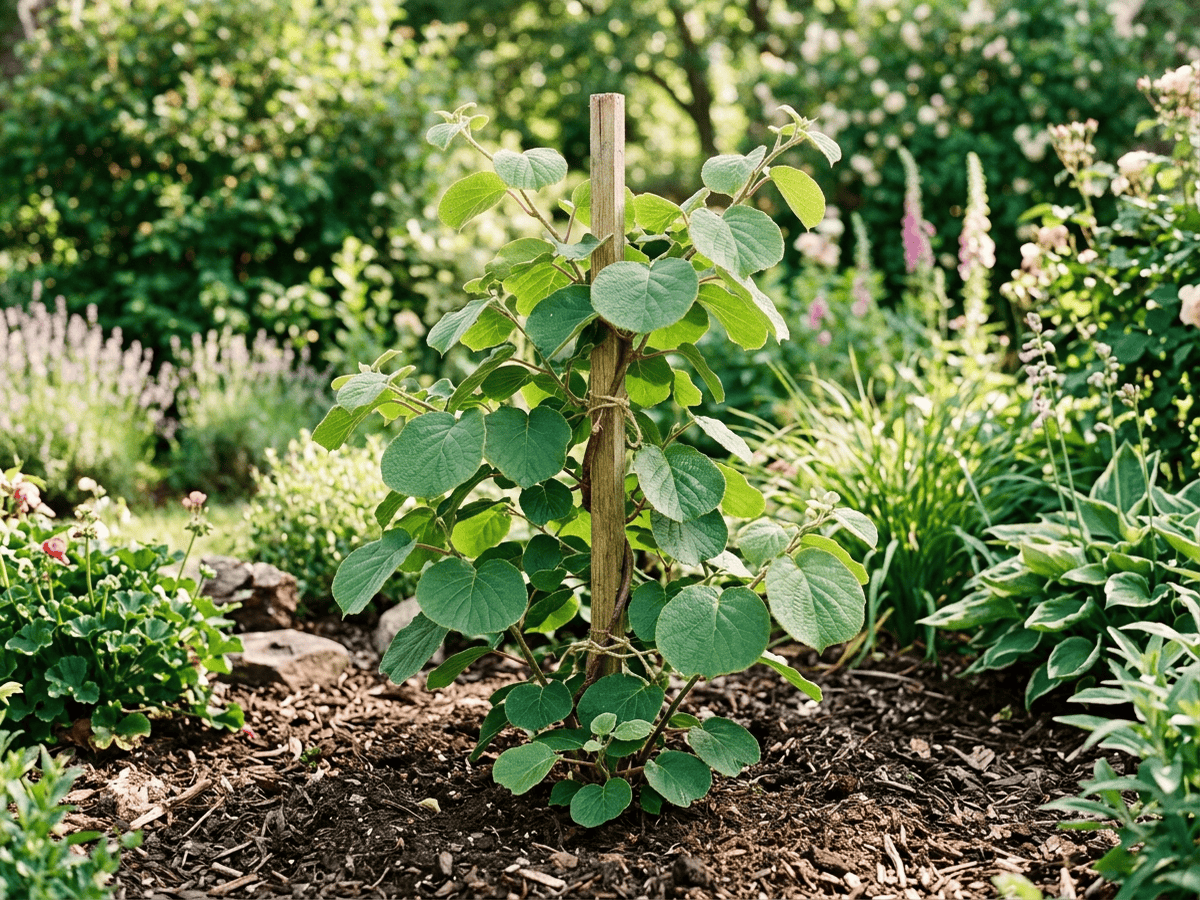 KiwifruitActinidia deliciosa
 KolomictaActinidia kolomikta
Frequently asked questions
How often should I water Sugar Maple?
In summer, water about every 5 days; in winter, about every 30 days. Adjust for heat, pot size and drainage.
How much light does Sugar Maple need?
Full sun: 6+ hrs direct. Watch the leaves — scorching or stretching means the light needs adjusting.
Is Sugar Maple toxic to cats or dogs?
Pets Safe (Dogs Safe · Cats Safe) Educational information, not medical or veterinary advice. If exposure is suspected, contact a doctor or veterinarian.
Is Sugar Maple easy to grow?
It is moderately demanding: a good choice once you have a little experience.
YardMate
Identify any plant in seconds
Snap a photo — YardMate names the plant, diagnoses problems, and reminds you when to water.
Download on the App Store