 YardMate
Lipstick Plant
Aeschynanthus longicaulis
Hard · Experienced growersAbout Lipstick Plant
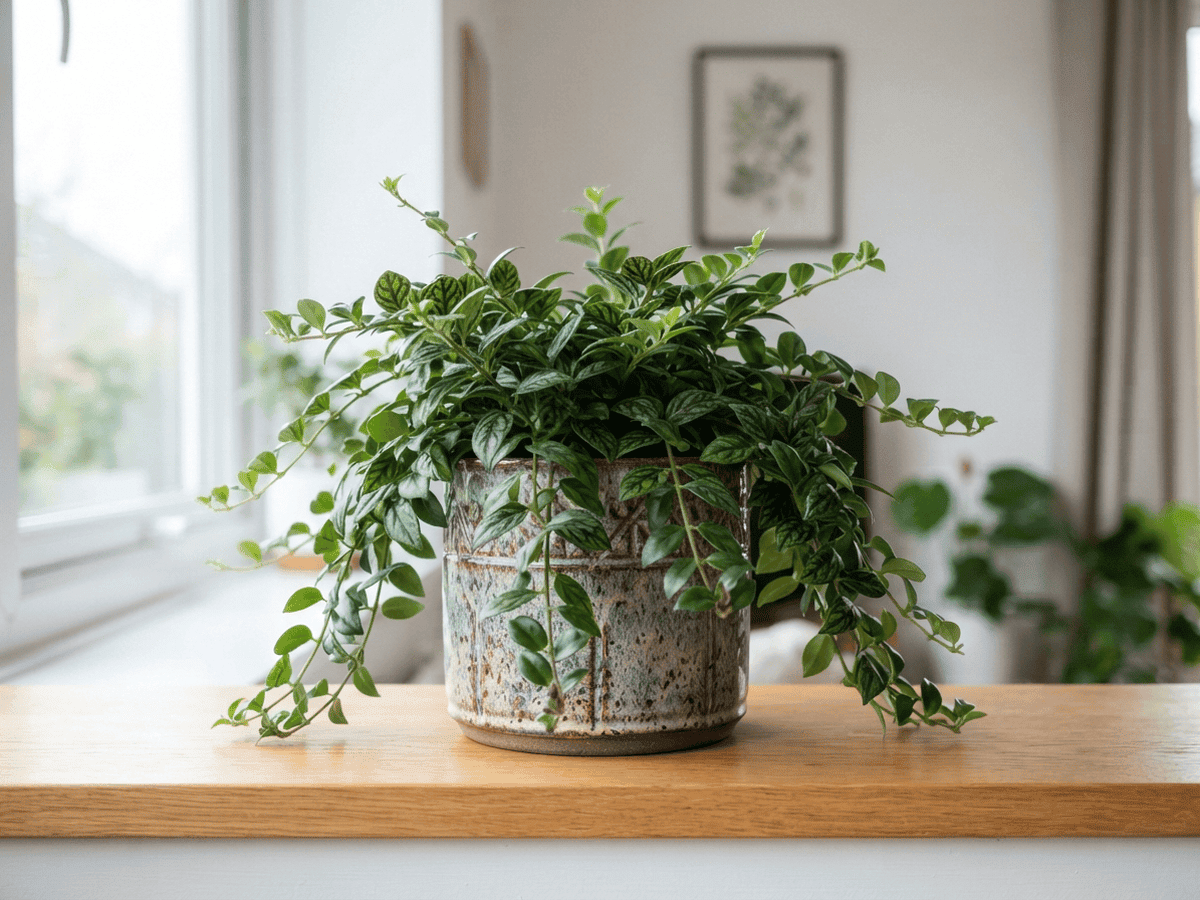
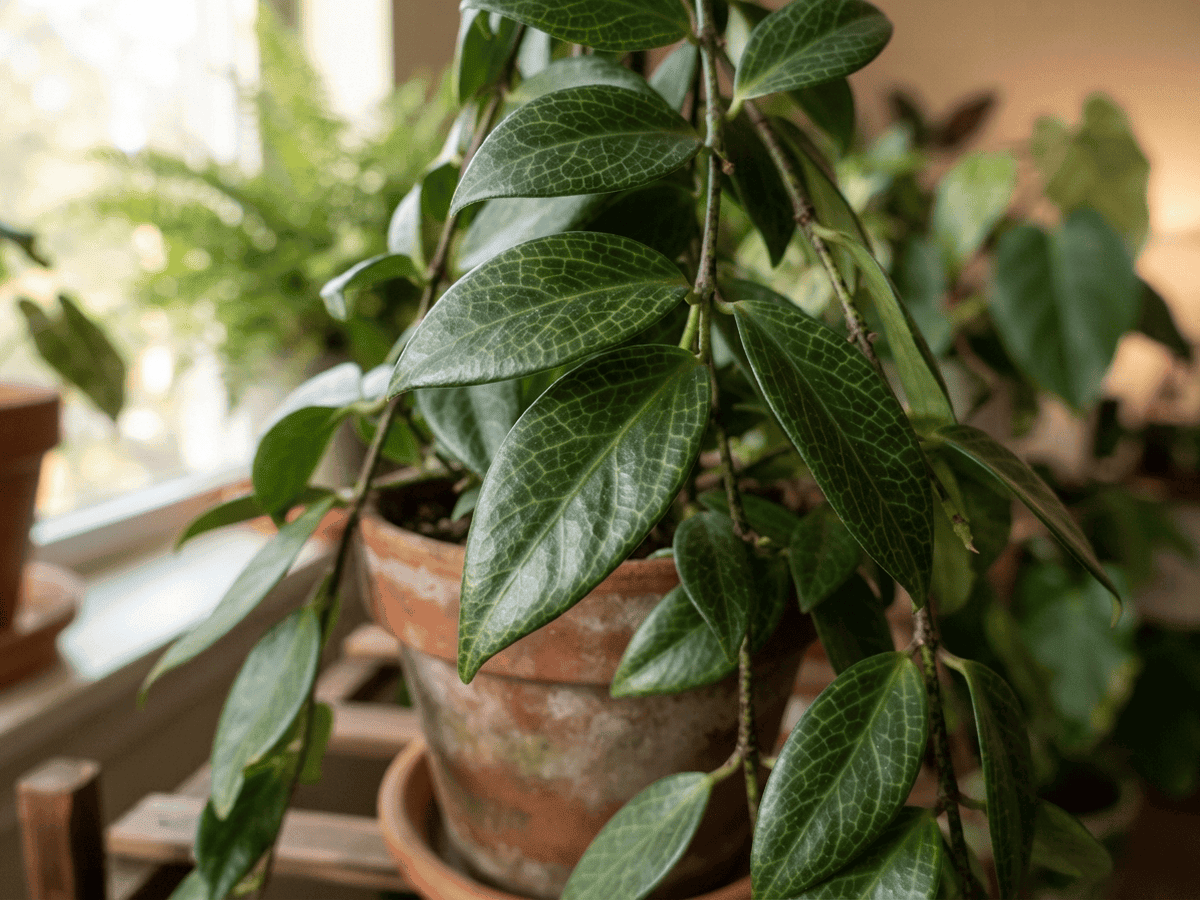
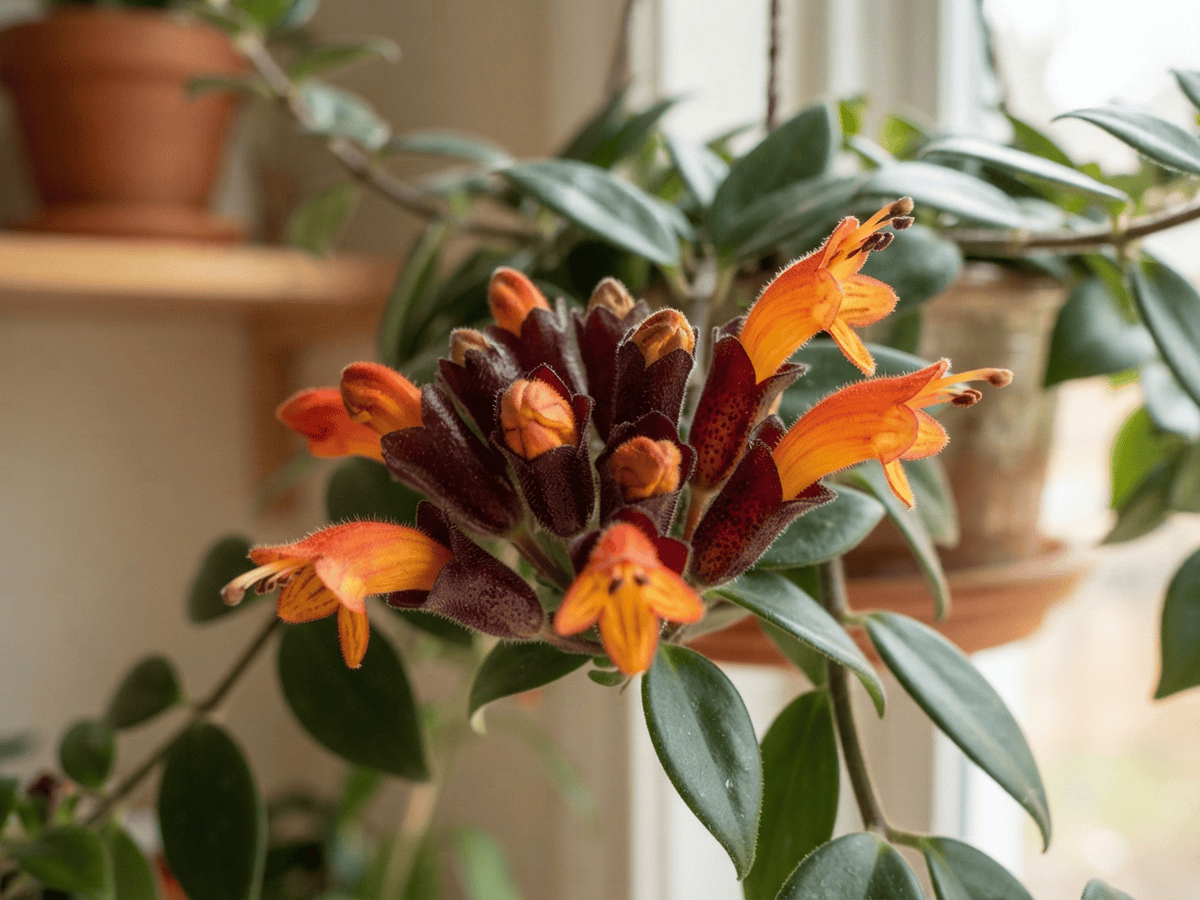
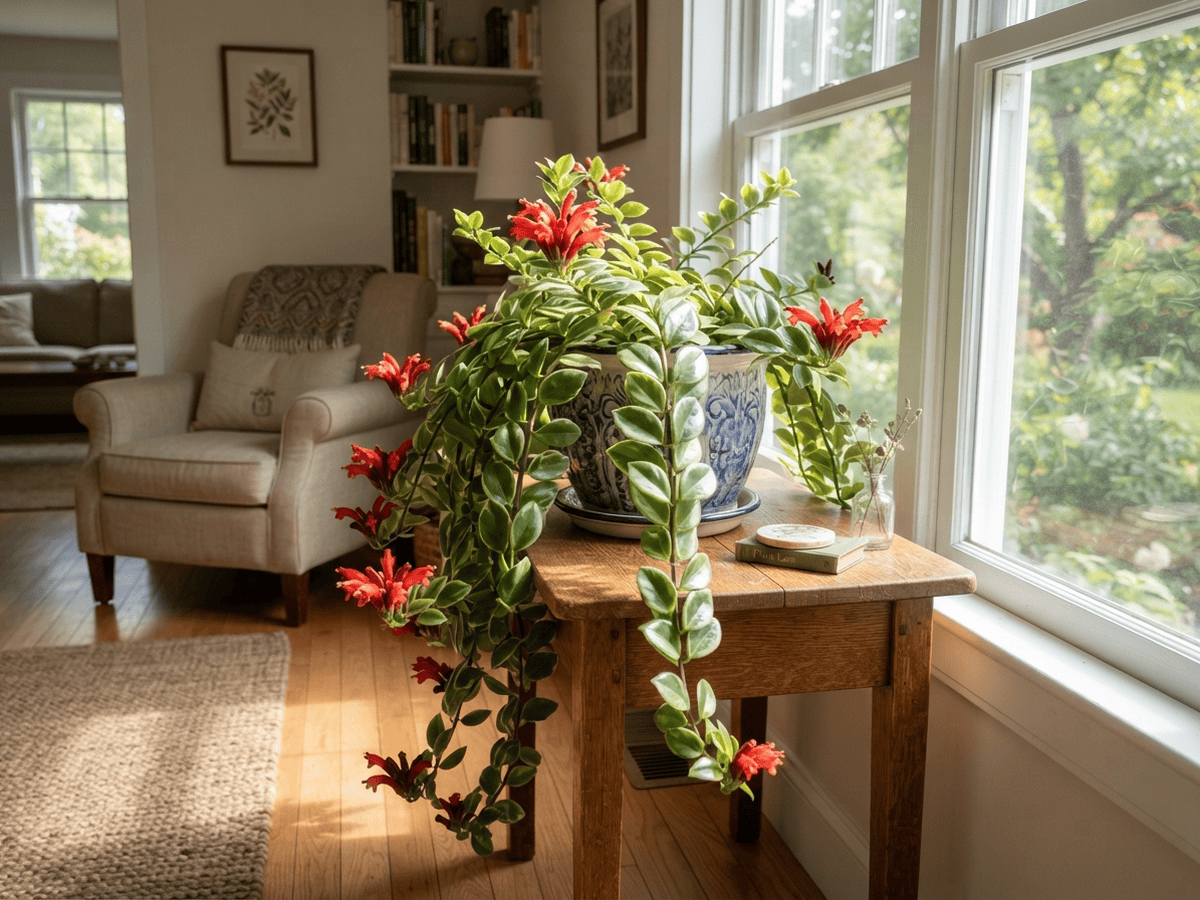
The Lipstick Plant is a trailing epiphyte with long, fleshy stems draped in glossy, dark green leaves, from which tubular red-orange flowers emerge, each one pushed out of a near-black, waxy calyx like a tube of lipstick sliding from its case. Native to the humid rainforests of Southeast Asia, it grows naturally on tree branches and mossy trunks, drawing moisture and nutrients from the air and decaying bark rather than soil. In cultivation it thrives in bright, indirect light and high humidity, making it well suited to hanging baskets on a porch or a humid bathroom, where its cascading stems and periodic bursts of bright blooms put on a long-running show.
- Evergreen
- Shade-tolerant
- Spreading
- Container-friendly
How to care for Lipstick Plant
Watering
- Springevery 14 days
- Summerevery 7 days
- Fallpause watering
- Winterpause watering
Soil · Well-draining
- Top dressingPine bark mulch10%
- Main mixPotting soil + perlite 2:170%
- DrainageLECA / gravel20%
Never skip the drainage layer — standing water is the top cause of root rot.
FERTILIZER
Bloom Booster 10-52-10
A phosphorus-forward feed fuels abundant blooms, with just enough nitrogen and potassium to keep foliage and roots steady.
- Nitrogen · Leaves
- Phosphorus · Roots + Blooms
- Potassium · Strength
- Springevery 30 days
- Summerevery 30 days
At a Glance
- NativeSoutheast Asia
- Height1–3 ft (0.3–0.9 m)
- Spread1–3 ft (0.3–0.9 m)
- Foliage colorGreen
- SoilWell-drained, Moist
- LocationsIndoor · Patio
Toxicity
No toxicity has been reported for this plant. Still, it is wise to keep pets from chewing on any houseplant.
Educational information, not medical or veterinary advice. If exposure is suspected, contact a doctor or veterinarian.
DISTRIBUTION


- Native
- Southeast Asia
History
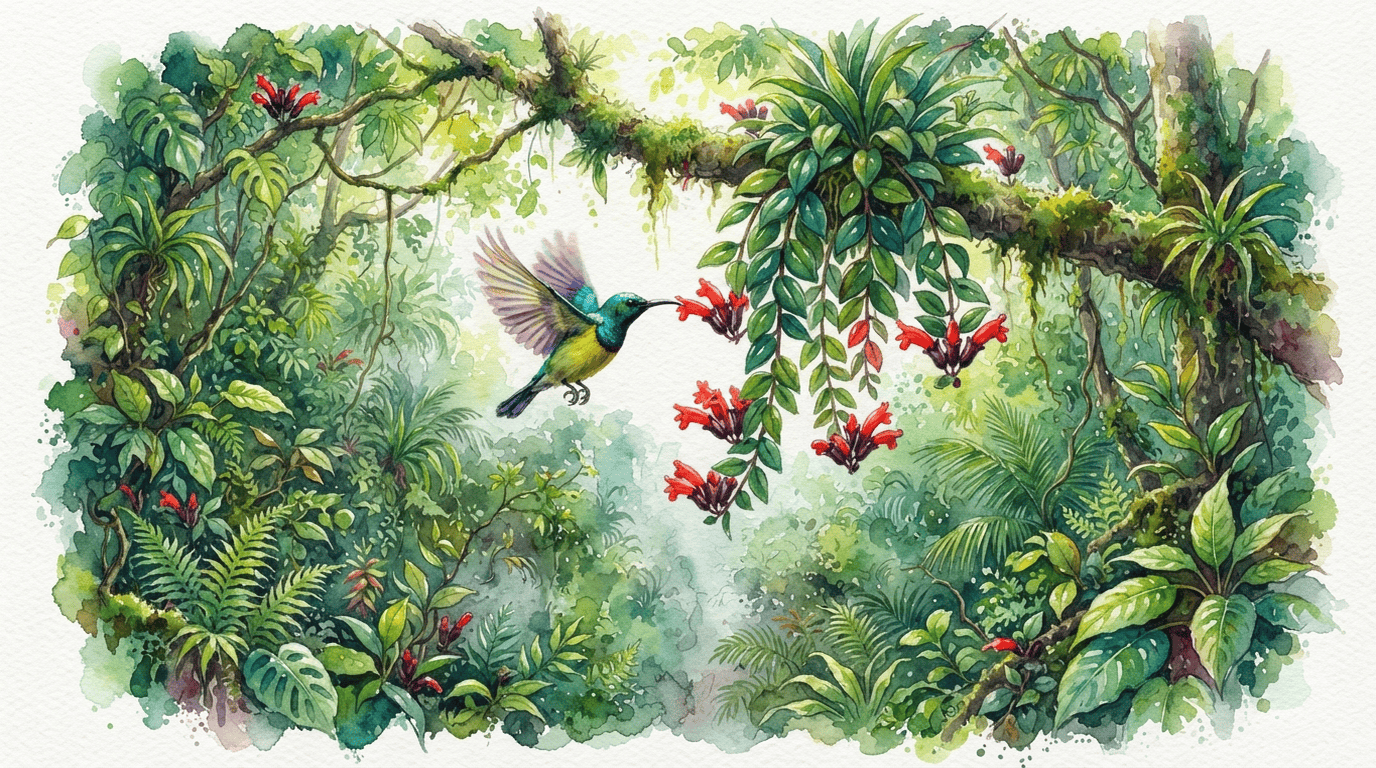
High in the rainforest canopy of Southeast Asia, this plant lives an unusual kind of life: rooted not in soil but wedged into crevices of tree bark and clumps of moss, an epiphyte drawing moisture from humid air and decaying leaf litter far above the forest floor. It belongs to Gesneriaceae, the same family as the African violet, and shares that family's knack for producing brightly colored, tubular flowers from unassuming foliage. When European plant hunters began bringing tropical epiphytes back from Southeast Asia and other rainforest regions during the nineteenth century, gardeners with heated glasshouses, known as stove houses, eagerly took them up alongside orchids and ferns, prizing plants that could be hung in baskets to trail and bloom overhead. Aeschynanthus species, with their cascading stems and vivid red flowers pushed from dark, waxy calyxes, found a natural home in that display style. The trailing habit and the flower's resemblance to a tube of lipstick emerging from its case eventually gave the group its enduring common name, one that has followed it from Victorian conservatories into the hanging baskets of modern homes. This particular species, distinguished by its long stems, still grows as it always has in the wild: clinging to a host tree, dangling into open air, waiting for the humid rush of the wet season to trigger another flush of tubular blooms.
Symbolism & meaning
What It Symbolizes
The Lipstick Plant's flowers make their entrance dramatically, pushing out of a near-black calyx in a flash of red the way a tube of lipstick slides from its case. That vivid contrast, dark case against bold color, has made the plant an emblem of boldness and confident self-expression, a small, unapologetic flourish of color from a plant that otherwise blends quietly into its foliage.
- Boldness — Its vivid red flowers, sliding out from a dark calyx like a tube of lipstick, have made the plant a symbol of boldness and vivid self-expression.
Where the Name Comes From
The genus name Aeschynanthus comes from the Greek aischyne, meaning shame or blush, and anthos, meaning flower, a nod to the flushed red color of its blossoms, as if blushing. The species name longicaulis is Latin for long-stemmed, describing the trailing stems that can cascade several feet from a hanging pot.
Uses & Fun Facts
- Grown in hanging baskets for its trailing stems and tubular red flowers.
- Its nectar-rich tubular flowers attract sunbirds in its native rainforest range.
Related plants
Plants with similar care
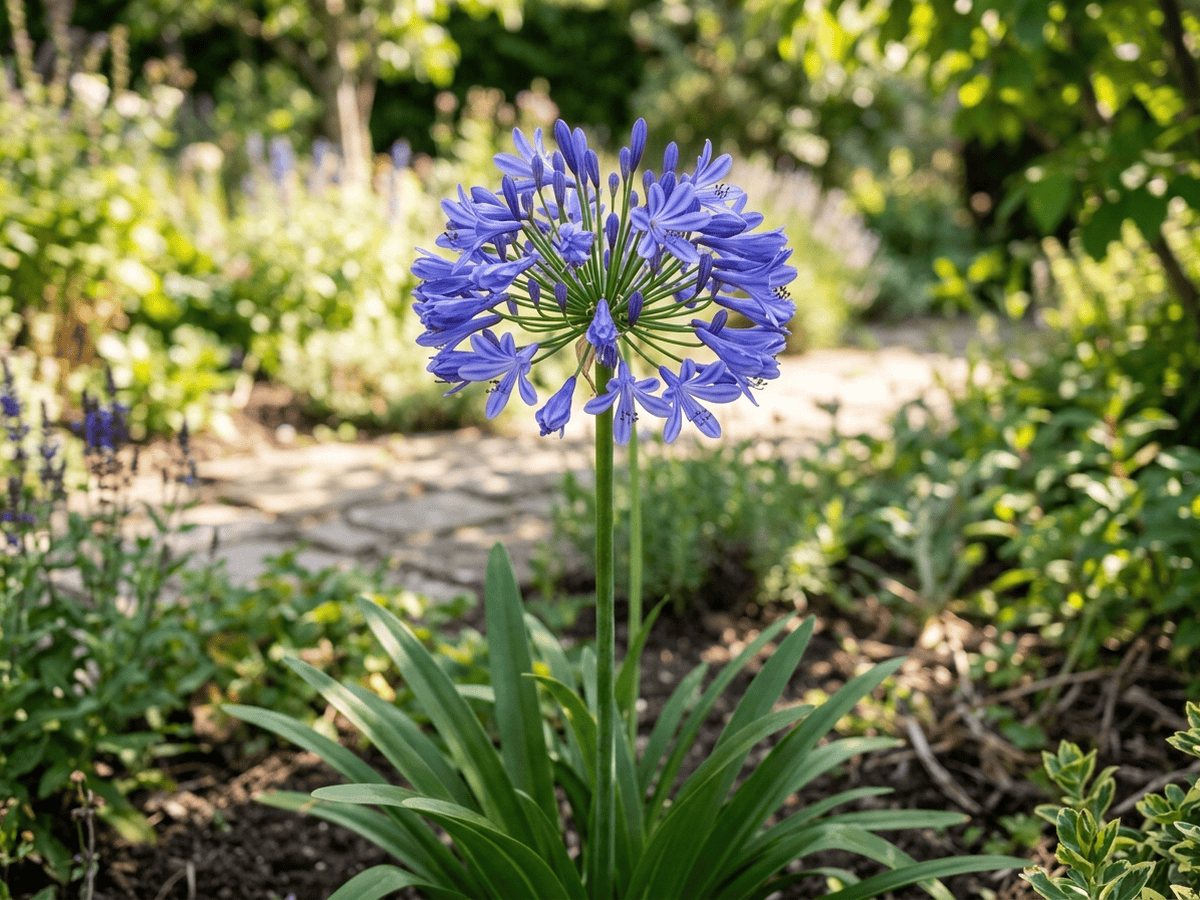 Common AgapanthusAgapanthus praecox
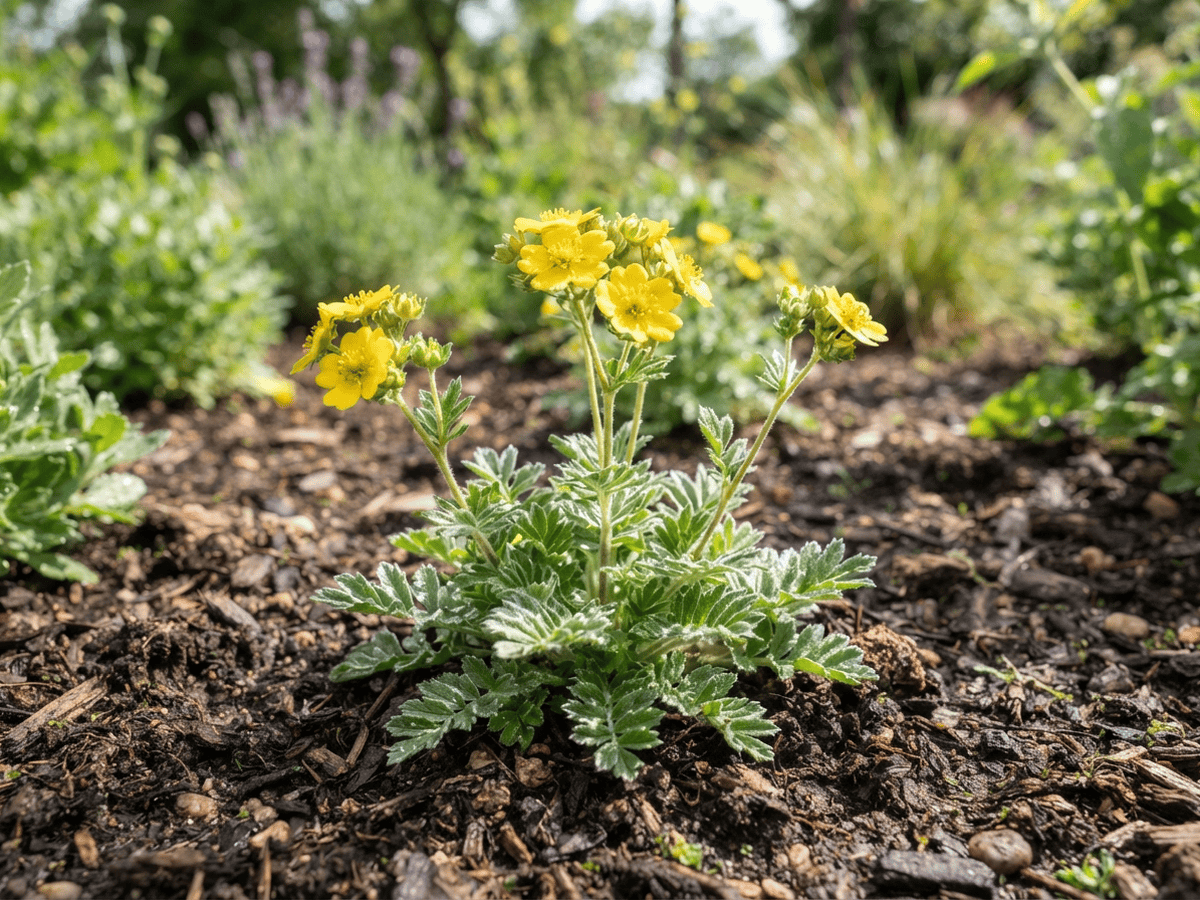 SilverweedArgentina anserina
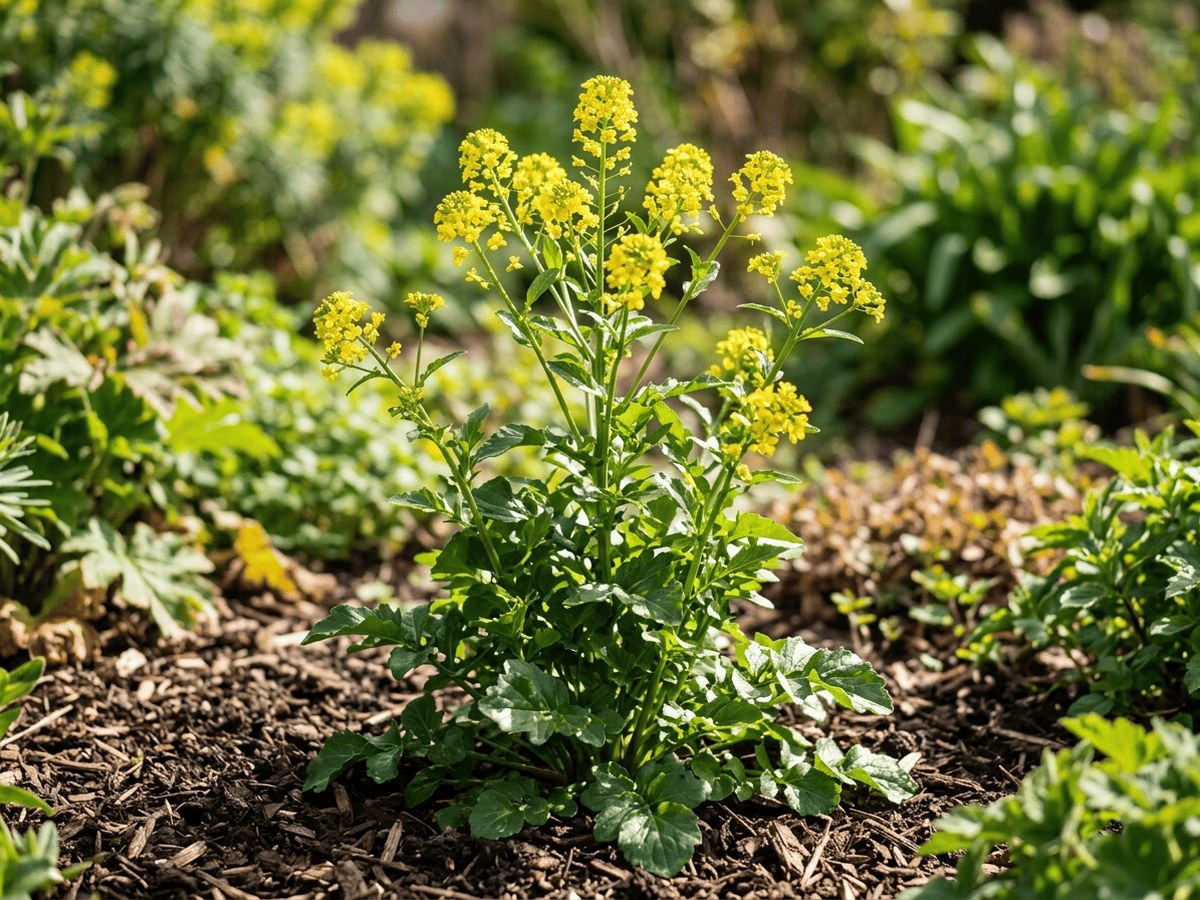 Land CressBarbarea verna
 Lanceleaf ChroesthesChroesthes lanceolata
Frequently asked questions
How often should I water Lipstick Plant?
Water about every 14 days during the growing season, and always let excess water drain away.
How much light does Lipstick Plant need?
Part sun: 4–6 hrs direct. Watch the leaves — scorching or stretching means the light needs adjusting.
Is Lipstick Plant toxic to cats or dogs?
No toxicity has been reported for this plant. Still, it is wise to keep pets from chewing on any houseplant. Educational information, not medical or veterinary advice. If exposure is suspected, contact a doctor or veterinarian.
Is Lipstick Plant easy to grow?
It is considered challenging and rewards experienced growers.
Can Lipstick Plant be grown indoors?
Yes, it adapts well to indoor growing given the right light.
YardMate
Identify any plant in seconds
Snap a photo — YardMate names the plant, diagnoses problems, and reminds you when to water.
Download on the App Store