 YardMate
Land Cress
Barbarea verna
Hard · Experienced growersAbout Land Cress
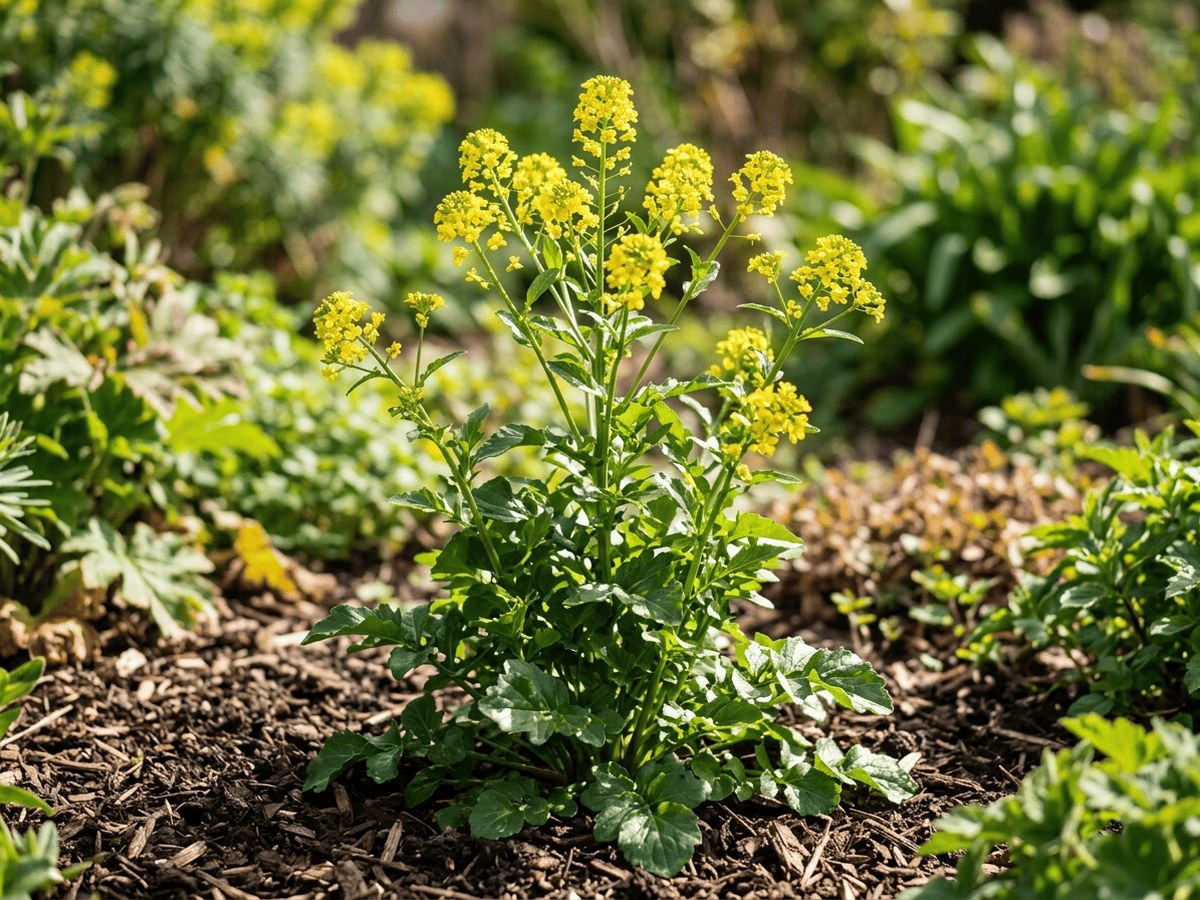
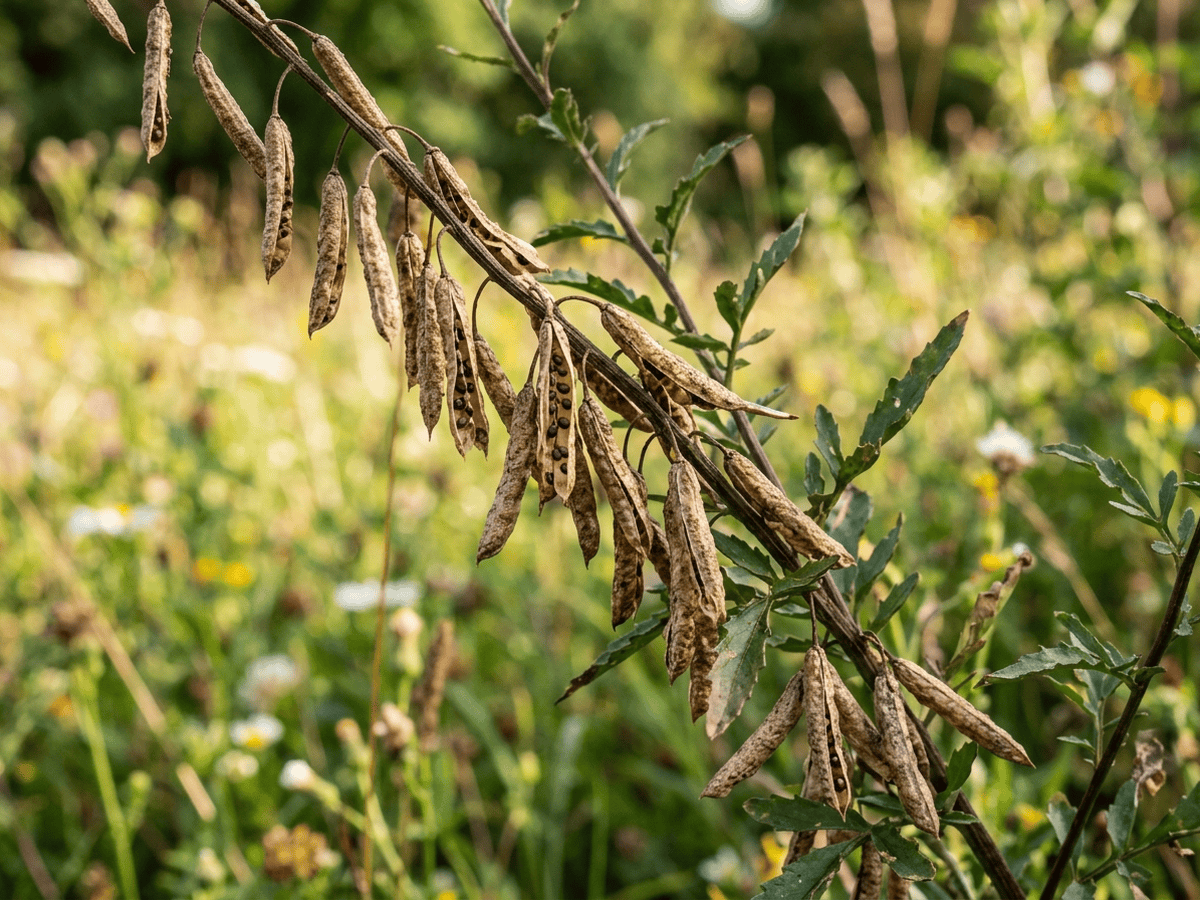
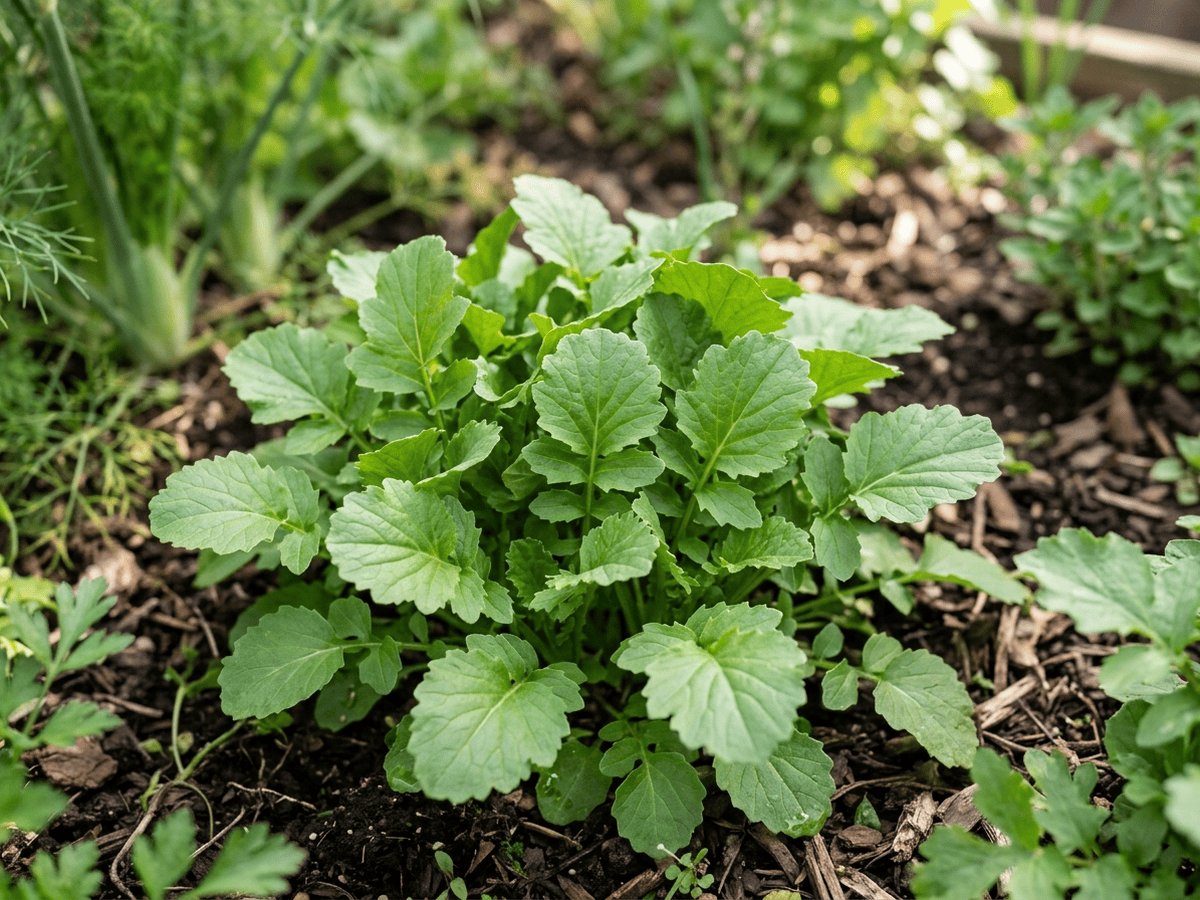
Land cress is a low, hardy biennial in the mustard family, grown for peppery, watercress-like leaves that stay green and edible through winter frosts. Native to Europe and western Asia, it forms a rosette of deeply lobed leaves before sending up stalks of small, four-petaled yellow flowers in spring. Unlike true watercress, it thrives in ordinary garden soil rather than running water, making it an easy substitute for gardeners wanting fresh, spicy salad greens through the cold months. Its narrow seed pods ripen upright by early summer, and regular picking of the outer leaves keeps the rosette producing for months.
- Edible
- Cold-hardy
- Fast-growing
- Container-friendly
How to care for Land Cress
Watering
- Springevery 15 days
- Summerevery 10 days
- Fallpause watering
- Winterpause watering
Soil · Rich & well-draining
- Top dressingCompost10%
- Main mixPotting soil + compost 3:180%
- DrainageGravel10%
Top up the compost layer each season.
FERTILIZER
Foliage Feed 24-8-16
Nitrogen leads so the plant spends its energy on dense green growth. Phosphorus and potassium follow just far enough to keep roots and stems up to speed.
- Nitrogen · Leaves
- Phosphorus · Roots + Blooms
- Potassium · Strength
- Springevery 30 days
- Summerevery 30 days
At a Glance
- NativeEurope, Asia
- Height0.5–1 ft (0.2–0.3 m)
- Spread1–2 ft (0.3–0.6 m)
- Flower colorYellow
- Foliage colorGreen
- Fruit colorGreen, Brown
- SoilWell-drained, Moist
- LocationsYard · Patio
Bloom time
BLOOM CYCLE
Peak bloom
Apr–Jun
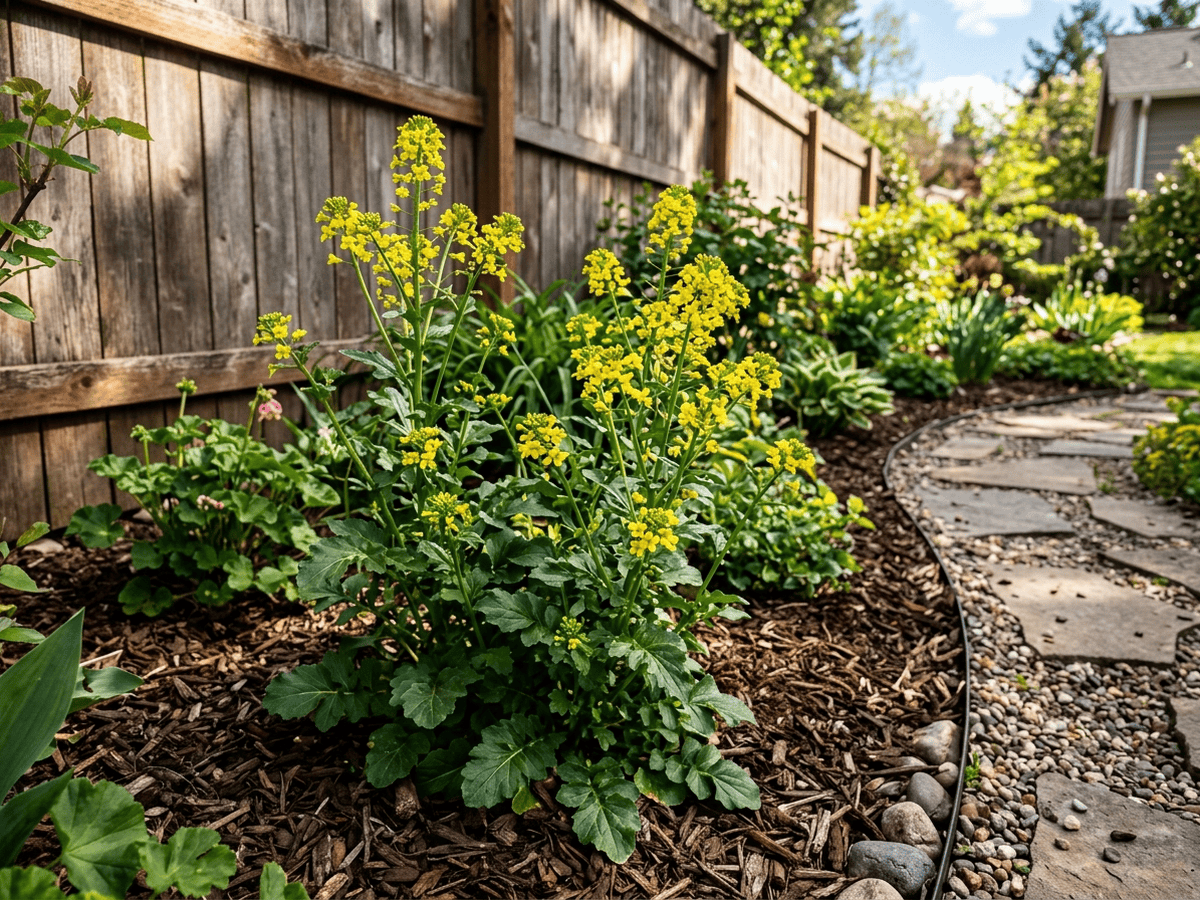
This plant blooms in spring, providing beautiful yellow flowers.
Fragrance
LIGHT FRAGRANCE
Leaves release a peppery, mustard-like aroma when crushed or cut.
Toxicity
No toxicity has been reported for this plant. Still, it is wise to keep pets from chewing on any houseplant.
Educational information, not medical or veterinary advice. If exposure is suspected, contact a doctor or veterinarian.
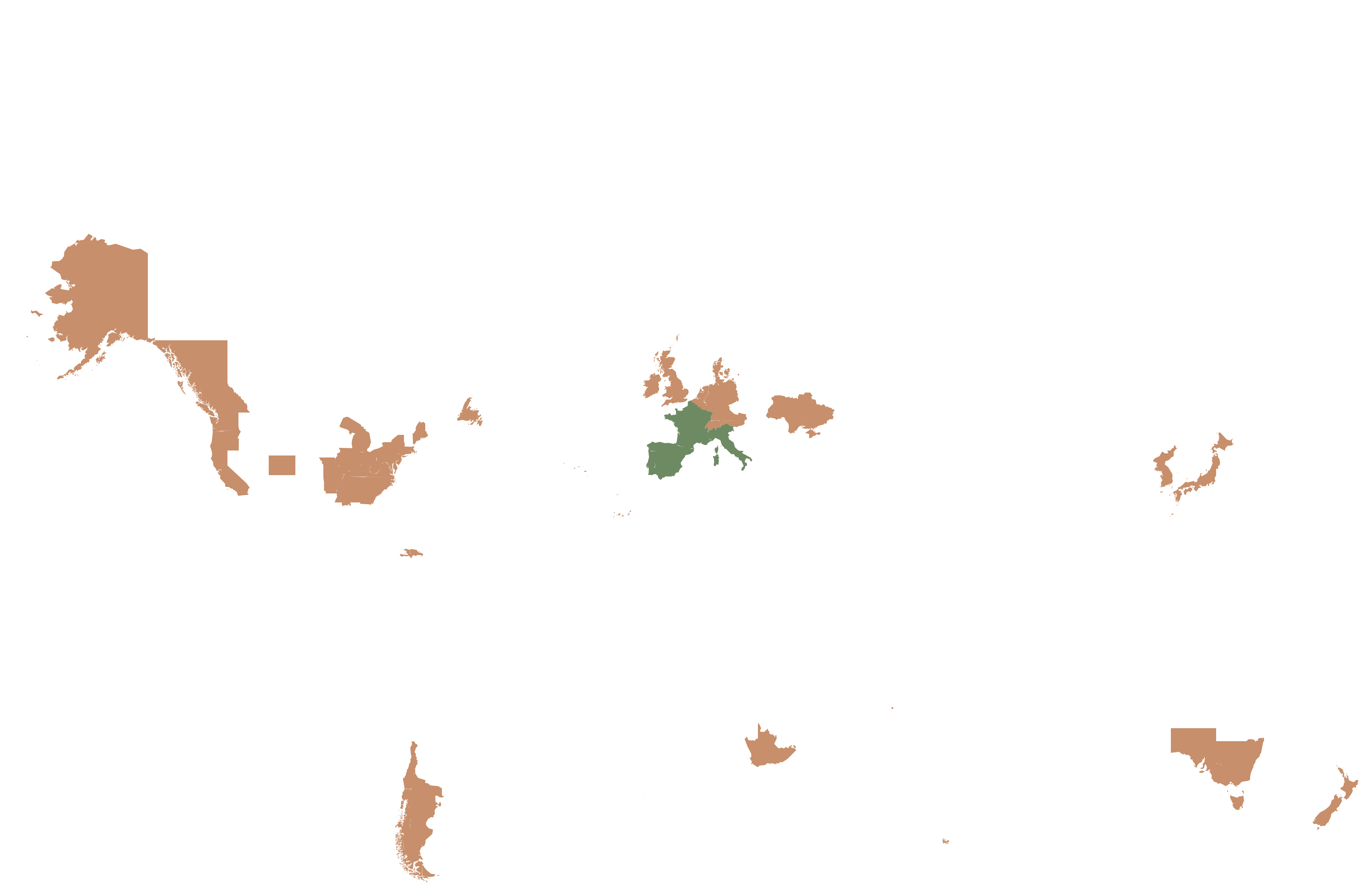
DISTRIBUTION

- Native
- Introduced
- Europe
- Asia
History
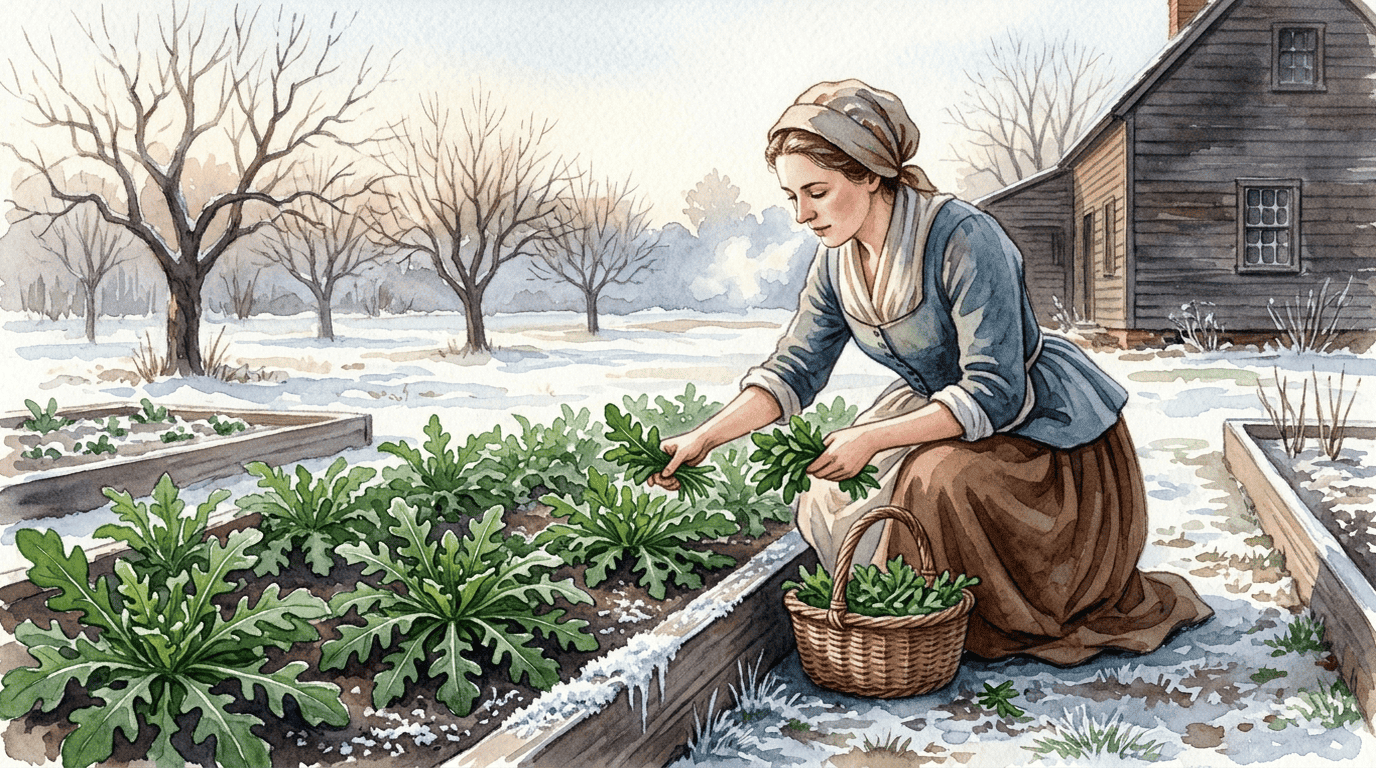
Land cress owes its genus name, Barbarea, to Saint Barbara, a patron saint invoked against sudden misfortune and long associated with the depths of winter: in old European herbal tradition, the plant stayed green and pickable around her December feast day, when almost nothing else in the garden did, and it was gathered as a wound-healing herb under the old name herba Sanctae Barbarae. That same hardiness against cold proved valuable for a very different reason centuries later. Long before greenhouses or imported winter produce, land cress was prized as one of the few leafy greens that could be harvested fresh from an open garden bed in the depths of winter and early spring, when diets grown heavy on preserved and salted food left households short on fresh vitamins. European settlers carried its seed to North America, where it took root in colonial kitchen gardens as a substitute for watercress, needing only ordinary damp soil instead of a running stream. Its alternate common name, American cress, dates from this period, when it became a familiar sight in home vegetable plots up and down the Eastern seaboard, valued less for elegance than for the simple, reliable fact that it kept producing a peppery, vitamin-rich green when almost nothing else would grow.
Symbolism & meaning
What It Symbolizes
Land cress's link to Saint Barbara, patron saint invoked for protection against sudden danger, gave it a quiet symbolic charge in old herbal tradition: a green that survived when the garden year seemed at its end became, by association, a small emblem of endurance and watchfulness through hardship. Later, in colonial kitchen gardens far from that European tradition, it kept a similar meaning in more practical terms, standing for the resourcefulness of a household that could still find something fresh and nourishing on the table in the leanest part of winter.
- Endurance — Its ability to stay green and edible through frost and snow made it a symbol of quiet endurance in cold-climate garden traditions.
- Protection — Named for Saint Barbara, patron against sudden misfortune, the plant carried old associations with protection and care through hardship.
Where the Name Comes From
The genus name Barbarea honors Saint Barbara, since the plant traditionally stayed green enough to gather around her December feast day; the species name verna is Latin for 'of spring', referring to its early spring flowering.
Uses & Fun Facts
- Peppery, watercress-like leaves harvested for salads and cooking
- Traditionally valued as an early wound-healing, vitamin-rich winter green
- Spring flowers provide early-season nectar for pollinators
Related plants
Plants with similar care
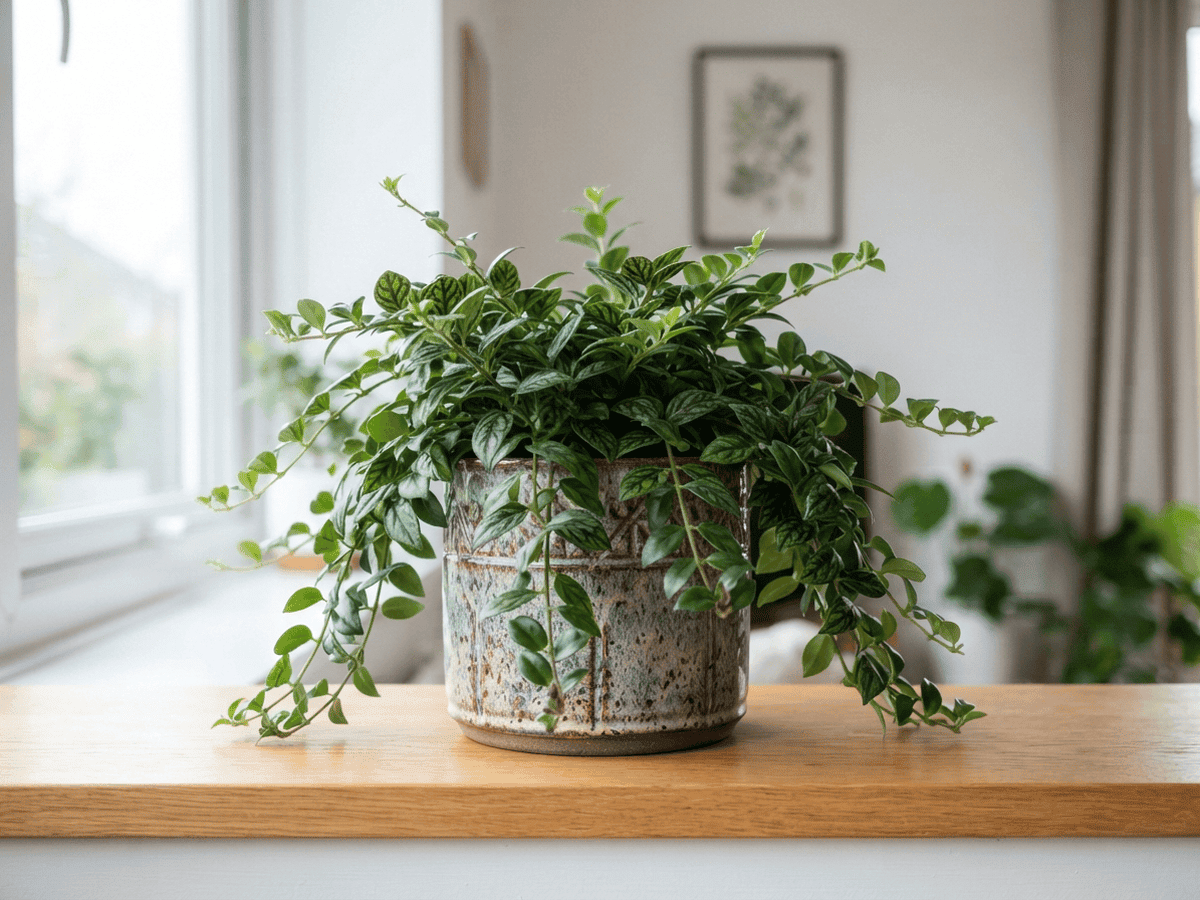 Lipstick PlantAeschynanthus longicaulis
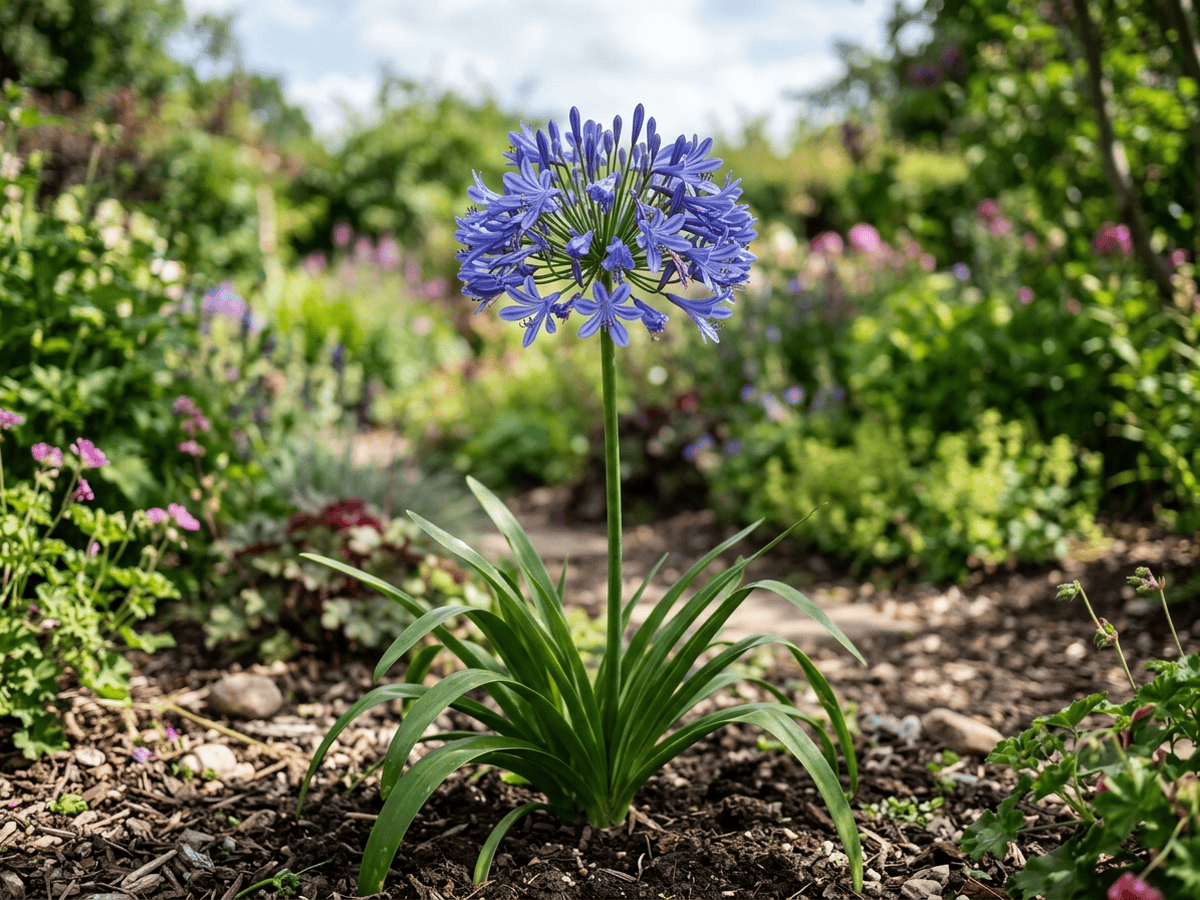 African LilyAgapanthus africanus
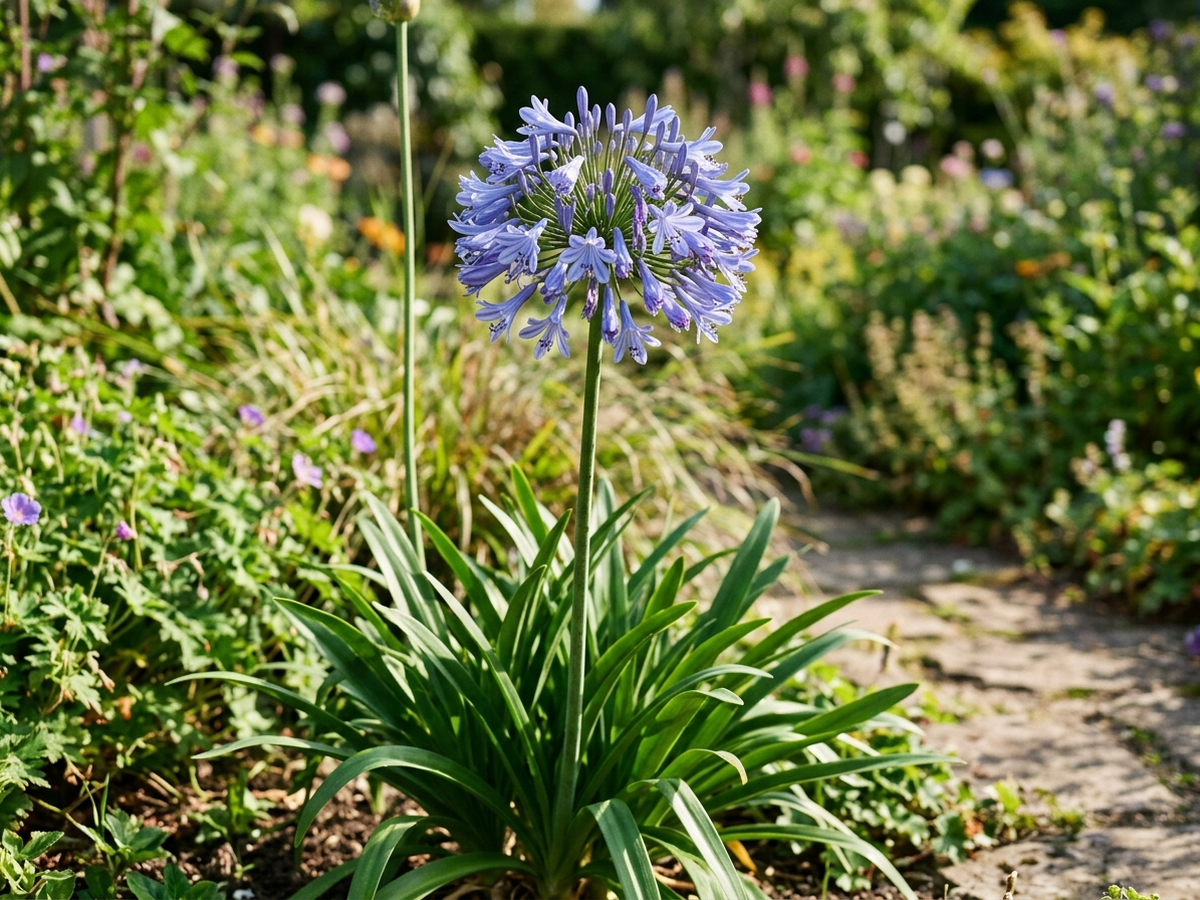 Bell AgapanthusAgapanthus campanulatus
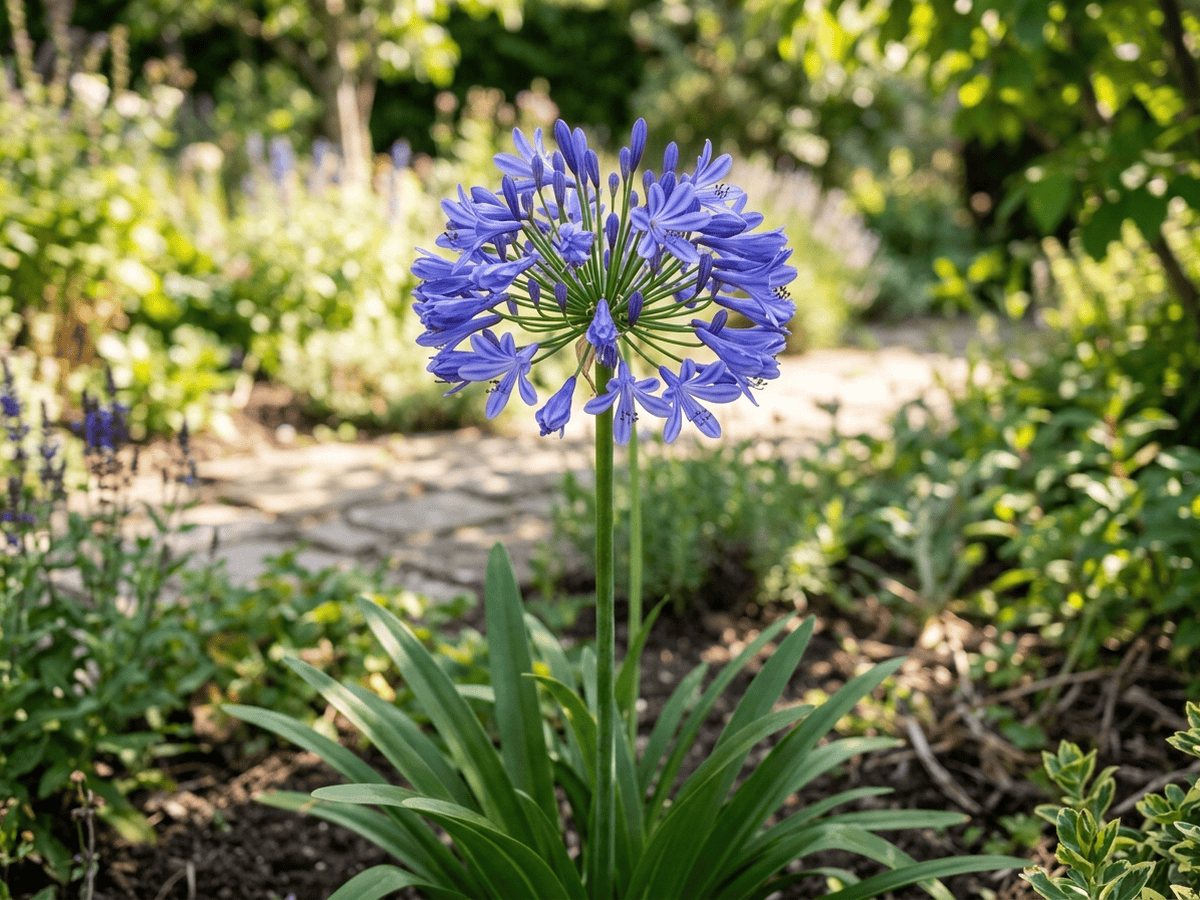 Common AgapanthusAgapanthus praecox
Frequently asked questions
How often should I water Land Cress?
Water about every 15 days during the growing season, and always let excess water drain away.
How much light does Land Cress need?
Part sun: 4–6 hrs direct. Watch the leaves — scorching or stretching means the light needs adjusting.
Is Land Cress toxic to cats or dogs?
No toxicity has been reported for this plant. Still, it is wise to keep pets from chewing on any houseplant. Educational information, not medical or veterinary advice. If exposure is suspected, contact a doctor or veterinarian.
Is Land Cress easy to grow?
It is considered challenging and rewards experienced growers.
When does Land Cress bloom?
It typically blooms Apr–Jun in the Northern Hemisphere.
YardMate
Identify any plant in seconds
Snap a photo — YardMate names the plant, diagnoses problems, and reminds you when to water.
Download on the App Store