 YardMate
Common Agapanthus
Agapanthus praecox
Hard · Experienced growersAbout Common Agapanthus
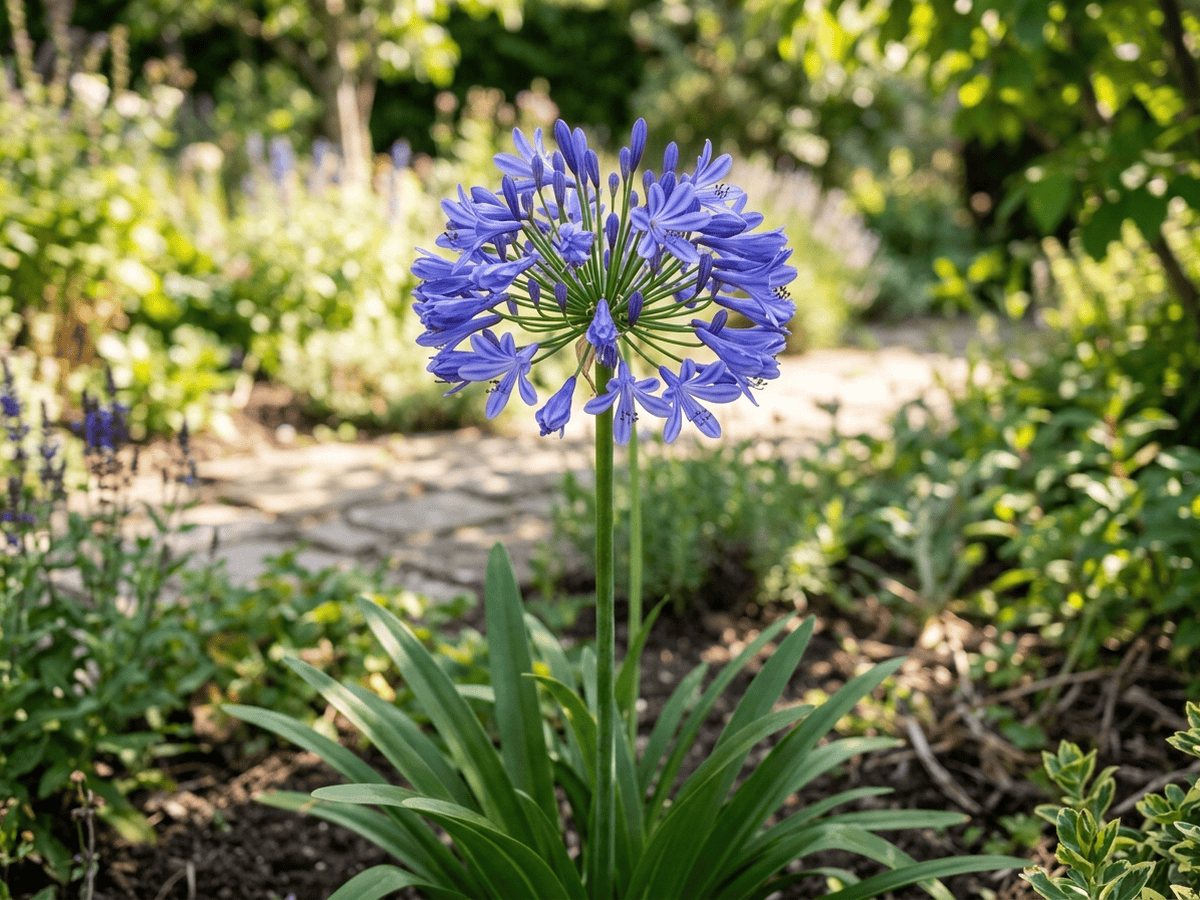
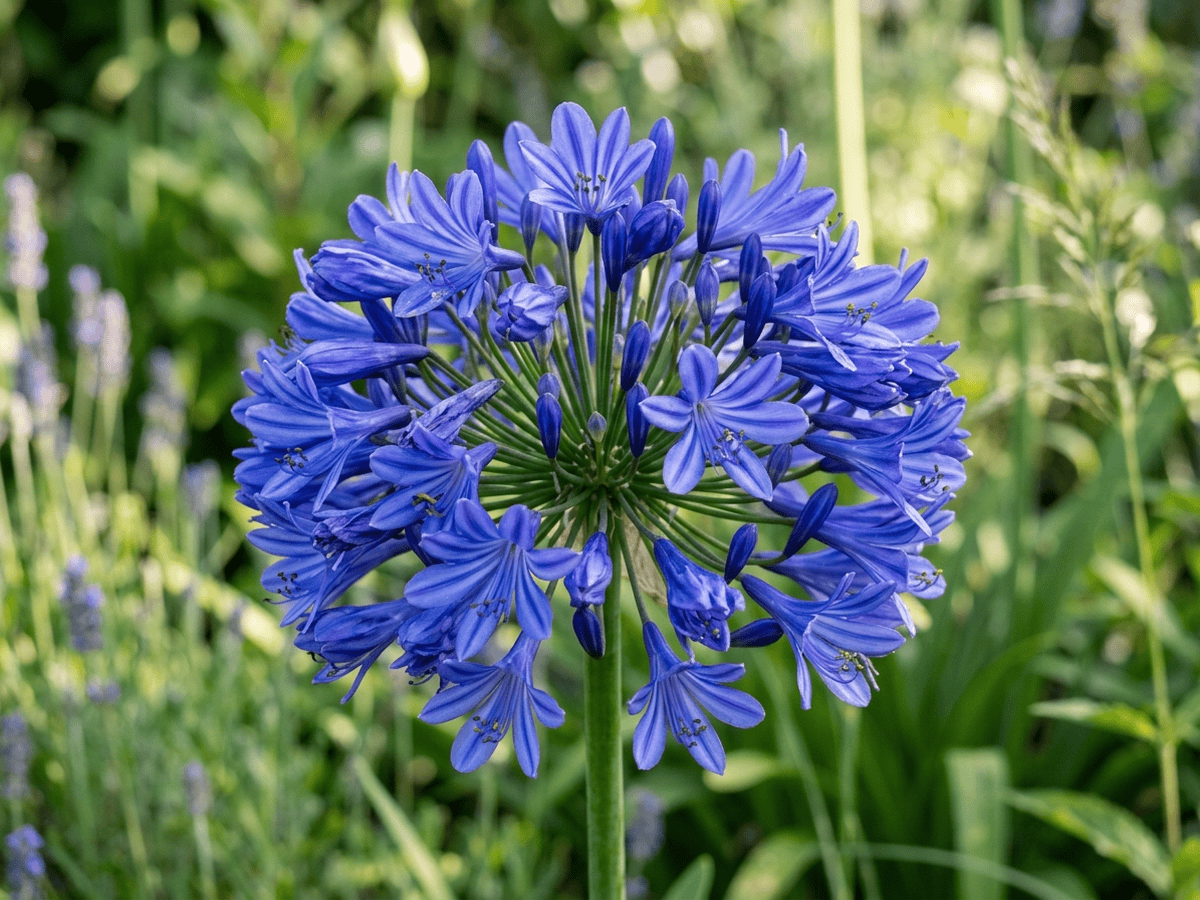
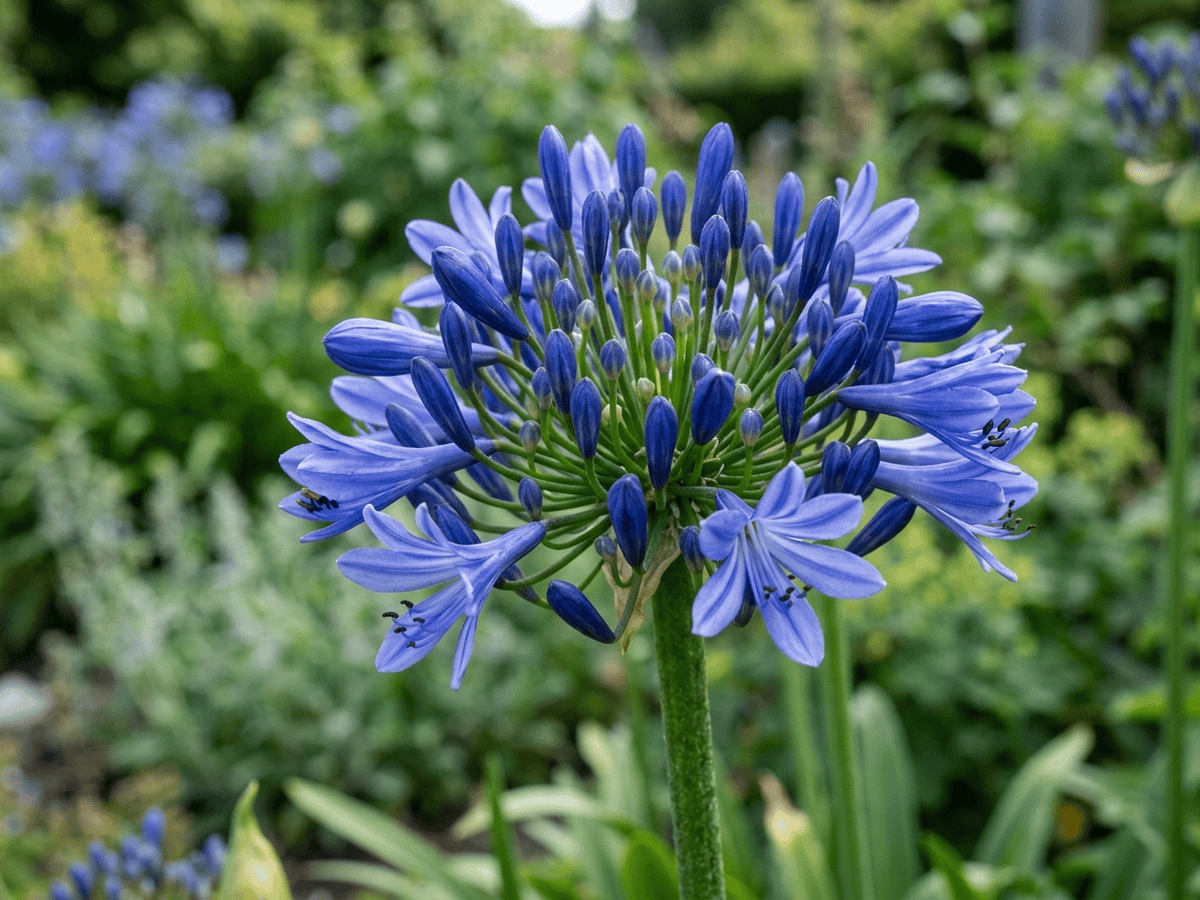
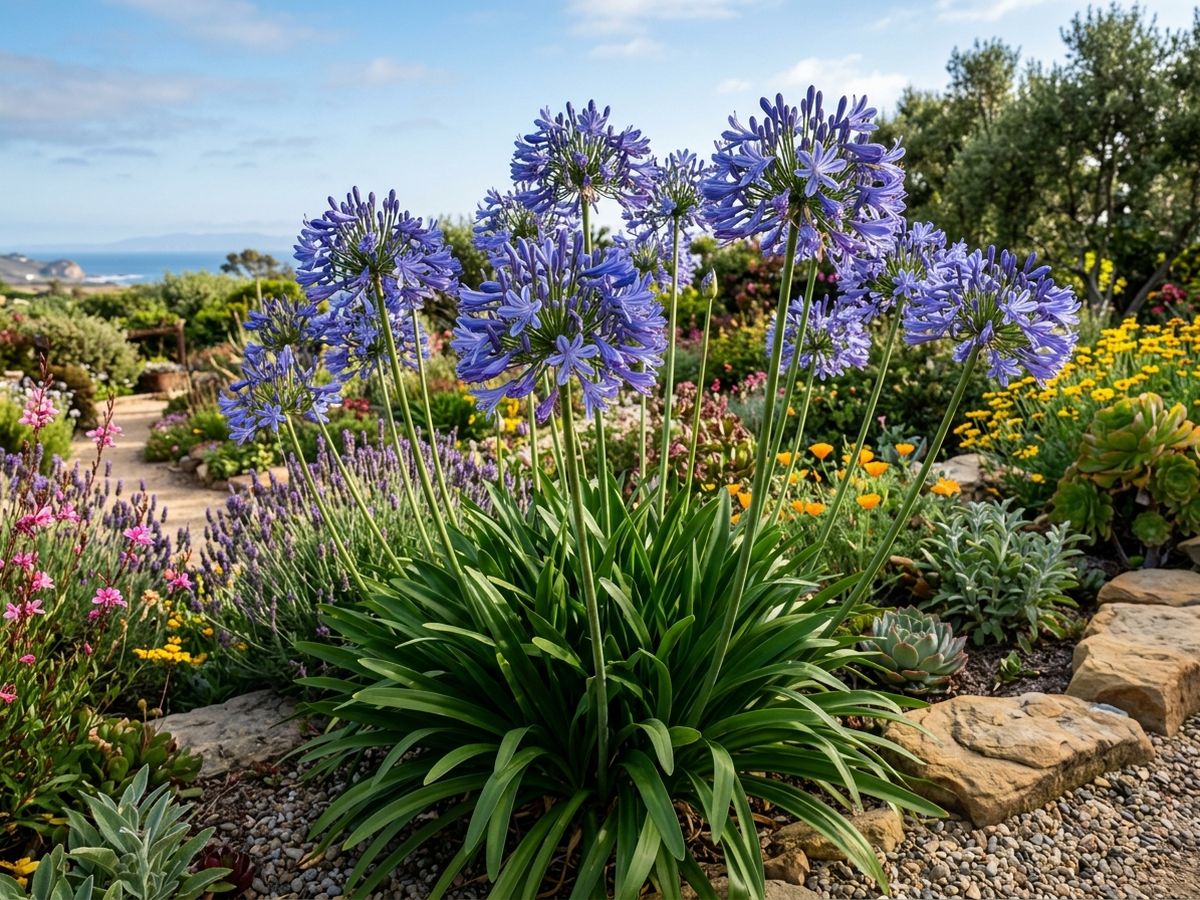
Agapanthus praecox is the most widely cultivated species of agapanthus—the plant most people simply call 'agapanthus' in gardens across the world. Native to the Eastern Cape and KwaZulu-Natal of South Africa, it produces tall scapes topped with large globe-shaped clusters of funnel-shaped flowers in shades from deep violet-blue to pale lavender and white, rising above strap-like evergreen leaves in summer. Hardy to USDA Zone 8 and tolerant of heat, drought, and coastal conditions once established, it has become a defining plant of Mediterranean-climate, Southern California, and coastal gardens. The vast majority of Agapanthus sold in the trade and naturalizing in gardens worldwide belongs to A. praecox, often mislabeled A. africanus. It thrives in containers, makes a long-lasting cut flower, and spreads reliably from clump division.
- Evergreen
- Pollinator-friendly
- Drought-tolerant
- Long-blooming
- Container-friendly
How to care for Common Agapanthus
Watering
- Springevery 10 days
- Summerevery 7 days
- Fallevery 20 days
- Winterevery 30 days
Soil · Well-draining
- Main mixLoam + coarse sand 3:175%
- DrainageGravel25%
Sharp drainage matters most — bulbs rot in wet soil while dormant.
FERTILIZER
Bloom Booster 10-52-10
A phosphorus-forward feed fuels abundant blooms, with just enough nitrogen and potassium to keep foliage and roots steady.
- Nitrogen · Leaves
- Phosphorus · Roots + Blooms
- Potassium · Strength
- Springevery 30 days
- Summerevery 30 days
- Fallevery 30 days
At a Glance
- NativeSouth Africa
- Height2–3 ft (0.6–0.9 m)
- Spread2–3 ft (0.6–0.9 m)
- Flower colorBlue, White
- Foliage colorGreen
- Fruit colorBlack
- SoilWell-drained, Loamy
- LocationsYard · Balcony · Indoor
Bloom time
BLOOM CYCLE
Peak bloom
Nov–Jun
Agapanthus praecox typically blooms from late fall to early summer, showcasing attractive blue flowers.
Fragrance
NO FRAGRANCE
Flowers have no significant fragrance.
Toxicity
Humans Slight
sapogenins and agapanthus saponins
Slight
- All
- Ingestion
- Contact
EXPOSURE Eating any part of the plant. Touching any part of the plant.
EFFECT Skin irritation, nausea, vomiting, and diarrhea if ingested.
NOTE All parts contain saponins and other compounds toxic to dogs and cats. Causes gastrointestinal irritation and systemic effects if ingested. Sap can cause skin irritation in sensitive individuals. Listed by some sources as toxic to pets.
Unknown
EXPOSURE No exposure route is reported.
EFFECT No toxic effect is reported.
NOTE Toxicity for dogs is not well documented; use caution until verified.
Unknown
EXPOSURE No exposure route is reported.
EFFECT No toxic effect is reported.
NOTE Toxicity for cats is not well documented; use caution until verified.
Educational information, not medical or veterinary advice. If exposure is suspected, contact a doctor or veterinarian.
DISTRIBUTION


- Native
- Introduced
- South Africa
History
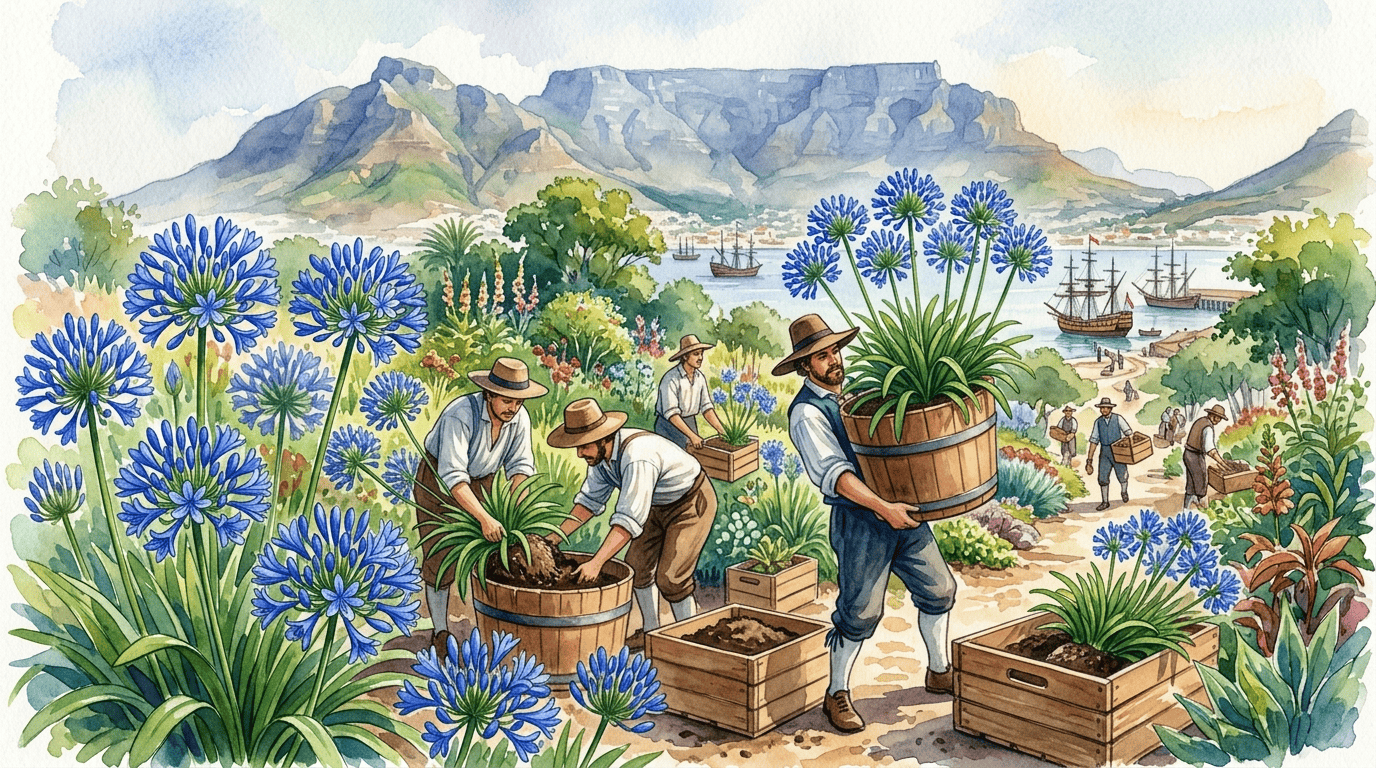
When the Dutch East India Company (VOC) established its refreshment station at the Cape of Good Hope in 1652, the gardeners who cultivated produce for passing ships also encountered the extraordinary flora of the Cape region—one of the most botanically diverse places on Earth. Plants from the Cape began flowing back to Europe with VOC ships, and by the late 17th century, Agapanthus specimens had reached the Leiden Botanical Garden in the Netherlands, where the botanist Paul Hermann described them. The French botanist Charles Plumier gave the genus its name Agapanthus—from the Greek agape (love) and anthos (flower)—in 1703.
The plants became fashionable in Europe as conservatory specimens through the 18th century, requiring protection from frost in northern gardens. It was their introduction to the Mediterranean climate zones of southern Europe and, eventually, California and coastal Australia that revealed how extraordinarily well-adapted they were to warm, dry-summer conditions. In Southern California, Common Agapanthus became one of the dominant landscape plants of the 20th century—planted in highway medians, municipal parks, and suburban gardens from San Diego to San Francisco. After the water restrictions of the 1970s and 1980s drove a turn toward drought-tolerant planting, agapanthus proved its resilience: once established, it required minimal supplemental watering and returned year after year with reliable midsummer bloom.
The species also naturalized problematically in parts of coastal Australia and Portugal, where it escaped gardens and colonized disturbed coastal habitats—a testament to the same tough adaptability that made it such a successful garden plant.
Symbolism & meaning
What It Symbolizes
In South Africa, agapanthus has long been associated with pregnancy and childbirth—Zulu women wore it as a charm for healthy babies and fertility. A love flower in the truest sense: not decoration, but protection.
- love's endurance — Agapanthus—'love flower'—is named for its beauty and its persistence; it comes back year after year from the same root, requiring almost nothing beyond the chance to grow.
- hidden strength — Unremarkable between blooms, then suddenly towering in midsummer with its bold blue spheres—Common Agapanthus reveals its strength at exactly the right moment.
Where the Name Comes From
Agapanthus comes from the Greek agape (love) and anthos (flower)—'love flower'—a name given by botanist Charles Plumier in 1703. The species name praecox is Latin for 'early' or 'precocious,' indicating that this species flowers earlier in the season than some of its relatives. Common Agapanthus is the English name reflecting its status as the most widely cultivated species in the genus.
Uses & Fun Facts
- Dominant summer-blooming perennial for Mediterranean-climate gardens, container plantings, and coastal landscapes; very long-lasting as a cut flower with dramatic globe-shaped heads
- Large nectar-rich flower clusters attract bees and hummingbirds throughout summer bloom; persistent seed heads provide winter bird interest
- Excellent long-lasting cut flower; tall stems with large spherical blue or white heads last 10–14 days in a vase and are staples in floral arrangements
Related plants
More Agapanthus plants
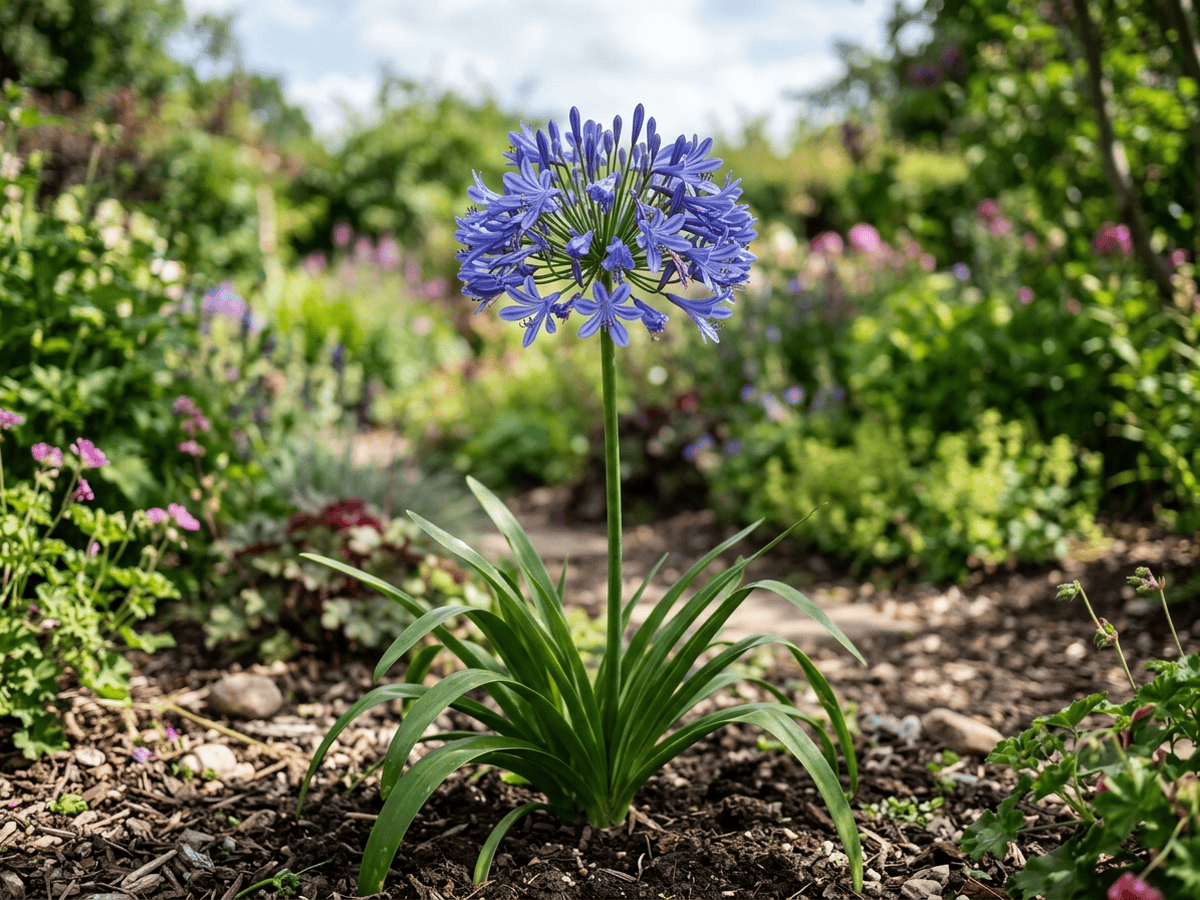 African LilyAgapanthus africanus
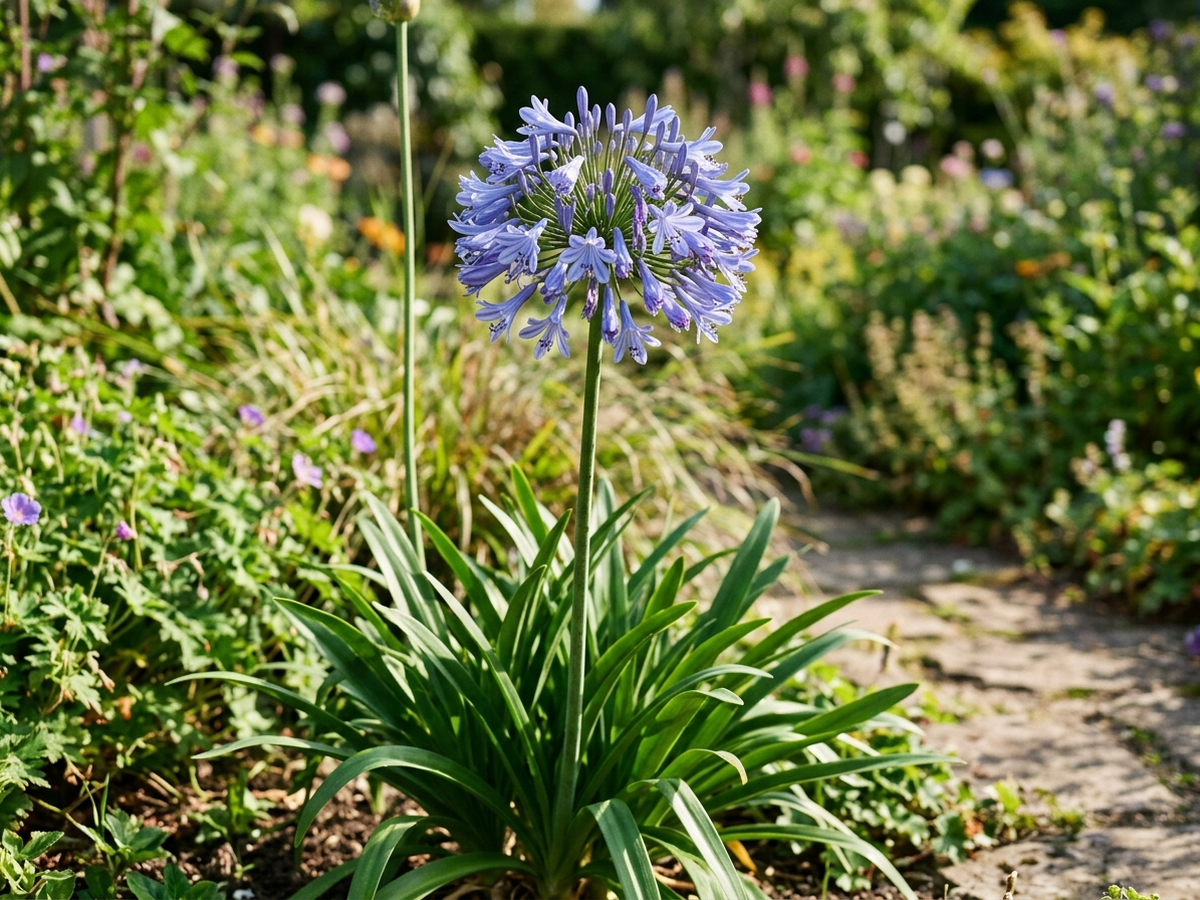 Bell AgapanthusAgapanthus campanulatus
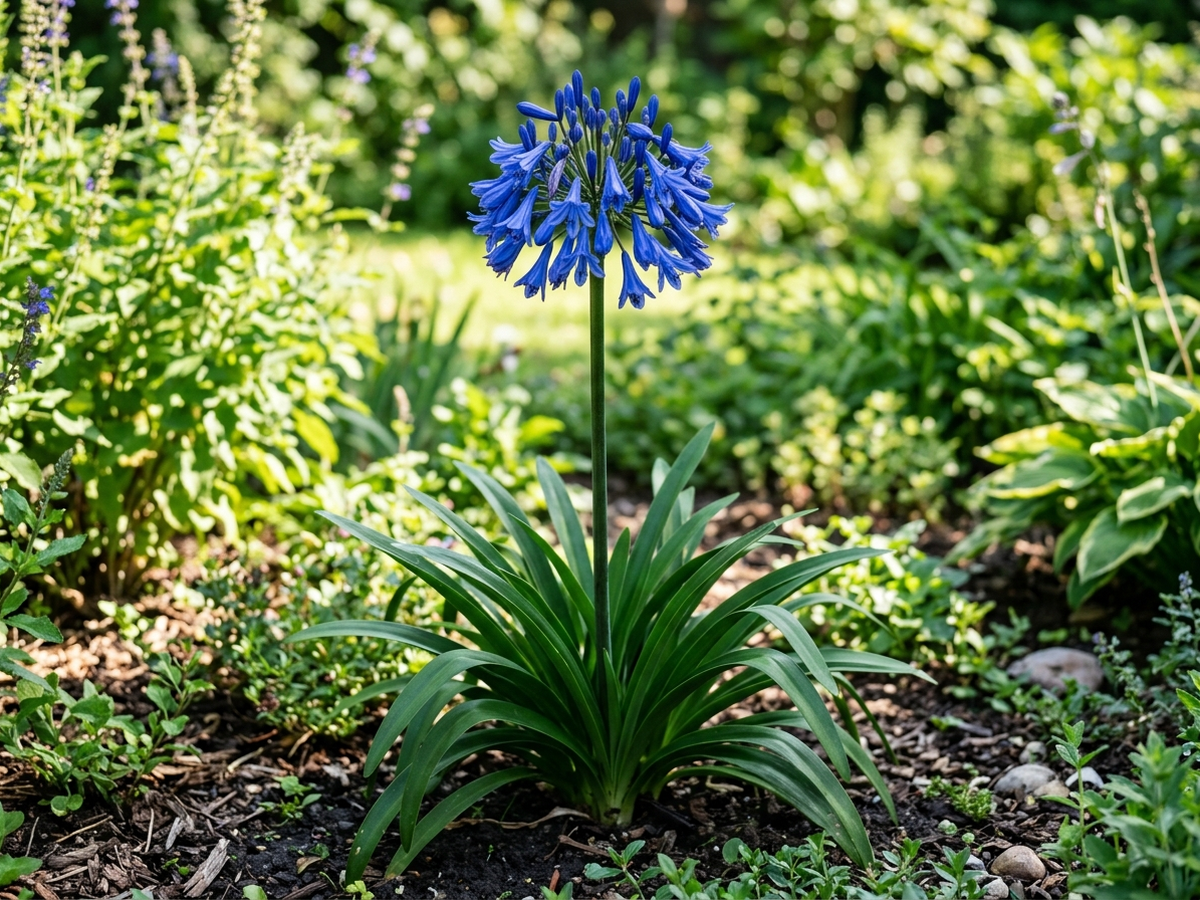 Drooping AgapanthusAgapanthus inapertus
Plants with similar care
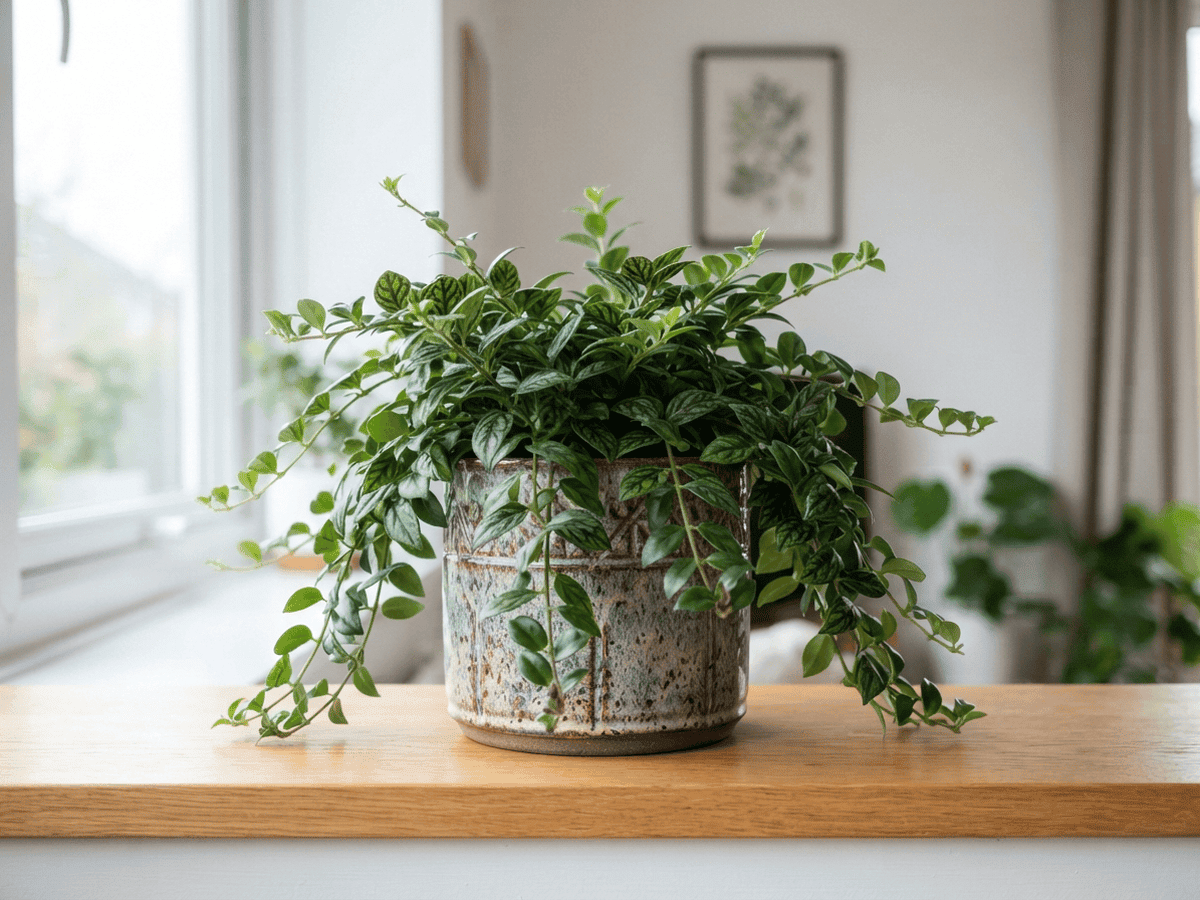 Lipstick PlantAeschynanthus longicaulis
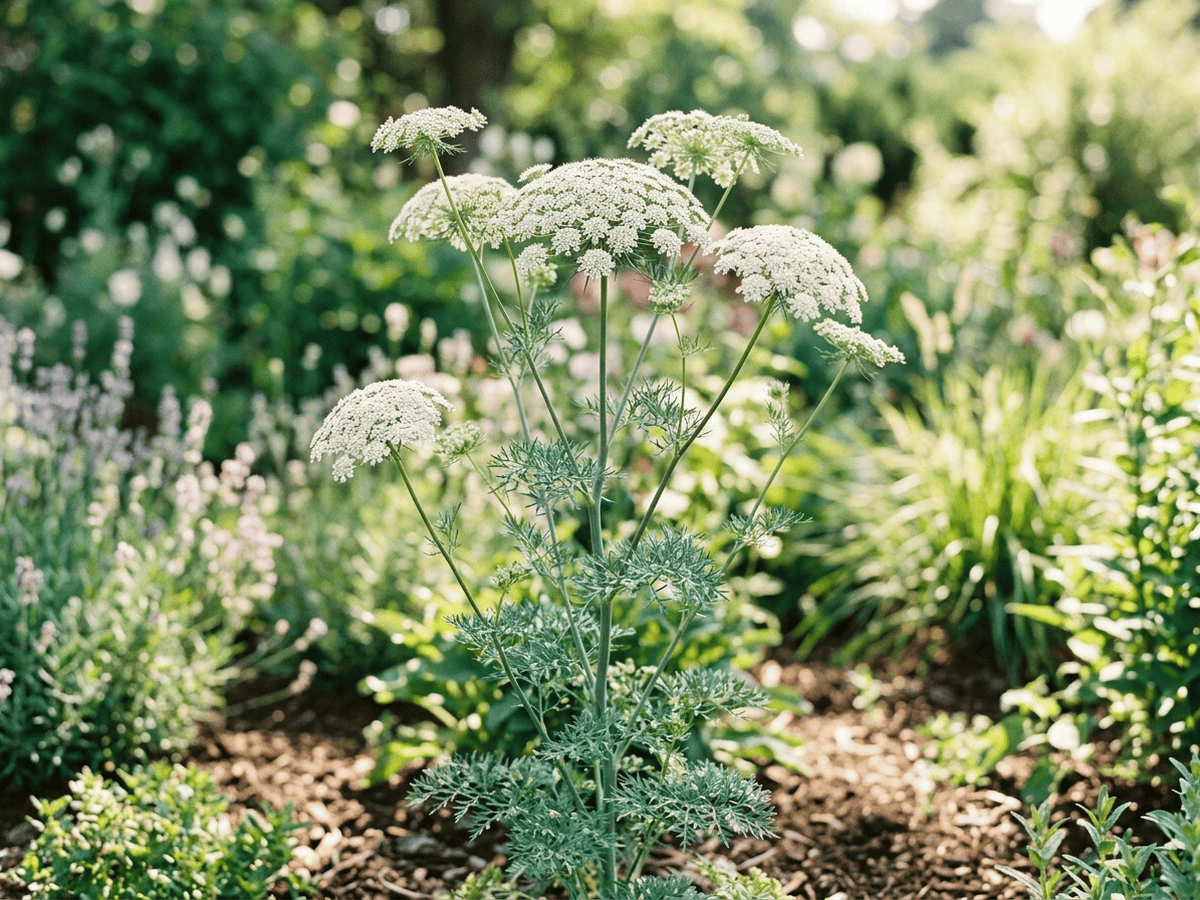 False Queen Anne's LaceAmmi majus glaucifolium
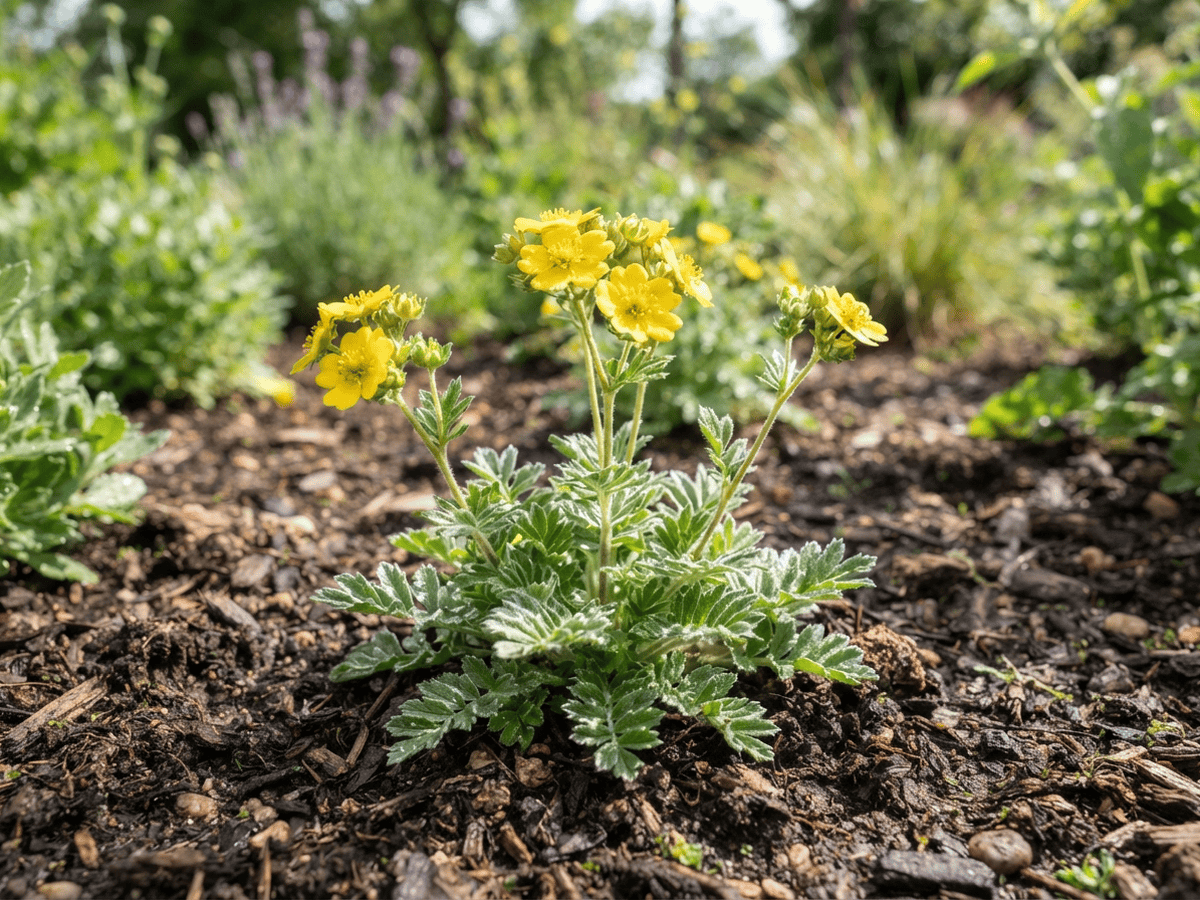 SilverweedArgentina anserina
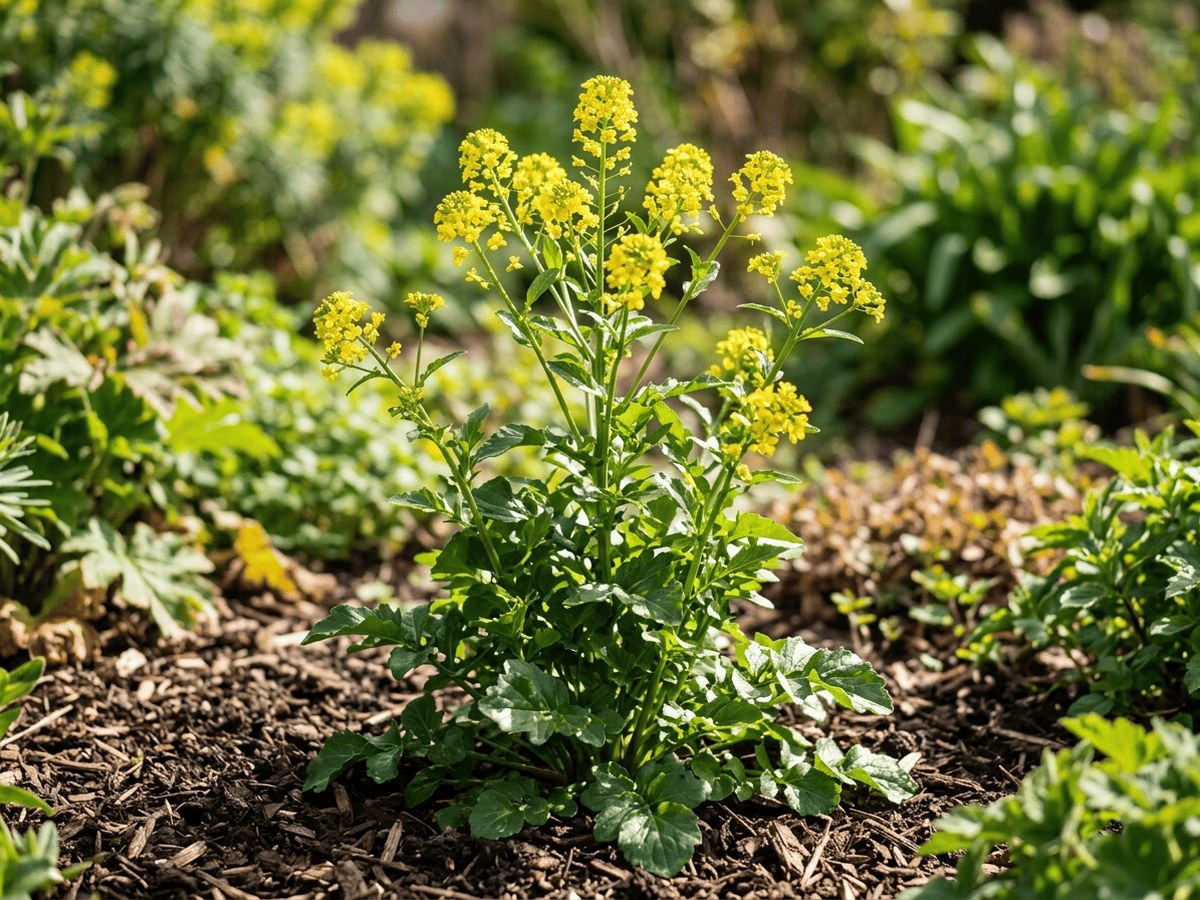 Land CressBarbarea verna
Frequently asked questions
How often should I water Common Agapanthus?
In summer, water about every 7 days; in winter, about every 30 days. Adjust for heat, pot size and drainage.
How much light does Common Agapanthus need?
Part sun: 4–6 hrs direct. Watch the leaves — scorching or stretching means the light needs adjusting.
Is Common Agapanthus toxic to cats or dogs?
Pets Unknown (Dogs Unknown · Cats Unknown) Educational information, not medical or veterinary advice. If exposure is suspected, contact a doctor or veterinarian.
Is Common Agapanthus easy to grow?
It is considered challenging and rewards experienced growers.
Can Common Agapanthus be grown indoors?
Yes, it adapts well to indoor growing given the right light.
When does Common Agapanthus bloom?
It typically blooms Nov–Jun in the Northern Hemisphere.
YardMate
Identify any plant in seconds
Snap a photo — YardMate names the plant, diagnoses problems, and reminds you when to water.
Download on the App Store