 YardMate
Lanceleaf Chroesthes
Chroesthes lanceolata
Hard · Experienced growersAbout Lanceleaf Chroesthes
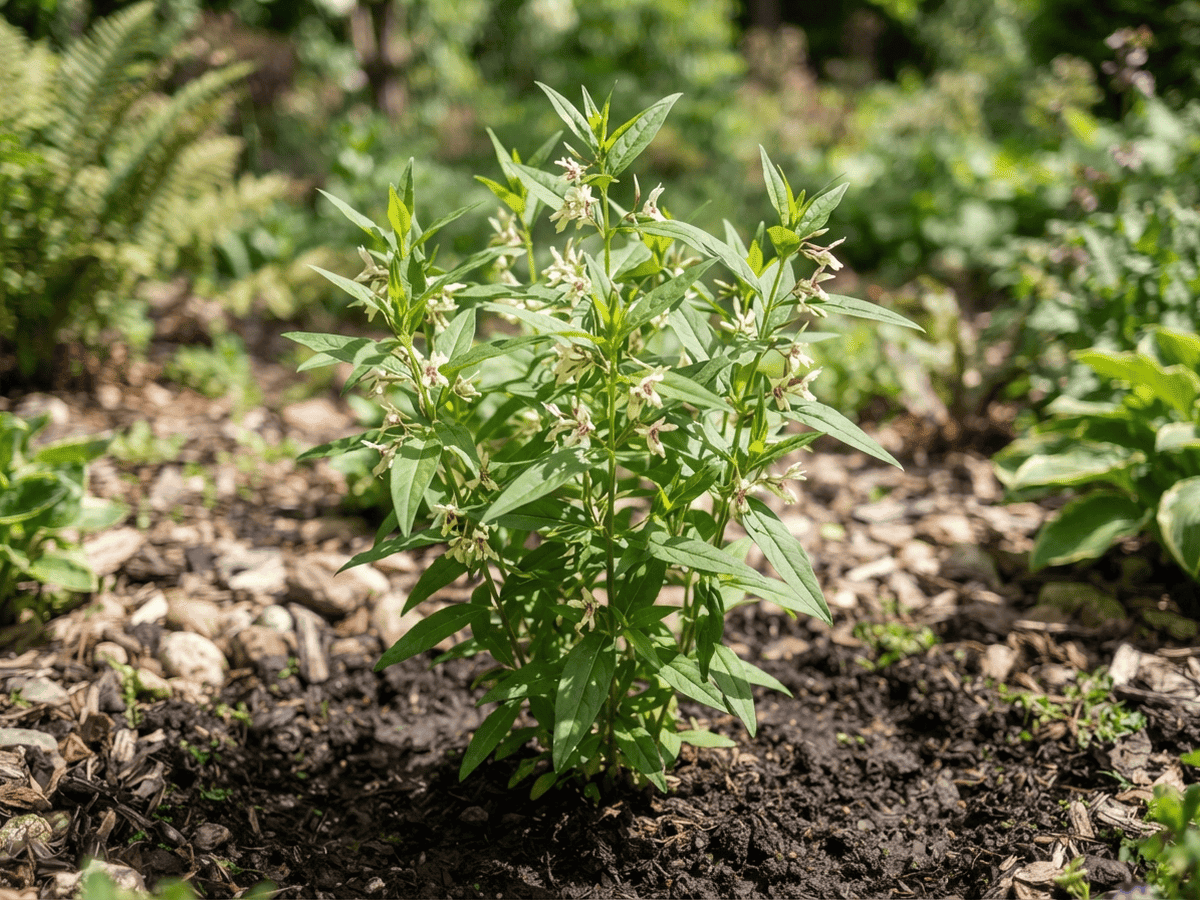
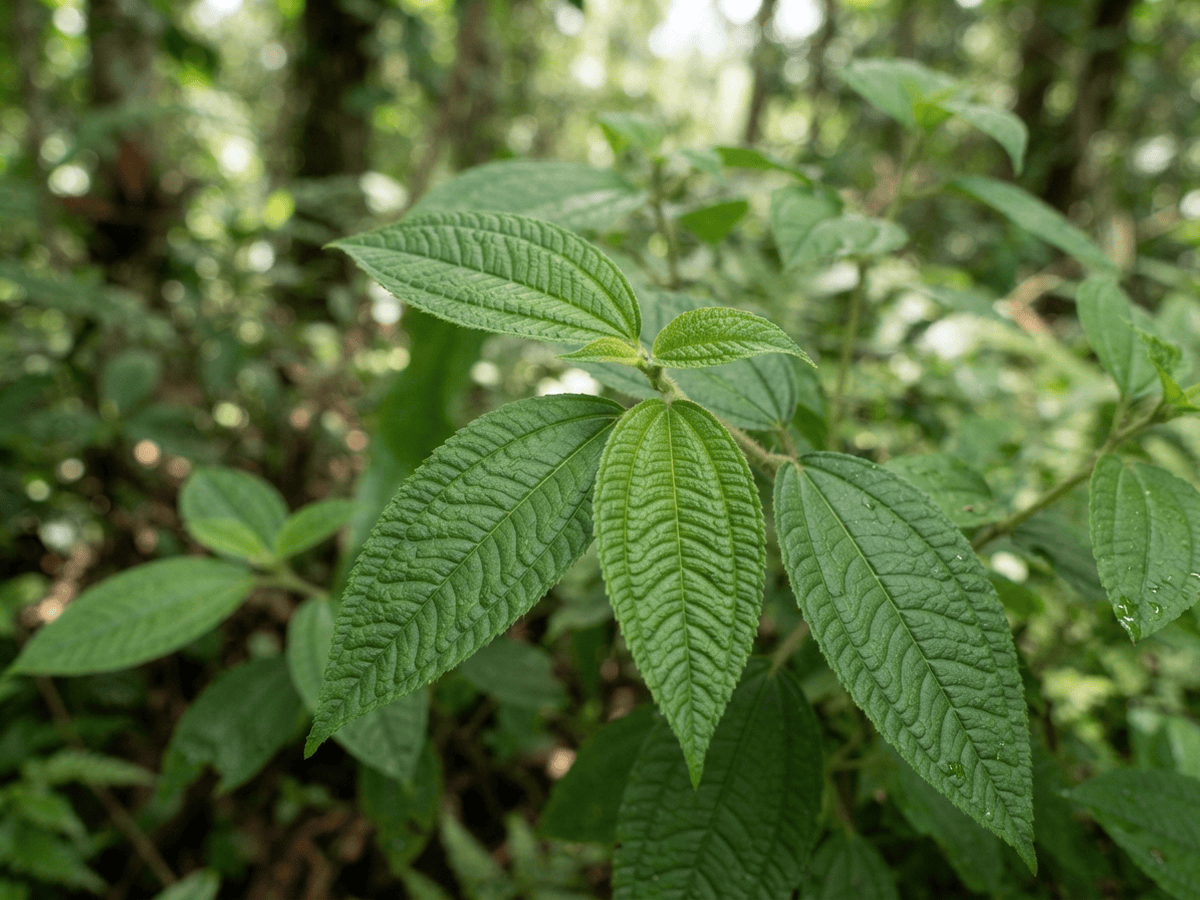
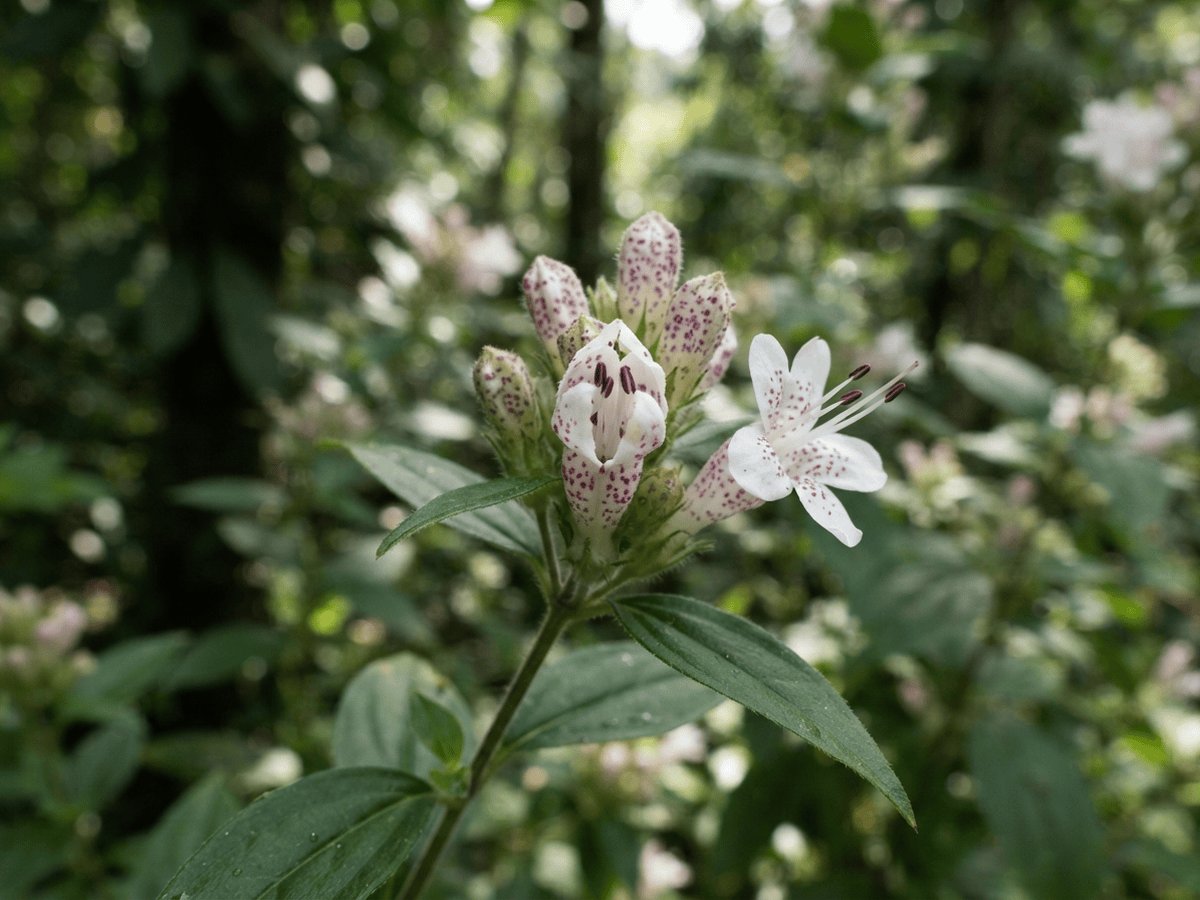
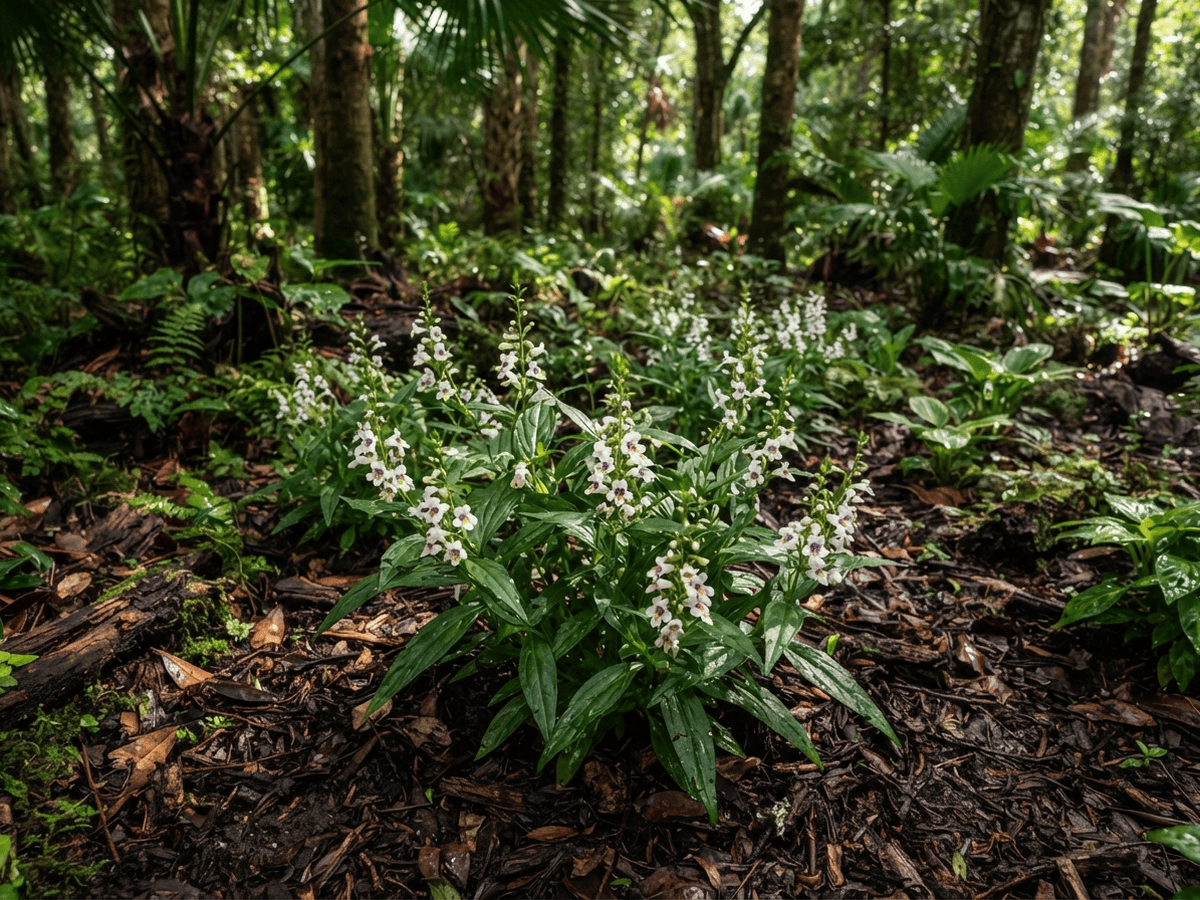
Lanceleaf Chroesthes is a slender, rarely branched shrub in the Acanthaceae family, grown for its narrow, glossy, lance-shaped leaves tapering to a fine point. In warm months it bears loose clusters of tubular white flowers freckled with pink or purple, each about an inch long, held near the stem tips. In its native range across Yunnan and the forests of Myanmar, Laos, Vietnam, Thailand, and Malaysia, it grows quietly in the shaded understory beneath a taller forest canopy. In containers or a shaded bed, it rewards patience with an uncrowded form and speckled blooms rarely seen in cultivation.
- Evergreen
- Shade-tolerant
- Pollinator-friendly
- Compact
- Container-friendly
- Slow-growing
How to care for Lanceleaf Chroesthes
Watering
- Springevery 7 days
- Summerevery 5 days
- Fallevery 10 days
- Winterpause watering
Soil · Well-draining
- Top dressingPine bark mulch10%
- Main mixPotting soil + perlite 2:170%
- DrainageLECA / gravel20%
Never skip the drainage layer — standing water is the top cause of root rot.
FERTILIZER
Balanced Feed 14-14-14
An even feed covers all three needs at once, keeping leaves, roots and blooms moving together with nothing pushed out of balance.
- Nitrogen · Leaves
- Phosphorus · Roots + Blooms
- Potassium · Strength
- Springevery 30 days
- Summerevery 30 days
- Fallevery 30 days
At a Glance
- NativeEast Asia
- Height1–2 ft (0.3–0.6 m)
- Spread1–2 ft (0.3–0.6 m)
- Foliage colorGreen
- SoilLoamy, Well-drained
- LocationsYard · Patio
Fragrance
NO FRAGRANCE
No fragrance has been documented for this species.
Toxicity
No toxicity has been reported for this plant. Still, it is wise to keep pets from chewing on any houseplant.
Educational information, not medical or veterinary advice. If exposure is suspected, contact a doctor or veterinarian.
DISTRIBUTION


- Native
- East Asia
History
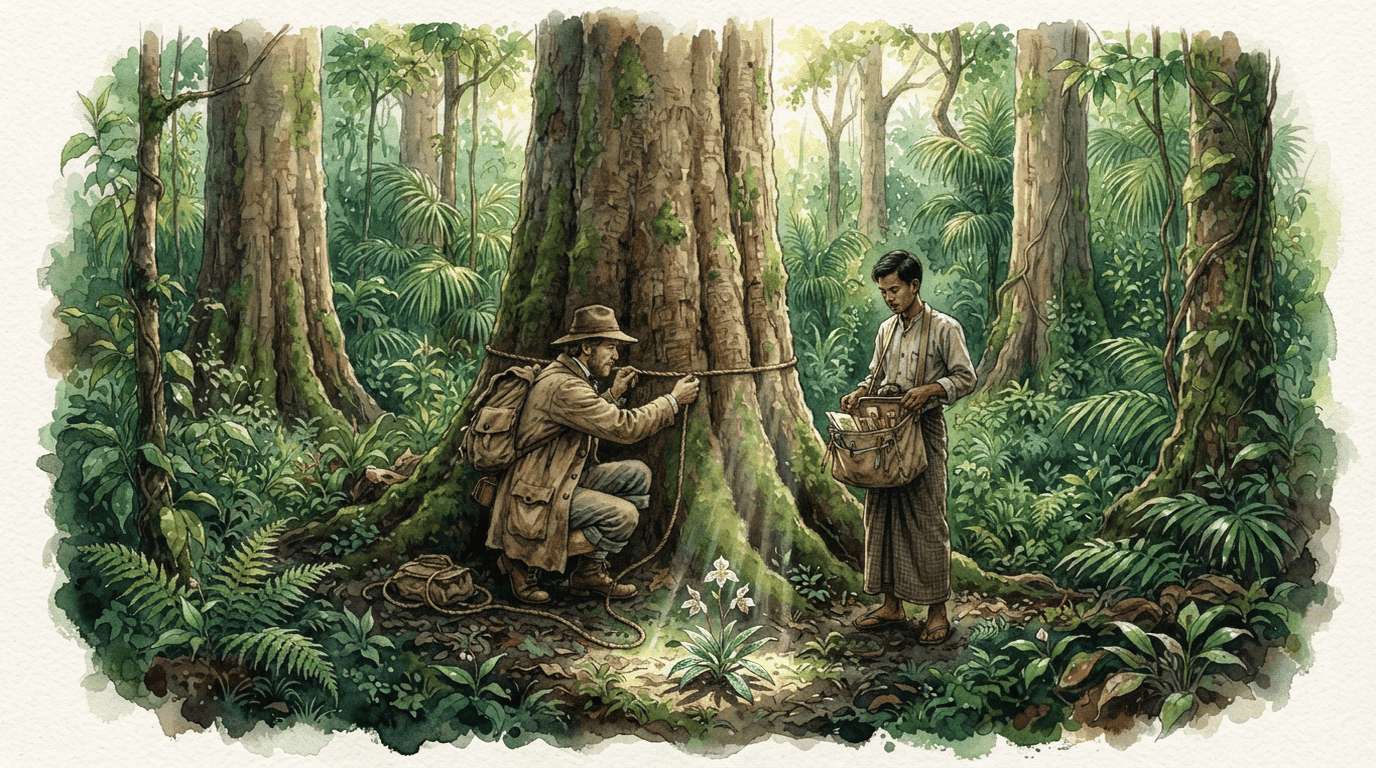
In 1857 the German-born forester Dietrich Brandis arrived in Pegu, in what was then British Burma, tasked with a radical new mission: to survey the region's teak forests and design a system that would let them be cut without being destroyed. Working under towering teak canopies, his survey teams pressed inland along the Thaungyin river, cataloguing every tree and shrub they crossed. Among the specimens Brandis sent back to Calcutta was a modest understory plant with slender, lance-shaped leaves and small white flowers freckled in pink — nothing as commercially prized as the teak around it, but carefully pressed and labeled all the same. In 1867 the Calcutta Botanic Garden's superintendent, Thomas Anderson, described it as Asystasia lanceolata, one of hundreds of new species to emerge from Brandis's forestry surveys. It sat under that name for over a century until 1983, when the Danish botanist Bertel Hansen re-examined its flowers and moved it into a genus of its own, Chroesthes. Today the Lanceleaf Chroesthes has stayed almost as elusive as it was in Brandis's day: across Yunnan, Myanmar, Laos, Vietnam, Thailand, and Malaysia, it is known from only a handful of specimens, each one found quietly persisting in the deep shade beneath a much taller forest.
Symbolism & meaning
What It Symbolizes
There is no old folklore attached to the Lanceleaf Chroesthes — it is far too rare and too recently classified for that. Instead, growers who seek it out tend to read meaning into its scarcity itself: a modest shrub with only a handful of known wild specimens, still holding onto its slender leaves and speckled flowers in the shadow of forests far larger than itself.
- Quiet Rarity — Known from only a handful of wild specimens, always tucked into the deep shade of a much taller forest, the Lanceleaf Chroesthes has come to represent things of quiet, easily overlooked value — worth seeking out only for those willing to look closely.
Where the Name Comes From
The species epithet lanceolata is Latin for 'lance-shaped,' describing this shrub's narrow, pointed leaves. Its genus, Chroesthes, was established in 1927; this species was moved into it from the older genus Asystasia in 1983, when botanist Bertel Hansen recognized that its flower structure set it apart.
Uses & Fun Facts
- Grown chiefly as a curiosity by collectors of rare Acanthaceae, valued for its slender lance-shaped foliage and unusual pink-speckled white flowers.
- Its tubular, nectar-bearing flowers draw small pollinating insects in its native forest understory.
Related plants
Plants with similar care
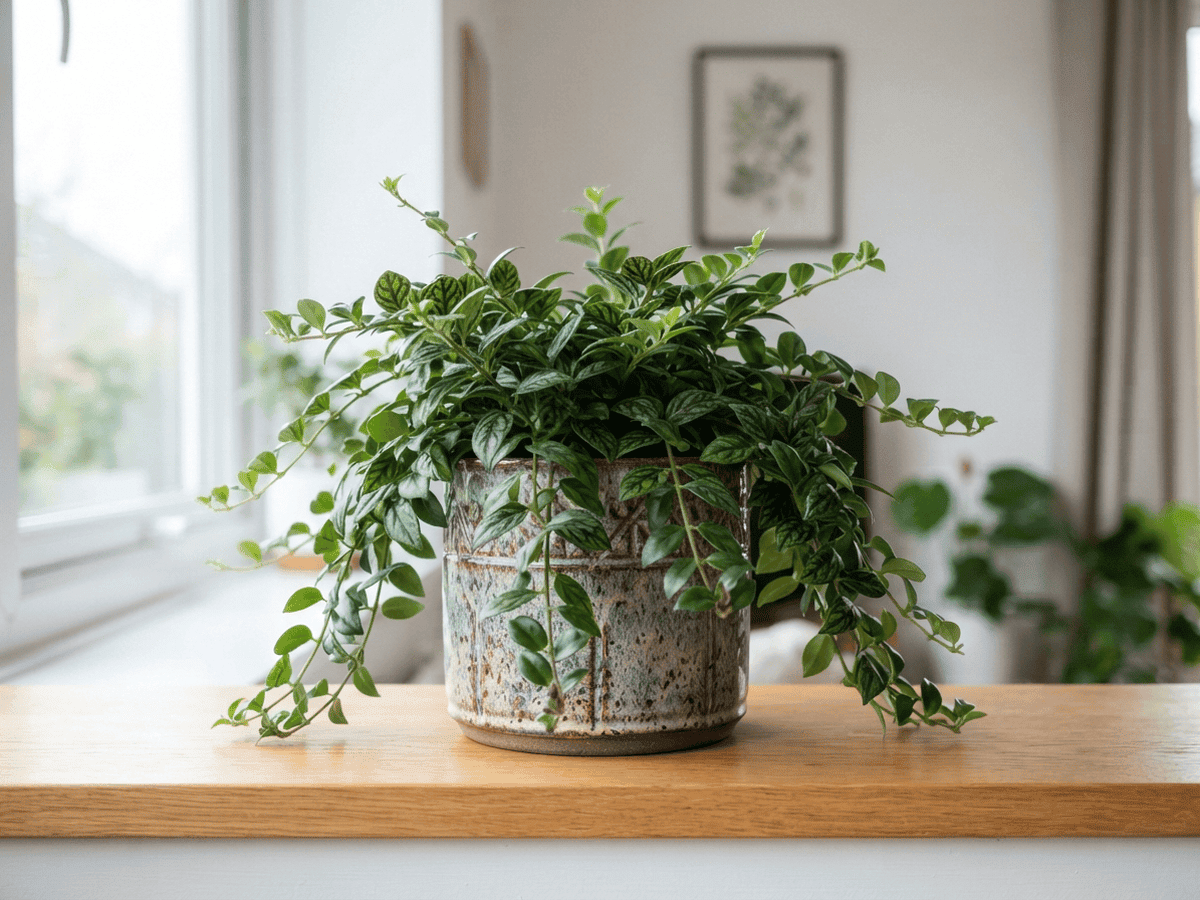 Lipstick PlantAeschynanthus longicaulis
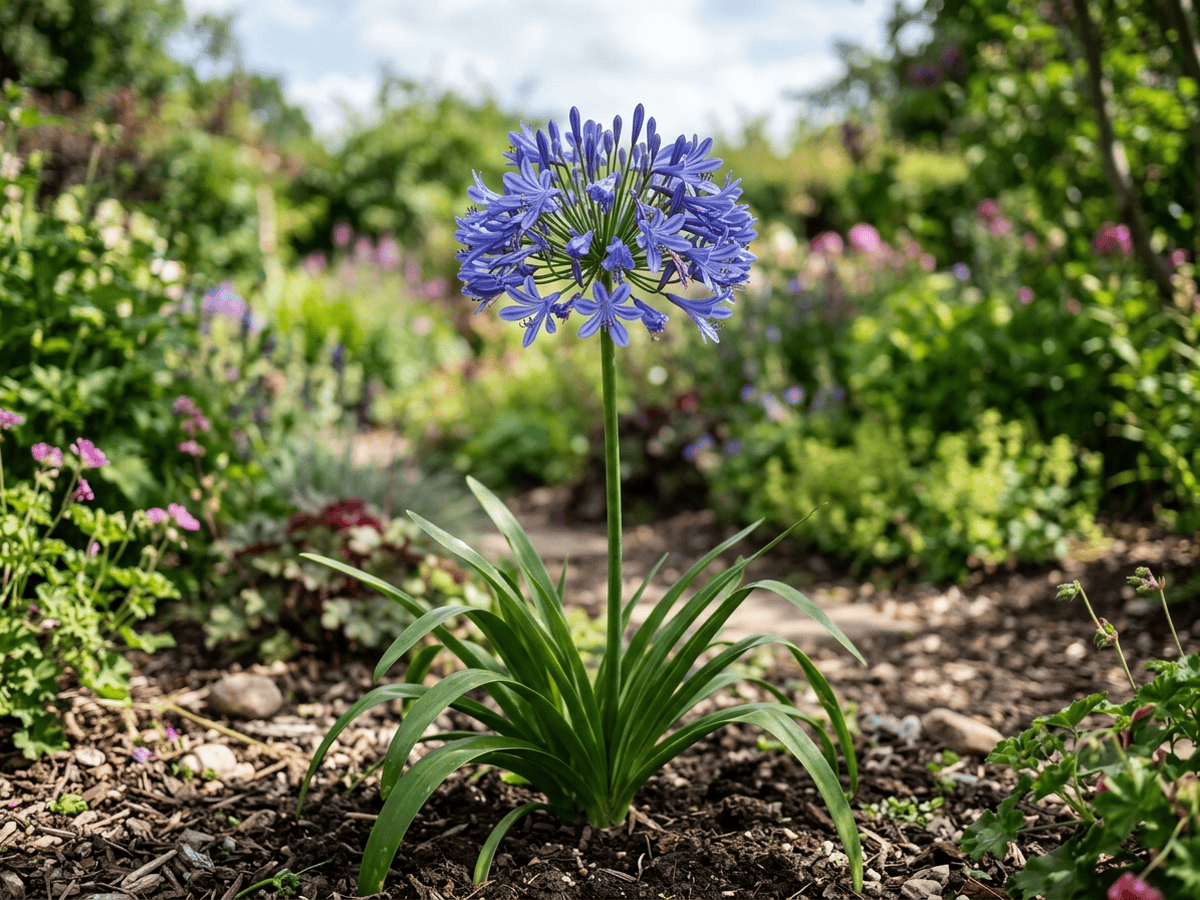 African LilyAgapanthus africanus
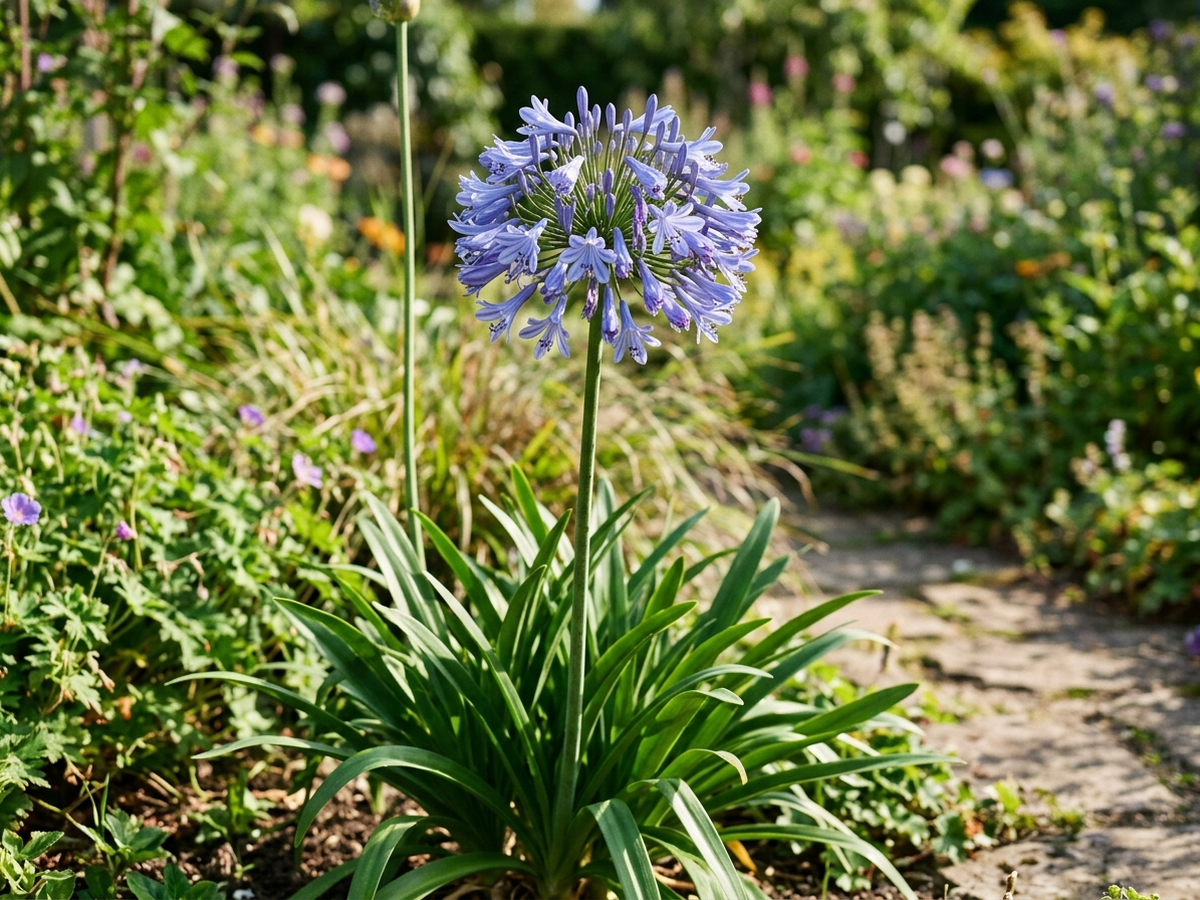 Bell AgapanthusAgapanthus campanulatus
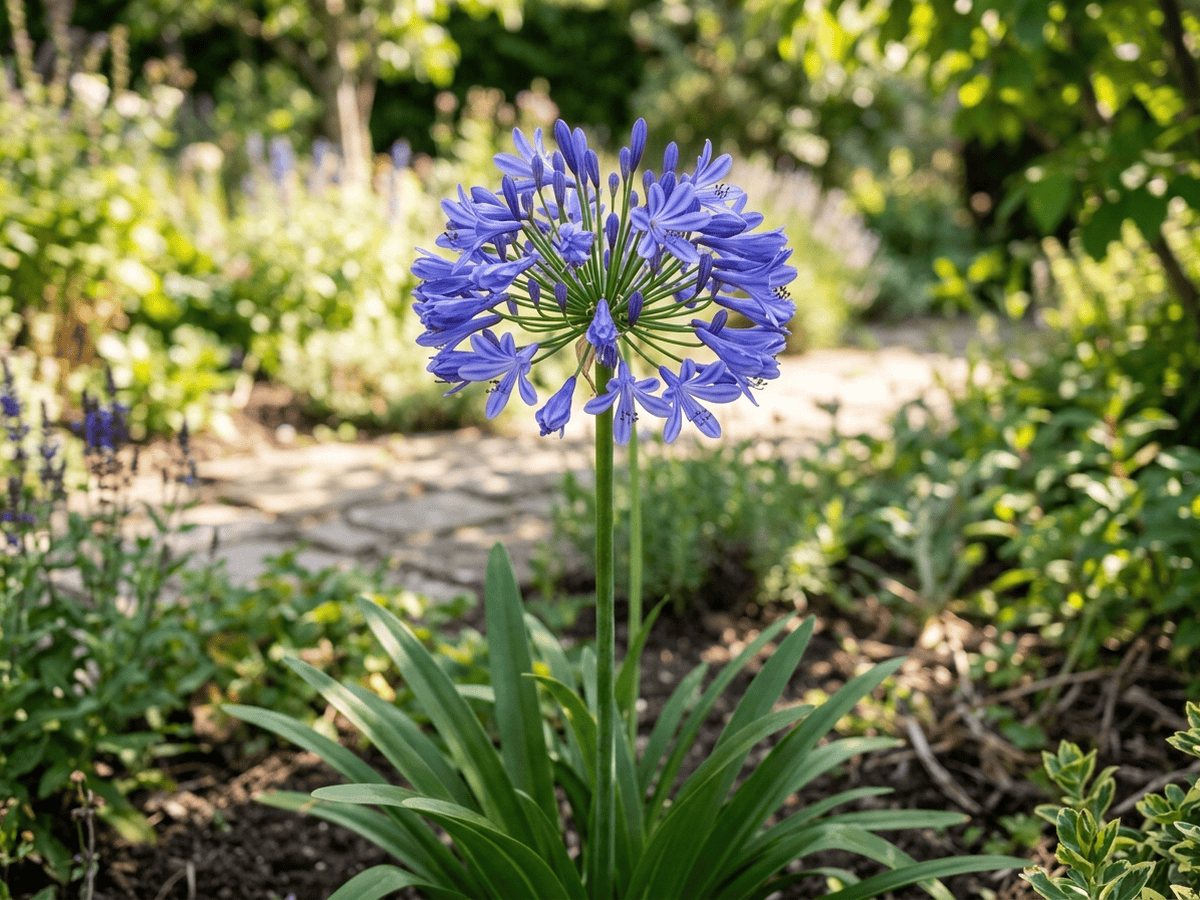 Common AgapanthusAgapanthus praecox
Frequently asked questions
How often should I water Lanceleaf Chroesthes?
Water about every 7 days during the growing season, and always let excess water drain away.
How much light does Lanceleaf Chroesthes need?
Part sun: 4–6 hrs direct. Watch the leaves — scorching or stretching means the light needs adjusting.
Is Lanceleaf Chroesthes toxic to cats or dogs?
No toxicity has been reported for this plant. Still, it is wise to keep pets from chewing on any houseplant. Educational information, not medical or veterinary advice. If exposure is suspected, contact a doctor or veterinarian.
Is Lanceleaf Chroesthes easy to grow?
It is considered challenging and rewards experienced growers.
YardMate
Identify any plant in seconds
Snap a photo — YardMate names the plant, diagnoses problems, and reminds you when to water.
Download on the App Store