 YardMate
Silverweed
Argentina anserina
Hard · Experienced growersAbout Silverweed
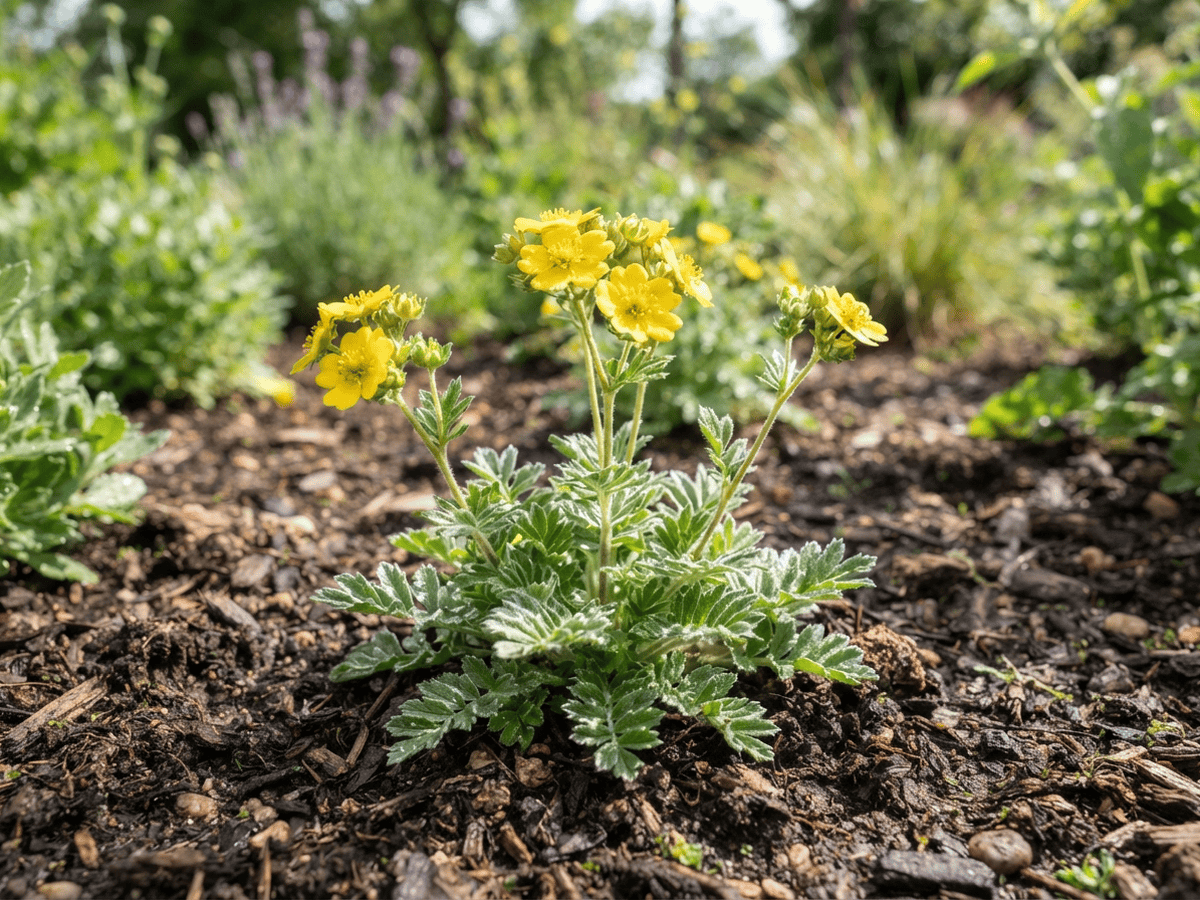
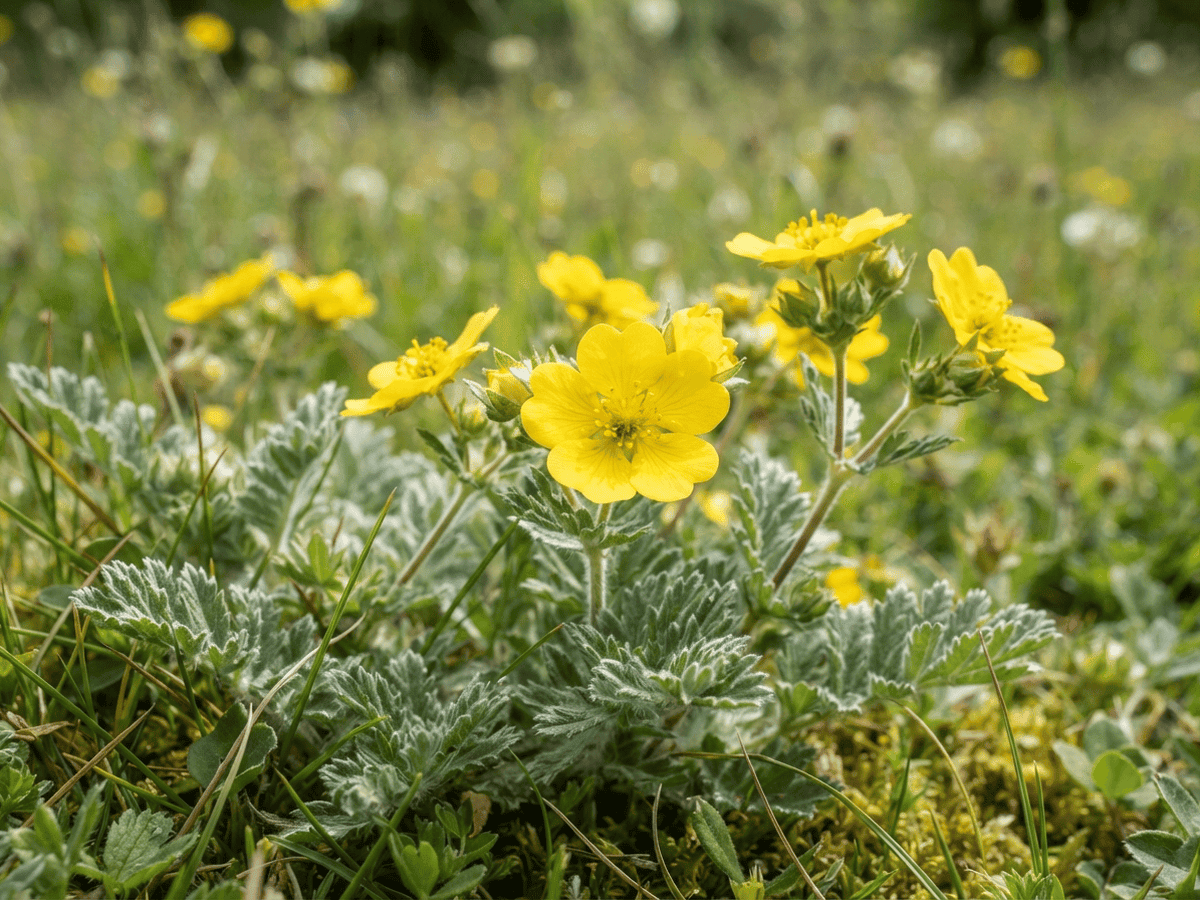
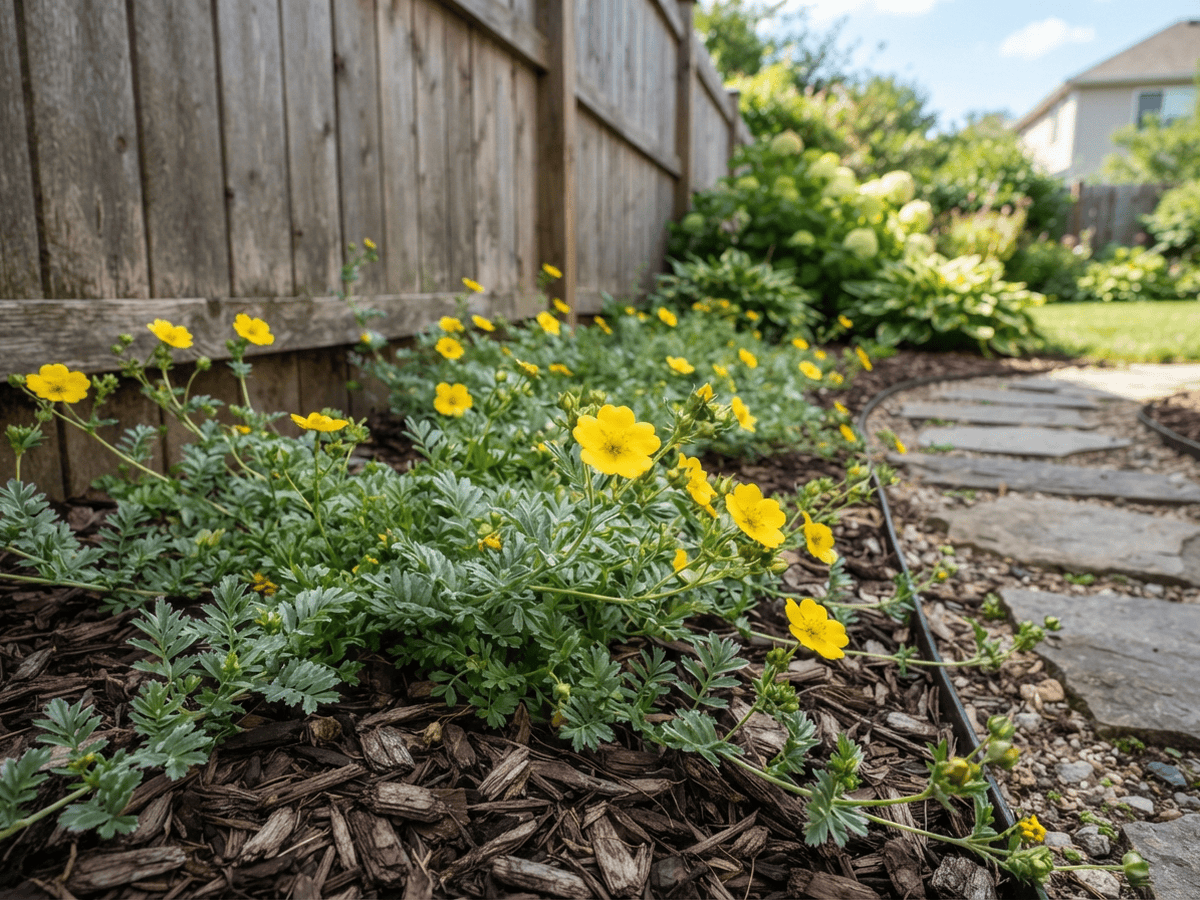
Silverweed is a low, mat-forming perennial that spreads across damp meadows and trodden paths on wiry reddish stolons, rooting at each node as it travels. Its signature is the foliage: neat pinnate leaves with toothed leaflets, deep green above and covered beneath in a dense silvery down that flashes silver-white in the wind. From late spring through summer, solitary five-petaled yellow flowers rise on slender stalks above the leaves, drawing small bees and flies. Remarkably tough, it tolerates compacted, salty, or seasonally flooded ground where few other plants take hold, making it common along coastal paths and grazed commons across the temperate Northern Hemisphere.
- Cold-hardy
- Spreading
- Fast-growing
- Edible
- Pollinator-friendly
How to care for Silverweed
Watering
- Springevery 7 days
- Summerevery 5 days
- Fallevery 15 days
- Winterpause watering
Soil · Rich & well-draining
- Top dressingCompost10%
- Main mixPotting soil + compost 3:180%
- DrainageGravel10%
Top up the compost layer each season.
FERTILIZER
Balanced Feed 14-14-14
An even feed covers all three needs at once, keeping leaves, roots and blooms moving together with nothing pushed out of balance.
- Nitrogen · Leaves
- Phosphorus · Roots + Blooms
- Potassium · Strength
- Springevery 30 days
- Summerevery 30 days
- Fallevery 30 days
At a Glance
- NativeEurope, North America, East Asia
- Height0.5–1.5 ft (0.2–0.5 m)
- Spread1–2 ft (0.3–0.6 m)
- Flower colorYellow
- Foliage colorGreen, Silver
- SoilMoisture-retentive, Well-drained
- LocationsYard · Patio
Bloom time
BLOOM CYCLE
Peak bloom
Jun–Aug
Bright yellow, five-petaled flowers open singly on slender stalks through the summer months, held just above the silvery foliage.
Toxicity
No toxicity has been reported for this plant. Still, it is wise to keep pets from chewing on any houseplant.
Educational information, not medical or veterinary advice. If exposure is suspected, contact a doctor or veterinarian.
DISTRIBUTION


- Native
- Introduced
- Europe
- North America
- East Asia
History
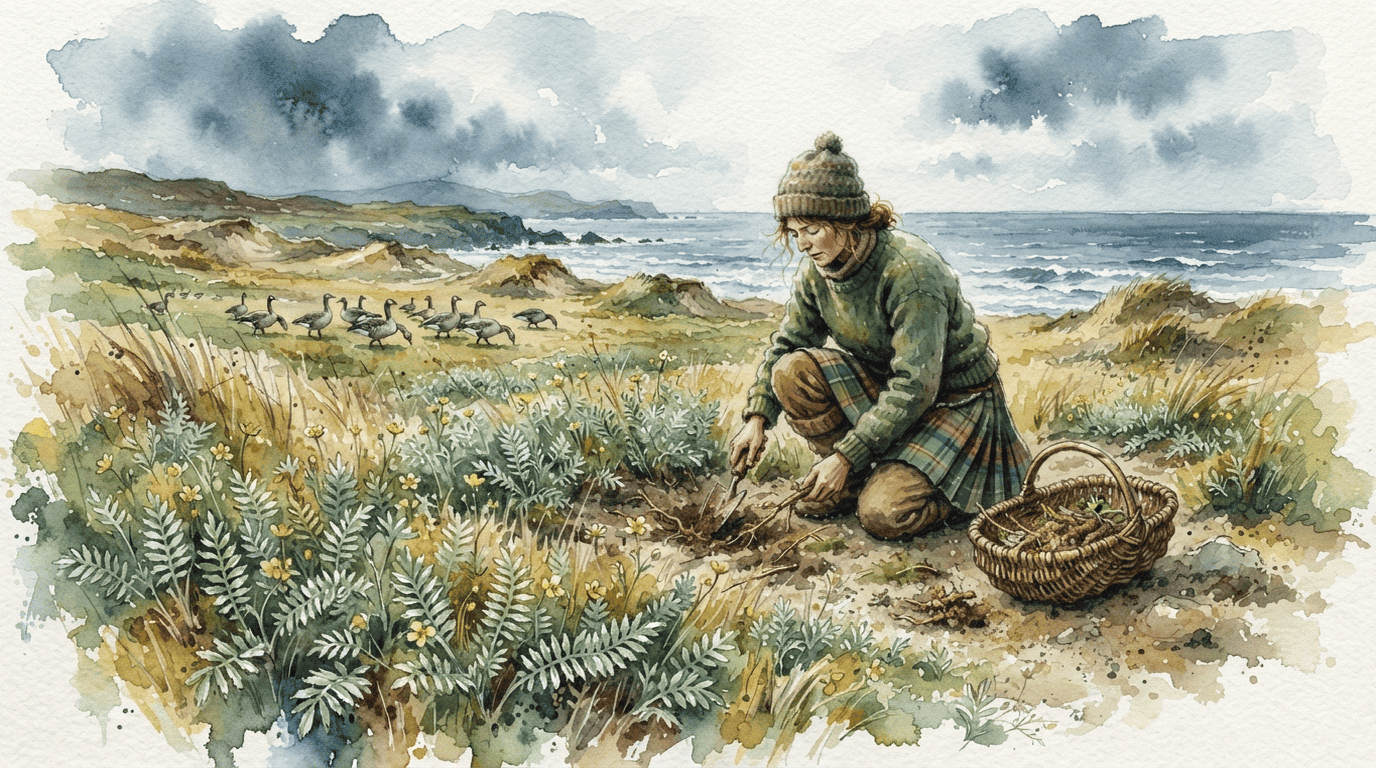
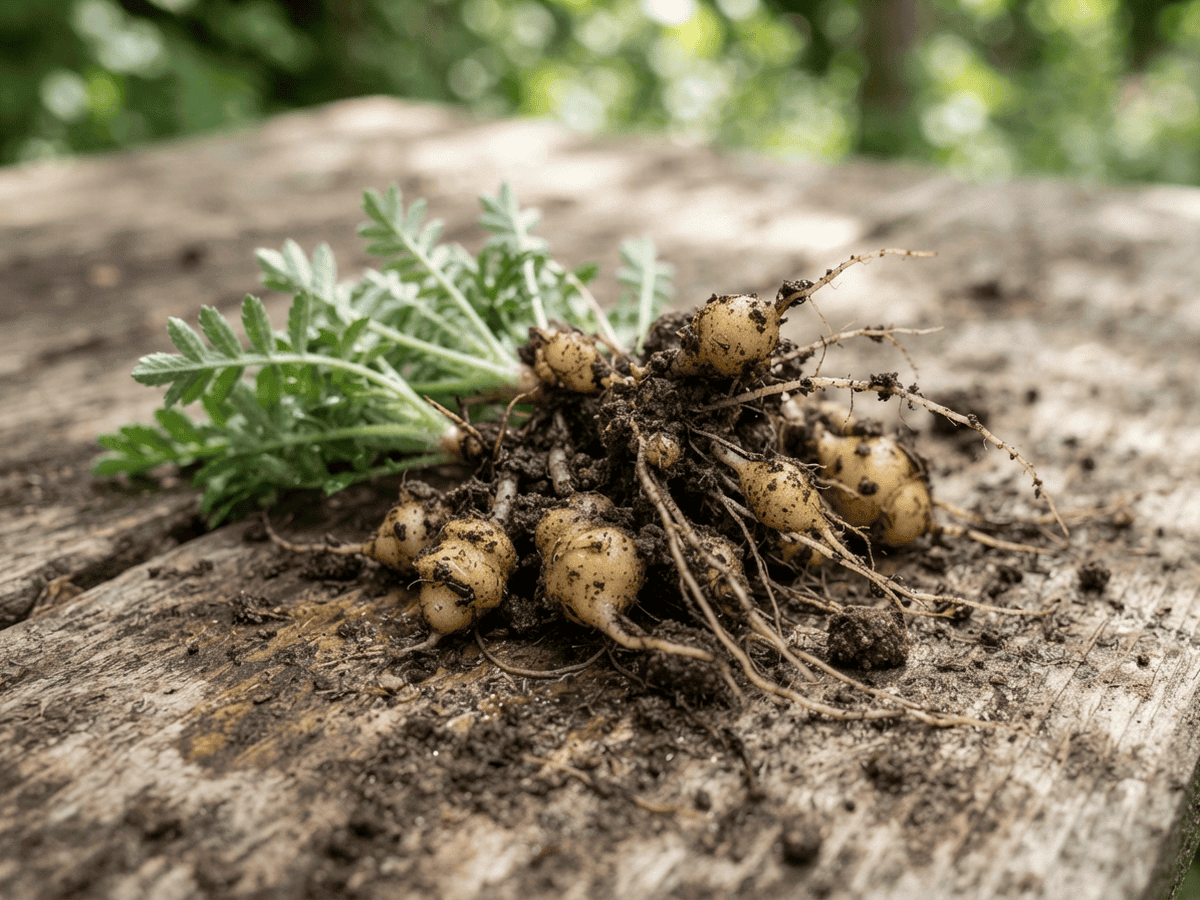
Long before the potato reached European tables, Silverweed's starchy roots were a genuine staple across the cooler reaches of Europe. In the Scottish Highlands and Hebrides, crofters dug the slender rhizomes—brisgein in Gaelic—from sandy machair soil each autumn, roasting or boiling them as a reliable source of food through lean winters. The botanist John Lightfoot, touring Scotland in 1772, recorded that a single acre planted with Silverweed roots could sustain a family for a year, a claim repeated for generations as testimony to the plant's quiet importance in Highland subsistence before better crops arrived. The species' epithet, anserina, comes from the Latin anser, 'goose,' after the flocks of geese that grazed on its leaves and roots along common pastures and riverbanks—giving rise to English folk names like goose-grass and goose-tansy. Its uses did not end at the table: travelers and pilgrims on long walks were said to tuck a Silverweed leaf into each shoe, its cooling, astringent tissue easing blistered feet on the road, a habit that earned it the old name 'traveler's ease.' The same astringency made a simple infusion of leaves and roots a household remedy for sore throats and upset stomachs into the twentieth century. Modern taxonomy has since moved the plant out of the genus Potentilla into its own small genus, Argentina, but along coastal paths and grazed commons across the temperate Northern Hemisphere, the silvery-leaved groundcover still grows exactly where it always has—trodden underfoot, and once quietly essential.
Symbolism & meaning
What It Symbolizes
Silverweed's meaning grows out of hard ground, not soft sentiment. It roots and spreads exactly where feet, hooves, and tides pass hardest, making Resilience its clearest trait. That toughness once had a practical purpose: for Highland crofters and travelers who dug its roots or tucked its leaves into worn shoes, Silverweed was quiet Sustenance, an unglamorous plant that simply kept people going.
- Resilience — thrives in trampled, compacted, and salt-sprayed ground where little else survives
- Sustenance — recalls generations who relied on its roots to see out lean winters
Where the Name Comes From
The genus Argentina derives from the Latin argentum, 'silver,' for the leaves' shining underside; the species anserina comes from anser, 'goose,' after the geese that traditionally grazed on the plant along common pastures and riverbanks.
Uses & Fun Facts
- Starchy roots were historically roasted, boiled, or dried as a famine and travel food across Europe.
- Astringent leaves and roots were brewed as a folk remedy for sore throats, mouth sores, and upset stomachs.
- Simple yellow flowers offer nectar and pollen to small bees and flies through the summer.
- Foliage and roots are readily grazed by geese and other waterfowl along commons and riverbanks.
Related plants
Plants with similar care
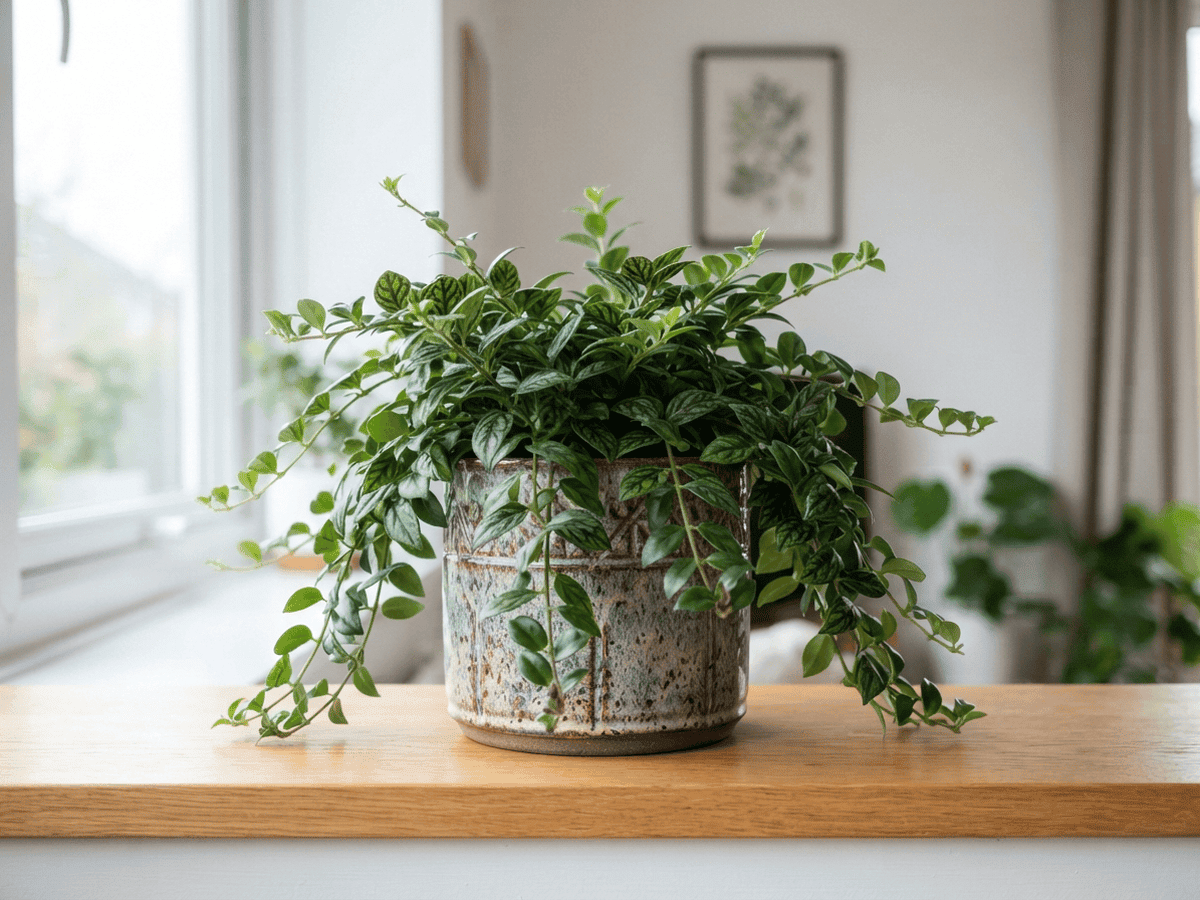 Lipstick PlantAeschynanthus longicaulis
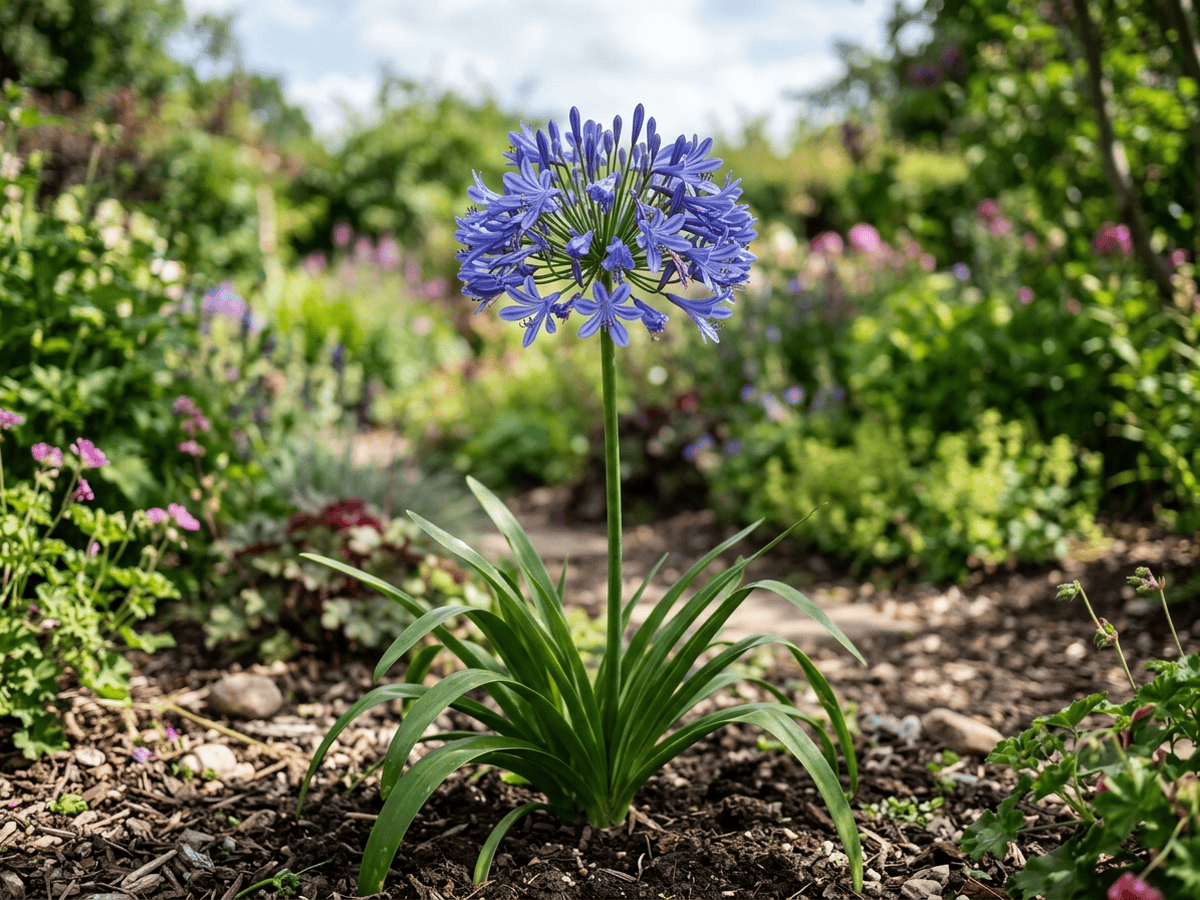 African LilyAgapanthus africanus
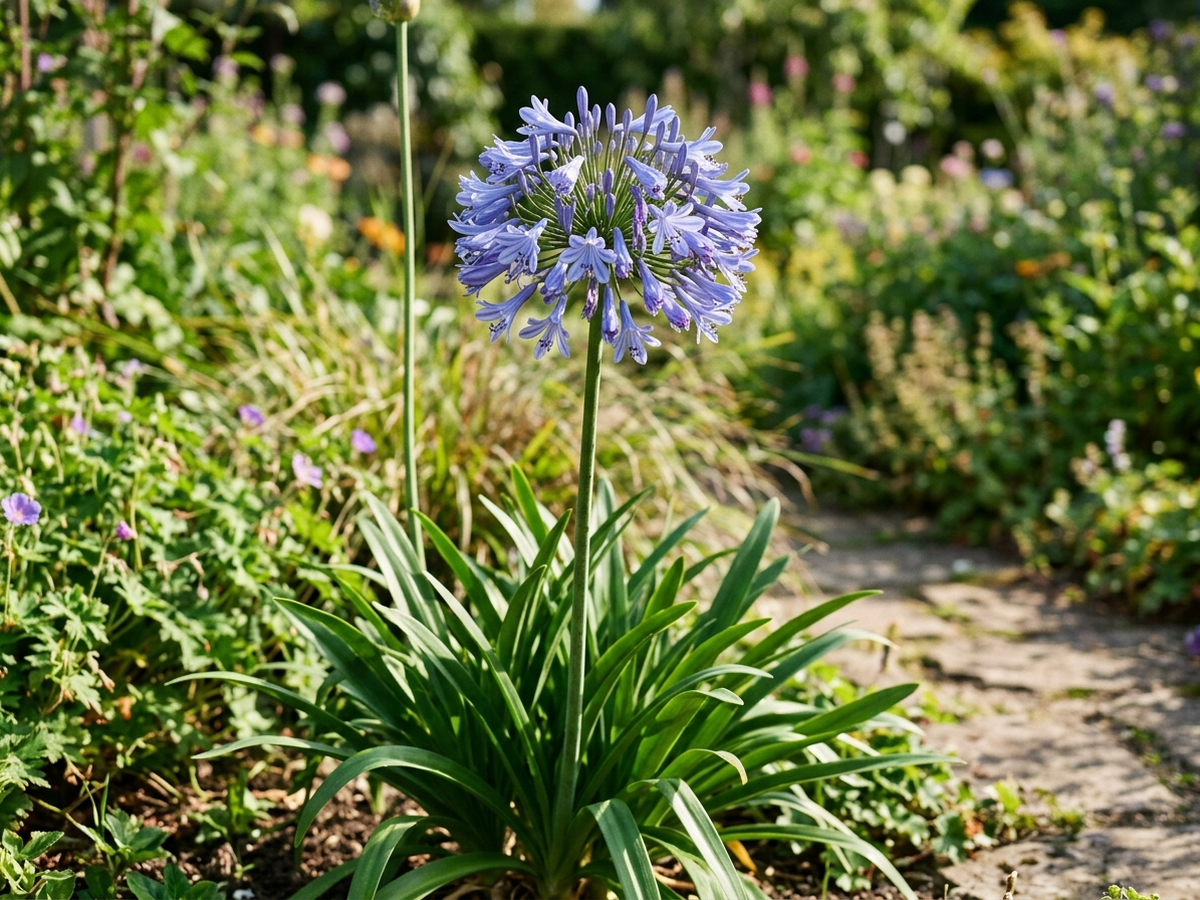 Bell AgapanthusAgapanthus campanulatus
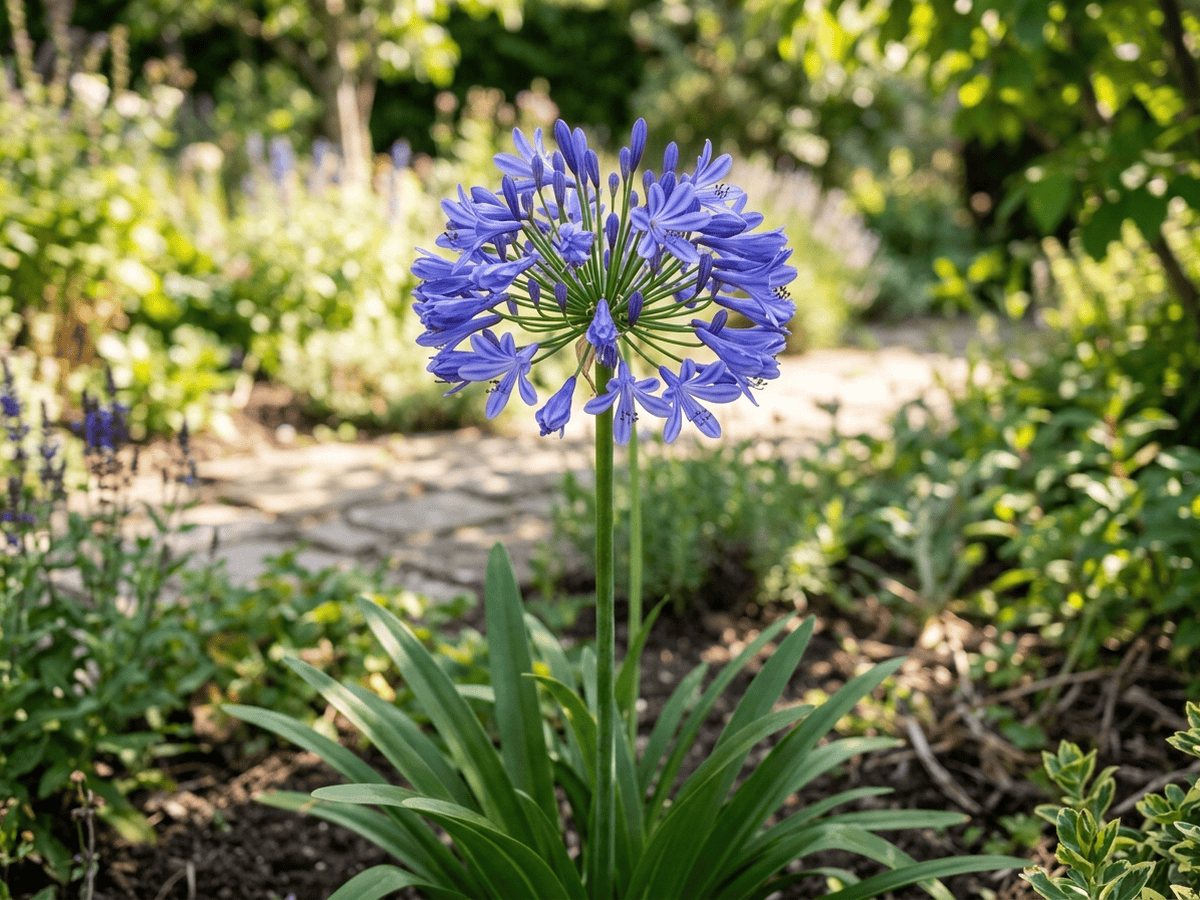 Common AgapanthusAgapanthus praecox
Frequently asked questions
How often should I water Silverweed?
Water about every 7 days during the growing season, and always let excess water drain away.
How much light does Silverweed need?
Part sun: 4–6 hrs direct. Watch the leaves — scorching or stretching means the light needs adjusting.
Is Silverweed toxic to cats or dogs?
No toxicity has been reported for this plant. Still, it is wise to keep pets from chewing on any houseplant. Educational information, not medical or veterinary advice. If exposure is suspected, contact a doctor or veterinarian.
Is Silverweed easy to grow?
It is considered challenging and rewards experienced growers.
When does Silverweed bloom?
It typically blooms Jun–Aug in the Northern Hemisphere.
YardMate
Identify any plant in seconds
Snap a photo — YardMate names the plant, diagnoses problems, and reminds you when to water.
Download on the App Store