 YardMate


Golden Trumpet
Allamanda cathartica
Medium · Some experienceAbout Golden Trumpet
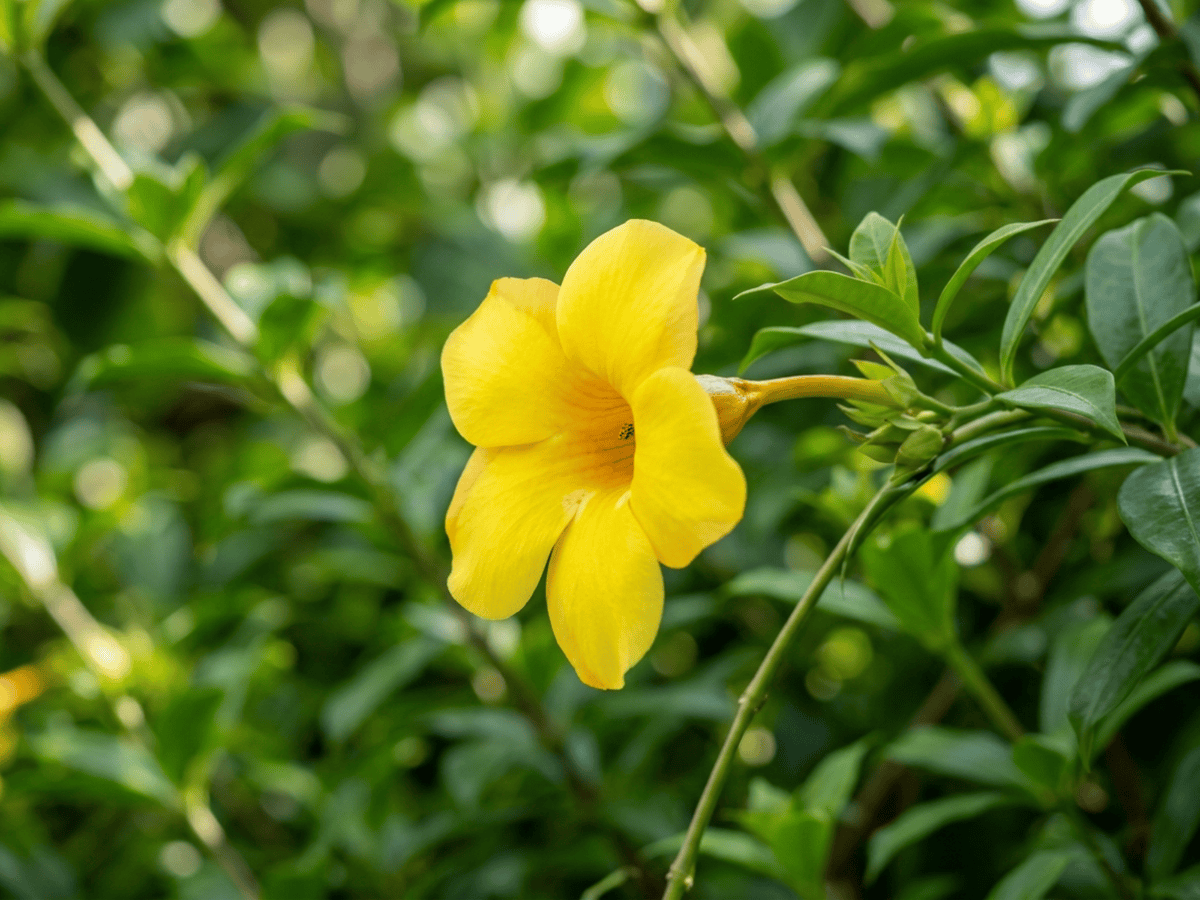
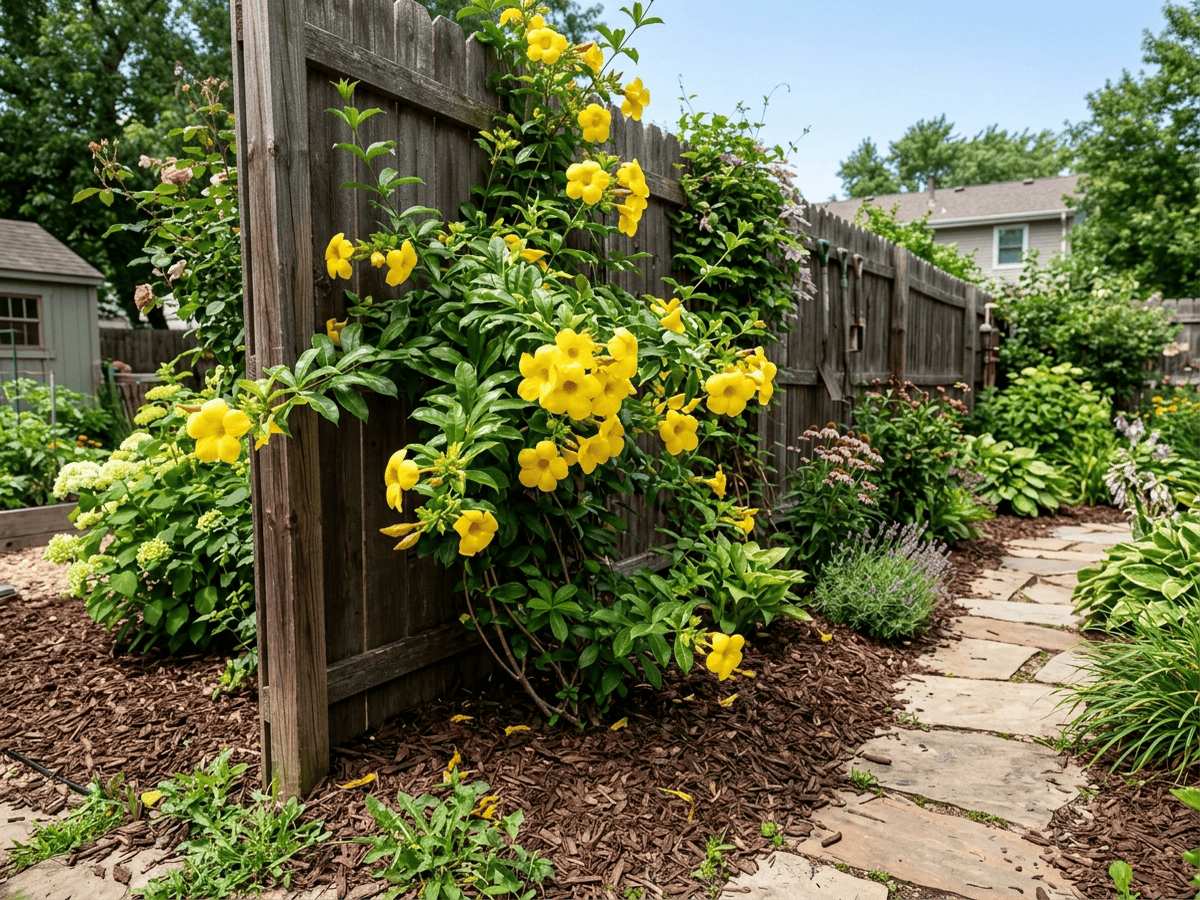
Allamanda cathartica, golden trumpet, is a tropical Brazilian shrub-vine with glossy whorled leaves and large golden funnel flowers that can reach 12 cm across. In warm climates it can be trained on trellises or pruned as a rounded shrub, blooming best with heat, humidity, rich well-drained soil, and full sun. The milky latex can irritate skin and is toxic if ingested, so it belongs where children and pets will not sample it. Traditional Brazilian use and laboratory interest have focused on its strong chemistry, but gardeners grow it for spectacle: a lush green frame carrying bright yellow trumpets through the warm season.
- Evergreen
- Fast-growing
- Tropical
How to care for Golden Trumpet
Watering
- Springevery 3 days
- Summerevery 2 days
- Fallevery 5 days
- Winterevery 14 days
Soil · Well-draining
- Top dressingPine bark mulch10%
- Main mixPotting soil + perlite 2:170%
- DrainageLECA / gravel20%
Never skip the drainage layer — standing water is the top cause of root rot.
FERTILIZER
Bloom Booster 10-52-10
A phosphorus-forward feed fuels abundant blooms, with just enough nitrogen and potassium to keep foliage and roots steady.
- Nitrogen · Leaves
- Phosphorus · Roots + Blooms
- Potassium · Strength
- Springevery 30 days
- Summerevery 30 days
- Fallevery 30 days
At a Glance
- NativeSouth America
- Height10–20 ft (3–6.1 m)
- Spread4–8 ft (1.2–2.4 m)
- Flower colorYellow, Pink, Purple
- Foliage colorGreen, Variegated
- SoilLoamy, Well-drained, Rich
- LocationsYard
Bloom time
BLOOM CYCLE
Peak bloom
Jun–Aug
Bright golden-yellow trumpets up to 12 cm; peak bloom in summer warmth
Fragrance
LIGHT FRAGRANCE
The flowers have a light sweet scent.
Toxicity
Humans Moderate · Pets Moderate
allamandin, plumericin, and iridoid glycosides
Moderate
- All
- Sap
- Ingestion
- Contact
EXPOSURE Eating any part of the plant and sap. Touching any part of the plant and sap.
EFFECT Severe GI irritation (name "cathartica"), vomiting, diarrhea and sap irritates skin and eyes.
NOTE Documented concern for humans: Severe GI irritation (name "cathartica"), vomiting, diarrhea and sap irritates skin and eyes.
Moderate
- Leaf
- Flower
- Sap
- Ingestion
EXPOSURE Eating leaves, flowers, and sap.
EFFECT Vomiting, diarrhea, severe GI upset.
NOTE Not specifically listed by ASPCA but all Apocynaceae family members (including Allamanda, Nerium, Mandevilla) are considered toxic.
Moderate
- Leaf
- Flower
- Sap
- Ingestion
EXPOSURE Eating leaves, flowers, and sap.
EFFECT Same as dogs.
NOTE Not specifically listed by ASPCA but all Apocynaceae family members (including Allamanda, Nerium, Mandevilla) are considered toxic.
Educational information, not medical or veterinary advice. If exposure is suspected, contact a doctor or veterinarian.
DISTRIBUTION

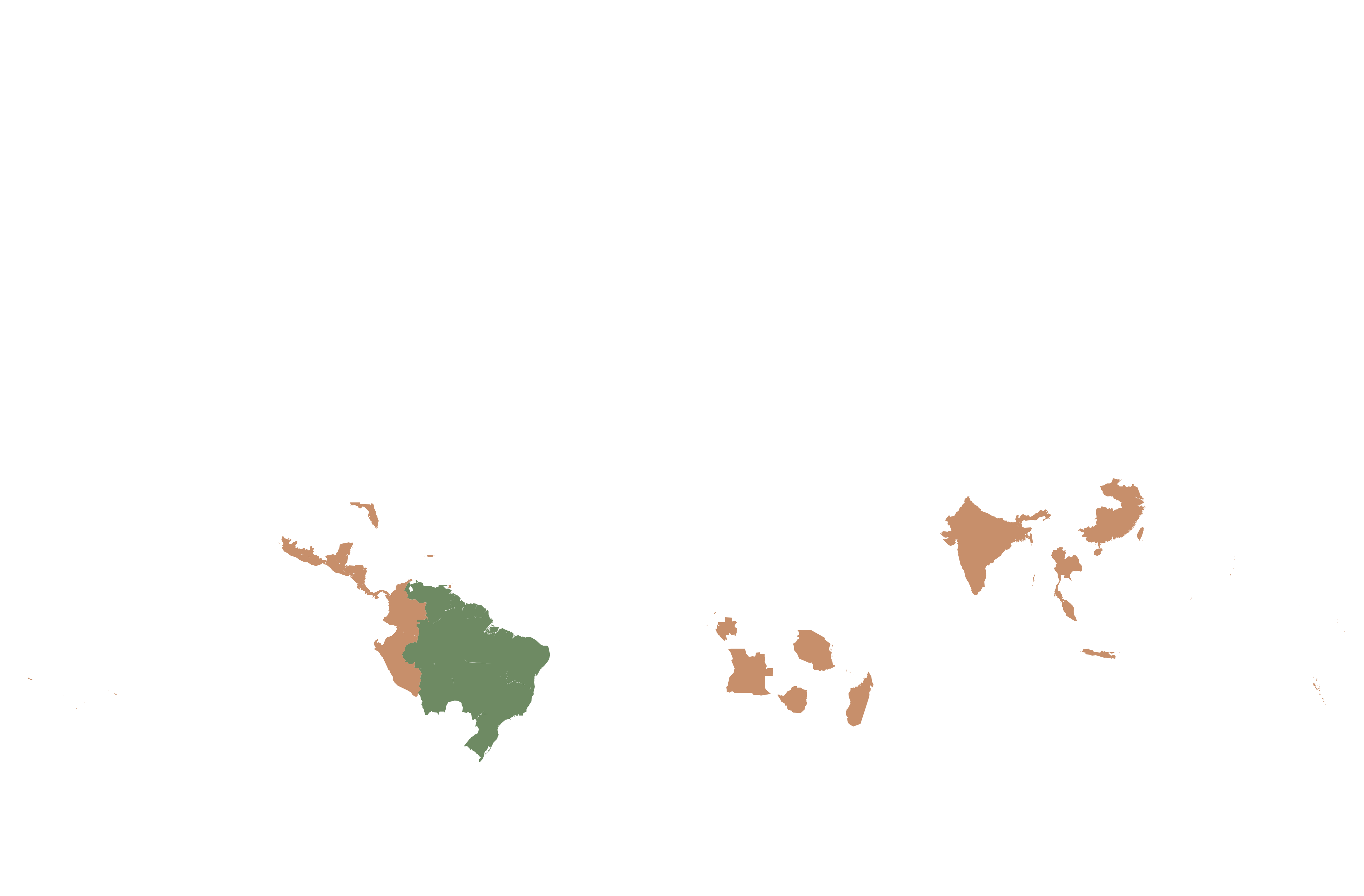
- Native
- Introduced
- South America
History
Allamanda cathartica is native to tropical South America — the Guiana Shield (Guyana, Suriname, French Guiana), northern and northeastern Brazil, and extending into parts of the Amazon basin. It is one of the most widely planted flowering vines of the tropics, grown throughout tropical and warm-subtropical gardens worldwide for its year-round production of large (5-10 cm) bright golden-yellow trumpet-shaped flowers. The genus honors 18th-century Swiss botanist Frédéric-Louis Allamand.
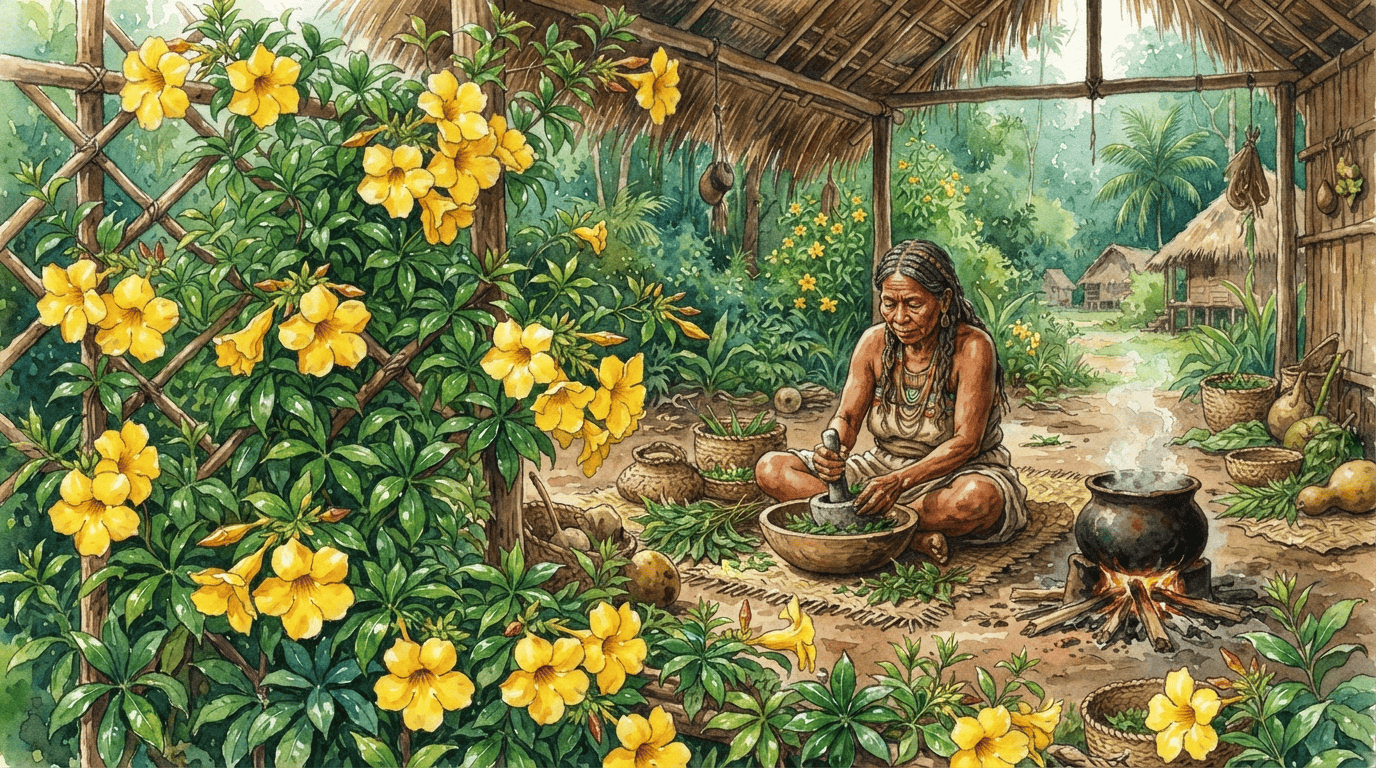
The species epithet "cathartica" reflects historical use: Indigenous peoples of the northern Amazon and Guiana region, and later European colonial medicine, used A. cathartica preparations as a powerful purgative (cathartic) and emetic. All parts of the plant contain irritating iridoid glycosides and allamandin compounds that cause severe gastrointestinal irritation, vomiting, and diarrhea if ingested; skin contact with the sap can cause dermatitis, and eye contact is painful.
It is not recommended for self-medication; modern horticultural use treats it purely as a landscape ornamental. The plant is a vigorous climber, reaching 4-6 meters in tropical conditions, and is widely planted on pergolas, arbors, fences, and as a large-shrub form in the tropical Americas, the Caribbean, Southeast Asia, and warm parts of Africa. It became the national flower of several tropical nations and is widely planted across Southeast Asia, where it adorns temples and public gardens.
Symbolism & meaning
What It Symbolizes
The Golden Trumpet pours radiance through its brilliant yellow flowers, embodying warmth, light, and the inner glow of a sun-fed soul. It suggests tropical joy, the carefree exuberance of warm latitudes where color is never restrained. To plant its is to invite a piece of equatorial brightness into the garden, a flower that refuses the muted tones of cooler climates.
- Radiance — The brilliant golden flowers embody warmth, light, and inner radiance
- Tropical Joy — Evokes the carefree beauty and exuberance of tropical landscapes
Where the Name Comes From
The name Golden Trumpet describes its trumpet-shaped flowers. Allamanda honors Frédéric-Louis Allamand (1736-1809), Swiss botanist who sent specimens from Suriname to Linnaeus. 'Cathartica' means purging in Latin, reflecting old herbal use.
Uses & Fun Facts
- Traditional purgative use across tropical folk medicine
- Golden trumpet flowers cover tropical shrubs and fences
- Vigorous tropical vine trained on trellises
Related plants
Plants with similar care
 Mexican AbeliaAbelia floribunda
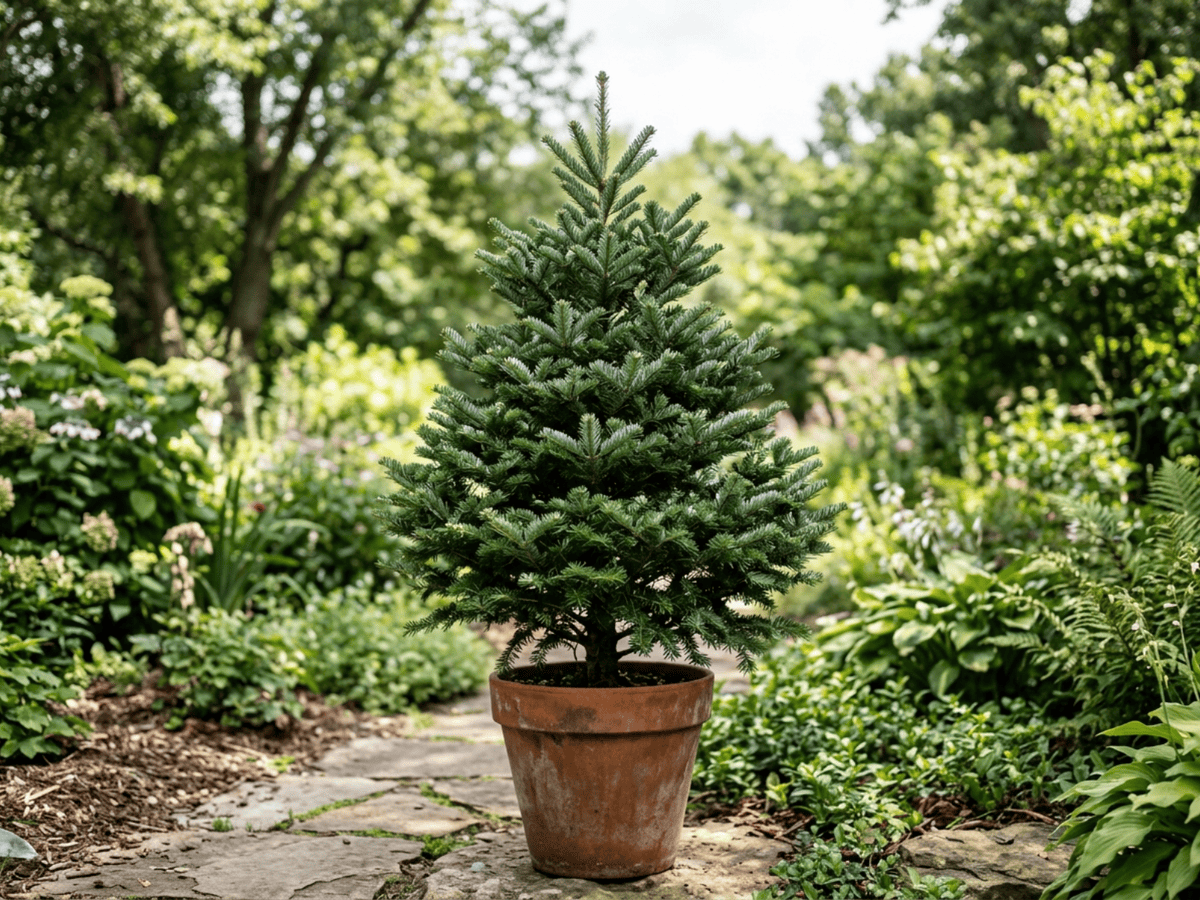 Fraser FirAbies fraseri
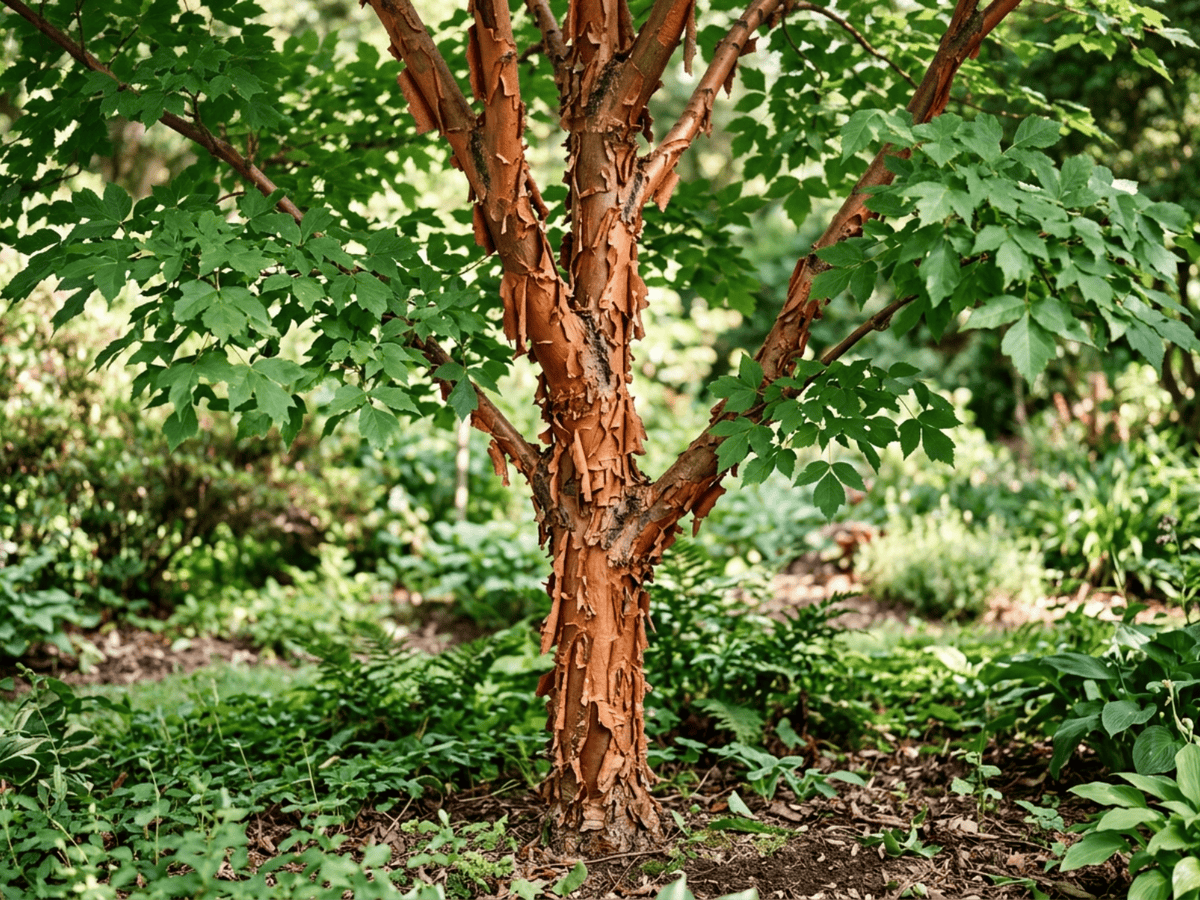 Paperbark MapleAcer griseum
 Sugar MapleAcer saccharum
Frequently asked questions
How often should I water Golden Trumpet?
In summer, water about every 2 days; in winter, about every 14 days. Adjust for heat, pot size and drainage.
How much light does Golden Trumpet need?
Full sun: 6+ hrs direct. Watch the leaves — scorching or stretching means the light needs adjusting.
Is Golden Trumpet toxic to cats or dogs?
Pets Moderate (Dogs Moderate · Cats Moderate) Educational information, not medical or veterinary advice. If exposure is suspected, contact a doctor or veterinarian.
Is Golden Trumpet easy to grow?
It is moderately demanding: a good choice once you have a little experience.
When does Golden Trumpet bloom?
It typically blooms Jun–Aug in the Northern Hemisphere.
YardMate
Identify any plant in seconds
Snap a photo — YardMate names the plant, diagnoses problems, and reminds you when to water.
Download on the App Store