 YardMate

Serviceberry
Amelanchier x grandiflora
Easy · Beginner friendlyAbout Serviceberry
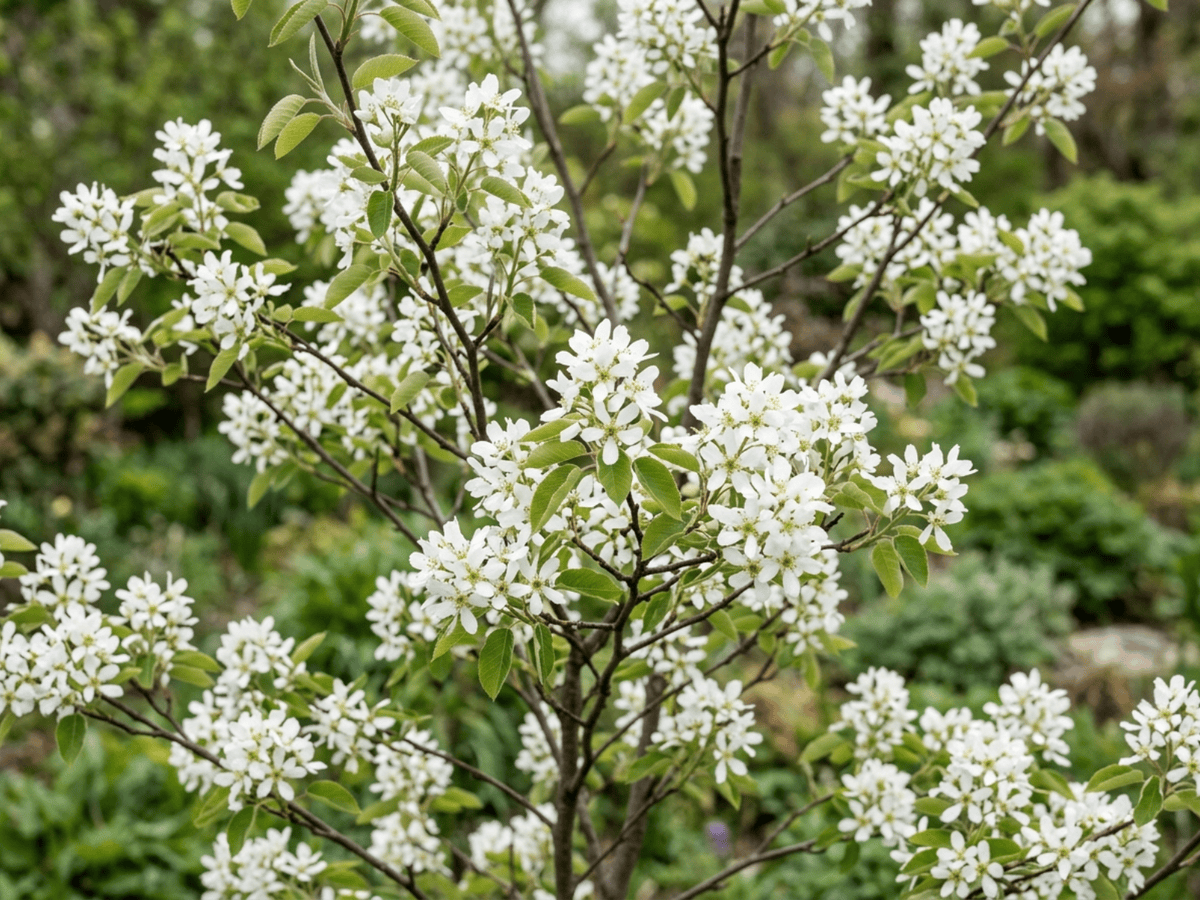
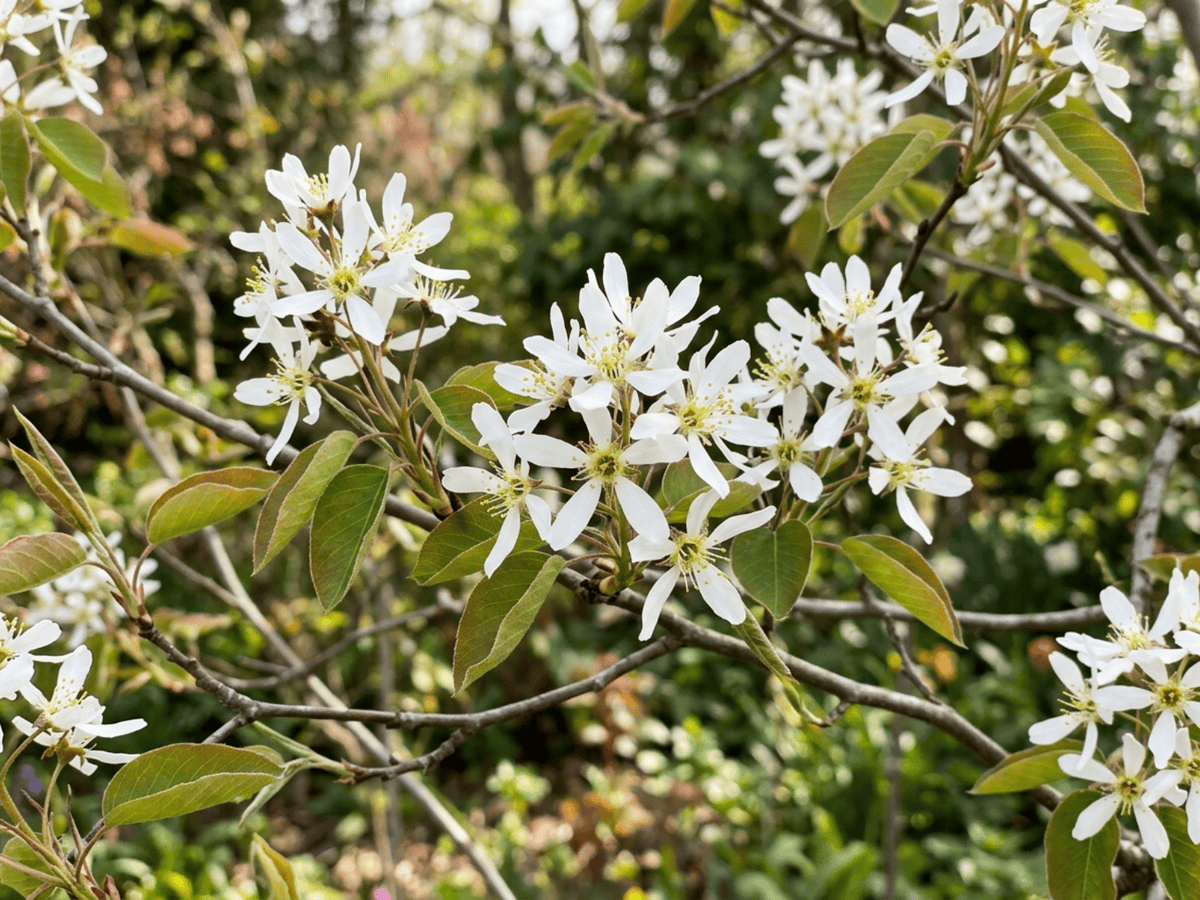
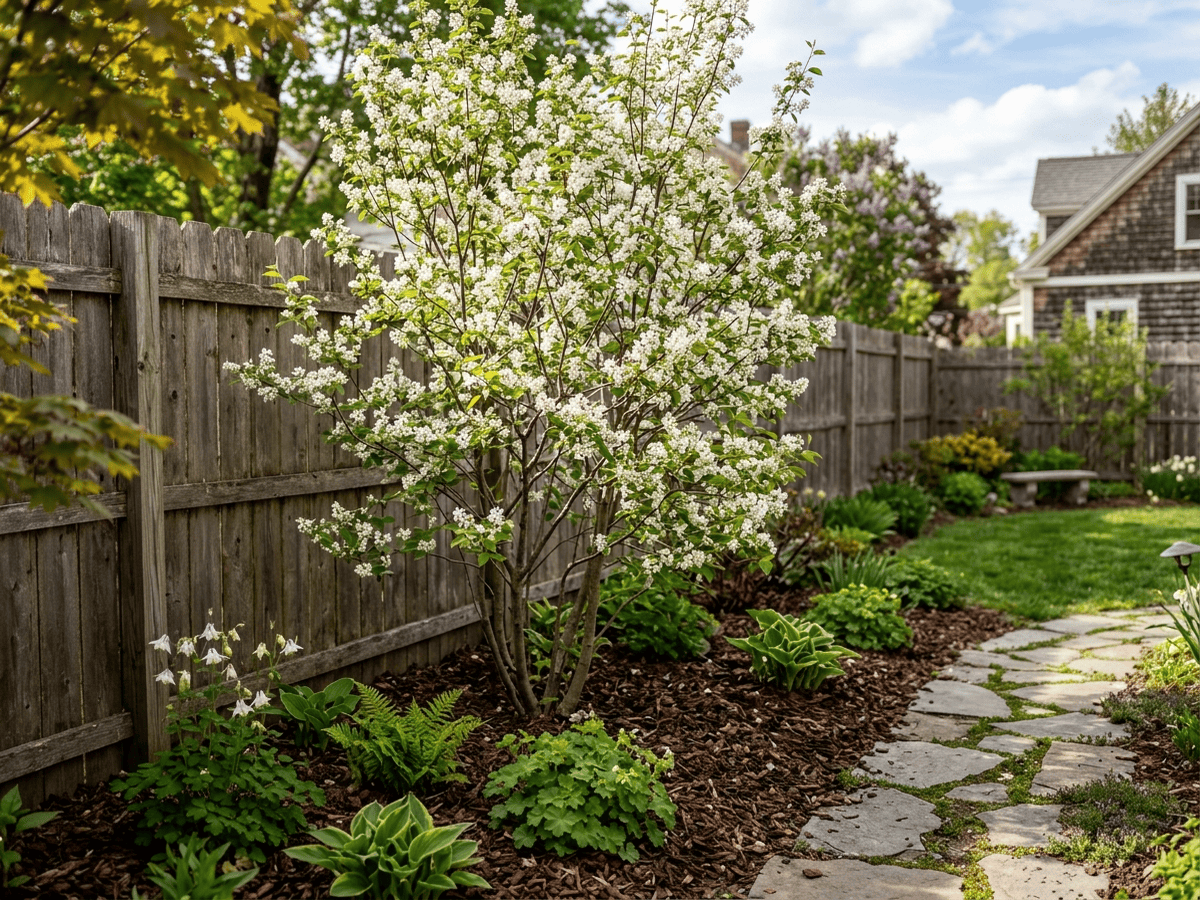
Amelanchier x grandiflora, commonly called apple serviceberry, is a hybrid between Amelanchier arborea and Amelanchier laevis, combining the best traits of both parents. This graceful multi-stemmed small tree or large shrub grows 15 to 25 feet tall and offers exceptional four-season interest. In early spring, before or just as leaves emerge, clouds of delicate white star-shaped flowers cover the branches. These give way to small blueberry-like fruits in early summer that are sweet and edible, prized by both humans and birds. The leaves emerge with a bronze-purple tinge, mature to green, then turn spectacular shades of orange and red in autumn. Smooth gray bark provides winter appeal. It thrives in full sun to partial shade and adapts to a range of soil types, preferring moist, well-drained conditions. Popular cultivars include 'Autumn Brilliance' for outstanding fall color and 'Princess Diana' for upright form. It is an excellent native alternative to ornamental pears and cherries, offering food for wildlife while requiring minimal maintenance.
- Edible
- Native
- Wildlife-friendly
How to care for Serviceberry
Watering
- Springevery 5 days
- Summerevery 4 days
- Fallevery 10 days
- Winterevery 30 days
Soil · Well-draining
- Top dressingPine bark mulch10%
- Main mixPotting soil + perlite 2:170%
- DrainageLECA / gravel20%
Never skip the drainage layer — standing water is the top cause of root rot.
FERTILIZER
Balanced Feed 14-14-14
An even feed covers all three needs at once, keeping leaves, roots and blooms moving together with nothing pushed out of balance.
- Nitrogen · Leaves
- Phosphorus · Roots + Blooms
- Potassium · Strength
- Springevery 45 days
At a Glance
- NativeNorth America
- Height15–25 ft (4.6–7.6 m)
- Spread15–20 ft (4.6–6.1 m)
- Flower colorWhite, Pink
- Foliage colorGreen, Red, Bronze, Yellow
- Fruit colorPurple, Blue
- SoilLoamy, Well-drained
- LocationsYard
Bloom time
BLOOM CYCLE
Peak bloom
Mar–Apr
Delicate white flowers in early spring; minimal pruning needed — remove only dead or crossing branches in late winter
Fragrance
LIGHT FRAGRANCE
Light sweet scent from flowers.
Toxicity
No toxicity has been reported for this plant. Still, it is wise to keep pets from chewing on any houseplant.
Educational information, not medical or veterinary advice. If exposure is suspected, contact a doctor or veterinarian.
DISTRIBUTION


- Native
- Introduced
- North America
History
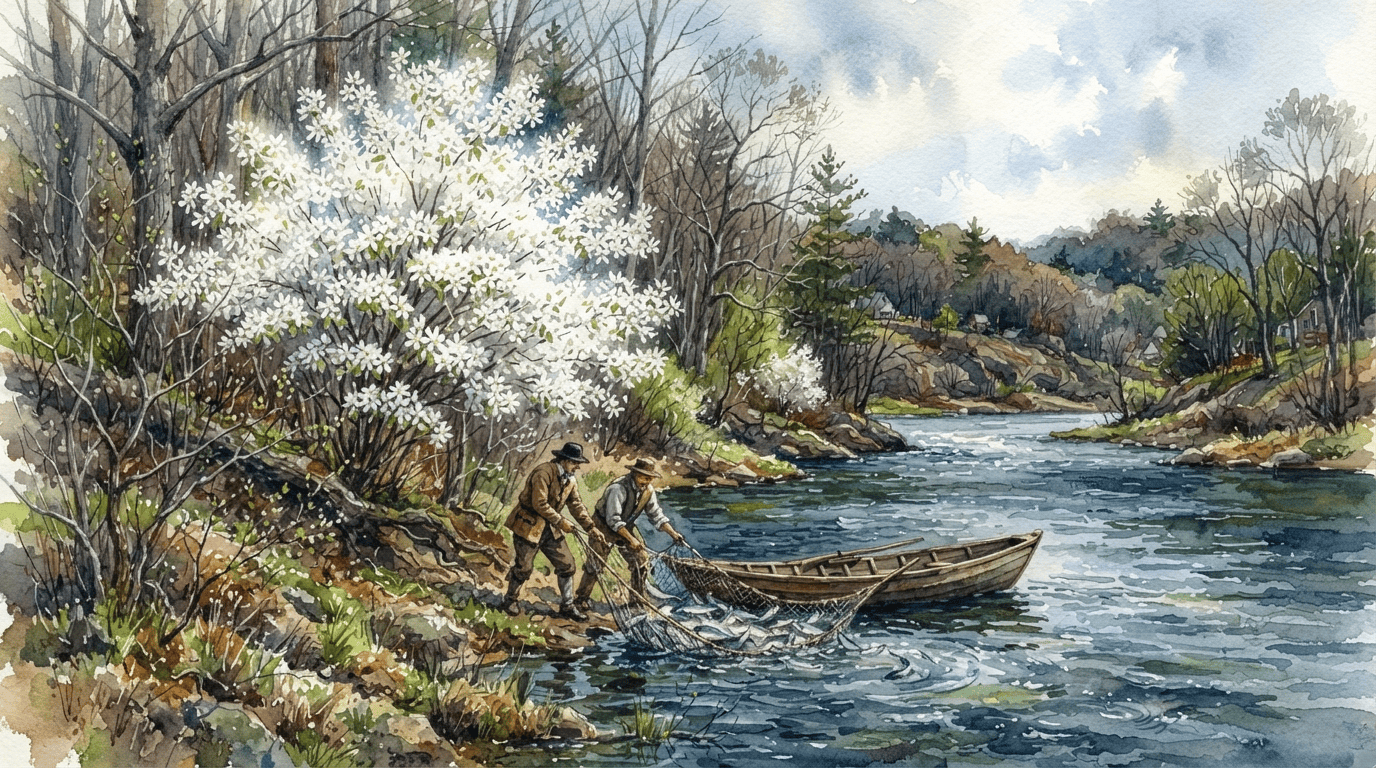
Amelanchier x grandiflora is a hybrid between two native North American species, A. arborea and A. laevis, and has become one of the most commonly planted serviceberries in American and European landscapes. Its early white flowers appear before many trees leaf out, giving spring gardens a clean, cloudlike brightness.
The common names carry layers of cultural history. "Shadbush" refers to the timing of bloom with the spring runs of American shad in Atlantic rivers; "serviceberry" is often linked to the thawing of winter ground, when delayed funeral services could again be held; and "Juneberry" points to the sweet blueberry-like fruits that ripen in early summer.
Those fruits have long been eaten fresh, cooked into jams and pies, and dried by Indigenous peoples, especially in pemmican traditions associated with serviceberries and related saskatoons. Popular ornamental cultivars of A. x grandiflora include 'Autumn Brilliance', 'Princess Diana', and 'Robin Hill'.
Symbolism & meaning
What It Symbolizes
Serviceberry is a tree of hope — among the earliest to bloom, its white flowers signal that winter's hold has truly broken. Its meaning deepens with provision: the generous summer fruit feeds birds, neighbors, and pies alike, an emblem of nature's quiet abundance. To plant a Serviceberry is to invite both the first promise of spring and the steady gifts of the seasons that follow.
- Hope — One of the earliest trees to bloom, signaling the end of winter and arrival of hope
- Provision — Its generous fruit symbolizes abundance and nature's gifts
Where the Name Comes From
'Amelanchier' derives from the Provençal French name 'amelanche' for the European species. 'Grandiflora' means 'large-flowered' in Latin.
Uses & Fun Facts
- Sweet blueberry-flavored serviceberries used fresh, baked, or in jams
- Berries feed cedar waxwings, robins, and many songbirds
- White spring flowers and orange-red fall color for small yards
Related plants
More Amelanchier plants

Plants with similar care
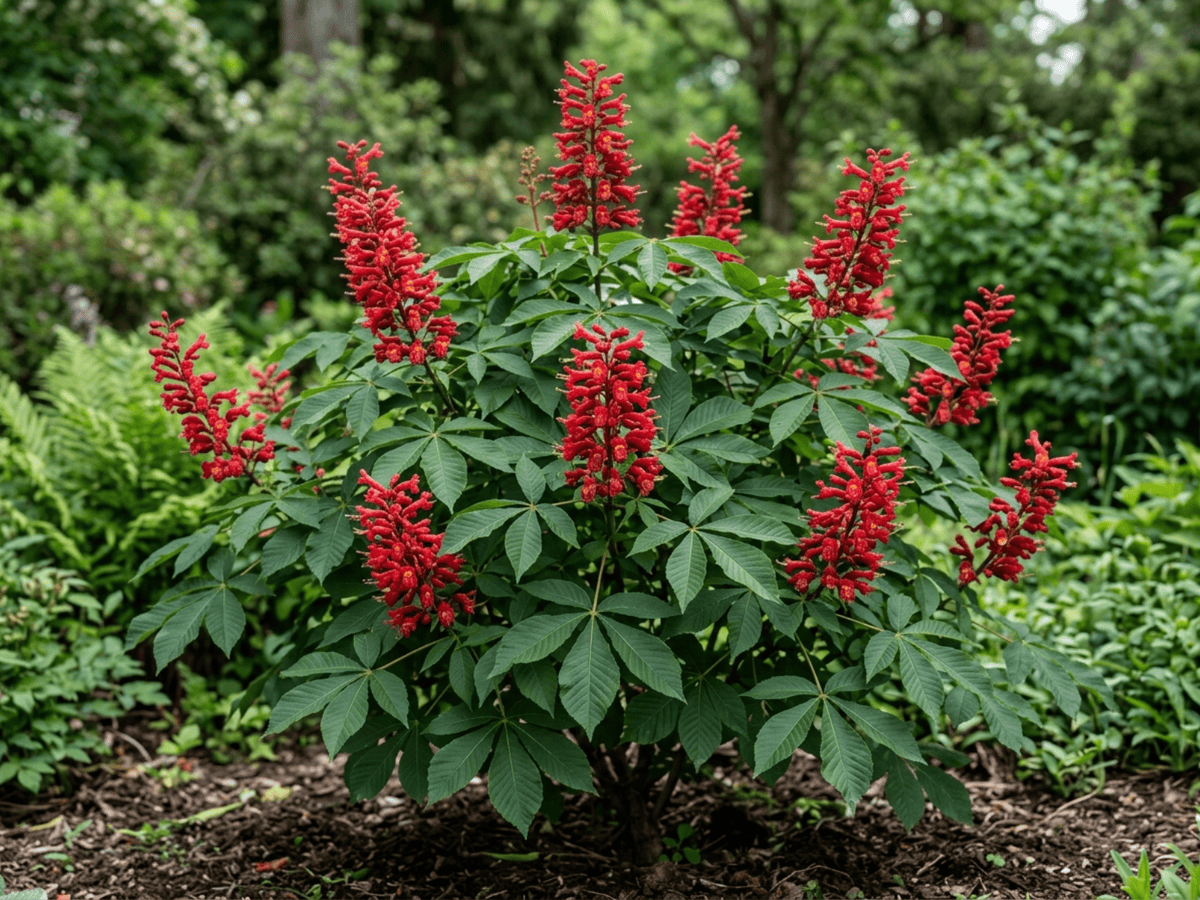 Red BuckeyeAesculus pavia
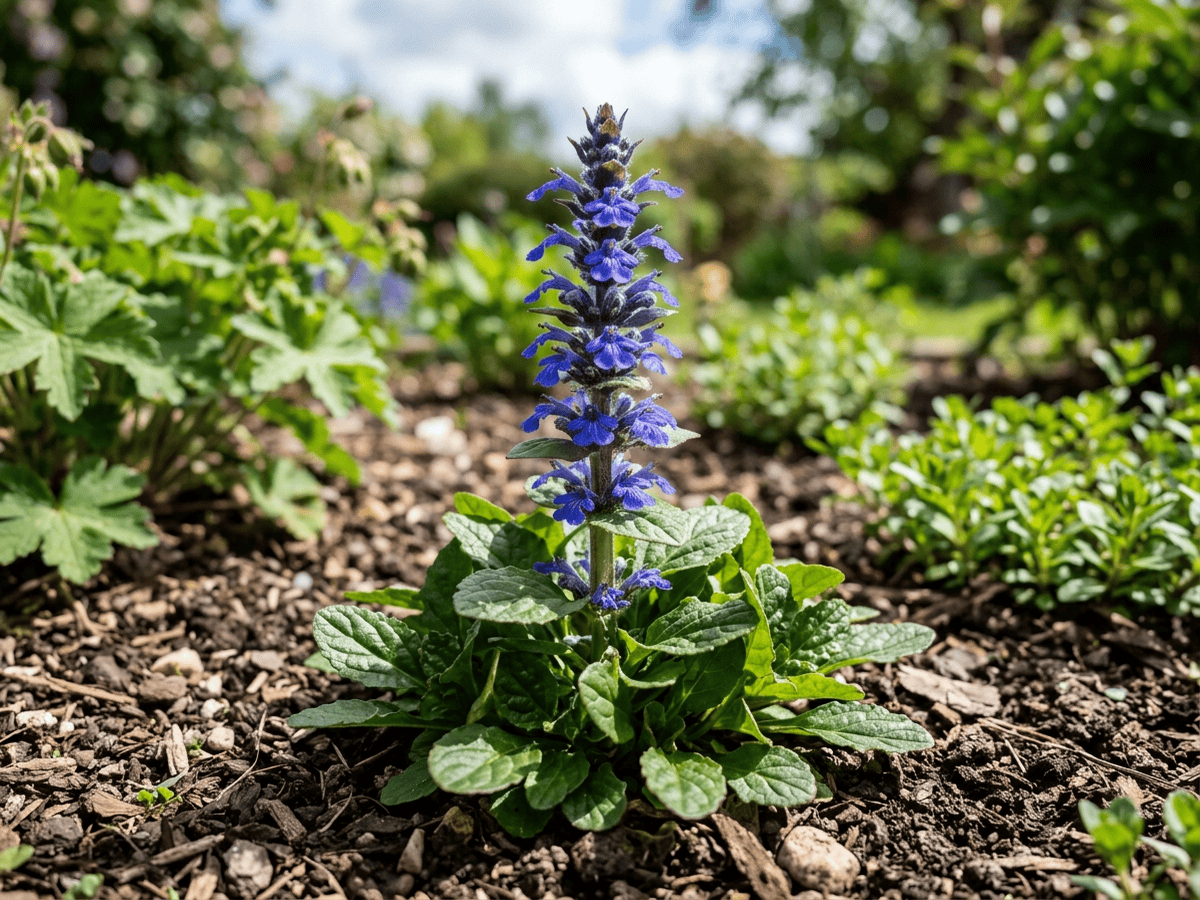 Blue BugleAjuga genevensis
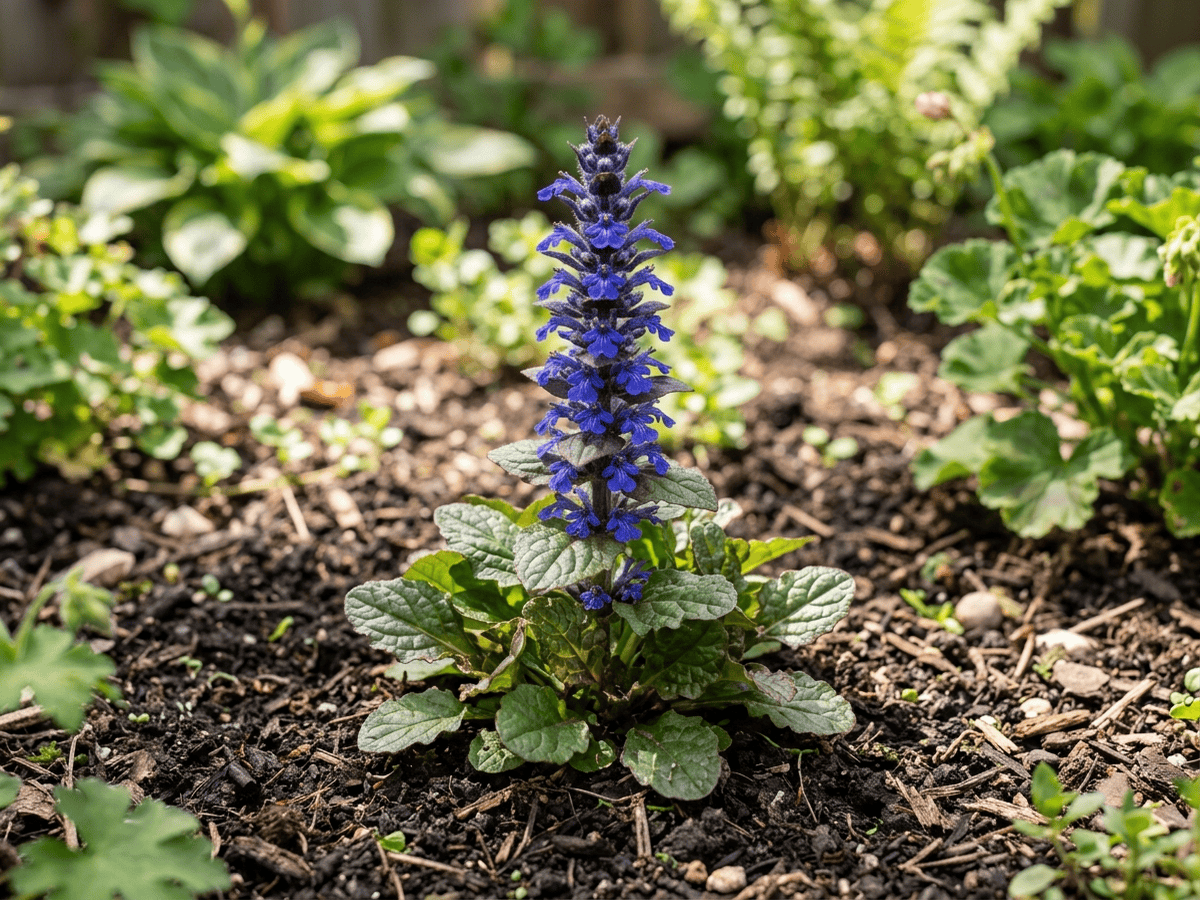 Pyramidal BugleAjuga pyramidalis
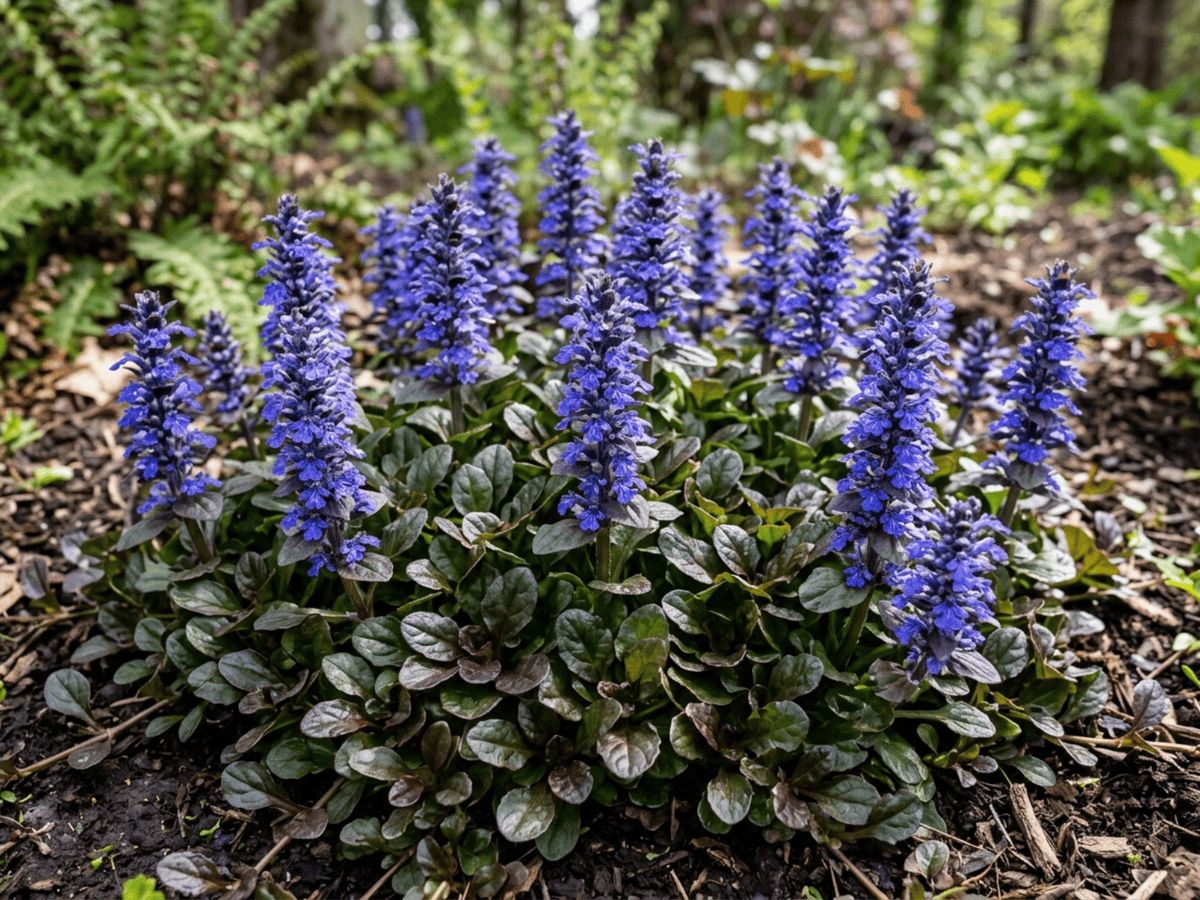 Carpet BugleAjuga reptans
Frequently asked questions
How often should I water Serviceberry?
In summer, water about every 4 days; in winter, about every 30 days. Adjust for heat, pot size and drainage.
How much light does Serviceberry need?
Part shade: 2–4 hrs direct. Watch the leaves — scorching or stretching means the light needs adjusting.
Is Serviceberry toxic to cats or dogs?
No toxicity has been reported for this plant. Still, it is wise to keep pets from chewing on any houseplant. Educational information, not medical or veterinary advice. If exposure is suspected, contact a doctor or veterinarian.
Is Serviceberry easy to grow?
Yes — it is considered an easy, beginner-friendly plant.
When does Serviceberry bloom?
It typically blooms Mar–Apr in the Northern Hemisphere.
YardMate
Identify any plant in seconds
Snap a photo — YardMate names the plant, diagnoses problems, and reminds you when to water.
Download on the App Store