 YardMate


Broomsedge Bluestem
Andropogon virginicus
Easy · Beginner friendlyAbout Broomsedge Bluestem
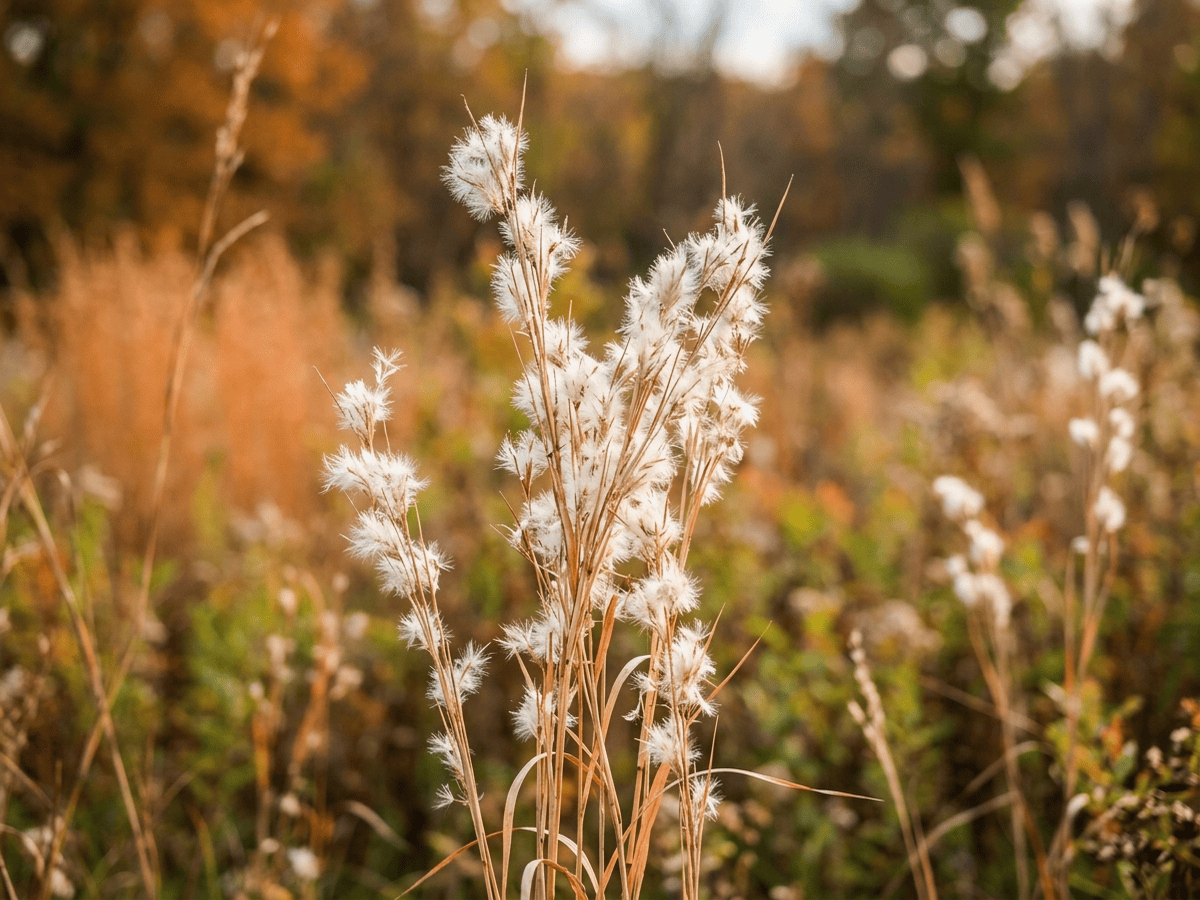
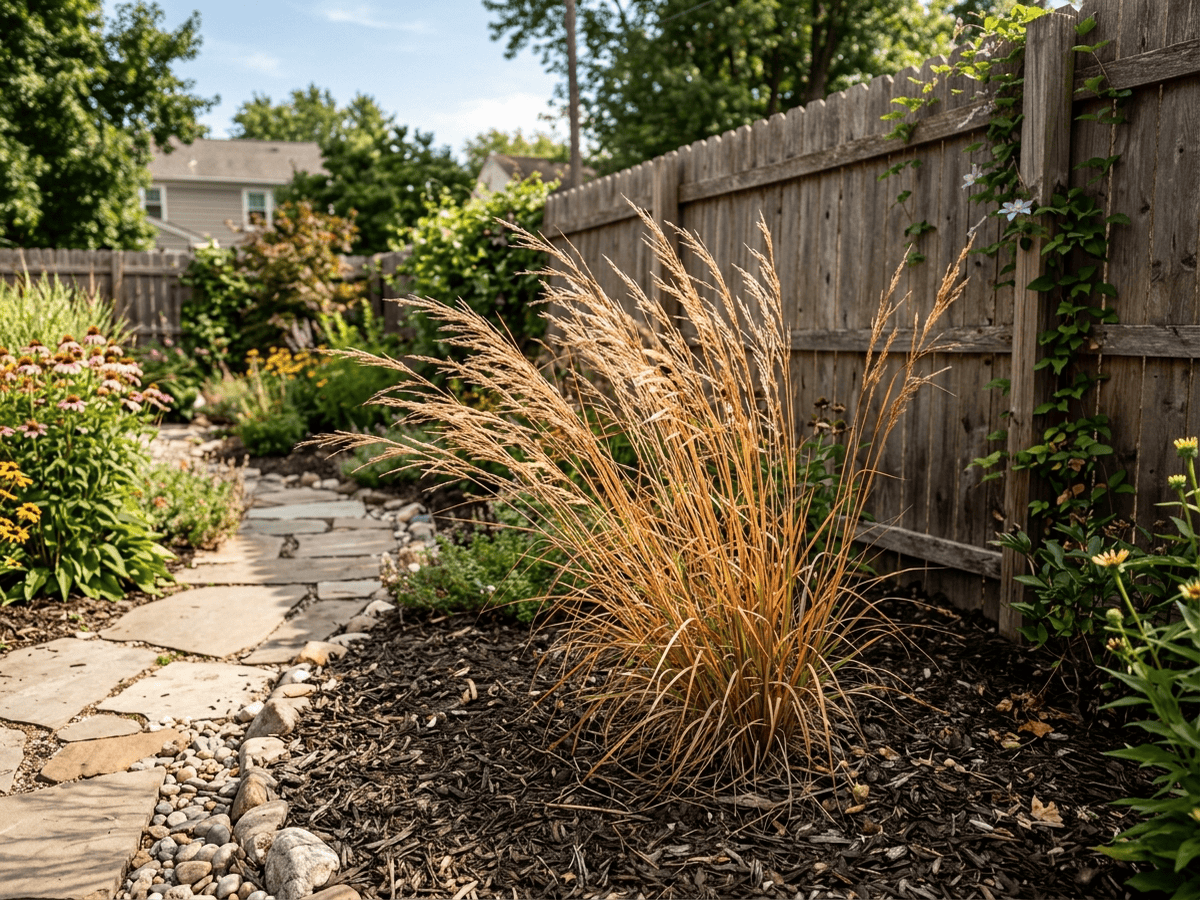
Broomsedge is an Eastern North American native warm-season grass reaching 2-4 feet tall, forming upright tufts of slender blue-green foliage that turn brilliant copper-orange in fall and persist through winter. Native from New England to Texas, it provides important wildlife cover and stabilizes poor soils. Once considered a pasture weed, it is now valued in native plant gardens and prairie restorations across the eastern United States.
- Drought-tolerant
- Fall-color
- Native
How to care for Broomsedge Bluestem
Watering
- Springevery 14 days
- Summerevery 21 days
- Fallevery 21 days
- Winterevery 45 days
Soil · Well-draining
- Top dressingPine bark mulch10%
- Main mixPotting soil + perlite 2:170%
- DrainageLECA / gravel20%
Never skip the drainage layer — standing water is the top cause of root rot.
FERTILIZER
This plant needs little to no feeding.
At a Glance
- NativeNorth America
- Height2–4 ft (0.6–1.2 m)
- Spread1–2 ft (0.3–0.6 m)
- Flower colorWhite
- Foliage colorBlue-green, Bronze
- SoilSandy, Well-drained
- LocationsYard
Bloom time
BLOOM CYCLE
Peak bloom
Aug–Sep
Inconspicuous fluffy white flowers in late summer
Toxicity
Humans Safe · Pets Safe
None reported
Safe
EXPOSURE No exposure route is reported.
EFFECT No toxic effect is reported.
NOTE Listed as non-toxic for humans; avoid eating ornamental plants unless confirmed edible.
Safe
EXPOSURE No exposure route is reported.
EFFECT No toxic effect is reported.
NOTE Listed as non-toxic for dogs; avoid eating ornamental plants unless confirmed edible.
Safe
EXPOSURE No exposure route is reported.
EFFECT No toxic effect is reported.
NOTE Listed as non-toxic for cats; avoid eating ornamental plants unless confirmed edible.
Educational information, not medical or veterinary advice. If exposure is suspected, contact a doctor or veterinarian.
DISTRIBUTION


- Native
- North America
History
Andropogon virginicus, commonly called broomsedge bluestem or simply broomsedge, is a warm-season clumping perennial grass in the family Poaceae native to most of eastern and central North America from southern Ontario and New England south through Florida and west through Texas, with populations in California and Hawaii (where introduced and weedy). Carl Linnaeus described it in Species Plantarum in 1753 based on Virginia specimens. Plants form 60-120 cm tall tufted clumps of slender blue-green to pale green narrow leaves, flowering in late summer with small paired racemes of tiny spikelets clothed in silky white-tan hairs along upright stems.
The principal ornamental feature is the stunning fall-to-winter color: foliage turns a warm coppery-orange or bronze-red and persists upright through winter, catching low backlight beautifully. A pioneer species on disturbed and poor soils, it indicates low soil nitrogen and acidic conditions. Larval host for several skipper butterflies and native birds use seed.
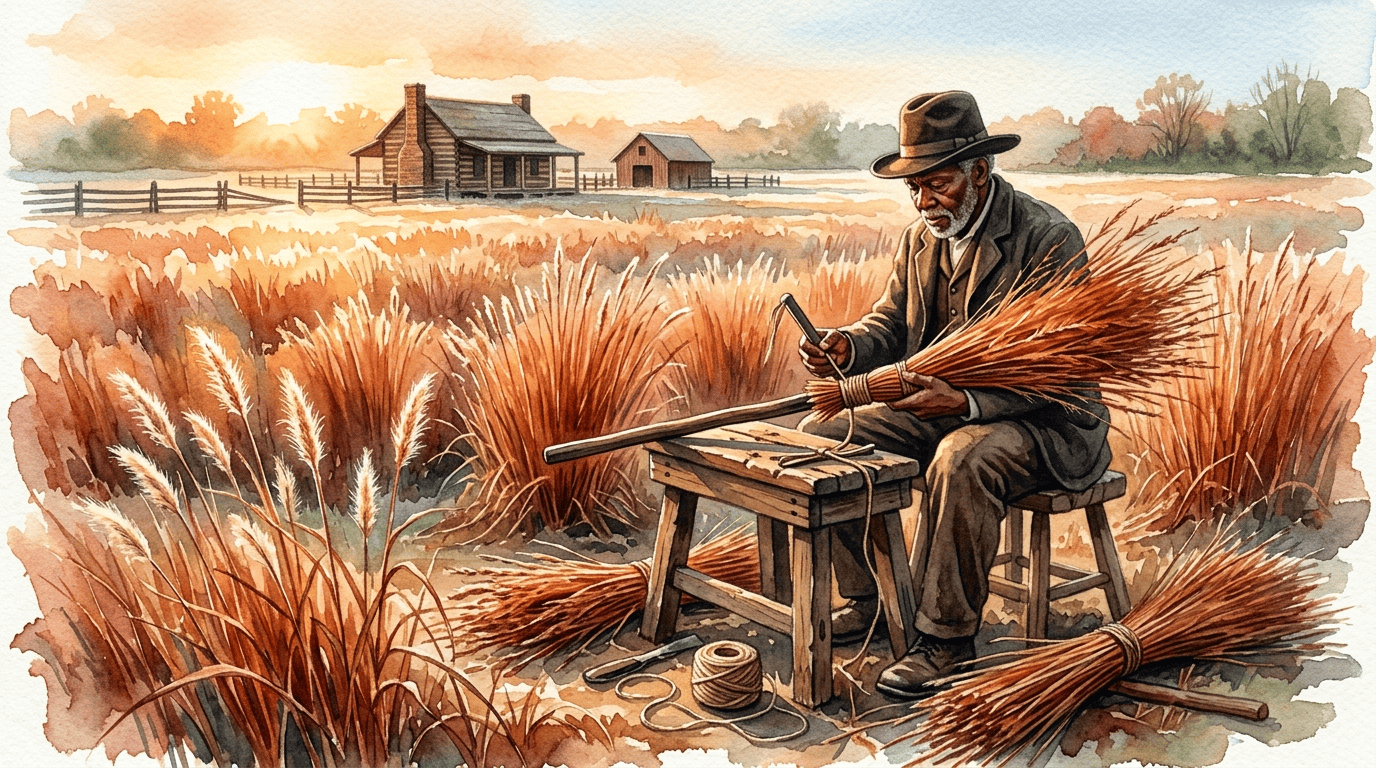
Increasingly planted in native and prairie-style meadow plantings. Historically used to make brooms in the colonial and antebellum South, hence the common name. Now valued in native plant gardens for its brilliant fall and winter color and importance to grassland birds.
Symbolism & meaning
What It Symbolizes
Broomsedge Bluestem is the resilience of the rural South made grass, copper-bronze in autumn, thriving in worn-out soils where richer pastures fail. Settlers once bound its straight stems into household brooms, weaving heritage from a plant most considered weedy. Its quiet glow across abandoned fields tells a story of land remembering itself, beauty rising from depletion.
- Resilience — thrives in poor depleted soils
- Heritage — historic broom-making plant of the South
Where the Name Comes From
The name Broomsedge Bluestem describes its sedge-like clumps. 'Andropogon' from Greek meaning man-beard (for the bearded flowers); 'virginicus' refers to Virginia.
Uses & Fun Facts
- Copper-orange winter foliage adds long seasonal interest
- Tufts shelter ground-nesting birds and small mammals
- Stabilizes poor, eroded soils across eastern prairie restorations
Related plants
Plants with similar care
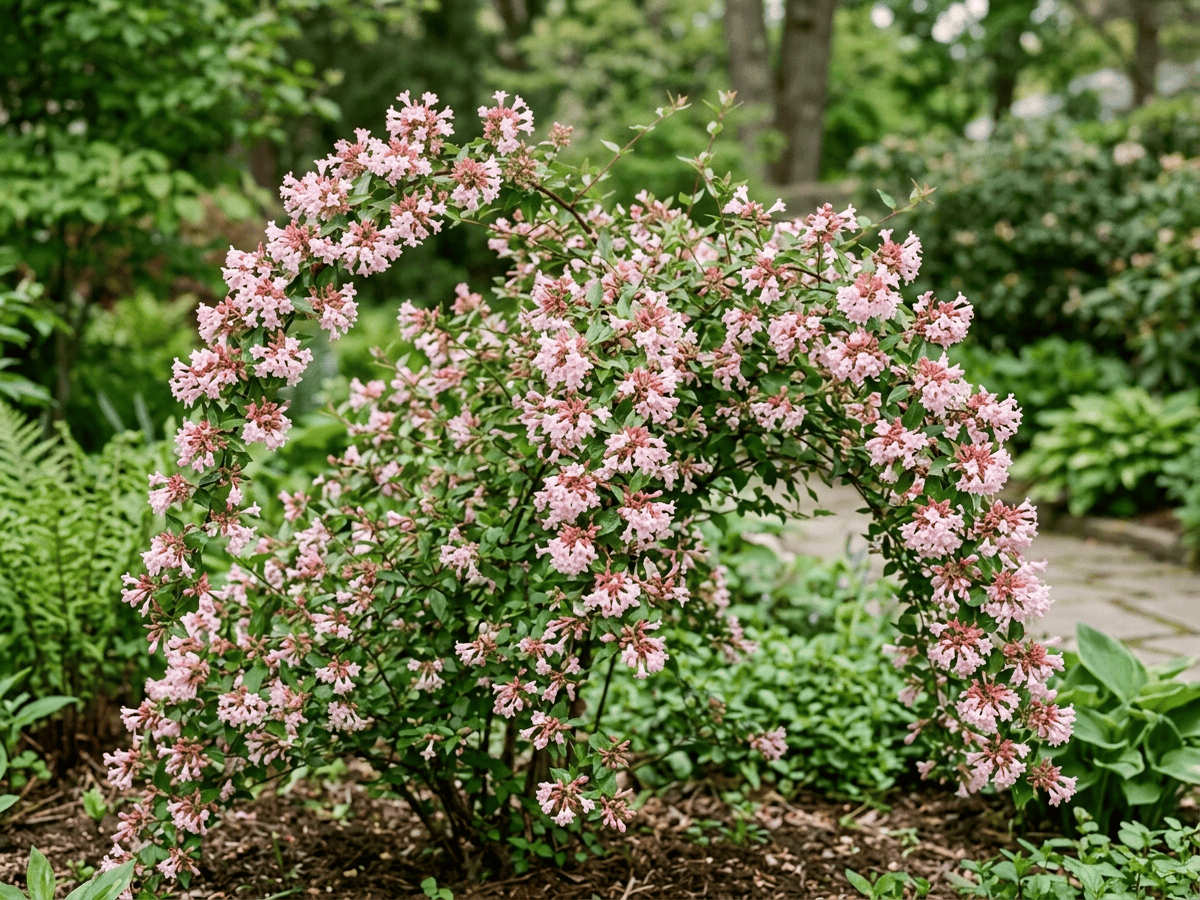
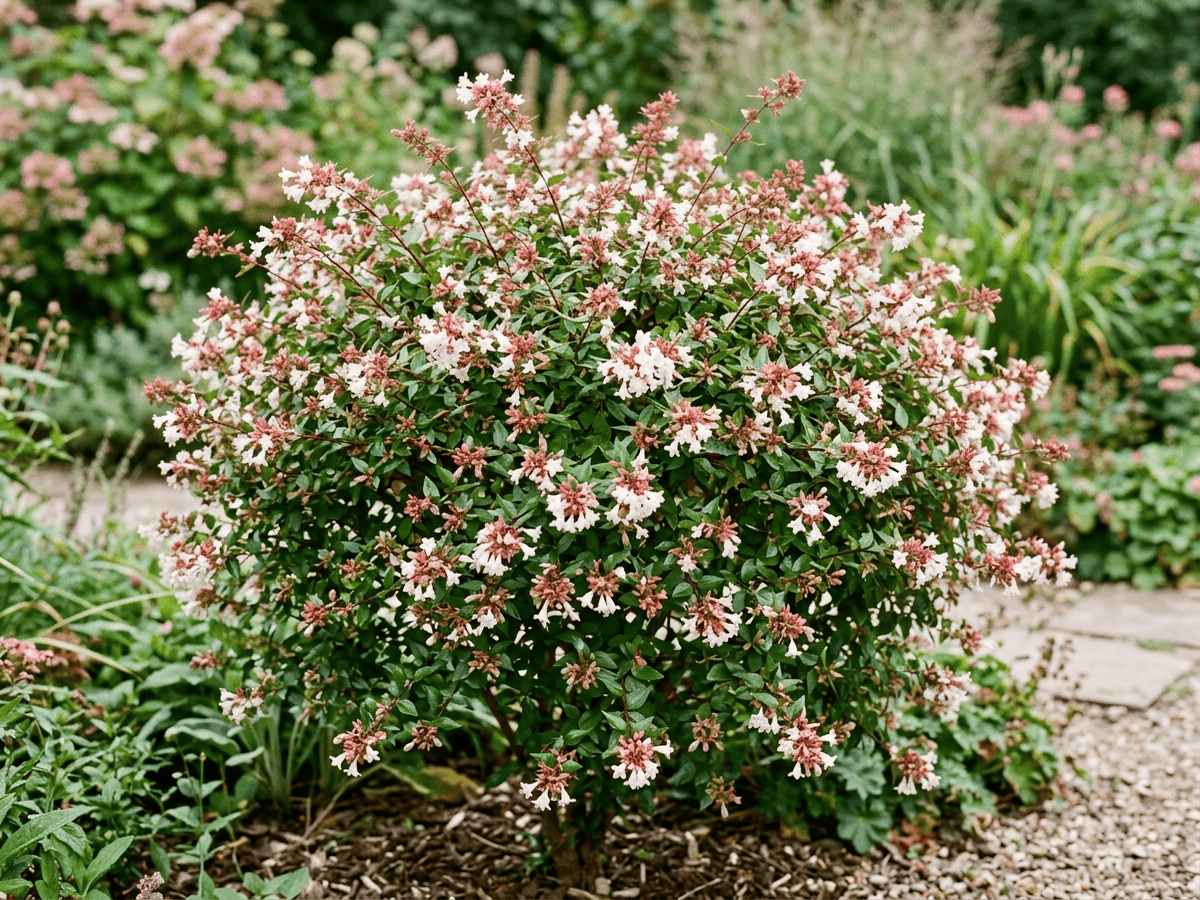 Chinese AbeliaAbelia chinensis
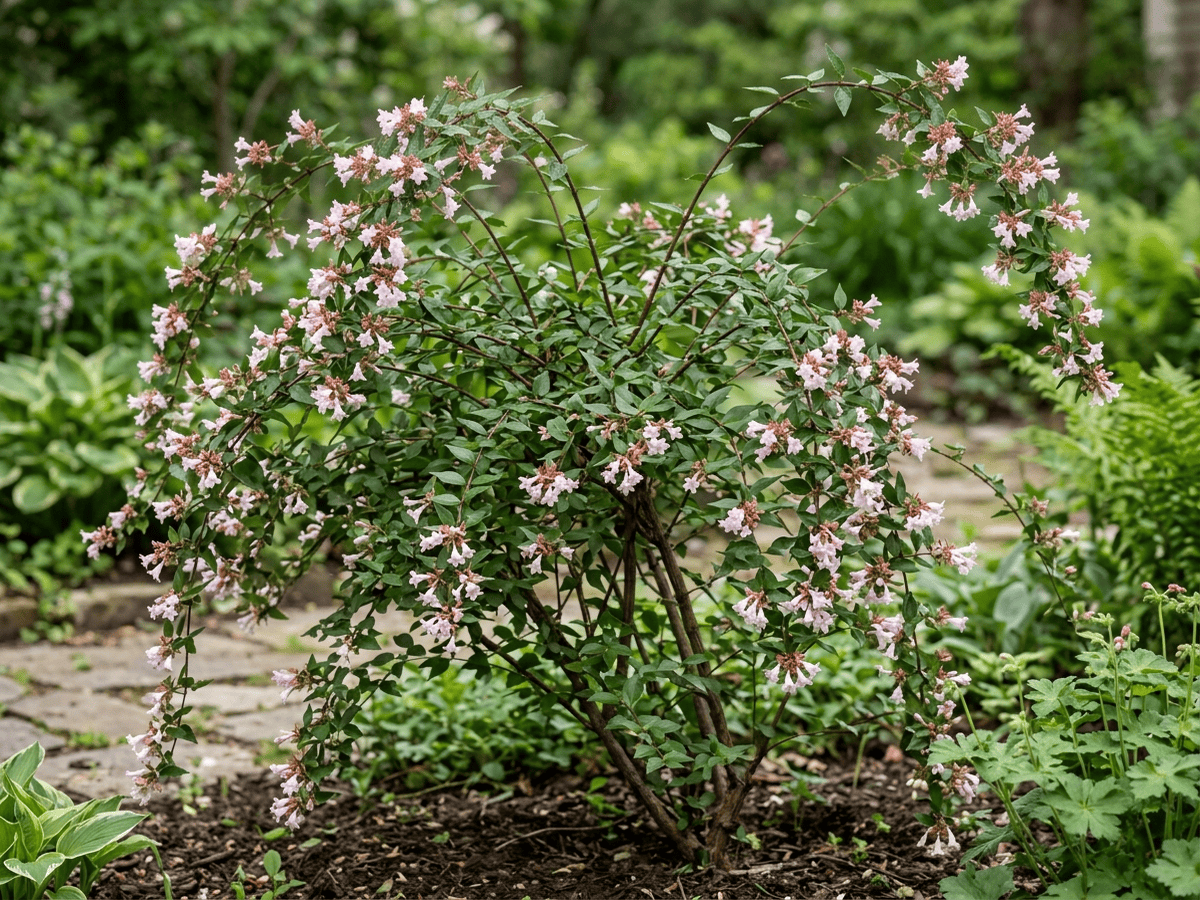
 Fragrant AbeliaAbelia mosanensis
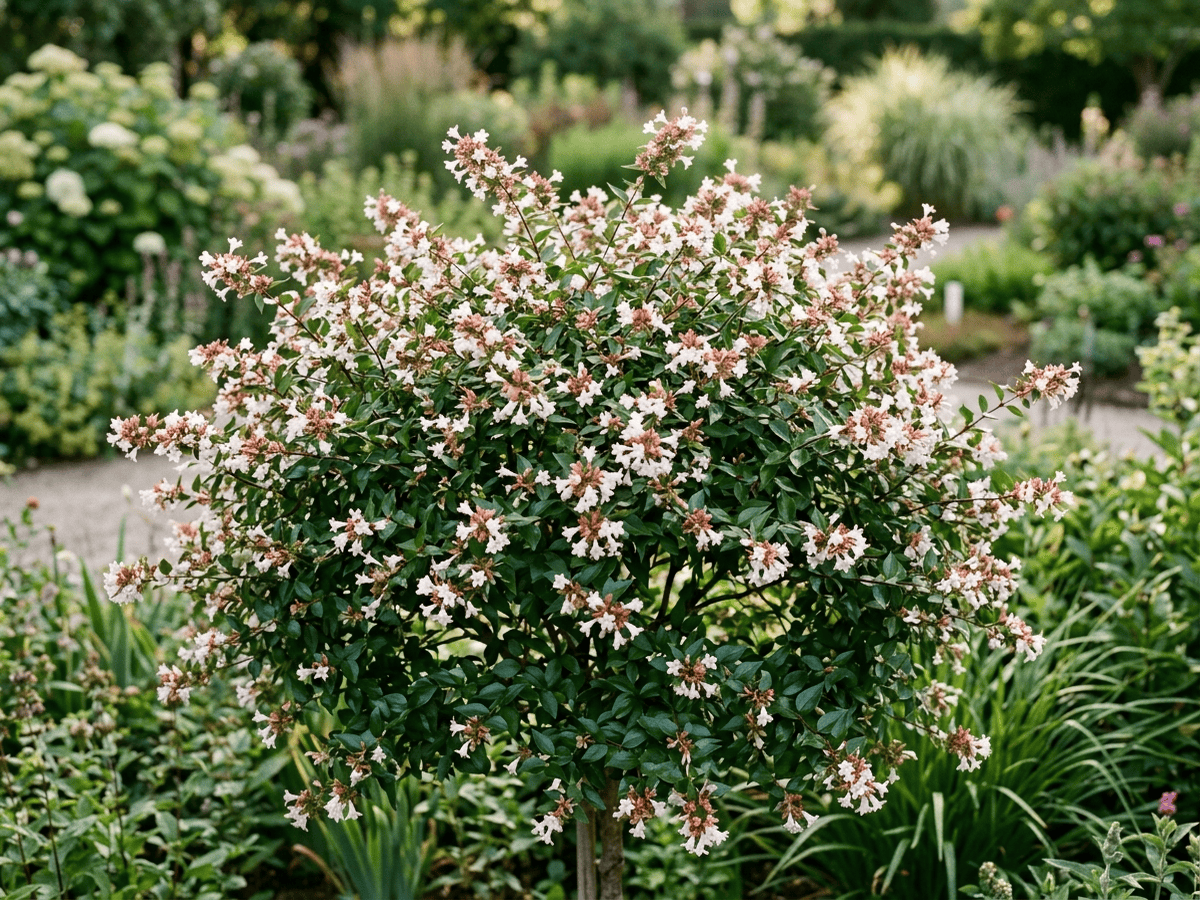
 Large-Flowered AbeliaAbelia uniflora
 Glossy AbeliaAbelia x grandiflora
Frequently asked questions
How often should I water Broomsedge Bluestem?
In summer, water about every 21 days; in winter, about every 45 days. Adjust for heat, pot size and drainage.
How much light does Broomsedge Bluestem need?
Full sun: 6+ hrs direct. Watch the leaves — scorching or stretching means the light needs adjusting.
Is Broomsedge Bluestem toxic to cats or dogs?
Pets Safe (Dogs Safe · Cats Safe) Educational information, not medical or veterinary advice. If exposure is suspected, contact a doctor or veterinarian.
Is Broomsedge Bluestem easy to grow?
Yes — it is considered an easy, beginner-friendly plant.
When does Broomsedge Bluestem bloom?
It typically blooms Aug–Sep in the Northern Hemisphere.
YardMate
Identify any plant in seconds
Snap a photo — YardMate names the plant, diagnoses problems, and reminds you when to water.
Download on the App Store