 YardMate


Large-Flowered Abelia
Abelia uniflora
Easy · Beginner friendlyAbout Large-Flowered Abelia
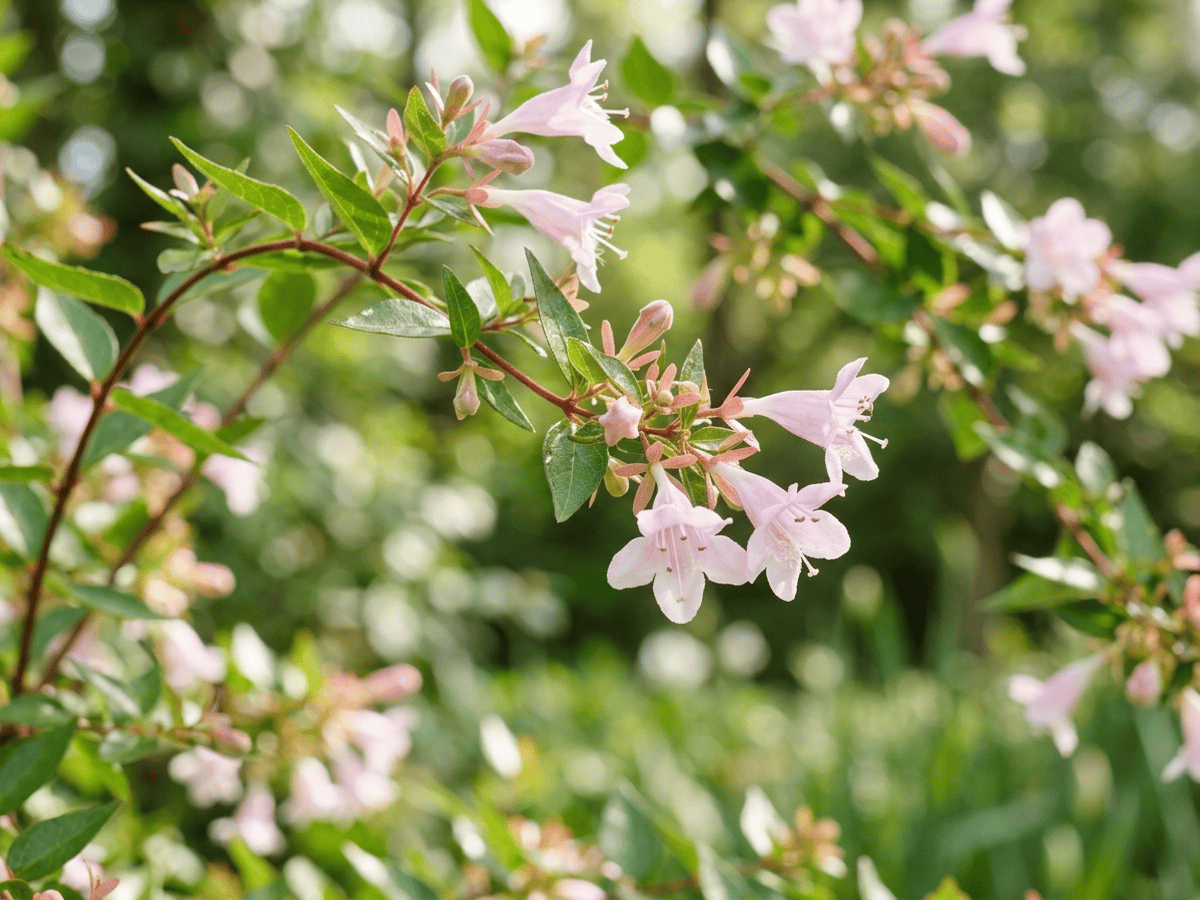
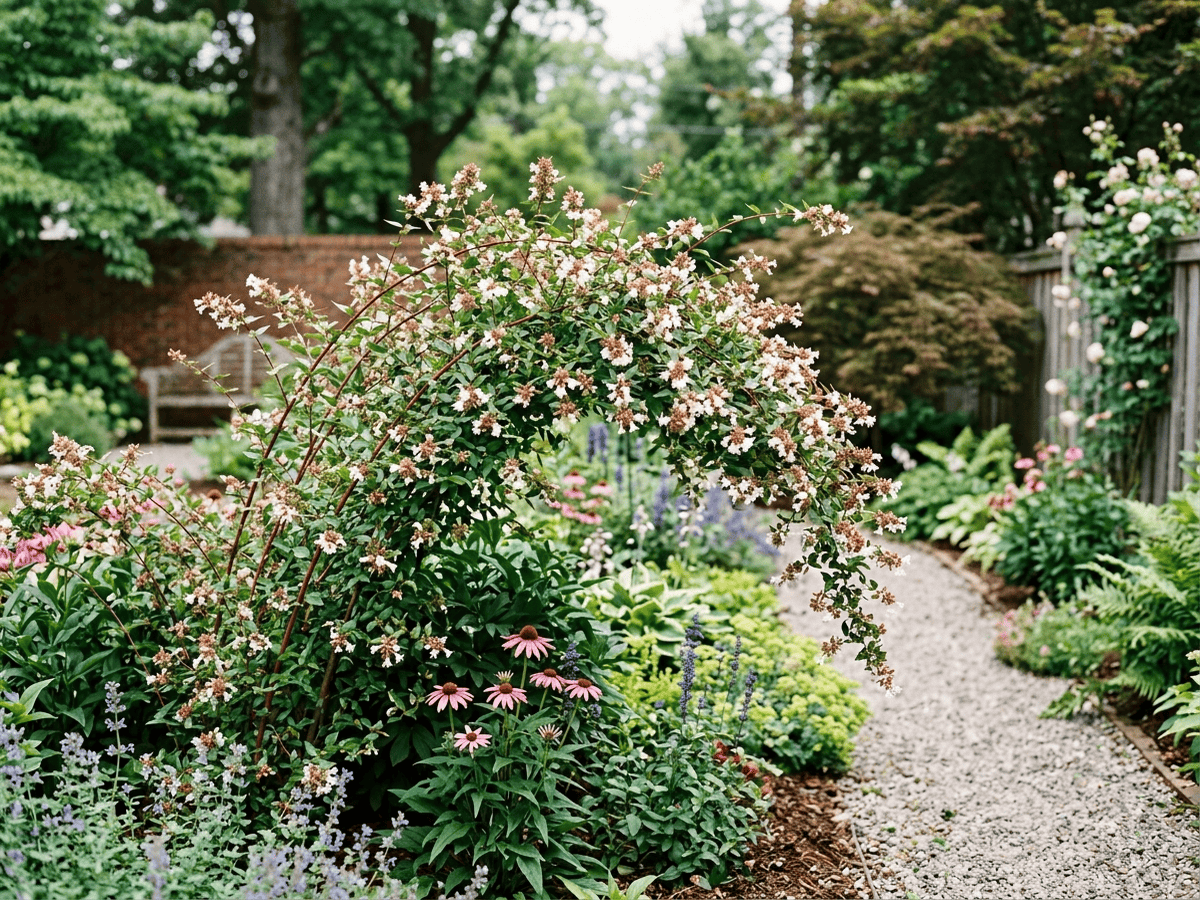
One-flowered Abelia is a Chinese deciduous shrub growing 5 to 8 feet tall, one of the parent species of the popular Abelia x grandiflora hybrid. Producing small pink-flushed white flowers singly or in pairs in summer, it is less showy than its hybrid descendant but prized by collectors and as breeding stock. Rarely available in American nurseries but historically significant.
- Drought-tolerant
- Deer-resistant
- Long-blooming
- Pollinator-friendly
How to care for Large-Flowered Abelia
Watering
- Springevery 5 days
- Summerevery 3 days
- Fallevery 7 days
- Winterevery 14 days
Soil · Rich & loamy
- Top dressingBark mulch15%
- Main mixRich loam + compost 3:170%
- DrainageGravel15%
Use fully finished compost — fresh compost burns roots.
FERTILIZER
Balanced Feed 14-14-14
An even feed covers all three needs at once, keeping leaves, roots and blooms moving together with nothing pushed out of balance.
- Nitrogen · Leaves
- Phosphorus · Roots + Blooms
- Potassium · Strength
- Springevery 45 days
- Summerevery 60 days
At a Glance
- NativeEast Asia
- Height5–8 ft (1.5–2.4 m)
- Spread4–6 ft (1.2–1.8 m)
- Flower colorWhite, Pink
- Foliage colorGreen
- SoilLoamy, Well-drained, Neutral
- LocationsYard
Bloom time
BLOOM CYCLE
Peak bloom
Jun–Aug
Pink-flushed white flowers singly or paired through summer
Fragrance
LIGHT FRAGRANCE
The flowers have a lightly honey-scented scent.
Toxicity
No toxicity has been reported for this plant. Still, it is wise to keep pets from chewing on any houseplant.
Educational information, not medical or veterinary advice. If exposure is suspected, contact a doctor or veterinarian.
DISTRIBUTION


- Native
- East Asia
History

Abelia uniflora grows wild in thickets and forest edges of Hubei, Jiangxi, and Sichuan in central China. Scottish botanist Robert Brown described it in 1838 from herbarium material linked to early Chinese collections, and Robert Fortune later sent living plants to English gardens.
Its pure white tubular flowers are usually carried singly at the nodes, a quieter and more refined habit than the paired flowers of A. chinensis. Together, A. uniflora and A. chinensis became the parentage behind the Rovelli hybrid A. x grandiflora, raised around 1886 and later dominant in ornamental landscapes.
The species itself is now uncommon in Western gardens, kept mainly in specialist collections such as Kew and the Arnold Arboretum. That rarity gives it a particular historical value: it is one of the living roots of the modern abelia story.
Symbolism & meaning
What It Symbolizes
Large-Flowered Abelia is the quiet ancestor behind a great deal of modern garden grace. Rarely planted for itself today, it lives on through the hybrids that inherited its soft arching habit and refined flowers. Its symbolism is lineage: the dignity of being foundational, even when the descendants receive the applause.
- Origin of grace — parent of the popular hybrid Abelia
- Quiet heritage — historically important but rarely planted today
Where the Name Comes From
The name Large-Flowered Abelia describes its conspicuous flowers. 'uniflora' from Latin means one-flowered, for flowers usually borne singly or in pairs.
Uses & Fun Facts
- Pink-flushed white summer flowers in mixed shrub borders
- Informal flowering hedge in heritage and collector gardens
- Long bloom period supports bees and butterflies
Related plants
More Abelia plants
 Chinese AbeliaAbelia chinensis
 Mexican AbeliaAbelia floribunda
 Fragrant AbeliaAbelia mosanensis
 Glossy AbeliaAbelia x grandiflora
Plants with similar care
 OkraAbelmoschus esculentus
 MuskseedAbelmoschus moschatus
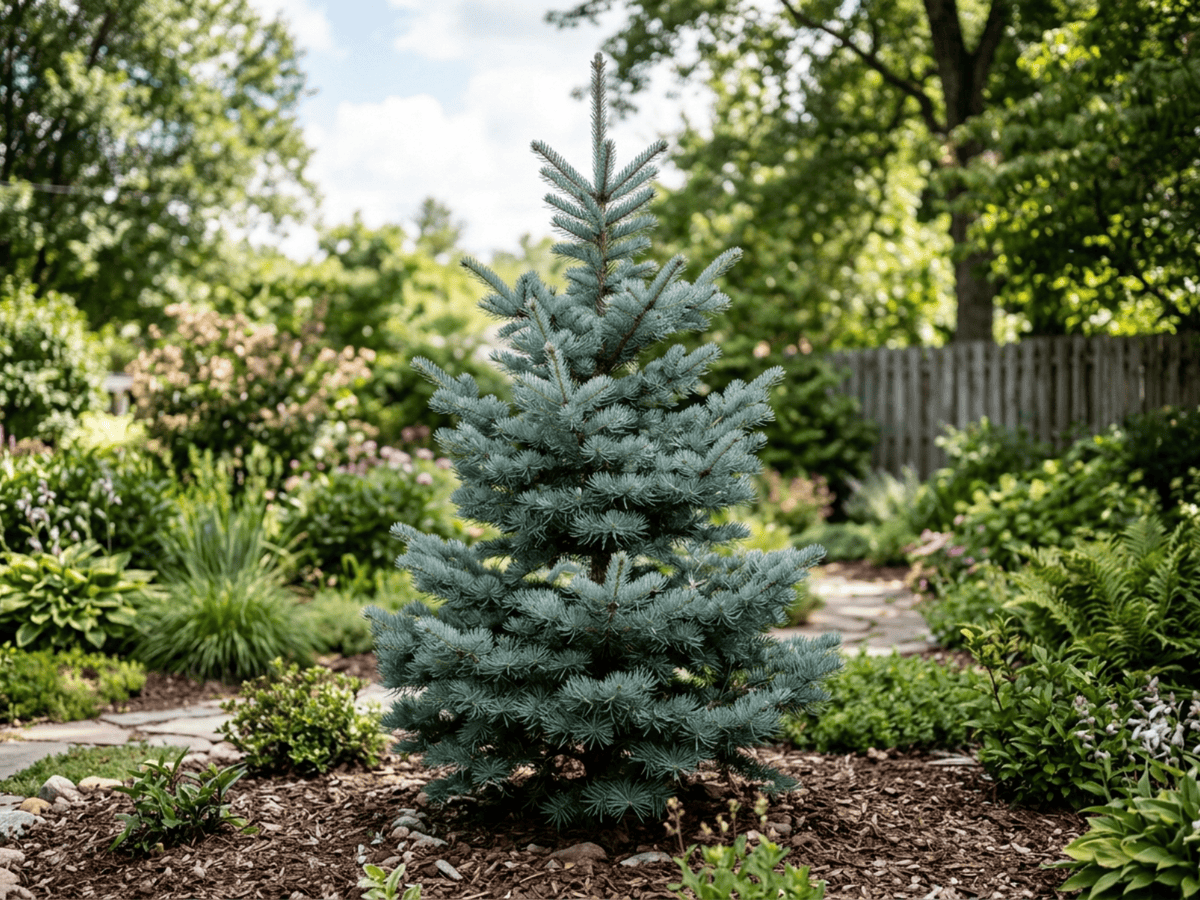 White FirAbies concolor
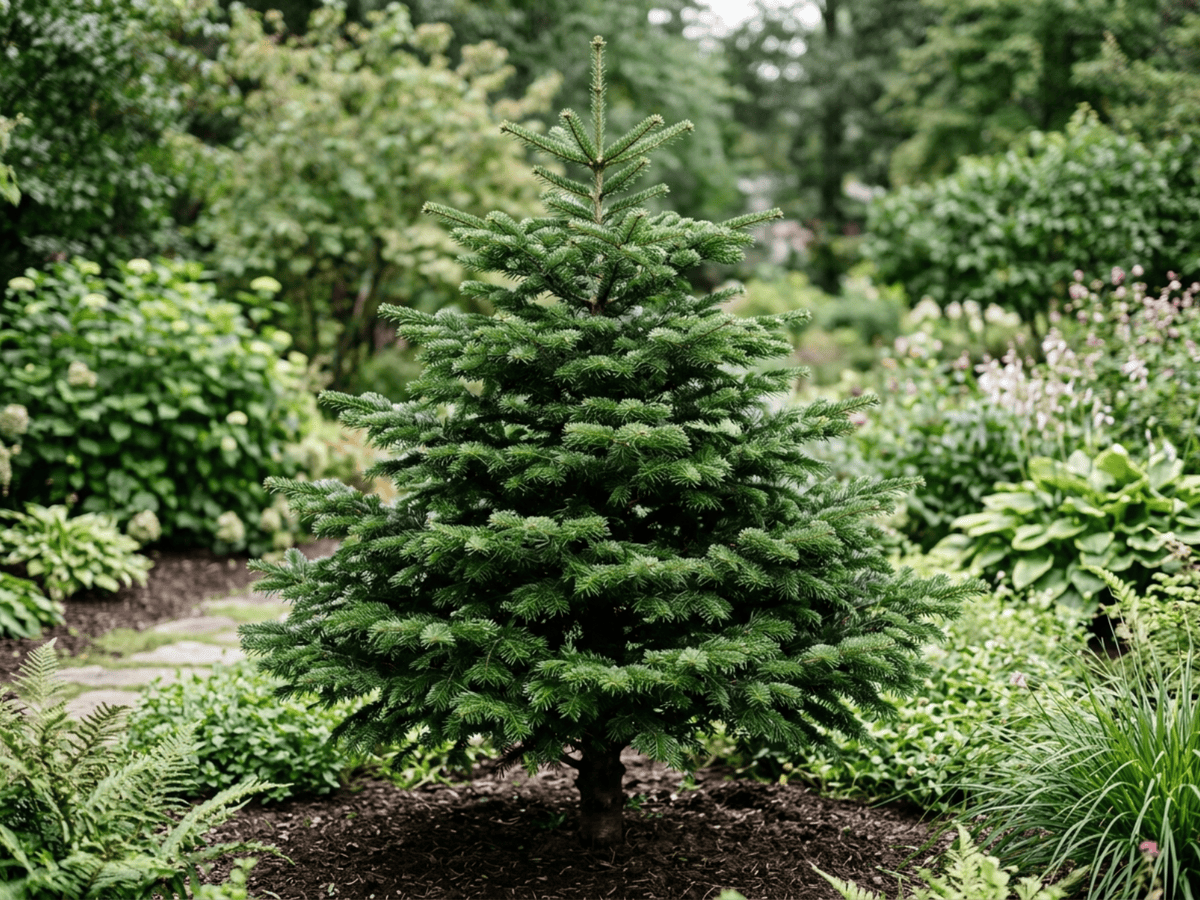 Caucasian FirAbies nordmanniana
Frequently asked questions
How often should I water Large-Flowered Abelia?
In summer, water about every 3 days; in winter, about every 14 days. Adjust for heat, pot size and drainage.
How much light does Large-Flowered Abelia need?
Full sun: 6+ hrs direct. Watch the leaves — scorching or stretching means the light needs adjusting.
Is Large-Flowered Abelia toxic to cats or dogs?
No toxicity has been reported for this plant. Still, it is wise to keep pets from chewing on any houseplant. Educational information, not medical or veterinary advice. If exposure is suspected, contact a doctor or veterinarian.
Is Large-Flowered Abelia easy to grow?
Yes — it is considered an easy, beginner-friendly plant.
When does Large-Flowered Abelia bloom?
It typically blooms Jun–Aug in the Northern Hemisphere.
YardMate
Identify any plant in seconds
Snap a photo — YardMate names the plant, diagnoses problems, and reminds you when to water.
Download on the App Store