 YardMate



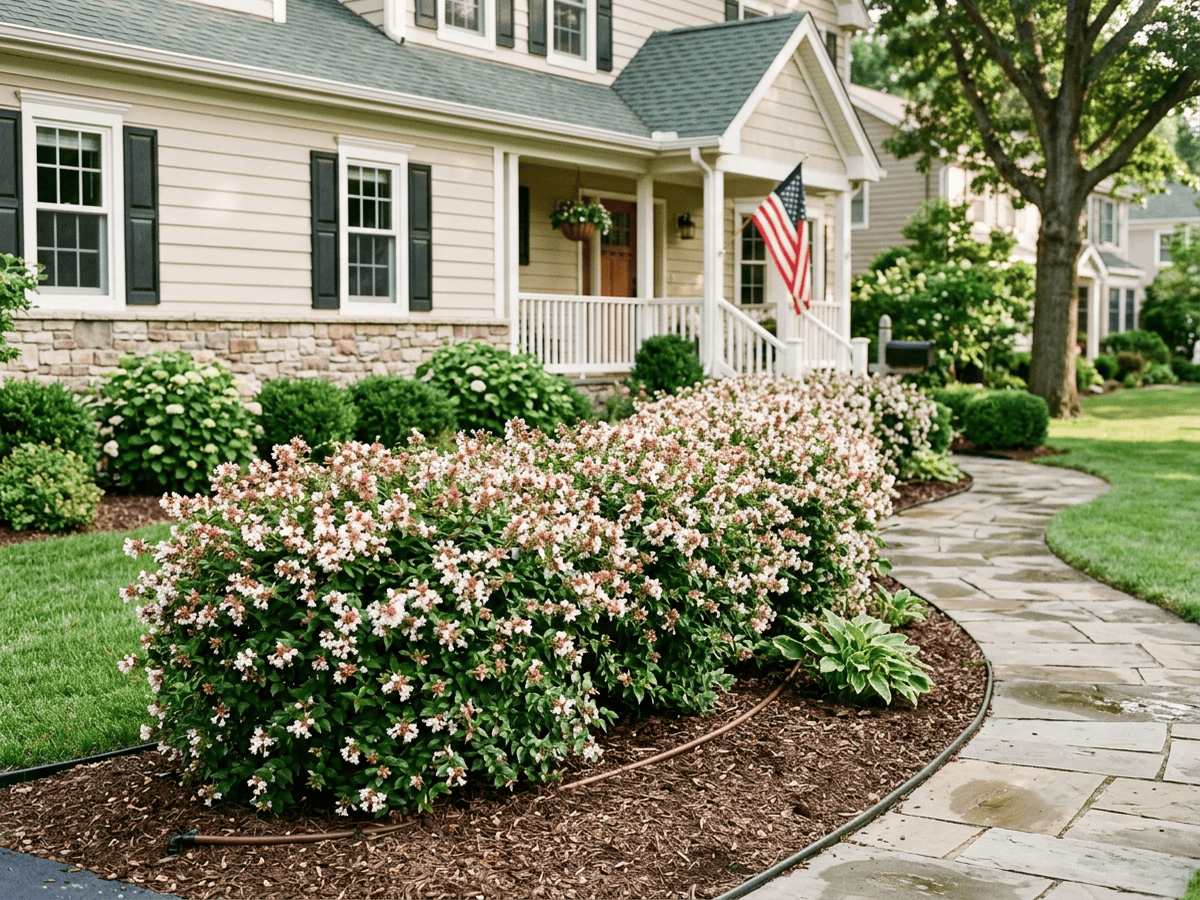
Glossy Abelia
Abelia x grandiflora
Easy · Beginner friendlyAbout Glossy Abelia
Glossy Abelia is a semi-evergreen hybrid shrub growing 3 to 6 feet tall, widely planted across the American South and Mid-Atlantic for its long bloom season and graceful arching form. Producing clusters of small pink-tinged white tubular flowers from early summer through frost, followed by persistent pink sepals that extend interest. A top foundation and pollinator shrub in American landscapes.
- Deer-resistant
- Evergreen
- Long-blooming
- Pollinator-friendly
How to care for Glossy Abelia
Watering
- Springevery 5 days
- Summerevery 3 days
- Fallevery 7 days
- Winterevery 14 days
Soil · Rich & loamy
- Top dressingBark mulch15%
- Main mixRich loam + compost 3:170%
- DrainageGravel15%
Use fully finished compost — fresh compost burns roots.
FERTILIZER
Balanced Feed 14-14-14
An even feed covers all three needs at once, keeping leaves, roots and blooms moving together with nothing pushed out of balance.
- Nitrogen · Leaves
- Phosphorus · Roots + Blooms
- Potassium · Strength
- Springevery 45 days
- Summerevery 60 days
At a Glance
- Height3–6 ft (0.9–1.8 m)
- Spread4–6 ft (1.2–1.8 m)
- Flower colorPink, White
- Foliage colorGreen, Yellow, Variegated, Bronze
- SoilLoamy, Well-drained, Acidic
- LocationsYard
Bloom time
BLOOM CYCLE
Peak bloom
Jun–Nov
Pink-tinged white tubular flowers continuously June to frost
Fragrance
MODERATE FRAGRANCE
The flowers have a sweetly fragrant, honeysuckle-like scent.
Toxicity
No toxicity has been reported for this plant. Still, it is wise to keep pets from chewing on any houseplant.
Educational information, not medical or veterinary advice. If exposure is suspected, contact a doctor or veterinarian.
History

Abelia x grandiflora arose at the Rovelli nursery on Lake Maggiore, Italy, around 1886 as a seedling cross between Abelia chinensis and A. uniflora, two East Asian species. Edward André described it in 1886 in the Revue Horticole. It combines the parents' arching habit, glossy semi-evergreen foliage, and long succession of small fragrant pink-flushed white trumpet flowers from early summer to frost.
The hybrid became ubiquitous in southern European, Mediterranean, and US Sunbelt landscapes as a foundation and hedge shrub. Modern cultivars expand the color palette: 'Edward Goucher' (1911 US hybrid with A. schumannii), 'Confetti' (variegated, 1986), 'Kaleidoscope' (gold-green-red foliage, Proven Winners 2007), and 'Rose Creek' all derive from or relate to this hybrid complex.
Molecular studies in 2013 moved Abelia into Linnaea. Originated around 1886 as a hybrid between Abelia chinensis and Abelia uniflora in Italian nurseries, introduced to American gardens by the turn of the century. 'Kaleidoscope', 'Rose Creek', and 'Edward Goucher' are modern variegated or pink-flowered cultivars that dominate current American nursery offerings.
Symbolism & meaning
What It Symbolizes
Glossy Abelia suggests enduring grace — its fragrant pink-tinged blooms unfurl from late spring well into autumn, refusing to let the season fade quietly. As a Southern landscape staple, it has shaded countless porches and softened the edges of American gardens for generations. To plant Abelia is to invest in patience rewarded daily, a quiet promise that beauty need not be brief to be cherished.
- Enduring grace — blooms for months without pause
- Southern staple — a classic of American Southern landscapes
Where the Name Comes From
'Abelia' honors Clarke Abel (1780-1826), English physician and naturalist on a mission to China; 'grandiflora' means large-flowered.
Uses & Fun Facts
- Nectar-rich tubular flowers draw bees, butterflies, and hummingbirds
- Dense arching growth trimmed into informal privacy hedges
- Reliable Southern foundation shrub with months-long bloom
Related plants
More Abelia plants
 Chinese AbeliaAbelia chinensis
 Mexican AbeliaAbelia floribunda
 Fragrant AbeliaAbelia mosanensis
 Large-Flowered AbeliaAbelia uniflora
Plants with similar care
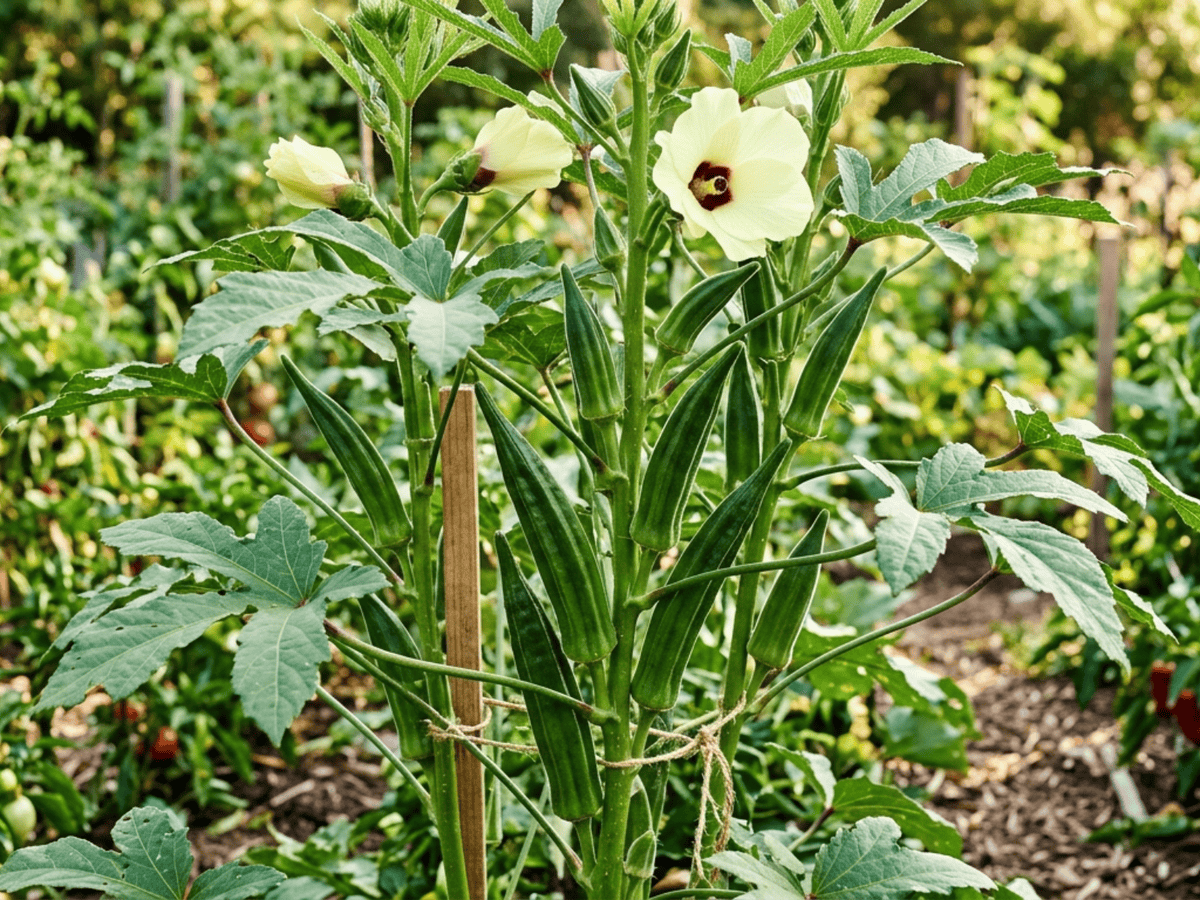 OkraAbelmoschus esculentus
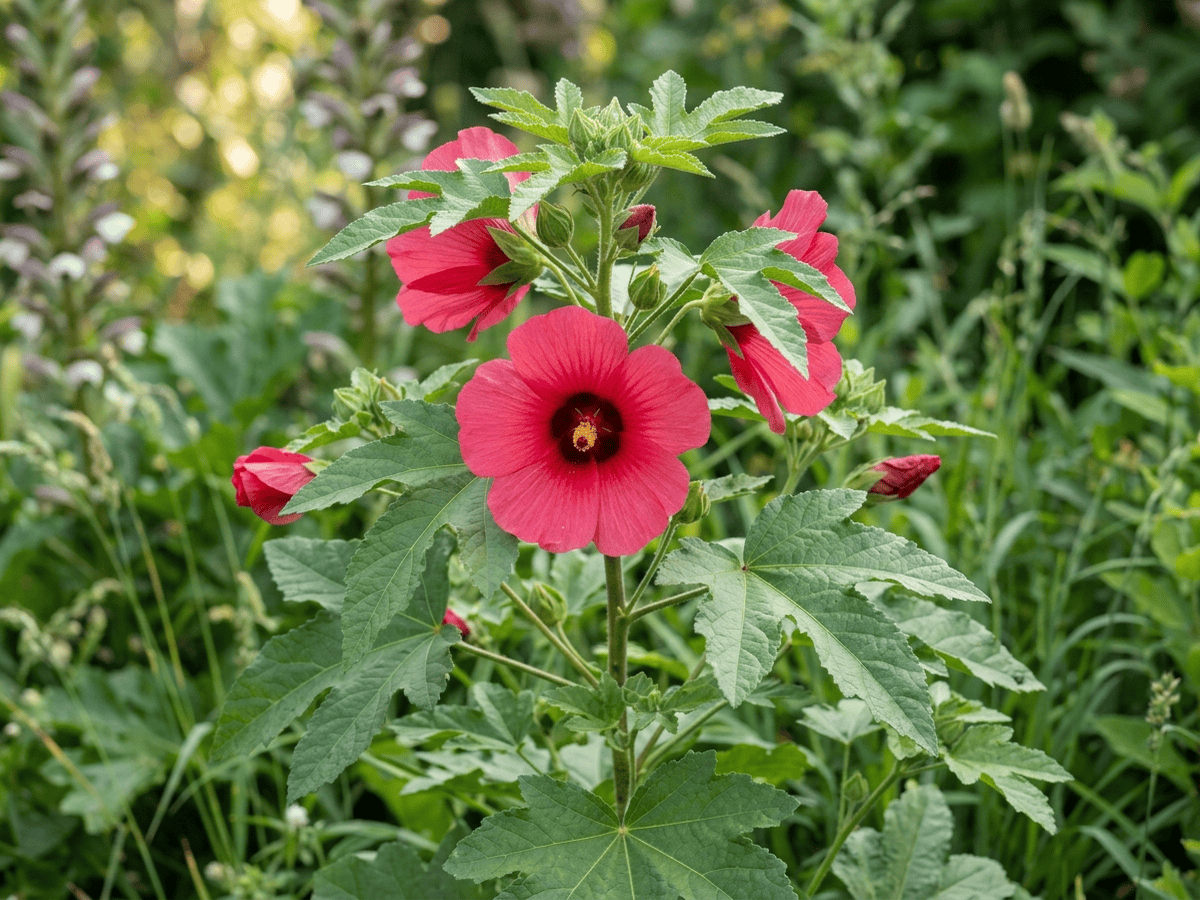 MuskseedAbelmoschus moschatus
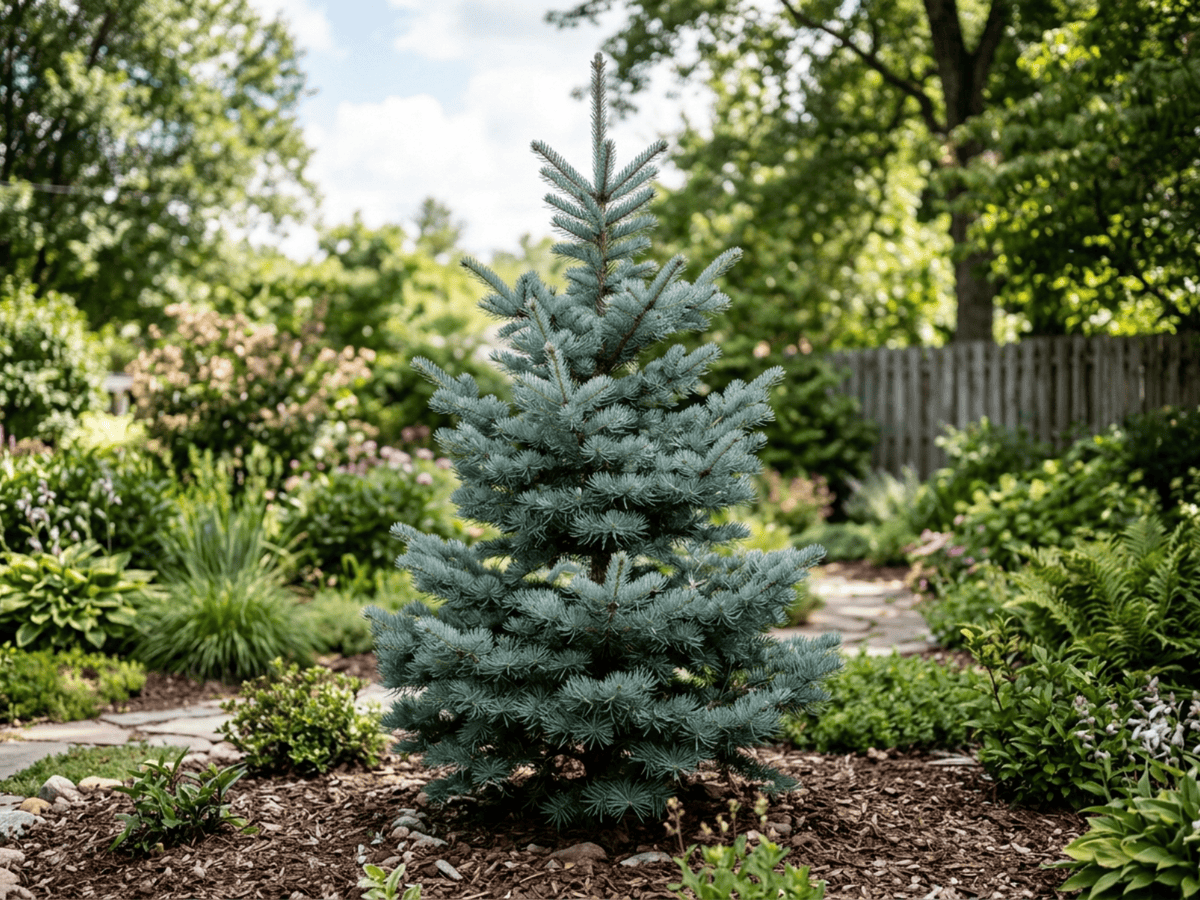 White FirAbies concolor
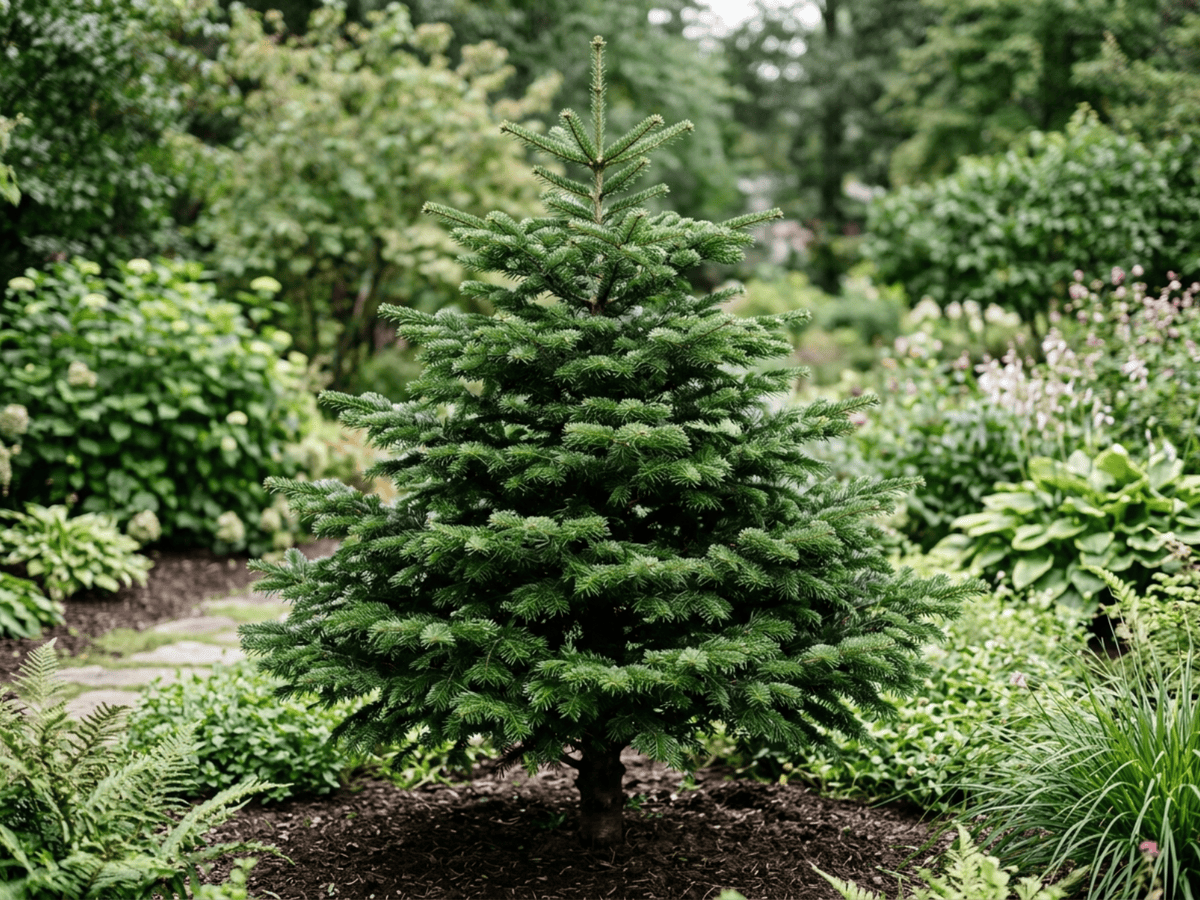 Caucasian FirAbies nordmanniana
Frequently asked questions
How often should I water Glossy Abelia?
In summer, water about every 3 days; in winter, about every 14 days. Adjust for heat, pot size and drainage.
How much light does Glossy Abelia need?
Full sun: 6+ hrs direct. Watch the leaves — scorching or stretching means the light needs adjusting.
Is Glossy Abelia toxic to cats or dogs?
No toxicity has been reported for this plant. Still, it is wise to keep pets from chewing on any houseplant. Educational information, not medical or veterinary advice. If exposure is suspected, contact a doctor or veterinarian.
Is Glossy Abelia easy to grow?
Yes — it is considered an easy, beginner-friendly plant.
When does Glossy Abelia bloom?
It typically blooms Jun–Nov in the Northern Hemisphere.
YardMate
Identify any plant in seconds
Snap a photo — YardMate names the plant, diagnoses problems, and reminds you when to water.
Download on the App Store