 YardMate


Fragrant Abelia
Abelia mosanensis
Easy · Beginner friendlyAbout Fragrant Abelia
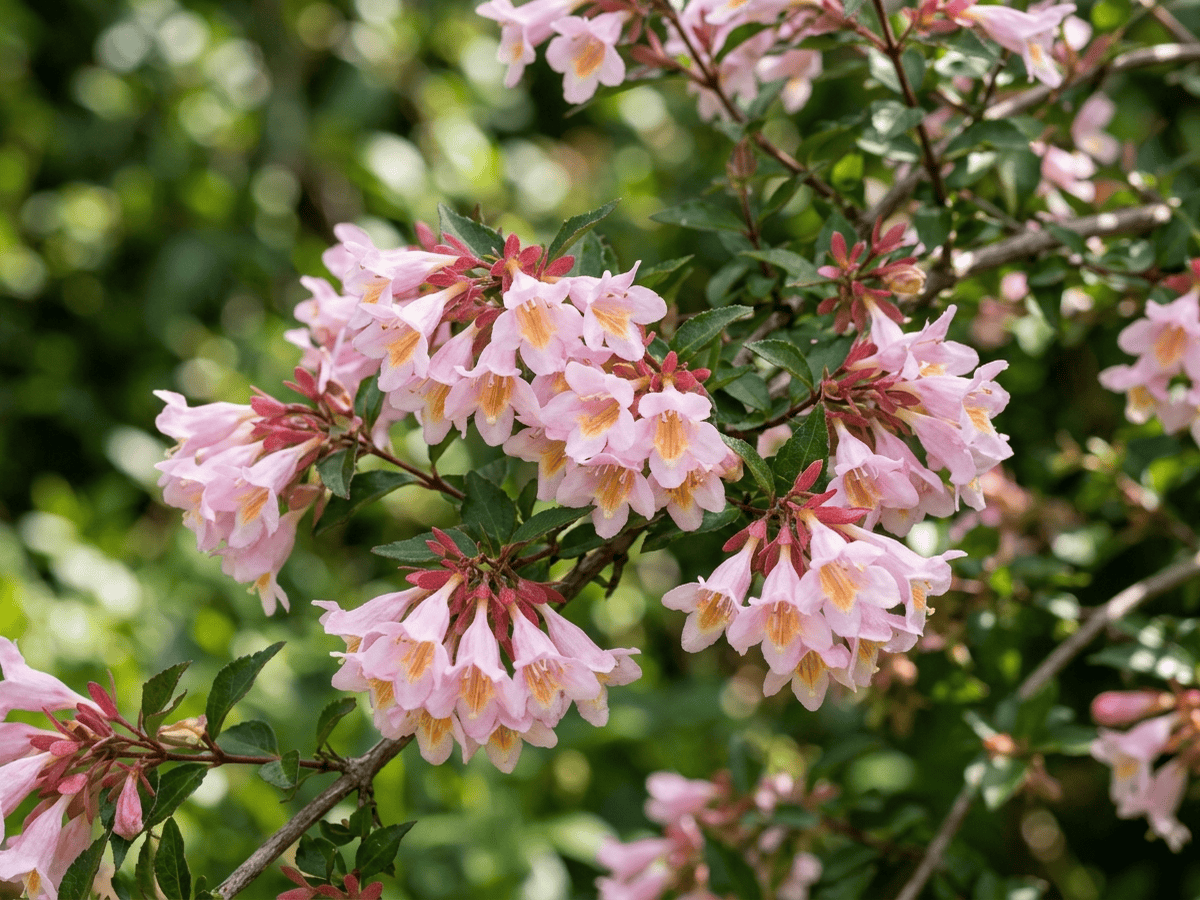
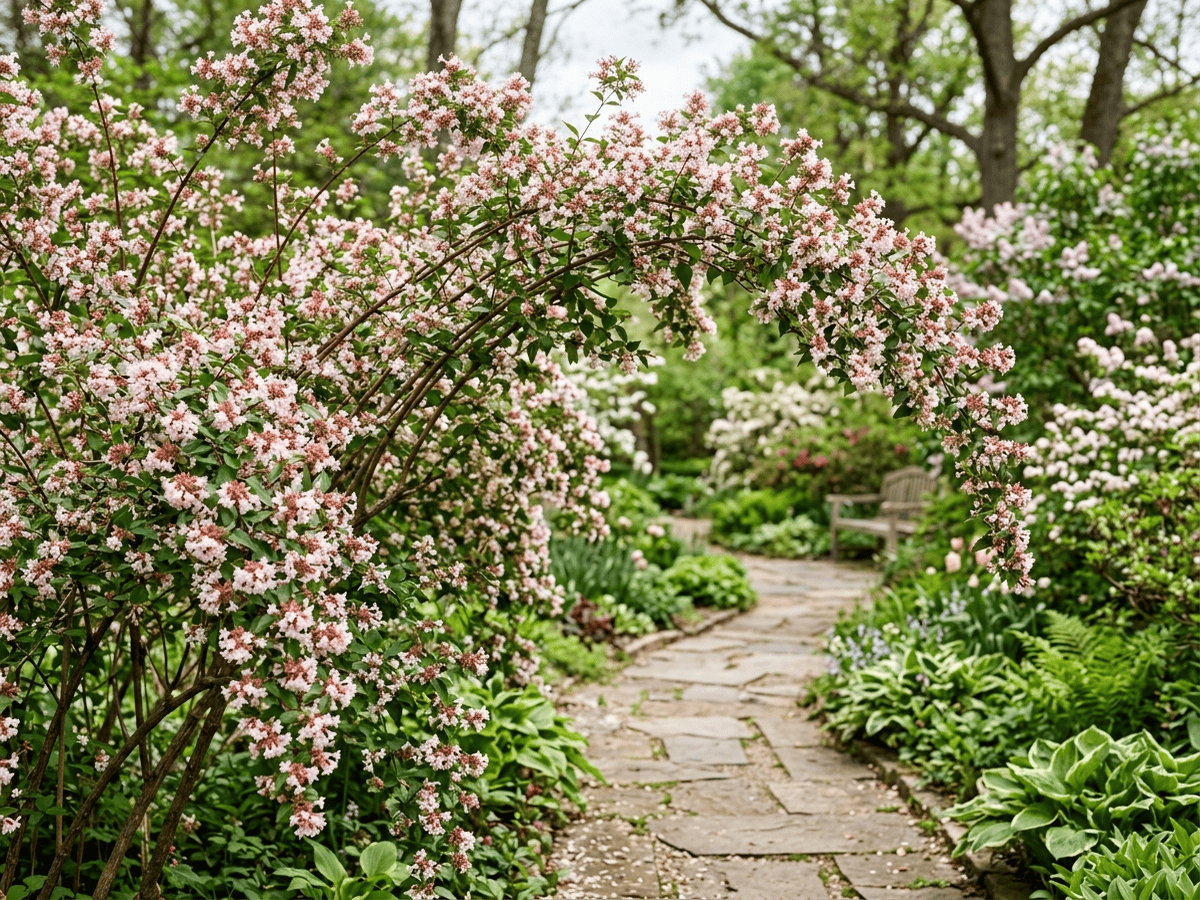
Fragrant Abelia is a deciduous shrub from Korea, growing 5-6 feet tall with a rounded habit and clusters of white tubular flowers flushed with pink that release an intense jasmine-like fragrance in late spring. Remarkably cold-hardy for an abelia—surviving to Zone 4—it opens the genus to gardeners in the northern US where other abelias cannot survive. The dark green foliage turns shades of orange and burgundy in autumn, adding fall interest uncommon among abelias.
- Fragrant
- Cold-hardy
- Fall-color
- Pollinator-friendly
How to care for Fragrant Abelia
Watering
- Springevery 7 days
- Summerevery 5 days
- Fallevery 10 days
- Winterevery 21 days
Soil · Rich & loamy
- Top dressingBark mulch15%
- Main mixRich loam + compost 3:170%
- DrainageGravel15%
Use fully finished compost — fresh compost burns roots.
FERTILIZER
Balanced Feed 14-14-14
An even feed covers all three needs at once, keeping leaves, roots and blooms moving together with nothing pushed out of balance.
- Nitrogen · Leaves
- Phosphorus · Roots + Blooms
- Potassium · Strength
- Springevery 30 days
At a Glance
- NativeEast Asia
- Height5–6 ft (1.5–1.8 m)
- Spread4–5 ft (1.2–1.5 m)
- Flower colorPink, White
- Foliage colorGreen, Red
- SoilLoamy, Well-drained
- LocationsYard
Bloom time
BLOOM CYCLE
Peak bloom
May–Jun
Fragrant white-pink tubular flowers May to June
Fragrance
STRONG FRAGRANCE
Powerful sweet hyacinth-honeysuckle fragrance, among the most fragrant spring-blooming shrubs.
Toxicity
No toxicity has been reported for this plant. Still, it is wise to keep pets from chewing on any houseplant.
Educational information, not medical or veterinary advice. If exposure is suspected, contact a doctor or veterinarian.
DISTRIBUTION


- Native
- East Asia
History
Abelia mosanensis (sometimes transferred by modern taxonomists to the genus Zabelia as Z. tyaihyonii) is native to the central and northern Korean Peninsula. Korean botanist T.H. Chung (Tai-Hyun Chung) described the species in 1919. The specific name mosanensis refers to Mount Mosan in North Korea where the type specimen was collected.
Unlike the better-known A. chinensis and A. x grandiflora which bloom summer through fall with mild scent, A. mosanensis blooms in late spring (May-June) with pale pink buds opening to white tubular flowers emitting a powerful sweet fragrance variously compared to hyacinth, honeysuckle, and gardenia—carrying for many meters on warm days. It is also considerably more cold-hardy than most abelias, surviving to zone 4.
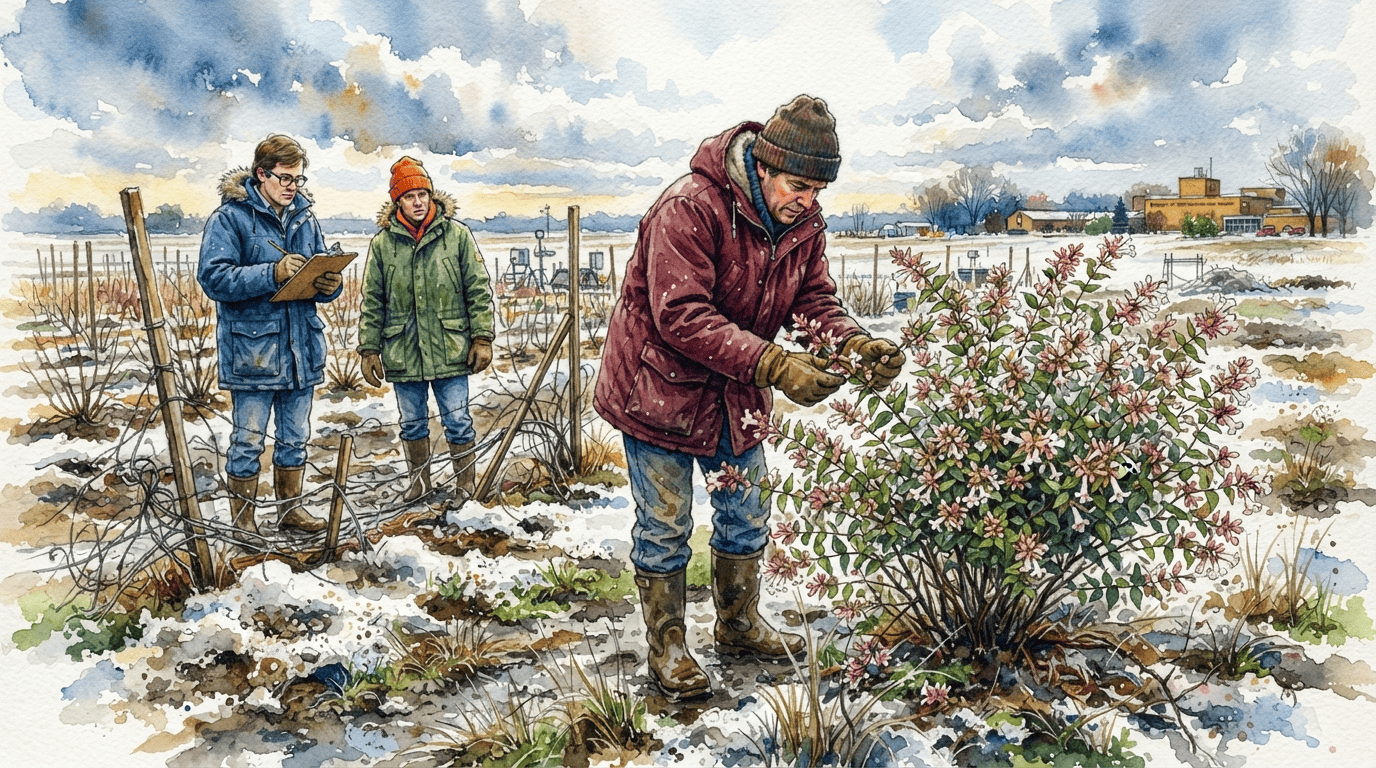
The species was introduced to North American gardens around 1980 and has since become increasingly popular in cold-climate gardens where its deliciously fragrant spring bloom, burgundy fall color, and tidy arching form fill a valuable niche. Its exceptional cold hardiness was recognized when plants survived -30°F at the University of Minnesota. 'Sweet Emotion' and 'Bridal Bouquet' are selected cultivars.
Symbolism & meaning
What It Symbolizes
Fragrant Abelia evokes resilience — a quiet, hardy survival where its southern cousins falter under northern frost. As one of the genus's more recent introductions, it also carries the spirit of discovery, expanding the abelia family's range northward. To plant it is to celebrate both endurance against the cold and the ongoing botanical adventure of finding what truly belongs in our gardens.
- Resilience — survives extreme northern cold where no other abelia can
- Discovery — relatively recent introduction expanding the genus northward
Where the Name Comes From
The name Fragrant Abelia describes its noticeable scent. 'Mosanensis' refers to the Mosan River region in Korea where it was first collected.
Uses & Fun Facts
- Jasmine-scented pink-white tubular blooms perfume late-spring borders
- Tubular flowers feed bees and early butterflies in spring
Related plants
More Abelia plants
 Chinese AbeliaAbelia chinensis
 Mexican AbeliaAbelia floribunda
 Large-Flowered AbeliaAbelia uniflora
 Glossy AbeliaAbelia x grandiflora
Plants with similar care
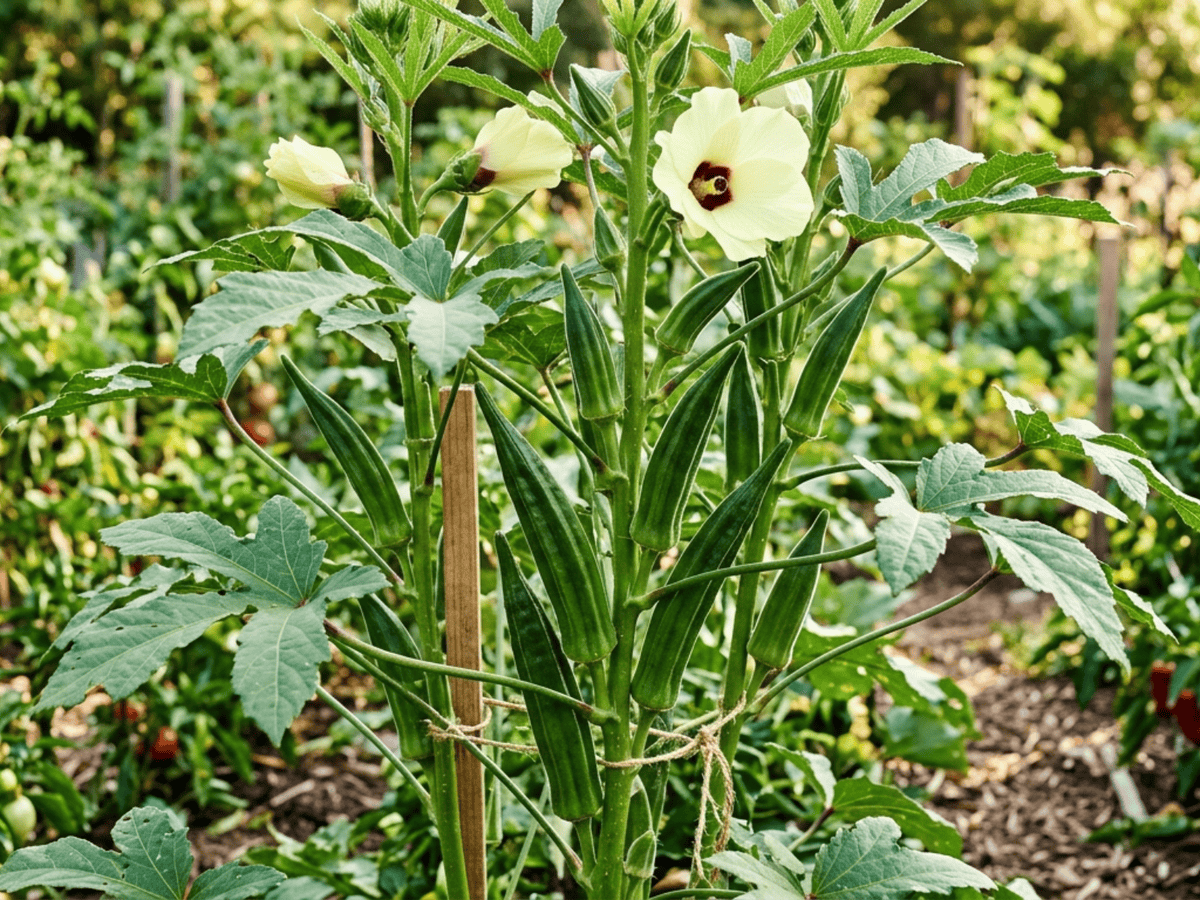 OkraAbelmoschus esculentus
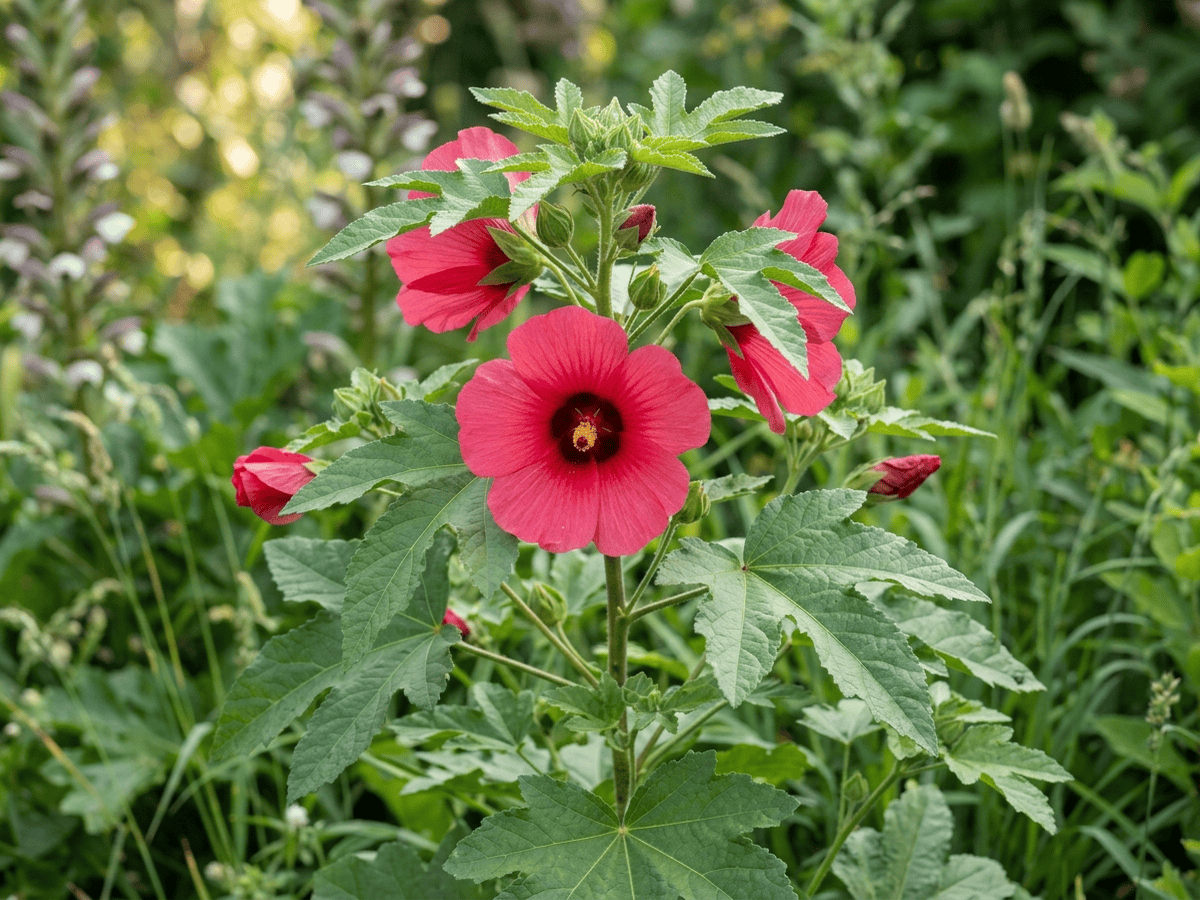 MuskseedAbelmoschus moschatus
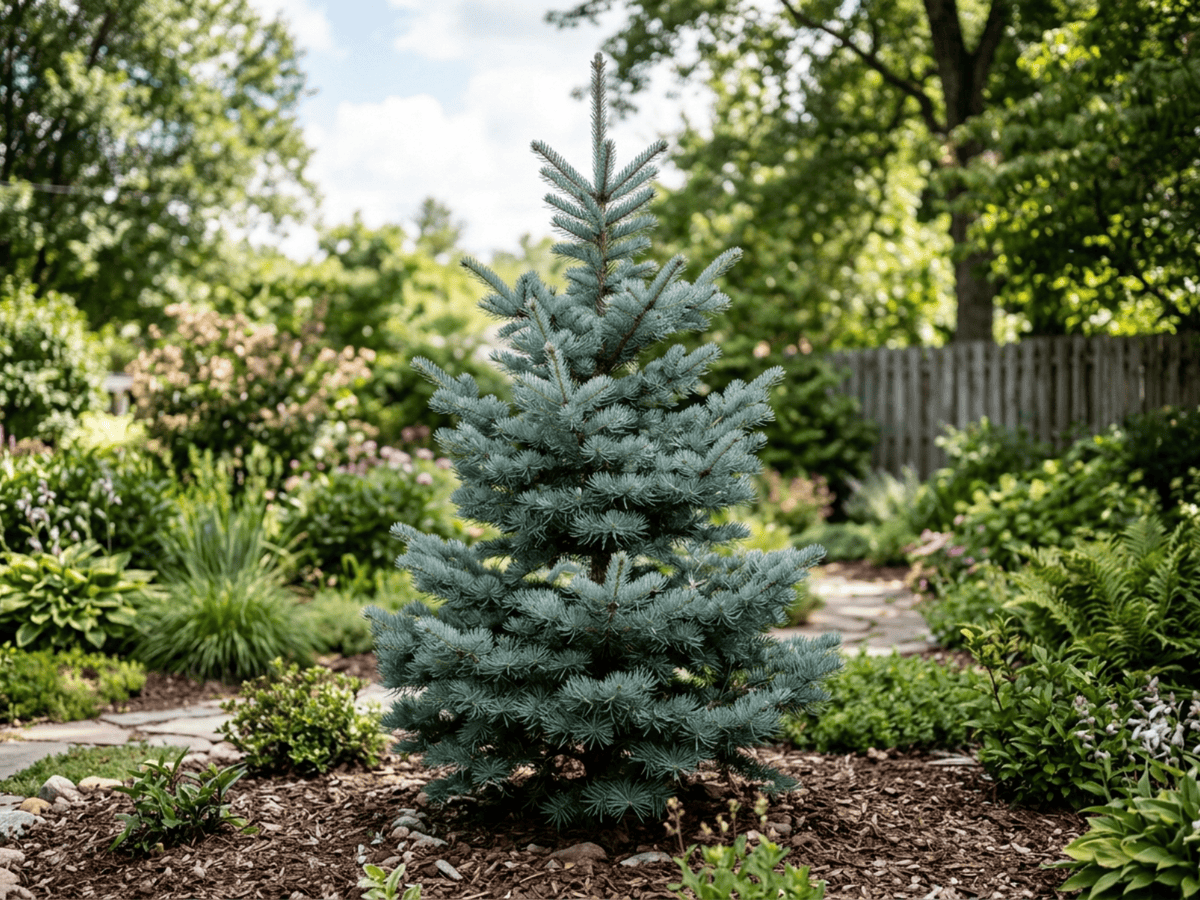 White FirAbies concolor
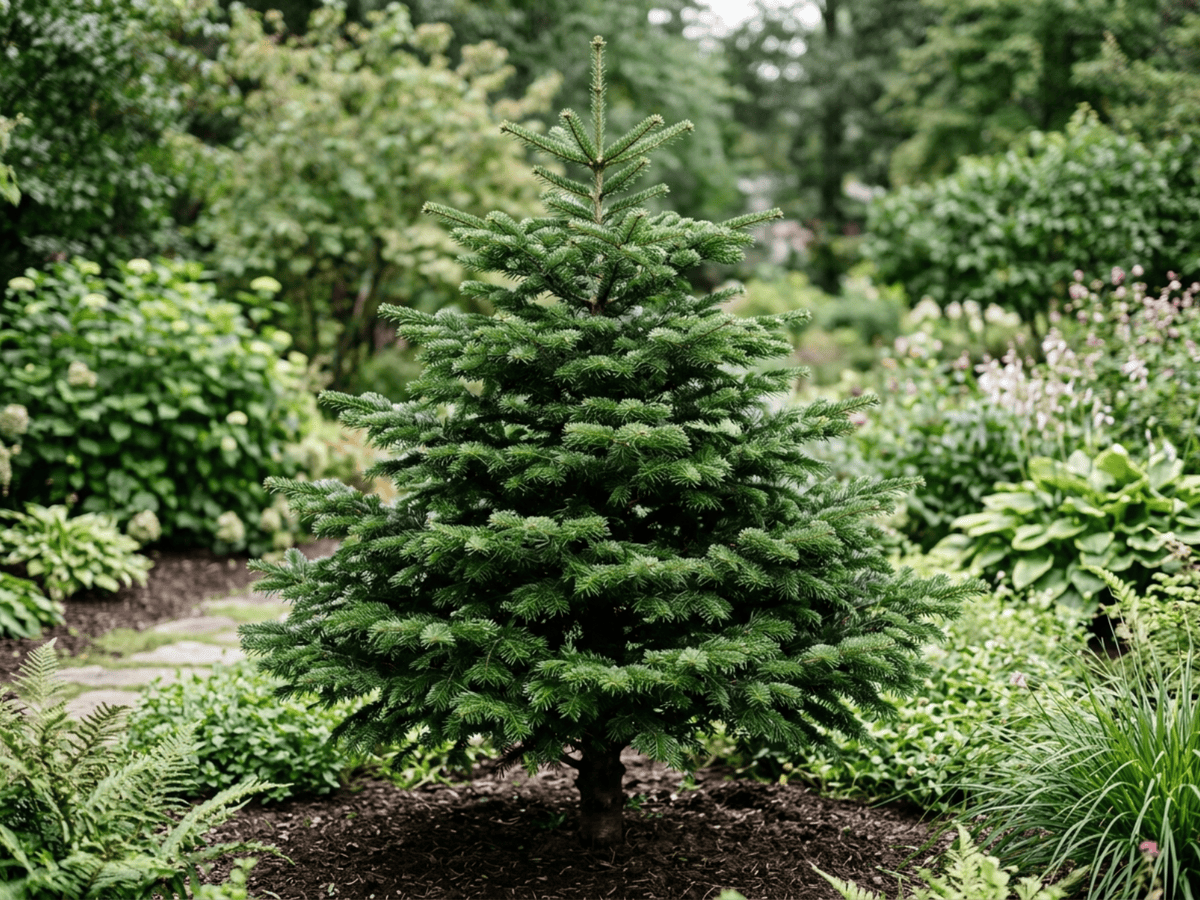 Caucasian FirAbies nordmanniana
Frequently asked questions
How often should I water Fragrant Abelia?
In summer, water about every 5 days; in winter, about every 21 days. Adjust for heat, pot size and drainage.
How much light does Fragrant Abelia need?
Full sun: 6+ hrs direct. Watch the leaves — scorching or stretching means the light needs adjusting.
Is Fragrant Abelia toxic to cats or dogs?
No toxicity has been reported for this plant. Still, it is wise to keep pets from chewing on any houseplant. Educational information, not medical or veterinary advice. If exposure is suspected, contact a doctor or veterinarian.
Is Fragrant Abelia easy to grow?
Yes — it is considered an easy, beginner-friendly plant.
When does Fragrant Abelia bloom?
It typically blooms May–Jun in the Northern Hemisphere.
YardMate
Identify any plant in seconds
Snap a photo — YardMate names the plant, diagnoses problems, and reminds you when to water.
Download on the App Store