 YardMate


Chinese Abelia
Abelia chinensis
Easy · Beginner friendlyAbout Chinese Abelia
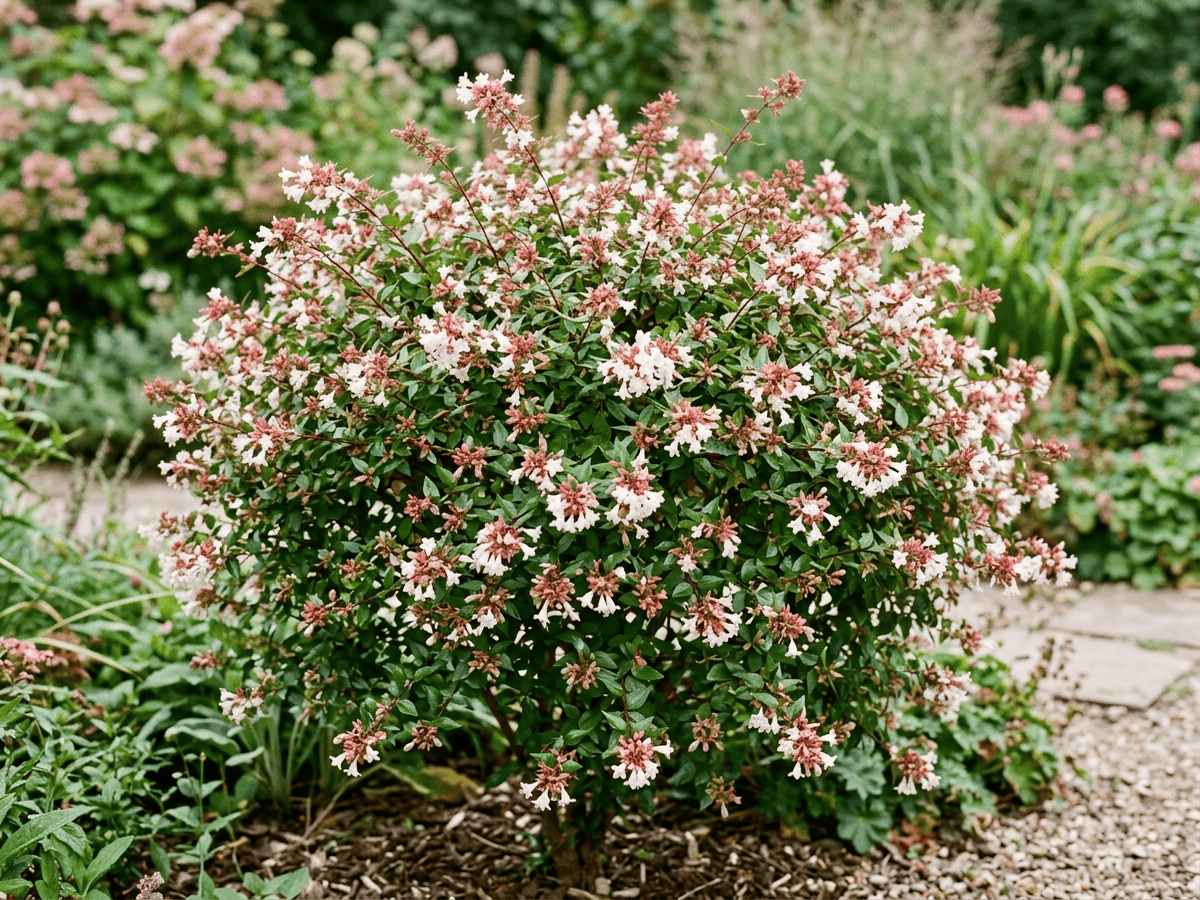
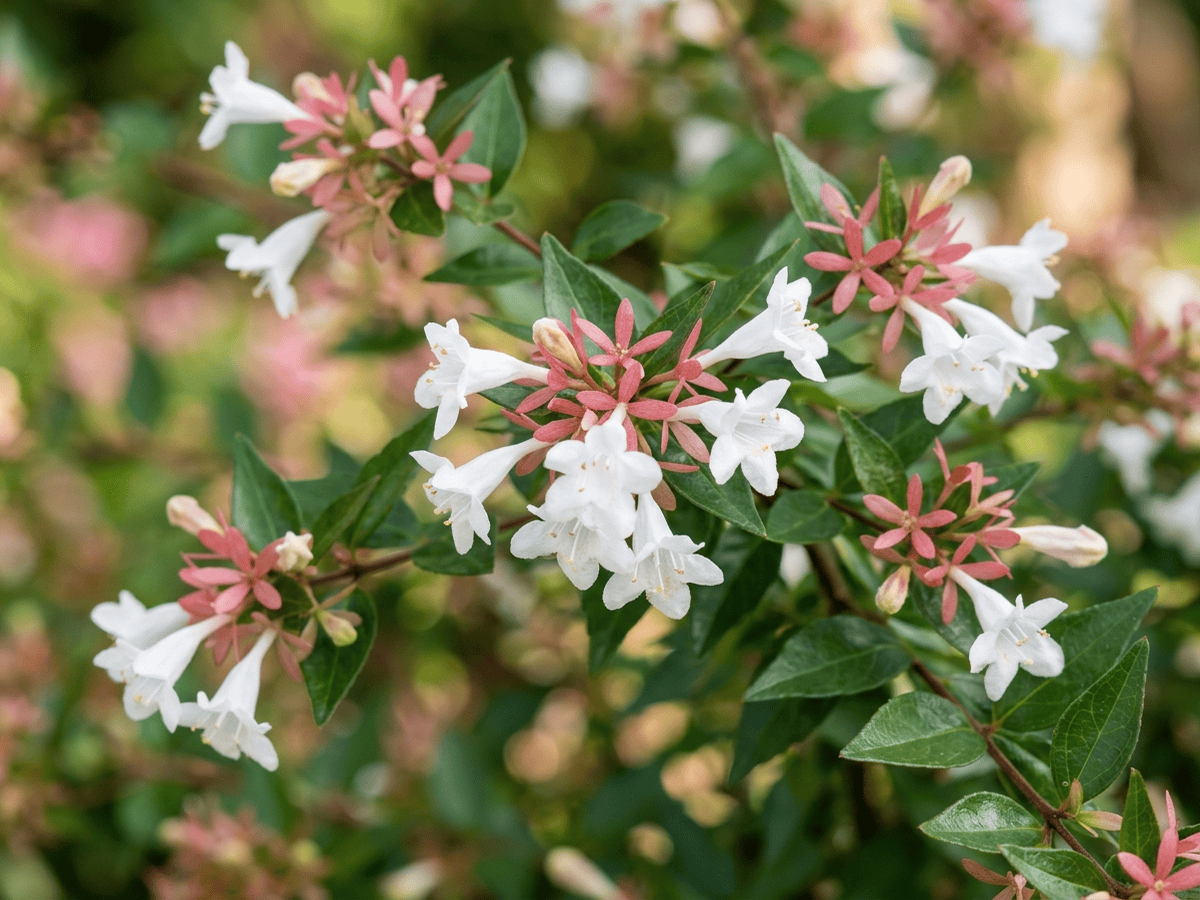
Chinese Abelia is a graceful semi-evergreen shrub from central China, growing 5-7 feet tall with arching branches and clusters of small fragrant white tubular flowers from midsummer through fall. The persistent pinkish-red sepals remain showy long after the flowers fade, extending ornamental interest into late autumn. More cold-hardy than the common hybrid A. x grandiflora, it offers a delicate, fine-textured alternative for gardens from Zone 5 southward.
- Fragrant
- Cold-hardy
- Evergreen
- Long-blooming
How to care for Chinese Abelia
Watering
- Springevery 7 days
- Summerevery 5 days
- Fallevery 10 days
- Winterevery 21 days
Soil · Rich & loamy
- Top dressingBark mulch15%
- Main mixRich loam + compost 3:170%
- DrainageGravel15%
Use fully finished compost — fresh compost burns roots.
FERTILIZER
Balanced Feed 14-14-14
An even feed covers all three needs at once, keeping leaves, roots and blooms moving together with nothing pushed out of balance.
- Nitrogen · Leaves
- Phosphorus · Roots + Blooms
- Potassium · Strength
- Springevery 30 days
- Summerevery 45 days
At a Glance
- NativeEast Asia
- Height5–7 ft (1.5–2.1 m)
- Spread5–7 ft (1.5–2.1 m)
- Flower colorWhite, Pink
- Foliage colorGreen, Bronze
- SoilLoamy, Well-drained
- LocationsYard
Bloom time
BLOOM CYCLE
Peak bloom
Jul–Oct
Fragrant white tubular flowers July to October; persistent pink sepals
Fragrance
MODERATE FRAGRANCE
Sweet honey-like fragrance from summer through fall.
Toxicity
No toxicity has been reported for this plant. Still, it is wise to keep pets from chewing on any houseplant.
Educational information, not medical or veterinary advice. If exposure is suspected, contact a doctor or veterinarian.
DISTRIBUTION


- Native
- East Asia
History
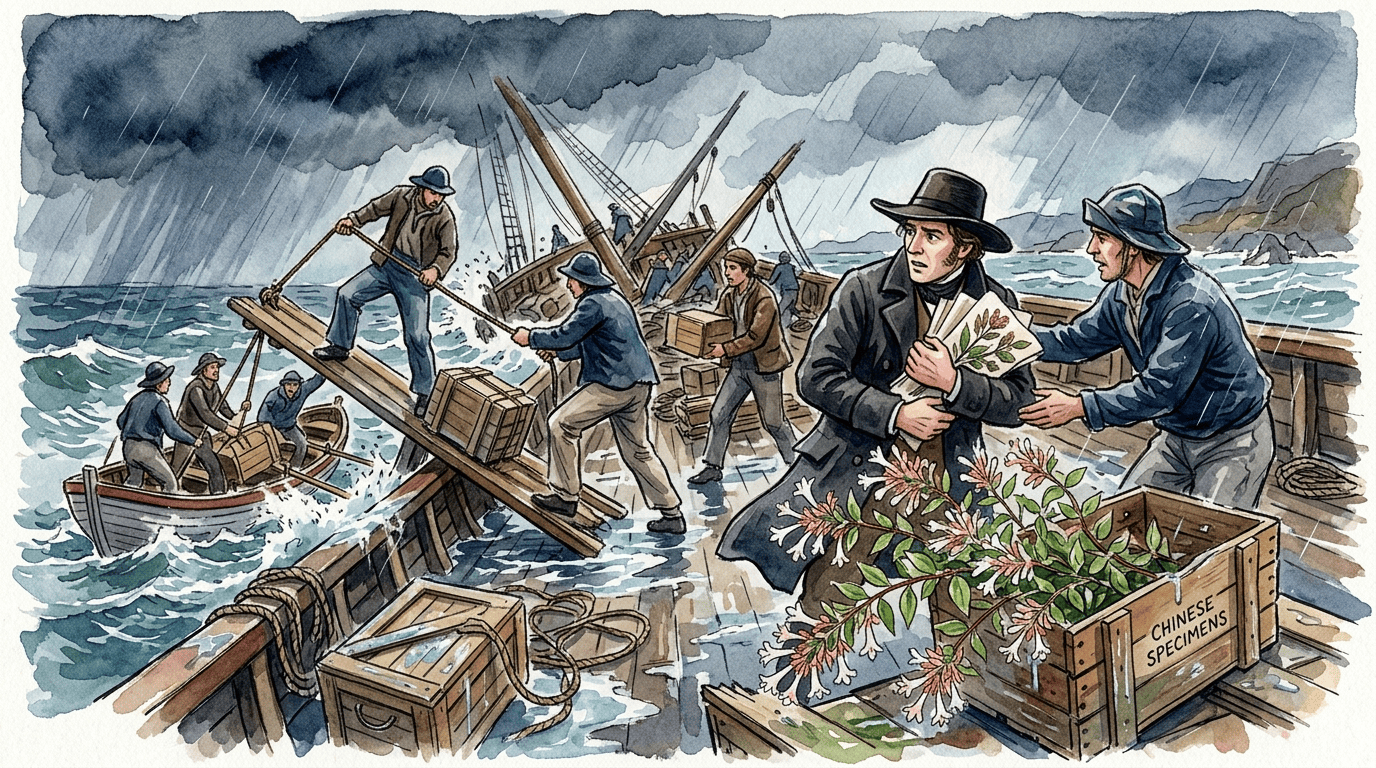
Abelia chinensis is native to central and southern China including Sichuan, Hubei, Hunan, Jiangxi, Fujian, Guangdong, and Guangxi. Scottish botanist Robert Brown described the species in 1818, naming it from specimens collected in China. The genus Abelia had been named by Brown in 1809 to honor Clarke Abel (1780-1826), the English surgeon and naturalist on Lord Amherst's 1816-17 diplomatic mission to China whose extensive plant and zoological collections were tragically lost when the ship Alceste was wrecked in the Strait of Gaspar.
Abelia chinensis was among the first of its genus to reach Western gardens, introduced by Robert Fortune for the Royal Horticultural Society in 1844. It is a semi-evergreen mid-sized shrub (1.5-2 m) notable for its extraordinarily long flowering season—tubular white flowers flushed pink open continuously from June through the first frosts, attracting butterflies, bees, and hummingbirds late into the season when few other shrubs bloom.
It is a parent of the widely cultivated hybrid A. x grandiflora (A. chinensis x A. uniflora). Chinese Abelia has gained renewed interest as gardeners seek cold-hardy alternatives to the common hybrid, particularly in zones 5-6 where A. x grandiflora may suffer winter dieback.
Symbolism & meaning
What It Symbolizes
The Chinese abelia suggests perseverance — its fragrant pink-white blossoms unfurl through the long stretch from summer's peak into the first autumn frost, refusing to retire when other shrubs fade. In its arching, fine-textured branches lies a quieter virtue: grace. Together, perseverance and grace describe a plant that endures without ever losing its softness, a botanical lesson in lasting beauty.
- Perseverance — blooms continuously from summer into autumn frost
- Grace — fine-textured arching branches with lasting color
Where the Name Comes From
'Abelia' honors Dr. Clarke Abel (1780–1826), British physician and naturalist; 'chinensis' refers to its Chinese origin.
Uses & Fun Facts
- Tubular white blossoms scent gardens from midsummer into fall
- Fragrant late-season flowers keep bees and butterflies working into autumn
- Dense arching growth shapes informal flowering hedges and screens
Related plants
More Abelia plants
 Mexican AbeliaAbelia floribunda
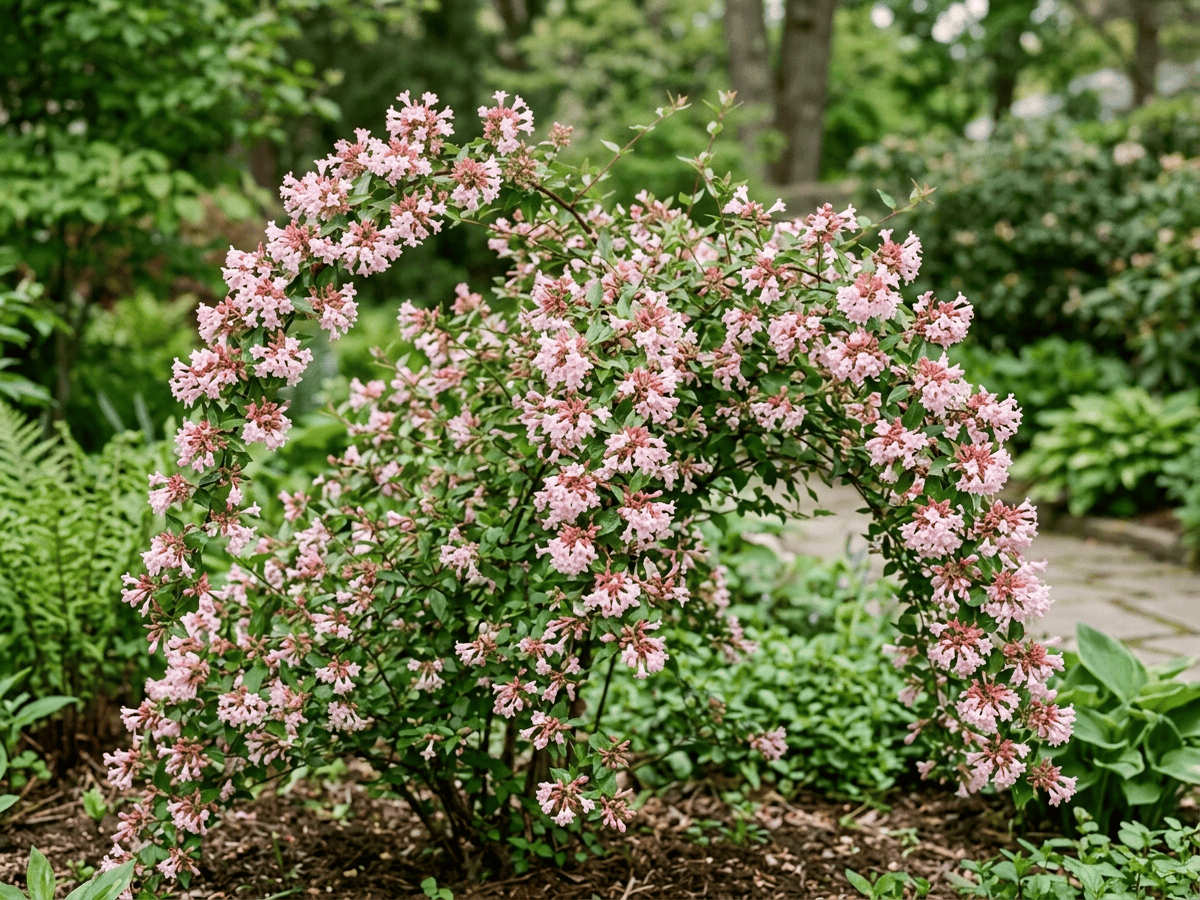 Fragrant AbeliaAbelia mosanensis
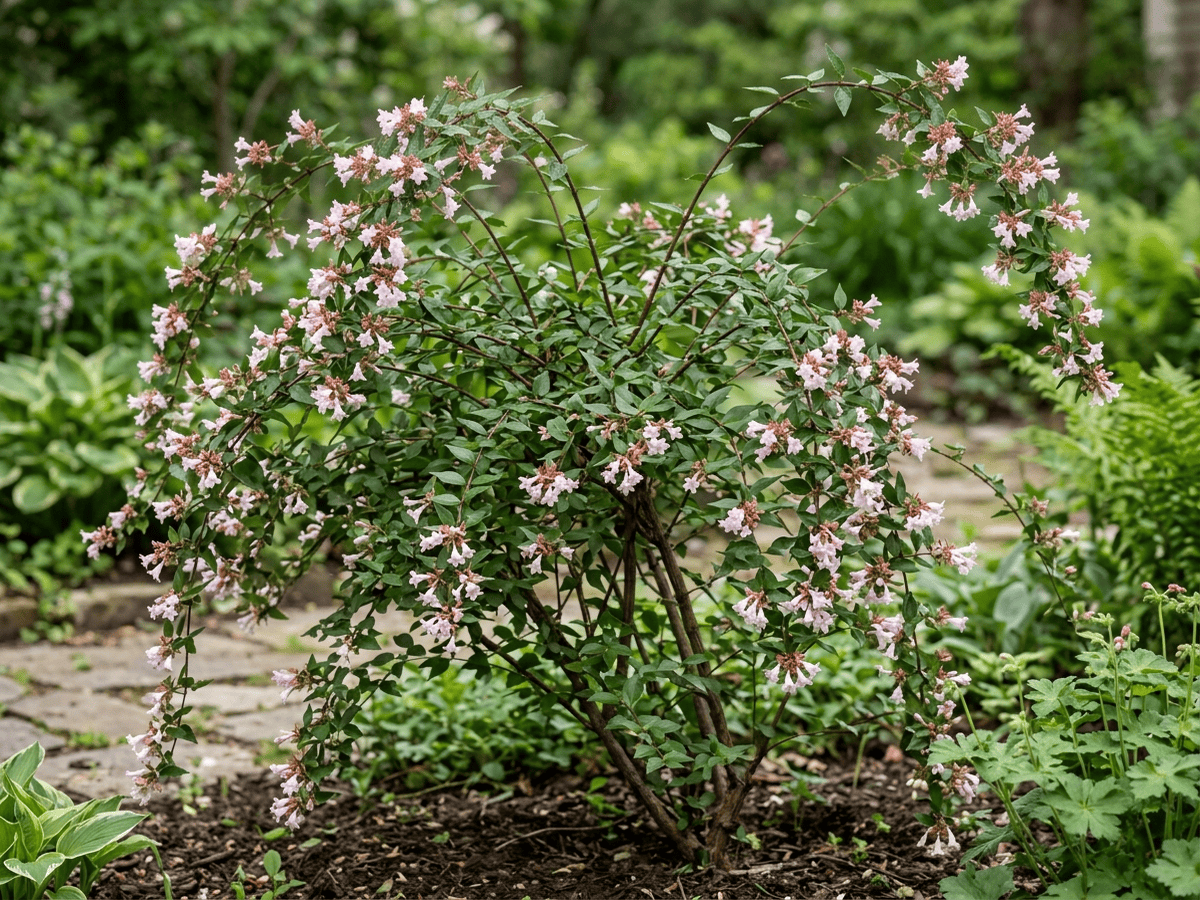 Large-Flowered AbeliaAbelia uniflora
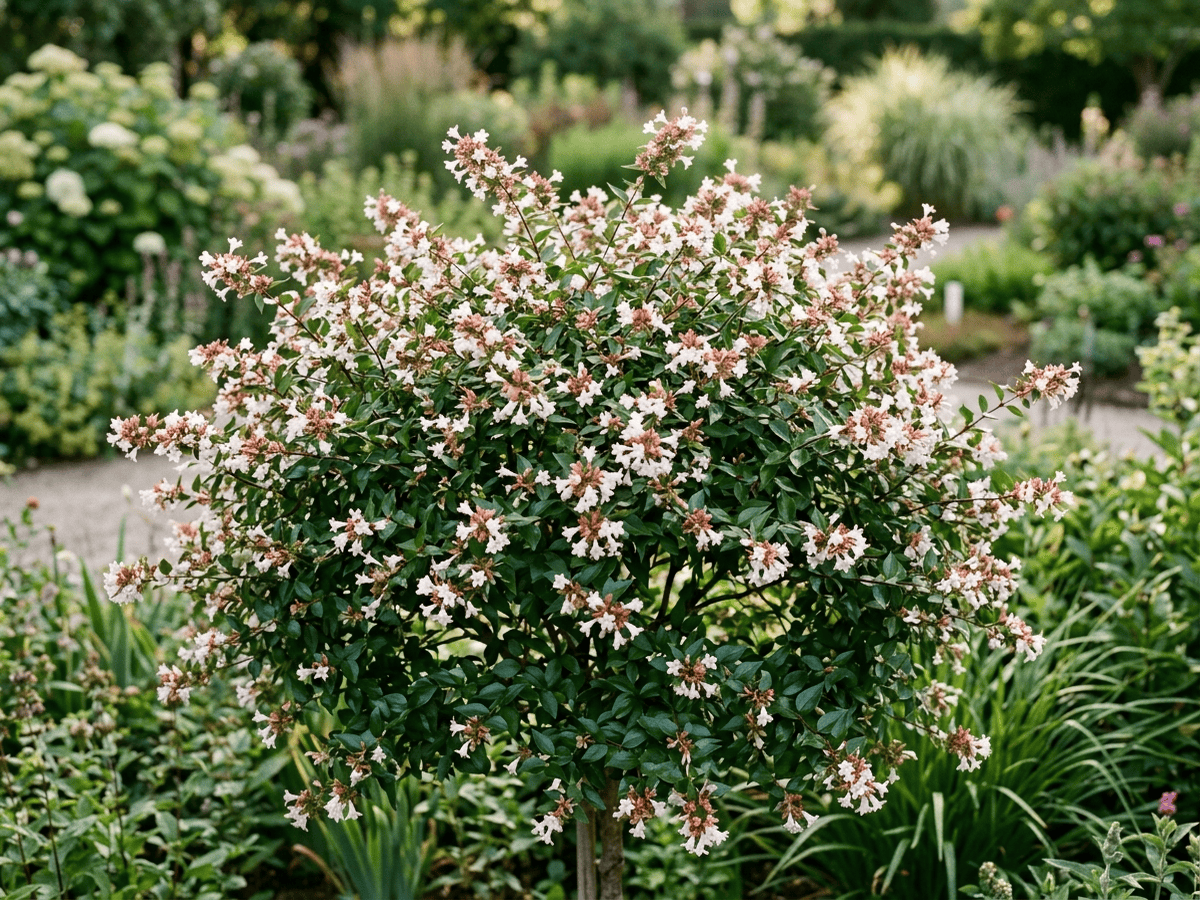 Glossy AbeliaAbelia x grandiflora
Plants with similar care
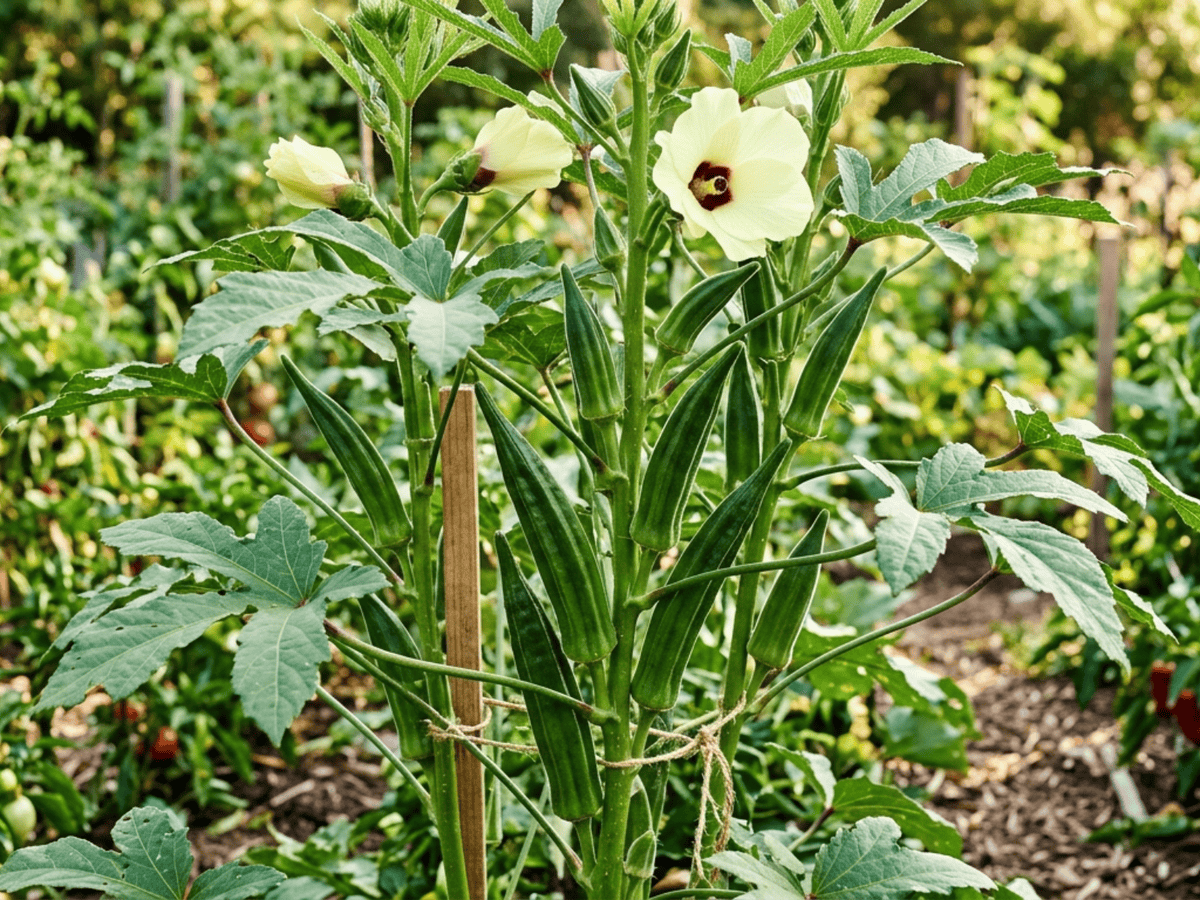 OkraAbelmoschus esculentus
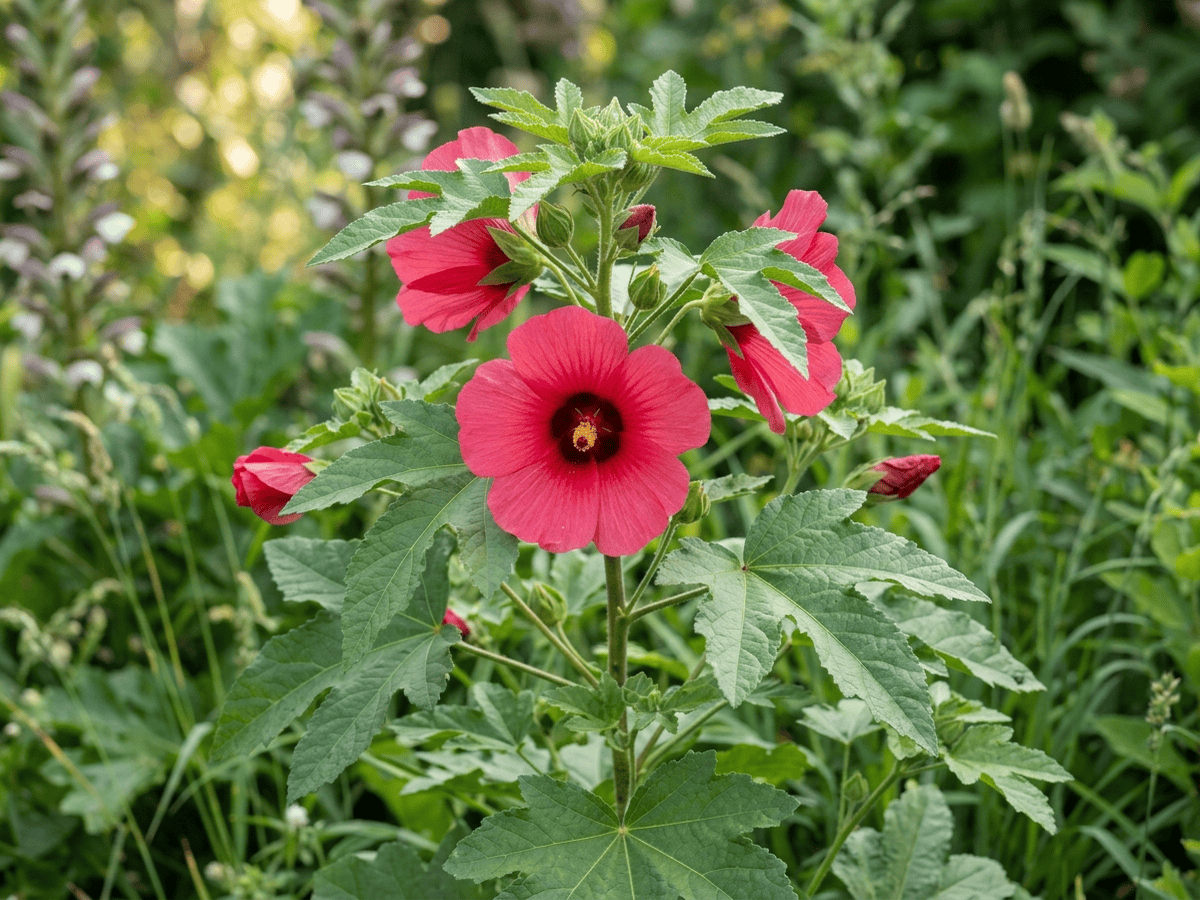 MuskseedAbelmoschus moschatus
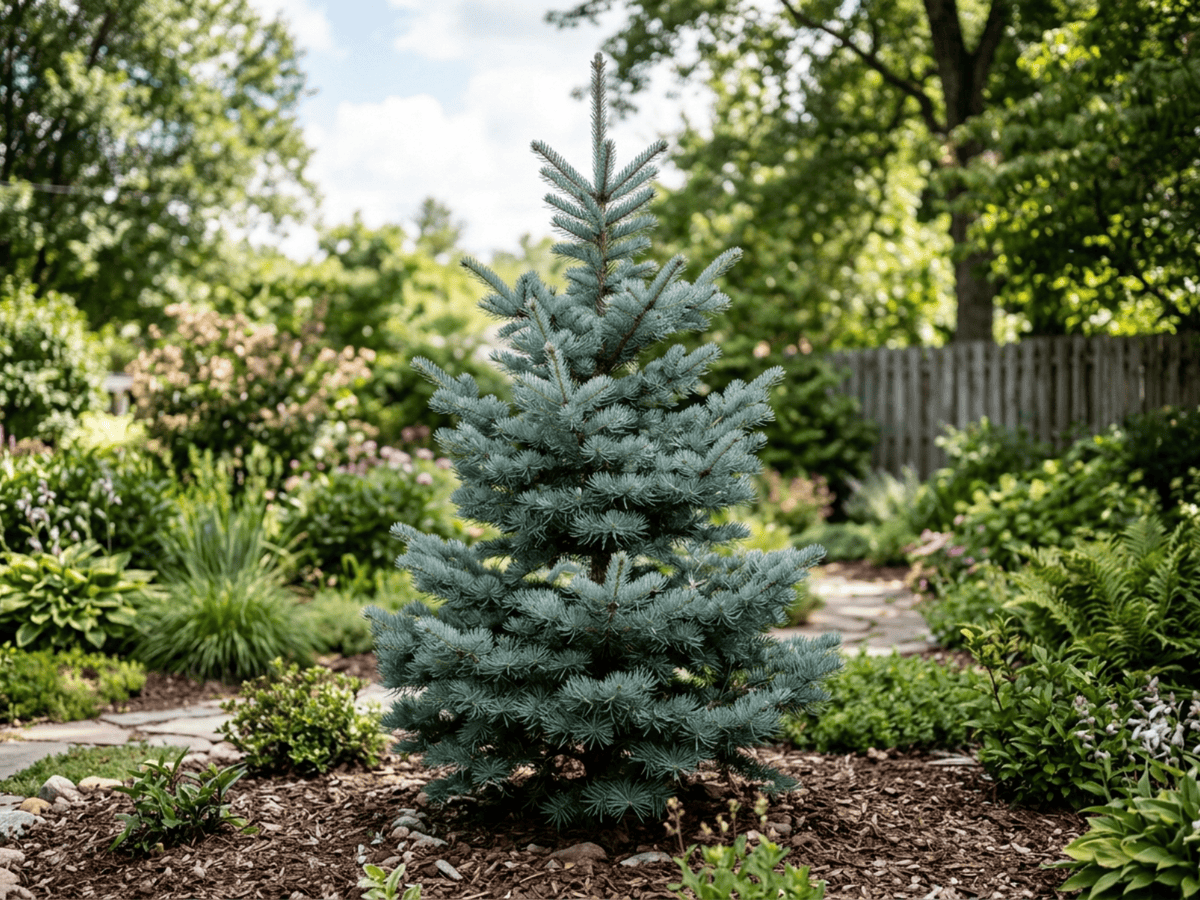 White FirAbies concolor
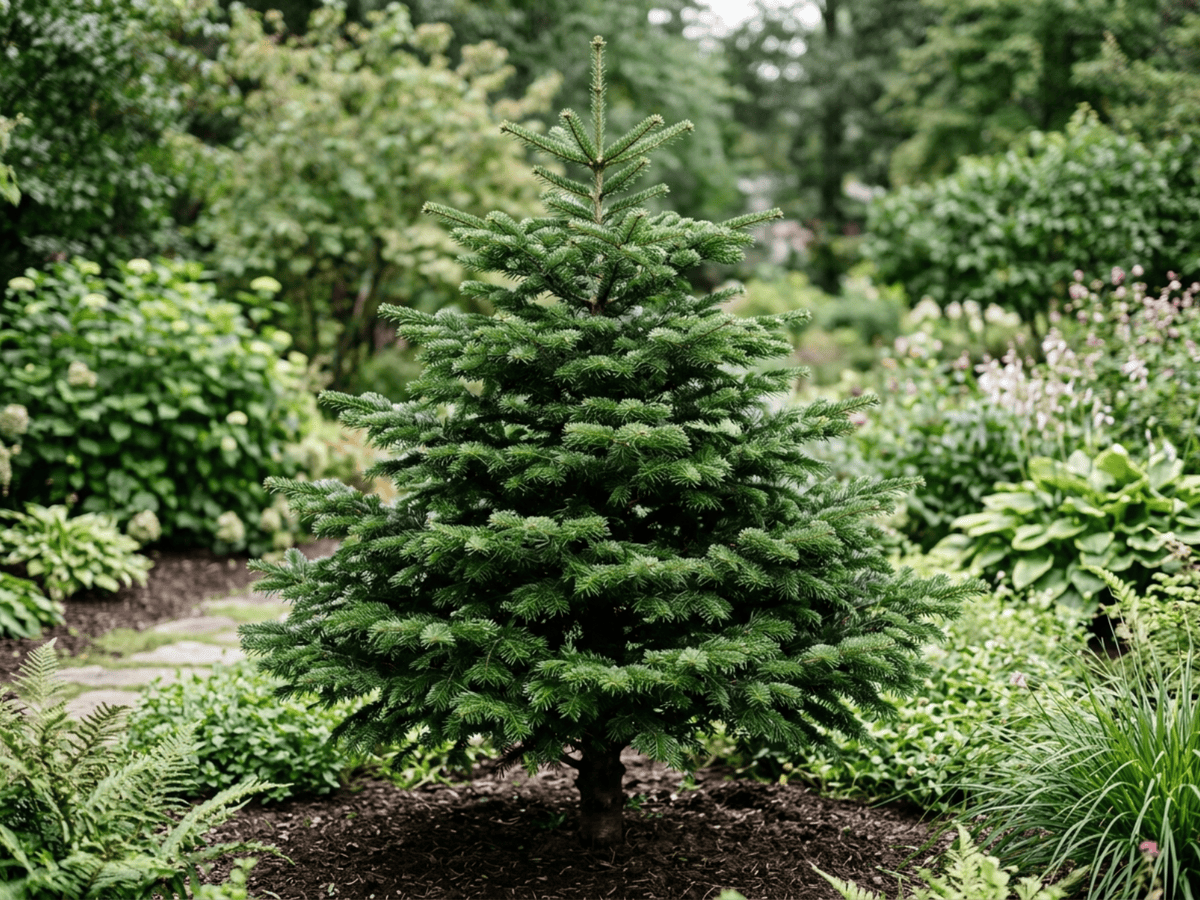 Caucasian FirAbies nordmanniana
Frequently asked questions
How often should I water Chinese Abelia?
In summer, water about every 5 days; in winter, about every 21 days. Adjust for heat, pot size and drainage.
How much light does Chinese Abelia need?
Full sun: 6+ hrs direct. Watch the leaves — scorching or stretching means the light needs adjusting.
Is Chinese Abelia toxic to cats or dogs?
No toxicity has been reported for this plant. Still, it is wise to keep pets from chewing on any houseplant. Educational information, not medical or veterinary advice. If exposure is suspected, contact a doctor or veterinarian.
Is Chinese Abelia easy to grow?
Yes — it is considered an easy, beginner-friendly plant.
When does Chinese Abelia bloom?
It typically blooms Jul–Oct in the Northern Hemisphere.
YardMate
Identify any plant in seconds
Snap a photo — YardMate names the plant, diagnoses problems, and reminds you when to water.
Download on the App Store