 YardMate


Golden Marguerite
Anthemis tinctoria
Easy · Beginner friendlyAbout Golden Marguerite
Golden Marguerite, or Dyer's Chamomile, is a short-lived perennial from southern Europe, 18–30 inches tall, with finely-divided aromatic foliage and masses of golden-yellow daisy flowers from early to midsummer. Historically used as a yellow dye source. Hardy zones 3–7. A long-blooming, deer-resistant border perennial in American cottage and pollinator gardens. 'Kelwayi' and 'E.C. Buxton' (soft yellow) are standard cultivars.
- Fragrant
- Drought-tolerant
- Deer-resistant
- Pollinator-friendly
How to care for Golden Marguerite
Watering
- Springevery 7 days
- Summerevery 5 days
- Fallevery 10 days
- Winterpause watering
Soil · Well-draining
- Top dressingPine bark mulch10%
- Main mixPotting soil + perlite 2:170%
- DrainageLECA / gravel20%
Never skip the drainage layer — standing water is the top cause of root rot.
FERTILIZER
- Springevery 30 days
- Summerevery 30 days
At a Glance
- NativeEurope, Western Asia
- Height2–3 ft (0.6–0.9 m)
- Spread1–2 ft (0.3–0.6 m)
- Flower colorYellow
- Foliage colorGreen
- SoilWell-drained, Sandy, Neutral
- LocationsYard
Bloom time
BLOOM CYCLE
Peak bloom
Jun–Aug
Gold daisies early to midsummer
Fragrance
MODERATE FRAGRANCE
The foliage has an aromatic herbaceous scent.
Toxicity
Humans Slight · Pets Slight
sesquiterpene lactones and flavonoids
Slight
- All
- Contact
EXPOSURE Touching any part of the plant.
EFFECT Contact dermatitis in sensitive individuals.
NOTE May cause contact dermatitis; historically used as yellow dye.
Slight
- All
- Ingestion
EXPOSURE Eating any part of the plant.
EFFECT Mild vomiting.
NOTE May cause contact dermatitis; historically used as yellow dye.
Slight
- All
- Ingestion
EXPOSURE Eating any part of the plant.
EFFECT Mild vomiting.
NOTE May cause contact dermatitis; historically used as yellow dye.
Educational information, not medical or veterinary advice. If exposure is suspected, contact a doctor or veterinarian.
DISTRIBUTION

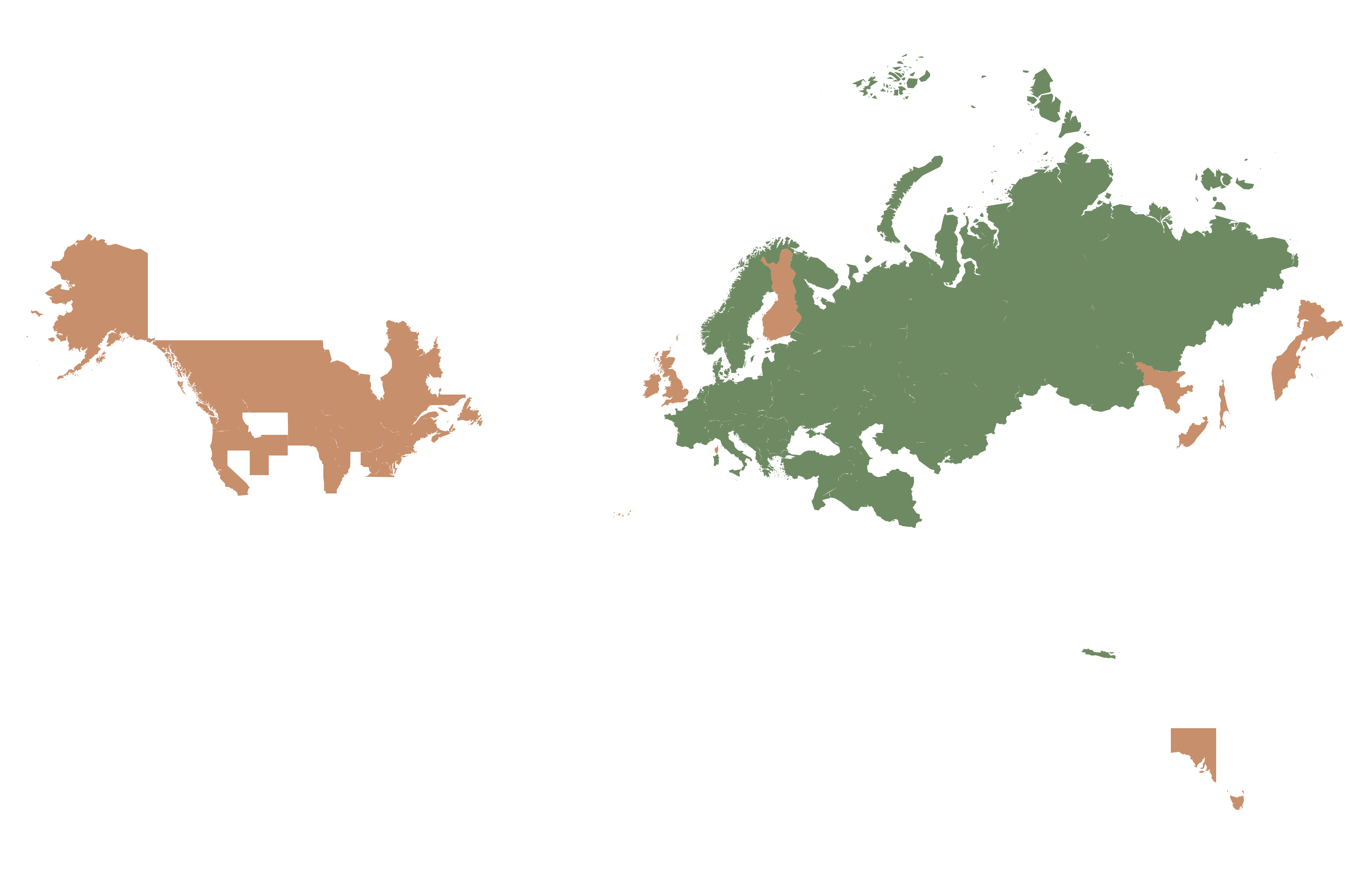
- Native
- Introduced
- Europe
- Western Asia
History

Anthemis tinctoria grows wild across Europe and western Asia in dry meadows and waste ground. The specific epithet tinctoria means of dyers, reflecting its historic economic importance—flowers were boiled to yield bright yellow and golden dyes for wool, used across medieval Europe and still occasionally employed by traditional textile craftspeople. Linnaeus described the species in 1753.
By the 18th century it was naturalized across much of northern Europe and had entered American gardens. The cultivar 'E.C. Buxton', raised by Ernest Charles Buxton in the early 20th century and featuring soft lemon-yellow rays, remains widely grown and won the RHS Award of Garden Merit. Other selections include 'Kelwayi' and 'Sauce Hollandaise'. It is sometimes placed in genus Cota by modern taxonomists. Introduced to American gardens in colonial times and still grown in historic dye gardens at sites like Old Salem.
Symbolism & meaning
What It Symbolizes
Golden Marguerite holds the old anthemis meaning of Patience in adversity — a flower that simply keeps blooming through heat and poor soil. It also carries a Craft heritage from Colonial America, where its petals dyed homespun wool warm yellow on hearthside dye-days. Each daisy is part endurance, part pigment, part quiet domestic memory.
- Patience in adversity — traditional anthemis meaning
- Craft heritage — historic dye plant in Colonial America
Where the Name Comes From
The common name highlights its golden coloring. Genus from Greek 'anthemon' (flower); 'tinctoria' means 'used in dyeing'.
Uses & Fun Facts
- Cheerful yellow daisies for cottage-style bouquets
- Long bloom season feeds bees and beneficial insects
- Flowers yield traditional yellow dye for textiles
Related plants
Plants with similar care
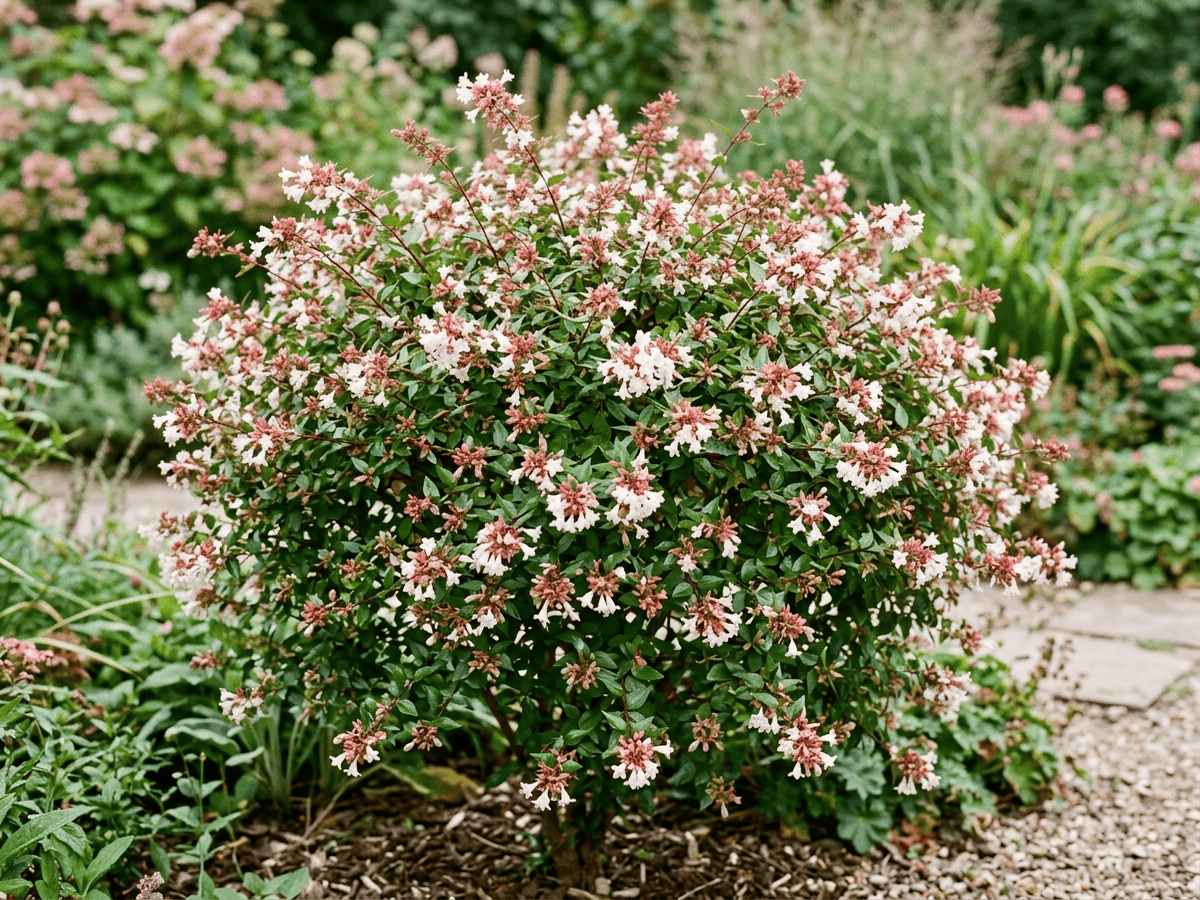 Chinese AbeliaAbelia chinensis
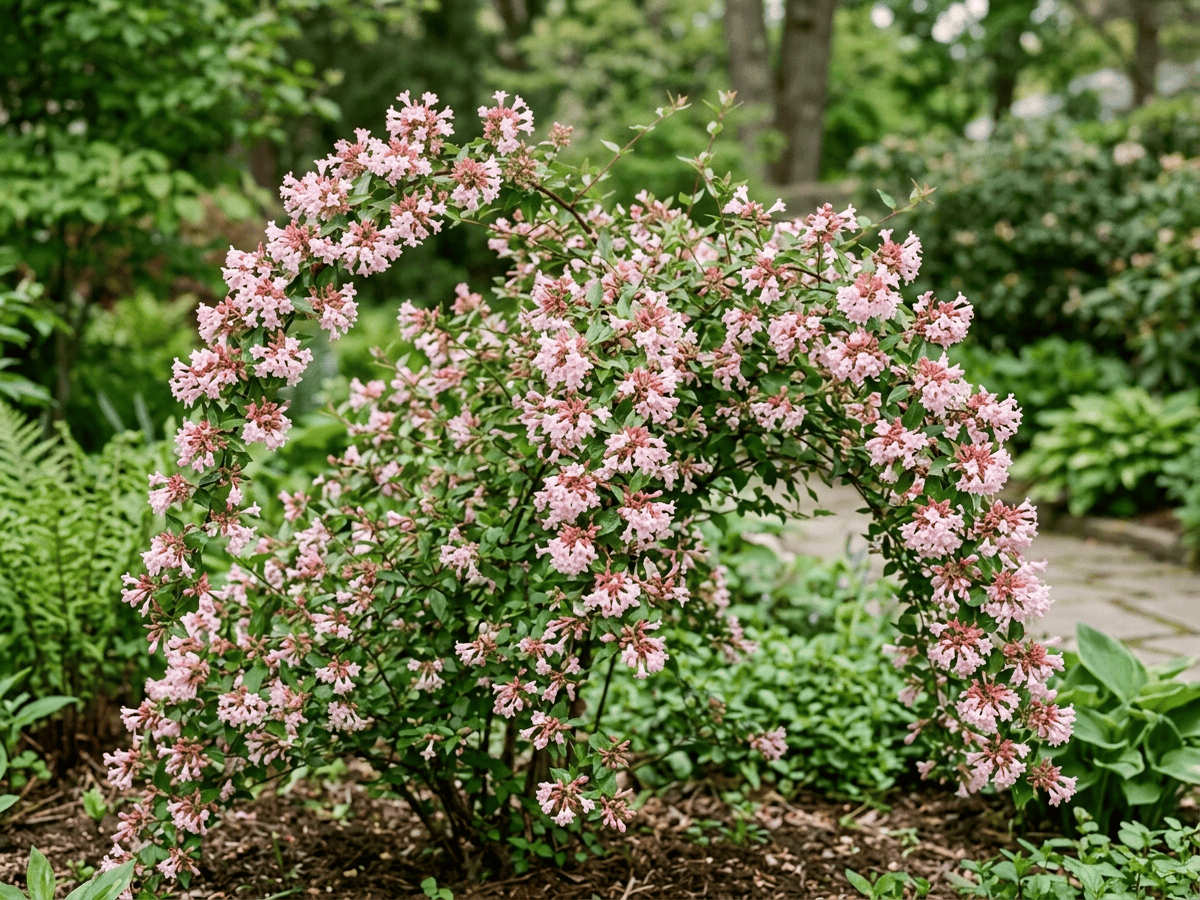 Fragrant AbeliaAbelia mosanensis
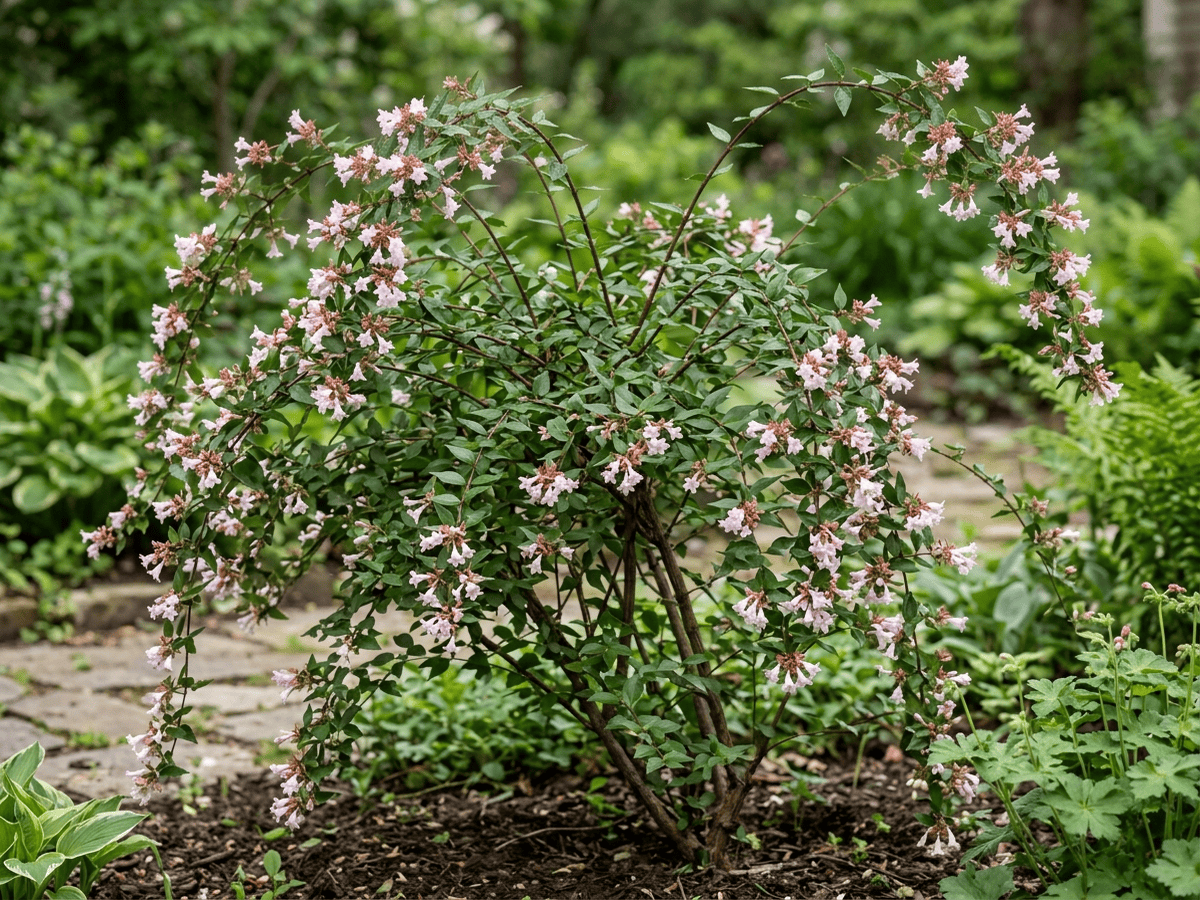 Large-Flowered AbeliaAbelia uniflora
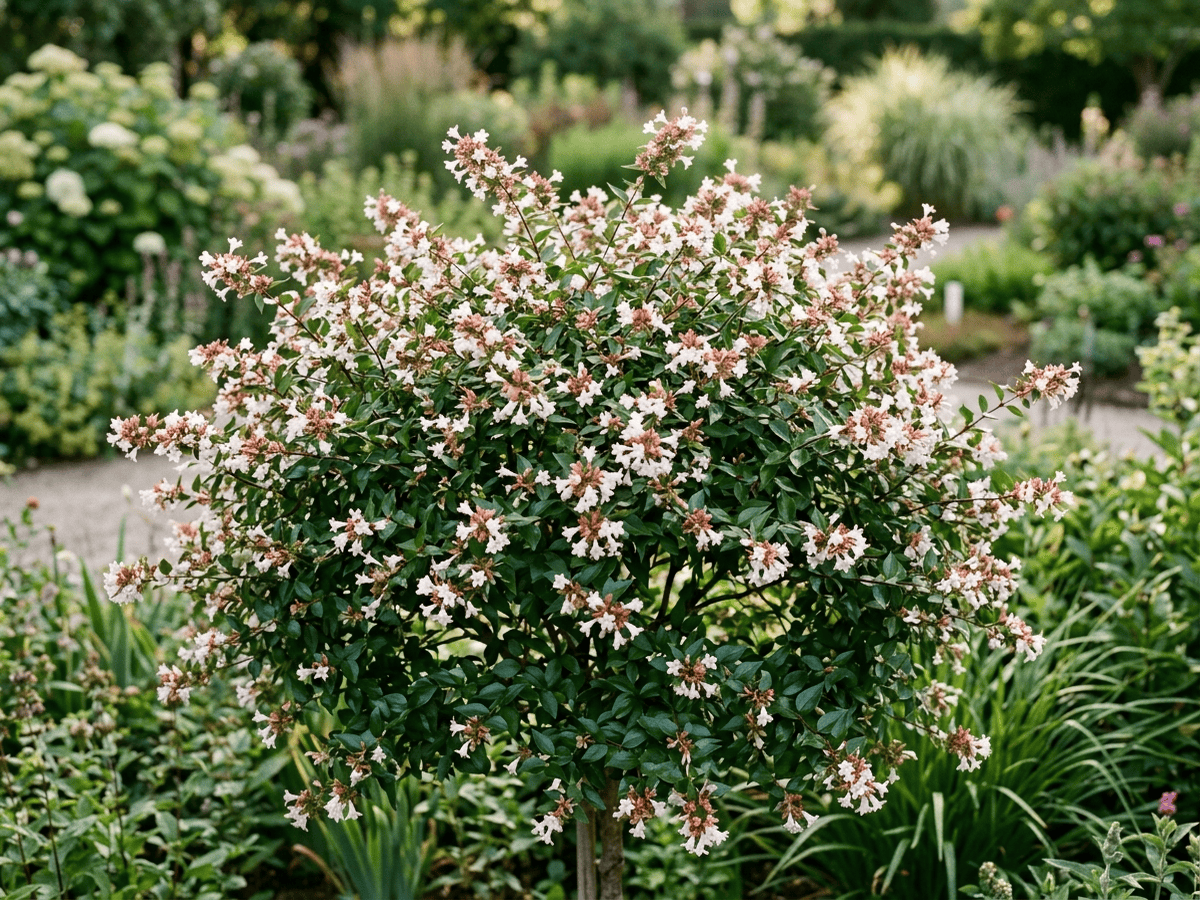 Glossy AbeliaAbelia x grandiflora
Frequently asked questions
How often should I water Golden Marguerite?
Water about every 7 days during the growing season, and always let excess water drain away.
How much light does Golden Marguerite need?
Full sun: 6+ hrs direct. Watch the leaves — scorching or stretching means the light needs adjusting.
Is Golden Marguerite toxic to cats or dogs?
Pets Slight (Dogs Slight · Cats Slight) Educational information, not medical or veterinary advice. If exposure is suspected, contact a doctor or veterinarian.
Is Golden Marguerite easy to grow?
Yes — it is considered an easy, beginner-friendly plant.
When does Golden Marguerite bloom?
It typically blooms Jun–Aug in the Northern Hemisphere.
YardMate
Identify any plant in seconds
Snap a photo — YardMate names the plant, diagnoses problems, and reminds you when to water.
Download on the App Store