 YardMate


Capeweed
Arctotheca calendula
Easy · Beginner friendlyAbout Capeweed
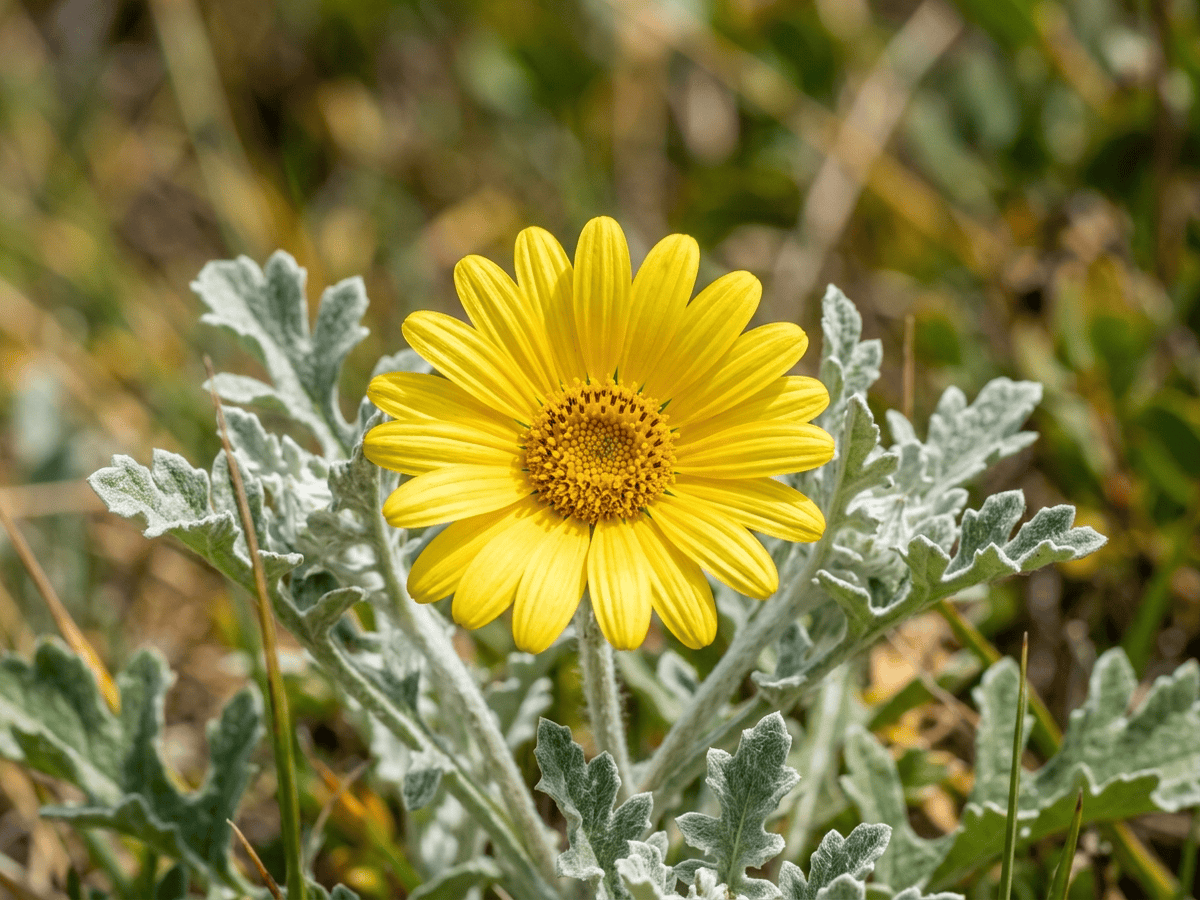
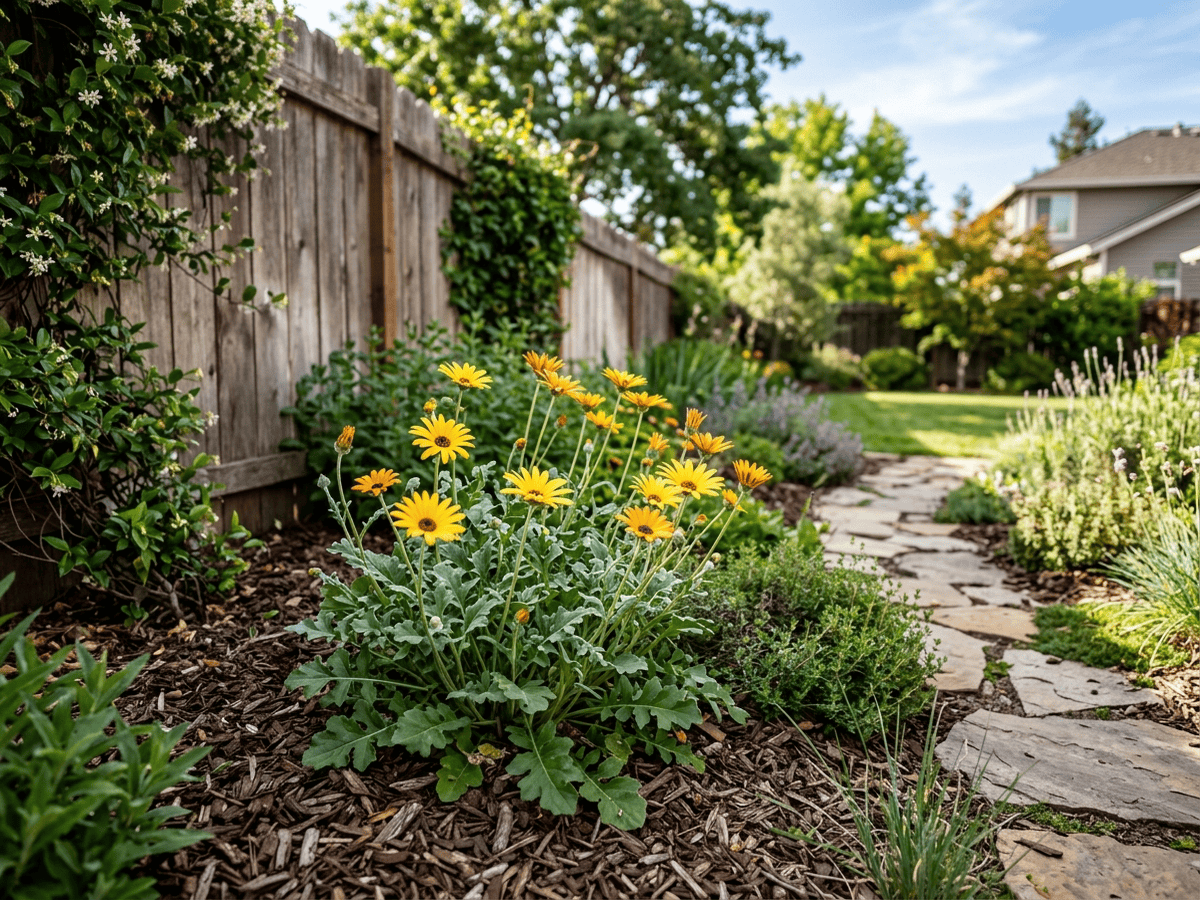
Cape Weed is a low spreading perennial from South Africa reaching 6-12 inches tall with gray-green lobed leaves and bright yellow daisy flowers in spring and early summer. Used as a groundcover in parts of coastal California for its quick cover and drought tolerance, but classified as a noxious weed in many California regions where it invades natural areas. Choose sterile cultivars or native alternatives to prevent invasion.
- Drought-tolerant
- Groundcover
- Long-blooming
How to care for Capeweed
Watering
- Springevery 10 days
- Summerevery 7 days
- Fallevery 14 days
- Winterevery 30 days
Soil · Well-draining
- Top dressingPine bark mulch10%
- Main mixPotting soil + perlite 2:170%
- DrainageLECA / gravel20%
Never skip the drainage layer — standing water is the top cause of root rot.
FERTILIZER
- Springevery 30 days
At a Glance
- NativeAfrica
- Height0.5–1 ft (0.2–0.3 m)
- Spread1–2 ft (0.3–0.6 m)
- Flower colorYellow
- Foliage colorSilver, Green
- SoilSandy, Well-drained
- LocationsYard
Bloom time
BLOOM CYCLE
Peak bloom
Mar–Jun
Yellow daisy flowers March to June
Toxicity
No toxicity has been reported for this plant. Still, it is wise to keep pets from chewing on any houseplant.
Educational information, not medical or veterinary advice. If exposure is suspected, contact a doctor or veterinarian.
DISTRIBUTION

- Native
- Introduced
- Africa
History

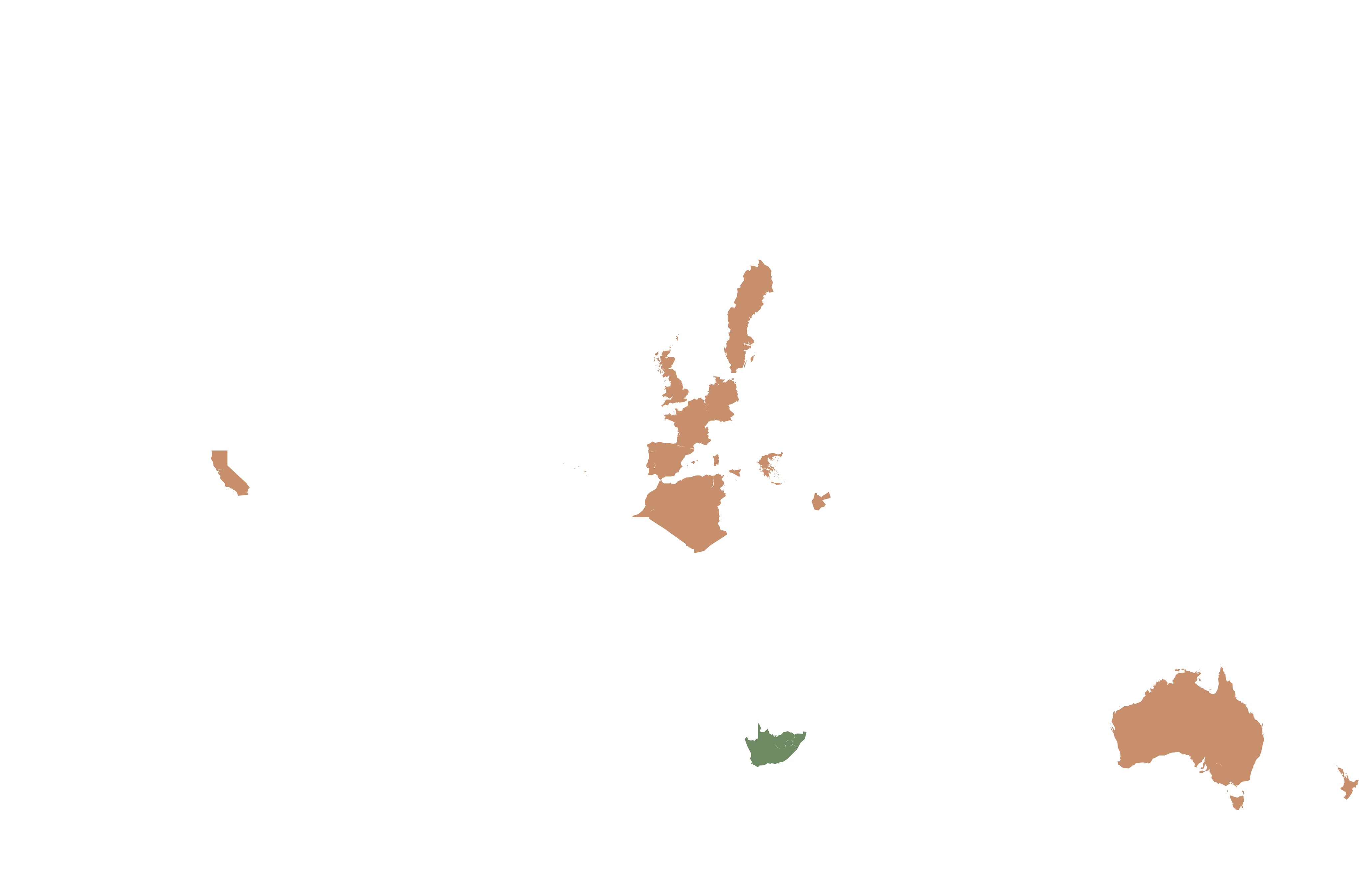
Arctotheca calendula is native to the southwestern Cape region of South Africa, typically on disturbed ground, fynbos, and coastal slopes. South African botanist Margaret Rutherford Bryan Levyns published the current name combination in 1942. The species superficially resembles Calendula (whence the epithet) but belongs to a different genus.
The 20-30 cm low-growing rosetted perennial produces woolly gray-green pinnately lobed leaves and bright yellow 5 cm daisy-like flowers with dark centers from late winter through spring. Drought-tolerant, fast-spreading by both seed and running rhizomes, and showy in bloom, it was widely planted in California and Australia from the mid-20th century onward as a no-irrigation slope groundcover and highway planting. Unfortunately it proved too successful: it has escaped cultivation to become one of the most serious invasive weeds of coastal California and southern/western Australia, displacing native coastal vegetation and rangeland forage.
Several states list it as noxious; new plantings are discouraged, and sterile forms are being developed for those still wishing to use it. Introduced from South Africa to California in the early 20th century as a drought-tolerant lawn substitute. Escaped cultivation along the California coast and is now listed as a Moderate-severity invasive by the California Invasive Plant Council. Sterile 'Prostrata' cultivar is preferred to prevent seed set.
Symbolism & meaning
What It Symbolizes
Capeweed offers cheerfulness with caution — its bright yellow daisies radiate warmth, but its eager spread has earned it serious environmental concern in California and Australia. Gardeners drawn to its sunny face are gently urged to choose sterile cultivars or native alternatives. A reminder that joyful color is no guarantee of ecological welcome.
- Cheerfulness with caution — bright blooms but environmental concern
- Caution — choose sterile or native alternatives
Where the Name Comes From
The name Capeweed points to South Africa's Cape region. 'Arctotheca' from Greek 'arctos' (bear) and 'theke' (case); 'calendula' for resemblance to pot marigold.
Uses & Fun Facts
- Silver-felted mats spread quickly across sunny slopes
Related plants
Plants with similar care
 Chinese AbeliaAbelia chinensis
 Fragrant AbeliaAbelia mosanensis
 Large-Flowered AbeliaAbelia uniflora
 Glossy AbeliaAbelia x grandiflora
Frequently asked questions
How often should I water Capeweed?
In summer, water about every 7 days; in winter, about every 30 days. Adjust for heat, pot size and drainage.
How much light does Capeweed need?
Full sun: 6+ hrs direct. Watch the leaves — scorching or stretching means the light needs adjusting.
Is Capeweed toxic to cats or dogs?
No toxicity has been reported for this plant. Still, it is wise to keep pets from chewing on any houseplant. Educational information, not medical or veterinary advice. If exposure is suspected, contact a doctor or veterinarian.
Is Capeweed easy to grow?
Yes — it is considered an easy, beginner-friendly plant.
When does Capeweed bloom?
It typically blooms Mar–Jun in the Northern Hemisphere.
YardMate
Identify any plant in seconds
Snap a photo — YardMate names the plant, diagnoses problems, and reminds you when to water.
Download on the App Store