 YardMate

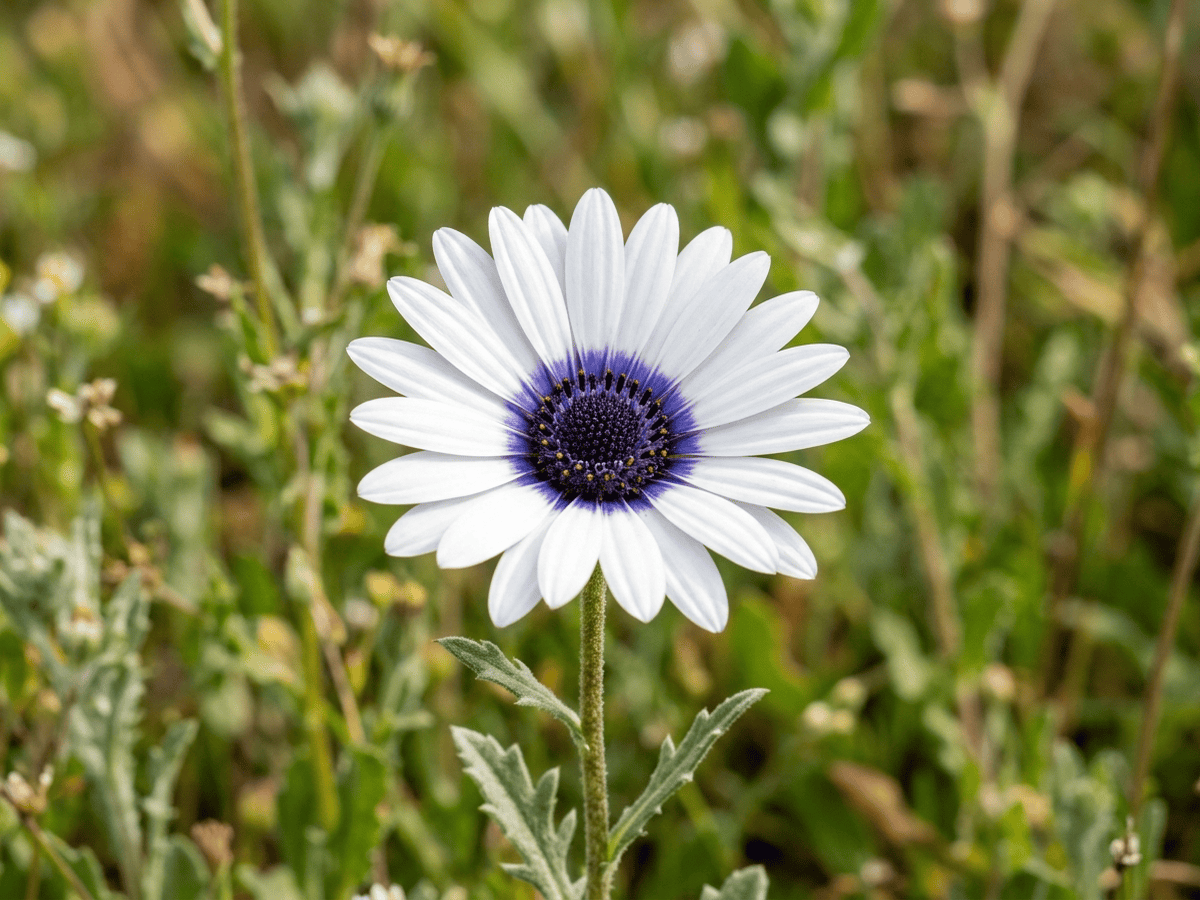

White Arctotis
Arctotis stoechadifolia
Easy · Beginner friendlyAbout White Arctotis
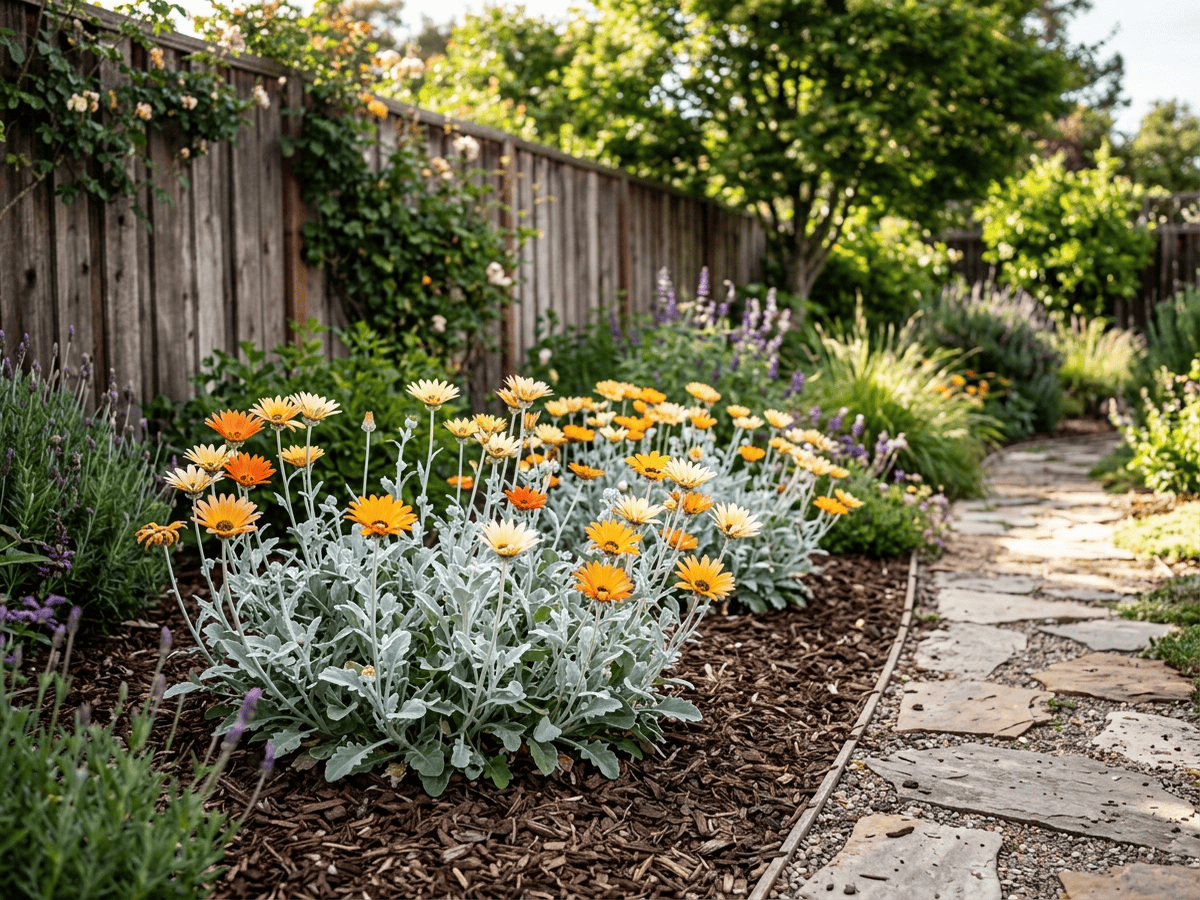
African Daisy or Blue-eyed Daisy is a South African annual producing large 3-inch daisy flowers in white, yellow, orange, red, or pink with distinctive dark blue or black centers. Growing 12 to 24 inches tall with gray woolly foliage, it thrives in hot dry conditions and blooms continuously through summer. Popular in California and Southwest xeric gardens alongside other South African annuals.
- Drought-tolerant
- Heat-tolerant
- Deer-resistant
- Long-blooming
How to care for White Arctotis
Watering
- Springevery 7 days
- Summerevery 10 days
- Fallevery 10 days
- Winterevery 14 days
Soil · Well-draining
- Top dressingPine bark mulch10%
- Main mixPotting soil + perlite 2:170%
- DrainageLECA / gravel20%
Never skip the drainage layer — standing water is the top cause of root rot.
FERTILIZER
- Springevery 60 days
- Fallevery 60 days
At a Glance
- NativeAfrica
- Height1–2 ft (0.3–0.6 m)
- Spread1–2 ft (0.3–0.6 m)
- Flower colorWhite, Pink, Orange, Yellow
- Foliage colorSilver, Green
- SoilSandy, Well-drained
- LocationsYard
Bloom time
BLOOM CYCLE
Peak bloom
Jun–Nov
Daisies with dark centers open in sun, June to frost
Toxicity
Toxicity unknown
None reported
Unknown
EXPOSURE Unspecified plant material.
EFFECT Toxic effects are not specified.
NOTE Toxicity for humans is not well documented; use caution until verified.
Unknown
EXPOSURE Unspecified plant material.
EFFECT Toxic effects are not specified.
NOTE Toxicity for dogs is not well documented; use caution until verified.
Unknown
EXPOSURE Unspecified plant material.
EFFECT Toxic effects are not specified.
NOTE Toxicity for cats is not well documented; use caution until verified.
Educational information, not medical or veterinary advice. If exposure is suspected, contact a doctor or veterinarian.
DISTRIBUTION


- Native
- Africa
History
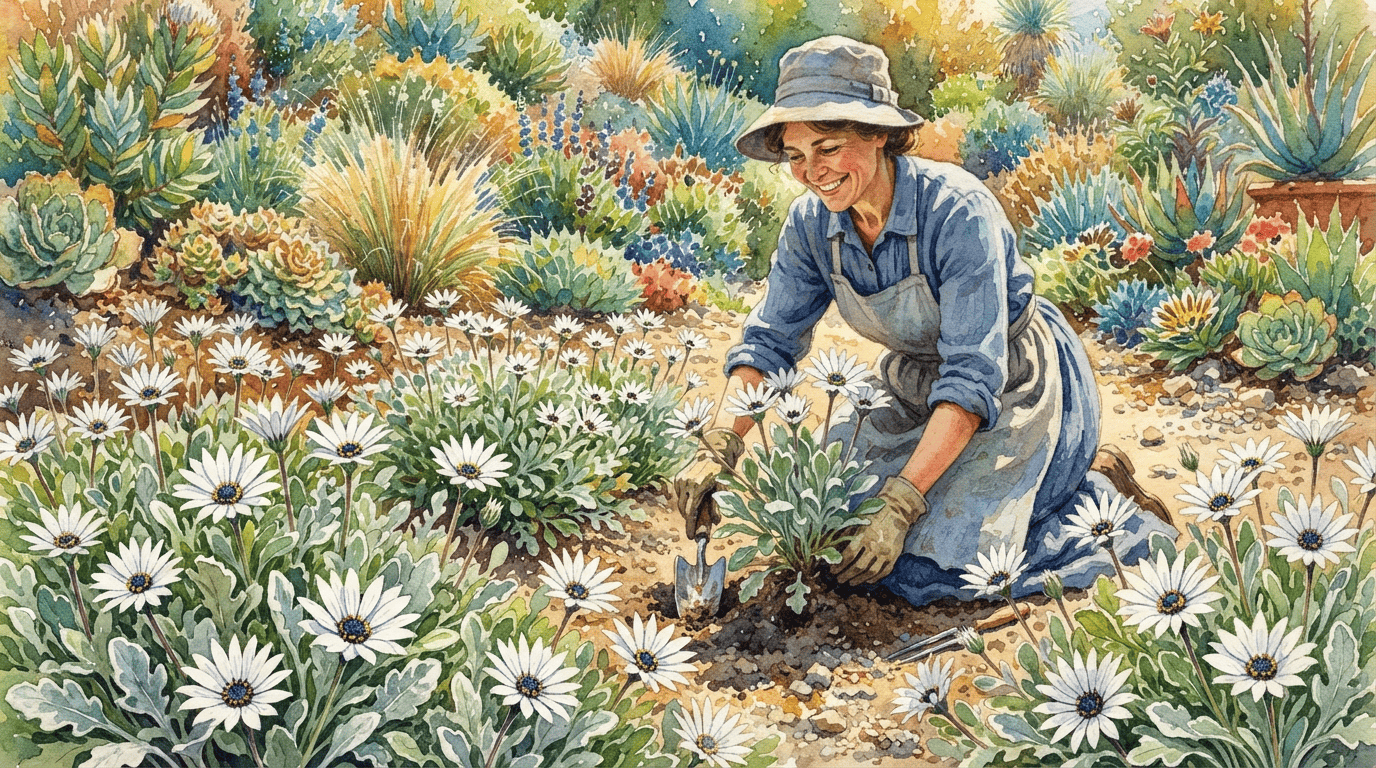
Arctotis stoechadifolia, commonly called white arctotis, African daisy, or Cape gold, is an herbaceous perennial native to coastal dunes and fynbos of the Western Cape of South Africa. German botanist Berthold Karl Seemann described the species in the early 19th century, and it reached European horticulture by the 1770s via Kew Gardens. The plant produces low rosettes of silvery felted lobed leaves topped by long-stemmed daisy flowers with pure white rays and striking dark blue-black centers.
Modern cultivated Arctotis hybrids combine this species with A. fastuosa and A. acaulis to create the broad color range seen in commerce today, including the Harlequin, Flame, and Bumble Bee series, which bloom in shades of orange, pink, yellow, purple, and white from coastal California to the Mediterranean and Australia. Native to South African Cape region, introduced to California gardens in the early 1900s as part of the wave of South African drought-tolerant plant imports.
Now a reliable component of California and Southwest xeric bedding schemes alongside osteospermum and gazania.
Symbolism & meaning
What It Symbolizes
White Arctotis turns a bold eye to the sun: its ivory rays surround a dark, daring center that seems to look directly back at the viewer. As a Cape jewel of South Africa, it carries the high, dry brilliance of fynbos and coastal flats, where flowers must be unafraid to open under fierce light. Its meaning is candid beauty — striking, frank, and unmistakably itself.
- Bold eyes — dark flower centers stand out boldly
- Cape jewel — signature South African annual
Where the Name Comes From
'Arctotis' from Greek 'arktos-otos' meaning bear's ear, for the hairy leaf shape; 'stoechadifolia' means leaves like lavender (Stoechas).
Uses & Fun Facts
- White daisies with dark centers brighten xeric borders
- Long summer bloom feeds bees in dry Mediterranean plantings
- Heat-loving annual for sunny patio pots and window boxes
Related plants
Plants with similar care
 Chinese AbeliaAbelia chinensis
 Fragrant AbeliaAbelia mosanensis
 Large-Flowered AbeliaAbelia uniflora
 Glossy AbeliaAbelia x grandiflora
Frequently asked questions
How often should I water White Arctotis?
In summer, water about every 10 days; in winter, about every 14 days. Adjust for heat, pot size and drainage.
How much light does White Arctotis need?
Full sun: 6+ hrs direct. Watch the leaves — scorching or stretching means the light needs adjusting.
Is White Arctotis toxic to cats or dogs?
Pets Unknown (Dogs Unknown · Cats Unknown) Educational information, not medical or veterinary advice. If exposure is suspected, contact a doctor or veterinarian.
Is White Arctotis easy to grow?
Yes — it is considered an easy, beginner-friendly plant.
When does White Arctotis bloom?
It typically blooms Jun–Nov in the Northern Hemisphere.
YardMate
Identify any plant in seconds
Snap a photo — YardMate names the plant, diagnoses problems, and reminds you when to water.
Download on the App Store