 YardMate


Marguerite Daisy
Argyranthemum frutescens
Medium · Some experienceAbout Marguerite Daisy
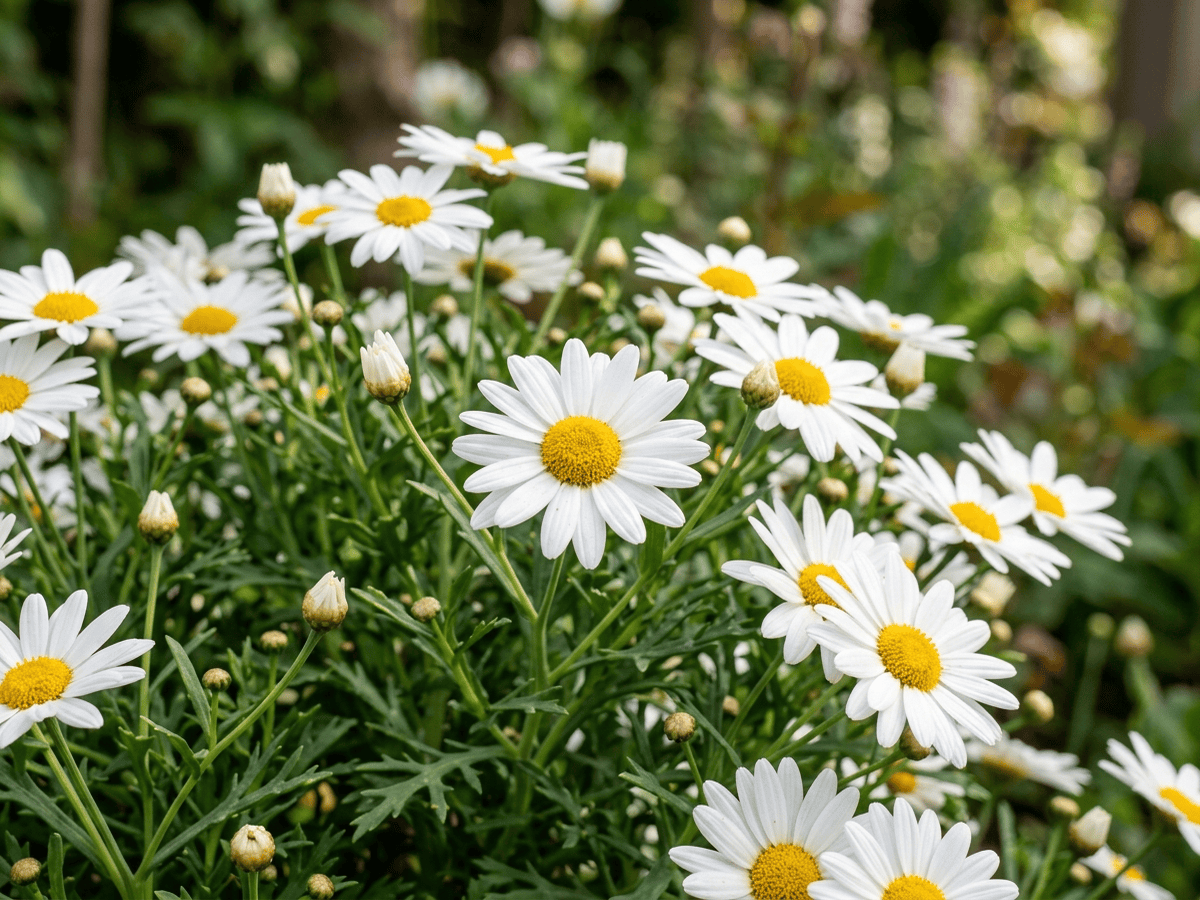
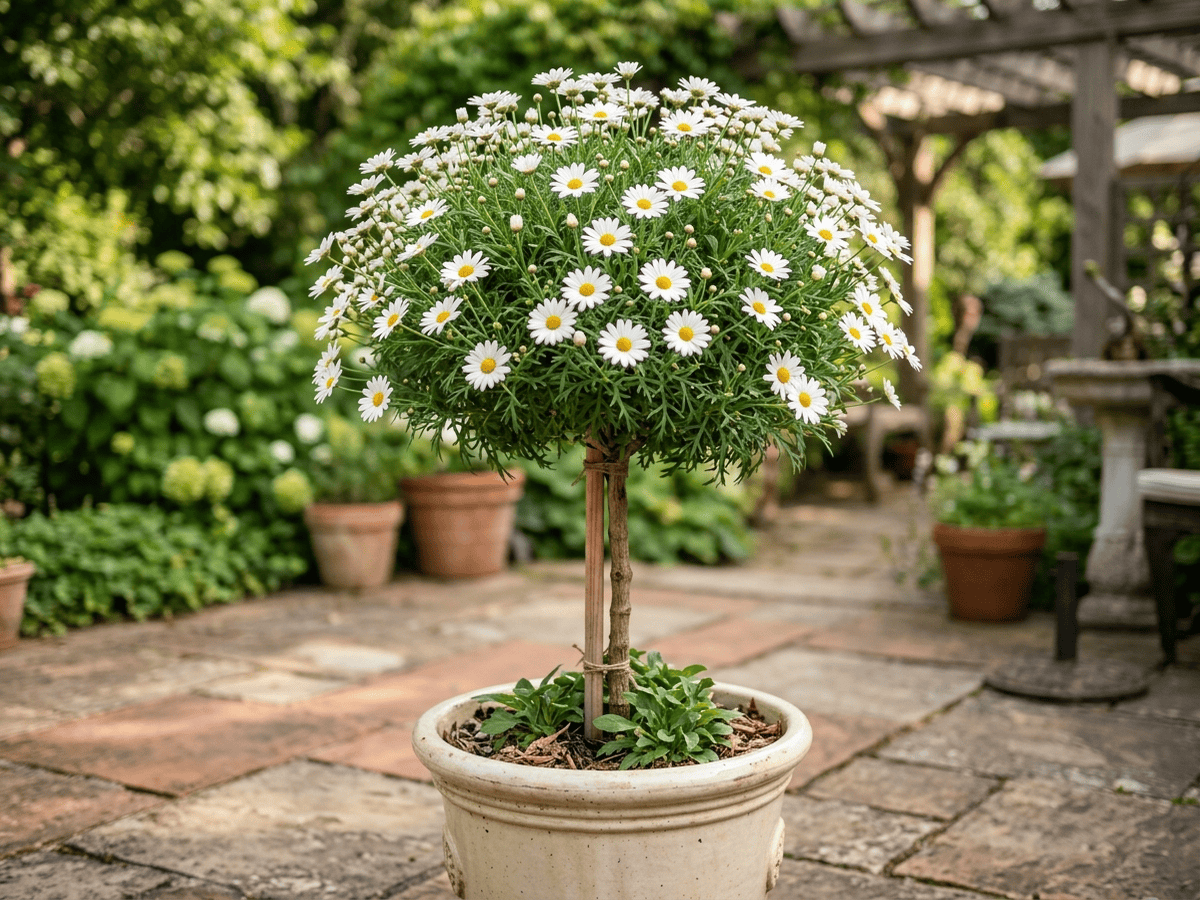
Marguerite Daisy or Paris Daisy is a Canary Islands tender perennial grown as an annual shrubby plant across the US, producing continuous 2-inch daisy flowers in white, yellow, pink, or red on mounded plants 18 to 36 inches tall. A classic standard (tree-form) plant for Victorian-style American containers, and a staple of European-style spring container gardening in Pacific Northwest and Northeast nurseries.
- Cut-flower
- Deer-resistant
- Container-friendly
- Long-blooming
How to care for Marguerite Daisy
Watering
- Springevery 4 days
- Summerevery 3 days
- Fallevery 5 days
- Winterevery 7 days
Soil · Well-draining
- Top dressingPine bark mulch10%
- Main mixPotting soil + perlite 2:170%
- DrainageLECA / gravel20%
Never skip the drainage layer — standing water is the top cause of root rot.
FERTILIZER
Balanced Feed 14-14-14
An even feed covers all three needs at once, keeping leaves, roots and blooms moving together with nothing pushed out of balance.
- Nitrogen · Leaves
- Phosphorus · Roots + Blooms
- Potassium · Strength
- Springevery 21 days
- Summerevery 21 days
- Fallevery 30 days
At a Glance
- Height1–3 ft (0.3–0.9 m)
- Spread1–3 ft (0.3–0.9 m)
- Flower colorWhite, Pink, Yellow, Red
- Foliage colorGreen
- SoilLoamy, Well-drained, Sandy
- LocationsBalcony · Yard
Bloom time
BLOOM CYCLE
Peak bloom
Mar–Nov
Classic white or yellow daisies spring through fall
Fragrance
LIGHT FRAGRANCE
The foliage has an aromatic foliage when bruised scent.
Toxicity
Toxicity unknown
None reported
Unknown
EXPOSURE Unspecified plant material.
EFFECT Toxic effects are not specified.
NOTE Toxicity for humans is not well documented; use caution until verified.
Unknown
EXPOSURE Unspecified plant material.
EFFECT Toxic effects are not specified.
NOTE Toxicity for dogs is not well documented; use caution until verified.
Unknown
EXPOSURE Unspecified plant material.
EFFECT Toxic effects are not specified.
NOTE Toxicity for cats is not well documented; use caution until verified.
Educational information, not medical or veterinary advice. If exposure is suspected, contact a doctor or veterinarian.
DISTRIBUTION


- Native
- Introduced
History
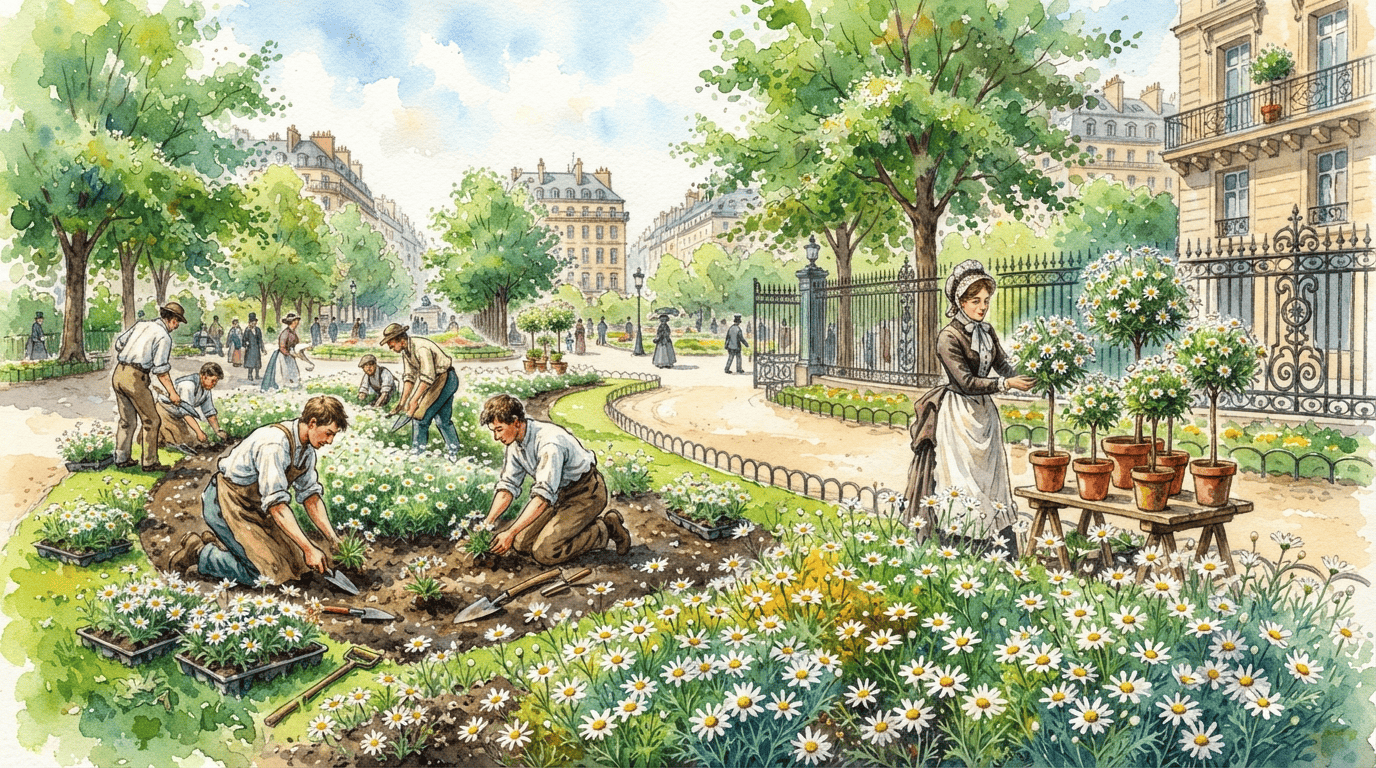
Argyranthemum frutescens, the marguerite daisy or Paris daisy, is a shrubby daisy endemic to the Canary Islands, chiefly Tenerife, Gran Canaria, and La Palma. Carl Linnaeus described it as Chrysanthemum frutescens in 1753 before South African botanist Schultz-Bipontinus transferred it to Argyranthemum in 1844. Victorian Paris gardeners mass-planted the white-flowered species in public parks in the 1870s, giving rise to the name Paris daisy.
The plant fell out of commercial favor during much of the 20th century until Danish breeder John Toll released the Summersong and Butterfly series in the 1980s, followed by the Madeira, Angelic, Molimba, Grandaisy, and Honeybees series. Modern cultivars span white, pink, yellow, and soft red, making marguerite one of the top cool-season and Mediterranean bedding plants worldwide.
Native to the Canary Islands, introduced to European gardens in the 1600s via Madeira and to American gardens by the 1800s. Traditional Parisian flower-market plant, still sold in French-style tree standards at upscale American nurseries each spring.
Symbolism & meaning
What It Symbolizes
The Marguerite Daisy is the original 'he loves me, he loves me not' flower, the petal-plucked oracle of true love in countless French novels and films. Its white-and-gold simplicity is a staple of Parisian flower markets, lending Parisian grace to balcony pots from Montmartre to the Marais. To give a marguerite is to risk an old, charming superstition — and to invite an honest answer.
- True love — classic 'he loves me' petal-plucking daisy
- Parisian grace — staple of French flower markets
Where the Name Comes From
The name Marguerite Daisy describes its daisy-like flower heads. 'Argyranthemum' from Greek 'argyros-anthemon' meaning silver flower; 'frutescens' means shrubby, for the woody base.
Uses & Fun Facts
- Classic centerpiece daisy for patio pots and Victorian standards
- Continuous two-inch daisies supply long-stem cottage bouquets
- Mounded shrubby habit fills cottage borders all summer
Related plants
Plants with similar care
 Mexican AbeliaAbelia floribunda
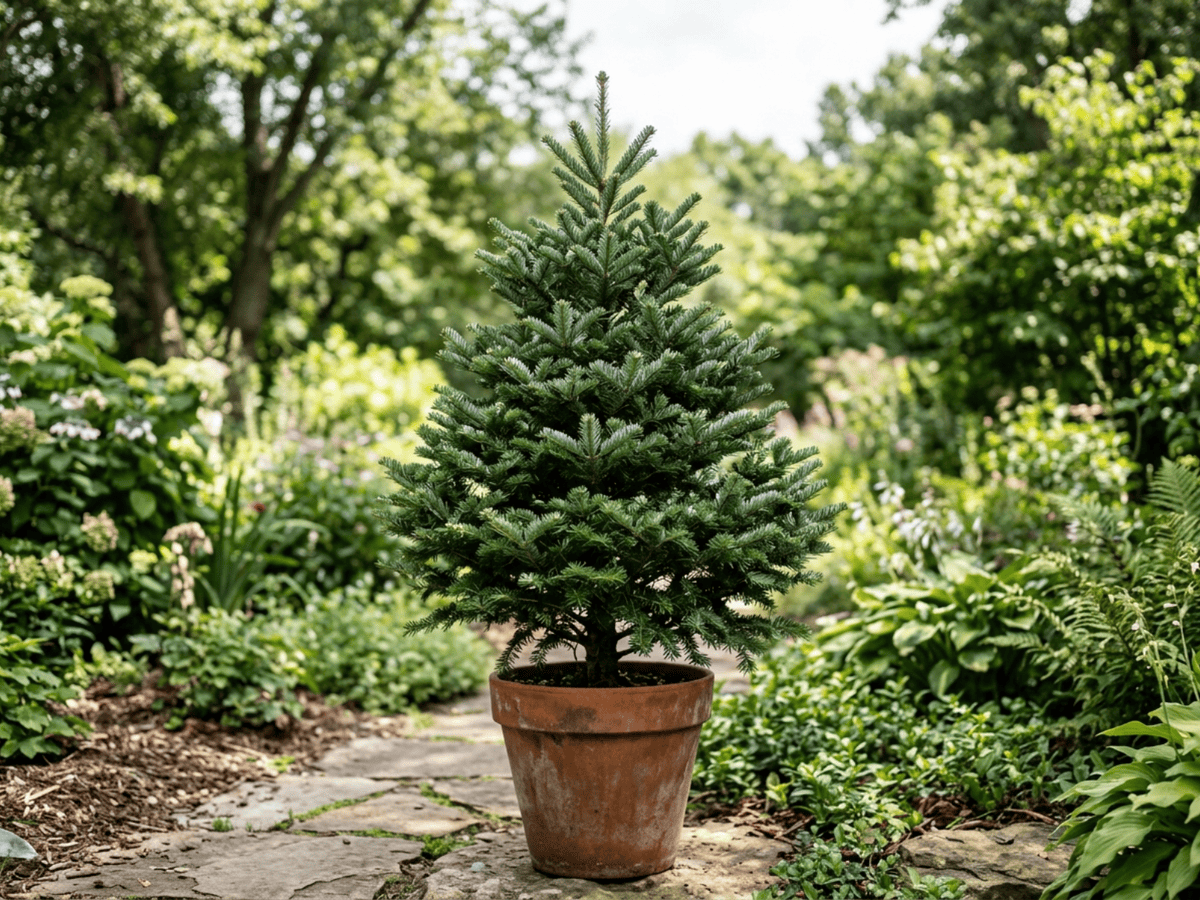 Fraser FirAbies fraseri
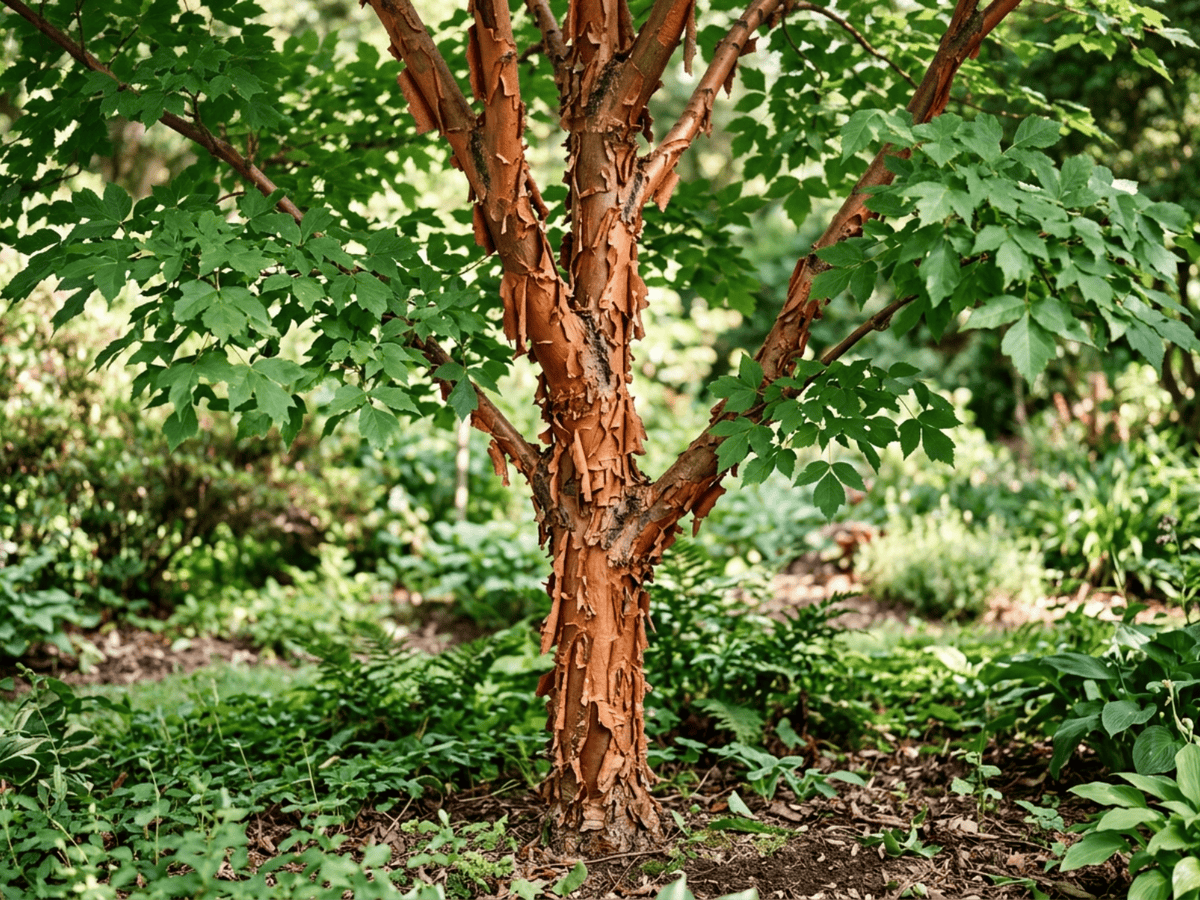 Paperbark MapleAcer griseum
 Sugar MapleAcer saccharum
Frequently asked questions
How often should I water Marguerite Daisy?
In summer, water about every 3 days; in winter, about every 7 days. Adjust for heat, pot size and drainage.
How much light does Marguerite Daisy need?
Full sun: 6+ hrs direct. Watch the leaves — scorching or stretching means the light needs adjusting.
Is Marguerite Daisy toxic to cats or dogs?
Pets Unknown (Dogs Unknown · Cats Unknown) Educational information, not medical or veterinary advice. If exposure is suspected, contact a doctor or veterinarian.
Is Marguerite Daisy easy to grow?
It is moderately demanding: a good choice once you have a little experience.
When does Marguerite Daisy bloom?
It typically blooms Mar–Nov in the Northern Hemisphere.
YardMate
Identify any plant in seconds
Snap a photo — YardMate names the plant, diagnoses problems, and reminds you when to water.
Download on the App Store