 YardMate
Sea Thrift
Armeria maritima
Hard · Experienced growersAbout Sea Thrift
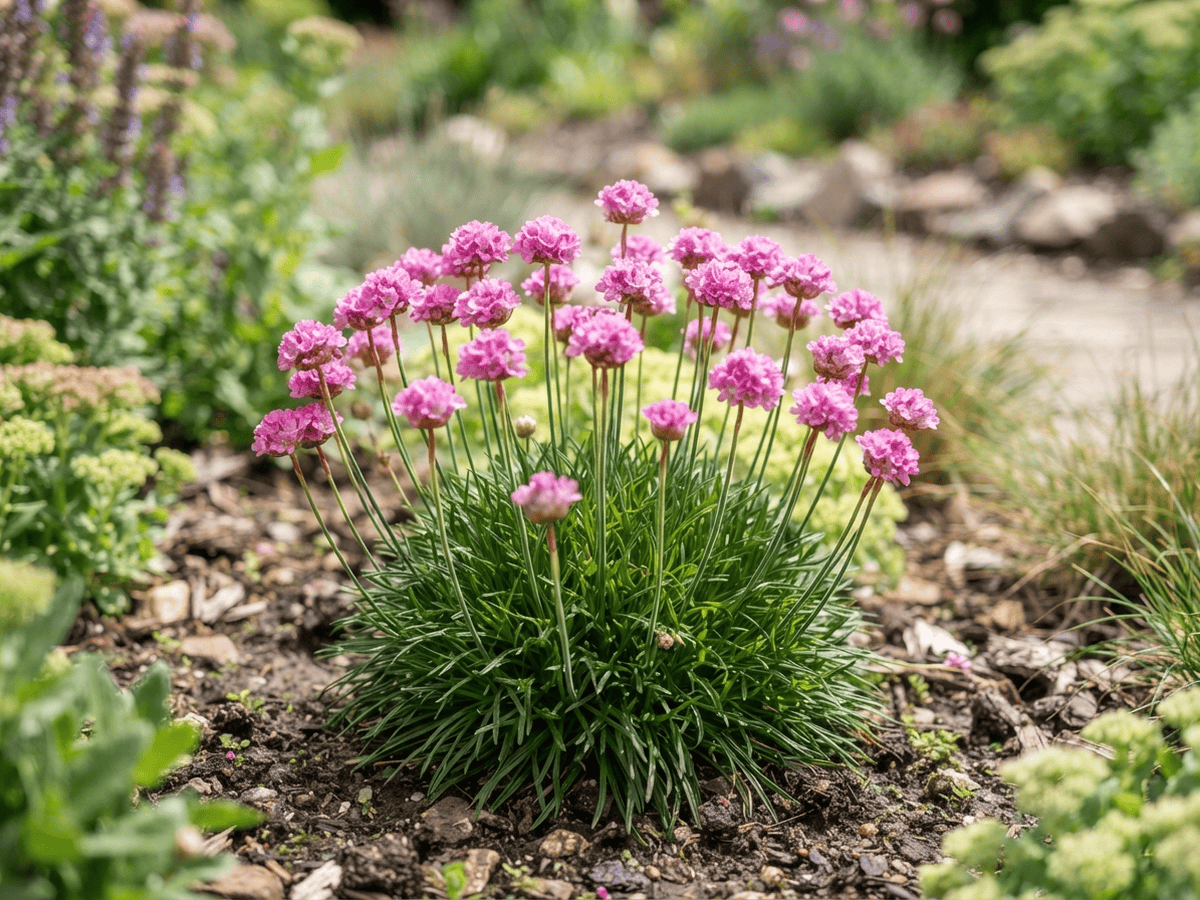
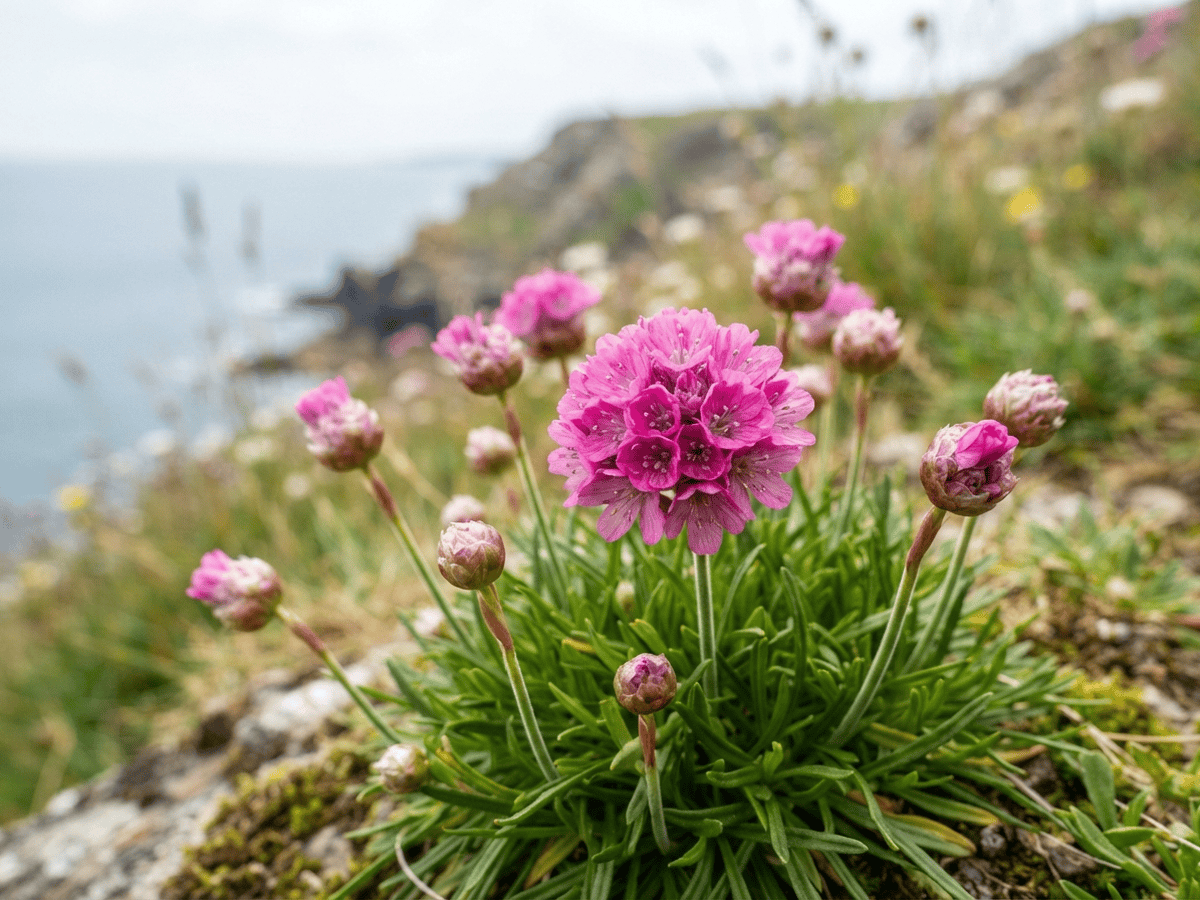
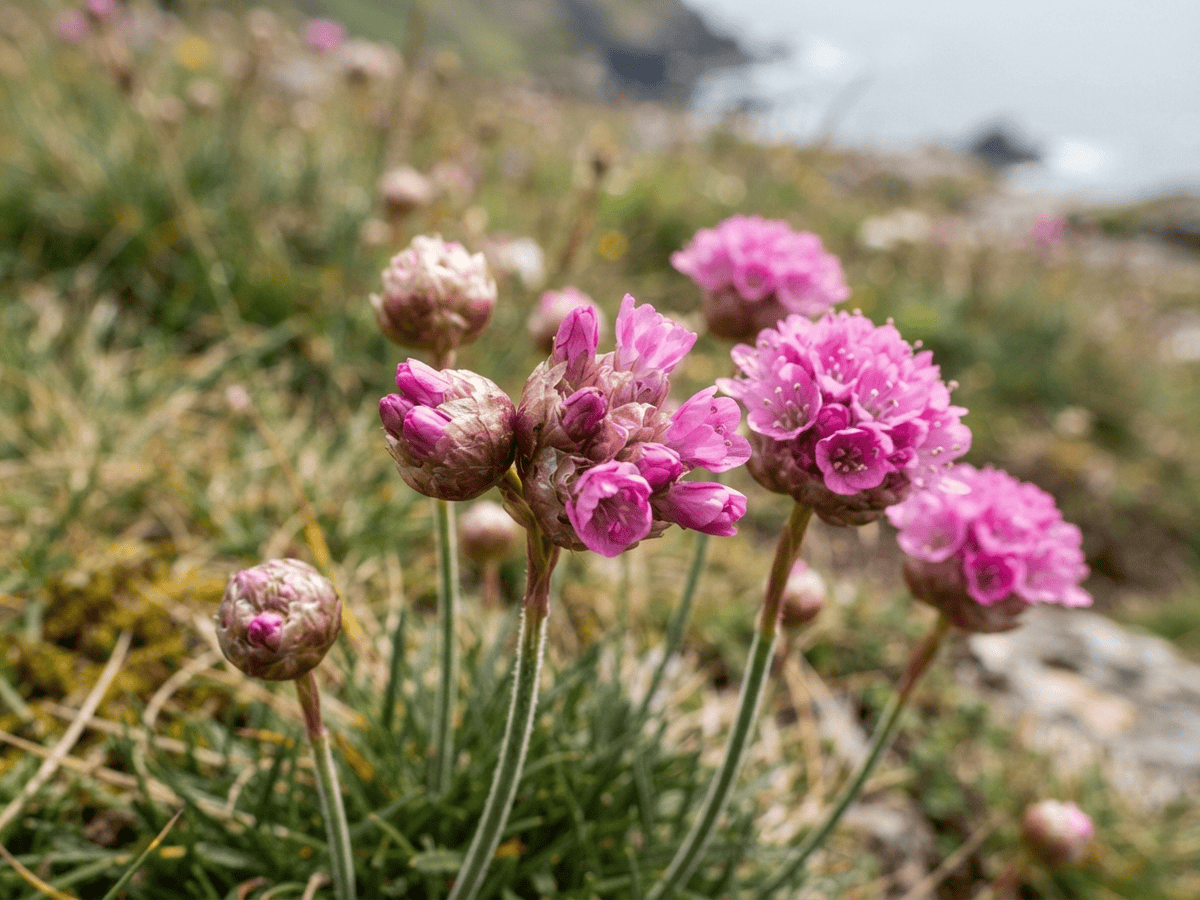
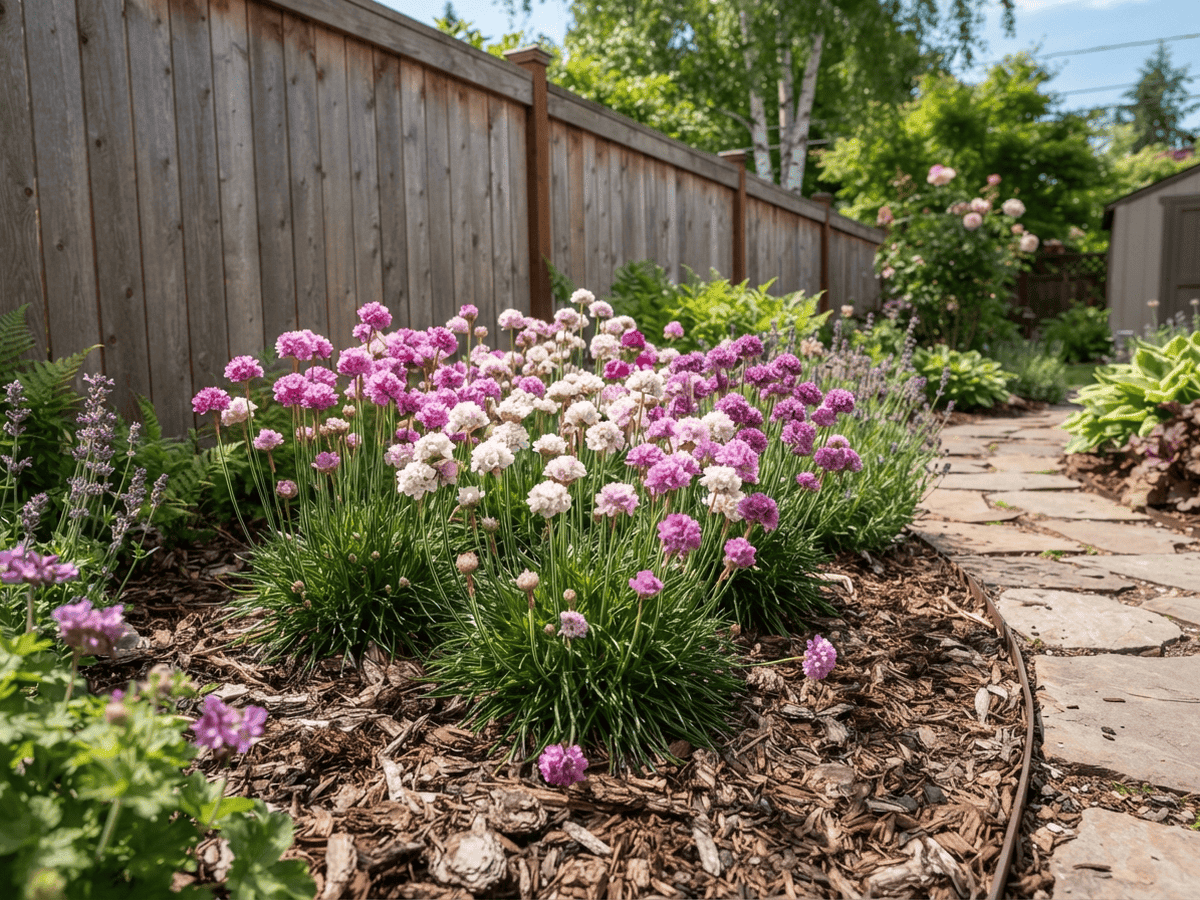
Sea Thrift forms neat, grass-like tufts of narrow evergreen leaves that hug rocky or sandy ground, sending up leafless stalks topped with round, pompom flower heads in shades of pink, purple, and white through the warmer months. Native to the windswept coastlines of Europe and North America, it has adapted to salt spray, thin soil, and near-constant wind, anchoring itself into cracks in cliffs and dunes. Compact and drought-tolerant once established, it suits rock gardens, coastal borders, and edging, drawing bees and other pollinators to its clustered blooms from late spring into autumn.
- Fragrant
- Drought-tolerant
- Evergreen
- Compact
- Long-blooming
- Pollinator-friendly
How to care for Sea Thrift
Watering
- Springevery 10 days
- Summerevery 7 days
- Fallevery 30 days
- Winterpause watering
Soil · Well-draining
- Top dressingPine bark mulch10%
- Main mixPotting soil + perlite 2:170%
- DrainageLECA / gravel20%
Never skip the drainage layer — standing water is the top cause of root rot.
FERTILIZER
- Springevery 30 days
- Summerevery 30 days
- Fallevery 30 days
At a Glance
- NativeEurope, North America
- Height0.5–1.5 ft (0.2–0.5 m)
- Spread1–2 ft (0.3–0.6 m)
- Flower colorPink, White, Purple
- Foliage colorGreen
- SoilWell-drained, Sandy, Loamy
- LocationsYard · Patio
Bloom time
BLOOM CYCLE
Peak bloom
May–Sep
This plant blooms in summer, attracting many insects.
Fragrance
LIGHT FRAGRANCE
A faint, honey-like scent draws bees and other pollinators.
Toxicity
No toxicity has been reported for this plant. Still, it is wise to keep pets from chewing on any houseplant.
Educational information, not medical or veterinary advice. If exposure is suspected, contact a doctor or veterinarian.
DISTRIBUTION

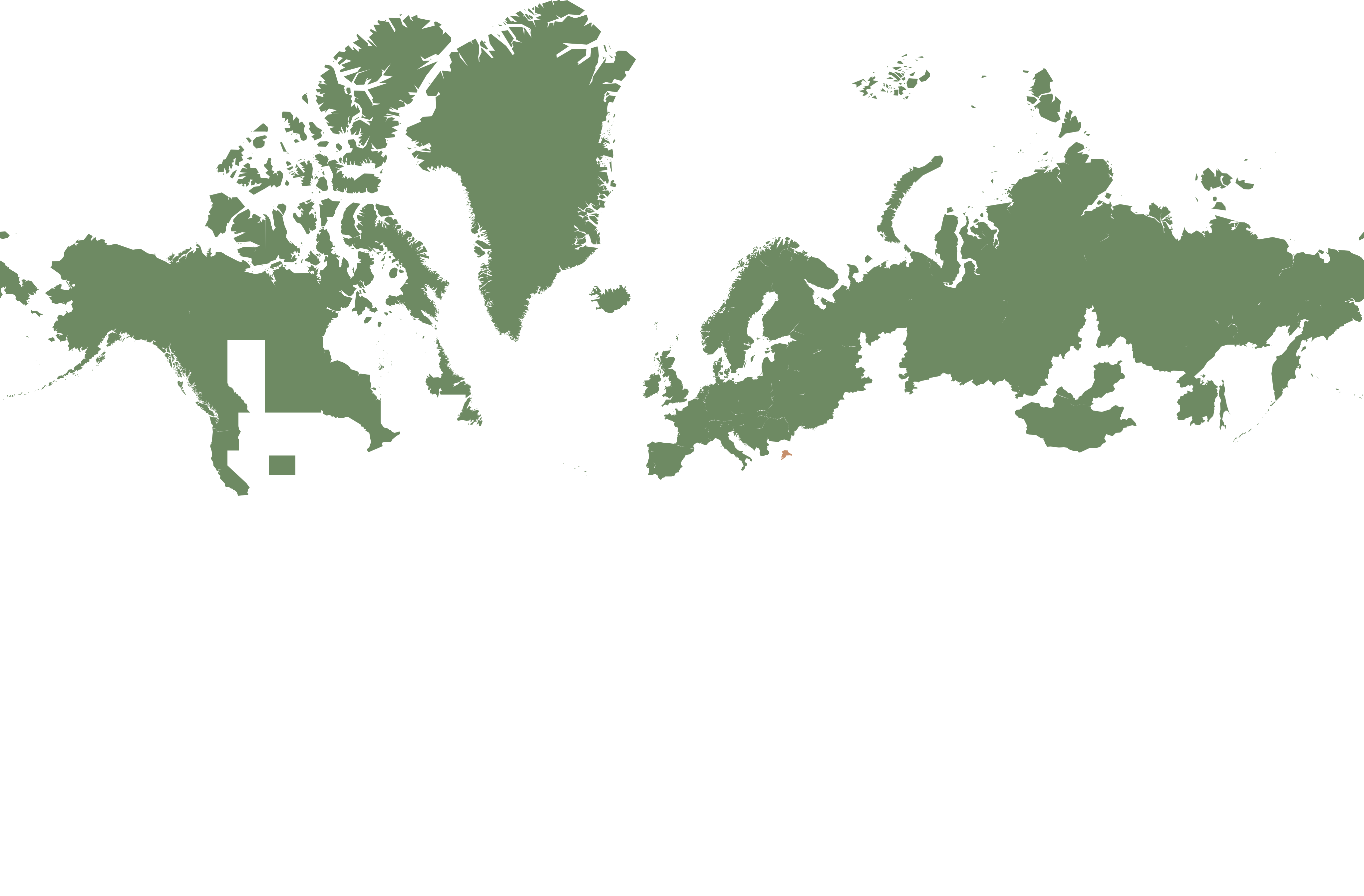
- Native
- Introduced
- Europe
- North America
History
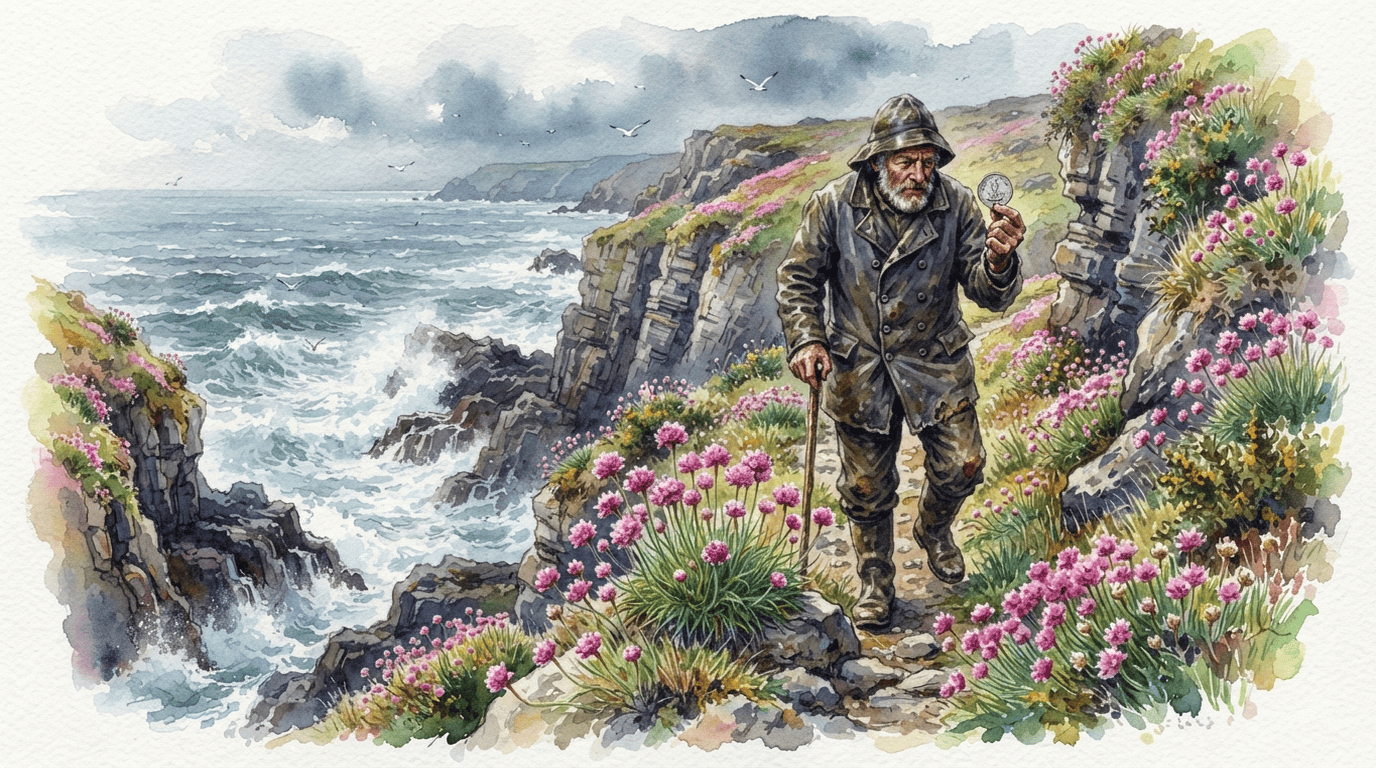
For much of the twentieth century, this small coastal wildflower had a strange kind of celebrity: it appeared on the reverse of the British threepenny bit, the small silver coin known as the "thruppence," minted from 1937 until 1952 during the reign of George VI. The choice was deliberate. Sea Thrift was already a familiar sight to generations of Britons who walked the cliffs and dunes of the coastline, one of the few flowering plants tough enough to root directly into salt-sprayed rock crevices and shifting sand, forming tight cushions that seemed to shrug off wind, drought, and poor soil alike. That resilience is baked into its English name: thrift once meant the quality of thriving and making do with little, and this plant does exactly that, drawing what moisture and nutrients it can from thin, exposed ground where few other perennials would survive. Its scientific name tells a related story. The species epithet maritima simply means "of the sea," a nod to the clifftop and dune habitats where botanists first collected it, while the genus name Armeria was borrowed from an old, looser term once used for various pink-flowered garden plants before being formally settled onto this seaside group. Gardeners eventually brought the wild coastal form inland, prizing its tidy, grass-like tufts and cheerful pompom flowerheads for rock gardens and border edging far from any coastline, where it still blooms through the summer months as reliably as it once did on the cliffs that made it famous.
Symbolism & meaning
What It Symbolizes
In the Victorian language of flowers, Sea Thrift was given the meaning of sympathy, its low cushions of pink blossom read as a gesture of quiet solidarity, tough and unshowy, thriving in exposed places where comfort is scarce. The association fit a plant already admired for endurance: rooted into salt-sprayed rock and thin coastal soil, it goes on flowering through wind and weather that would defeat softer garden plants.
- Sympathy — In Victorian flower language, thrift's modest, ever-present blooms along windswept coastlines came to symbolize sympathy and quiet endurance.
Where the Name Comes From
The species name maritima is Latin for "of the sea," reflecting its native coastal cliffs and dunes. The genus name Armeria derives from an old vernacular word once applied to various pink-flowered plants, later fixed to this seaside genus by early botanists. Its English name, thrift, is thought to echo the plant's economical, thrifty habit of surviving on thin, salt-battered coastal soil where little else takes hold.
Uses & Fun Facts
- Planted in rock gardens and border edging for its tidy tufted foliage and pompom flowerheads.
- Its clustered blooms attract bees and other pollinators through the summer.
Related plants
Plants with similar care
 Bear's BreechesAcanthus mollis
 Spiral AloeAloe polyphylla
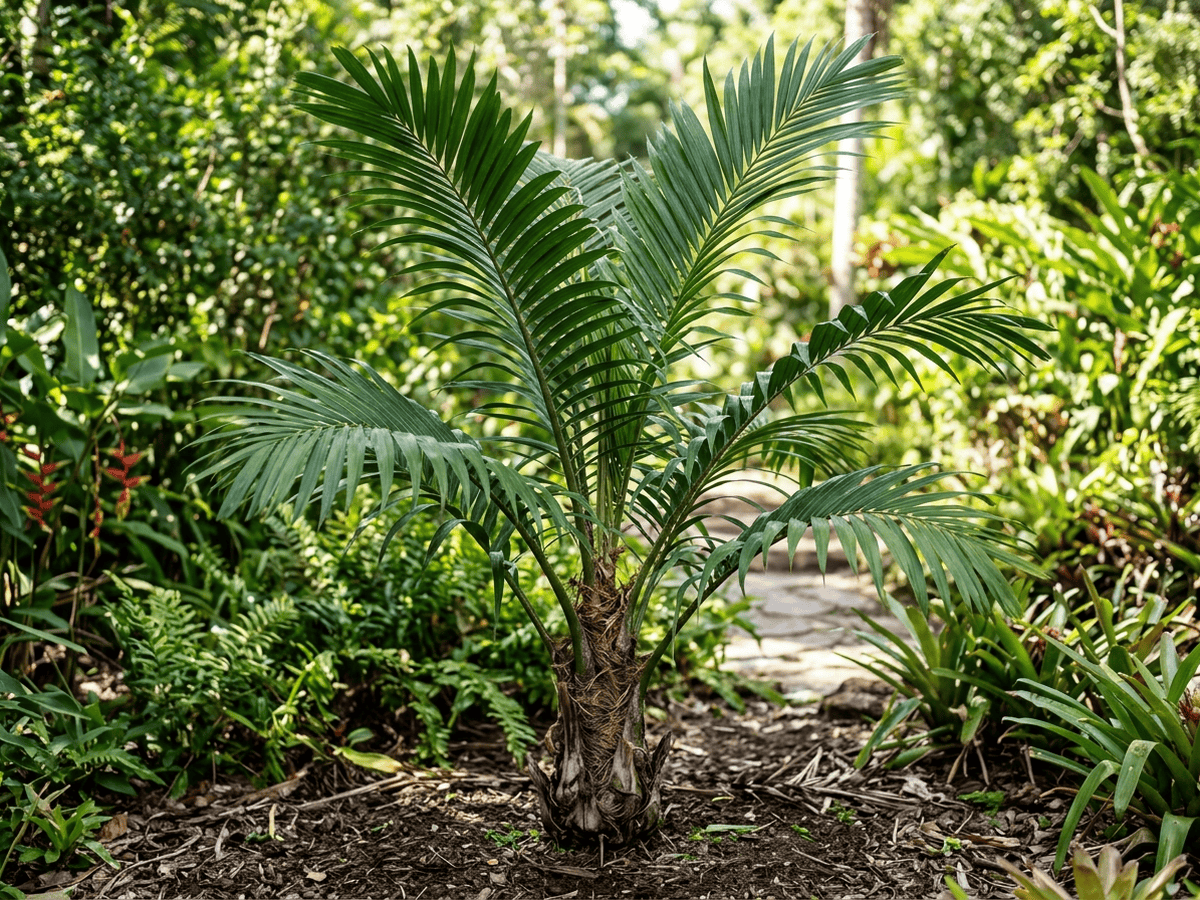 Formosa PalmArenga engleri
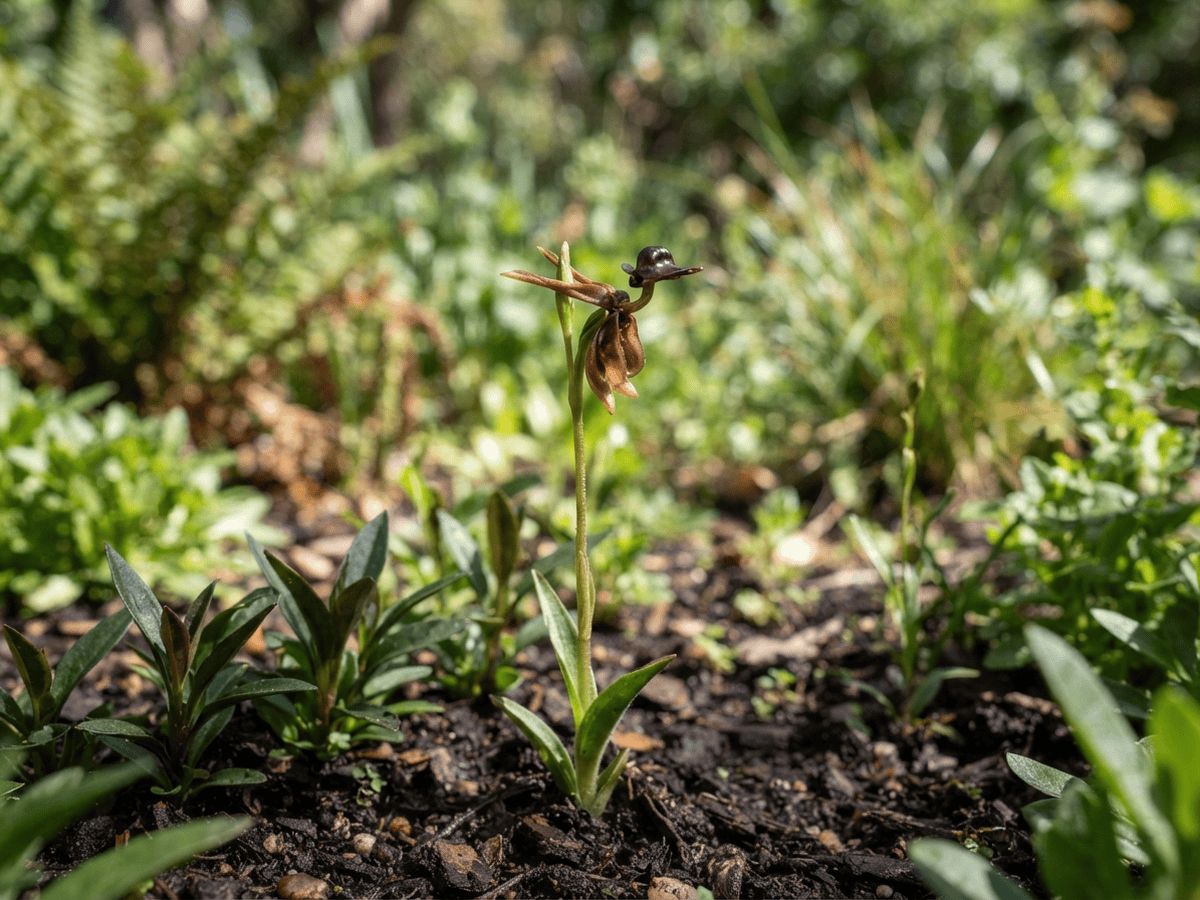 Flying Duck OrchidCaleana major
Frequently asked questions
How often should I water Sea Thrift?
Water about every 10 days during the growing season, and always let excess water drain away.
How much light does Sea Thrift need?
Part shade: 2–4 hrs direct. Watch the leaves — scorching or stretching means the light needs adjusting.
Is Sea Thrift toxic to cats or dogs?
No toxicity has been reported for this plant. Still, it is wise to keep pets from chewing on any houseplant. Educational information, not medical or veterinary advice. If exposure is suspected, contact a doctor or veterinarian.
Is Sea Thrift easy to grow?
It is considered challenging and rewards experienced growers.
When does Sea Thrift bloom?
It typically blooms May–Sep in the Northern Hemisphere.
YardMate
Identify any plant in seconds
Snap a photo — YardMate names the plant, diagnoses problems, and reminds you when to water.
Download on the App Store