 YardMate


Bird's Nest Fern
Asplenium nidus
Medium · Some experienceAbout Bird's Nest Fern
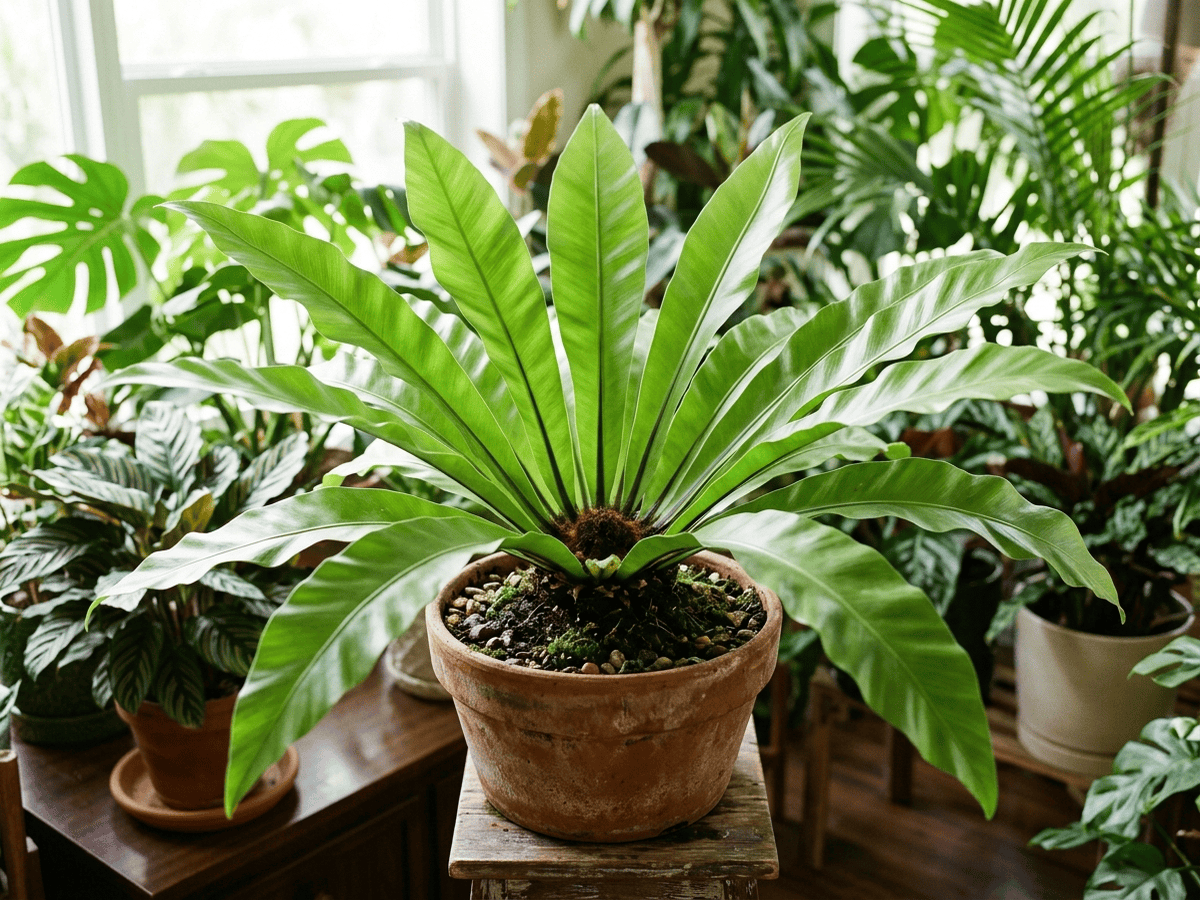
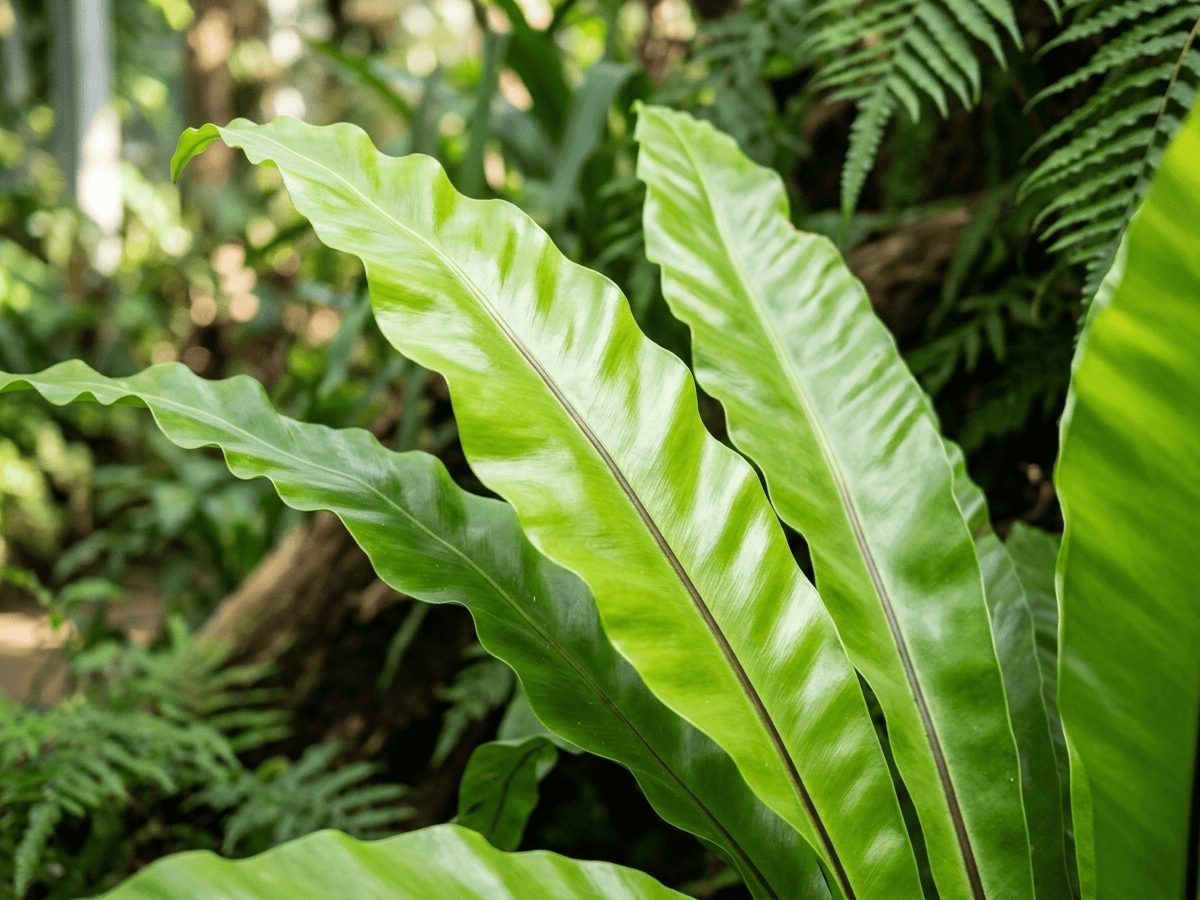
Asplenium nidus, the bird's nest fern, forms a rosette of bright apple-green, undivided fronds that unfurl from a central fuzzy nest-like crown. Unlike the delicate, divided fronds of most ferns, its leaves are broad, smooth, and almost lettuce-like. Native to tropical forests from Southeast Asia to Australia, it grows as an epiphyte in tree crotches where fallen leaves collect. Indoors, it tolerates lower light than most houseplants and loves humidity. New fronds emerge as tightly coiled fiddleheads from the center — touching them before they unfurl can cause permanent deformity.
- Shade-tolerant
How to care for Bird's Nest Fern
Watering
- Springevery 5 days
- Summerevery 3 days
- Fallevery 7 days
- Winterevery 10 days
Soil · Moisture-retentive
- Top dressingSphagnum moss10%
- Main mixPeat + coco coir 1:180%
- DrainagePerlite / gravel10%
Keep it evenly moist — but the drainage layer still matters.
FERTILIZER
Balanced Feed 14-14-14
An even feed covers all three needs at once, keeping leaves, roots and blooms moving together with nothing pushed out of balance.
- Nitrogen · Leaves
- Phosphorus · Roots + Blooms
- Potassium · Strength
- Springevery 30 days
- Summerevery 30 days
- Fallevery 60 days
At a Glance
- NativeAfrica, Southeast Asia, Australasia, Pacific Islands
- Height2–3 ft (0.6–0.9 m)
- Spread2–3 ft (0.6–0.9 m)
- Foliage colorGreen
- SoilLoamy, Moisture-retentive
- LocationsIndoor
Bloom time
BLOOM CYCLE
Ferns do not flower; reproduces by spores on leaf undersides
Fragrance
NO FRAGRANCE
Ferns do not flower.
Toxicity
No toxicity has been reported for this plant. Still, it is wise to keep pets from chewing on any houseplant.
Educational information, not medical or veterinary advice. If exposure is suspected, contact a doctor or veterinarian.
DISTRIBUTION


- Native
- Introduced
- Africa
- Southeast Asia
- Australasia
- Pacific Islands
History

Asplenium nidus is native to a broad tropical band from east Africa through Southeast Asia to northern Australia and many Pacific islands, where it grows as an epiphyte in the crown of rainforest trees, its rosette of fronds forming a catchment basin that collects falling leaves and water — the 'bird's nest' of the common name. It has been continuously in Western horticulture since the Victorian era, valued for its tolerance of low light and humid indoor air. In Taiwan its young curled fronds (shān sū) are a regional food harvested commercially and stir-fried with garlic; similar culinary use is documented in parts of the Philippines, Thailand, Polynesia, and Micronesia.
A single large specimen growing in a tree canopy can collect a basket-full of decomposing leaves and rain water, creating a micro-habitat that supports hundreds of invertebrate species — some found nowhere else. Research in Australian rainforests found that these fern-hosted communities include their own food chains, essentially making each fern a tiny elevated ecosystem.
In Japanese culture, the unfurling fiddlehead (called 'zenmai' for related species) is a symbol of spring, and similar fern fiddleheads are a seasonal delicacy called 'warabi.' Confirmed non-toxic to cats and dogs by the ASPCA.
Symbolism & meaning
What It Symbolizes
The Bird's Nest Fern is, by its very form, a symbol of shelter — its rosette of bright fronds curling inward to cradle fallen leaves and rainwater like a green cup of welcome. In tropical lore, it signals the safety of being held, the nurturing space where small lives find refuge. Indoors, it brings that same quiet promise of sanctuary into the home.
- Shelter — Its nest-like form provides sanctuary, representing safety and nurturing
Where the Name Comes From
Asplenium comes from Greek 'asplenon' (spleen), from an old belief linking the fern to spleen ailments. 'Nidus' means nest in Latin, for the rosette shape.
Uses & Fun Facts
- Glossy apple-green rosette fronds for low-light tropical interiors
- Epiphytic houseplant prized for humid bathroom and office displays
Related plants
Plants with similar care
 Japanese MapleAcer palmatum
 Alocasia zebrinaAlocasia zebrina
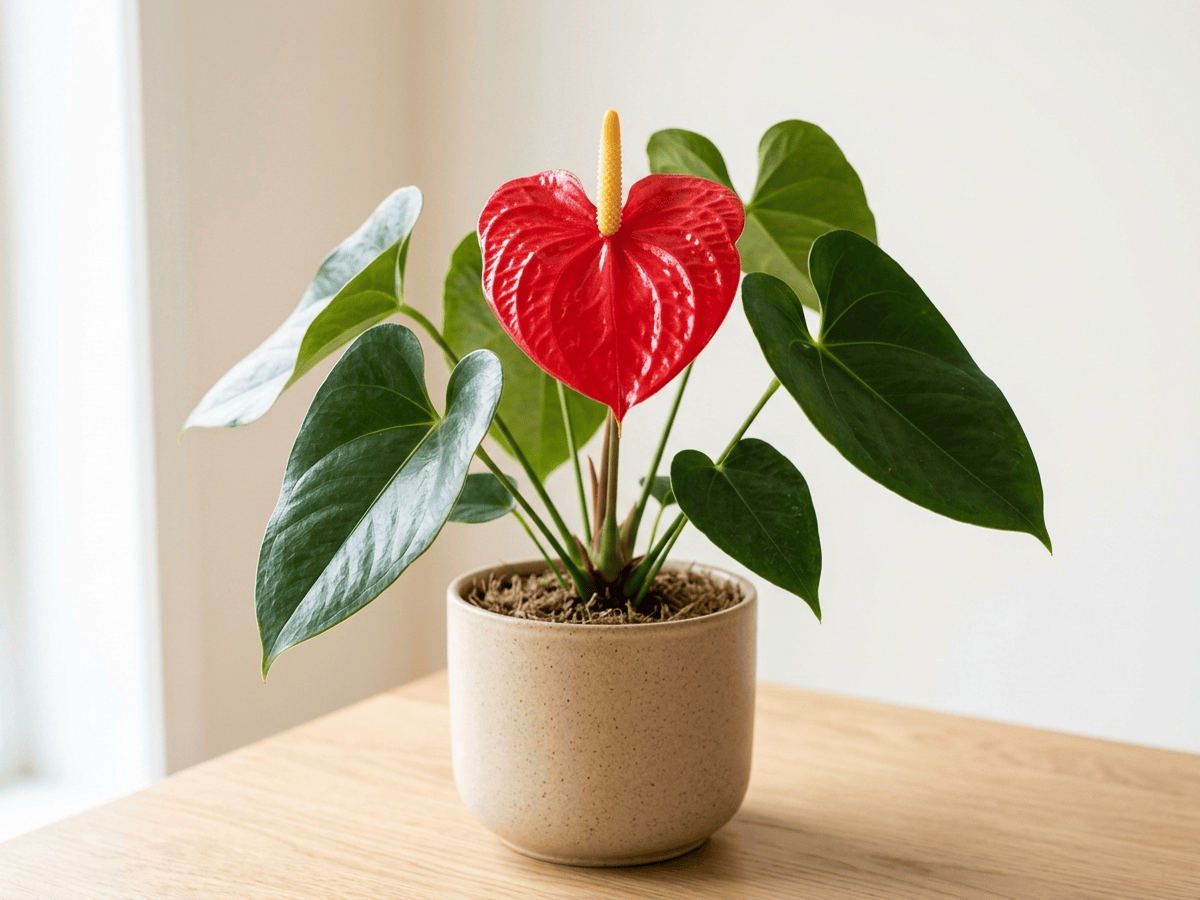 Painter's-PaletteAnthurium andraeanum
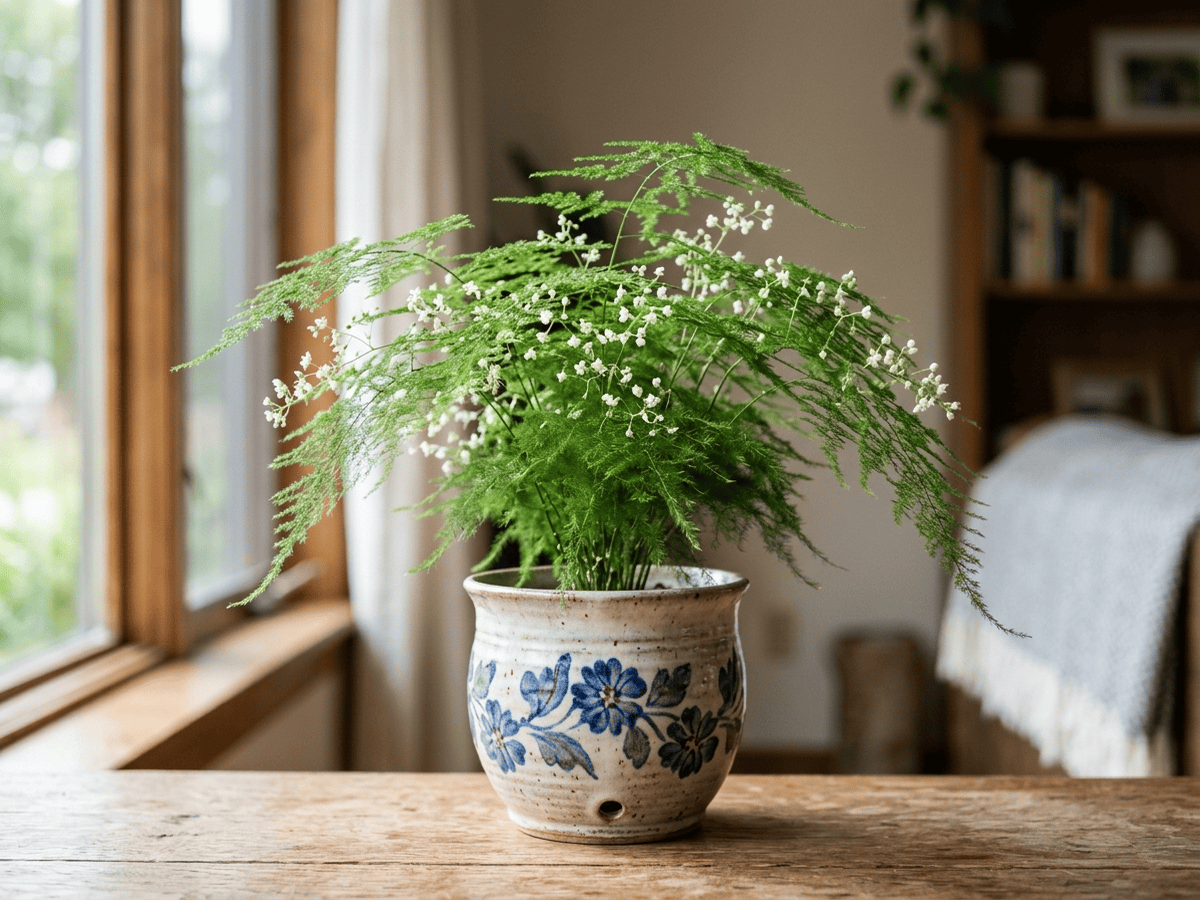 Common Asparagus FernAsparagus setaceus
Frequently asked questions
How often should I water Bird's Nest Fern?
In summer, water about every 3 days; in winter, about every 10 days. Adjust for heat, pot size and drainage.
How much light does Bird's Nest Fern need?
Part shade: 2–4 hrs direct. Watch the leaves — scorching or stretching means the light needs adjusting.
Is Bird's Nest Fern toxic to cats or dogs?
No toxicity has been reported for this plant. Still, it is wise to keep pets from chewing on any houseplant. Educational information, not medical or veterinary advice. If exposure is suspected, contact a doctor or veterinarian.
Is Bird's Nest Fern easy to grow?
It is moderately demanding: a good choice once you have a little experience.
Can Bird's Nest Fern be grown indoors?
Yes, it adapts well to indoor growing given the right light.
YardMate
Identify any plant in seconds
Snap a photo — YardMate names the plant, diagnoses problems, and reminds you when to water.
Download on the App Store