 YardMate


Painter's-Palette
Anthurium andraeanum
Medium · Some experienceAbout Painter's-Palette
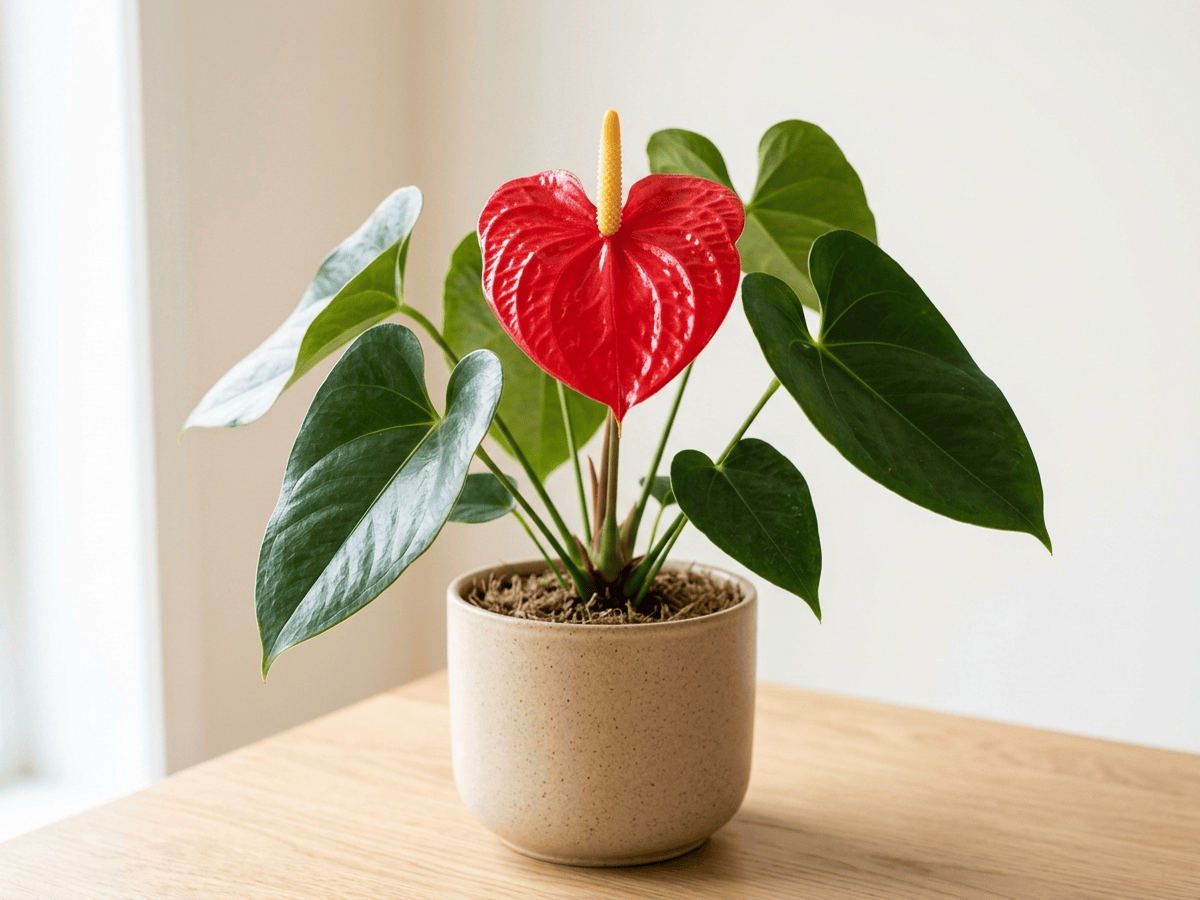
Anthurium andraeanum, the flamingo flower, is the world's most commercially important tropical cut flower. Its glossy, heart-shaped spathes come in vivid red, pink, white, orange, and even green, each lasting weeks on the plant or in a vase. The actual flowers are the tiny bumps on the central spadix. Native to Colombian and Ecuadorian cloud forests, it thrives in bright indirect light with high humidity. Modern Dutch and Hawaiian breeding programs have created hundreds of cultivars, and Anthurium is now a multi-billion dollar industry worldwide.
- Air-purifying
- Long-blooming
- Tropical
How to care for Painter's-Palette
Watering
- Springevery 7 days
- Summerevery 5 days
- Fallevery 10 days
- Winterevery 14 days
Soil · Chunky & airy
- Top dressingBark chips10%
- Main mixBark + potting soil + perlite 1:1:170%
- DrainageLECA20%
Chunky pieces hold air pockets open so thick roots don't suffocate.
FERTILIZER
Bloom Booster 10-52-10
A phosphorus-forward feed fuels abundant blooms, with just enough nitrogen and potassium to keep foliage and roots steady.
- Nitrogen · Leaves
- Phosphorus · Roots + Blooms
- Potassium · Strength
- Springevery 30 days
- Summerevery 30 days
- Fallevery 60 days
At a Glance
- NativeSouth America
- Height1–2 ft (0.3–0.6 m)
- Spread1–2 ft (0.3–0.6 m)
- Flower colorRed, Pink, White, Orange
- Foliage colorGreen
- SoilLoamy, Well-drained, Rich
- LocationsIndoor
Bloom time
BLOOM CYCLE
Peak bloom
Jan–Dec
Glossy heart-shaped spathes; blooms year-round with good light
Fragrance
NO FRAGRANCE
Not notably fragrant.
Toxicity
Humans Slight · Pets Slight
insoluble calcium oxalate crystals (raphides)
Slight
- Leaf
- Stem
- Flower
- Sap
- Contact
- Ingestion
EXPOSURE Touching leaves, stems, flowers, and sap. Eating leaves, stems, flowers, and sap.
EFFECT Oral burning, lip and tongue swelling, drooling and sap causes skin dermatitis.
NOTE Typical aroid toxicity; the showy 'flower' is actually a modified bract and is as oxalate-loaded as the leaves.
Slight
- Leaf
- Stem
- Flower
- Ingestion
EXPOSURE Eating leaves, stems, and flowers.
EFFECT Oral irritation, intense burning of mouth, drooling, vomiting, difficulty swallowing and per ASPCA.
NOTE Typical aroid toxicity; the showy 'flower' is actually a modified bract and is as oxalate-loaded as the leaves.
Slight
- Leaf
- Stem
- Flower
- Ingestion
EXPOSURE Eating leaves, stems, and flowers.
EFFECT Oral irritation, intense burning of mouth, drooling, vomiting, difficulty swallowing and per ASPCA.
NOTE Typical aroid toxicity; the showy 'flower' is actually a modified bract and is as oxalate-loaded as the leaves.
Educational information, not medical or veterinary advice. If exposure is suspected, contact a doctor or veterinarian.
DISTRIBUTION


- Native
- Introduced
- South America
History

Anthurium andraeanum grows naturally in the humid Andean cloud forests of Colombia and northwestern Ecuador, where it climbs as an epiphyte on tree trunks. It was introduced to Western horticulture in 1876 by the French botanist and landscape architect Édouard André, for whom the species is named, and it rapidly became a prestige conservatory plant in late 19th-century Europe. Hawaiian growers began cultivating it commercially after 1889, and the Hawaiian cut-flower industry around Hilo made the species globally familiar by the mid-20th century.
Its spathe — botanically a modified leaf, not a petal — can remain photogenic on the plant or in a vase for six to eight weeks, one of the longest-lived cut flowers in commerce. All parts contain calcium oxalate and irritate skin, mouth, and pets. Anthurium andraeanum was discovered in 1876 by French botanist Édouard André during an expedition through the Andes of Colombia.
He found the plant growing epiphytically in cloud forests at around 1,500 meters elevation. Hawaiian growers transformed it into a major industry starting in the 1940s — at its peak, Hawaii exported over 30 million stems annually. In Hawaiian culture, the heart-shaped spathe became associated with aloha spirit and hospitality. The Netherlands later overtook Hawaii as the leading producer through advanced greenhouse cultivation and breeding technology.
Symbolism & meaning
What It Symbolizes
The Painter's-Palette is hospitality in floral form, its glossy heart-shaped spathe held out like an open hand in welcome. Long woven into Hawaiian gardens and gift bouquets, it carries warmth across thresholds and into hospital rooms alike. To receive one is to be told, in the soft language of tropical flowers, that you are wanted here.
- Hospitality — Its heart-shaped bloom and Hawaiian connection symbolize warmth and welcome
Where the Name Comes From
Anthurium from Greek 'anthos' (flower) and 'oura' (tail), describing the tail-like spadix. Andraeanum honors Édouard André, the French botanist who discovered it.
Uses & Fun Facts
- Glossy red, pink, white spathes last weeks in arrangements
- Long-blooming tropical houseplant for bright indoor spaces
- Heart-shaped waxy bracts brighten warm conservatories
Related plants
More Anthurium plants
 Anthurium clarinerviumAnthurium clarinervium
 Crystal AnthuriumAnthurium crystallinum
 King AnthuriumAnthurium veitchii
Plants with similar care
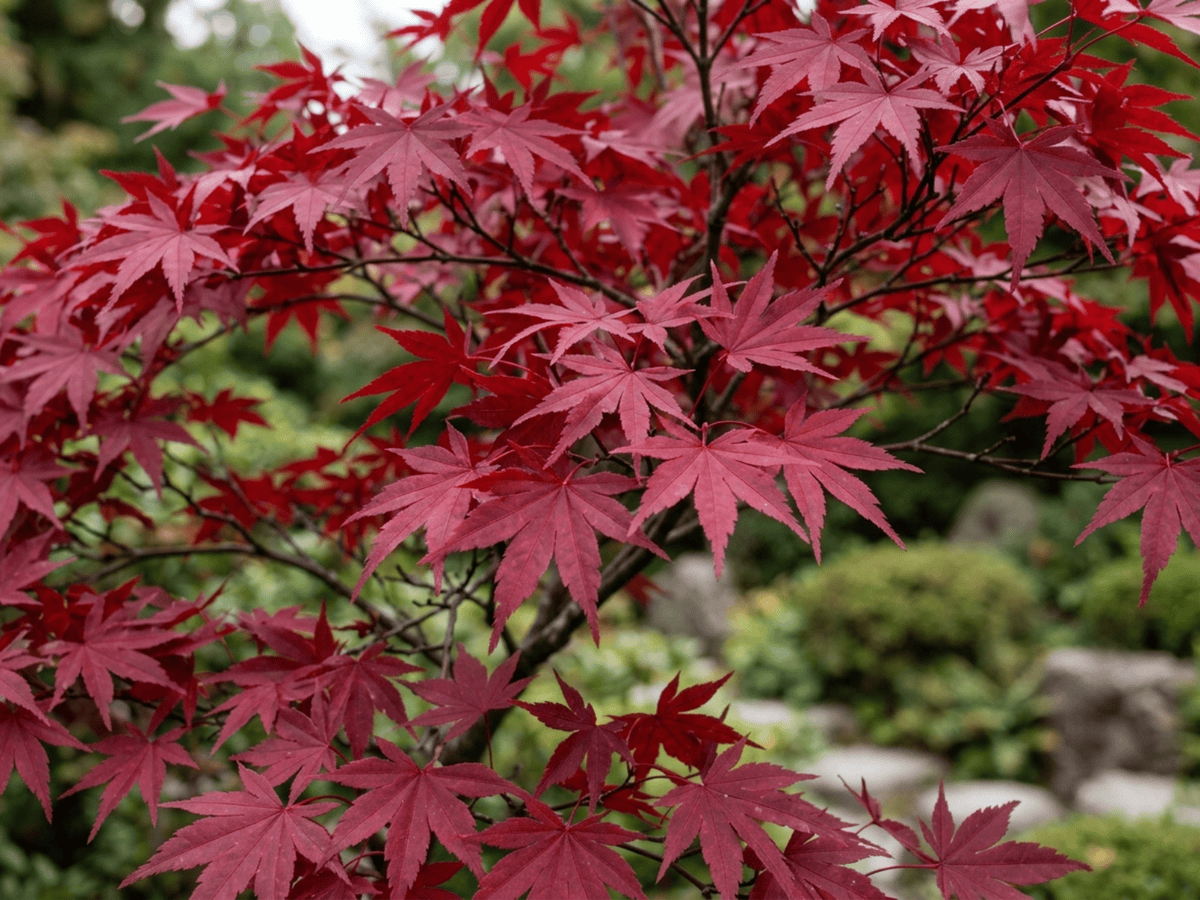 Japanese MapleAcer palmatum
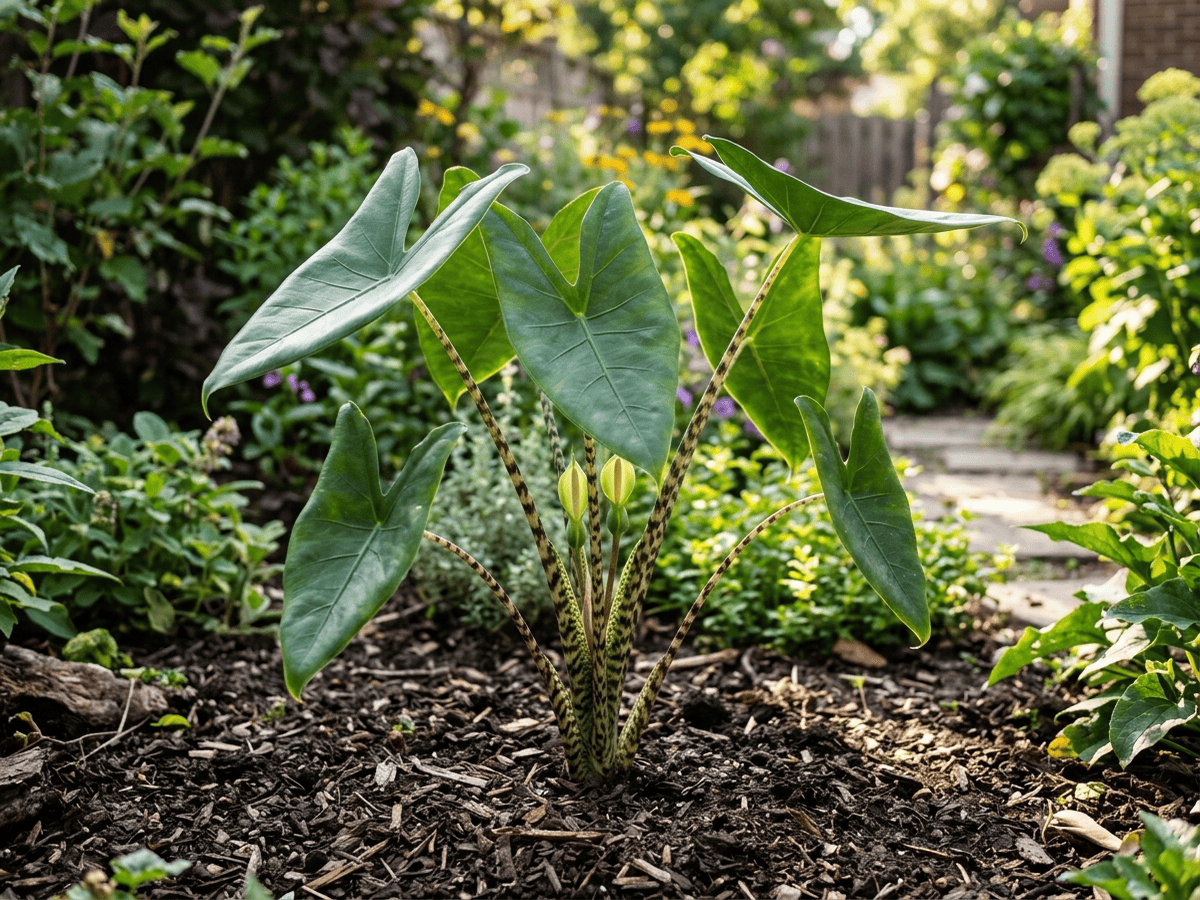 Alocasia zebrinaAlocasia zebrina
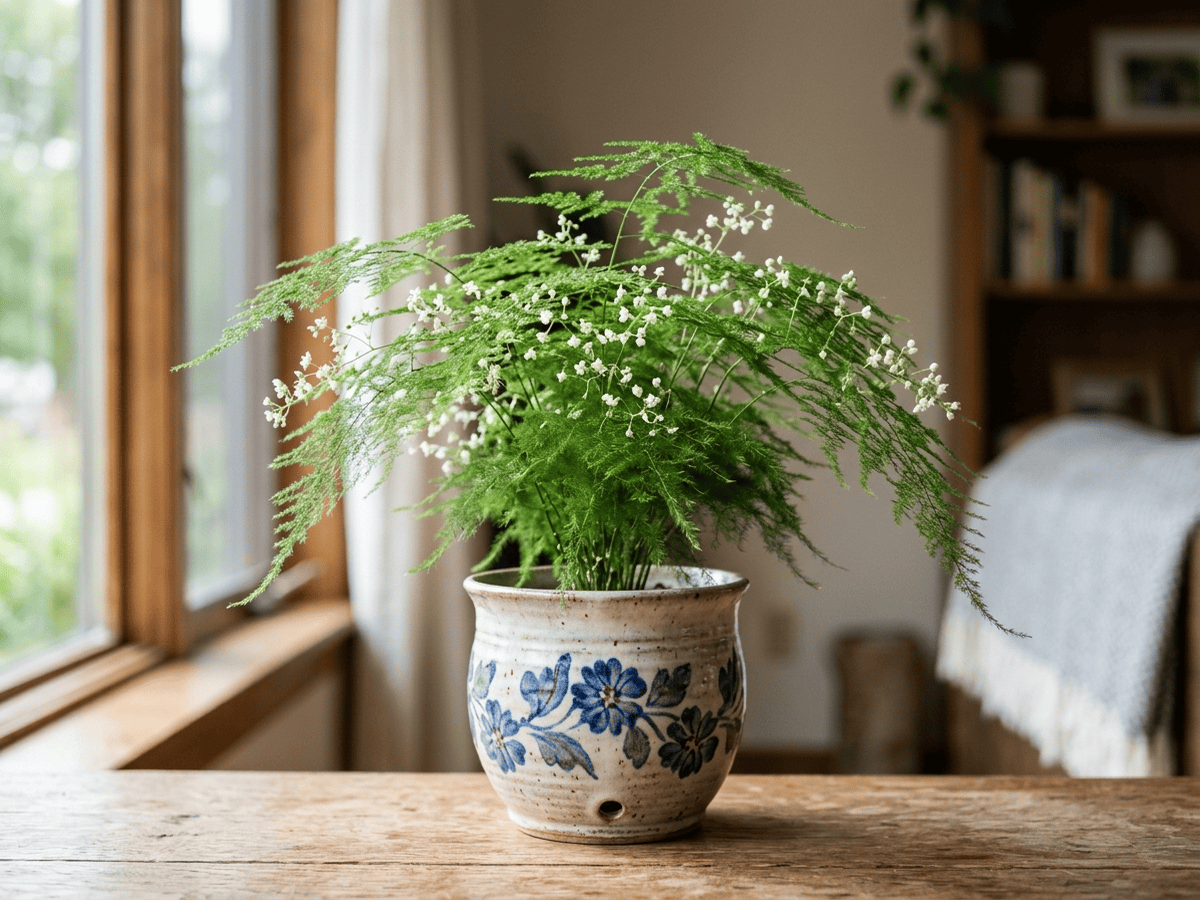 Common Asparagus FernAsparagus setaceus
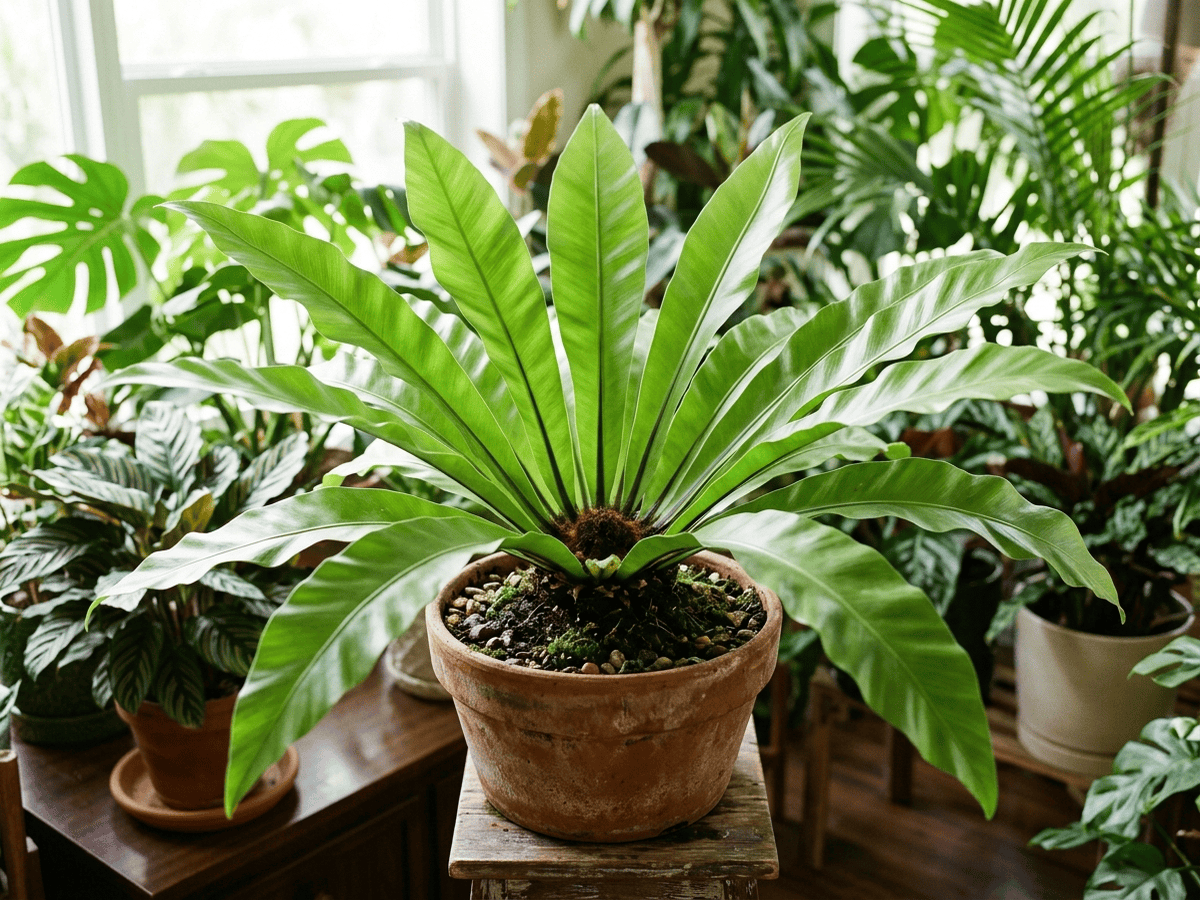 Bird's Nest FernAsplenium nidus
Frequently asked questions
How often should I water Painter's-Palette?
In summer, water about every 5 days; in winter, about every 14 days. Adjust for heat, pot size and drainage.
How much light does Painter's-Palette need?
Part shade: 2–4 hrs direct. Watch the leaves — scorching or stretching means the light needs adjusting.
Is Painter's-Palette toxic to cats or dogs?
Pets Slight (Dogs Slight · Cats Slight) Educational information, not medical or veterinary advice. If exposure is suspected, contact a doctor or veterinarian.
Is Painter's-Palette easy to grow?
It is moderately demanding: a good choice once you have a little experience.
Can Painter's-Palette be grown indoors?
Yes, it adapts well to indoor growing given the right light.
When does Painter's-Palette bloom?
It typically blooms Jan–Dec in the Northern Hemisphere.
YardMate
Identify any plant in seconds
Snap a photo — YardMate names the plant, diagnoses problems, and reminds you when to water.
Download on the App Store