 YardMate
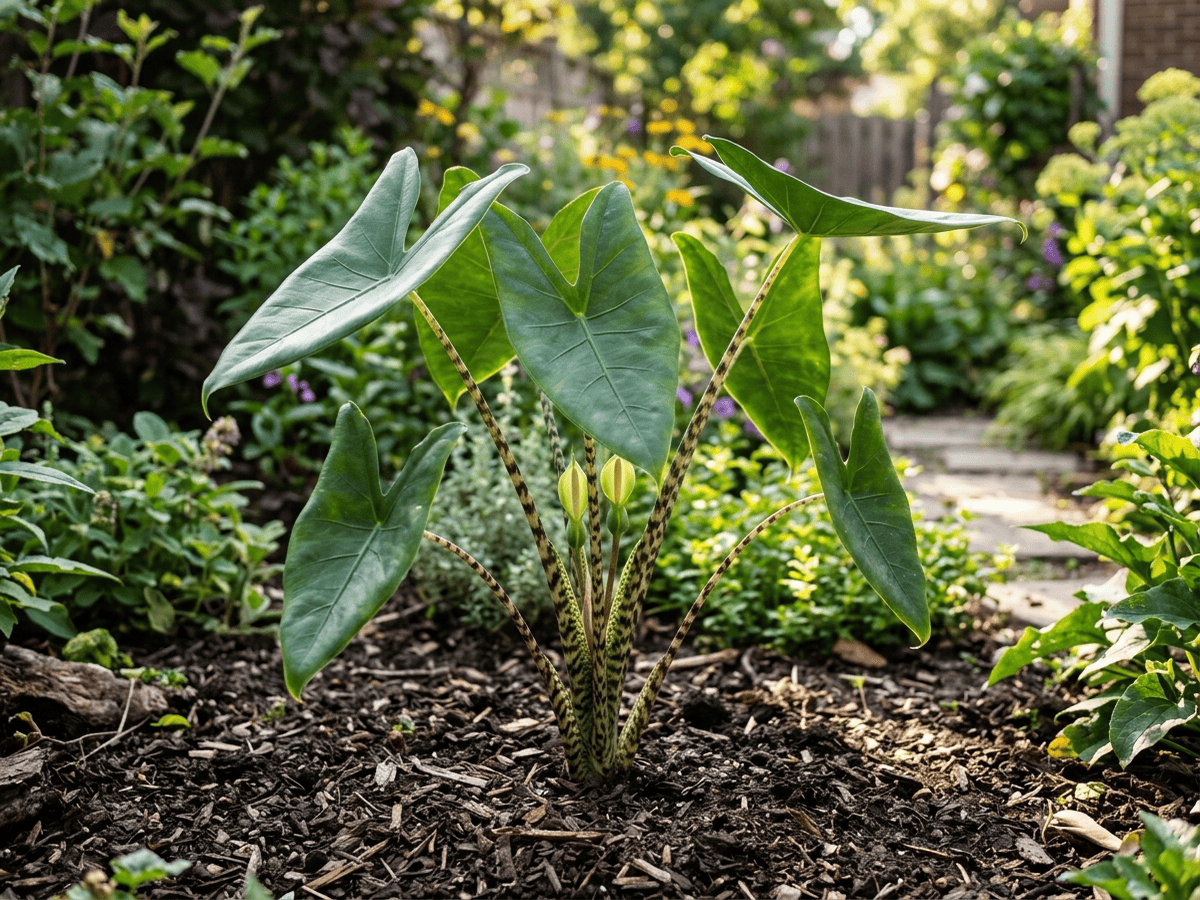


Alocasia zebrina
Alocasia zebrina
Medium · Some experienceAbout Alocasia zebrina
Alocasia zebrina is an eye-catching tropical plant distinguished by its tall, elegant zebra-striped stems topped with large arrow-shaped green leaves. Native to the Philippines, the stems feature bold black-and-cream banding that makes this species instantly recognizable. It grows 60–90 cm tall and prefers warm, humid conditions with bright indirect light. Like other Alocasias, it may enter dormancy in cool or dry conditions, losing leaves before regenerating. The combination of patterned stems and clean green leaves creates a refined, architectural look.
- Architectural
How to care for Alocasia zebrina
Watering
- Springevery 5 days
- Summerevery 4 days
- Fallevery 7 days
- Winterevery 10 days
Soil · Chunky & airy
- Top dressingBark chips10%
- Main mixBark + potting soil + perlite 1:1:170%
- DrainageLECA20%
Chunky pieces hold air pockets open so thick roots don't suffocate.
FERTILIZER
Balanced Feed 14-14-14
An even feed covers all three needs at once, keeping leaves, roots and blooms moving together with nothing pushed out of balance.
- Nitrogen · Leaves
- Phosphorus · Roots + Blooms
- Potassium · Strength
- Springevery 30 days
- Summerevery 30 days
- Fallevery 60 days
At a Glance
- NativeSoutheast Asia
- Height2–3 ft (0.6–0.9 m)
- Spread2–3 ft (0.6–0.9 m)
- Flower colorGreen, Cream
- Foliage colorGreen
- SoilLoamy, Well-drained, Rich
- LocationsIndoor
Bloom time
BLOOM CYCLE
Peak bloom
Jun–Aug
Spathe flower; rare indoors
Fragrance
NO FRAGRANCE
Not fragrant.
Toxicity
Humans Moderate · Pets Moderate
insoluble calcium oxalate crystals (raphides)
Moderate
- Leaf
- Stem
- Sap
- Contact
- Ingestion
EXPOSURE Touching leaves, stems, and sap. Eating leaves, stems, and sap.
EFFECT Intense oral burning, tongue swelling, drooling, and difficulty swallowing.
NOTE Higher oxalate load than Philodendron-group aroids.
Moderate
- Leaf
- Stem
- Ingestion
EXPOSURE Eating leaves and stems.
EFFECT Oral burning, drooling, vomiting, difficulty swallowing and per ASPCA Alocasia listing.
NOTE Higher oxalate load than Philodendron-group aroids.
Moderate
- Leaf
- Stem
- Ingestion
EXPOSURE Eating leaves and stems.
EFFECT Oral burning, drooling, vomiting, difficulty swallowing and per ASPCA Alocasia listing.
NOTE Higher oxalate load than Philodendron-group aroids.
Educational information, not medical or veterinary advice. If exposure is suspected, contact a doctor or veterinarian.
DISTRIBUTION


- Native
- Southeast Asia
History
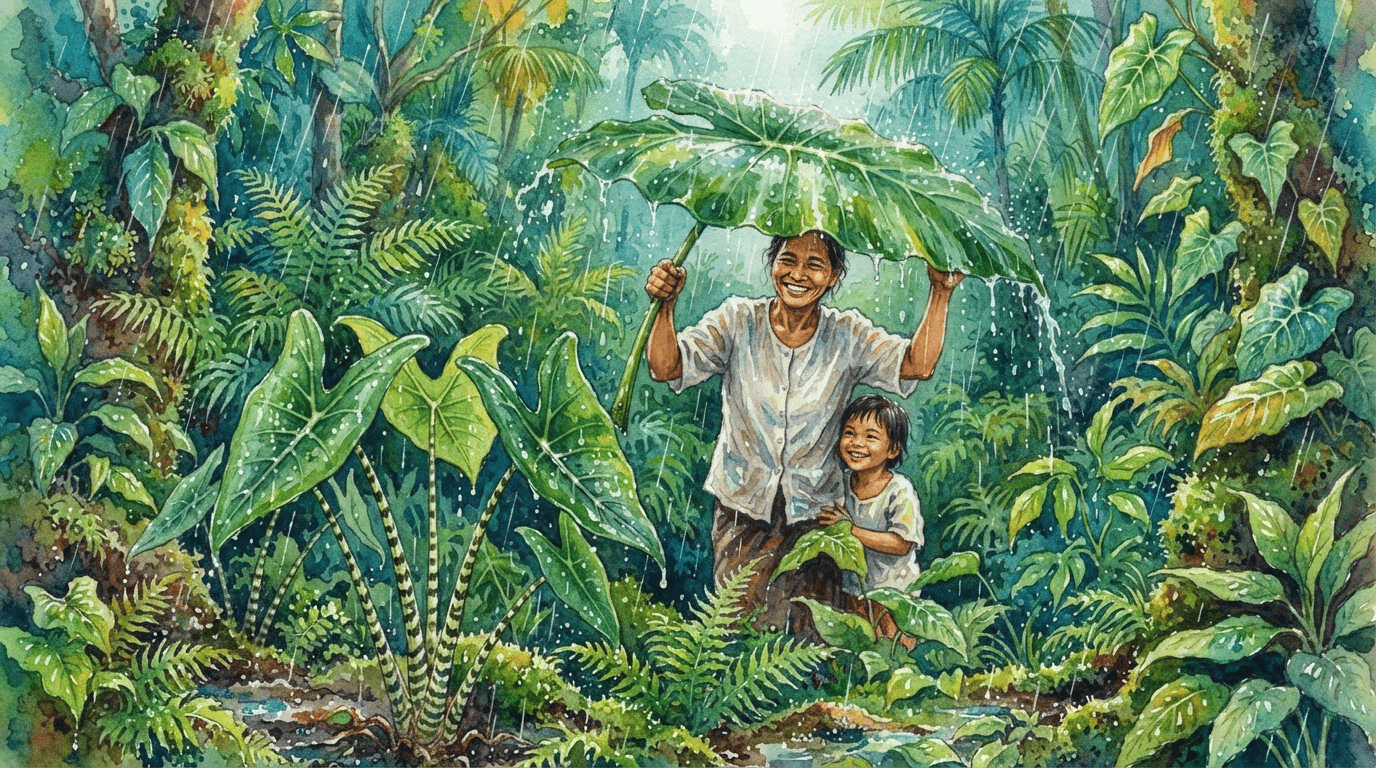
Alocasia zebrina is endemic to a small number of islands in the Philippines, including Luzon and Mindoro, where it grows in humid forest on volcanic soils. The species was described in 1863 and named for the pronounced zebra-striped green-and-cream banding on its tall arrow-leaf petioles. Unsustainable wild collection through the 20th century led to Philippine protection of the species, and essentially all plants in modern international trade are propagated from Dutch and Thai tissue-culture labs.
It experienced a dramatic surge in popularity in 2019–2021, when pandemic-era houseplant collecting briefly turned specimen individuals into four-digit auction items. Like all Alocasias it is strongly oxalate-toxic and should be kept well away from pets and children. The Philippine archipelago is a hotspot for Alocasia diversity, with over 60 endemic species.
Filipino indigenous communities have long used large Alocasia leaves as natural umbrellas during sudden tropical downpours. The zebra stem pattern is an adaptation thought to help the plant blend with the dappled light patterns of the forest understory. It gained international houseplant fame only in the 2010s through social media plant communities.
Symbolism & meaning
What It Symbolizes
Alocasia zebrina is a celebration of individuality, its zebra-striped petioles unlike any other foliage in the plant world. Each banded stem is an assertion of selfhood, a refusal to blend into the green chorus of typical houseplants. To grow this alocasia is to honor what stands out from the crowd — beauty that does not apologize for being unmistakable.
- Individuality — Its unique zebra-striped stems celebrate standing out from the crowd
Where the Name Comes From
Alocasia from resemblance to Colocasia. Zebrina means 'zebra-striped,' describing the dramatic stem banding pattern.
Uses & Fun Facts
- Zebra-striped petioles turn bright rooms into a tropical display
- Striped stems and arrow leaves make a sculptural indoor floor plant
Related plants
More Alocasia plants
 African Mask PlantAlocasia amazonica
 Giant TaroAlocasia macrorrhizos
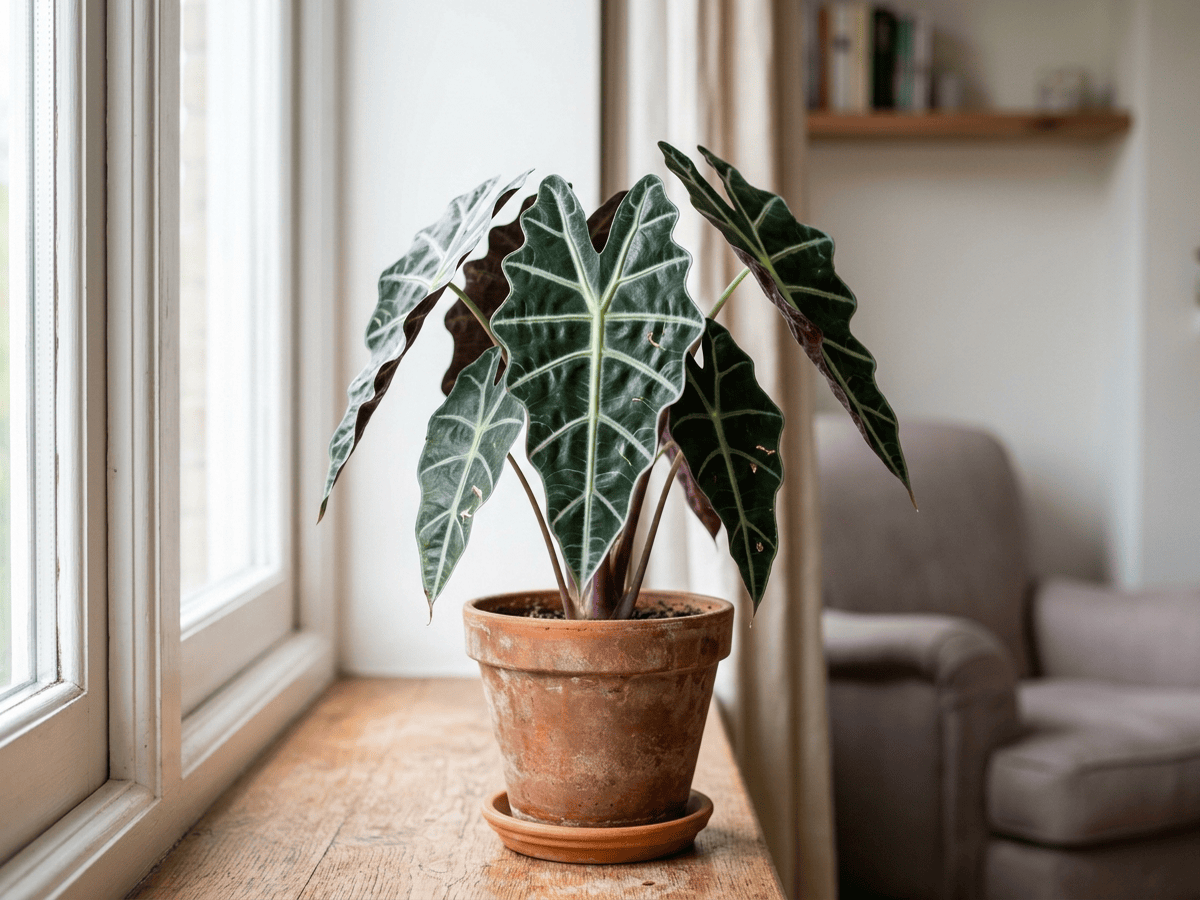 AlocasiaAlocasia polly
 Black Velvet AlocasiaAlocasia reginula
Plants with similar care
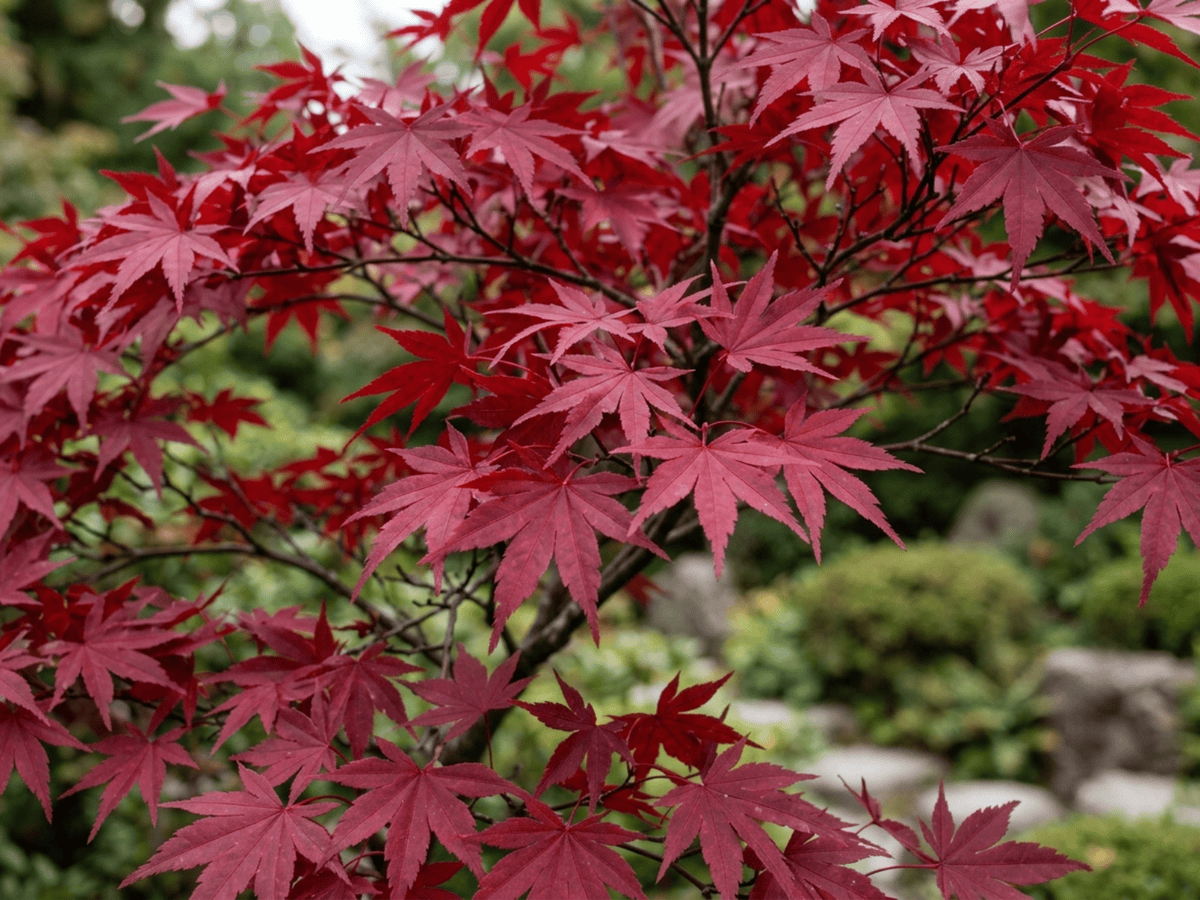 Japanese MapleAcer palmatum
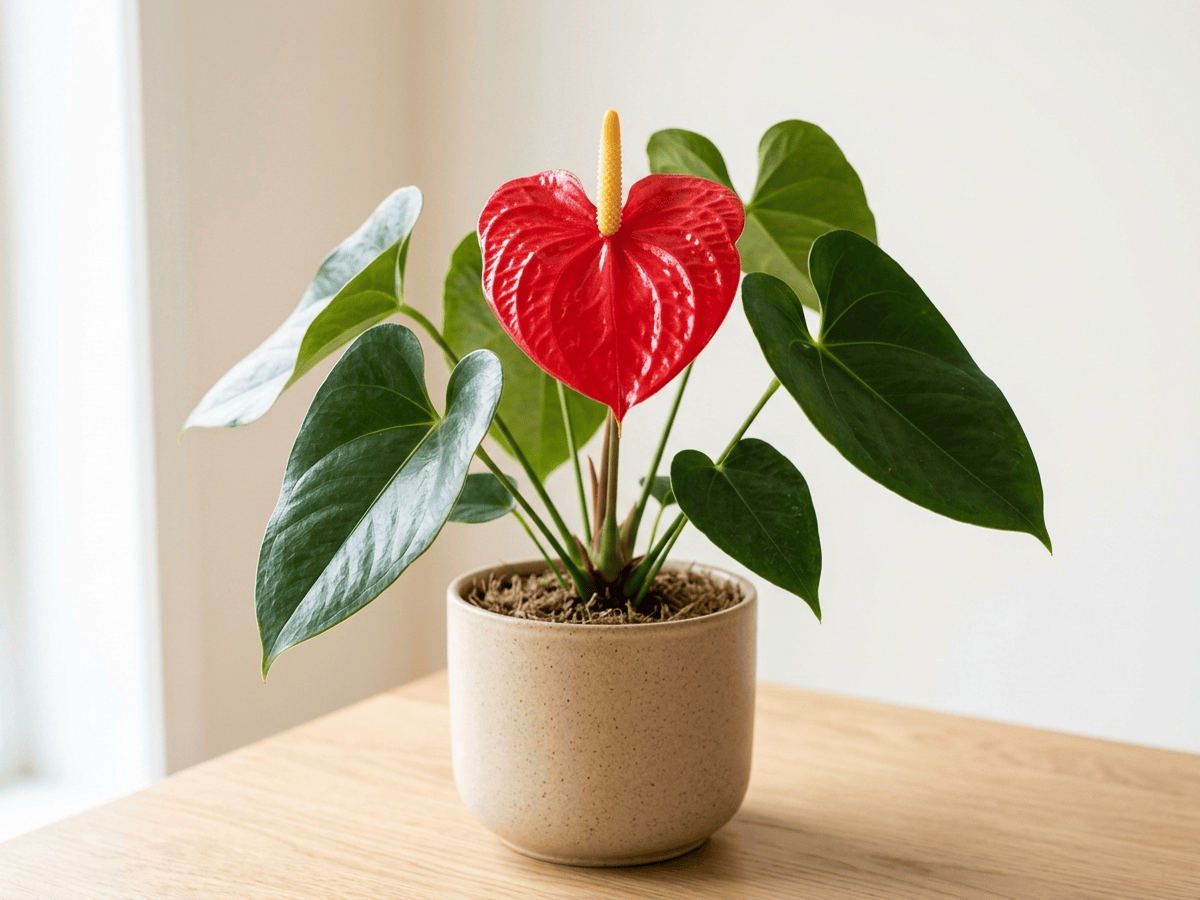 Painter's-PaletteAnthurium andraeanum
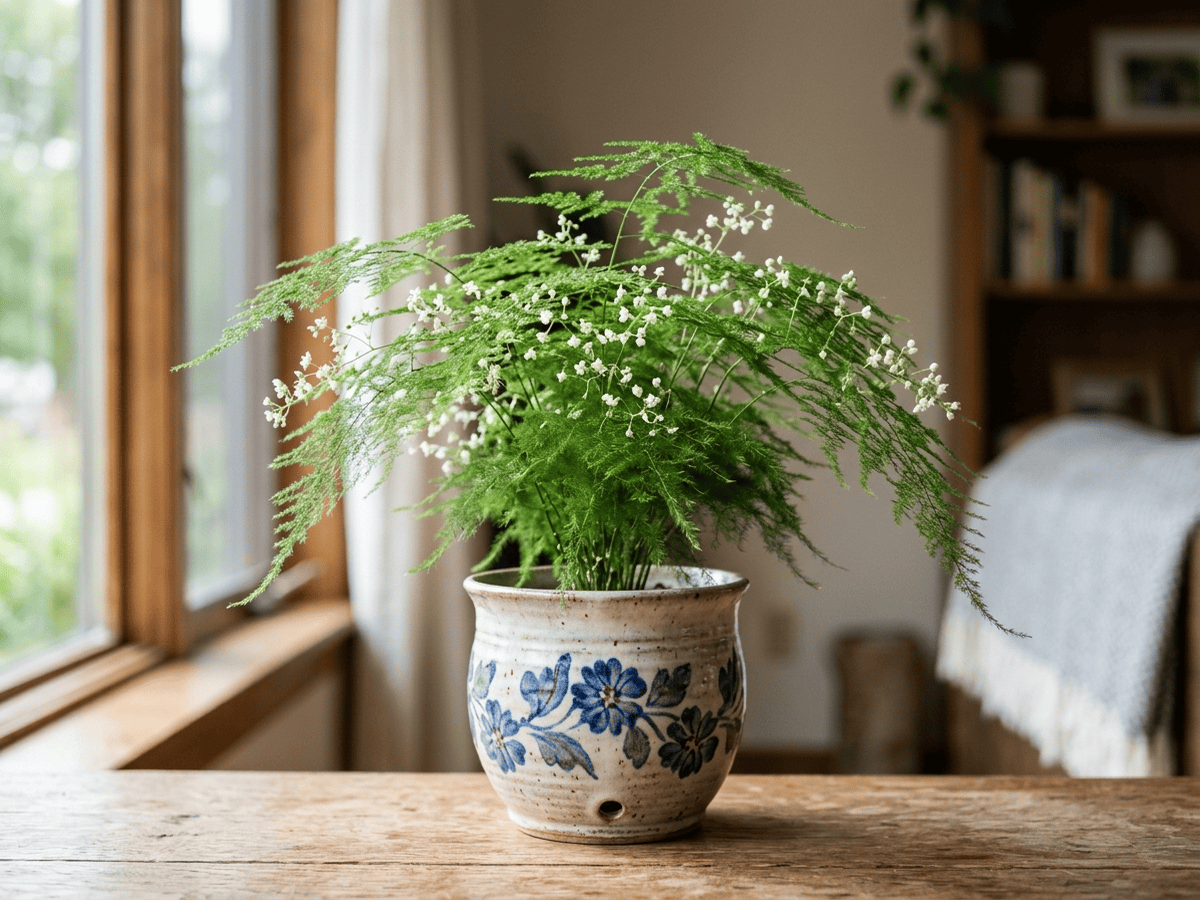 Common Asparagus FernAsparagus setaceus
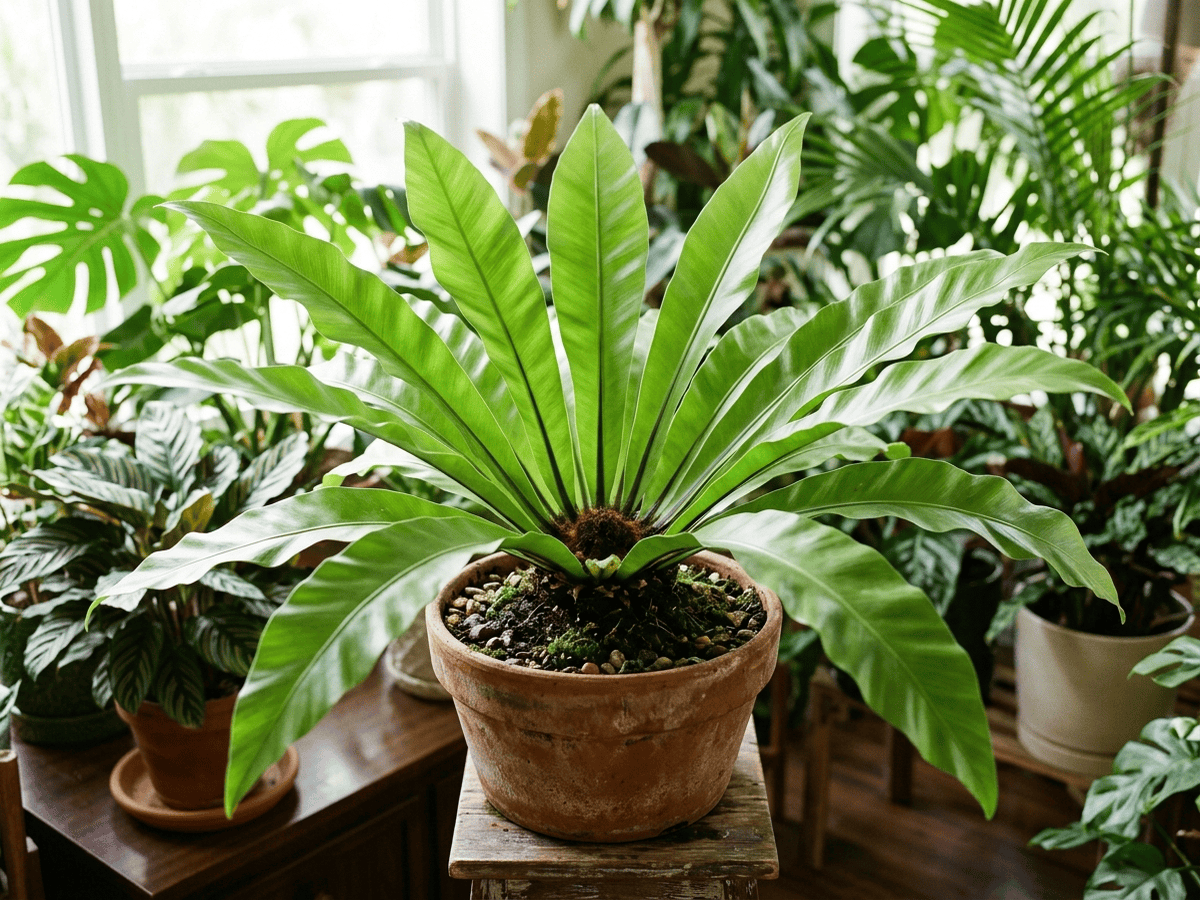 Bird's Nest FernAsplenium nidus
Frequently asked questions
How often should I water Alocasia zebrina?
In summer, water about every 4 days; in winter, about every 10 days. Adjust for heat, pot size and drainage.
How much light does Alocasia zebrina need?
Part shade: 2–4 hrs direct. Watch the leaves — scorching or stretching means the light needs adjusting.
Is Alocasia zebrina toxic to cats or dogs?
Pets Moderate (Dogs Moderate · Cats Moderate) Educational information, not medical or veterinary advice. If exposure is suspected, contact a doctor or veterinarian.
Is Alocasia zebrina easy to grow?
It is moderately demanding: a good choice once you have a little experience.
Can Alocasia zebrina be grown indoors?
Yes, it adapts well to indoor growing given the right light.
When does Alocasia zebrina bloom?
It typically blooms Jun–Aug in the Northern Hemisphere.
YardMate
Identify any plant in seconds
Snap a photo — YardMate names the plant, diagnoses problems, and reminds you when to water.
Download on the App Store