 YardMate


Common Astilboides
Astilboides tabularis
Medium · Some experienceAbout Common Astilboides
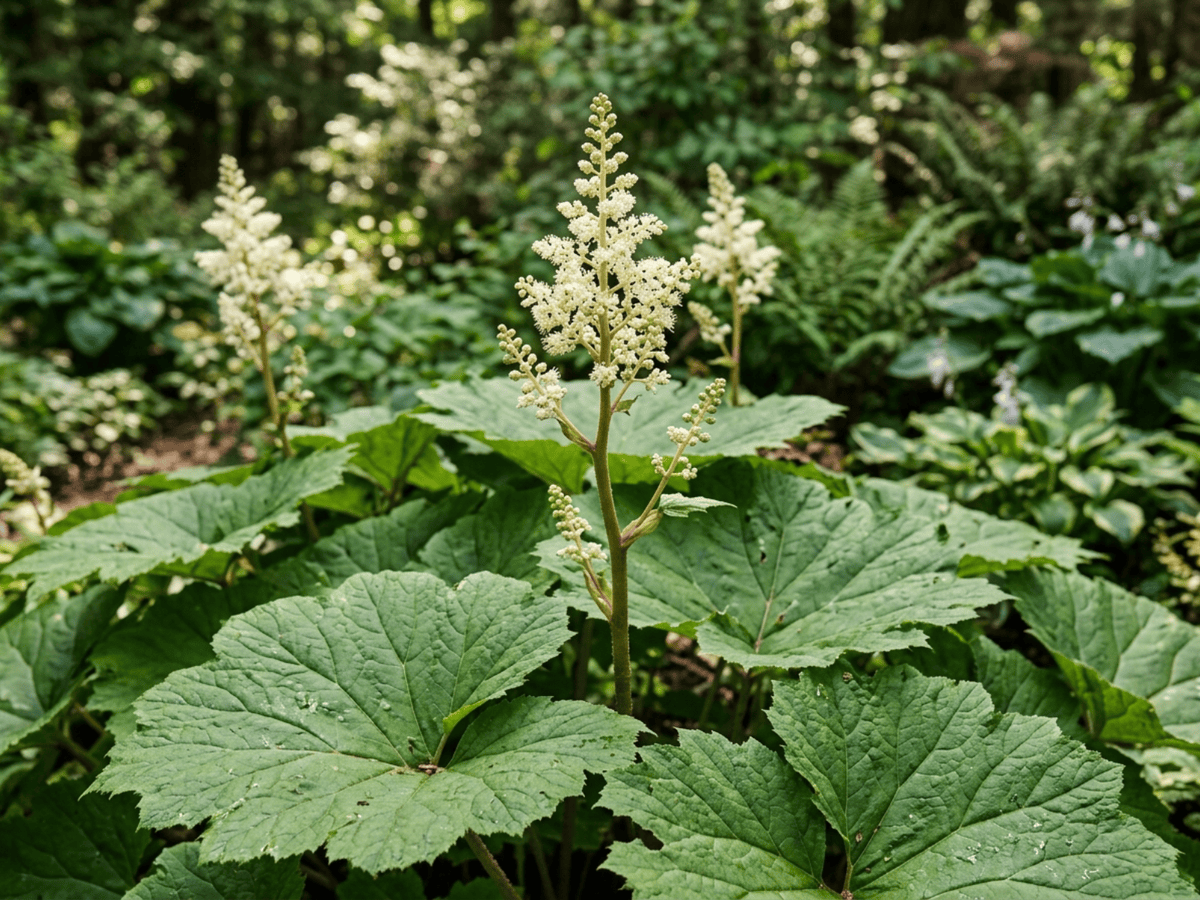
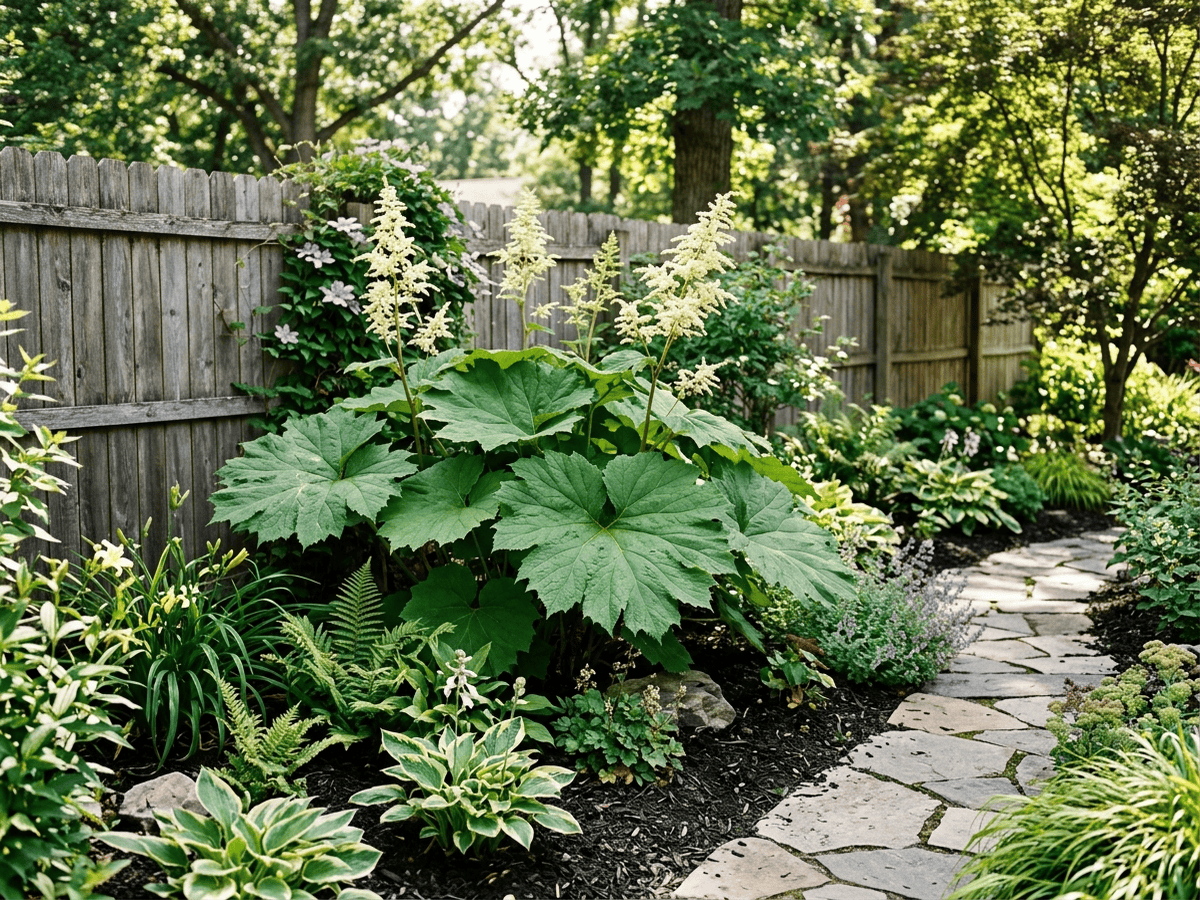
Shieldleaf is a bold perennial from Korea and Manchuria, 3–5 feet tall, with enormous round 24-inch plate-like leaves held horizontally on central stems and creamy white plume flowers in early summer. Requires moist, rich soil and partial shade—excellent for stream banks, pond edges, and large shade borders. A signature architectural plant in Pacific Northwest and New England bog gardens. Hardy zones 5–7.
- Shade-tolerant
- Architectural
How to care for Common Astilboides
Watering
- Springevery 3 days
- Summerevery 2 days
- Fallevery 4 days
- Winterpause watering
Soil · Moisture-retentive
- Top dressingSphagnum moss10%
- Main mixPeat + coco coir 1:180%
- DrainagePerlite / gravel10%
Keep it evenly moist — but the drainage layer still matters.
FERTILIZER
Balanced Feed 14-14-14
An even feed covers all three needs at once, keeping leaves, roots and blooms moving together with nothing pushed out of balance.
- Nitrogen · Leaves
- Phosphorus · Roots + Blooms
- Potassium · Strength
- Springevery 30 days
- Summerevery 30 days
At a Glance
- NativeEast Asia
- Height3–4 ft (0.9–1.2 m)
- Spread3–4 ft (0.9–1.2 m)
- Flower colorCream, White
- Foliage colorGreen
- SoilLoamy, Moisture-retentive, Rich
- LocationsYard
Bloom time
BLOOM CYCLE
Peak bloom
May–Jun
White plume flowers early summer
Toxicity
Toxicity unknown
None reported
Unknown
EXPOSURE Unspecified plant material.
EFFECT Toxic effects are not specified.
NOTE Toxicity for humans is not well documented; use caution until verified.
Unknown
EXPOSURE Unspecified plant material.
EFFECT Toxic effects are not specified.
NOTE Toxicity for dogs is not well documented; use caution until verified.
Unknown
EXPOSURE Unspecified plant material.
EFFECT Toxic effects are not specified.
NOTE Toxicity for cats is not well documented; use caution until verified.
Educational information, not medical or veterinary advice. If exposure is suspected, contact a doctor or veterinarian.
DISTRIBUTION


- Native
- Introduced
- East Asia
History
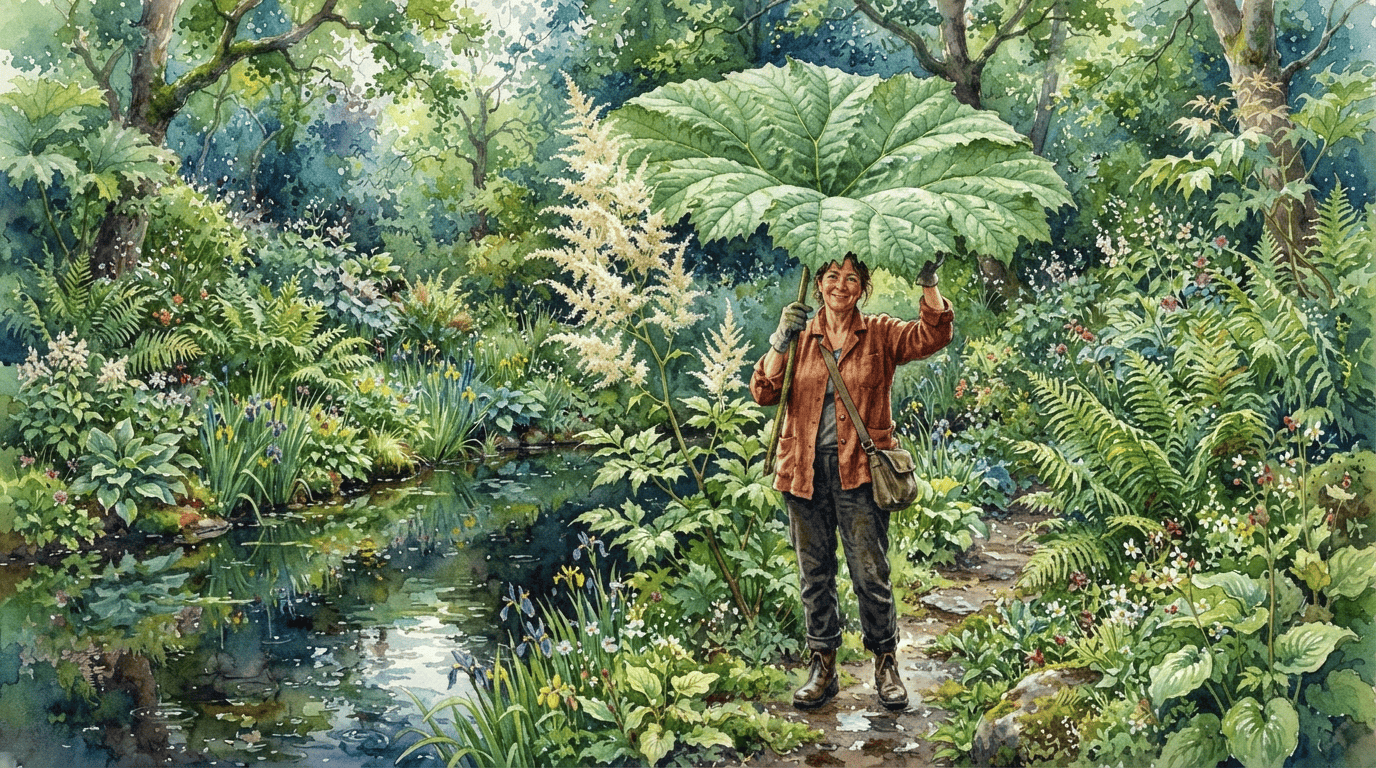
Astilboides tabularis is the sole species in its genus, endemic to shaded moist forests in northeastern China and North Korea. Russian botanist Carl Maximowicz first collected it during his 1859-1864 Amur Basin expedition and originally described it as Saxifraga tabularis in 1867. The plant was shuffled through Rodgersia before Austrian botanist Adolf Engler established the monotypic genus Astilboides in 1973 based on unique floral characters.
Its dramatic peltate leaves up to 36 inches across, attached at the center like an umbrella, earned its common name shieldleaf. Plantsman Ernst Pagels and other German gardeners popularized it in the late 20th century as a focal specimen for moist woodland gardens and pond margins.
Native to Korea and northern China, introduced to Western gardens in the early 1900s. A specialty plant in American bog and water gardens, championed by designers such as Dan Hinkley at Heronswood Garden in the Pacific Northwest.
Symbolism & meaning
What It Symbolizes
Common Astilboides commands grandeur through its enormous parasol leaves, each one a small green continent rising from damp earth. It is a classic pond-side statement plant, lending tranquility to water gardens with sheer scale rather than fussy bloom. Where other plants chatter, Astilboides simply spreads its leaves and lets the koi do the talking.
- Grandeur — enormous leaves command attention
- Tranquility — classic pond-side statement
Where the Name Comes From
Genus means 'Astilbe-like'; 'tabularis' means 'table-like' for the flat leaves.
Uses & Fun Facts
- Two-foot plate-like leaves anchor pond margins and bog gardens
- Bold architectural foliage for moist Pacific Northwest shade borders
Related plants
Plants with similar care
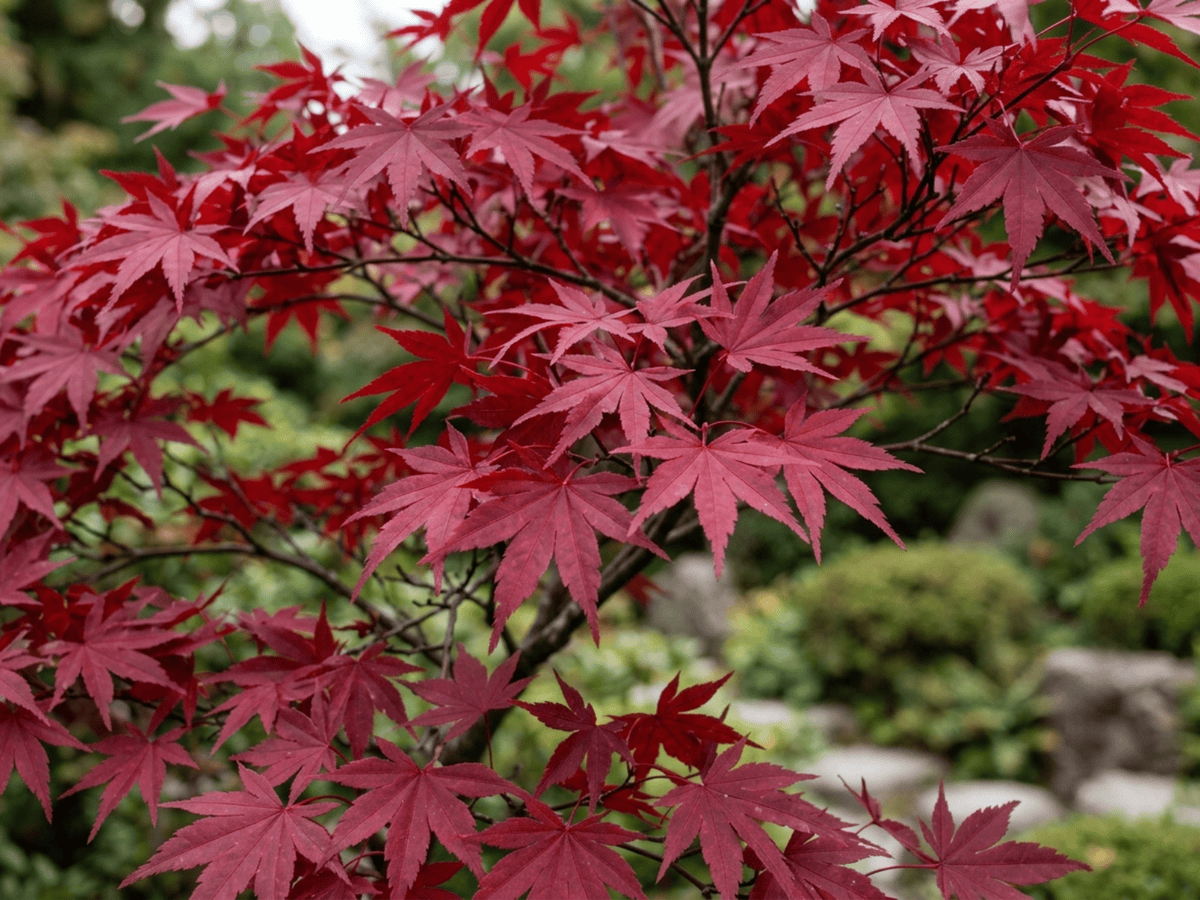 Japanese MapleAcer palmatum
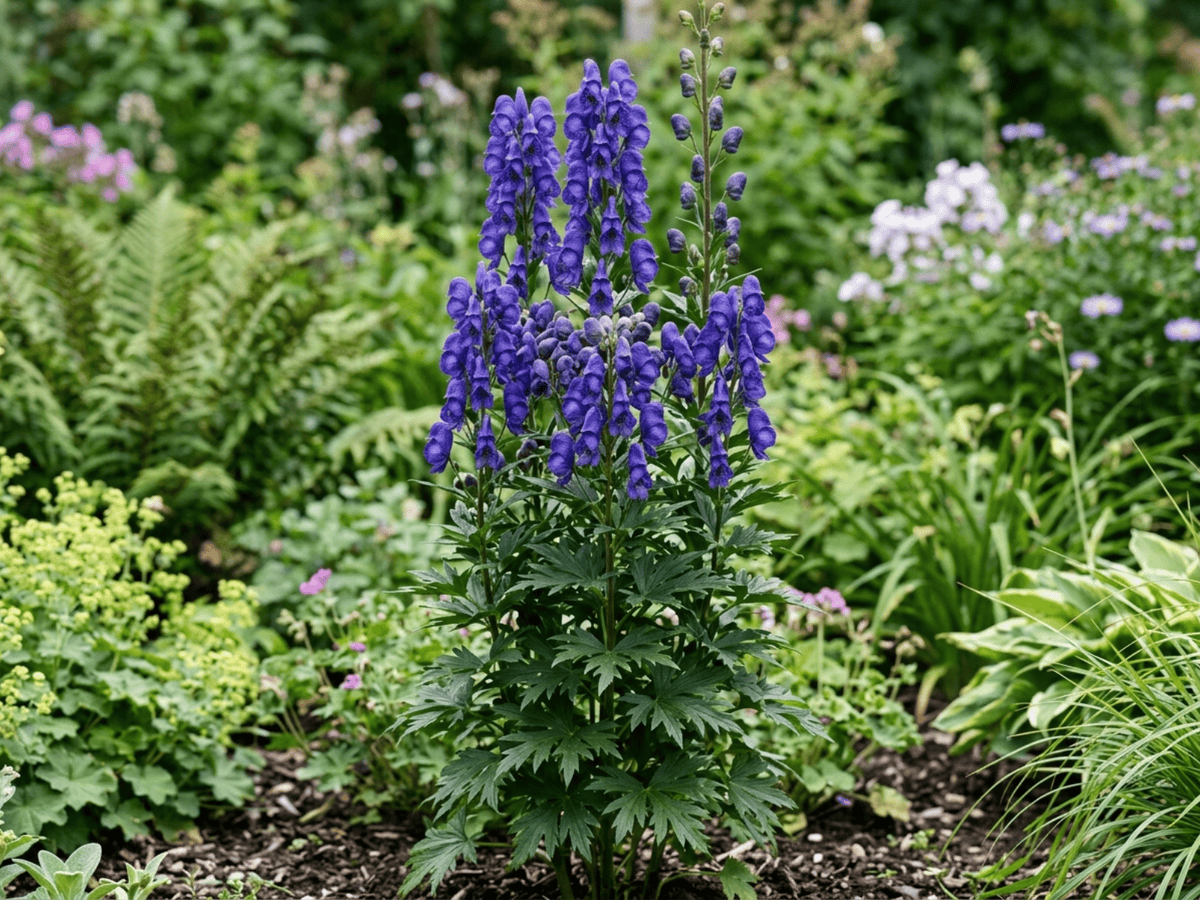 Azure MonkshoodAconitum carmichaelii
 Florida HobblebushAgarista populifolia
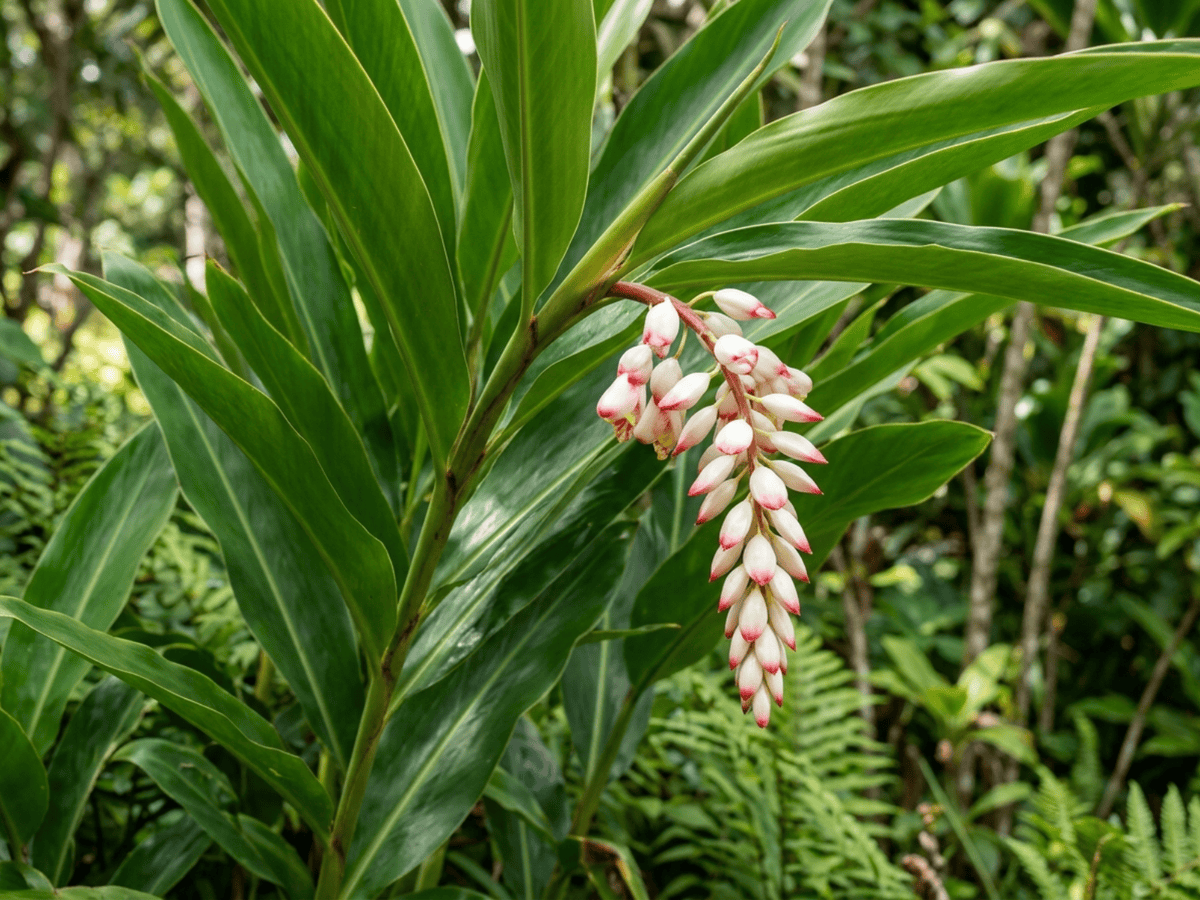 Shell GingerAlpinia zerumbet
Frequently asked questions
How often should I water Common Astilboides?
Water about every 3 days during the growing season, and always let excess water drain away.
How much light does Common Astilboides need?
Part shade: 2–4 hrs direct. Watch the leaves — scorching or stretching means the light needs adjusting.
Is Common Astilboides toxic to cats or dogs?
Pets Unknown (Dogs Unknown · Cats Unknown) Educational information, not medical or veterinary advice. If exposure is suspected, contact a doctor or veterinarian.
Is Common Astilboides easy to grow?
It is moderately demanding: a good choice once you have a little experience.
When does Common Astilboides bloom?
It typically blooms May–Jun in the Northern Hemisphere.
YardMate
Identify any plant in seconds
Snap a photo — YardMate names the plant, diagnoses problems, and reminds you when to water.
Download on the App Store