 YardMate


Lady Fern
Athyrium filix-femina
Easy · Beginner friendlyAbout Lady Fern
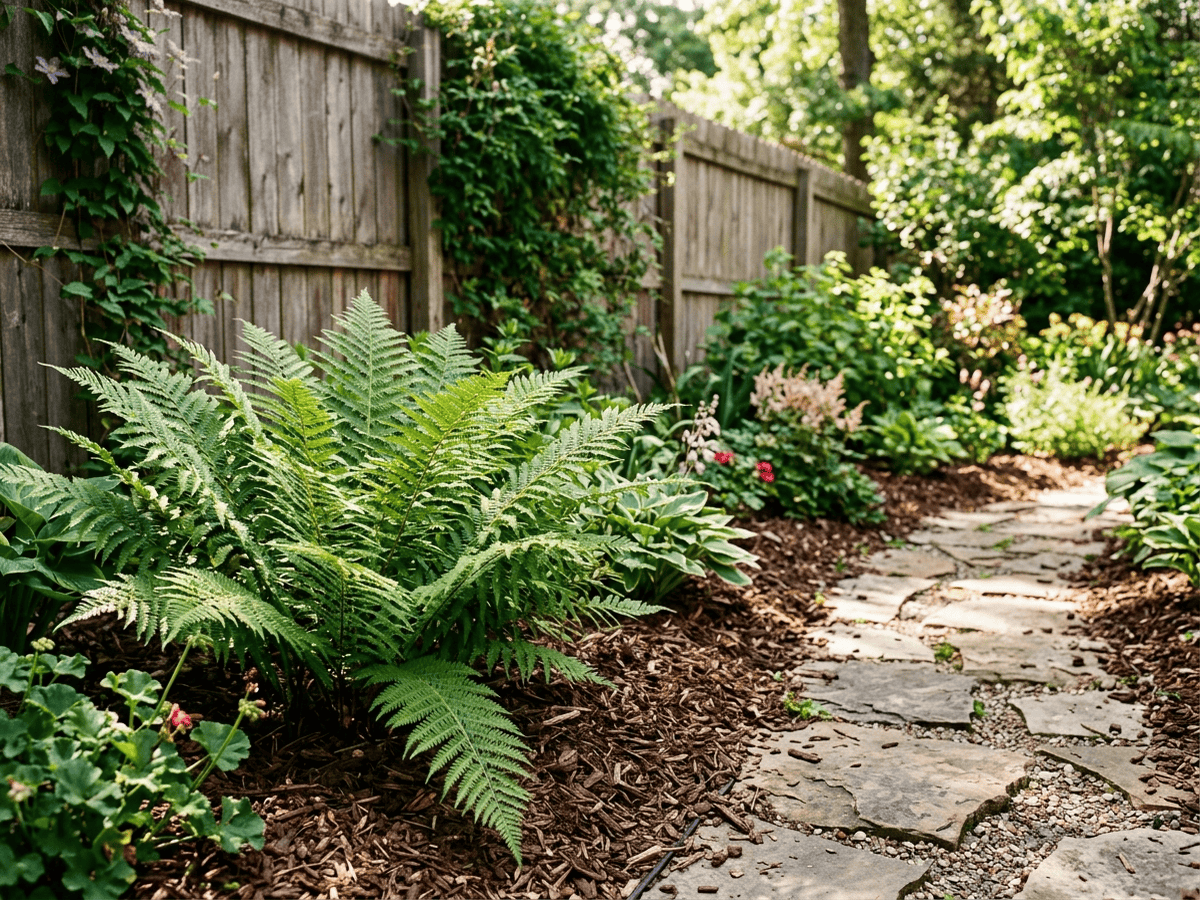
Athyrium filix-femina, the lady fern, is one of the most graceful and widely distributed ferns in the Northern Hemisphere, found across North America, Europe, and Asia. Its delicate, lacy fronds are finely divided two or three times, creating an intricate, feathery texture that contrasts beautifully with bolder-leaved plants. Growing 60 to 90 centimeters tall, the arching fronds emerge from a central crown in a shuttlecock-like vase shape. New fiddleheads unfurl in spring with a fresh, bright green color. The lady fern is deciduous, dying back gracefully in autumn. It is remarkably adaptable for a fern, tolerating more sun and drier conditions than most, though it looks its best in moist, shaded woodland settings. Hundreds of cultivars exist, including crested, tasseled, and deeply cut forms that have fascinated Victorian and modern fern collectors alike. It spreads slowly by short rhizomes, forming elegant colonies over time without becoming aggressive.
- Shade-tolerant
- Native
How to care for Lady Fern
Watering
- Springevery 3 days
- Summerevery 2 days
- Fallevery 7 days
- Winterevery 30 days
Soil · Moisture-retentive
- Top dressingSphagnum moss10%
- Main mixPeat + coco coir 1:180%
- DrainagePerlite / gravel10%
Keep it evenly moist — but the drainage layer still matters.
FERTILIZER
Balanced Feed 14-14-14
An even feed covers all three needs at once, keeping leaves, roots and blooms moving together with nothing pushed out of balance.
- Nitrogen · Leaves
- Phosphorus · Roots + Blooms
- Potassium · Strength
- Springevery 60 days
At a Glance
- NativeNorth America
- Height2–3 ft (0.6–0.9 m)
- Spread1.5–2.5 ft (0.5–0.8 m)
- Foliage colorGreen
- SoilRich, Moisture-retentive, Loamy
- LocationsYard
Bloom time
BLOOM CYCLE
Fern — does not flower. Spores in curved sori on frond undersides.
Fragrance
NO FRAGRANCE
No notable fragrance.
Toxicity
Humans Slight · Pets Slight
thiaminase
Slight
- Frond
- Ingestion
EXPOSURE Eating frond.
EFFECT Raw fronds contain thiaminase (destroys vitamin B1) — similar to bracken fern — and should not be eaten raw. Cooked fiddleheads sometimes consumed but not recommended in quantity.
NOTE Documented concern for humans: Raw fronds contain thiaminase (destroys vitamin B1) — similar to bracken fern — and should not be eaten raw. Cooked fiddleheads sometimes consumed but not recommended in quantity.
Slight
- Frond
- Ingestion
EXPOSURE Eating frond.
EFFECT Mild GI upset possible.
NOTE Not listed by ASPCA. As with most ferns, raw consumption is not recommended.
Slight
- Frond
- Ingestion
EXPOSURE Eating frond.
EFFECT Mild GI upset possible.
NOTE Not listed by ASPCA. As with most ferns, raw consumption is not recommended.
Educational information, not medical or veterinary advice. If exposure is suspected, contact a doctor or veterinarian.
DISTRIBUTION


- Native
- North America
History
Athyrium filix-femina is a circumboreal fern, native across temperate Europe, Asia, and North America — one of the most widely distributed fern species in the Northern Hemisphere. The pairing of common and scientific names with Dryopteris filix-mas (male fern) goes back to medieval European herbalism, which contrasted the delicate, finely-divided, feathery fronds of A. filix-femina (perceived as feminine and graceful) with the coarser, more robust fronds of D. filix-mas (perceived as masculine and strong). This is purely a morphological contrast — both species are ordinary ferns with identical alternation-of-generations reproductive biology; neither is botanically "male" or "female." Linnaeus formalized the names in the 18th century.
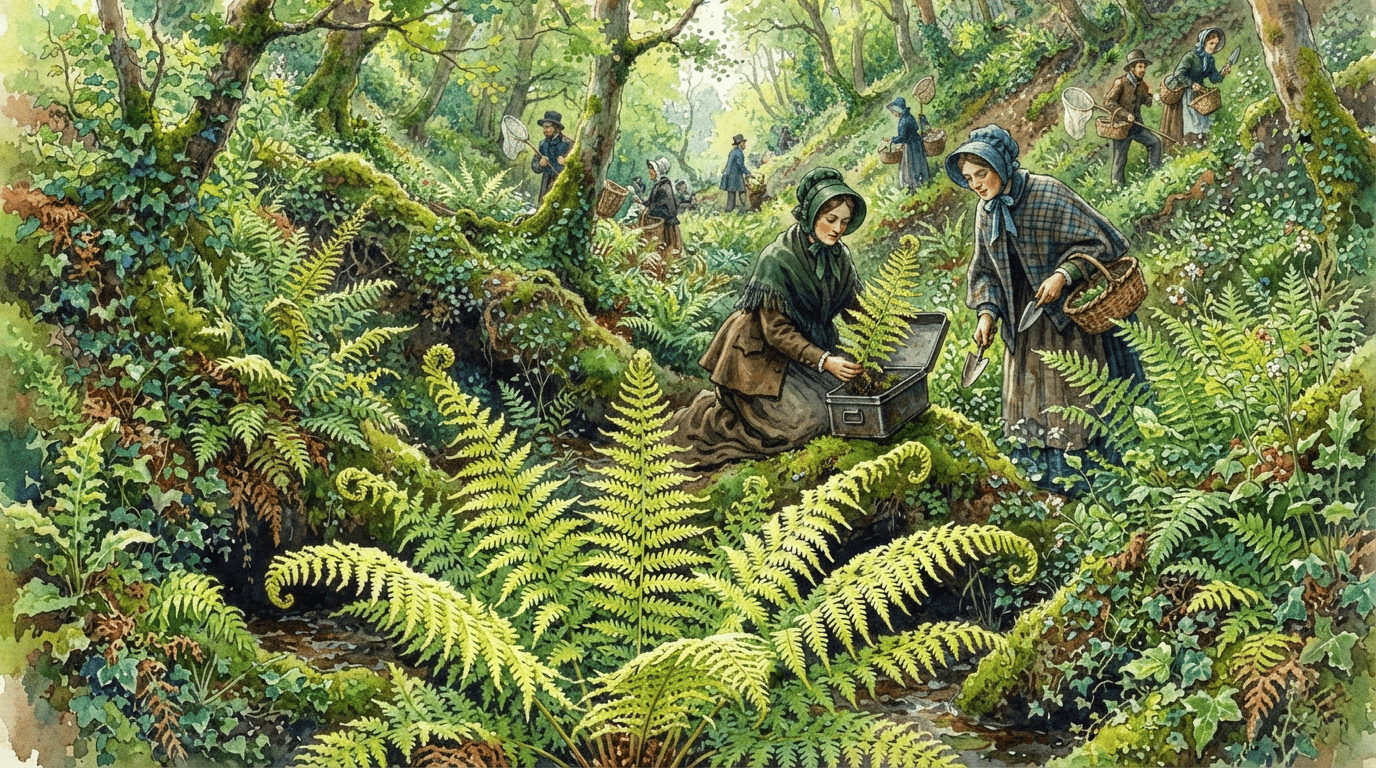
The lady fern grows 45-90 cm tall from a short central crown, with bright yellowish-green fronds that die back to the ground each autumn (unlike the evergreen Polystichum acrostichoides). Numerous selected cultivars exist, including the crested "Victoriae," the red-stemmed Lady in Red ("Rubellum"), the silver-frosted Japanese painted fern hybrids ("Ghost," from A. niponicum "Pictum" crosses), and many Victorian-era crested and feathered forms collected during the mid-19th-century British "Pteridomania" (fern-craze). The lady fern was central to the 'pteridomania' (fern craze) that swept Victorian England in the 1850s.
Collectors scoured the countryside for unusual varieties, and over 300 cultivated forms were documented by the end of the 19th century. The fern was called 'lady fern' to distinguish it from the more robust male fern (Dryopteris filix-mas), following the classical tradition of naming paired species after genders. In traditional European herbalism, the rhizome was used as a mild vermifuge. The lady fern holds a special place in Japanese garden culture, where it is prized for its elegant, flowing form.
Symbolism & meaning
What It Symbolizes
The Lady Fern, with its unpretentious lace and gentle arching fronds, became the Victorian emblem of sincerity — beauty that needed no ornament to be loved. It also fueled Britain's nineteenth-century pteridomania, when collectors fell into willing fascination with its endless minor variations of frond and crest. To grow Lady Fern is to inherit both that genuine, honest grace and the joy of looking closely at something quiet.
- Sincerity — Its unpretentious, natural beauty represents genuine, honest character
- Fascination — Inspired Victorian England's fern craze with its endless variety of forms
Where the Name Comes From
'Athyrium' from Greek 'athyros' meaning 'doorless,' referring to the late-opening spore covers (indusia). 'Filix-femina' means 'female fern' in Latin, contrasting with the 'male fern.'
Uses & Fun Facts
- Lacy native fronds soften shaded woodland borders
- Spreads gradually to fill moist shady garden spots
Related plants
Plants with similar care
 Red BuckeyeAesculus pavia
 Blue BugleAjuga genevensis
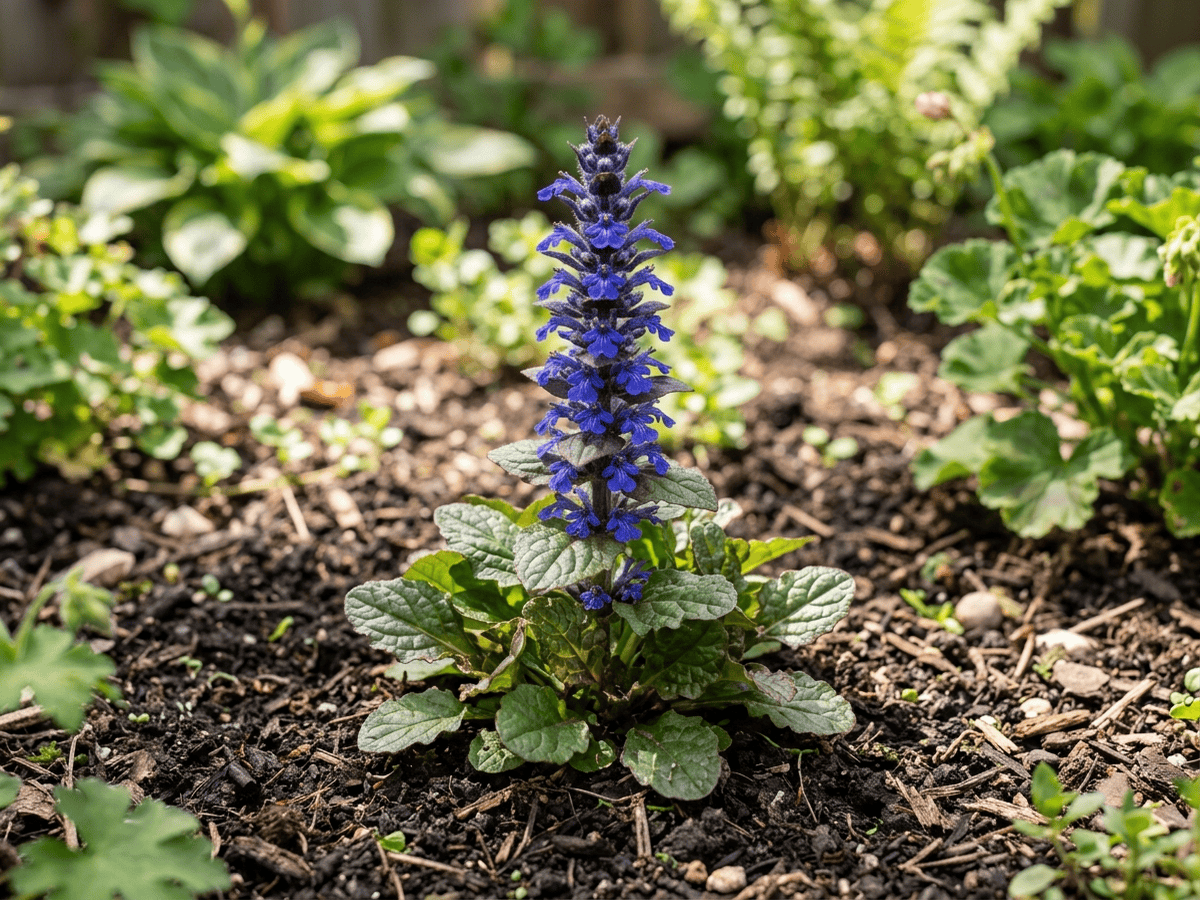 Pyramidal BugleAjuga pyramidalis
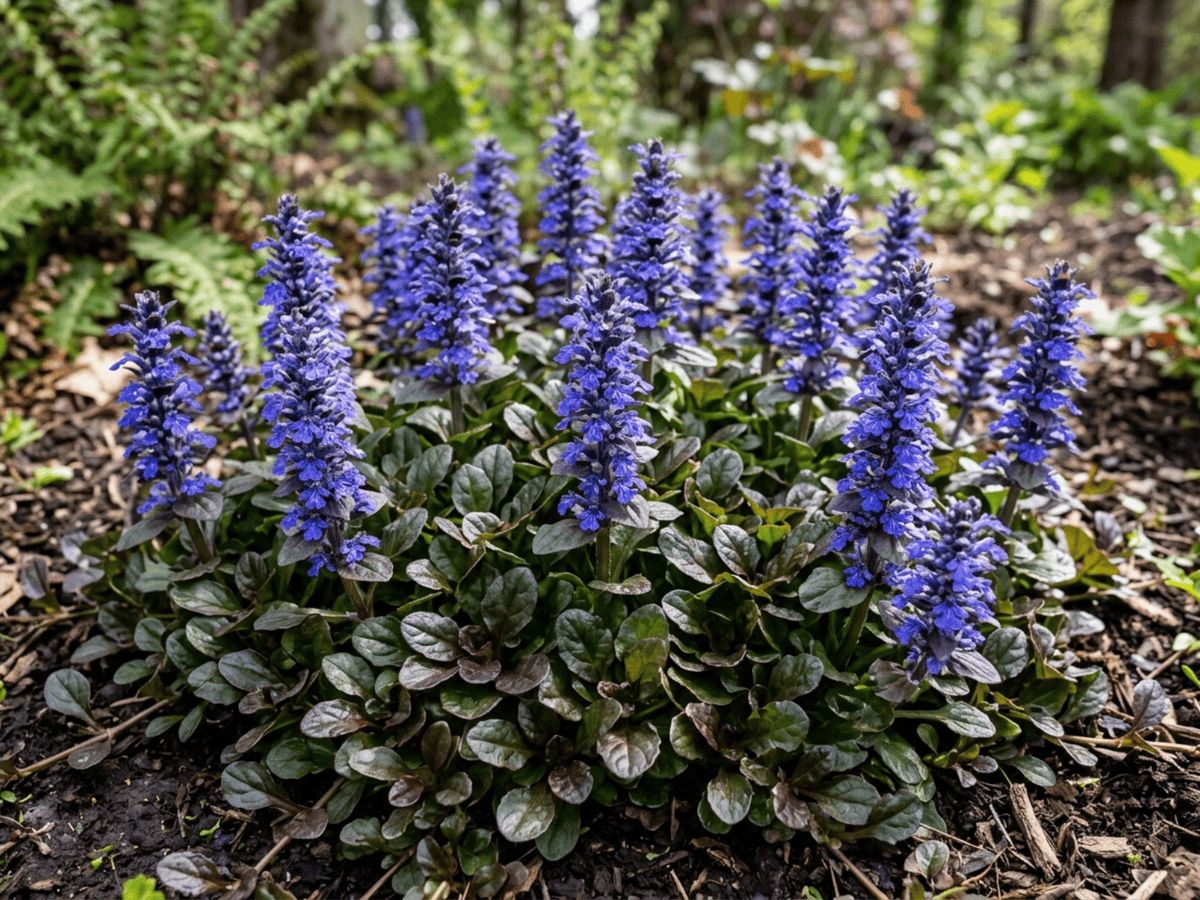 Carpet BugleAjuga reptans
Frequently asked questions
How often should I water Lady Fern?
In summer, water about every 2 days; in winter, about every 30 days. Adjust for heat, pot size and drainage.
How much light does Lady Fern need?
Part shade: 2–4 hrs direct. Watch the leaves — scorching or stretching means the light needs adjusting.
Is Lady Fern toxic to cats or dogs?
Pets Slight (Dogs Slight · Cats Slight) Educational information, not medical or veterinary advice. If exposure is suspected, contact a doctor or veterinarian.
Is Lady Fern easy to grow?
Yes — it is considered an easy, beginner-friendly plant.
YardMate
Identify any plant in seconds
Snap a photo — YardMate names the plant, diagnoses problems, and reminds you when to water.
Download on the App Store