 YardMate


Cross Vine
Bignonia capreolata
Easy · Beginner friendlyAbout Cross Vine
Crossvine is a vigorous Southeastern US native evergreen-to-semi-evergreen climber reaching 30-50 feet, producing showy clusters of tubular orange-red flowers with yellow throats in spring. A hummingbird magnet, the flowers can carpet entire pergolas and tree trunks in bloom. Bronze-purple winter foliage adds year-round interest. Named for the cross-shaped pattern visible when stems are cut, it is a heritage Southern garden vine.
- Climbing
- Evergreen
- Native
- Wildlife-friendly
How to care for Cross Vine
Watering
- Springevery 7 days
- Summerevery 5 days
- Fallevery 10 days
- Winterevery 21 days
Soil · Well-draining
- Top dressingPine bark mulch10%
- Main mixPotting soil + perlite 2:170%
- DrainageLECA / gravel20%
Never skip the drainage layer — standing water is the top cause of root rot.
FERTILIZER
Balanced Feed 14-14-14
An even feed covers all three needs at once, keeping leaves, roots and blooms moving together with nothing pushed out of balance.
- Nitrogen · Leaves
- Phosphorus · Roots + Blooms
- Potassium · Strength
- Springevery 30 days
- Summerevery 45 days
At a Glance
- NativeNorth America
- Height30–50 ft (9.1–15.2 m)
- Spread6–9 ft (1.8–2.7 m)
- Flower colorOrange, Red, Yellow
- Foliage colorGreen, Purple, Bronze
- Fruit colorBrown
- SoilWell-drained, Loamy
- LocationsYard
Bloom time
BLOOM CYCLE
Peak bloom
Apr–May
Trumpet orange-red flowers April to May
Fragrance
LIGHT FRAGRANCE
Mild mocha-coffee fragrance to some noses.
Toxicity
No toxicity has been reported for this plant. Still, it is wise to keep pets from chewing on any houseplant.
Educational information, not medical or veterinary advice. If exposure is suspected, contact a doctor or veterinarian.
DISTRIBUTION


- Native
- Introduced
- North America
History
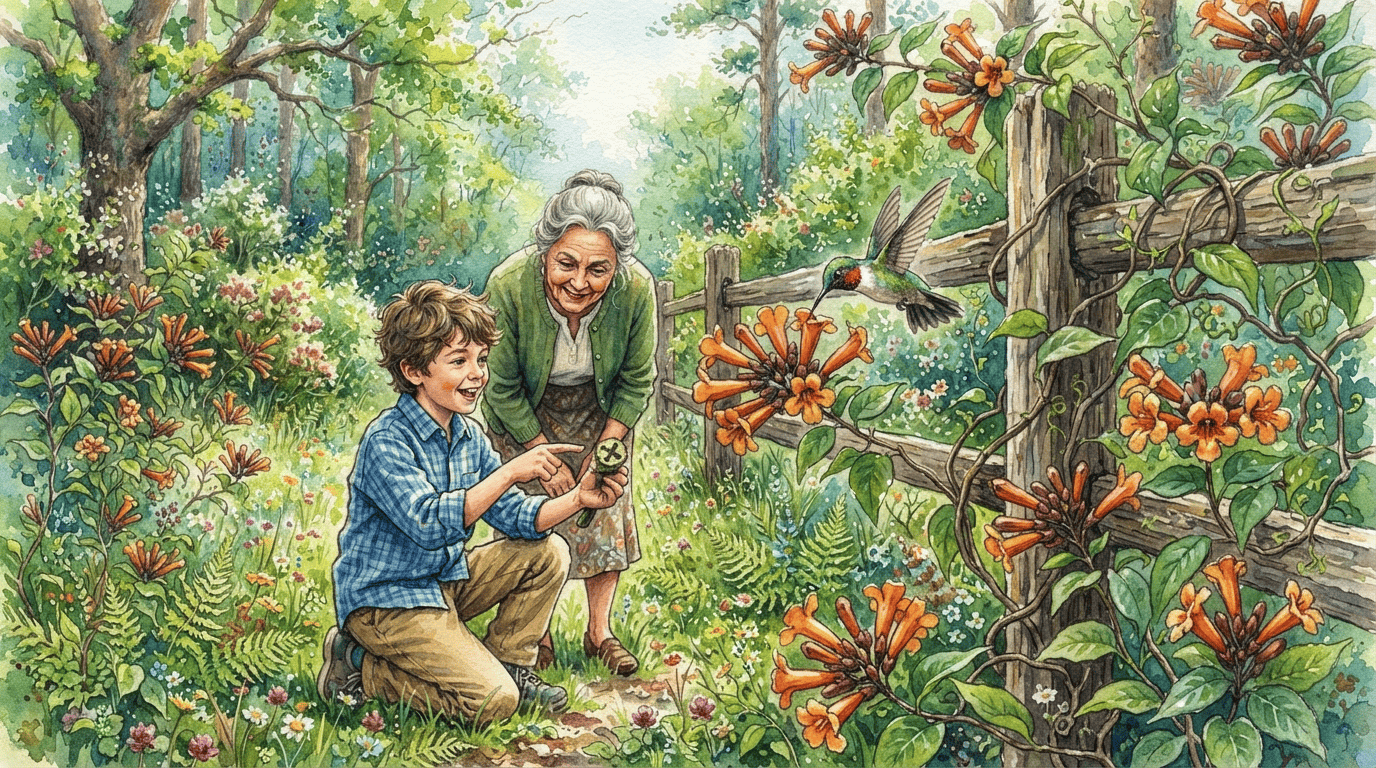
Bignonia capreolata occurs naturally in moist woodlands of the southeastern United States from Maryland and Virginia west to Illinois and south to Florida and east Texas. Linnaeus described the species in 1753, the genus Bignonia honoring the French royal librarian Jean-Paul Bignon, and the epithet capreolata meaning with tendrils. The common name crossvine comes from the distinctive cross-shaped pattern visible in cross-sections of the woody stem (reflecting the plant's vascular anatomy).
The 10-15 meter high-climbing semi-evergreen woody vine attaches via branched tendrils with adhesive disc tips. In April-May, clusters of 5 cm tubular flowers—typically bronze-orange outside with yellow-orange throats inside—open in brilliant displays at branch tips, strongly attracting northward-migrating ruby-throated hummingbirds. The popular cultivar 'Tangerine Beauty' is an orange-gold selection made around 1990 in central Texas.
Evergreen in zone 8 and south, semi-evergreen further north; hardy to zone 5-6. Unlike invasive trumpet creeper (Campsis radicans), crossvine is well-behaved and does not damage structures. A Southern heritage vine found growing along fences and in woodland edges throughout the Gulf and Atlantic Coastal Plain. Named for the white cross visible inside cut stems. The cultivar 'Tangerine Beauty' with bright orange flowers is a staple of modern Southern native plant gardens.
Symbolism & meaning
What It Symbolizes
Cross Vine pours Southern vigor across pergolas and old fences, lighting the spring with trumpets of orange and red. As a traditional native vine of the South, it carries heritage in every twining tendril — a plant that climbed pioneer cabins and still scrambles up modern garden trellises. Its message is uncomplicated warmth: the welcome of a porch in April, awash in fragrant fire.
- Southern vigor — covers pergolas with spring fire
- Heritage — traditional Southern native vine
Where the Name Comes From
The name Cross Vine describes its vining or arching growth. Genus honors Abbe Bignon, 18th-century French royal librarian; 'capreolata' refers to tendrils.
Uses & Fun Facts
- Trumpet flowers attract ruby-throated hummingbirds in spring
- Tendrils climb trellises arbors and tree trunks
- Semi-evergreen native vine for southeastern gardens
Related plants
Plants with similar care
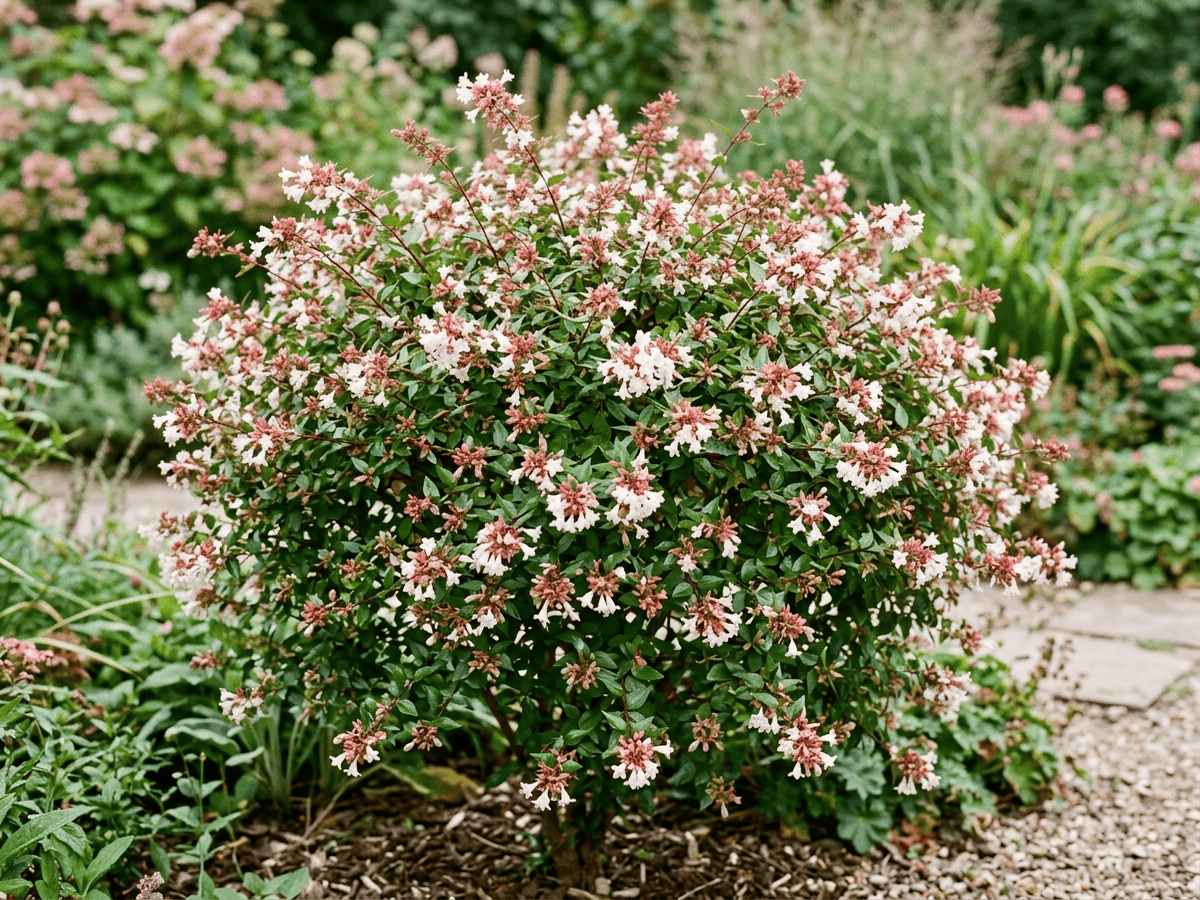 Chinese AbeliaAbelia chinensis
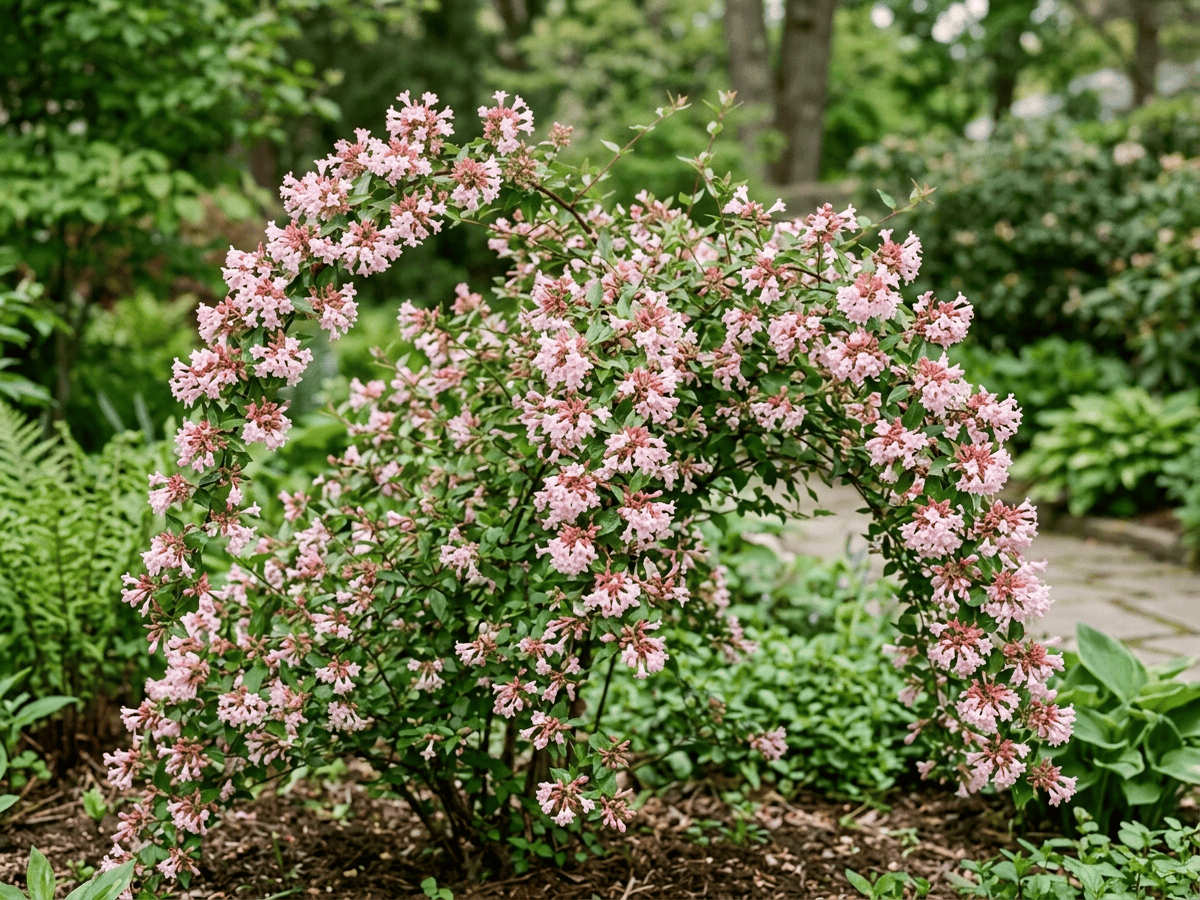 Fragrant AbeliaAbelia mosanensis
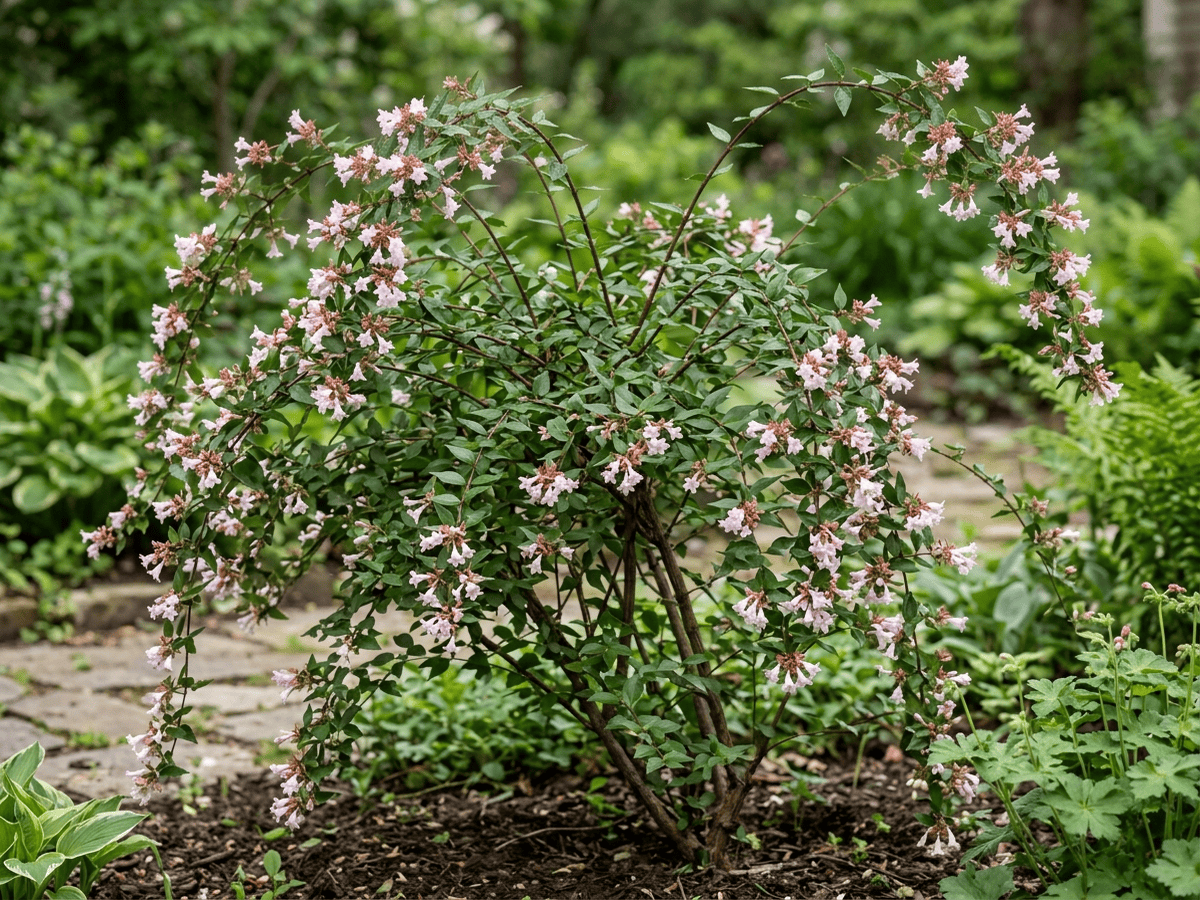 Large-Flowered AbeliaAbelia uniflora
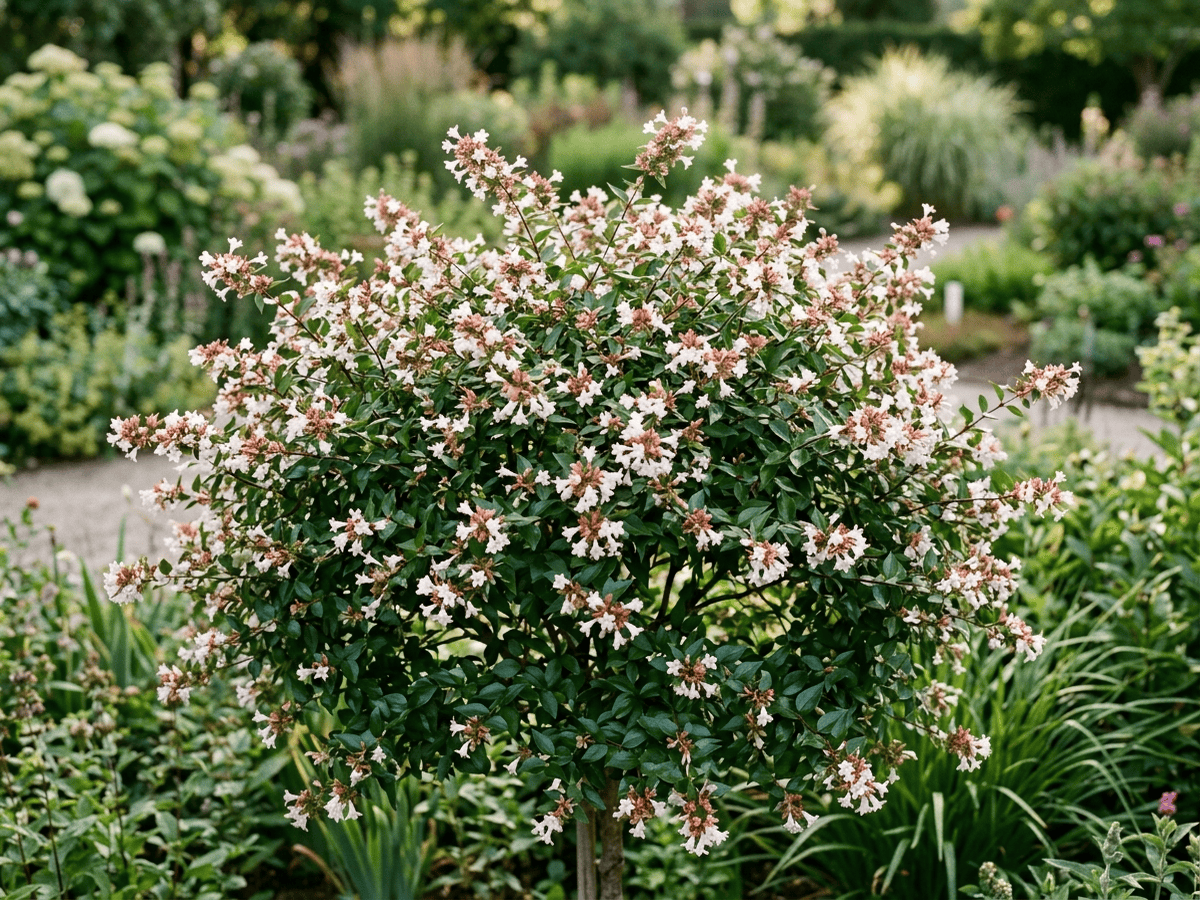 Glossy AbeliaAbelia x grandiflora
Frequently asked questions
How often should I water Cross Vine?
In summer, water about every 5 days; in winter, about every 21 days. Adjust for heat, pot size and drainage.
How much light does Cross Vine need?
Full sun: 6+ hrs direct. Watch the leaves — scorching or stretching means the light needs adjusting.
Is Cross Vine toxic to cats or dogs?
No toxicity has been reported for this plant. Still, it is wise to keep pets from chewing on any houseplant. Educational information, not medical or veterinary advice. If exposure is suspected, contact a doctor or veterinarian.
Is Cross Vine easy to grow?
Yes — it is considered an easy, beginner-friendly plant.
When does Cross Vine bloom?
It typically blooms Apr–May in the Northern Hemisphere.
YardMate
Identify any plant in seconds
Snap a photo — YardMate names the plant, diagnoses problems, and reminds you when to water.
Download on the App Store