 YardMate
Deer Fern
Blechnum spicant
Medium · Some experienceAbout Deer Fern
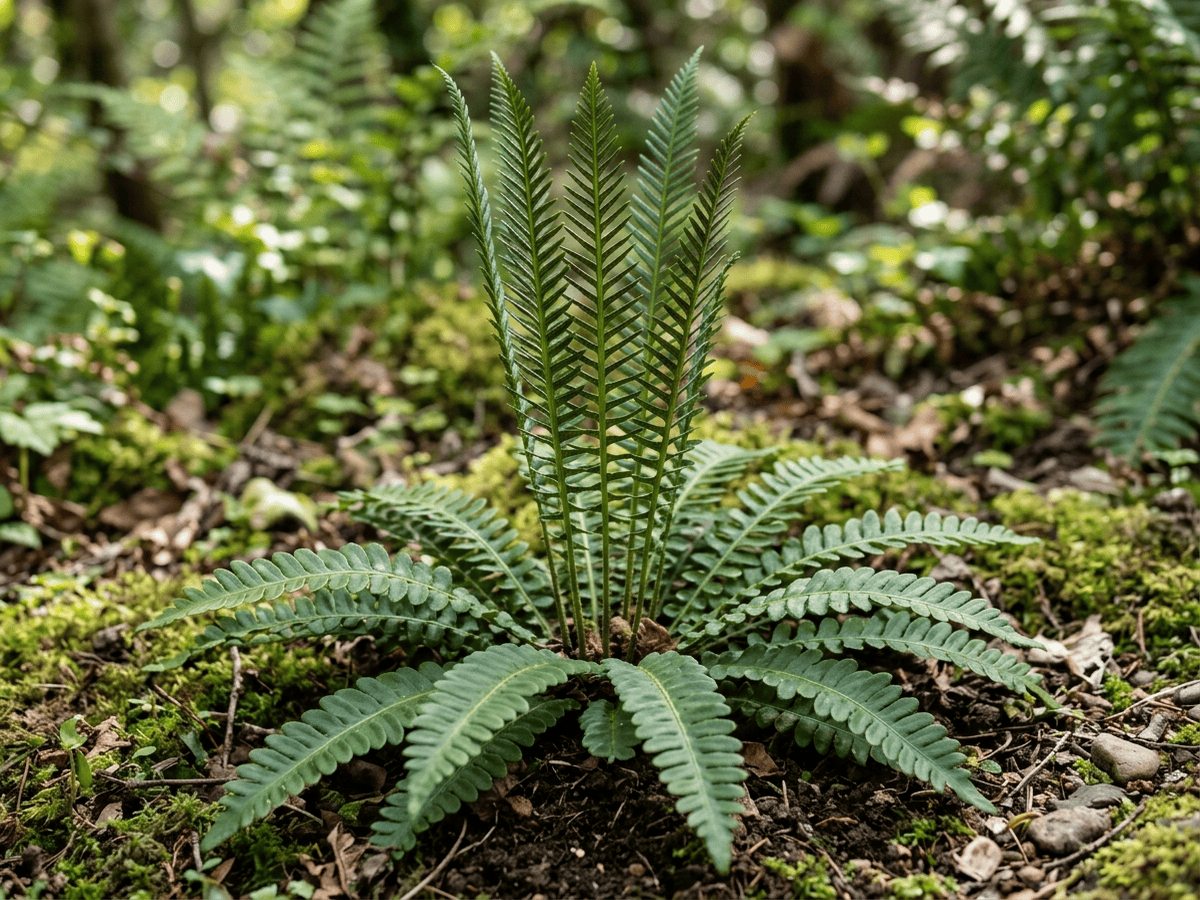
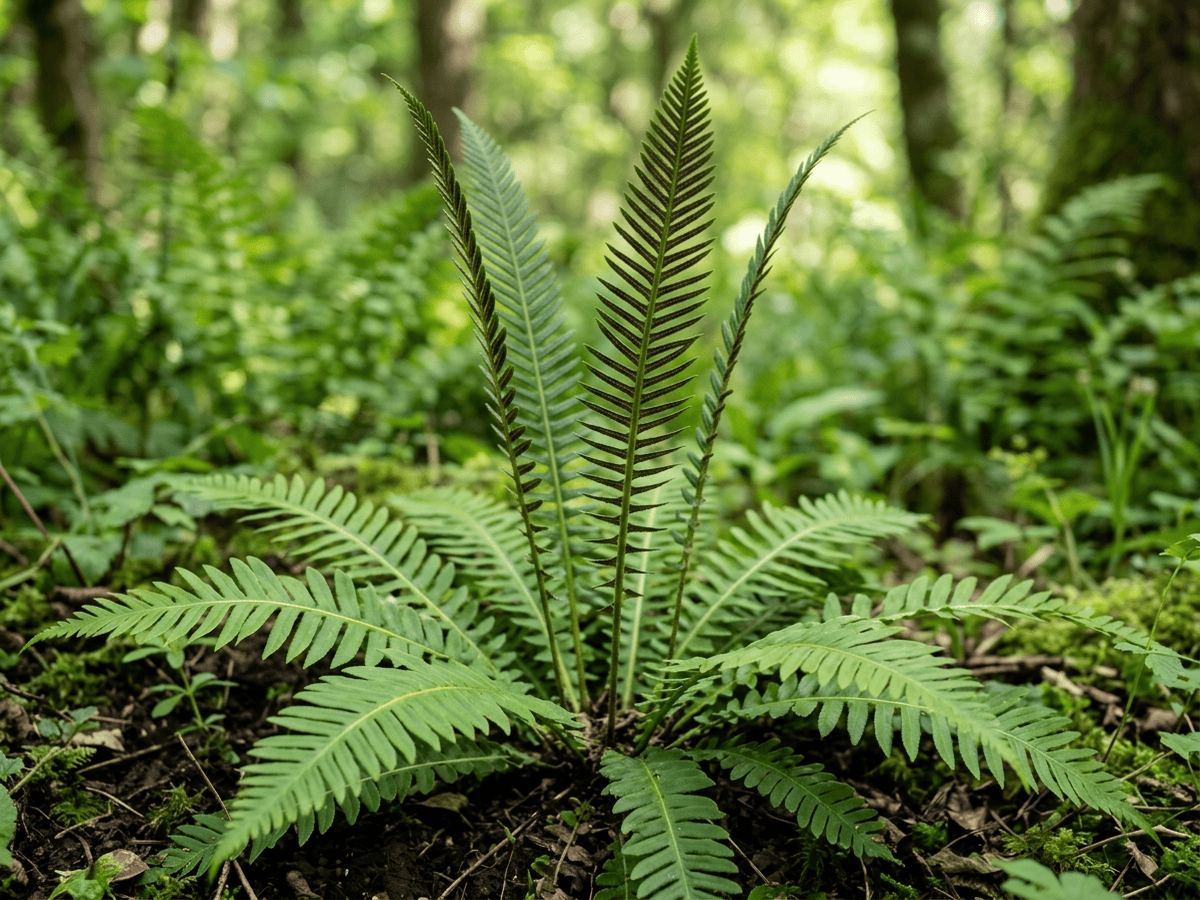
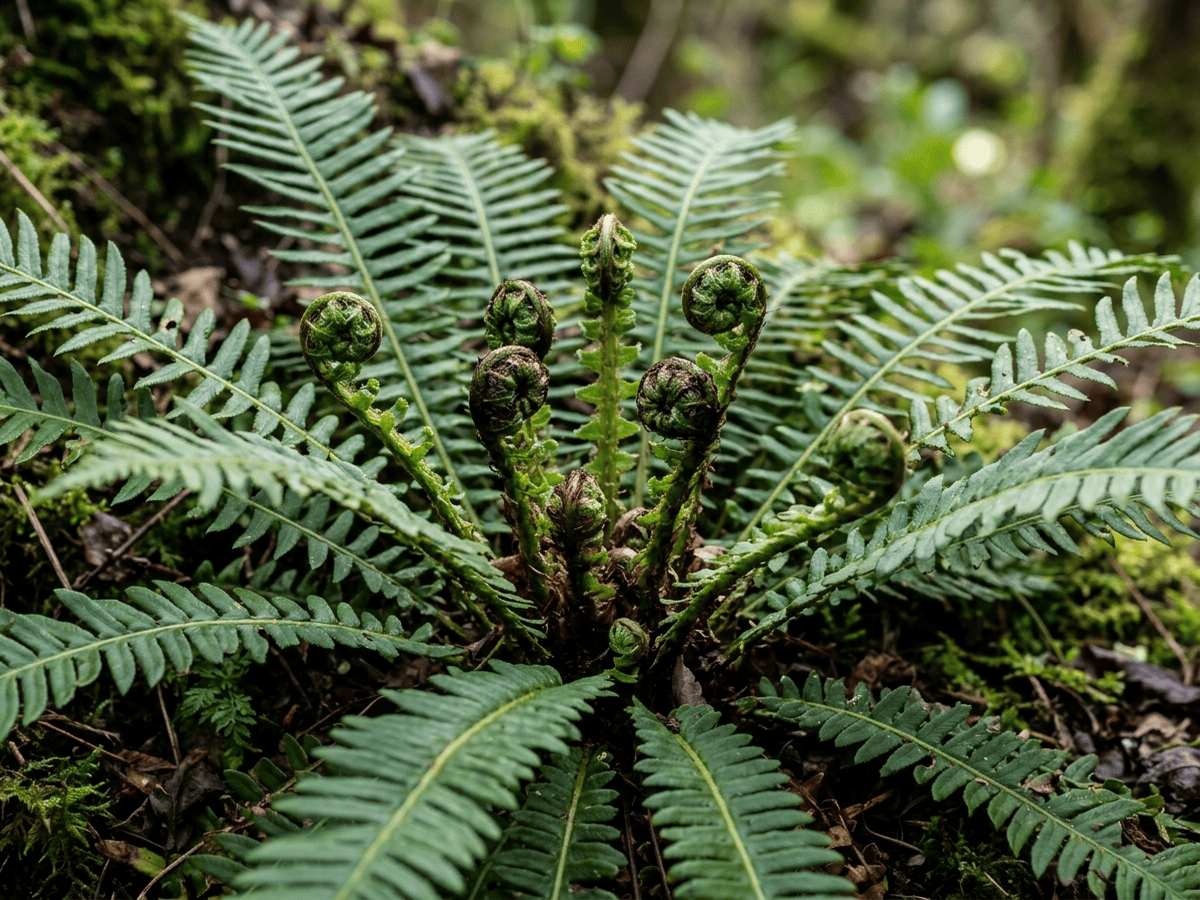
Deer Fern is an elegant evergreen fern native to Pacific Northwest forests from Alaska south to northern California. It produces two distinct frond types: spreading sterile fronds form ground-hugging rosettes, while taller upright fertile fronds rise from the center bearing spores. Growing 1 to 3 feet tall in shaded moist forests, it is a foundational understory plant of Pacific Northwest old-growth forests, providing winter forage for deer and elk.
- Shade-tolerant
- Deer-resistant
- Evergreen
- Native
How to care for Deer Fern
Watering
- Springevery 5 days
- Summerevery 4 days
- Fallevery 7 days
- Winterevery 14 days
Soil · Moisture-retentive
- Top dressingSphagnum moss10%
- Main mixPeat + coco coir 1:180%
- DrainagePerlite / gravel10%
Keep it evenly moist — but the drainage layer still matters.
FERTILIZER
- Springevery 60 days
At a Glance
- NativeNorth America, Europe, East Asia
- Height1–2 ft (0.3–0.6 m)
- Spread1–2 ft (0.3–0.6 m)
- Foliage colorGreen
- SoilMoisture-retentive, Acidic, Loamy
- LocationsYard
Bloom time
BLOOM CYCLE
Non-flowering fern; reproduces by spores on fertile fronds
Toxicity
Humans Slight
thiaminase (trace)
Slight
- Leaf
- Ingestion
EXPOSURE Eating leaves.
EFFECT Ferns generally contain thiaminase and should not be regularly consumed raw.
NOTE Documented concern for humans: Ferns generally contain thiaminase and should not be regularly consumed raw.
Not reported
EXPOSURE No exposure route is reported.
EFFECT No toxic effect is reported.
NOTE No toxicity is reported for dogs in this catalog; this is not evidence that the plant is edible or harmless.
Not reported
EXPOSURE No exposure route is reported.
EFFECT No toxic effect is reported.
NOTE No toxicity is reported for cats in this catalog; this is not evidence that the plant is edible or harmless.
Educational information, not medical or veterinary advice. If exposure is suspected, contact a doctor or veterinarian.
DISTRIBUTION


- Native
- North America
- Europe
- East Asia
History
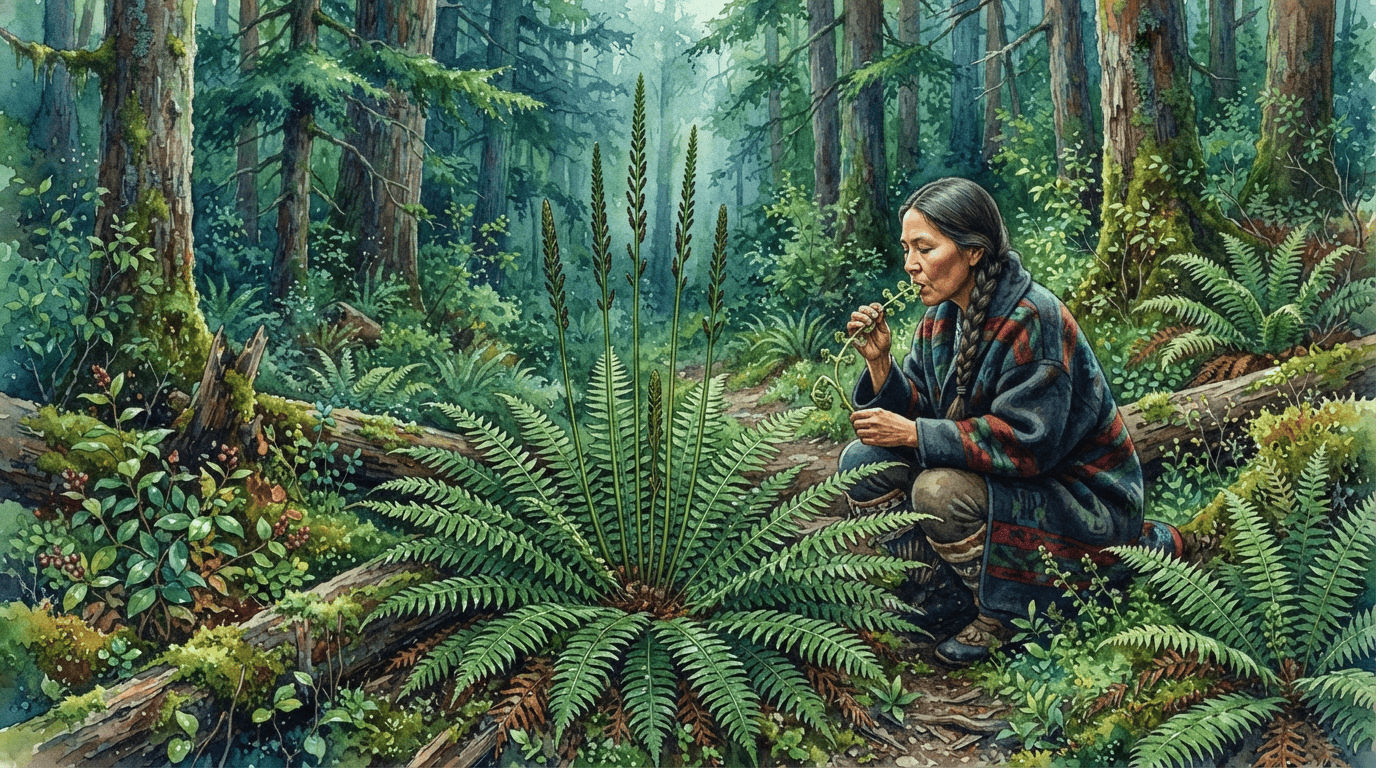
Blechnum spicant, the deer fern or hard fern, is an evergreen fern native to cool moist coniferous forests across temperate western North America, northern Europe, and northern Asia. The species was named by Carl Linnaeus in 1753 and later transferred to the genus Blechnum. The fern is dimorphic, with sterile leathery fronds forming a radial rosette near the ground and taller erect fertile fronds bearing spores.
Indigenous peoples of the Pacific Northwest including the Salish, Quileute, and Nuxalk chewed the young fronds as a thirst quencher and emergency trail food. Across the temperate world the plant thrives in acidic shady conditions beneath conifers, and modern gardeners favor it for woodland and rain gardens where it reliably holds its evergreen form through hard winters.
The species also occurs natively in temperate Europe, making it one of the few ferns shared between Pacific Northwest and European temperate rainforests.
Symbolism & meaning
What It Symbolizes
Deer Fern is quiet endurance, its evergreen fronds standing dark and steady through the long wet winters of the Pacific Northwest. It is the forest essence of old-growth understory, growing where Sitka spruce and western hemlock close the canopy overhead. To meet its on a misted trail is to feel the calm of a place that has been doing the same thing, beautifully, for thousands of years.
- Quiet endurance — evergreen presence through wet Northwest winters
- Forest essence — iconic understory of Pacific old-growth
Where the Name Comes From
'Blechnum' is from an ancient Greek name for ferns; 'spicant' refers to the spike-like fertile fronds.
Uses & Fun Facts
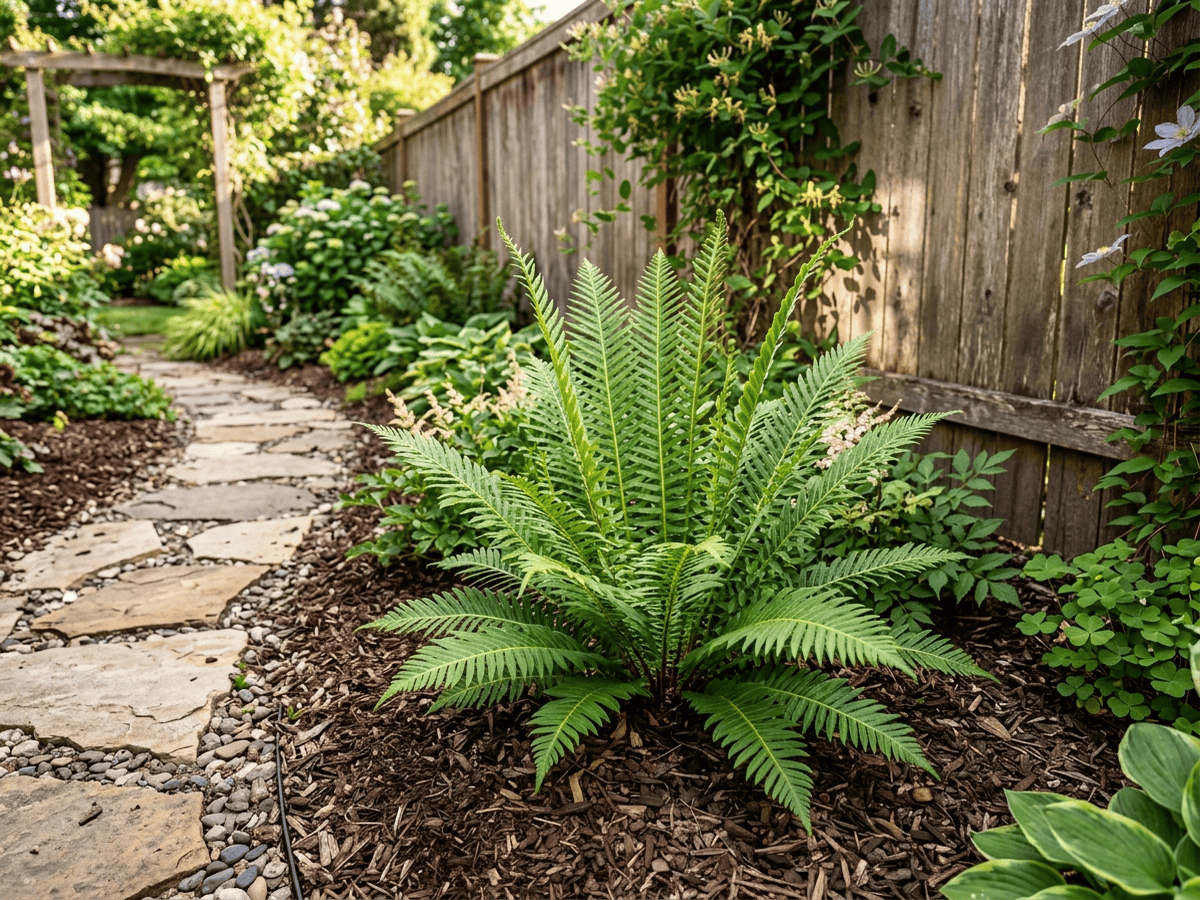
- Evergreen native fern for Pacific Northwest woodland gardens
- Sterile fronds form ground-hugging rosettes under conifers
Related plants
Plants with similar care
 Dutchman's BreechesDicentra cucullaria
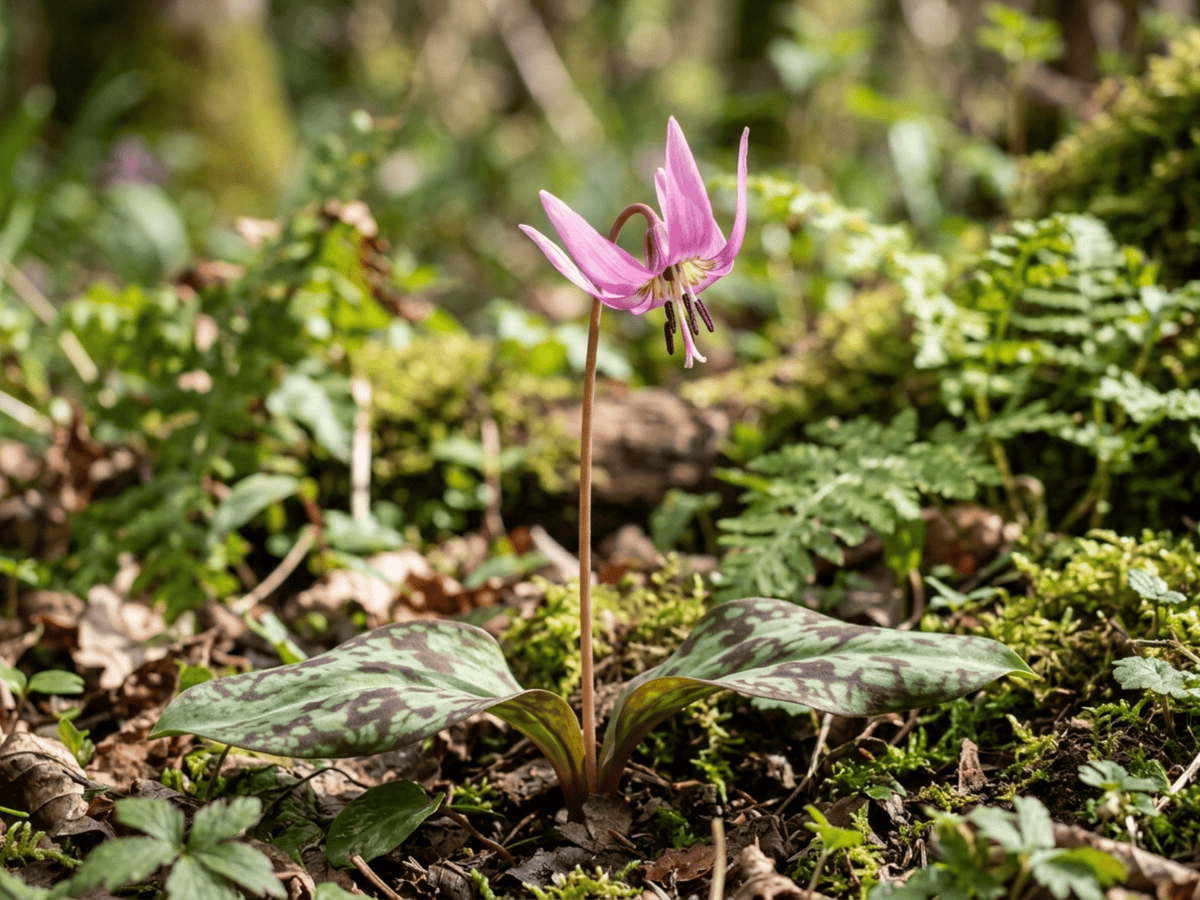 Dog's-Tooth-VioletErythronium dens-canis
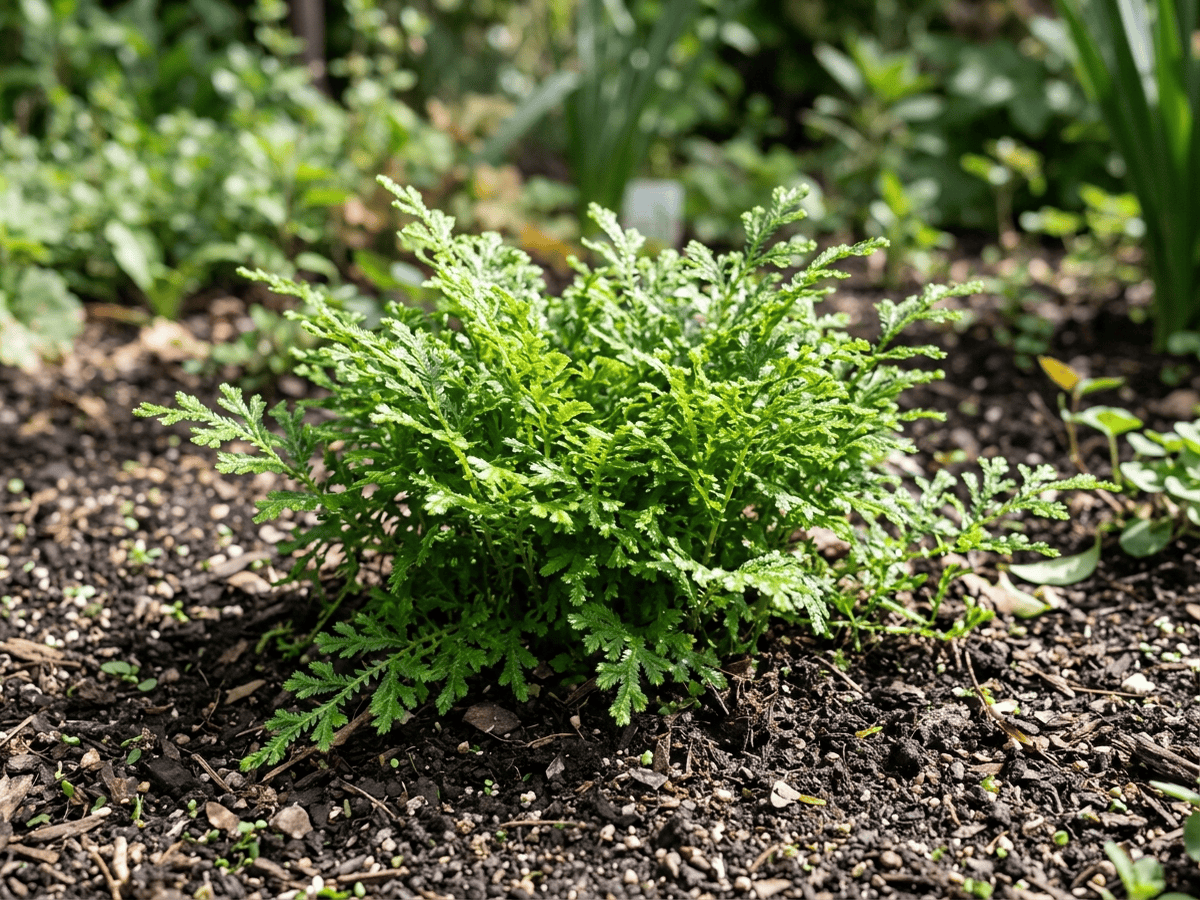 Krauss's ClubmossSelaginella kraussiana
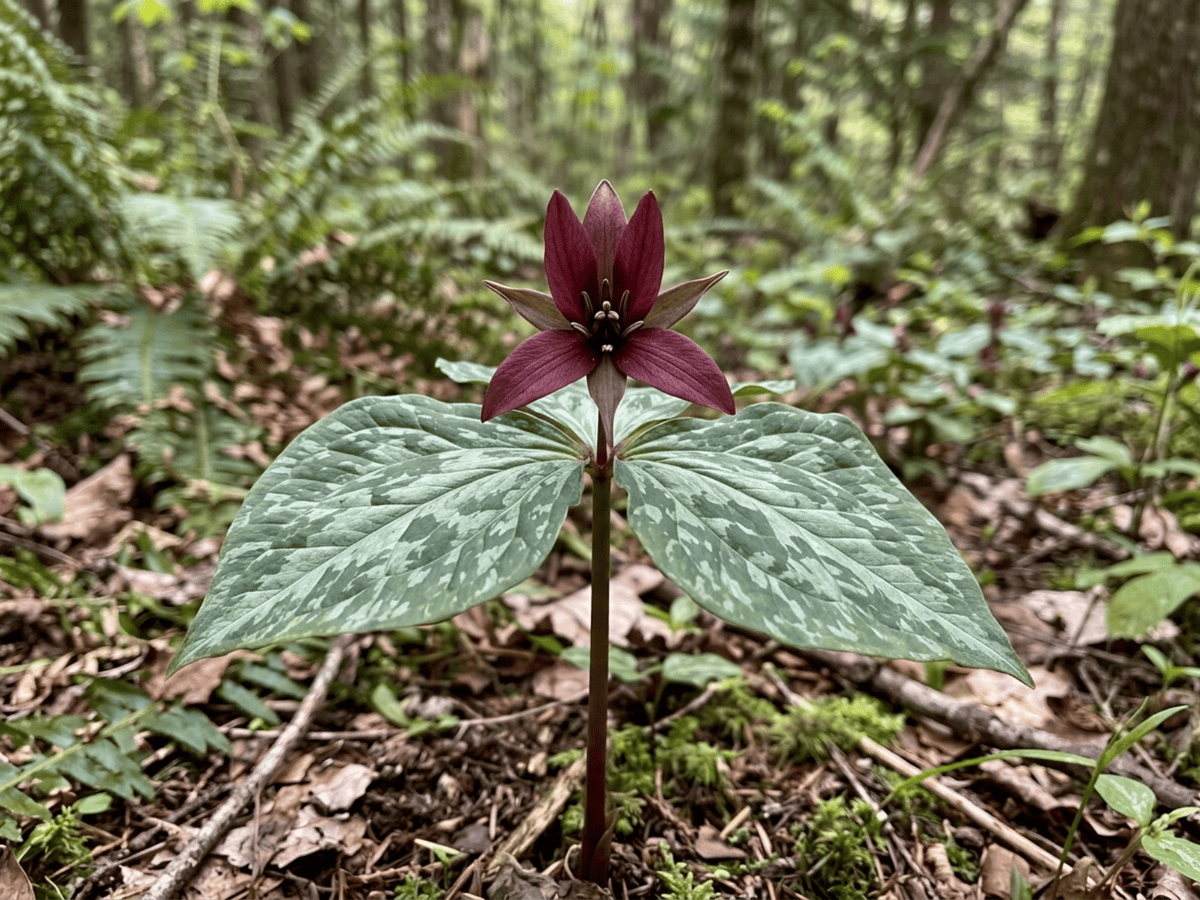 Little Sweet BetsyTrillium cuneatum
Frequently asked questions
How often should I water Deer Fern?
In summer, water about every 4 days; in winter, about every 14 days. Adjust for heat, pot size and drainage.
How much light does Deer Fern need?
Full shade: <2 hrs direct. Watch the leaves — scorching or stretching means the light needs adjusting.
Is Deer Fern toxic to cats or dogs?
Pets Not reported (Dogs Not reported · Cats Not reported) Educational information, not medical or veterinary advice. If exposure is suspected, contact a doctor or veterinarian.
Is Deer Fern easy to grow?
It is moderately demanding: a good choice once you have a little experience.
YardMate
Identify any plant in seconds
Snap a photo — YardMate names the plant, diagnoses problems, and reminds you when to water.
Download on the App Store