 YardMate

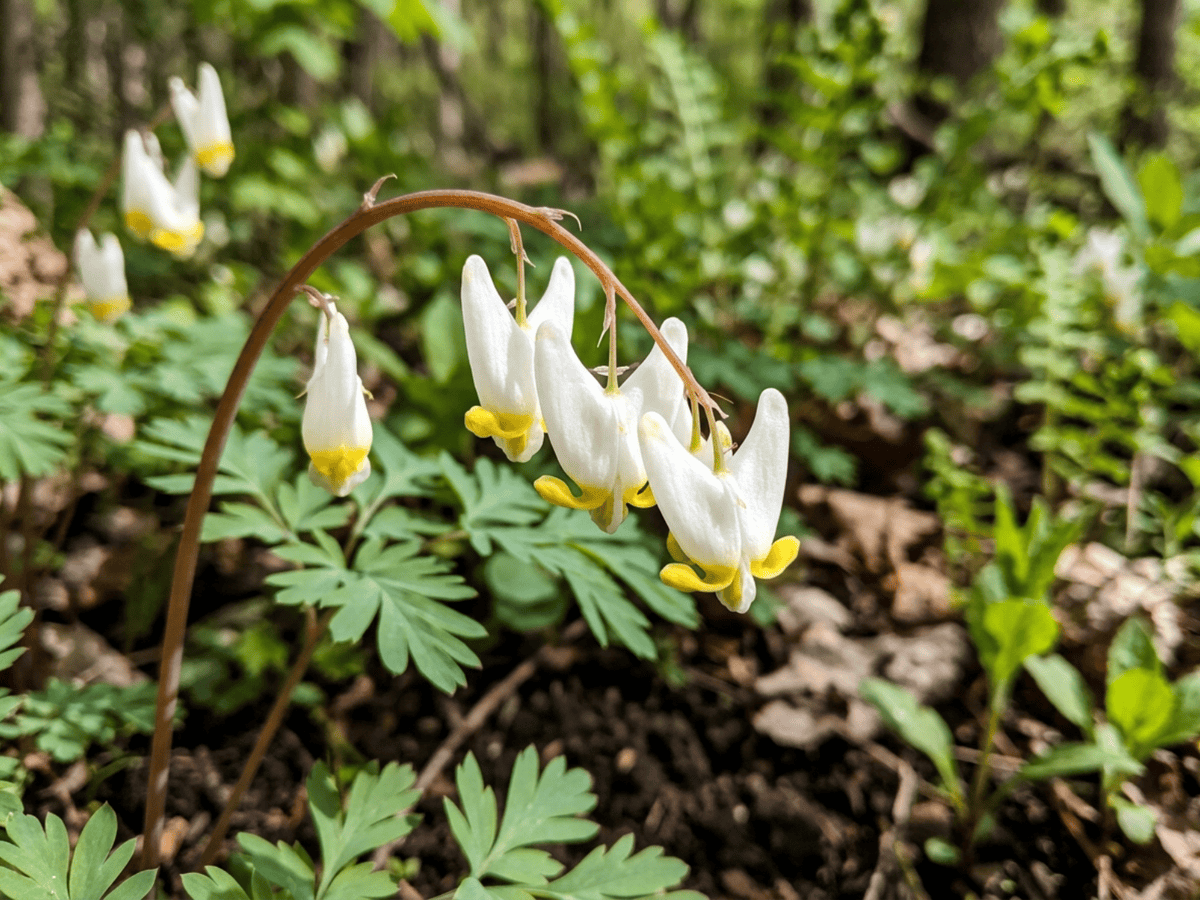

Dutchman's Breeches
Dicentra cucullaria
Medium · Some experienceAbout Dutchman's Breeches
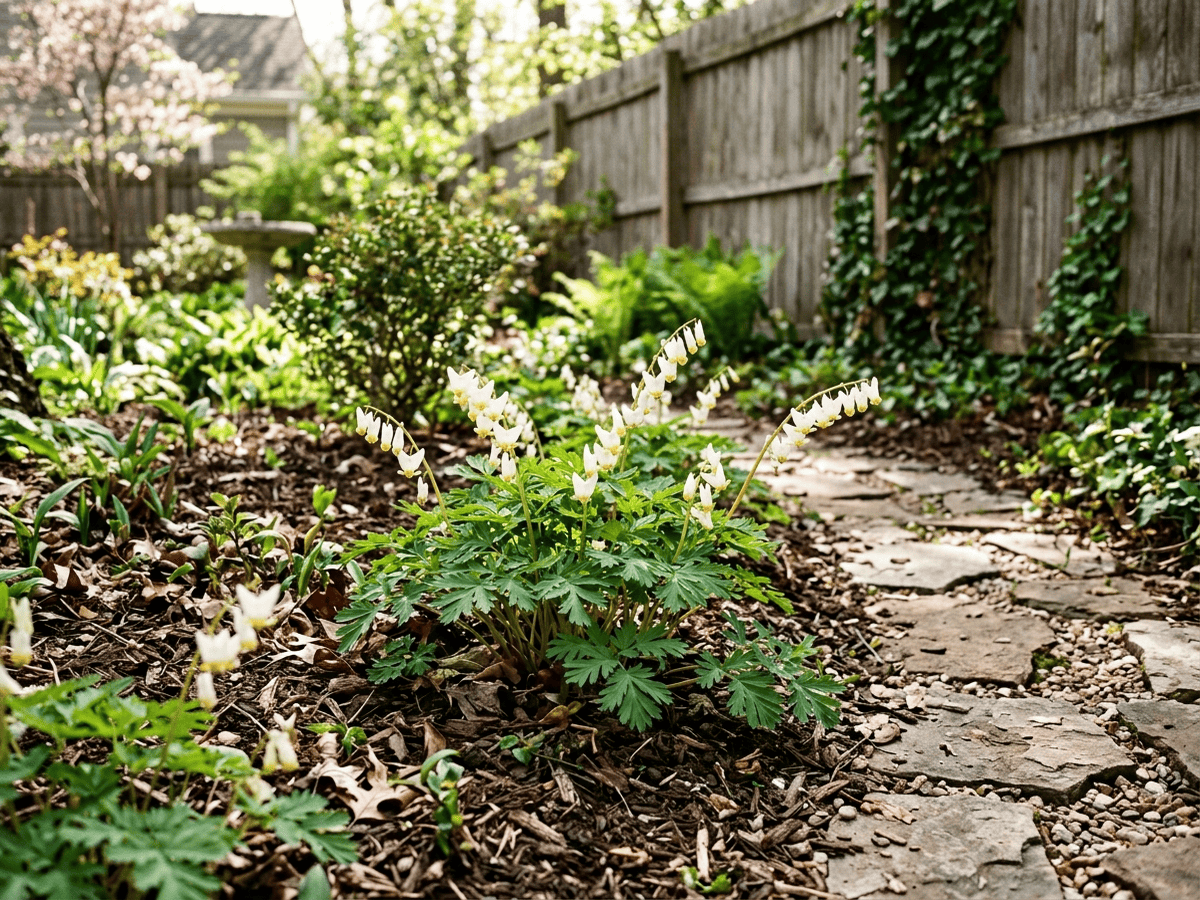
Dutchman's Breeches is a charming eastern North American spring ephemeral named for its distinctive white pantaloon-shaped flowers tipped with yellow, dangling from arching stems above finely cut blue-green foliage. Growing 6-12 inches tall, it emerges in early spring in rich deciduous woodlands and goes dormant by summer. A treasured native for shade and woodland gardens from the Appalachians to the Great Lakes.
- Shade-tolerant
- Deer-resistant
- Native
- Pollinator-friendly
How to care for Dutchman's Breeches
Watering
- Springevery 4 days
- Summerpause watering
- Fallevery 7 days
- Winterpause watering
Soil · Well-draining
- Top dressingPine bark mulch10%
- Main mixPotting soil + perlite 2:170%
- DrainageLECA / gravel20%
Never skip the drainage layer — standing water is the top cause of root rot.
FERTILIZER
Balanced Feed 14-14-14
An even feed covers all three needs at once, keeping leaves, roots and blooms moving together with nothing pushed out of balance.
- Nitrogen · Leaves
- Phosphorus · Roots + Blooms
- Potassium · Strength
- Springevery 30 days
At a Glance
- NativeNorth America
- Height0.5–1 ft (0.2–0.3 m)
- Spread0.5–1 ft (0.2–0.3 m)
- Flower colorWhite
- Foliage colorGreen, Blue-green
- SoilLoamy, Moisture-retentive, Rich
- LocationsYard
Bloom time
BLOOM CYCLE
Peak bloom
Apr–May
White pantaloon flowers April to May
Toxicity
Humans Moderate · Pets Moderate
isoquinoline alkaloids and cularine
Moderate
- All
- Contact
- Ingestion
EXPOSURE Touching any part of the plant. Eating any part of the plant.
EFFECT Dermatitis, tremors, and cattle neurotoxicity.
NOTE Documented concern for humans: Dermatitis, tremors, and cattle neurotoxicity.
Moderate
- All
- Ingestion
EXPOSURE Eating any part of the plant.
EFFECT Tremors and seizures.
NOTE Known to cause livestock poisoning called little blue staggers; ASPCA-listed toxic.
Moderate
- All
- Ingestion
EXPOSURE Eating any part of the plant.
EFFECT Tremors and seizures.
NOTE Known to cause livestock poisoning called little blue staggers; ASPCA-listed toxic.
Educational information, not medical or veterinary advice. If exposure is suspected, contact a doctor or veterinarian.
DISTRIBUTION


- Native
- North America
History
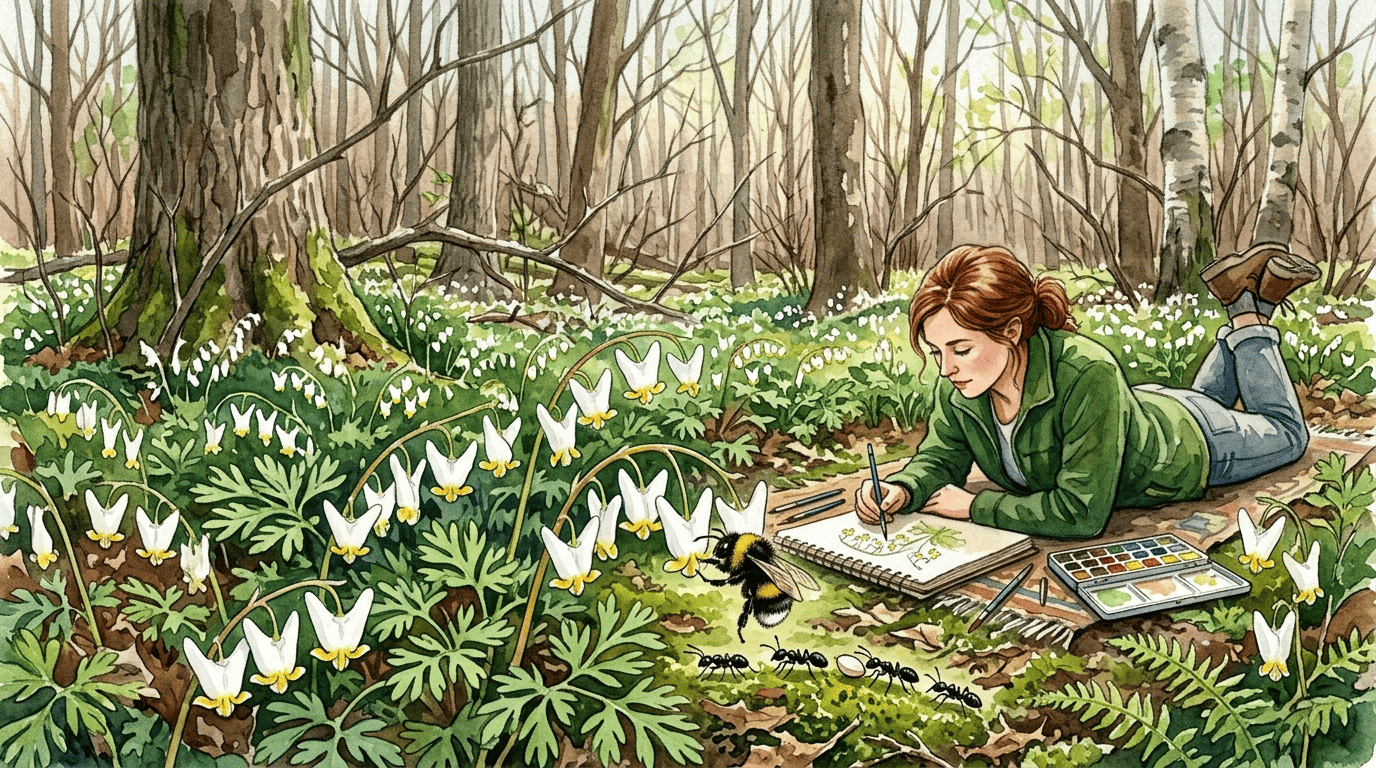
Dicentra cucullaria grows in rich deciduous forests across eastern North America from Nova Scotia to Georgia and west to the Great Plains, with disjunct populations in the Pacific Northwest. Linnaeus first described it as Fumaria cucullaria in 1753; it was transferred to Dicentra by De Candolle in 1821. The flowers' unique inverted pantaloon shape—two white spurs above a yellow-tipped inner corolla—inspired the common name Dutchman's breeches and fascinated botanists including Asa Gray.
Like many spring ephemerals it emerges from small tuberous corms in early spring, blooms with ephemeral forest flora including trout lily and bloodroot, then dies back by early summer as the tree canopy closes. Ants disperse the elaiosome-bearing seeds. It remains challenging to establish in gardens, requiring undisturbed woodland conditions.
A classic spring ephemeral of eastern hardwood forests, where it carpets the forest floor before trees leaf out. Pollinated primarily by queen bumblebees emerging from winter. Traditional Cherokee and Iroquois medicine used it cautiously for skin and blood ailments. Goes dormant by June to escape summer shade.
Symbolism & meaning
What It Symbolizes
Dutchman's Breeches expresses innocence, its pure white pantaloon-shaped blooms hung along arching stems above lacy spring foliage. Yet its presence is a study in ephemeral beauty — the entire plant emerges, blooms, and retreats underground within a few short weeks, cherished annually precisely because it cannot be held. A spring ephemeral teaching brevity through grace.
- Innocence — pure white blooms of early spring
- Ephemeral Beauty — brief springtime presence cherished annually
Where the Name Comes From
'Cucullaria' means 'hooded', referring to the flower shape; common name reflects the resemblance to upside-down Dutch trousers.
Uses & Fun Facts
- Pantaloon flowers pollinated by long-tongued queen bumblebees
- Spring ephemeral wildflower naturalizing in rich woodland soils
Related plants
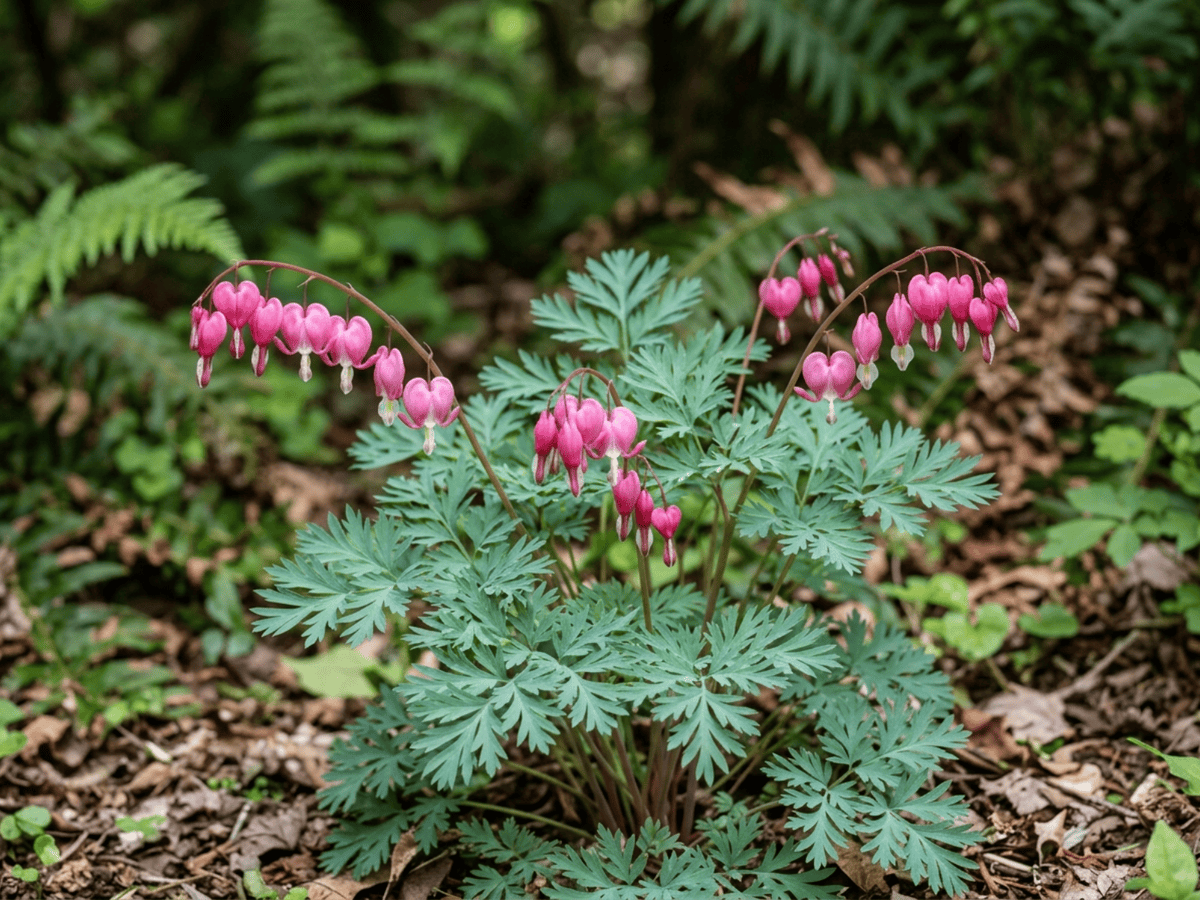
More Dicentra plants
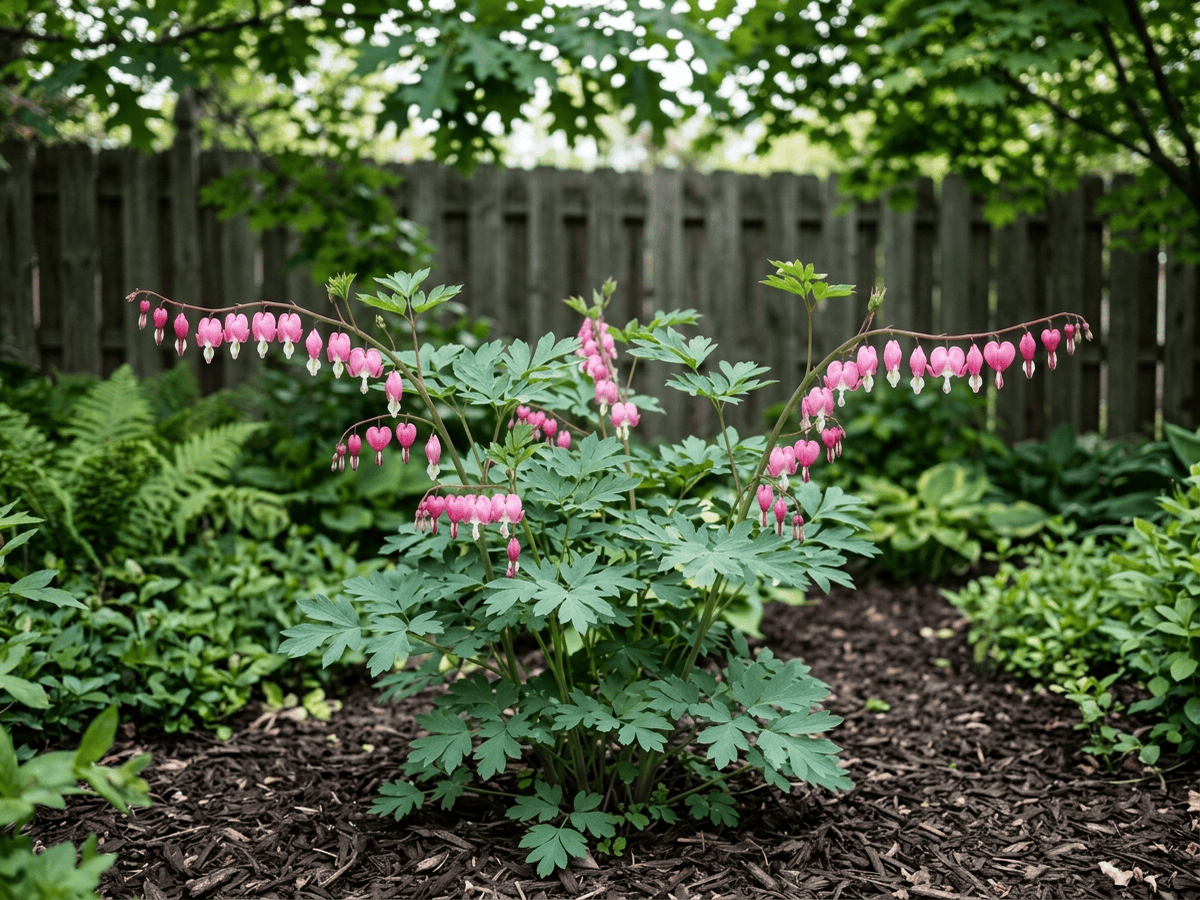
Plants with similar care
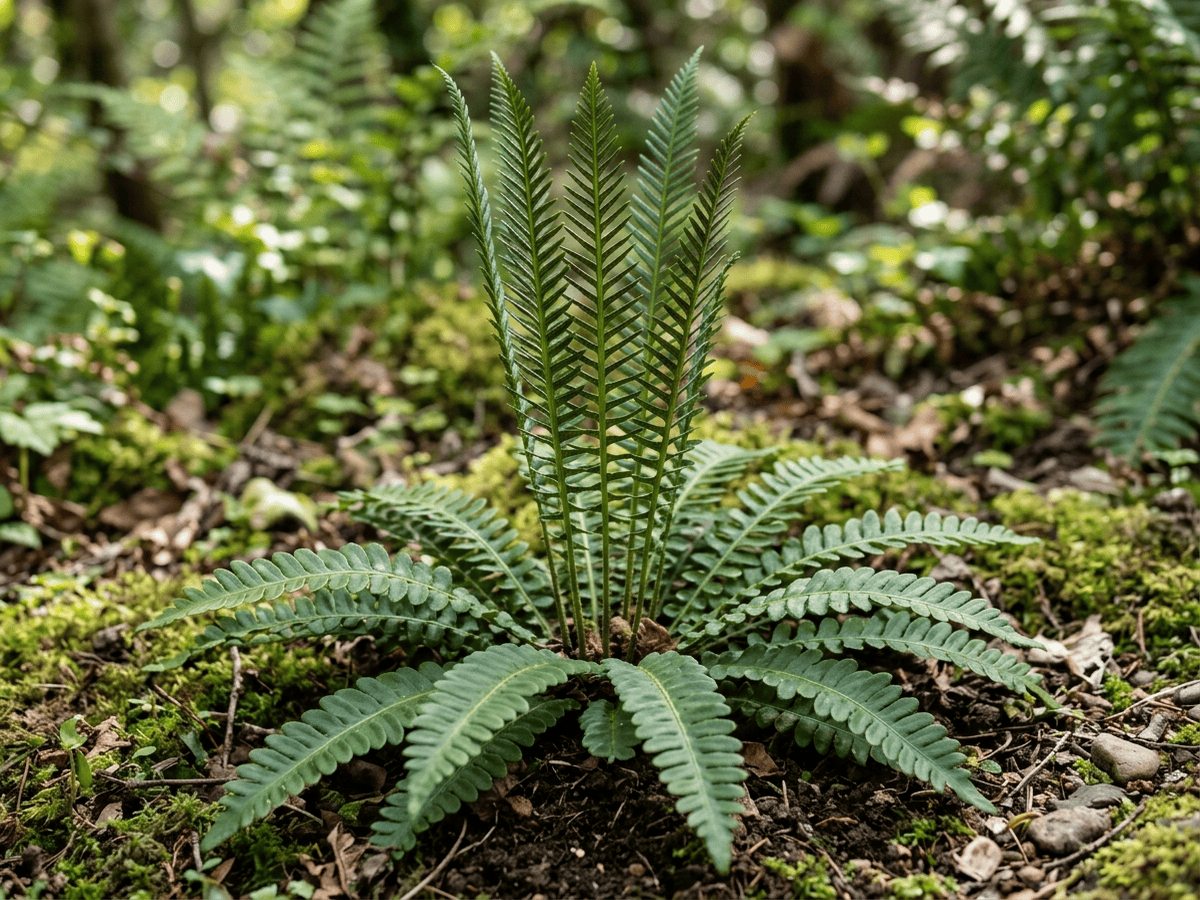 Deer FernBlechnum spicant
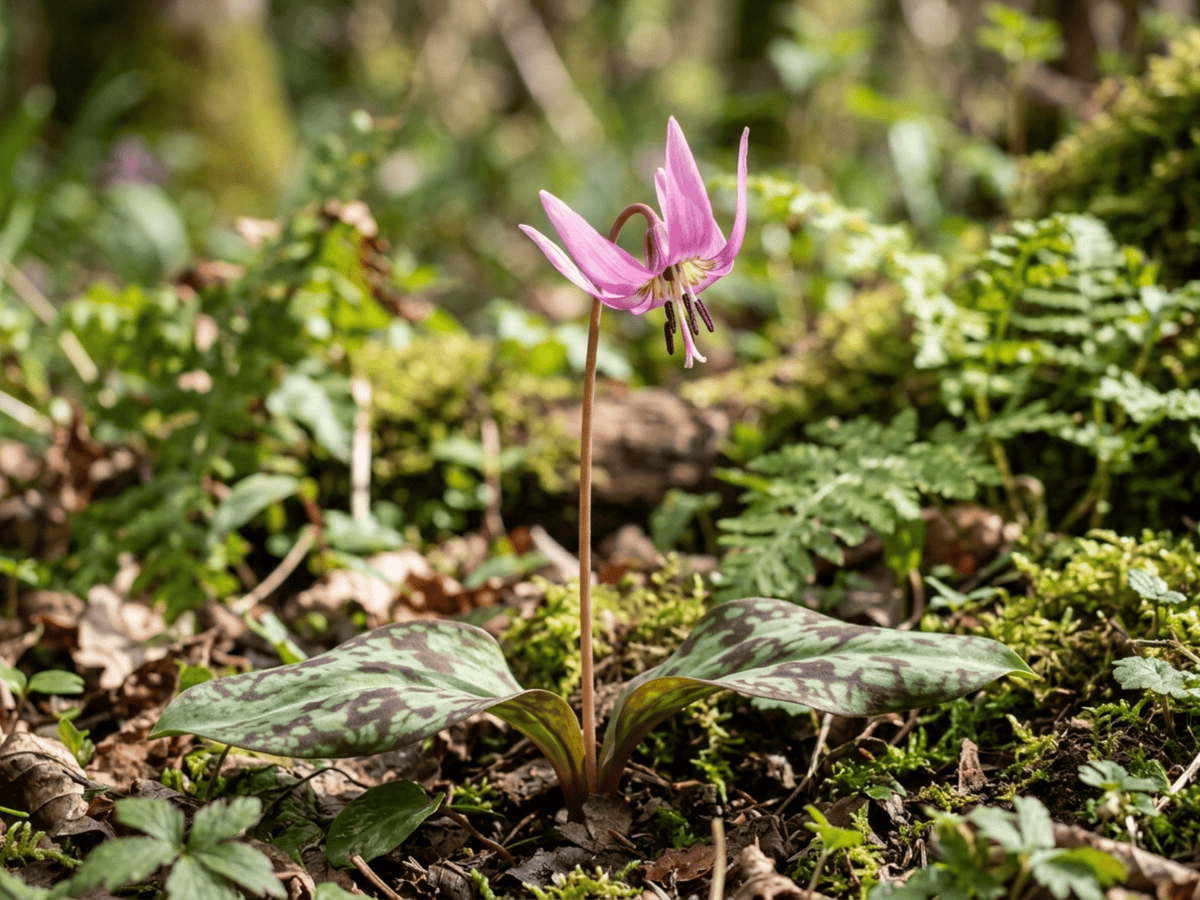 Dog's-Tooth-VioletErythronium dens-canis
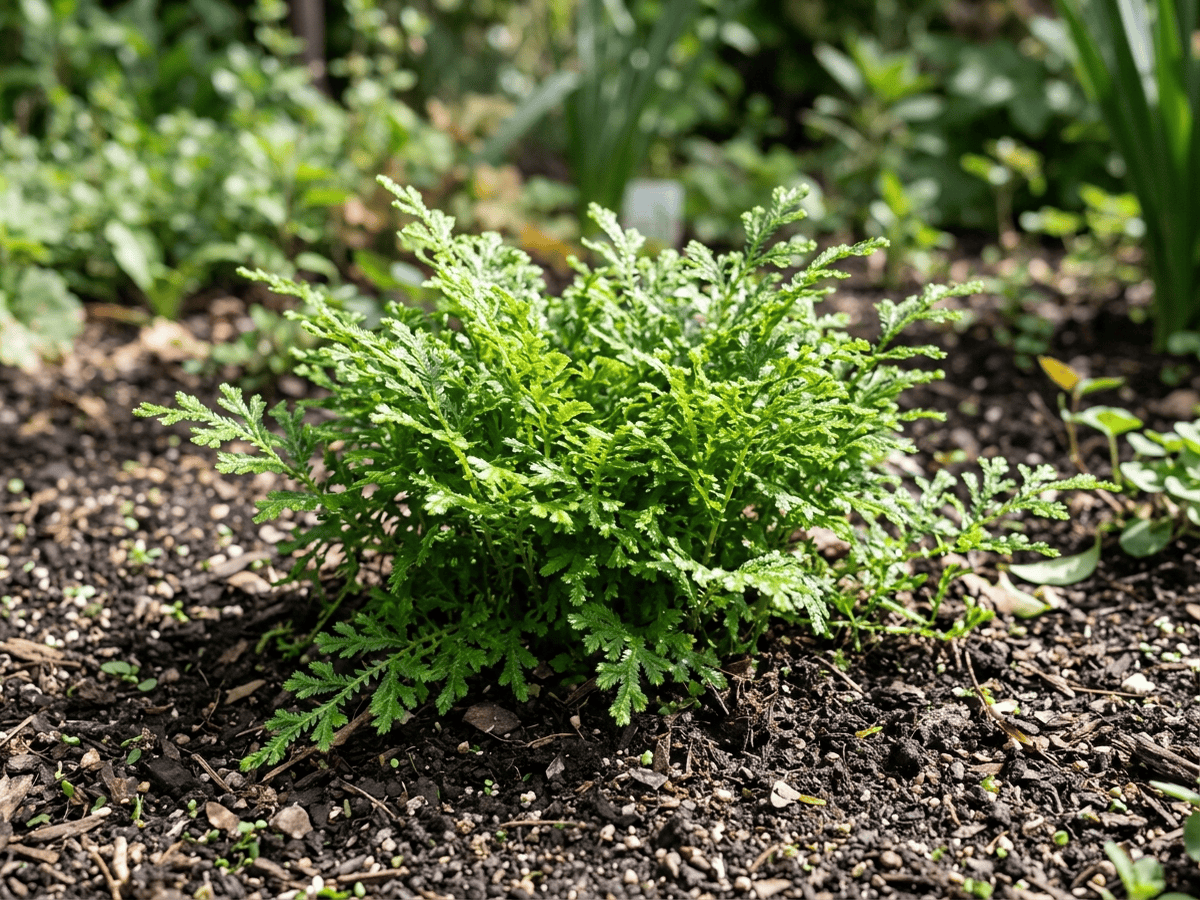 Krauss's ClubmossSelaginella kraussiana
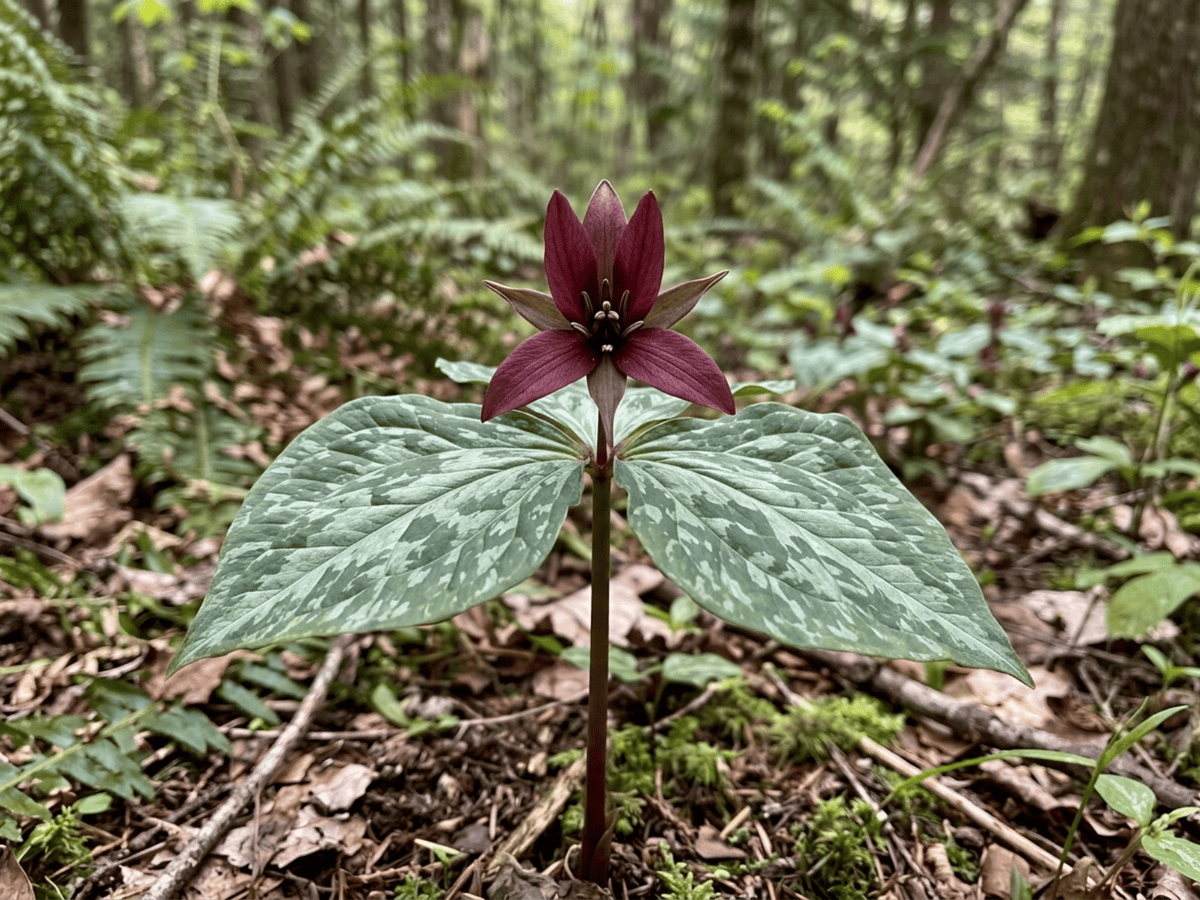 Little Sweet BetsyTrillium cuneatum
Frequently asked questions
How often should I water Dutchman's Breeches?
Water about every 4 days during the growing season, and always let excess water drain away.
How much light does Dutchman's Breeches need?
Full shade: <2 hrs direct. Watch the leaves — scorching or stretching means the light needs adjusting.
Is Dutchman's Breeches toxic to cats or dogs?
Pets Moderate (Dogs Moderate · Cats Moderate) Educational information, not medical or veterinary advice. If exposure is suspected, contact a doctor or veterinarian.
Is Dutchman's Breeches easy to grow?
It is moderately demanding: a good choice once you have a little experience.
When does Dutchman's Breeches bloom?
It typically blooms Apr–May in the Northern Hemisphere.
YardMate
Identify any plant in seconds
Snap a photo — YardMate names the plant, diagnoses problems, and reminds you when to water.
Download on the App Store