 YardMate


Little Sweet Betsy
Trillium cuneatum
Medium · Some experienceAbout Little Sweet Betsy
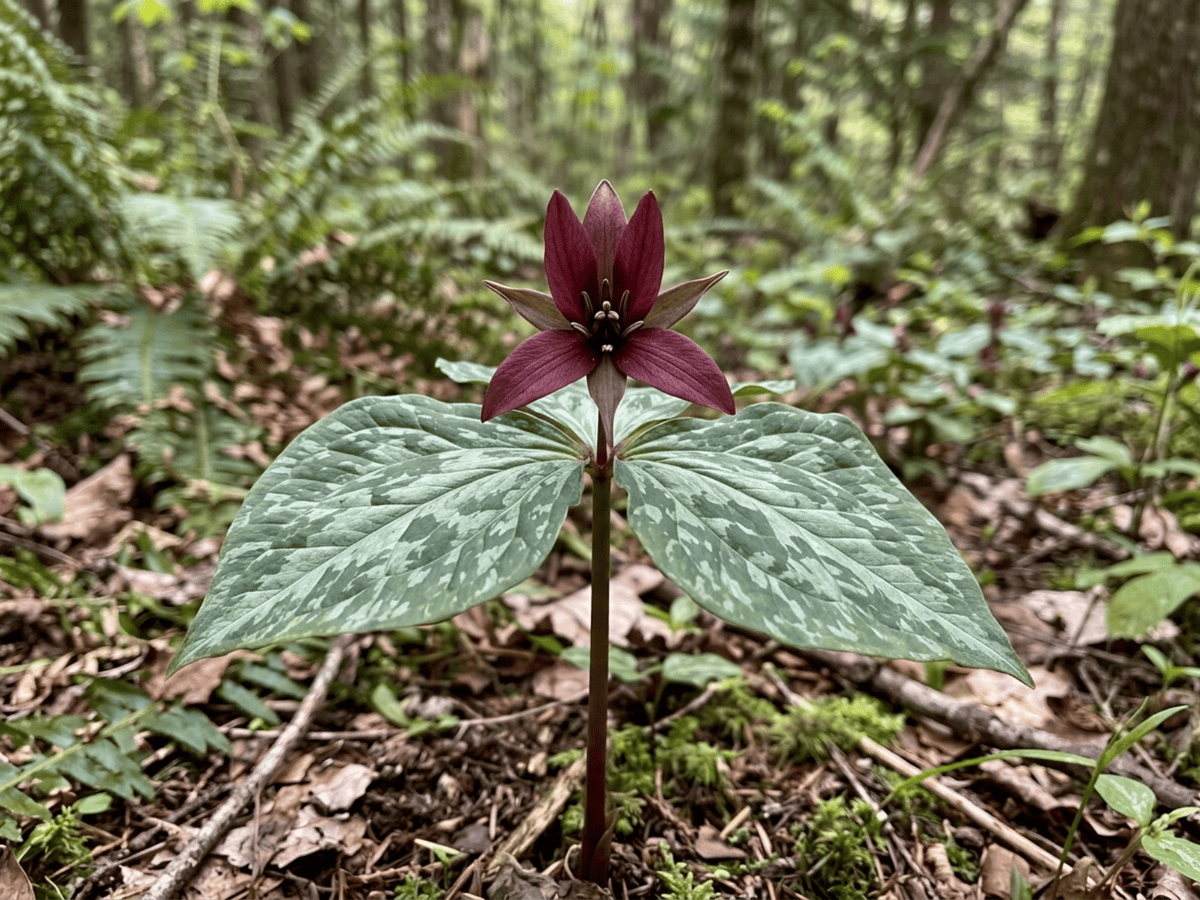
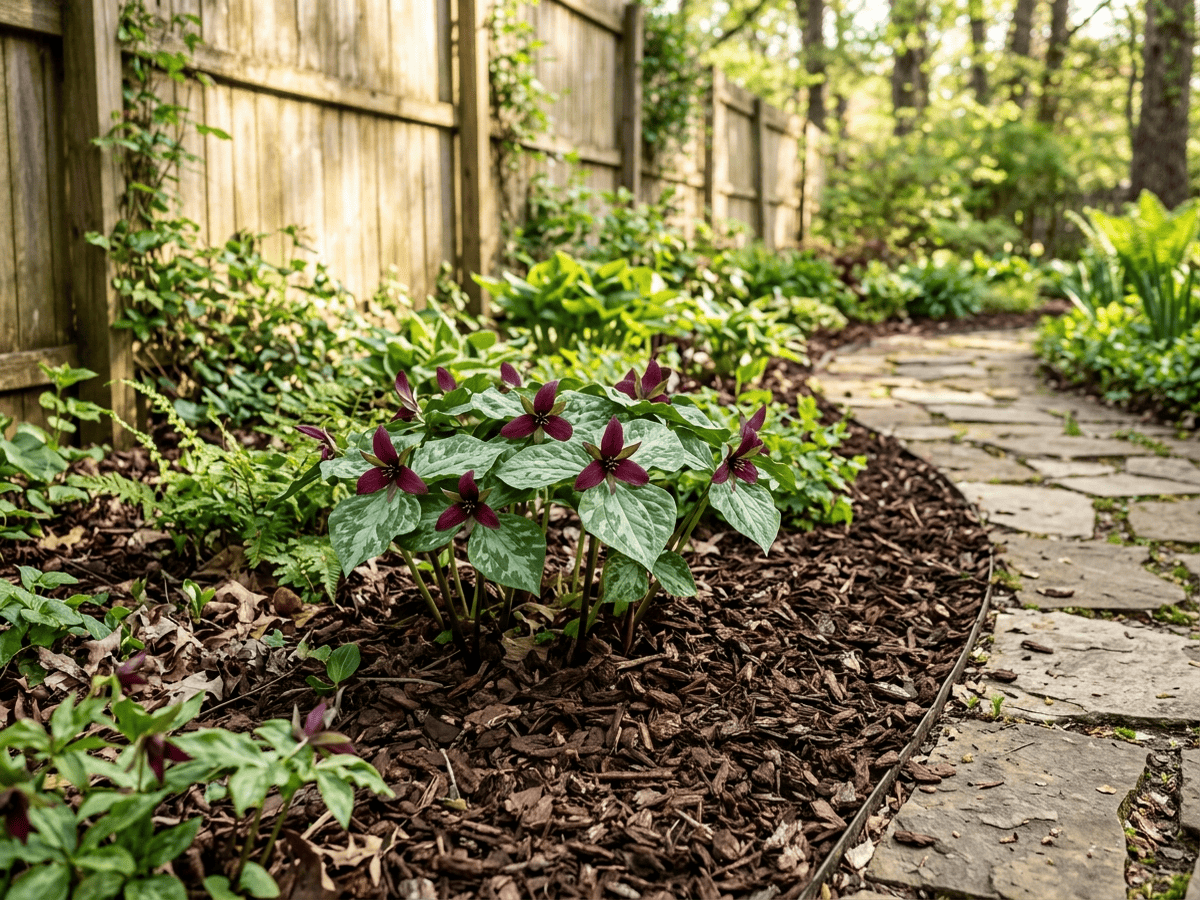
Sweet Betsy Trillium or Toadshade is a native Southeastern American wildflower producing striking whorls of three mottled leaves topped by a single upright maroon flower with a faint sweet scent. Growing 10-16 inches tall, it blooms in early to mid spring. Native from the Appalachians south to Alabama and Georgia, it is a cornerstone of Southeastern shade and woodland gardens, beloved for its bold leaf patterning.
- Fragrant
- Shade-tolerant
- Deer-resistant
- Native
How to care for Little Sweet Betsy
Watering
- Springevery 4 days
- Summerpause watering
- Fallevery 7 days
- Winterpause watering
Soil · Well-draining
- Top dressingPine bark mulch10%
- Main mixPotting soil + perlite 2:170%
- DrainageLECA / gravel20%
Never skip the drainage layer — standing water is the top cause of root rot.
FERTILIZER
Balanced Feed 14-14-14
An even feed covers all three needs at once, keeping leaves, roots and blooms moving together with nothing pushed out of balance.
- Nitrogen · Leaves
- Phosphorus · Roots + Blooms
- Potassium · Strength
- Springevery 30 days
At a Glance
- NativeNorth America
- Height1–1.5 ft (0.3–0.5 m)
- Spread1–1.5 ft (0.3–0.5 m)
- Flower colorBurgundy, Purple, Yellow, Green
- Foliage colorGreen, Variegated
- SoilRich, Loamy, Well-drained
- LocationsYard
Bloom time
BLOOM CYCLE
Peak bloom
Mar–Apr
Upright maroon flowers March to April
Fragrance
LIGHT FRAGRANCE
The flowers have a spicy, fruity scent.
Toxicity
Humans Slight · Pets Slight
trillin and saponins
Slight
- Rhizome
- Ingestion
EXPOSURE Eating rhizome.
EFFECT Emetic, mild GI.
NOTE Historically used medicinally; mild toxicity. Protected in some states; do not dig wild.
Slight
- Rhizome
- Ingestion
EXPOSURE Eating rhizome.
EFFECT Mild vomiting.
NOTE Historically used medicinally; mild toxicity. Protected in some states; do not dig wild.
Slight
- Rhizome
- Ingestion
EXPOSURE Eating rhizome.
EFFECT Mild vomiting.
NOTE Historically used medicinally; mild toxicity. Protected in some states; do not dig wild.
Educational information, not medical or veterinary advice. If exposure is suspected, contact a doctor or veterinarian.
DISTRIBUTION


- Native
- Introduced
- North America
History
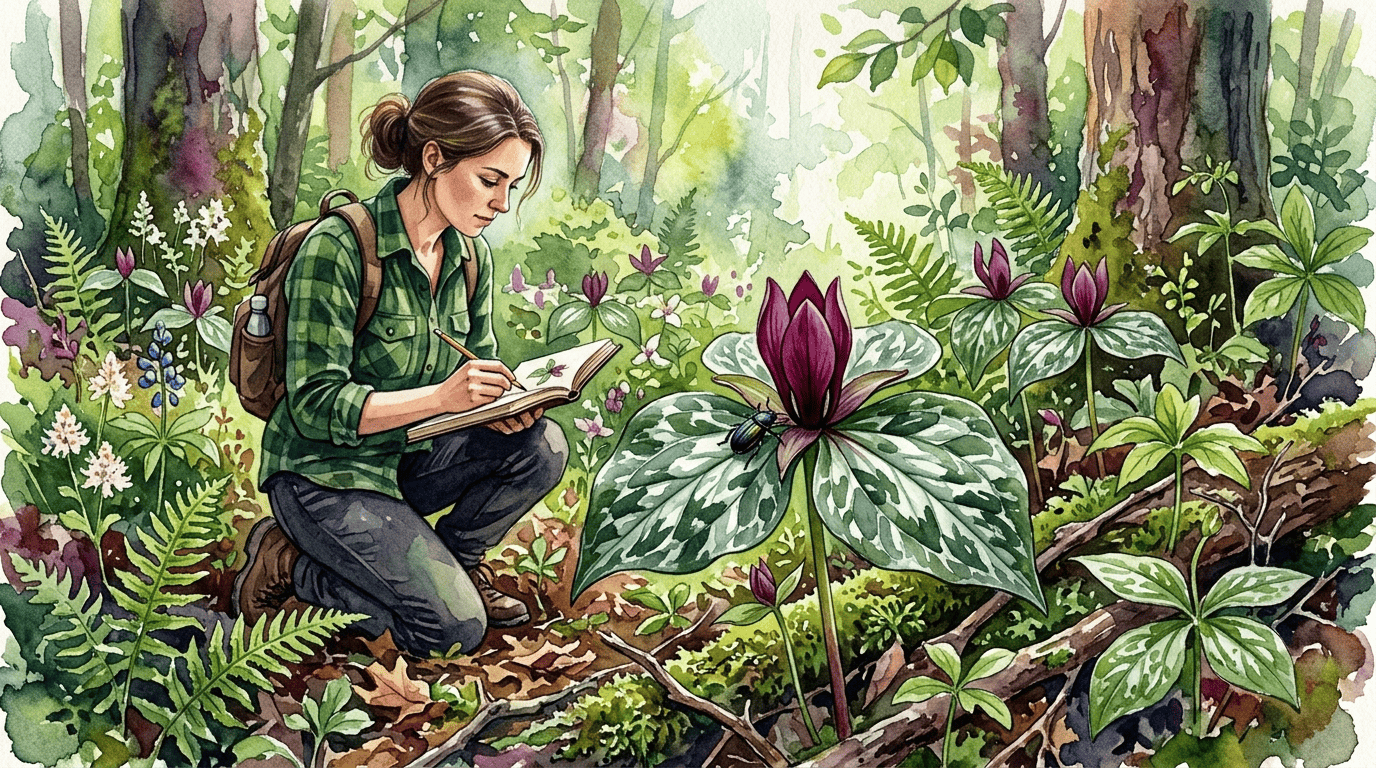
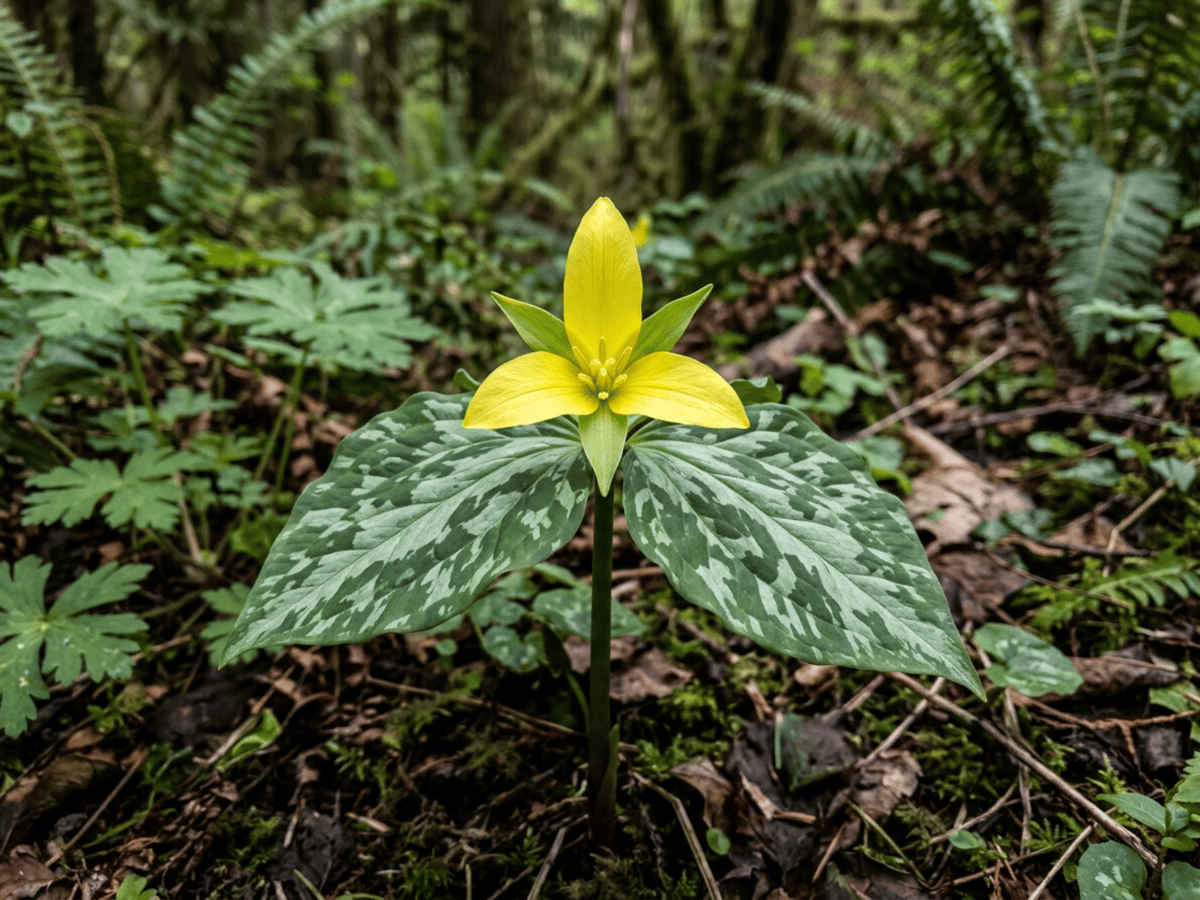
Trillium cuneatum is the most common sessile trillium of the southeastern United States, ranging primarily through Tennessee, northern Georgia, Alabama, Kentucky, and the Carolinas. French-Sicilian-American polymath Constantine Samuel Rafinesque-Schmaltz named it in 1840; his prolific but often inconsistent taxonomic output meant the name was sometimes disputed before being confirmed. Among sessile trilliums, the flower sits directly atop the leaf whorl without a pedicel and the petals are typically deep maroon-purple, though yellow and greenish forms occur.
The leaves show striking marbled silver-and-dark-green mottling. Indigenous peoples including the Cherokee used trilliums as a wakerobin folk remedy for birthing complications. Native plant enthusiasts including Fred and Roberta Case wrote definitive works establishing modern trillium garden culture.
Native to rich mesic forests of the Southern Appalachians and Piedmont. Pollinated primarily by beetles and flies attracted to its slightly musty scent. Slow-growing but extraordinarily long-lived—some garden clumps persist for 50+ years. A signature species of Southern heritage gardens from Virginia to Alabama.
Symbolism & meaning
What It Symbolizes
Little Sweet Betsy evokes enduring love — once established in a single shaded spot, it can persist for decades, returning year after patient year. Its mottled leaves and dark-red sessile flowers carry a quiet Southeastern heritage, beloved in old gardens and rich woodlands across the region. Its meaning is faithful constancy at ground level, a wildflower whose long memory of place rivals the trees above it.
- Enduring Love — long-lived in one garden spot
- Heritage — beloved Southeastern native
Where the Name Comes From
The name Little Sweet Betsy describes its sweet scent or flavor. 'Trillium' means 'in threes', referring to the whorled leaves and three-petaled flowers; 'cuneatum' means 'wedge-shaped'.
Uses & Fun Facts
- Maroon flowers release subtle banana-like spring scent
- Mottled foliage and sessile flowers naturalize in rich woodland
- Cherished native wildflower for shaded native gardens
Related plants
More Trillium plants
Plants with similar care
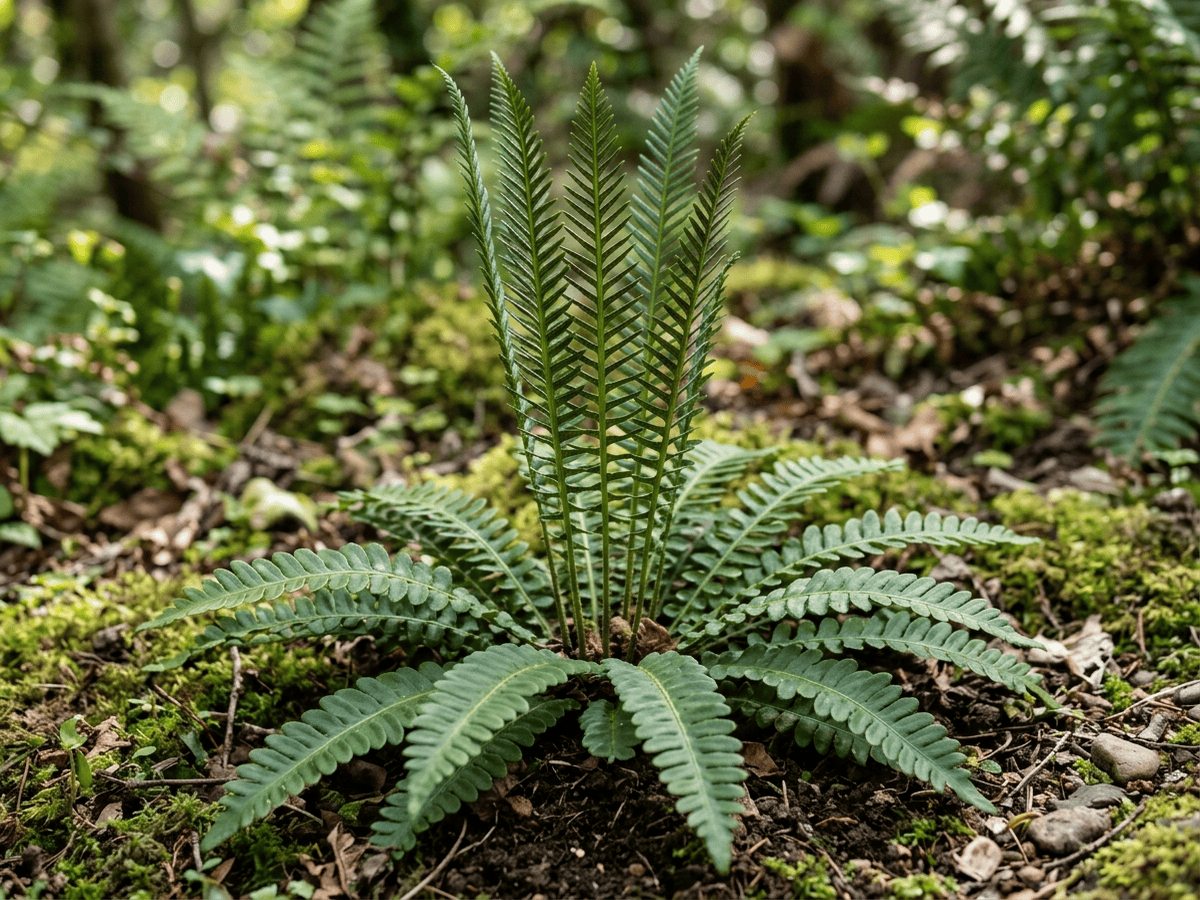 Deer FernBlechnum spicant
 Dutchman's BreechesDicentra cucullaria
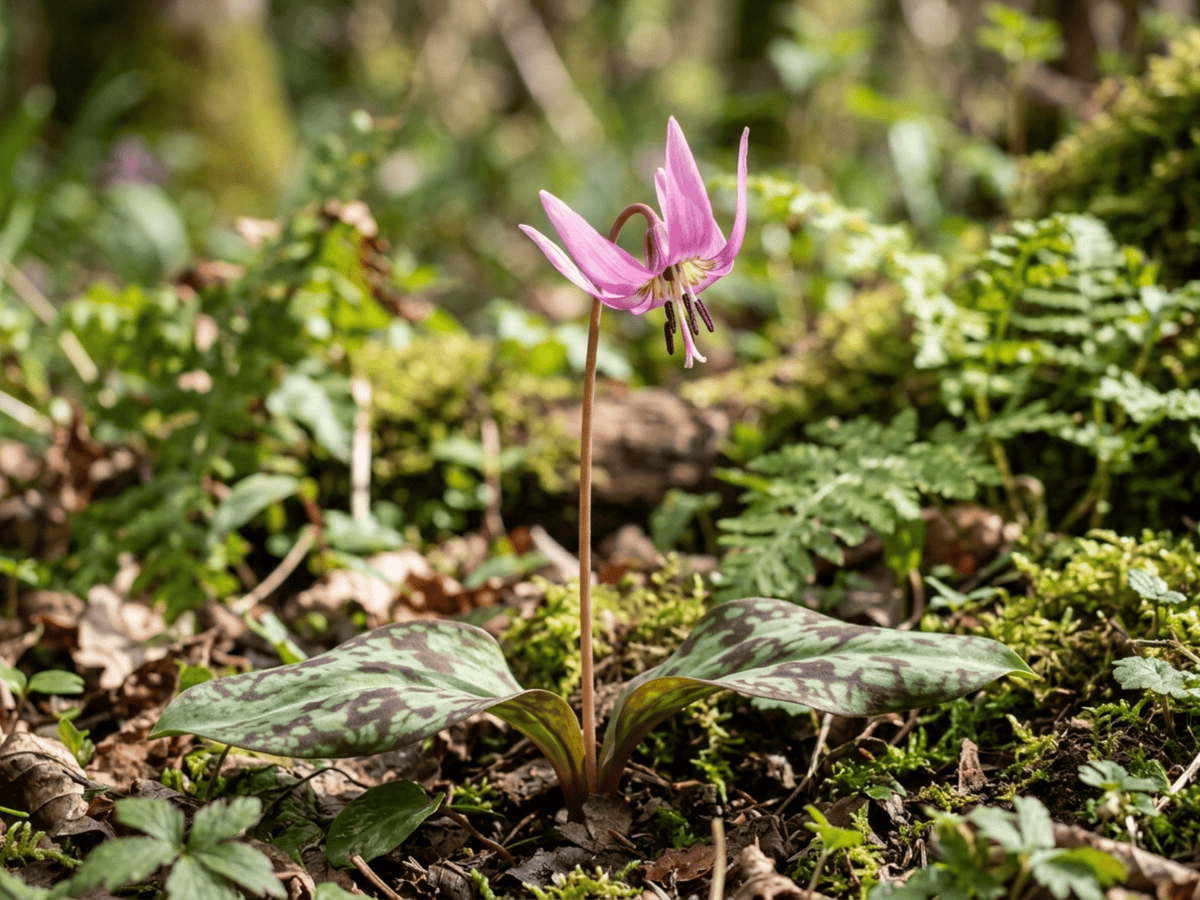 Dog's-Tooth-VioletErythronium dens-canis
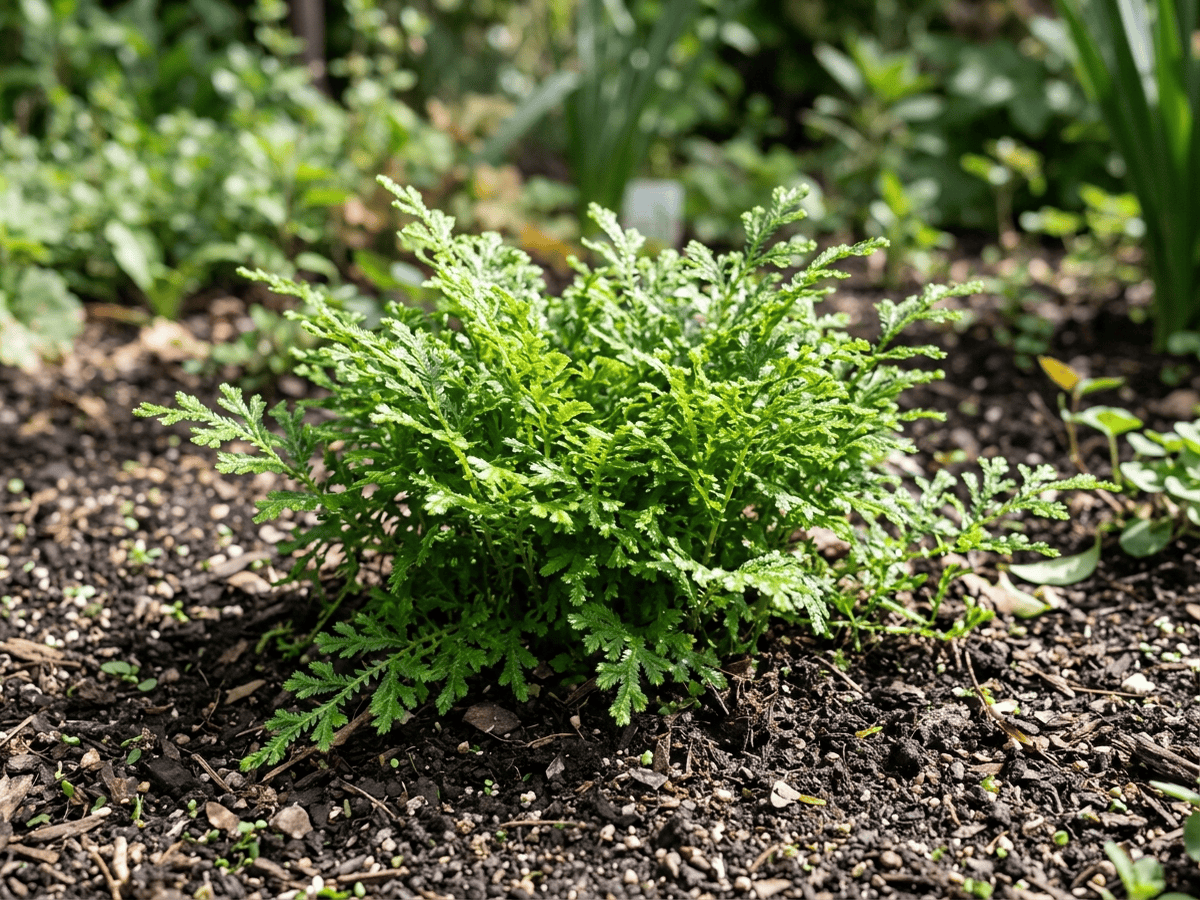 Krauss's ClubmossSelaginella kraussiana
Frequently asked questions
How often should I water Little Sweet Betsy?
Water about every 4 days during the growing season, and always let excess water drain away.
How much light does Little Sweet Betsy need?
Full shade: <2 hrs direct. Watch the leaves — scorching or stretching means the light needs adjusting.
Is Little Sweet Betsy toxic to cats or dogs?
Pets Slight (Dogs Slight · Cats Slight) Educational information, not medical or veterinary advice. If exposure is suspected, contact a doctor or veterinarian.
Is Little Sweet Betsy easy to grow?
It is moderately demanding: a good choice once you have a little experience.
When does Little Sweet Betsy bloom?
It typically blooms Mar–Apr in the Northern Hemisphere.
YardMate
Identify any plant in seconds
Snap a photo — YardMate names the plant, diagnoses problems, and reminds you when to water.
Download on the App Store