 YardMate

Dog's-Tooth-Violet
Erythronium dens-canis
Medium · Some experienceAbout Dog's-Tooth-Violet
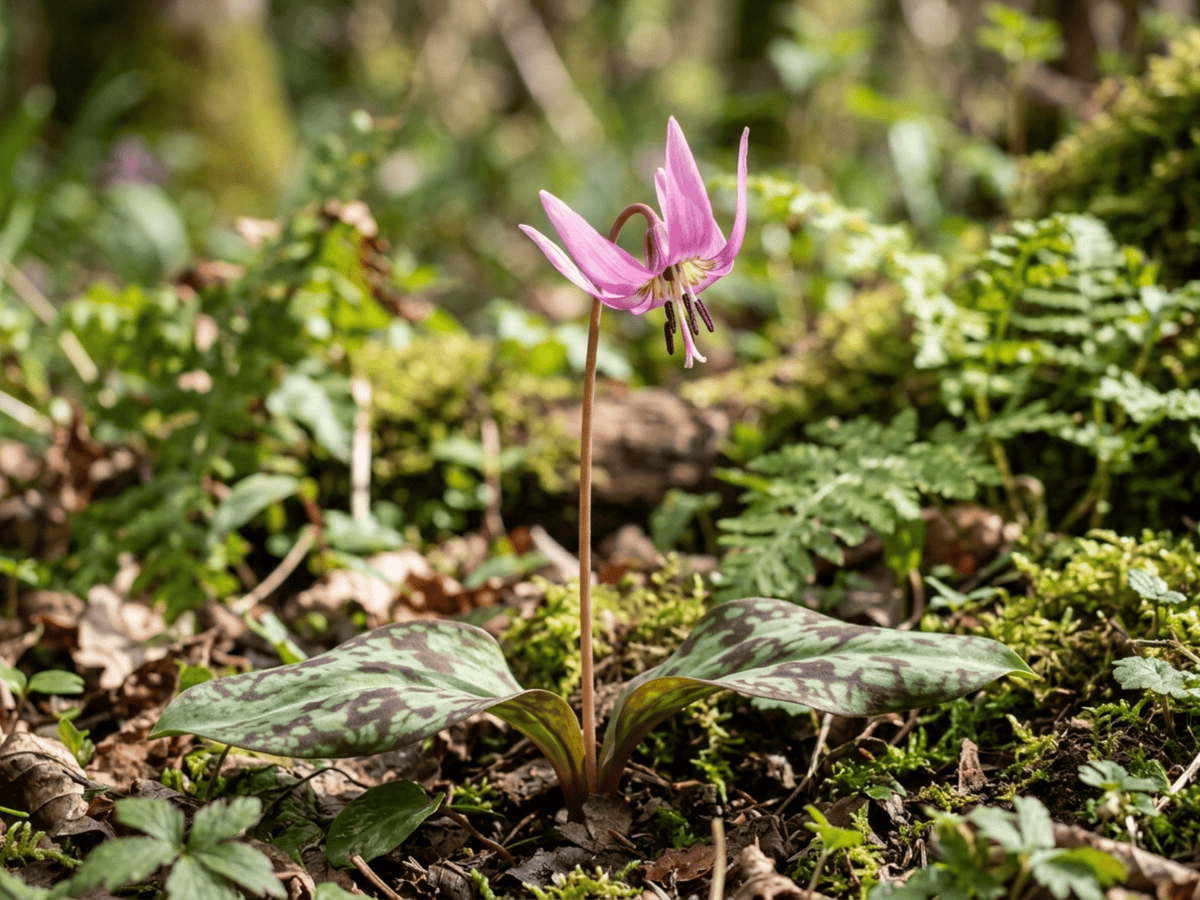
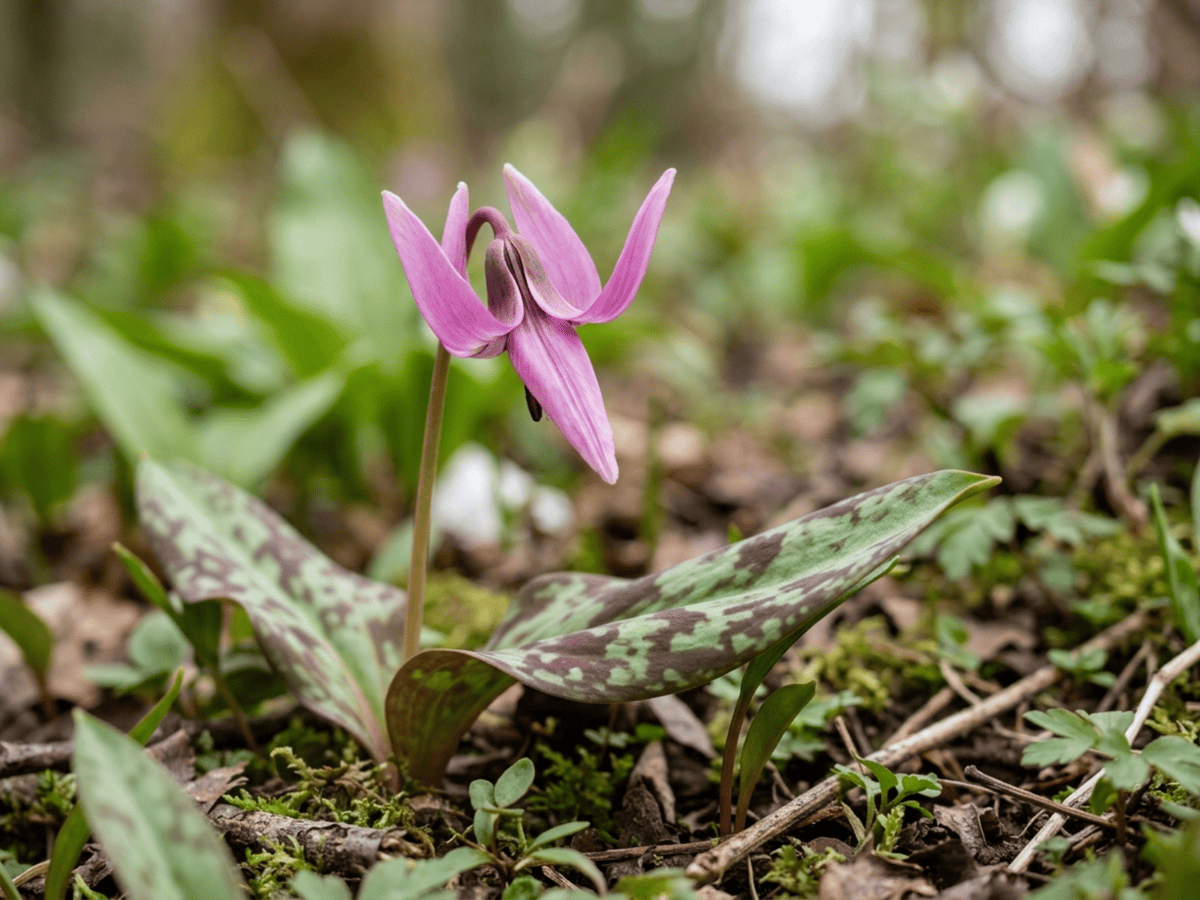
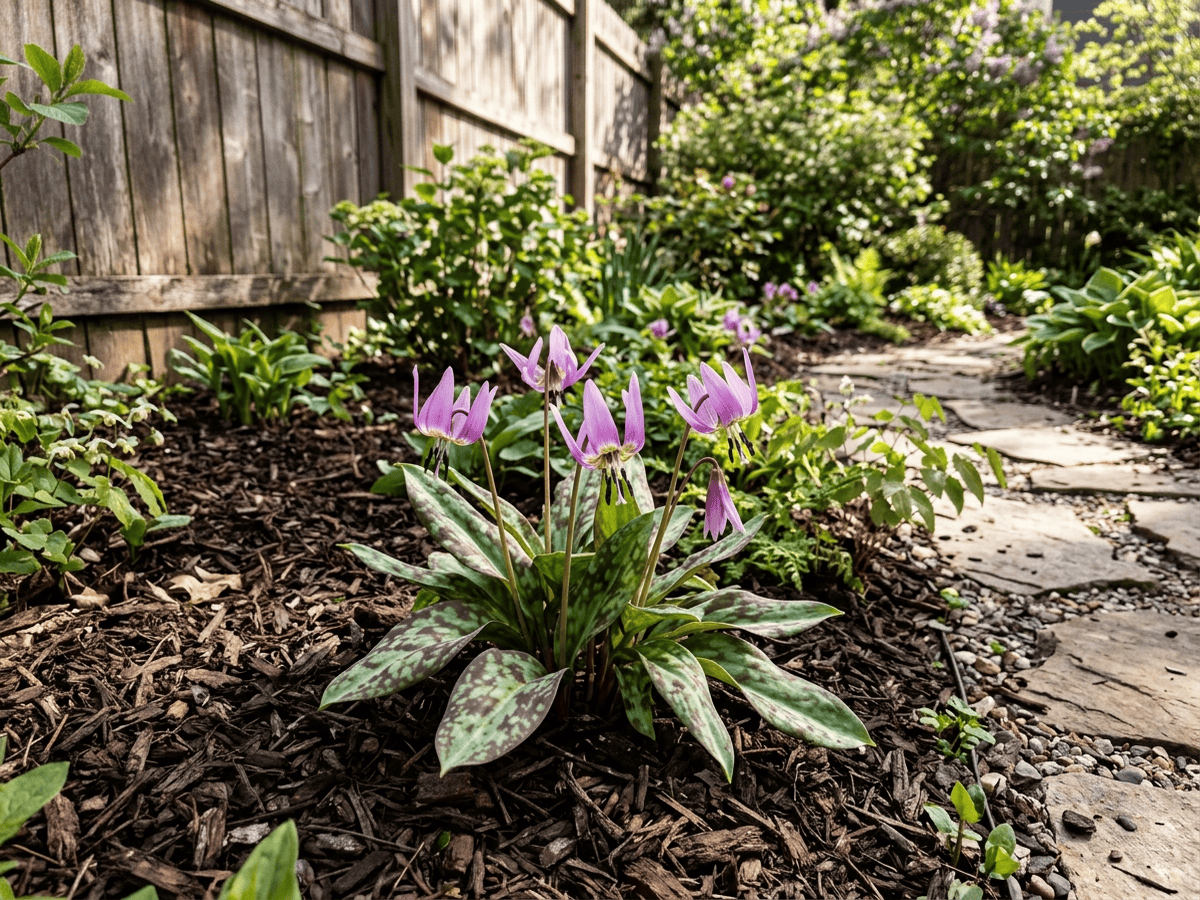
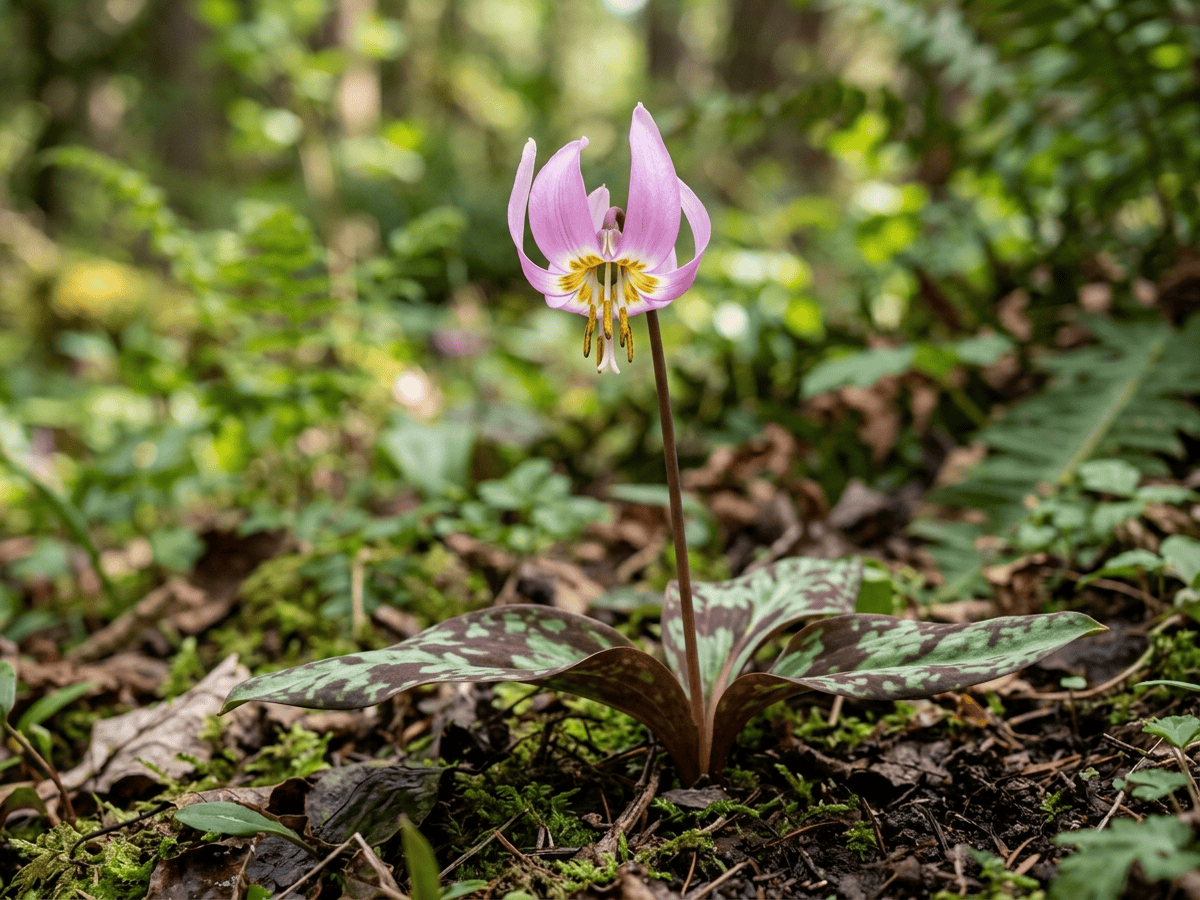
Dog's Tooth Violet is a European native trout lily with beautifully marbled brown-and-green leaves and nodding pink, white, or lilac flowers with recurved petals on slender stems. Growing just 4-8 inches tall, it blooms in early spring in deciduous woodlands. Named for the unique fang-like shape of its bulb, it is a treasured spring ephemeral for American rock gardens and woodland edges in USDA zones 3-8.
- Cold-hardy
- Shade-tolerant
- Deer-resistant
- Pollinator-friendly
How to care for Dog's-Tooth-Violet
Watering
- Springevery 4 days
- Summerpause watering
- Fallevery 7 days
- Winterpause watering
Soil · Well-draining
- Main mixLoam + coarse sand 3:175%
- DrainageGravel25%
Sharp drainage matters most — bulbs rot in wet soil while dormant.
FERTILIZER
Balanced Feed 14-14-14
An even feed covers all three needs at once, keeping leaves, roots and blooms moving together with nothing pushed out of balance.
- Nitrogen · Leaves
- Phosphorus · Roots + Blooms
- Potassium · Strength
- Springevery 30 days
- Fallevery 60 days
At a Glance
- NativeEurope
- Height0.5 ft (0.2 m)
- Spread0.5 ft (0.2 m)
- Flower colorPink, Purple, White
- Foliage colorGreen, Variegated, Purple
- SoilLoamy, Moisture-retentive, Rich
- LocationsYard
Bloom time
BLOOM CYCLE
Peak bloom
Mar–Apr
Pink, white, or lilac flowers March to April
Toxicity
Humans Slight · Pets Slight
alpha-methylene-butyrolactone
Slight
- Bulb
- Ingestion
EXPOSURE Eating bulbs.
EFFECT Mild GI, emetic in quantity.
NOTE Historically used as mild emetic; low toxicity overall.
Slight
- Bulb
- Ingestion
EXPOSURE Eating bulbs.
EFFECT Mild vomiting.
NOTE Historically used as mild emetic; low toxicity overall.
Slight
- Bulb
- Ingestion
EXPOSURE Eating bulbs.
EFFECT Mild vomiting.
NOTE Historically used as mild emetic; low toxicity overall.
Educational information, not medical or veterinary advice. If exposure is suspected, contact a doctor or veterinarian.
DISTRIBUTION


- Native
- Introduced
- Europe
History

Erythronium dens-canis grows across European mountain woodlands from Portugal through the Alps to the Carpathians. Linnaeus named it in 1753; the specific epithet dens-canis (dog's tooth) describes the toothlike shape of the elongated white corms buried deep in the soil. Medieval European herbalists knew the plant, and Renaissance botanical illustrations featured it by the 16th century.
Its mottled brown-purple leaves pushing up through leaf litter in early spring followed by reflexed pink flowers made it a favorite of 19th-century woodland gardens. Cultivars include 'Pink Perfection', 'Snowflake' (white), 'Purple King', and 'Rose Queen'. American species including E. americanum and the larger E. revolutum have largely replaced it in modern North American native plantings, but it remains a classic European woodland bulb.
Native across temperate Europe and into Siberia and Japan. Cultivated in European gardens since 1596. The elongated white bulb resembling a dog's canine tooth gives the plant its common name. The cultivar 'Snowflake' (white) and 'Pink Perfection' are popular selections in American woodland gardens.
Symbolism & meaning
What It Symbolizes
Dog's-Tooth-Violet can symbolize ardor, its reflexed petals seeming to leap upward in passionate spring emergence. Yet this passion is fleeting — the flower is among the briefest of woodland ephemerals, retreating underground before late spring fully arrives. In the Victorian woodland tradition it has come to stand for fervor and for the bittersweet beauty of feeling that, by its nature, cannot last.
- Ardor — symbolic of passionate spring emergence
- Ephemeral Beauty — brief but exquisite appearance
Where the Name Comes From
The common name highlights its violet coloring. 'Erythronium' from Greek 'erythros' (red); 'dens-canis' means 'dog's tooth' in Latin.
Uses & Fun Facts
- Dog's-Tooth-Violet flowers nourish foraging bees and pollinators
Related plants
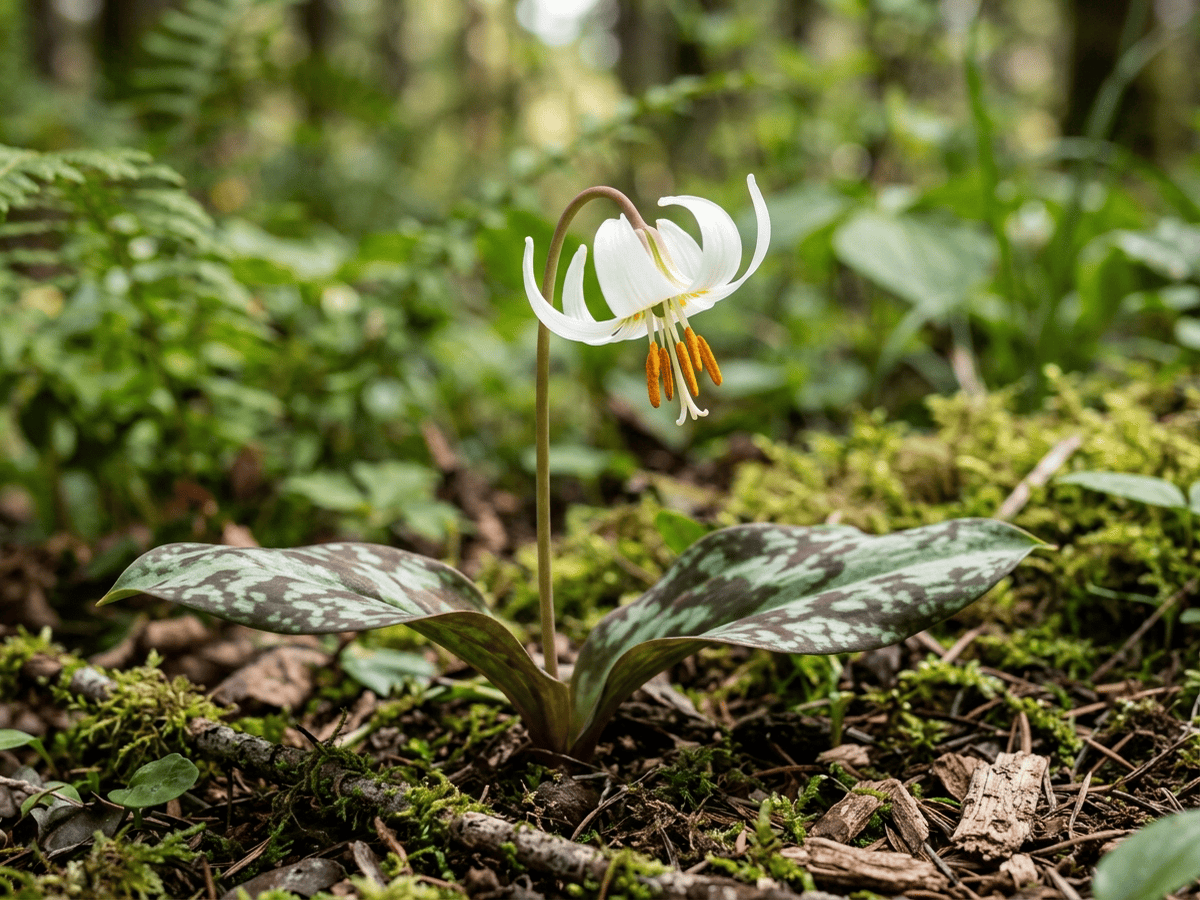
More Erythronium plants
Plants with similar care
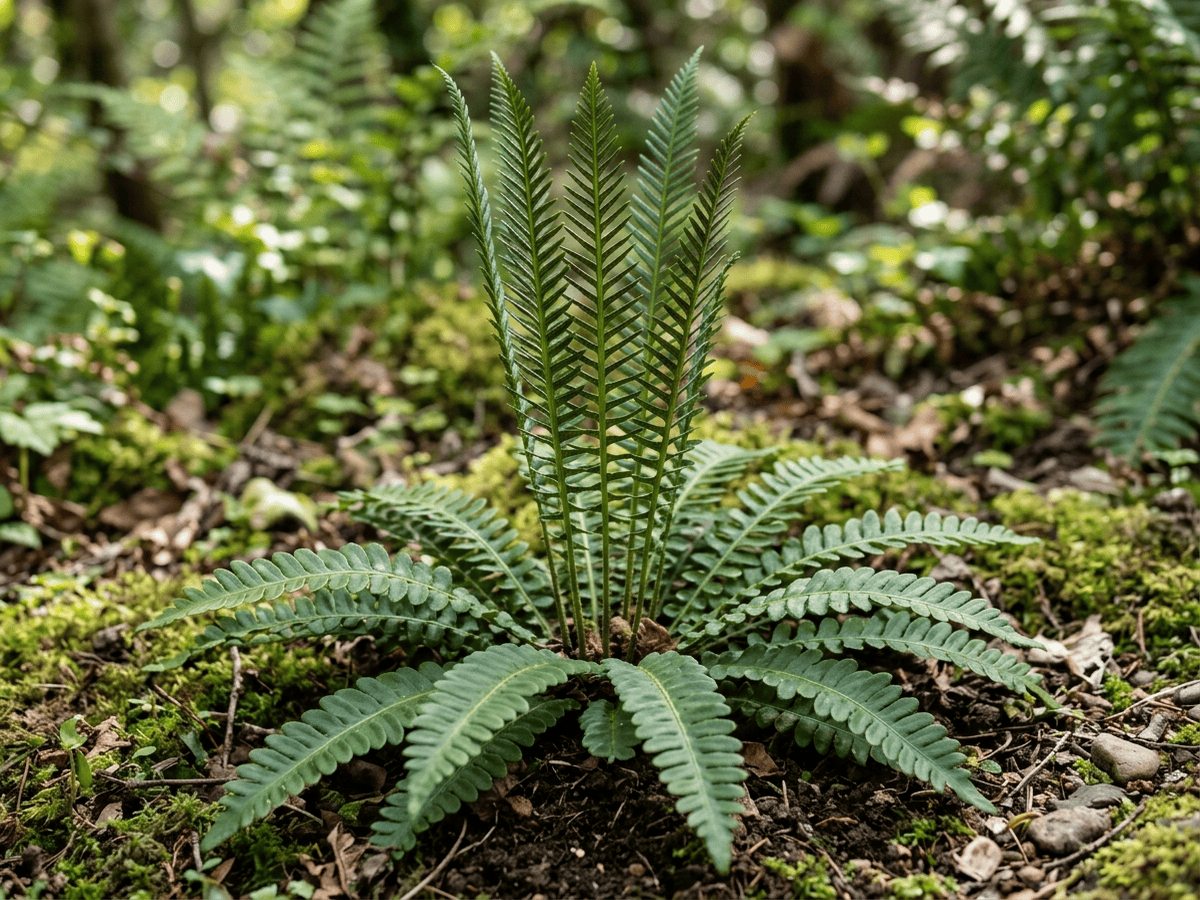 Deer FernBlechnum spicant
 Dutchman's BreechesDicentra cucullaria
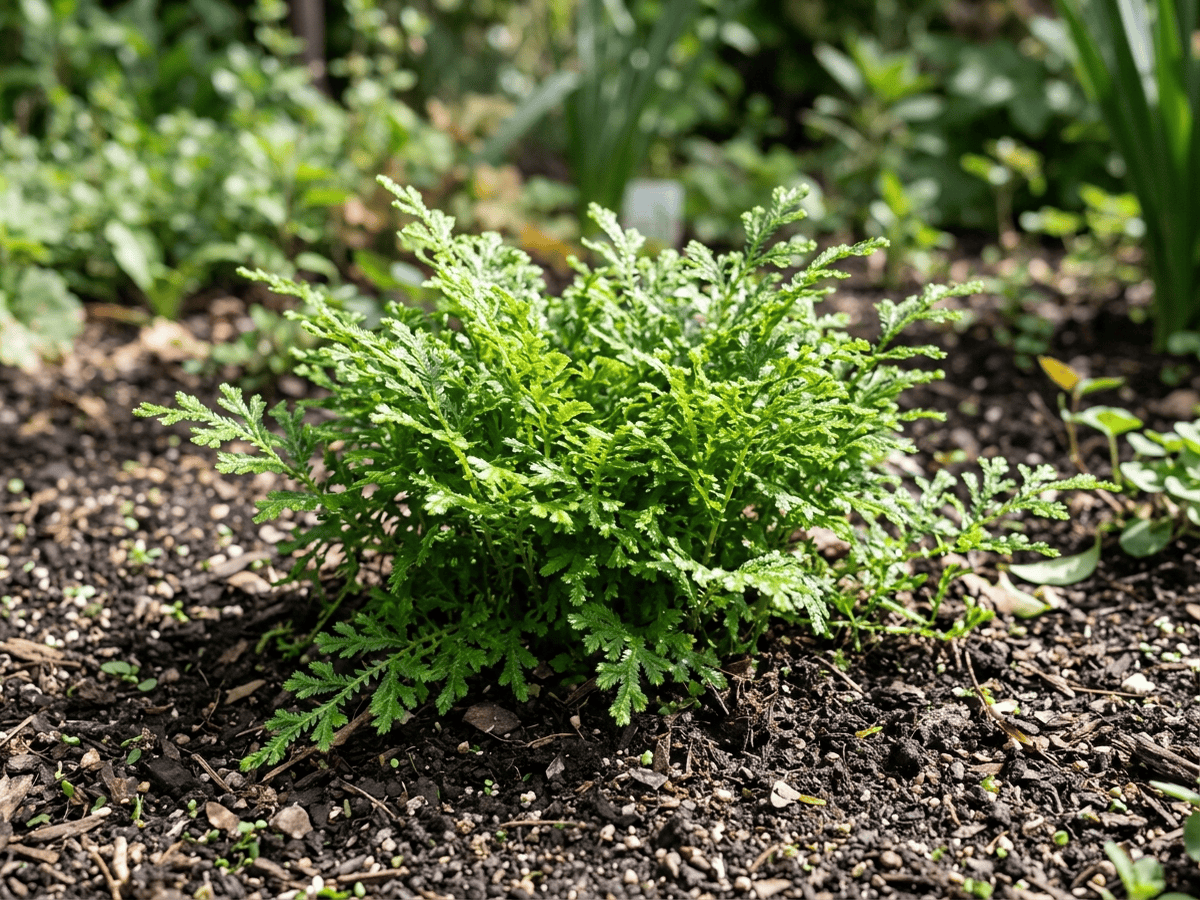 Krauss's ClubmossSelaginella kraussiana
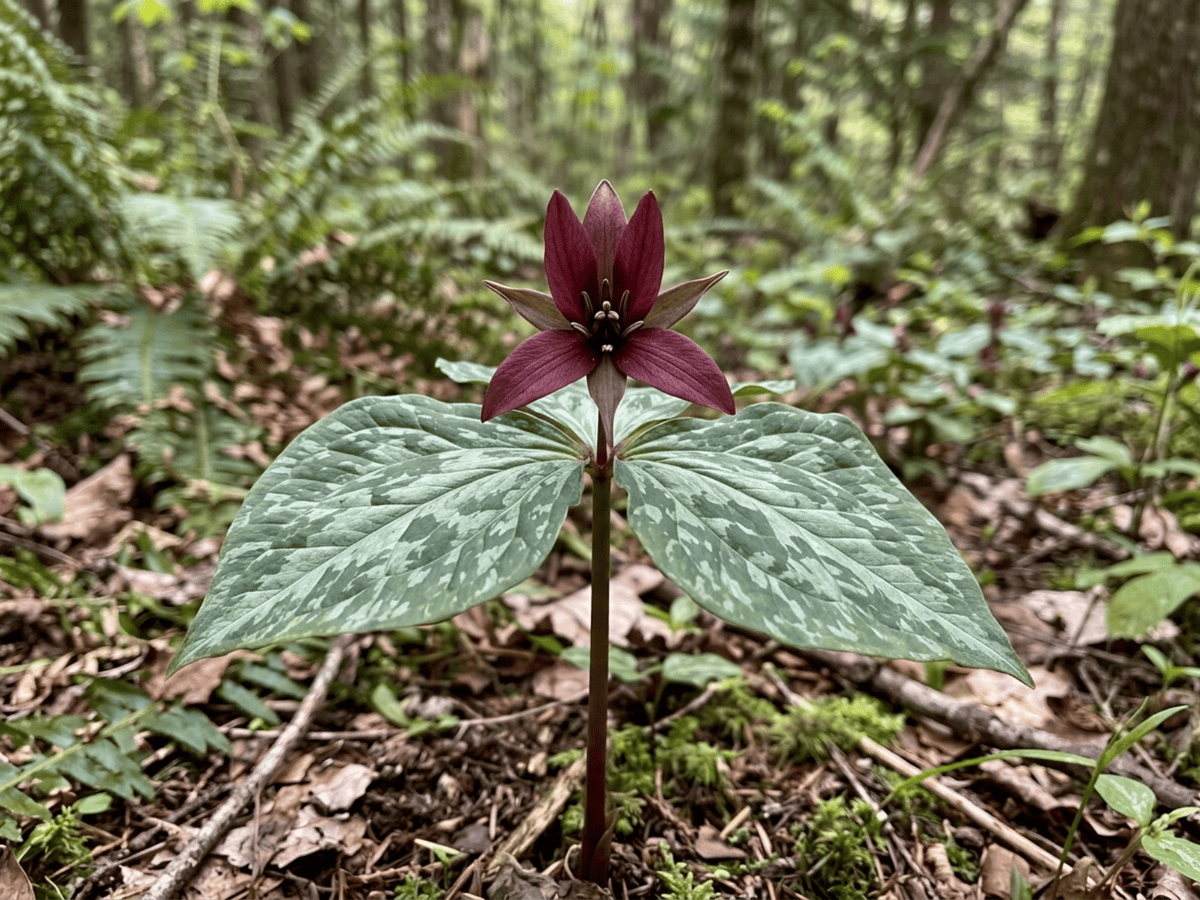 Little Sweet BetsyTrillium cuneatum
Frequently asked questions
How often should I water Dog's-Tooth-Violet?
Water about every 4 days during the growing season, and always let excess water drain away.
How much light does Dog's-Tooth-Violet need?
Full shade: <2 hrs direct. Watch the leaves — scorching or stretching means the light needs adjusting.
Is Dog's-Tooth-Violet toxic to cats or dogs?
Pets Slight (Dogs Slight · Cats Slight) Educational information, not medical or veterinary advice. If exposure is suspected, contact a doctor or veterinarian.
Is Dog's-Tooth-Violet easy to grow?
It is moderately demanding: a good choice once you have a little experience.
When does Dog's-Tooth-Violet bloom?
It typically blooms Mar–Apr in the Northern Hemisphere.
YardMate
Identify any plant in seconds
Snap a photo — YardMate names the plant, diagnoses problems, and reminds you when to water.
Download on the App Store