 YardMate
Greater Quaking Grass
Briza maxima
Hard · Experienced growersAbout Greater Quaking Grass
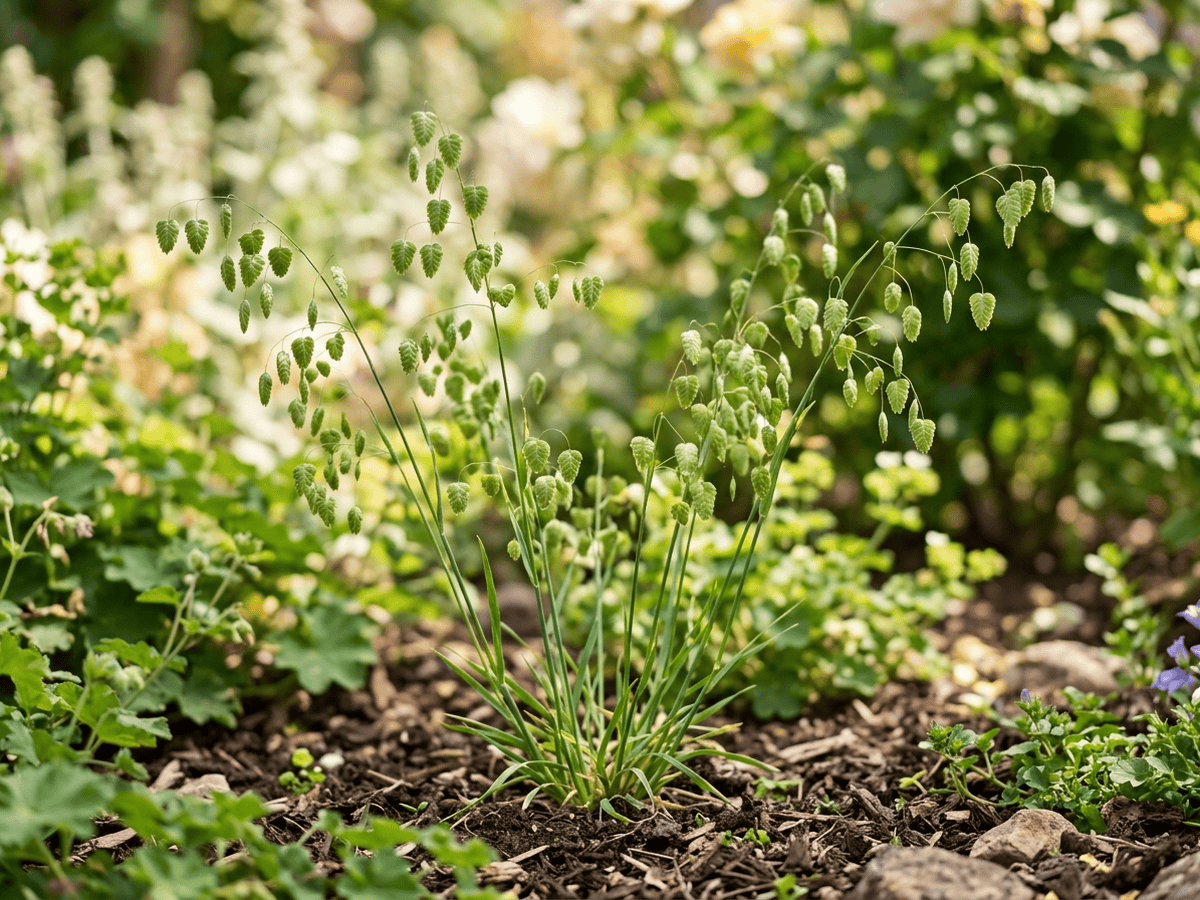
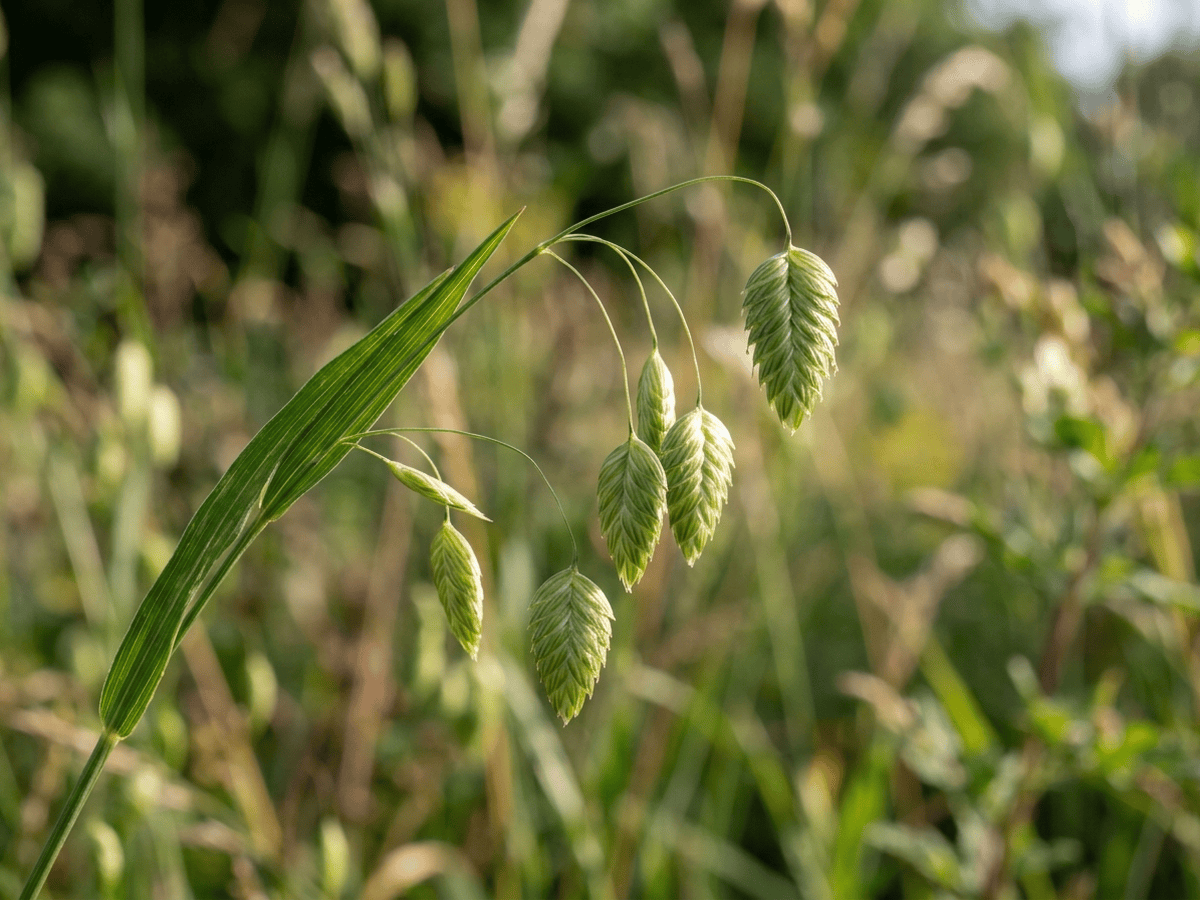
Briza maxima, the Greater Quaking Grass, is a charming annual grass native to the Mediterranean region, celebrated for its large, papery, heart-shaped spikelets that dangle from hair-fine stems and quiver at the slightest breath of air. Growing 18–36 inches tall with upright then arching panicles, it provides months of ornamental interest—green and fresh in spring, ripening to pale gold through summer. A garden classic for both fresh and dried arrangements, it self-sows freely in well-drained sunny spots.
- Deciduous
- Drought-tolerant
- Showy-fruit
- Long-blooming
How to care for Greater Quaking Grass
Watering
- Springevery 10 days
- Summerevery 15 days
- Fallevery 20 days
- Winterevery 30 days
Soil · Well-draining
- Top dressingPine bark mulch10%
- Main mixPotting soil + perlite 2:170%
- DrainageLECA / gravel20%
Never skip the drainage layer — standing water is the top cause of root rot.
FERTILIZER
- Springevery 30 days
At a Glance
- NativeMediterranean
- Height1.5–3 ft (0.5–0.9 m)
- Spread1–2 ft (0.3–0.6 m)
- Flower colorGreen, Brown
- Foliage colorGreen
- Fruit colorBrown
- SoilWell-drained, Sandy, Loamy
- LocationsYard · Balcony
Bloom time
BLOOM CYCLE
Peak bloom
May–Jul
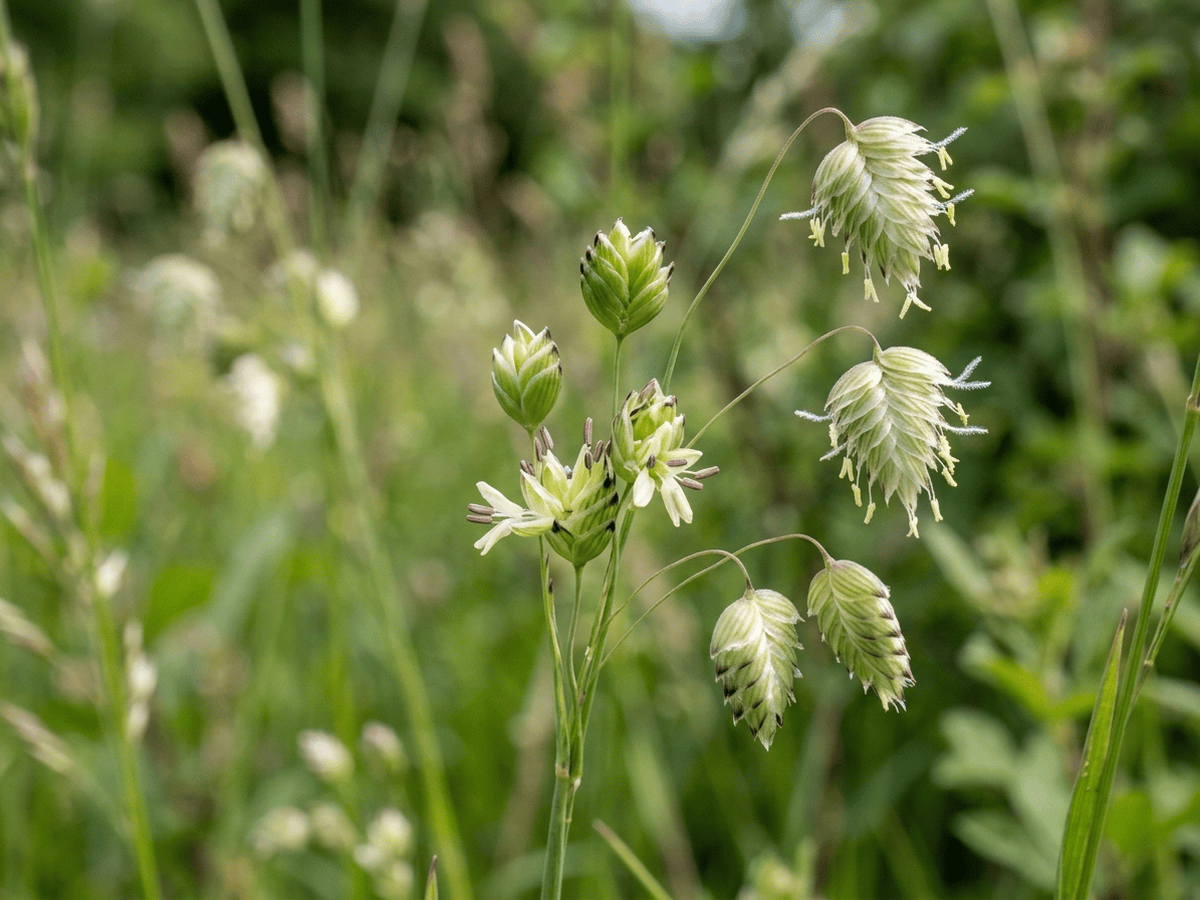
Flowers appear in loose panicles, creating a soft appearance from May to July.
Fragrance
NO FRAGRANCE
Not fragrant.
Toxicity
No toxicity has been reported for this plant. Still, it is wise to keep pets from chewing on any houseplant.
Educational information, not medical or veterinary advice. If exposure is suspected, contact a doctor or veterinarian.
DISTRIBUTION

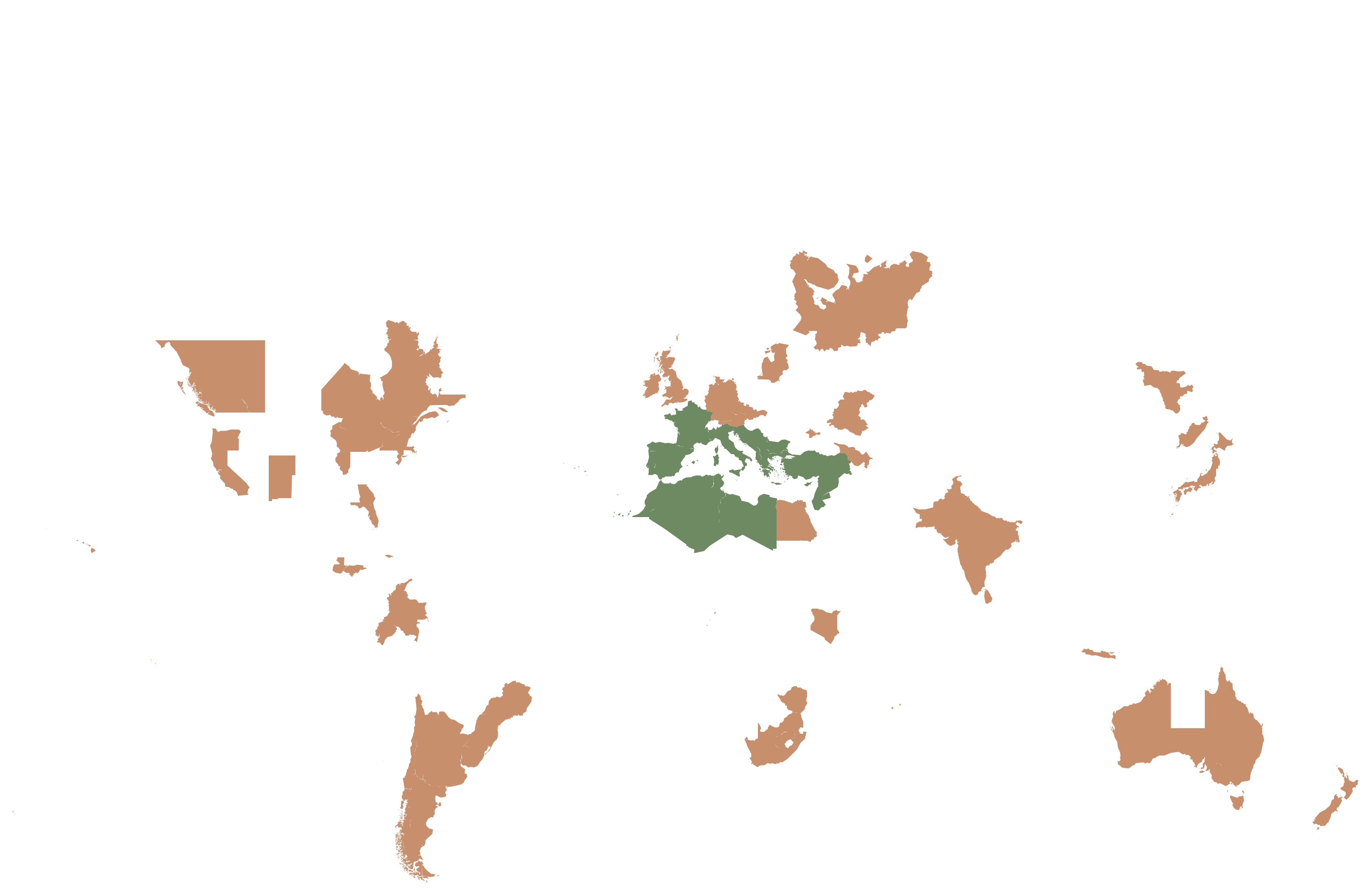
- Native
- Introduced
- Mediterranean
History

Briza maxima has been a fixture of Mediterranean meadows and garrigues for millennia, one of the most visually distinctive grasses of the region with its large, nodding, oval spikelets suspended on almost invisibly slender pedicels. The quaking motion of these spikelets in the wind struck ancient observers as uniquely lively, and the Greek botanist Theophrastus likely included Briza-type grasses in his descriptions of Mediterranean vegetation in the 4th century BCE.
The grass was used across the Mediterranean basin as a decorative element in homes and religious celebrations—its seed heads strewn on floors, woven into garlands, and hung in bundles to dry as natural decoration. The seed heads retain their form and delicate movement when dried, making them among the most durable of all ornamental grasses in arrangements.
In Victorian England, the art of dried flower arrangement—'floral preservation' and 'everlastings'—reached a cultural peak. Middle-class and upper-class households filled rooms with elaborate dried arrangements, and Briza maxima was one of the most prized components: its papery cream spikelets catching light and trembling slightly even in the still air of a parlor. Dried Briza appeared in hundreds of Victorian botanical illustration prints and was sold by seed merchants across Europe and America.
Today, Greater Quaking Grass is widely grown in cottage gardens, meadow plantings, and cutting gardens worldwide. It naturalizes readily in California, Oregon, and similar Mediterranean-climate regions, where it has become a garden escapee visible in roadsides and disturbed grasslands. Its easy cultivation from seed and its striking ornamental value make it one of the most rewarding annual grasses for the garden.
Symbolism & meaning
What It Symbolizes
The Victorians loved dried flowers for the same reason they collected pressed specimens in albums: a way of preserving something beautiful past its natural moment. Briza maxima was perfect for this—it dried without losing its form, without fading entirely, and even in a dry parlor it would tremble in the air current from a passing skirt or an opened door. It kept its illusion of life.
- grace — The quaking grass trembles at every breath of air—so responsive to the world around it that stillness seems to be what it resists.
- impermanence — Fresh and green in spring, golden and papery by summer's end, preserved into winter—the quaking grass embodies the beauty of things that change.
Where the Name Comes From
The genus name Briza is thought to derive from the Greek 'brizo' (to put to sleep or nod), describing the nodding motion of the seed heads. The species epithet maxima means 'greatest' in Latin, distinguishing this as the largest-spikeleted species in the genus. The common name Quaking Grass perfectly describes the trembling motion of the papery spikelets in the breeze.
Uses & Fun Facts
- Spikelets used fresh or dried in floral arrangements; golden dried panicles are long-lasting and tremble beautifully even indoors
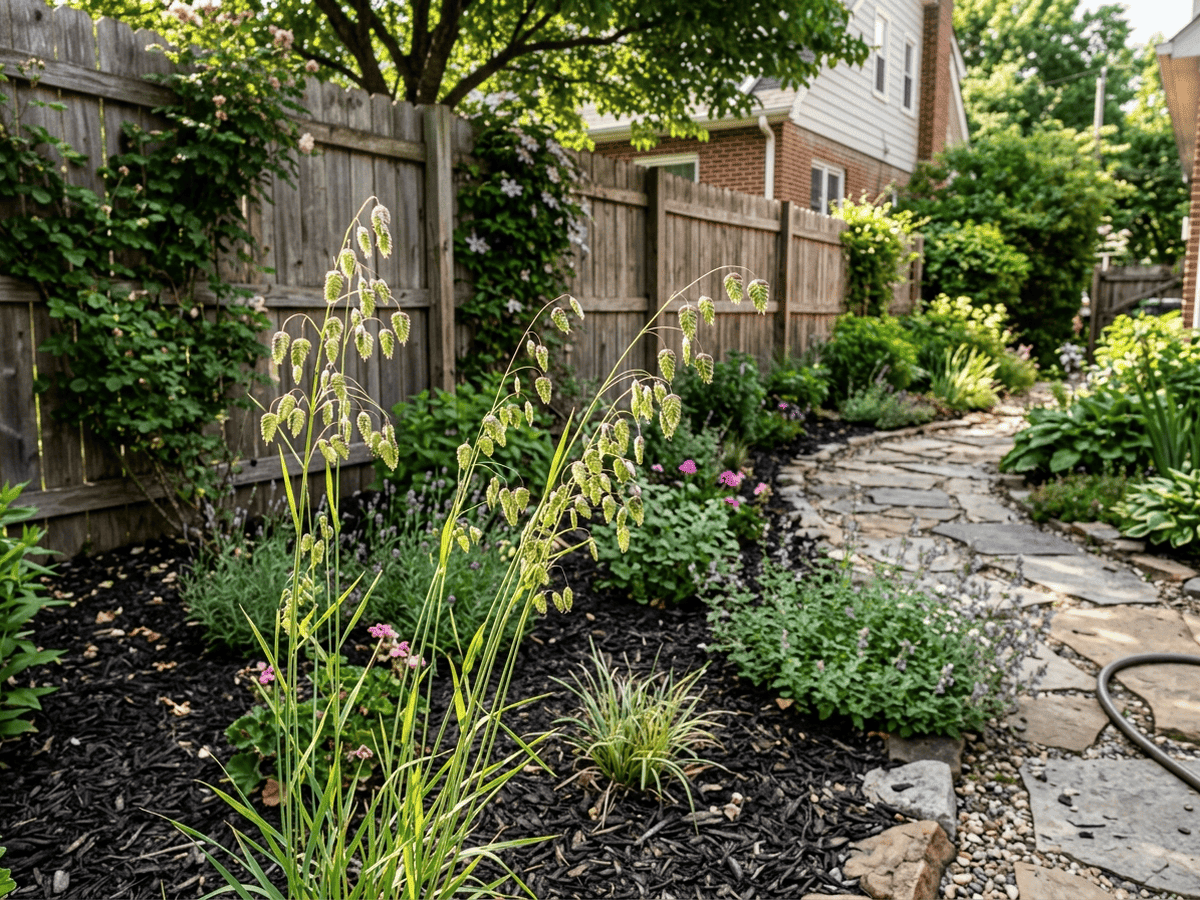
- Elegant annual grass for cottage gardens, meadow plantings, and borders; provides graceful movement and texture from spring through summer
Related plants
Plants with similar care
 African LilyAgapanthus africanus
 Bell AgapanthusAgapanthus campanulatus
 Common AgapanthusAgapanthus praecox
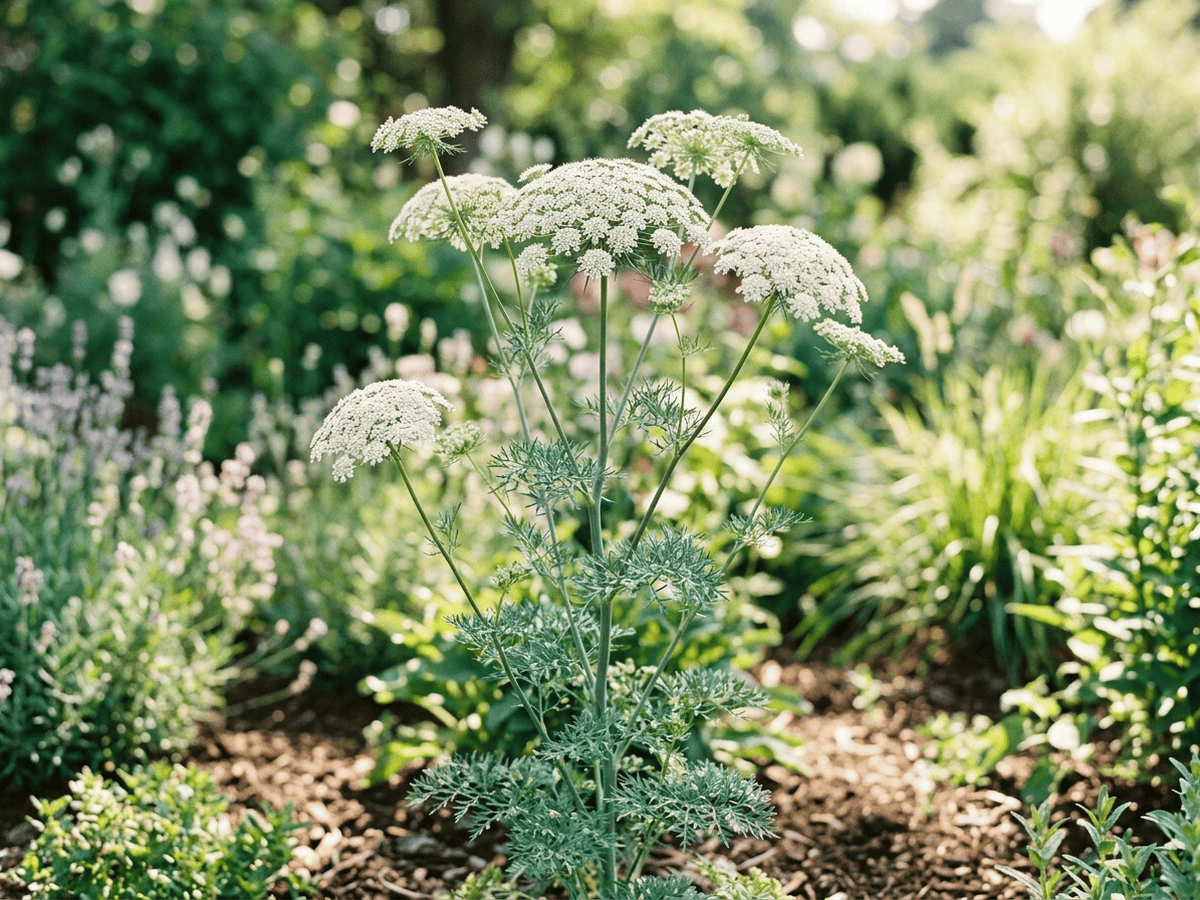 False Queen Anne's LaceAmmi majus glaucifolium
Frequently asked questions
How often should I water Greater Quaking Grass?
In summer, water about every 15 days; in winter, about every 30 days. Adjust for heat, pot size and drainage.
How much light does Greater Quaking Grass need?
Part sun: 4–6 hrs direct. Watch the leaves — scorching or stretching means the light needs adjusting.
Is Greater Quaking Grass toxic to cats or dogs?
No toxicity has been reported for this plant. Still, it is wise to keep pets from chewing on any houseplant. Educational information, not medical or veterinary advice. If exposure is suspected, contact a doctor or veterinarian.
Is Greater Quaking Grass easy to grow?
It is considered challenging and rewards experienced growers.
When does Greater Quaking Grass bloom?
It typically blooms May–Jul in the Northern Hemisphere.
YardMate
Identify any plant in seconds
Snap a photo — YardMate names the plant, diagnoses problems, and reminds you when to water.
Download on the App Store