 YardMate
False Queen Anne's Lace
Ammi majus glaucifolium
Hard · Experienced growersAbout False Queen Anne's Lace
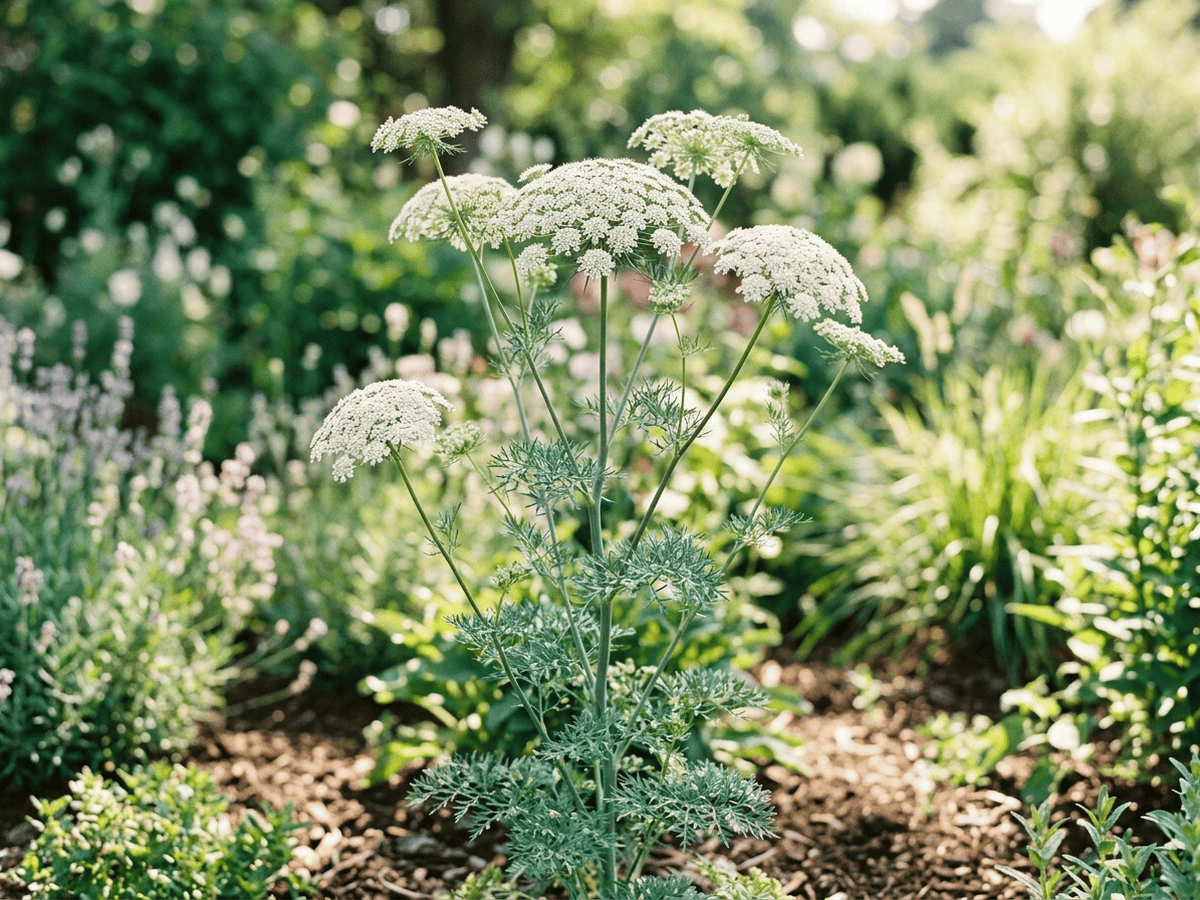
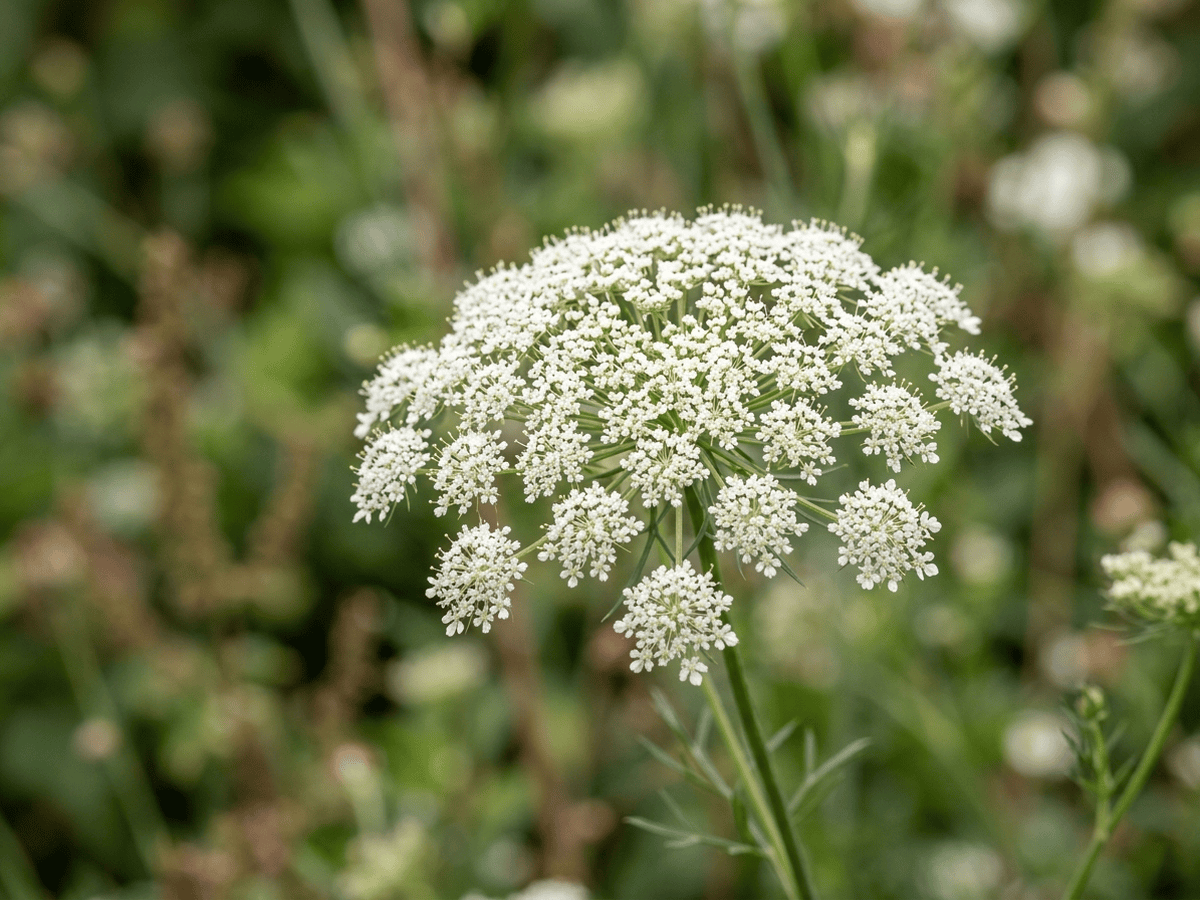
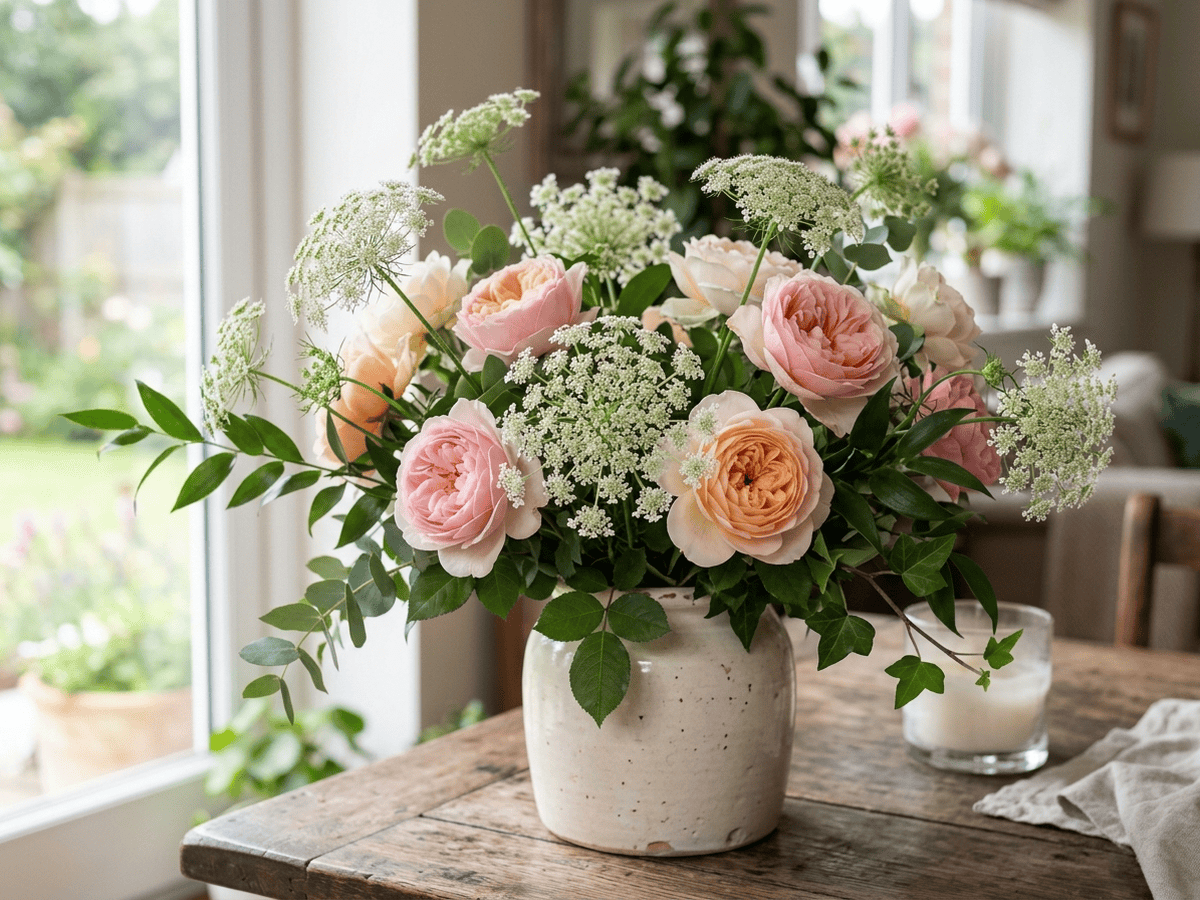
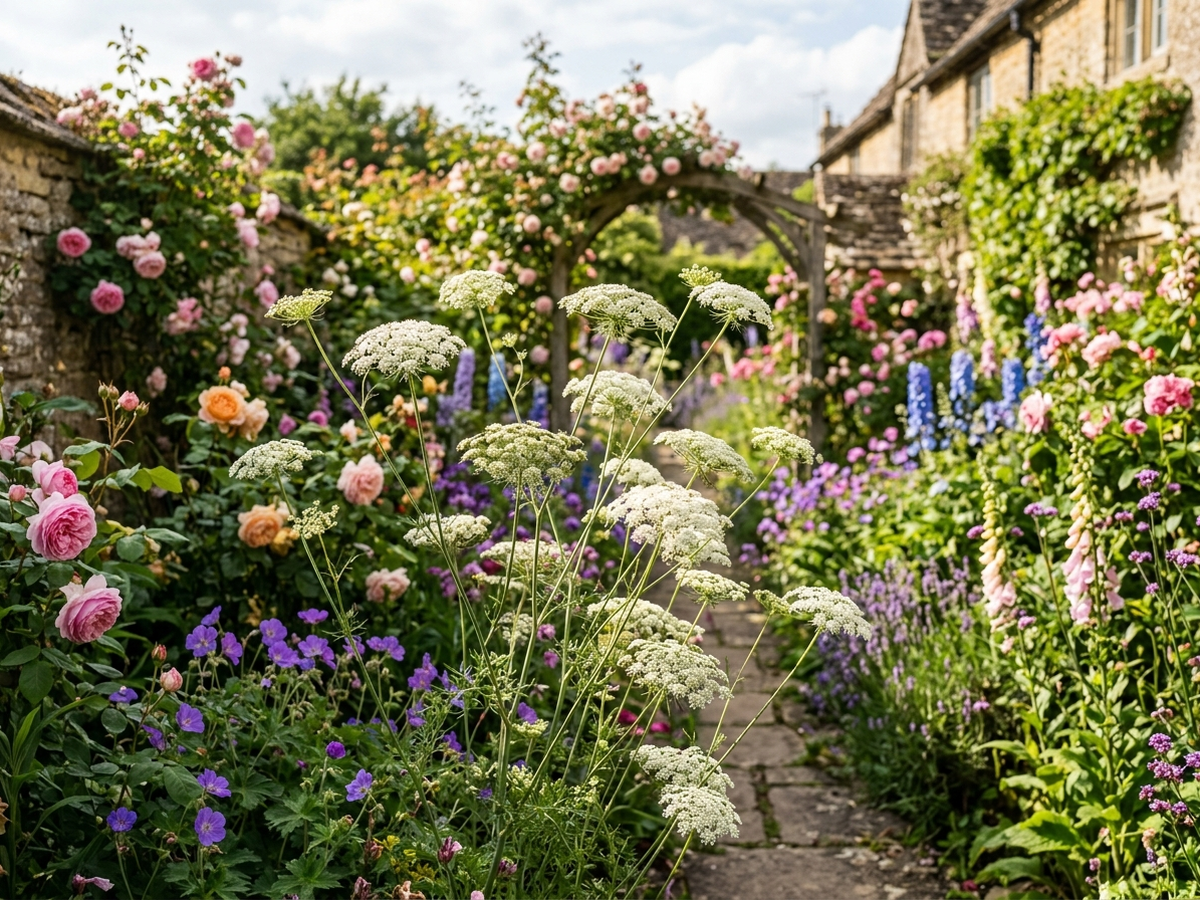
Ammi majus glaucifolium is a graceful annual in the carrot family, native to the Mediterranean basin and western Asia, grown worldwide for its airy flat-topped umbels of tiny white flowers on tall, finely divided glaucous-green foliage. A staple of florists and cottage garden designers, its delicate lacework flowers hold superbly in arrangements and are perfect fillers alongside roses, dahlias, and ornamental grasses. This variety's distinctive blue-green foliage sets it apart from the standard species. Handle with gloves—the sap contains furanocoumarins which can cause phototoxic burns when skin contacts the plant and is then exposed to sunlight.
- Deciduous
- Pollinator-friendly
- Fast-growing
- Long-blooming
How to care for False Queen Anne's Lace
Watering
- Springevery 10 days
- Summerevery 7 days
- Fallevery 15 days
- Winterevery 20 days
Soil · Well-draining
- Top dressingPine bark mulch10%
- Main mixPotting soil + perlite 2:170%
- DrainageLECA / gravel20%
Never skip the drainage layer — standing water is the top cause of root rot.
FERTILIZER
Balanced Feed 14-14-14
An even feed covers all three needs at once, keeping leaves, roots and blooms moving together with nothing pushed out of balance.
- Nitrogen · Leaves
- Phosphorus · Roots + Blooms
- Potassium · Strength
- Springevery 90 days
- Summerevery 60 days
- Fallevery 30 days
At a Glance
- NativeEurope
- Height3–4 ft (0.9–1.2 m)
- Spread2–3 ft (0.6–0.9 m)
- Flower colorWhite
- Foliage colorGreen
- Fruit colorBrown
- SoilLoamy, Well-drained
- LocationsYard · Balcony
Bloom time
BLOOM CYCLE
Peak bloom
Jun–Aug
Ammi majus glaucifolium features delicate white flowers that bloom from June to August.
Fragrance
LIGHT FRAGRANCE
Flowers emit a faint, pleasant anise-like scent, attractive to hoverflies and small bees.
Toxicity
Pets Moderate
psoralen, xanthotoxin, bergapten, and isopimpinellin
Unknown
EXPOSURE No exposure route is reported.
EFFECT No toxic effect is reported.
NOTE Toxicity for humans is not well documented; use caution until verified.
Moderate
- Sap
- All
- Contact
EXPOSURE Touching sap and any part of the plant. Touching sap and any part of the plant.
EFFECT Phototoxic dermatitis and skin irritation.
NOTE Contains phototoxic furanocoumarins (psoralen, xanthotoxin, bergapten). Skin contact with sap followed by UV sunlight exposure causes phytophotodermatitis—severe burns, blisters, and hyperpigmentation. Handle with gloves in sunlight. The same compounds form the basis of PUVA medical therapy at controlled doses.
Moderate
- Sap
- All
- Contact
EXPOSURE Touching sap and any part of the plant. Touching sap and any part of the plant.
EFFECT Phototoxic dermatitis and skin irritation.
NOTE Contains phototoxic furanocoumarins (psoralen, xanthotoxin, bergapten). Skin contact with sap followed by UV sunlight exposure causes phytophotodermatitis—severe burns, blisters, and hyperpigmentation. Handle with gloves in sunlight. The same compounds form the basis of PUVA medical therapy at controlled doses.
Educational information, not medical or veterinary advice. If exposure is suspected, contact a doctor or veterinarian.
DISTRIBUTION

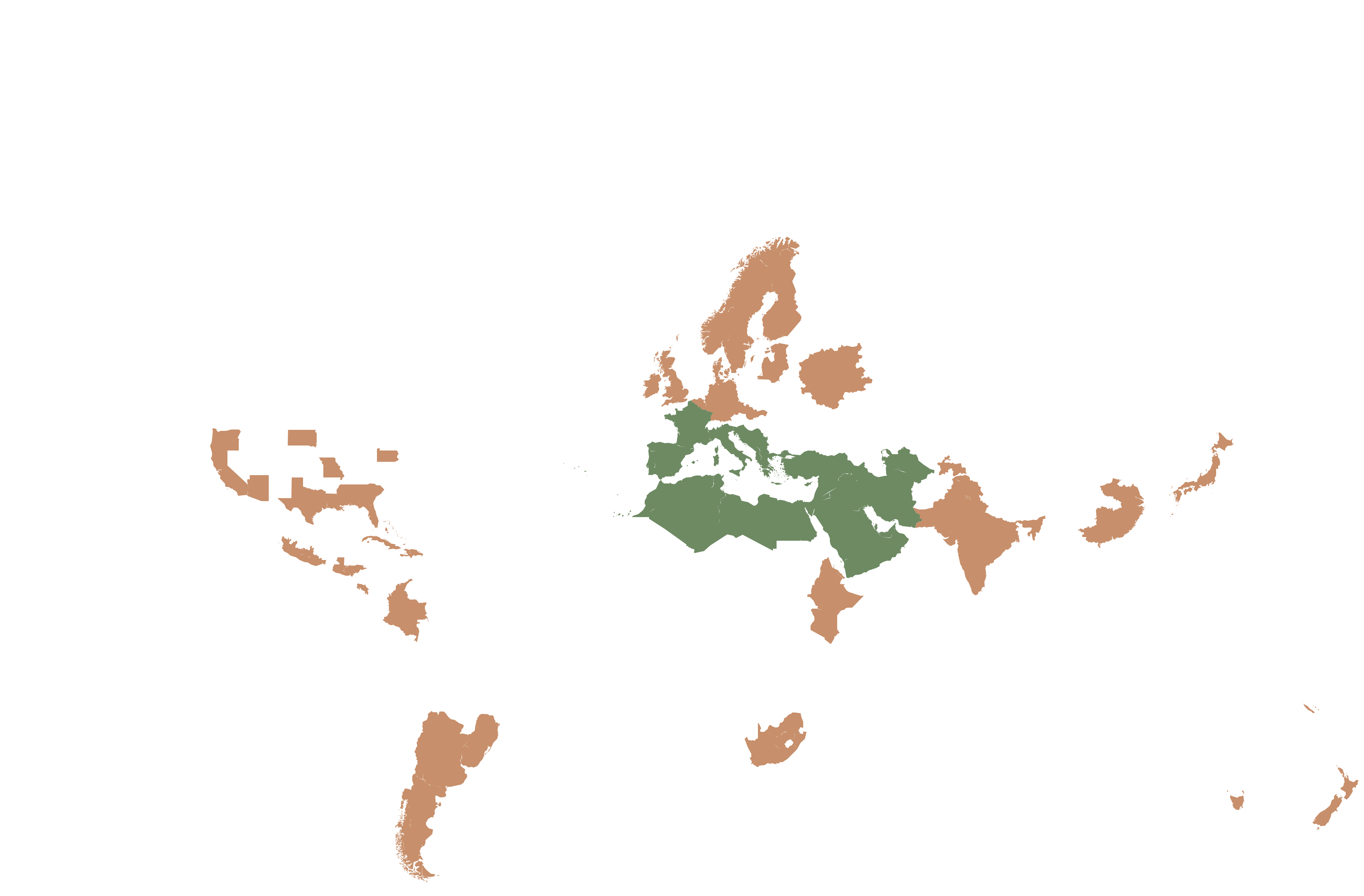
- Native
- Introduced
- Europe
History
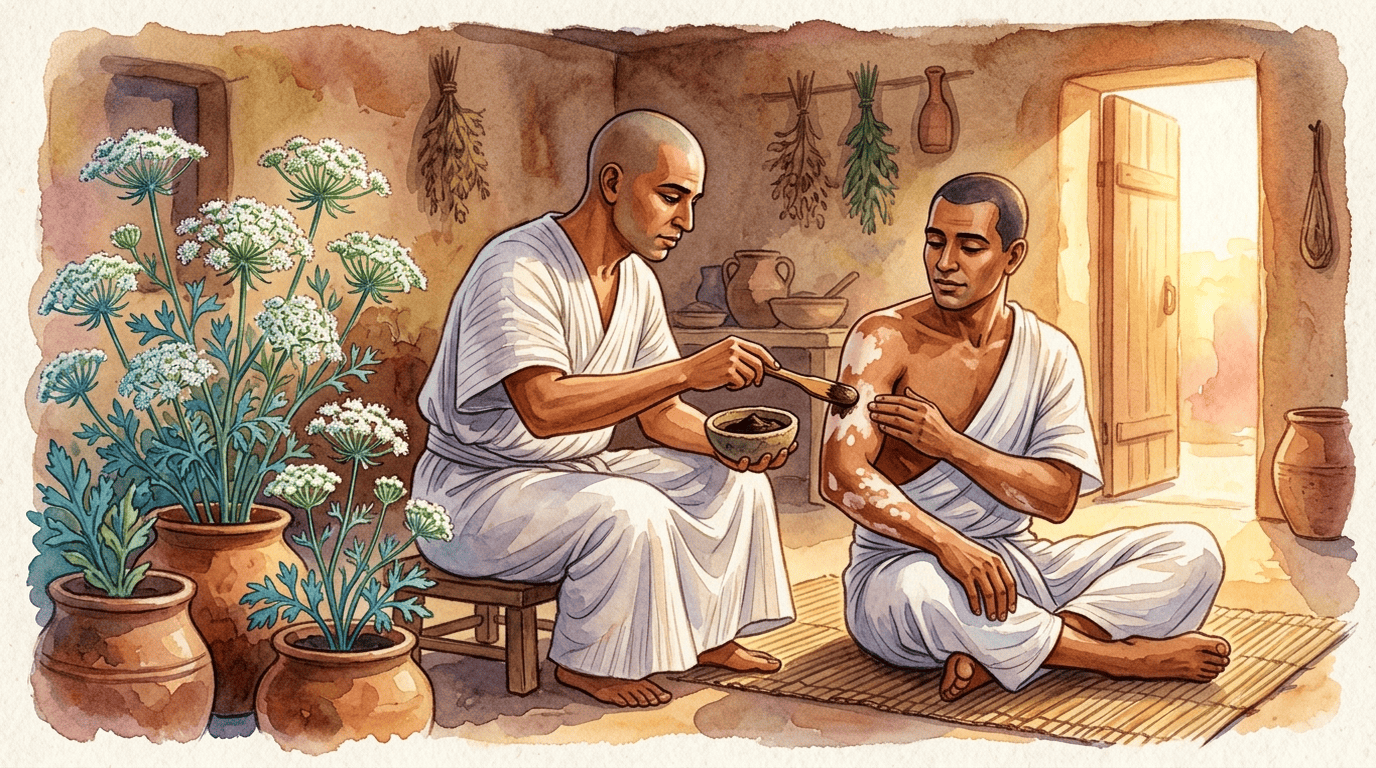
Few ornamental garden plants have a medical history as remarkable as Ammi majus. The Ebers Papyrus—an ancient Egyptian medical text dating to approximately 1550 BCE—describes applying ground Ammi majus seeds to skin with white patches (vitiligo) and then exposing the patient to sunlight. The treatment worked, at least partially: the furanocoumarins in the seeds are photosensitizing compounds that, when activated by UV light, stimulate melanin production in depigmented skin.
This ancient practice survived in Egyptian folk medicine for millennia. In the 1940s, Egyptian physician and pharmacologist Abu el-Daww and his colleagues began investigating traditional Egyptian herbal treatments for vitiligo. Working with Ammi majus seeds, they isolated the active compound—an angular furanocoumarin named xanthotoxin (also called methoxsalen)—and published their findings in the early 1950s. The compound entered clinical medicine as the first successful treatment for vitiligo and psoriasis.
The therapy developed from Ammi majus—applying the compound to skin then exposing to UV-A light—became known as PUVA (Psoralen plus UV-A). It remains in use today and represents a direct line from an ancient Egyptian remedy to a modern hospital dermatology department.
The plant's other career, as a beloved cut flower, began in earnest in the 20th century. Florists discovered that its fine-textured white umbels were perfect companions for heavier blooms—roses, dahlias, peonies—providing the same airy filler role that baby's breath did but with more elegance and a longer vase life. Today it is grown commercially on every continent for the cut flower trade.
Symbolism & meaning
What It Symbolizes
Egyptian healers crushed its seeds and sent patients into the sun. Physicians called it folk medicine for three thousand years. Then pharmacologists found exactly the compound the healers knew was there. Some remedies outlast their explanations.
- ancient remedy — An Egyptian healer's treatment from 1550 BCE, dismissed as folklore for millennia, turned out to be pharmacologically sound—and became modern medicine.
- hidden danger — Exquisitely beautiful cut flower, yet its sap can burn skin in sunlight—a reminder that delicacy and danger can occupy the same stem.
Where the Name Comes From
The genus name Ammi is derived from Greek ammi or ami, an ancient term for various aromatic umbellifers. The species epithet majus is Latin for 'larger.' The variety glaucifolium means 'glaucous-leaved' in Latin, referring to the distinctive blue-green waxy coating on the foliage that distinguishes this variety from the type species.
Uses & Fun Facts
- Delicate lacy white umbels are premium cut flower fillers prized by florists worldwide; long vase life and fine texture complement roses, peonies, and dahlias perfectly
- Furanocoumarins (psoralen, xanthotoxin) isolated from Ammi majus seeds form the basis of PUVA dermatology therapy for vitiligo and psoriasis—used in medicine since the 1950s, derived from ancient Egyptian practice
- Flat umbel flowers are highly accessible to hoverflies, small bees, and beneficial parasitic wasps; excellent companion plant in vegetable gardens for attracting pest predators
Related plants
More Ammi plants
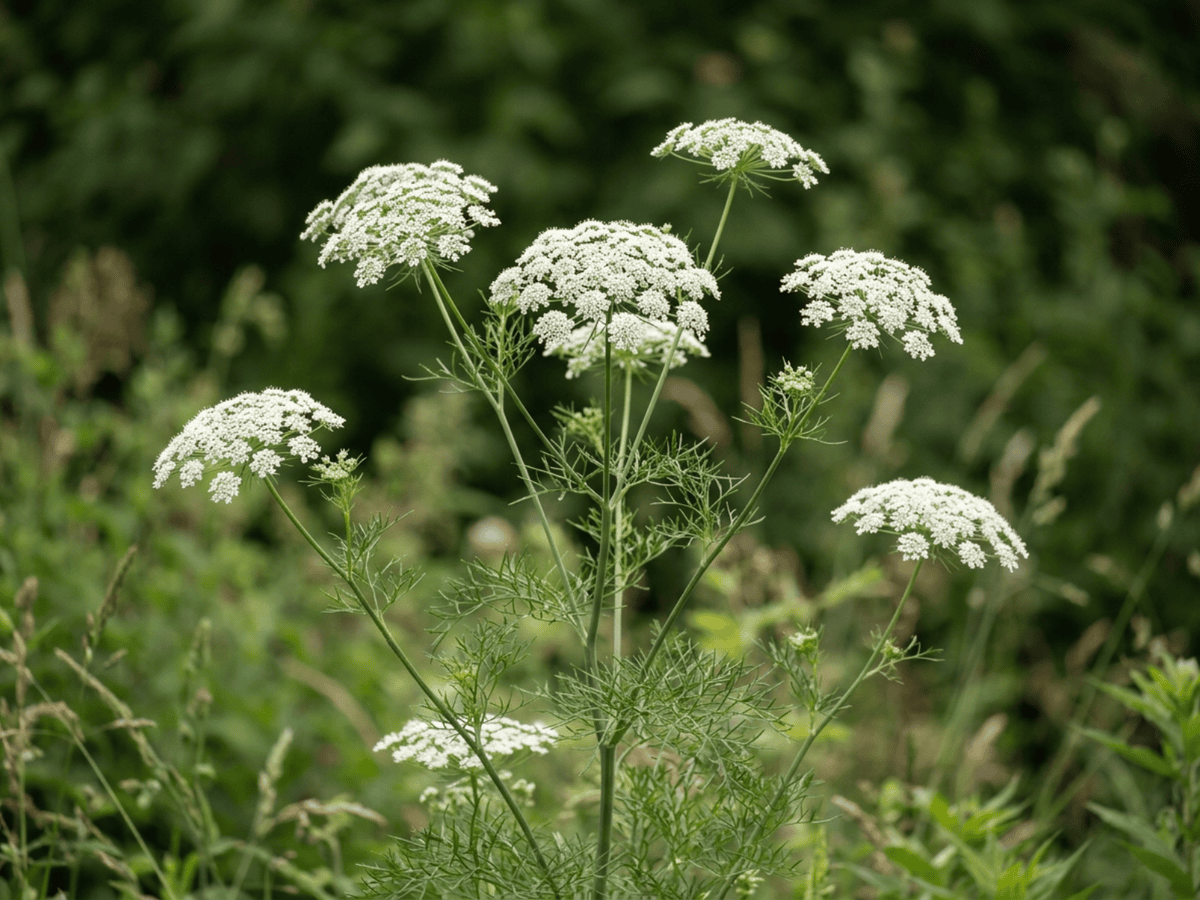
Plants with similar care
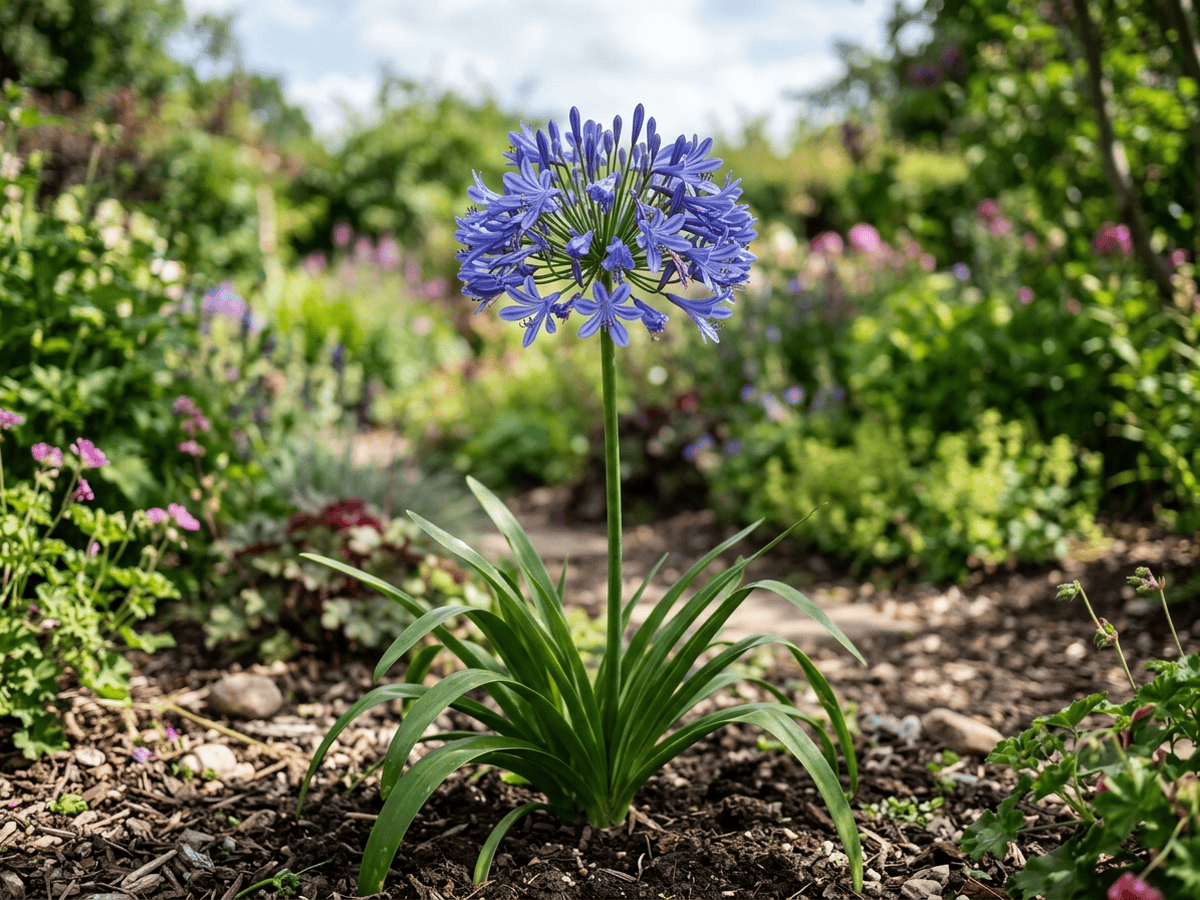 African LilyAgapanthus africanus
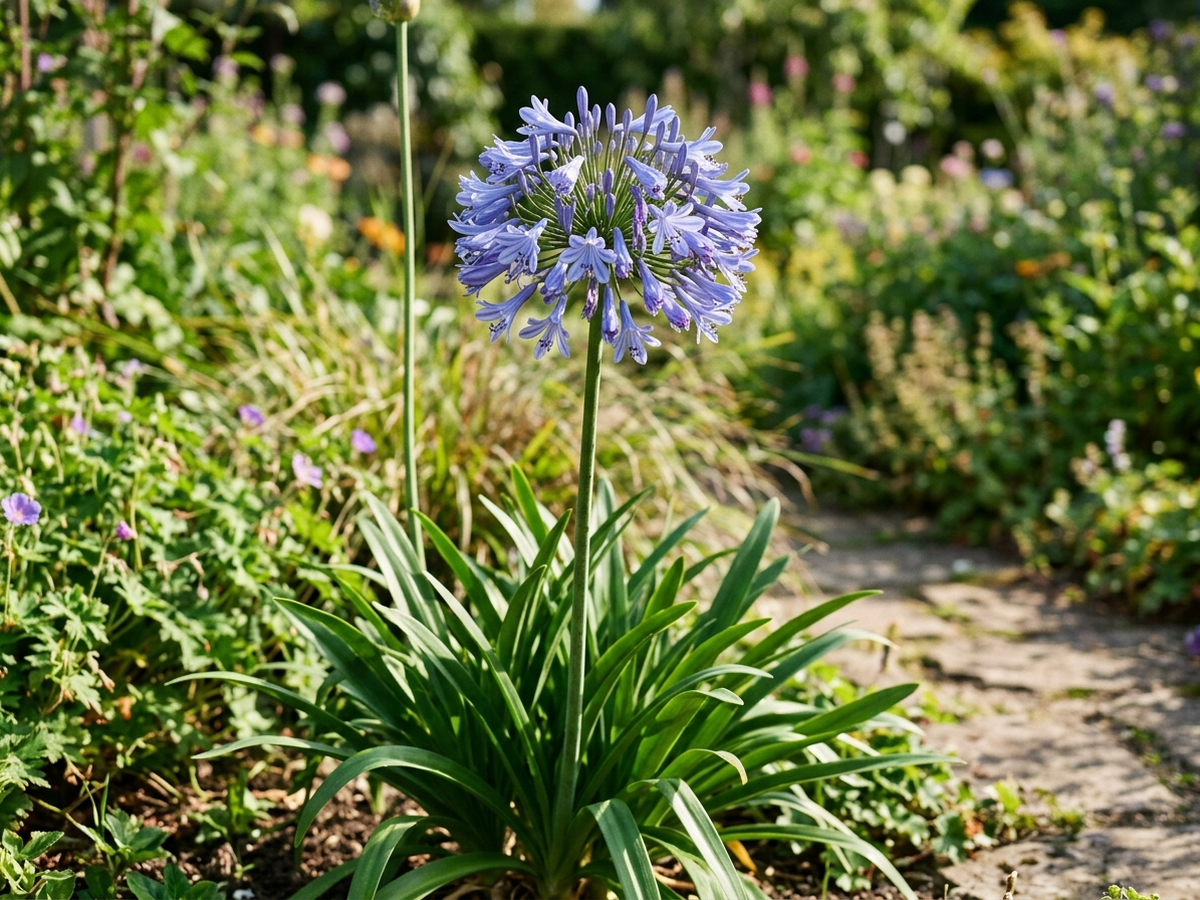 Bell AgapanthusAgapanthus campanulatus
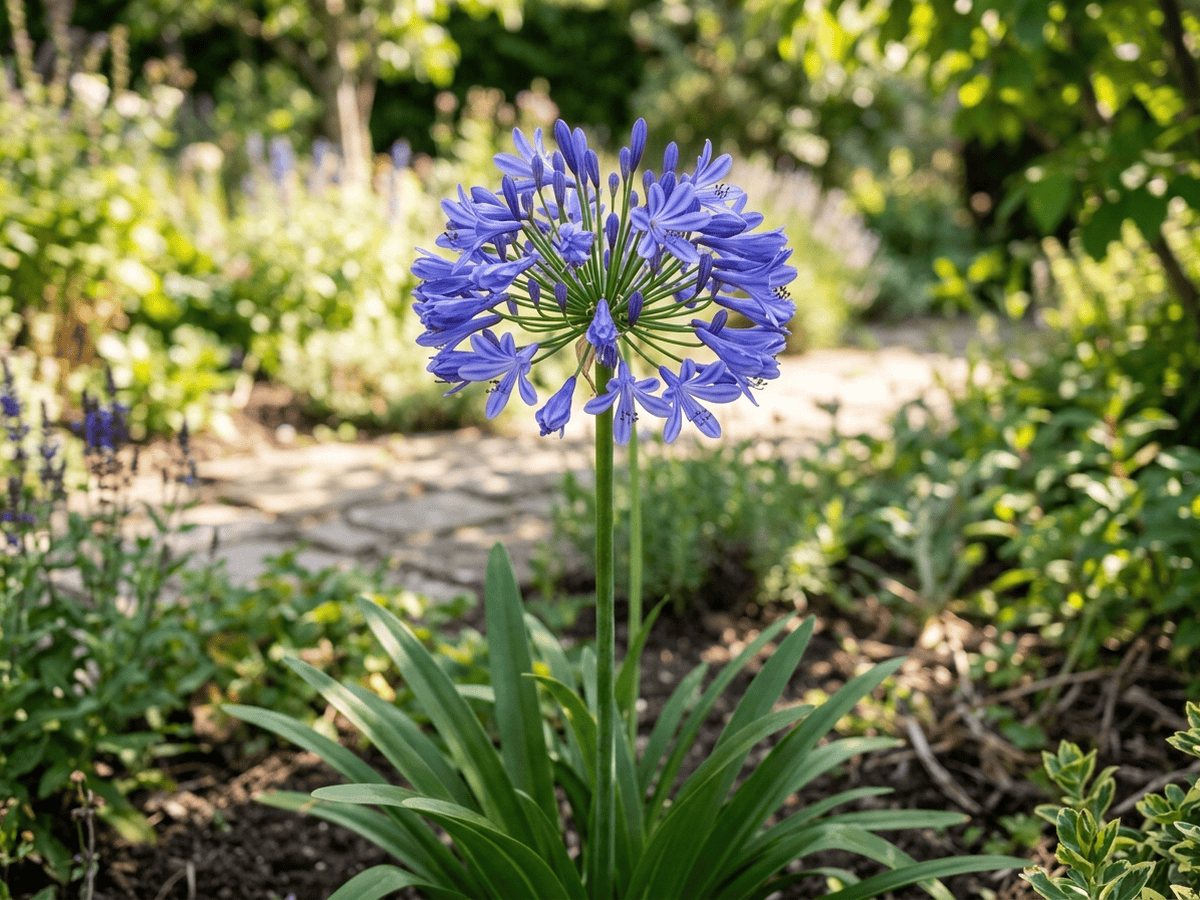 Common AgapanthusAgapanthus praecox
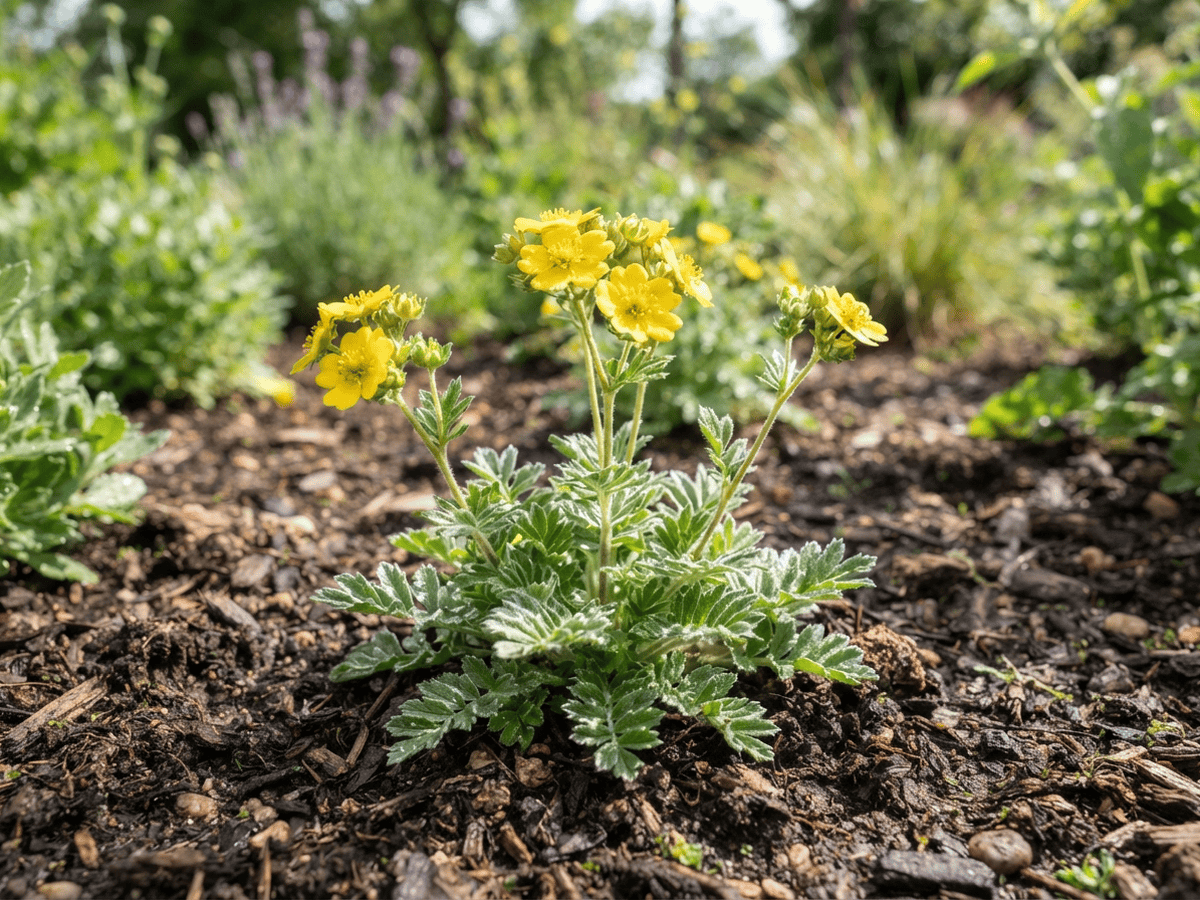 SilverweedArgentina anserina
Frequently asked questions
How often should I water False Queen Anne's Lace?
In summer, water about every 7 days; in winter, about every 20 days. Adjust for heat, pot size and drainage.
How much light does False Queen Anne's Lace need?
Part sun: 4–6 hrs direct. Watch the leaves — scorching or stretching means the light needs adjusting.
Is False Queen Anne's Lace toxic to cats or dogs?
Pets Moderate (Dogs Moderate · Cats Moderate) Educational information, not medical or veterinary advice. If exposure is suspected, contact a doctor or veterinarian.
Is False Queen Anne's Lace easy to grow?
It is considered challenging and rewards experienced growers.
When does False Queen Anne's Lace bloom?
It typically blooms Jun–Aug in the Northern Hemisphere.
YardMate
Identify any plant in seconds
Snap a photo — YardMate names the plant, diagnoses problems, and reminds you when to water.
Download on the App Store