 YardMate
African Lily
Agapanthus africanus
Hard · Experienced growersAbout African Lily
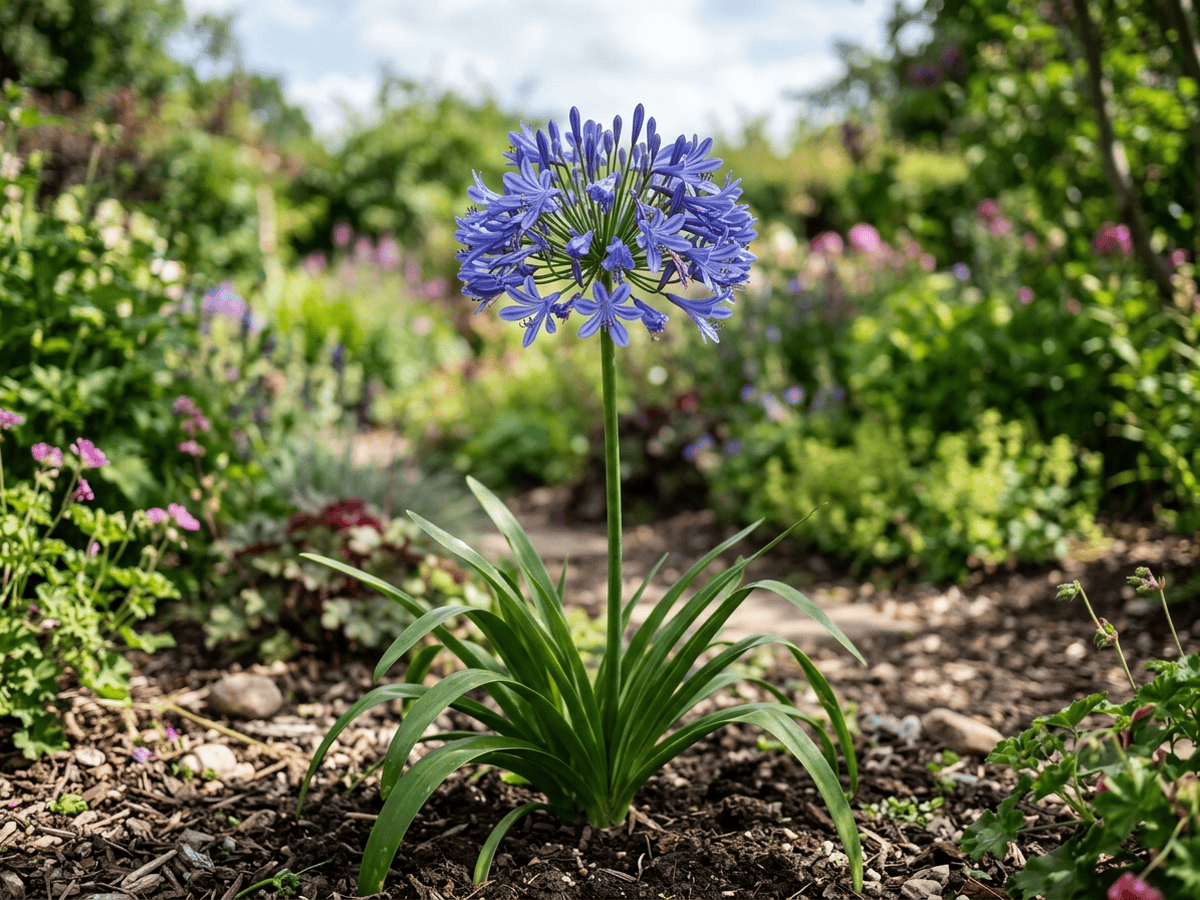
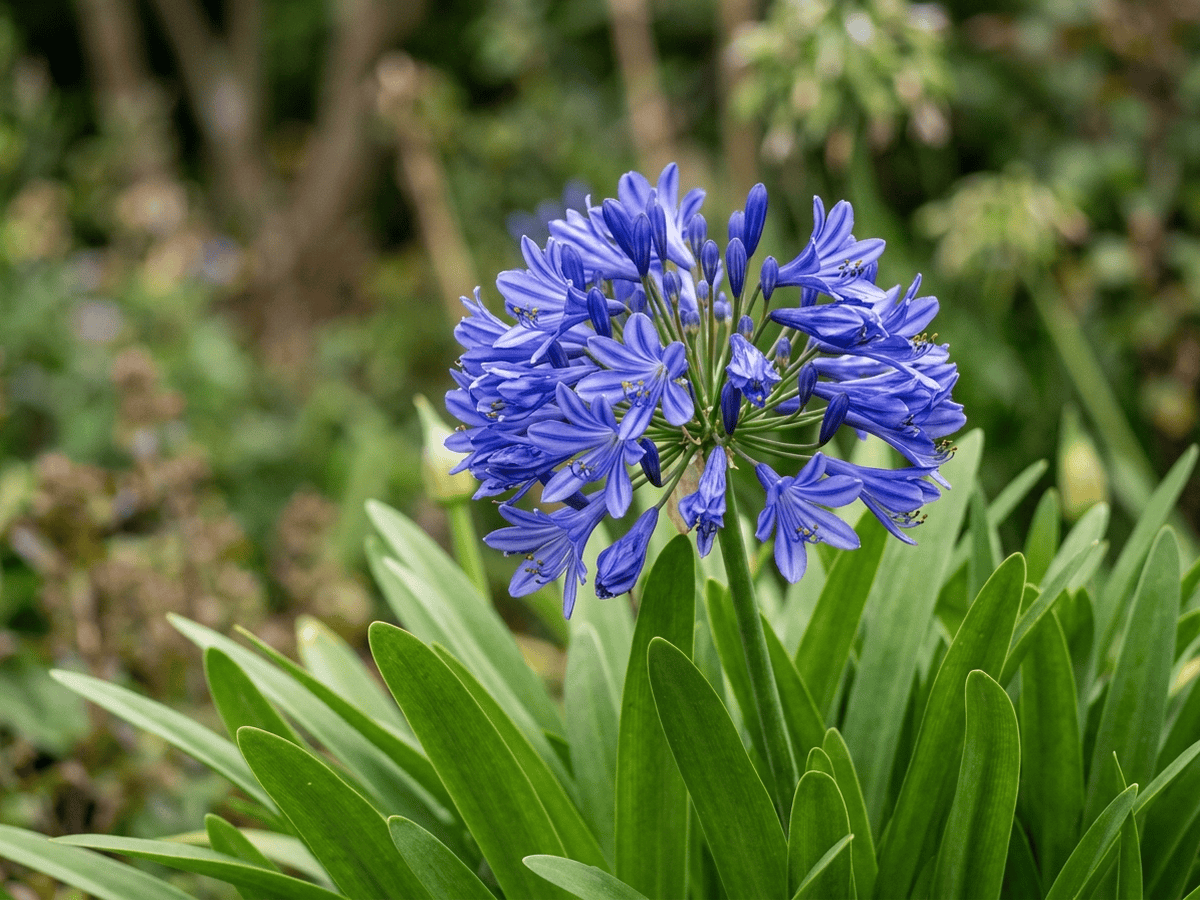
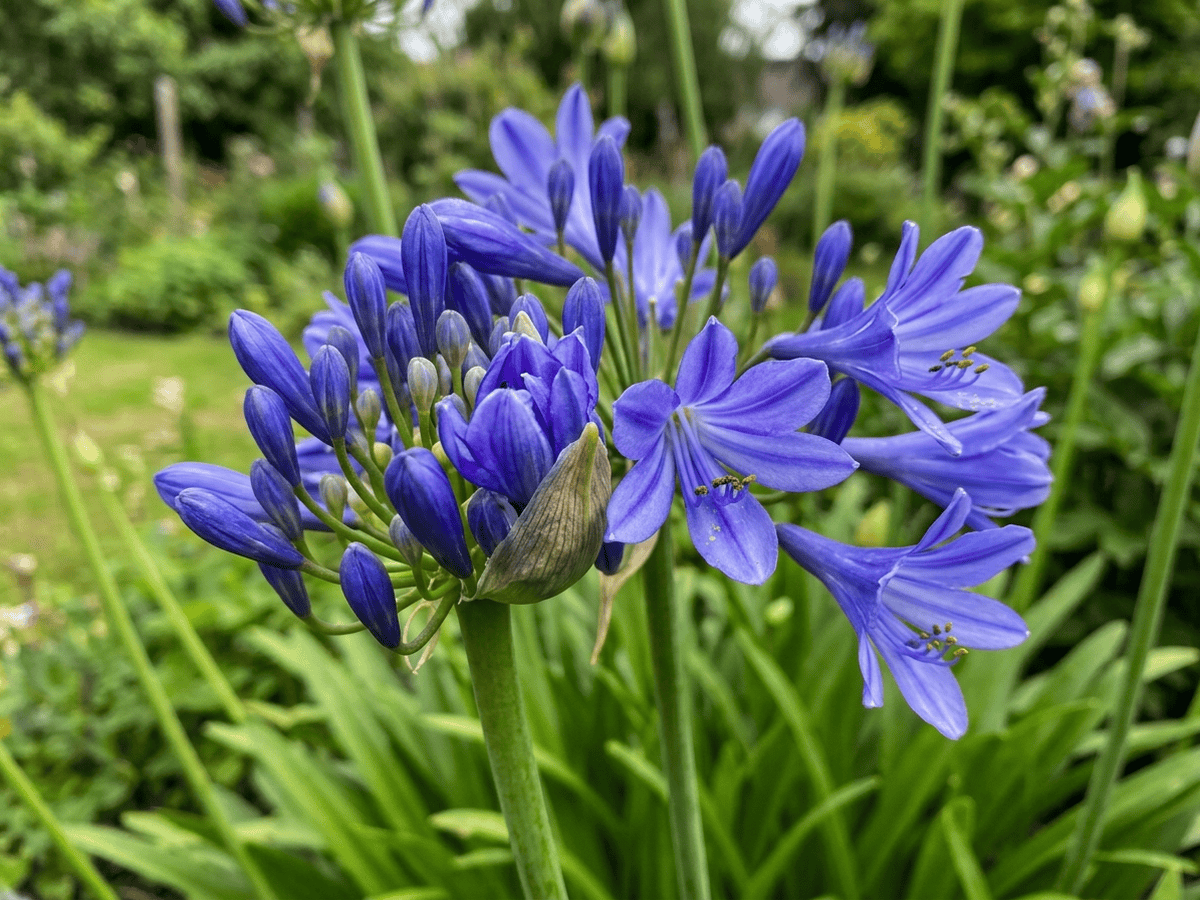
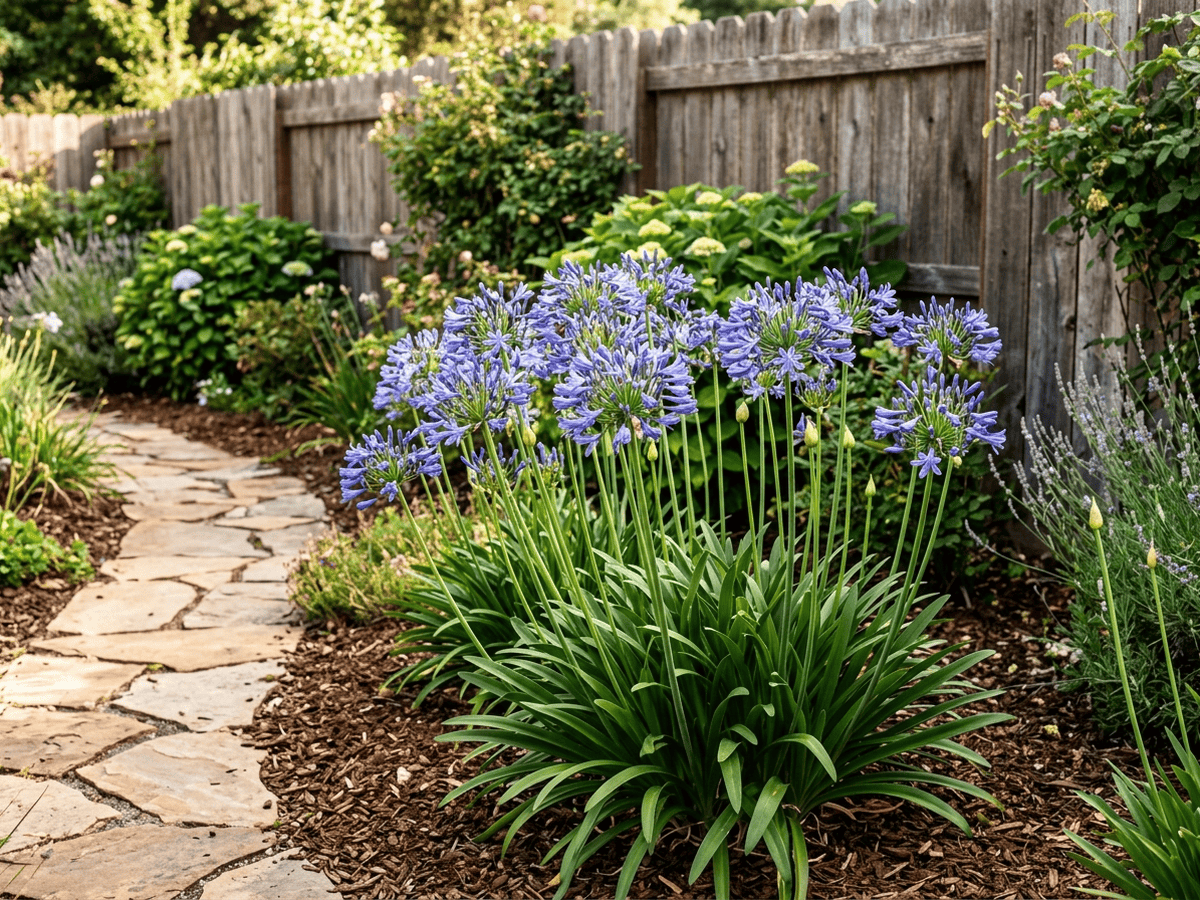
Agapanthus africanus, commonly called the African lily or lily of the Nile, is a clump-forming perennial native to the rocky fynbos slopes of South Africa's Western Cape. It forms dense fountains of arching, strap-shaped green leaves, from which tall bare stalks rise through the summer, each crowned by a rounded umbel of twenty to thirty funnel-shaped flowers in deep blue to violet. The blooms draw bees, butterflies and sunbirds, and give way to ornamental black seed pods in late summer. Growing two to three feet tall and wide, it thrives in full sun and well-drained loam, tolerates drought and coastal wind once established, and is prized as a long-lived border, container and cut-flower plant in warm, frost-free gardens.
- Deciduous
- Fast-growing
- Showy-fruit
How to care for African Lily
Watering
- Springevery 10 days
- Summerevery 7 days
- Fallevery 15 days
- Winterevery 30 days
Soil · Well-draining
- Main mixLoam + coarse sand 3:175%
- DrainageGravel25%
Sharp drainage matters most — bulbs rot in wet soil while dormant.
FERTILIZER
- Springevery 30 days
- Summerevery 30 days
- Fallevery 30 days
At a Glance
- NativeSouth Africa
- Height2–3 ft (0.6–0.9 m)
- Spread2–3 ft (0.6–0.9 m)
- Flower colorBlue, Purple
- Foliage colorGreen
- Fruit colorBlack
- SoilWell-drained, Loamy
- LocationsYard · Balcony
Bloom time
BLOOM CYCLE
Peak bloom
Jun–Aug
This plant produces clusters of striking blue flowers during summer months.
Toxicity
Humans Slight · Pets Slight
Saponins
Slight
EXPOSURE Handling cut stems or sap, or eating any part of the plant.
EFFECT Skin rash and itching from sap; mild mouth or stomach irritation if eaten.
NOTE Agapanthus contains saponins. The sap can irritate skin and eyes, and eating the plant may cause mild mouth and stomach irritation. Serious poisoning is rare.
Slight
EXPOSURE Chewing or eating leaves, roots or sap.
EFFECT Mild stomach upset, usually only if eaten in quantity.
NOTE Of minimal toxicity to dogs unless eaten in quantity; saponins can cause gastrointestinal irritation.
Slight
EXPOSURE Chewing or eating leaves, roots or sap.
EFFECT Mild stomach upset; cats are generally more sensitive than dogs.
NOTE Of minimal toxicity, but cats are more sensitive; saponins can cause gastrointestinal and skin irritation.
Educational information, not medical or veterinary advice. If exposure is suspected, contact a doctor or veterinarian.
DISTRIBUTION


- Native
- Introduced
- South Africa
History
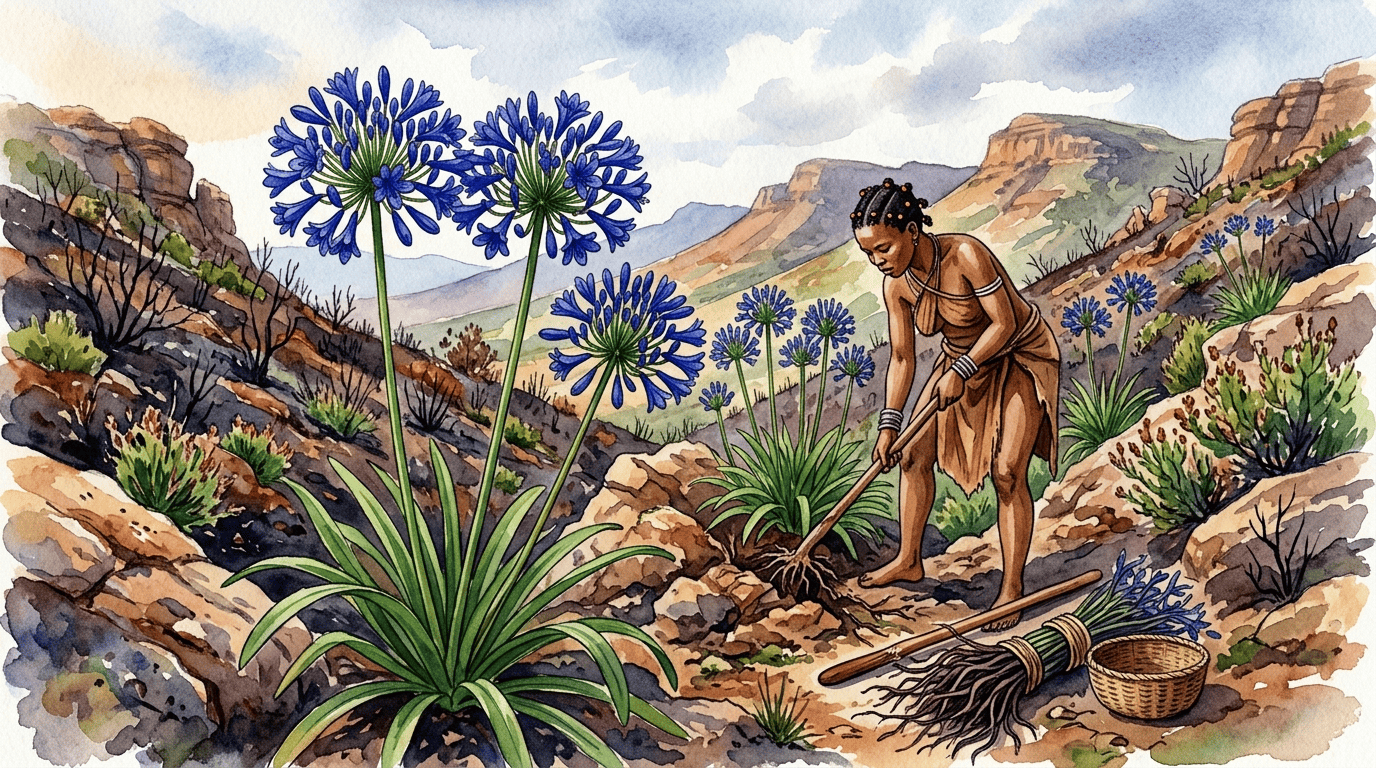
Long before European ships reached the Cape of Good Hope, Agapanthus africanus grew wild on the fire-swept sandstone slopes of the Western Cape, where the Khoikhoi and other peoples valued its roots and leaves in traditional medicine and as protective charms. Dutch settlers at the Cape noticed its bold blue heads, and by the late seventeenth century bulbs were travelling back to the botanical gardens of the Netherlands and, soon after, England. There its need for sun and shelter made it a classic tub plant, wheeled out onto terraces for summer and overwintered under glass. Nurserymen christened it 'lily of the Nile', a romantic but geographically wrong flourish, since the plant is a Cape endemic. Through the nineteenth and twentieth centuries it spread across the warm-temperate world, and today its blue umbels line driveways and coastal gardens from the Mediterranean to California and Australia.
Symbolism & meaning
What It Symbolizes
Named the 'flower of love' by botanists who blended the Greek words for love and flower, Agapanthus africanus carries a gentle message of affection and enduring bonds. In its South African homeland it means more than romance: mothers-to-be once wore its roots as a charm for an easy birth and healthy child, and it was planted to guard the home. To grow it is to invite both beauty and blessing, a summer-long promise of love and new life returning year after year.
- Love — its Greek name, the 'flower of love', ties it to affection and devotion
- Fertility — in its native South Africa it is a traditional charm for pregnancy and protection
Where the Name Comes From
The genus name Agapanthus comes from the Greek 'agape' (love) and 'anthos' (flower), giving the poetic sense 'flower of love'. The species epithet africanus points to its South African homeland. The popular English name 'lily of the Nile' is a misnomer coined in Europe, as the plant is native to the Cape and grows nowhere near the Nile.
Uses & Fun Facts
- Long-lived border and container plant grown for its bold blue summer umbels.
- Nectar-rich flowers attract bees, butterflies and nectar-feeding sunbirds.
- Tall, long-lasting flower stalks make striking cut and dried arrangements.
Related plants
More Agapanthus plants
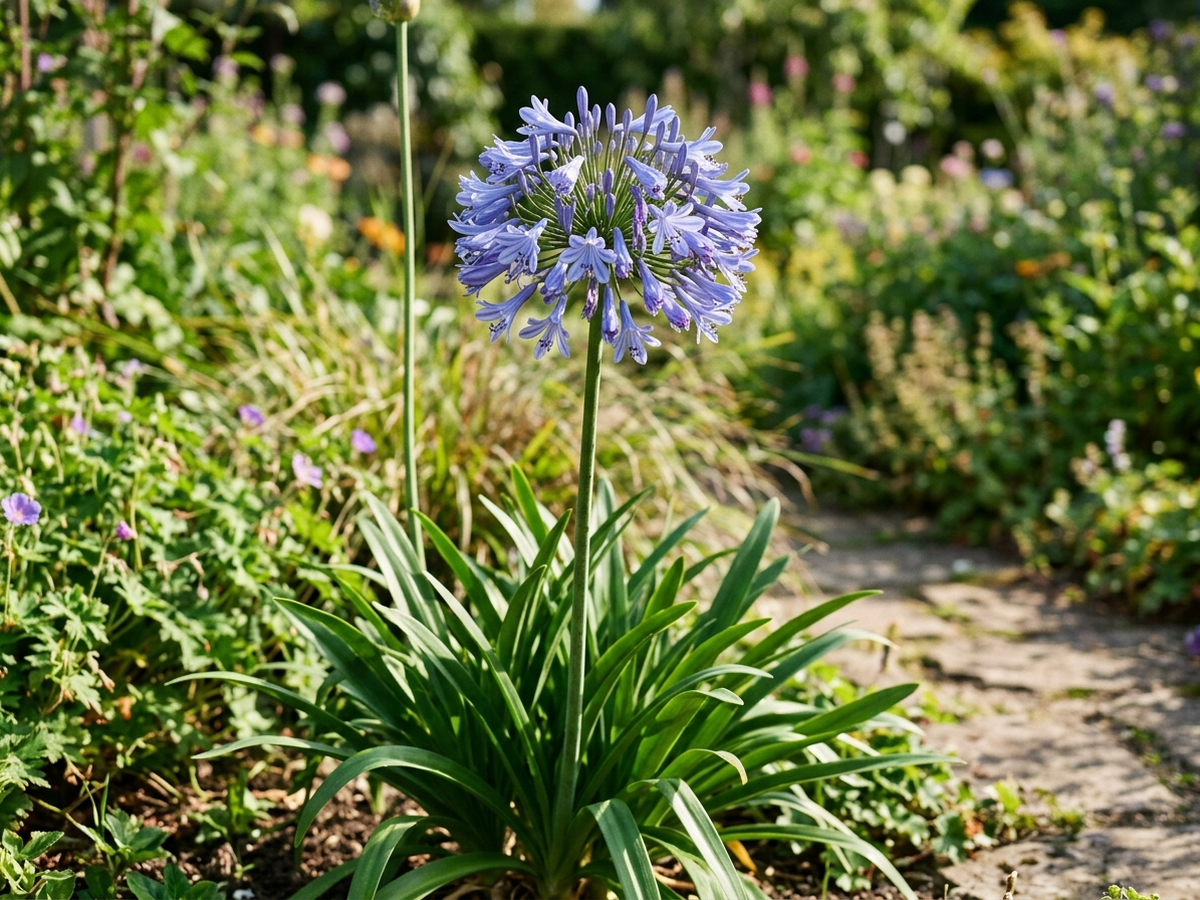 Bell AgapanthusAgapanthus campanulatus
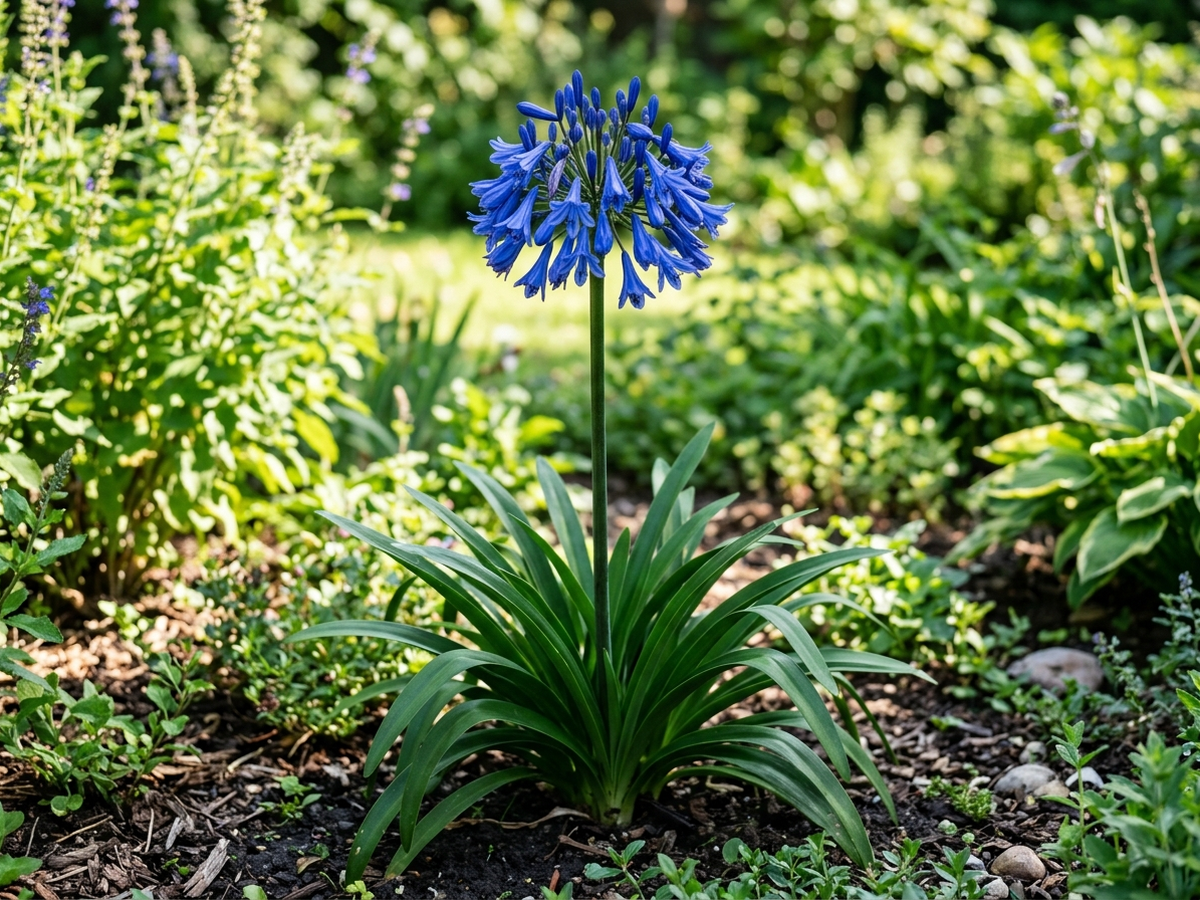 Drooping AgapanthusAgapanthus inapertus
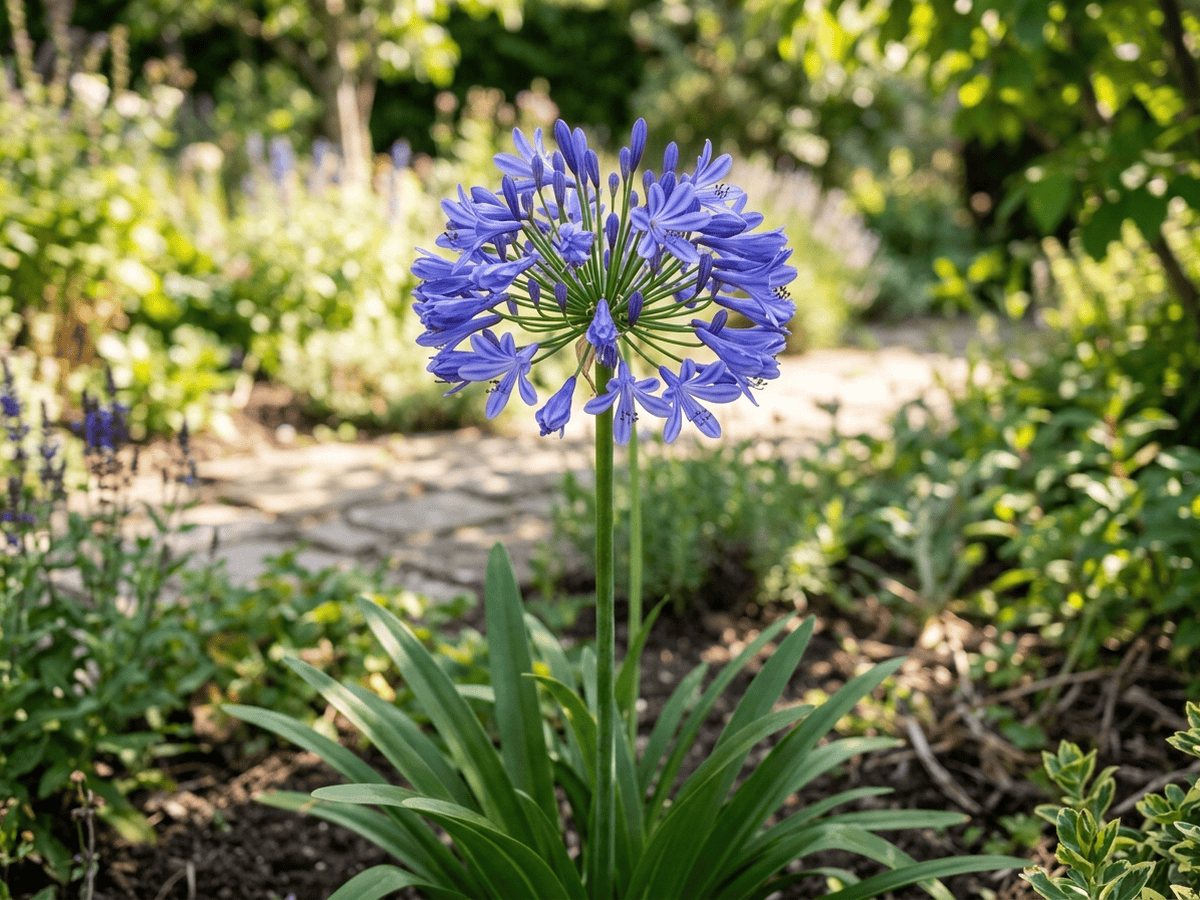 Common AgapanthusAgapanthus praecox
Plants with similar care
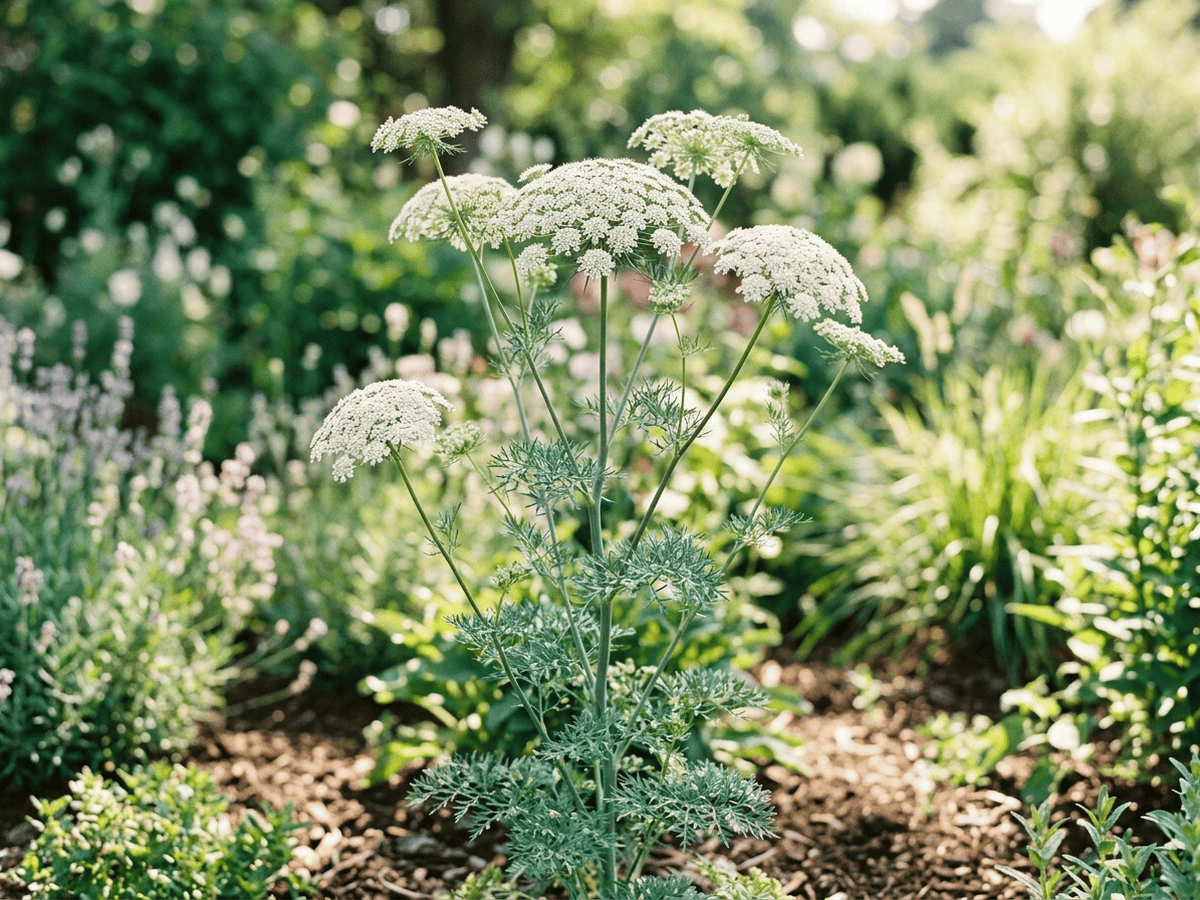 False Queen Anne's LaceAmmi majus glaucifolium
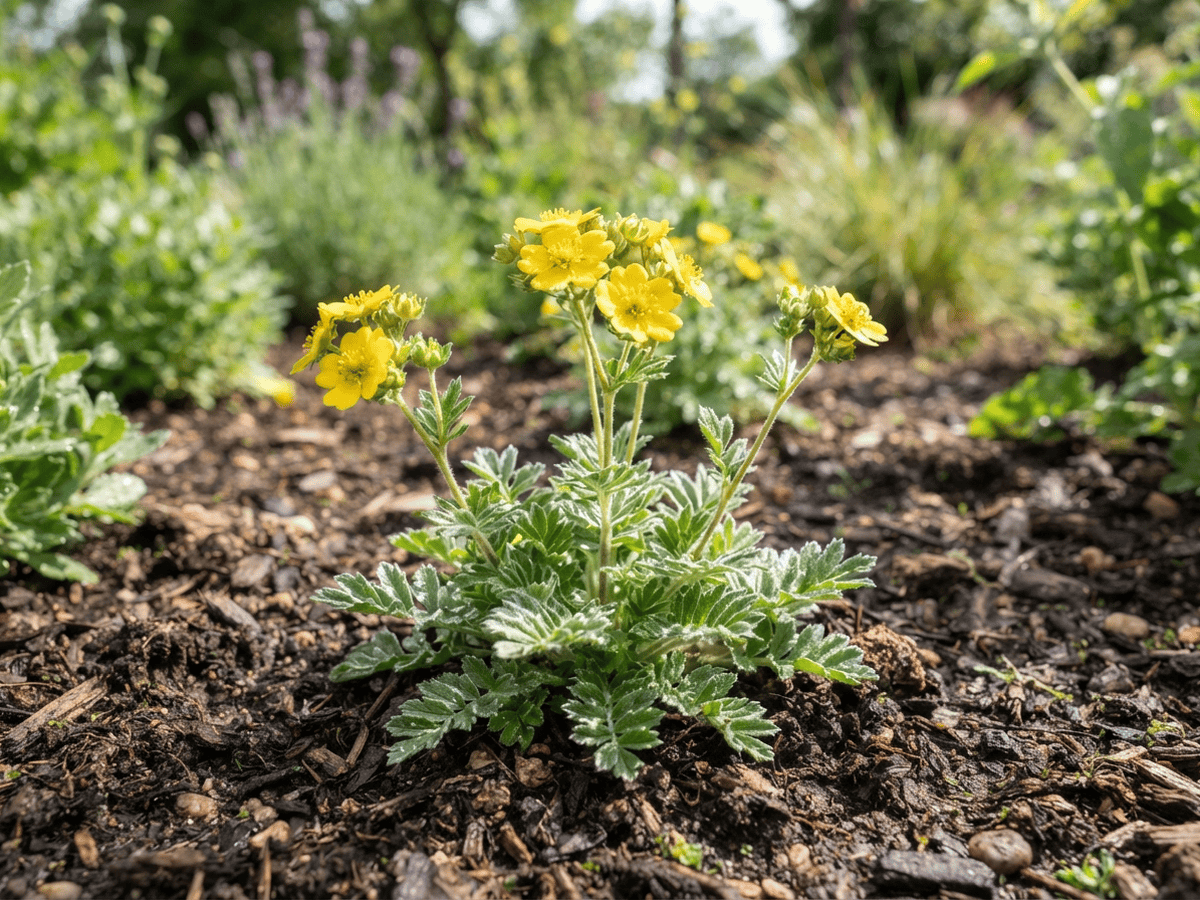 SilverweedArgentina anserina
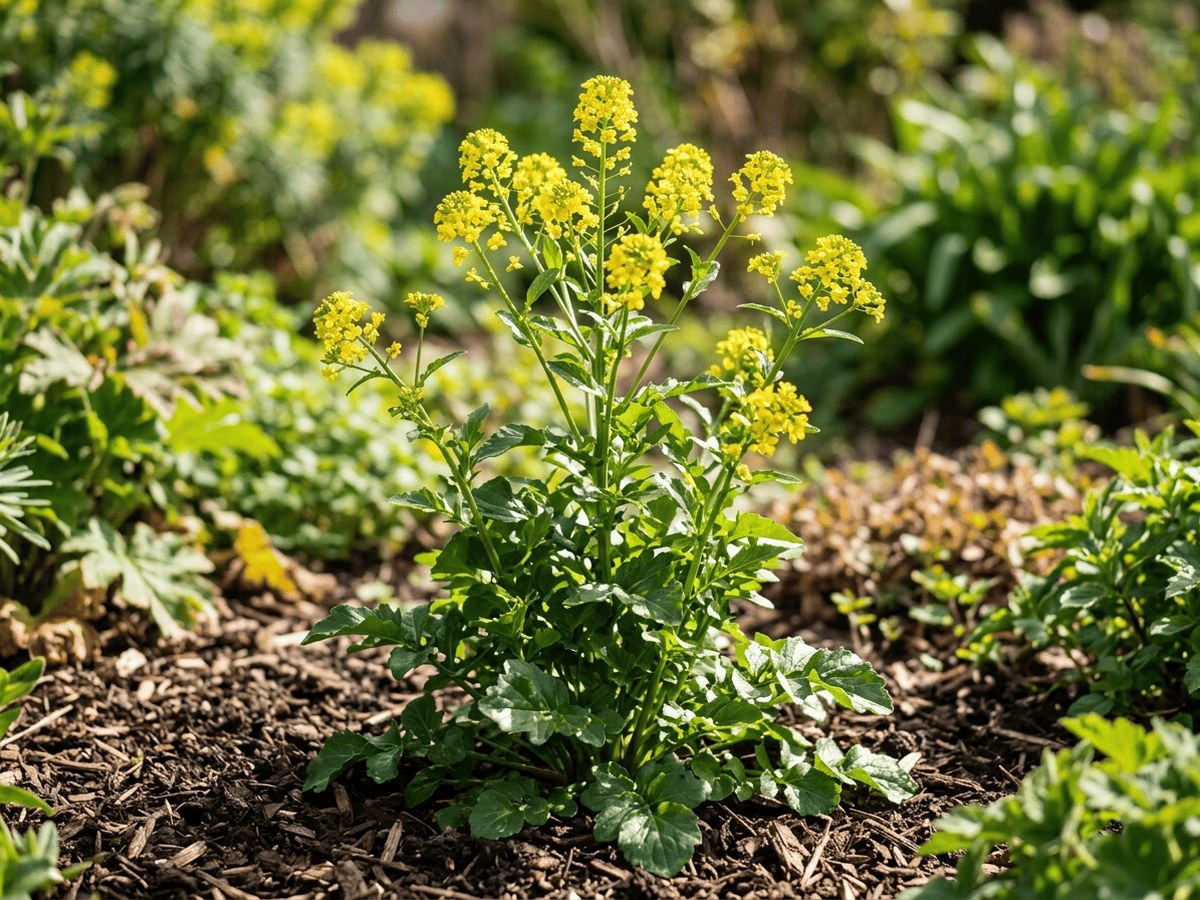 Land CressBarbarea verna
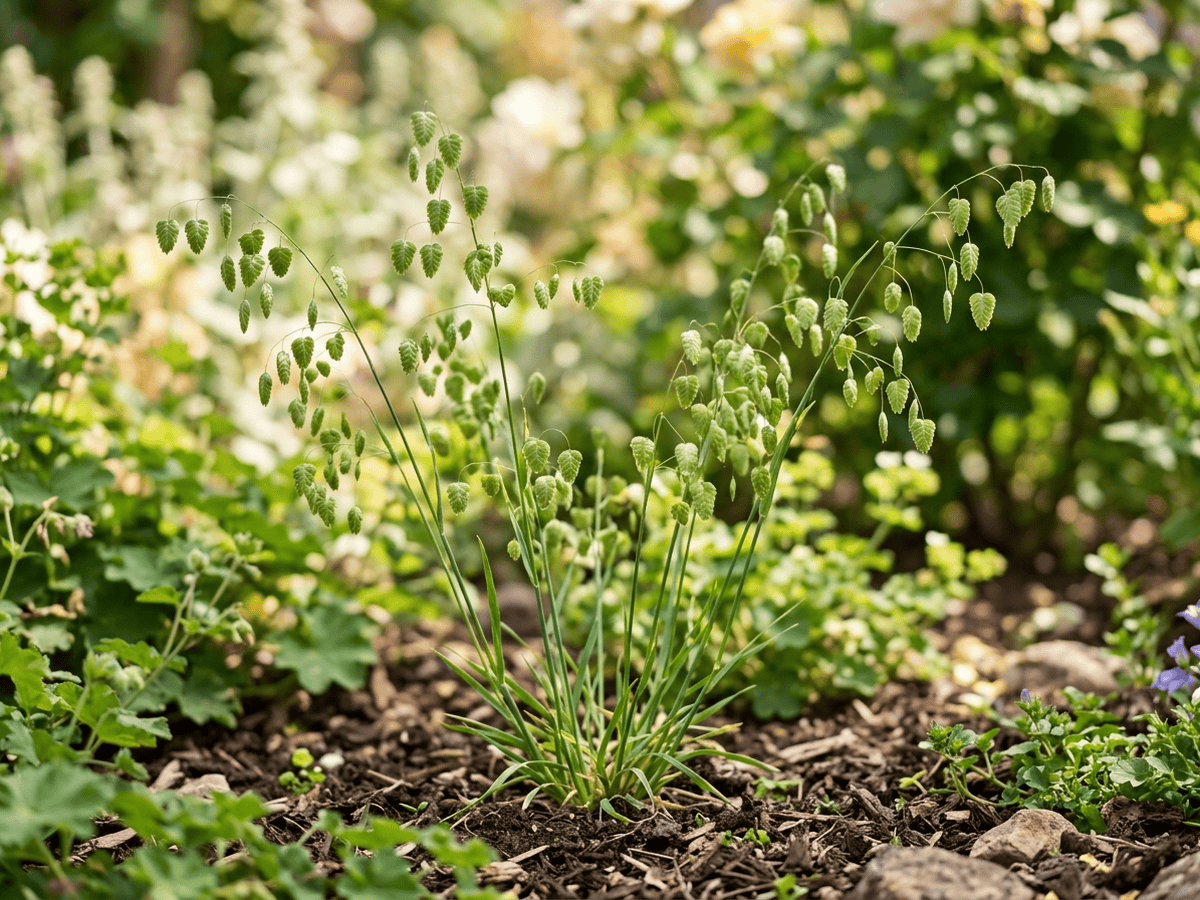 Greater Quaking GrassBriza maxima
Frequently asked questions
How often should I water African Lily?
In summer, water about every 7 days; in winter, about every 30 days. Adjust for heat, pot size and drainage.
How much light does African Lily need?
Part sun: 4–6 hrs direct. Watch the leaves — scorching or stretching means the light needs adjusting.
Is African Lily toxic to cats or dogs?
Pets Slight (Dogs Slight · Cats Slight) Educational information, not medical or veterinary advice. If exposure is suspected, contact a doctor or veterinarian.
Is African Lily easy to grow?
It is considered challenging and rewards experienced growers.
When does African Lily bloom?
It typically blooms Jun–Aug in the Northern Hemisphere.
YardMate
Identify any plant in seconds
Snap a photo — YardMate names the plant, diagnoses problems, and reminds you when to water.
Download on the App Store