 YardMate


Amethyst Flower
Browallia speciosa
Easy · Beginner friendlyAbout Amethyst Flower
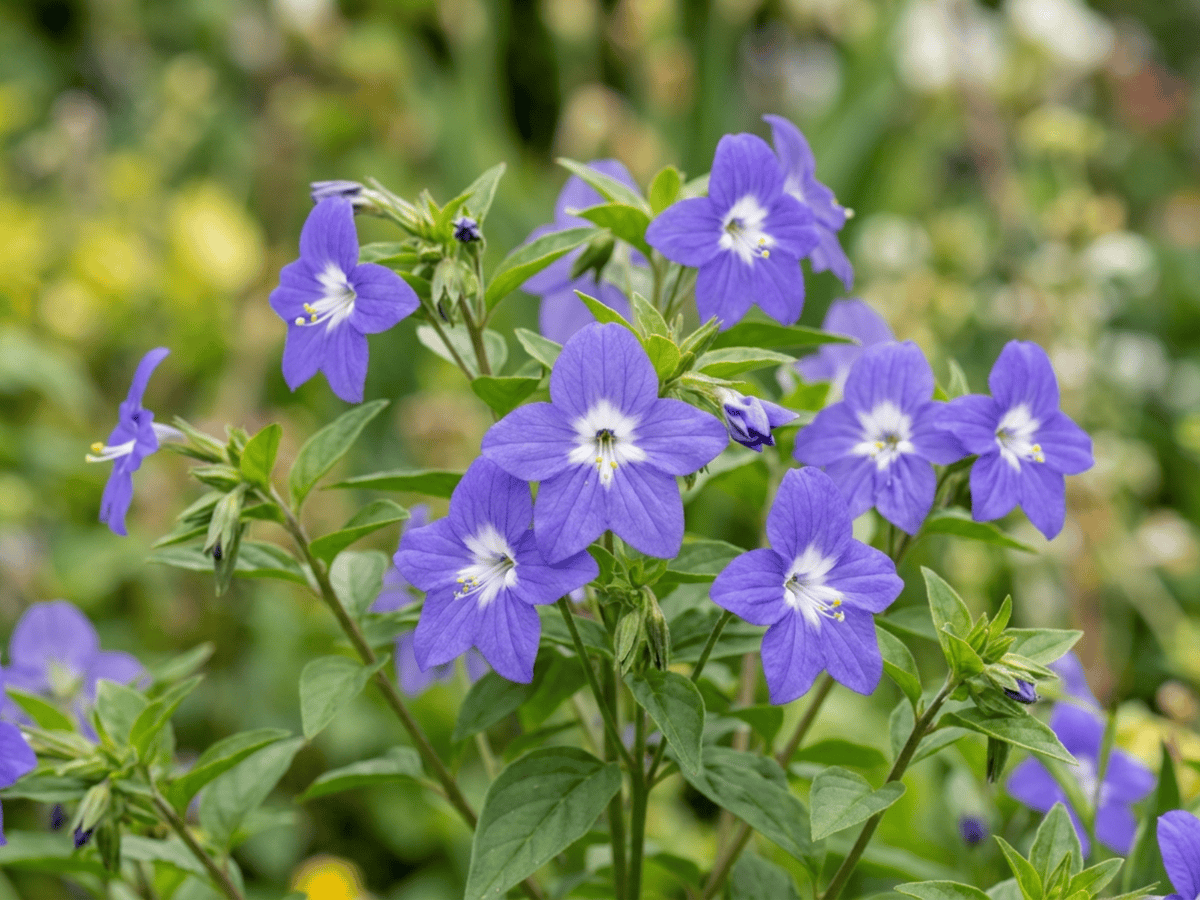
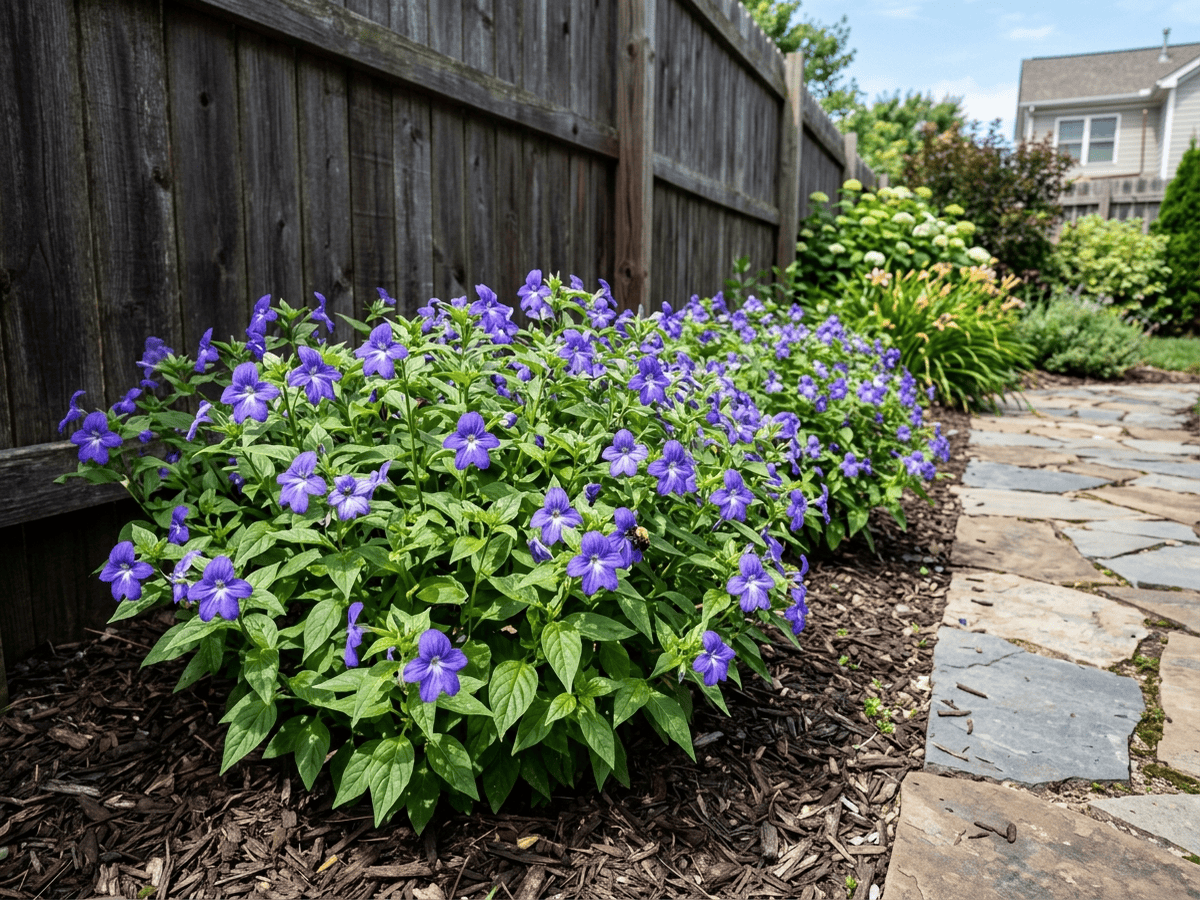
Bush Violet is a tender perennial from Colombia grown as a shade annual in US gardens, producing mounding plants 10–18 inches tall covered in trumpet-shaped flowers of deep violet-blue, lavender, or white with white throats. One of the best blue-flowered annuals for shade containers and hanging baskets. Blooms continuously from late spring to frost without deadheading. Popular in American garden centers as a partner to impatiens and begonias.
- Shade-tolerant
- Container-friendly
- Long-blooming
How to care for Amethyst Flower
Watering
- Springevery 3 days
- Summerevery 2 days
- Fallevery 5 days
- Winterevery 10 days
Soil · Well-draining
- Top dressingPine bark mulch10%
- Main mixPotting soil + perlite 2:170%
- DrainageLECA / gravel20%
Never skip the drainage layer — standing water is the top cause of root rot.
FERTILIZER
Balanced Feed 14-14-14
An even feed covers all three needs at once, keeping leaves, roots and blooms moving together with nothing pushed out of balance.
- Nitrogen · Leaves
- Phosphorus · Roots + Blooms
- Potassium · Strength
- Springevery 14 days
- Summerevery 14 days
- Fallevery 21 days
At a Glance
- NativeSouth America
- Height1–2 ft (0.3–0.6 m)
- Spread1–1.5 ft (0.3–0.5 m)
- Flower colorPurple, Blue, White
- Foliage colorGreen
- SoilLoamy, Well-drained, Rich
- LocationsYard · Balcony · Indoor
Bloom time
BLOOM CYCLE
Peak bloom
May–Nov
Violet-blue trumpets late spring to frost
Fragrance
NO FRAGRANCE
No notable fragrance.
Toxicity
Humans Slight · Pets Slight
saponins
Slight
- All
- Ingestion
EXPOSURE Eating any part of the plant.
EFFECT Saponins: mild GI upset.
NOTE Documented concern for humans: Saponins: mild GI upset.
Slight
- All
- Ingestion
EXPOSURE Eating any part of the plant.
EFFECT Mild GI upset.
NOTE Not prominently listed by ASPCA.
Slight
- All
- Ingestion
EXPOSURE Eating any part of the plant.
EFFECT Same as dogs.
NOTE Not prominently listed by ASPCA.
Educational information, not medical or veterinary advice. If exposure is suspected, contact a doctor or veterinarian.
DISTRIBUTION


- Native
- Introduced
- South America
History
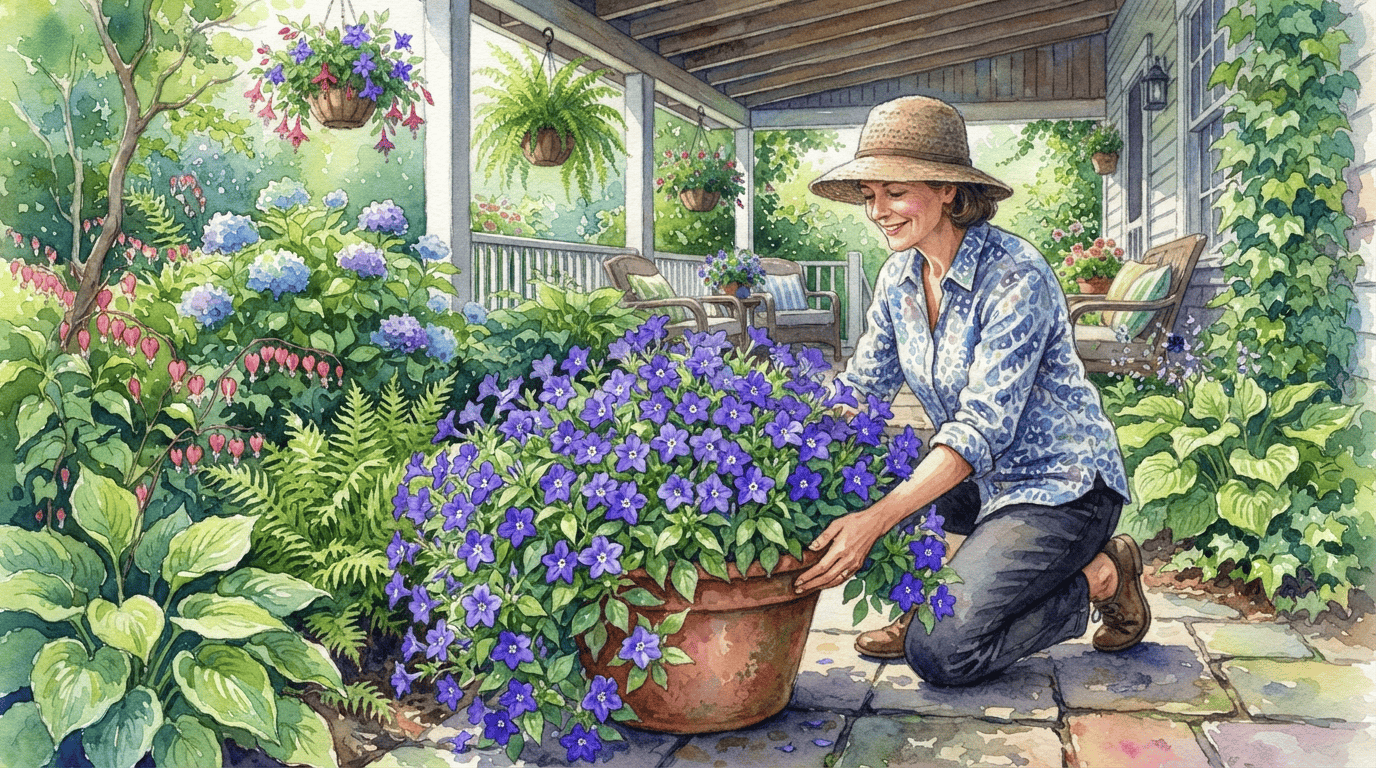
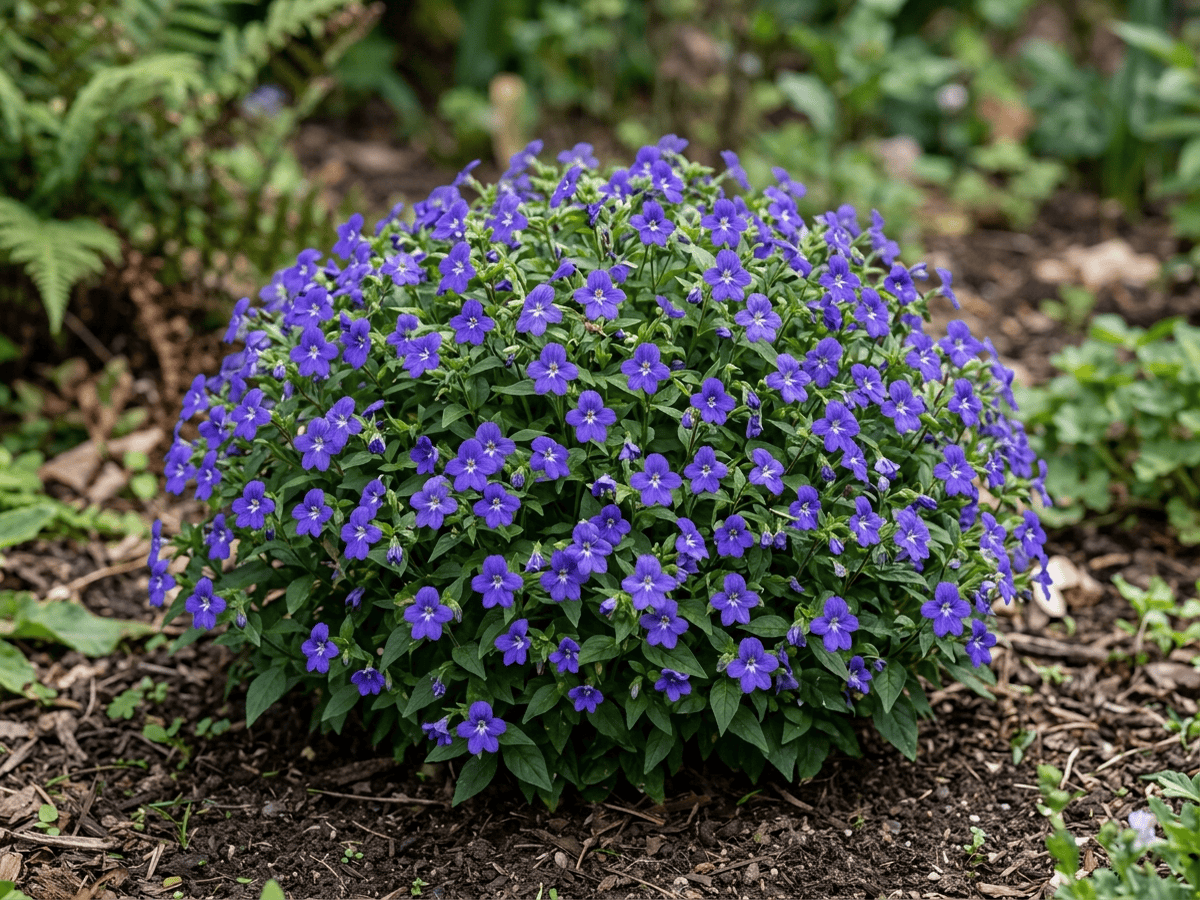
Browallia speciosa is native to the tropical and subtropical Andean regions of Colombia, Ecuador, Peru, and adjacent countries, growing at mid-elevations in moist forest margins and disturbed shaded sites. It is a tender perennial or sub-shrub 30-60 cm tall with soft ovate medium-green leaves and, through summer and autumn, produces continuous small 3-5 cm five-petaled flowers in intense violet-blue with pale centers. In colder climates it is grown as a warm-season shade-tolerant bedding annual or as a houseplant for winter bloom.
One of the species' distinctive horticultural niches is its ability to produce vivid true-blue and violet-blue flowers in at least part-shade conditions — most shade-bedding annuals are pink or white rather than blue. This makes it valuable for shade-garden color contrast and for mixed-container plantings designed around cool-toned color schemes. Modern cultivars include the "Bells" series (compact, many-flowered, in pure violet-blue, sapphire, and white selections), "Jingle Bells" (mixed), and "Starlight" (icier blue).
The plant is sometimes called "amethyst flower" in the cut-flower trade. Plants contain saponins and compounds that can cause mild irritation if eaten in quantity. Hardy only to approximately USDA zone 10. Introduced from the Andes to European cultivation in the 1800s and reached American gardens by the mid-1900s. The 'Bells' series produced the first reliable dwarf bedding cultivars, and browallia remains a go-to shade annual across the Southern and Midwestern US.
Symbolism & meaning
What It Symbolizes
The Amethyst Flower can symbolize admiration, its jewel-toned violet blooms suggesting esteem held quietly in the heart. Mounding gracefully in shaded containers, it brings a soft, regal color to corners that other flowers refuse. In the Victorian flower language adapted to tropical newcomers, browallia evokes the kind of regard that does not need to announce itself — admiration as steady as twilight.
- Admiration — jewel-toned violet evokes esteem
- Grace — soft mounding form
Where the Name Comes From
Genus honors Swedish bishop and botanist Johan Browall (1707–1755); 'speciosa' means 'showy'.
Uses & Fun Facts
- Purple-blue flowers brighten shaded containers through the warm season
Related plants
More Browallia plants

Plants with similar care
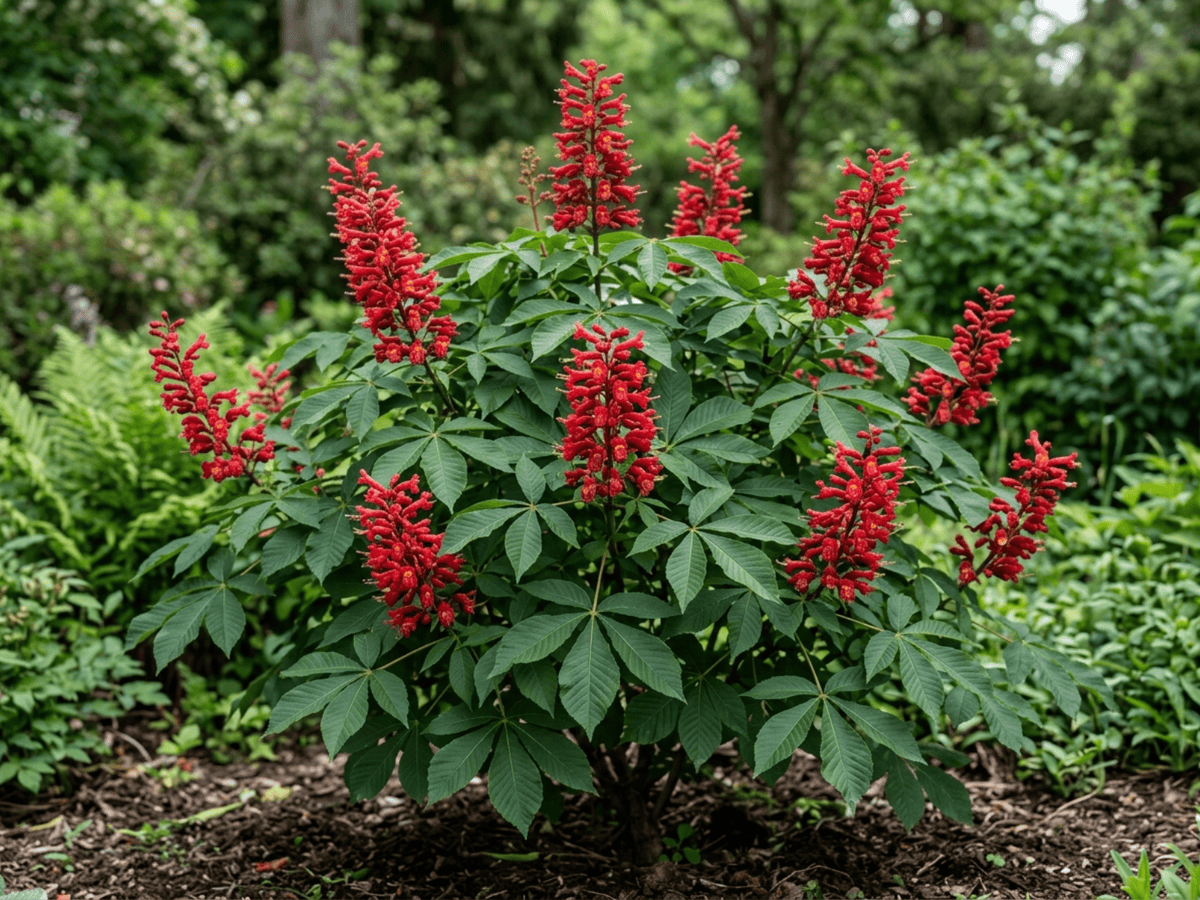 Red BuckeyeAesculus pavia
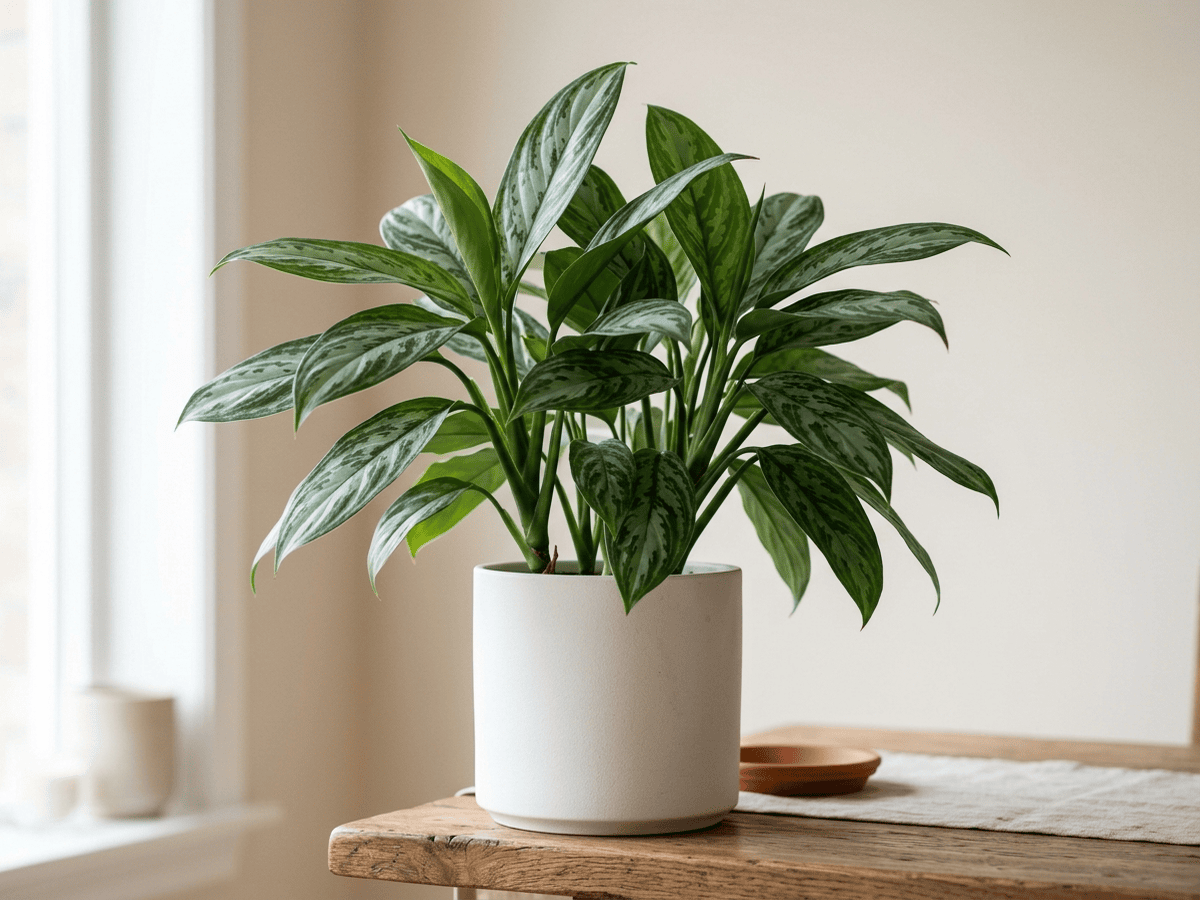 Philippine EvergreenAglaonema commutatum
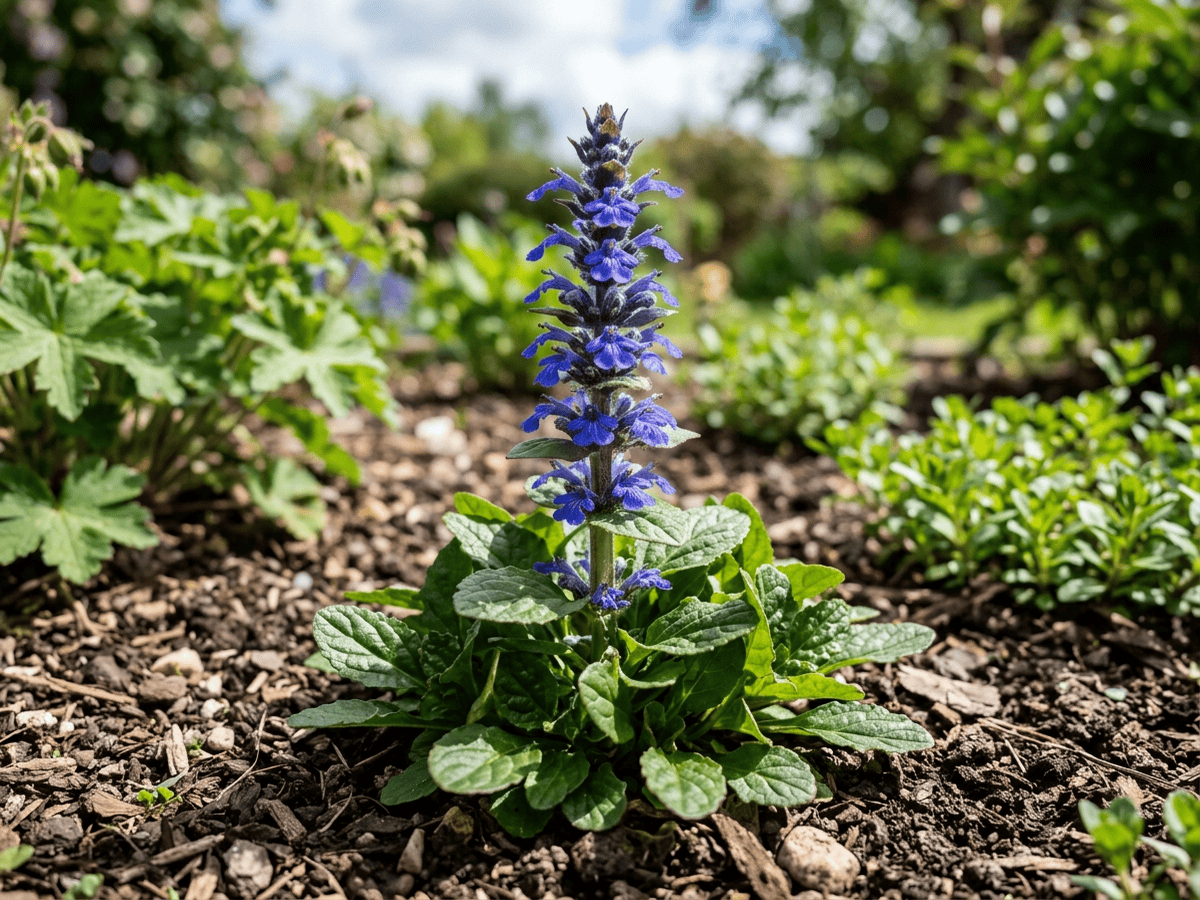 Blue BugleAjuga genevensis
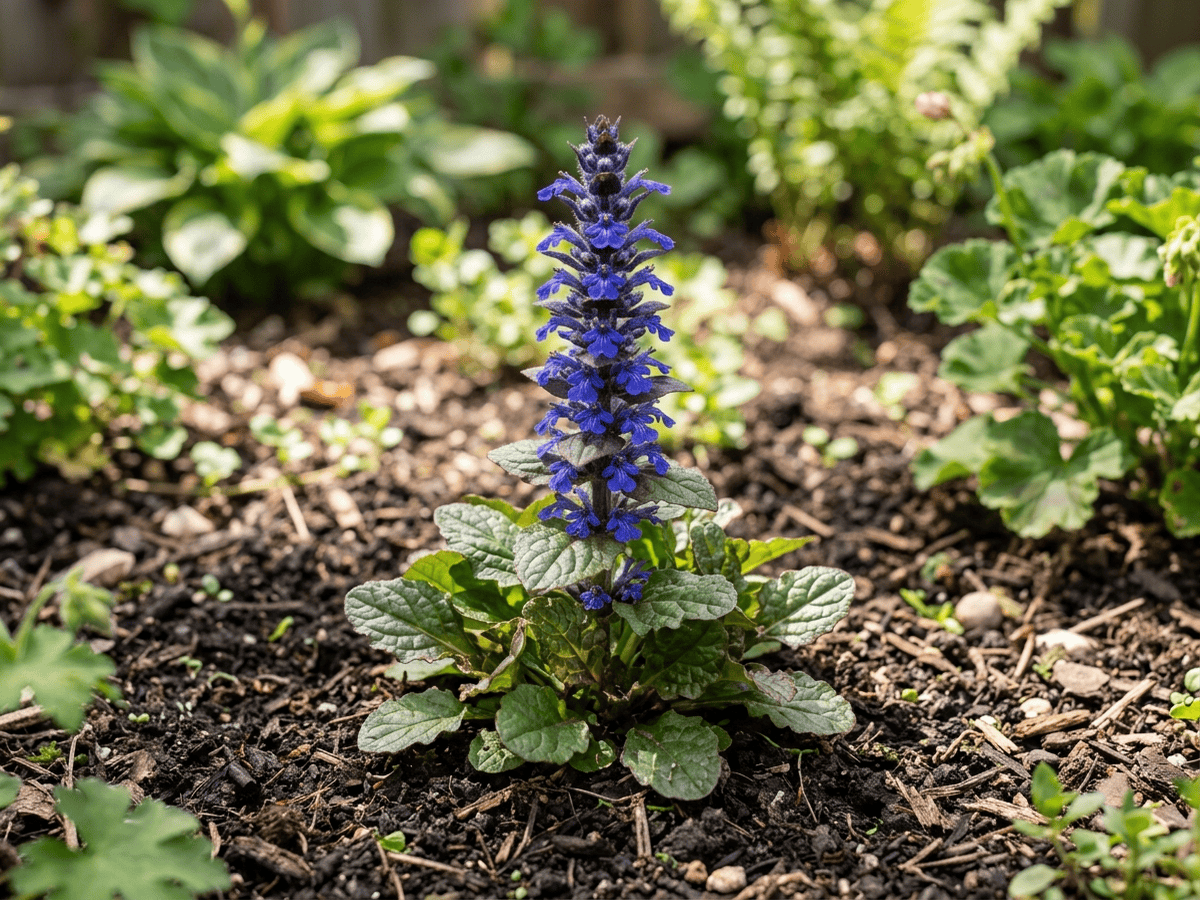 Pyramidal BugleAjuga pyramidalis
Frequently asked questions
How often should I water Amethyst Flower?
In summer, water about every 2 days; in winter, about every 10 days. Adjust for heat, pot size and drainage.
How much light does Amethyst Flower need?
Part shade: 2–4 hrs direct. Watch the leaves — scorching or stretching means the light needs adjusting.
Is Amethyst Flower toxic to cats or dogs?
Pets Slight (Dogs Slight · Cats Slight) Educational information, not medical or veterinary advice. If exposure is suspected, contact a doctor or veterinarian.
Is Amethyst Flower easy to grow?
Yes — it is considered an easy, beginner-friendly plant.
Can Amethyst Flower be grown indoors?
Yes, it adapts well to indoor growing given the right light.
When does Amethyst Flower bloom?
It typically blooms May–Nov in the Northern Hemisphere.
YardMate
Identify any plant in seconds
Snap a photo — YardMate names the plant, diagnoses problems, and reminds you when to water.
Download on the App Store