 YardMate


Browallia viscosa
Browallia viscosa
Medium · Some experienceAbout Browallia viscosa
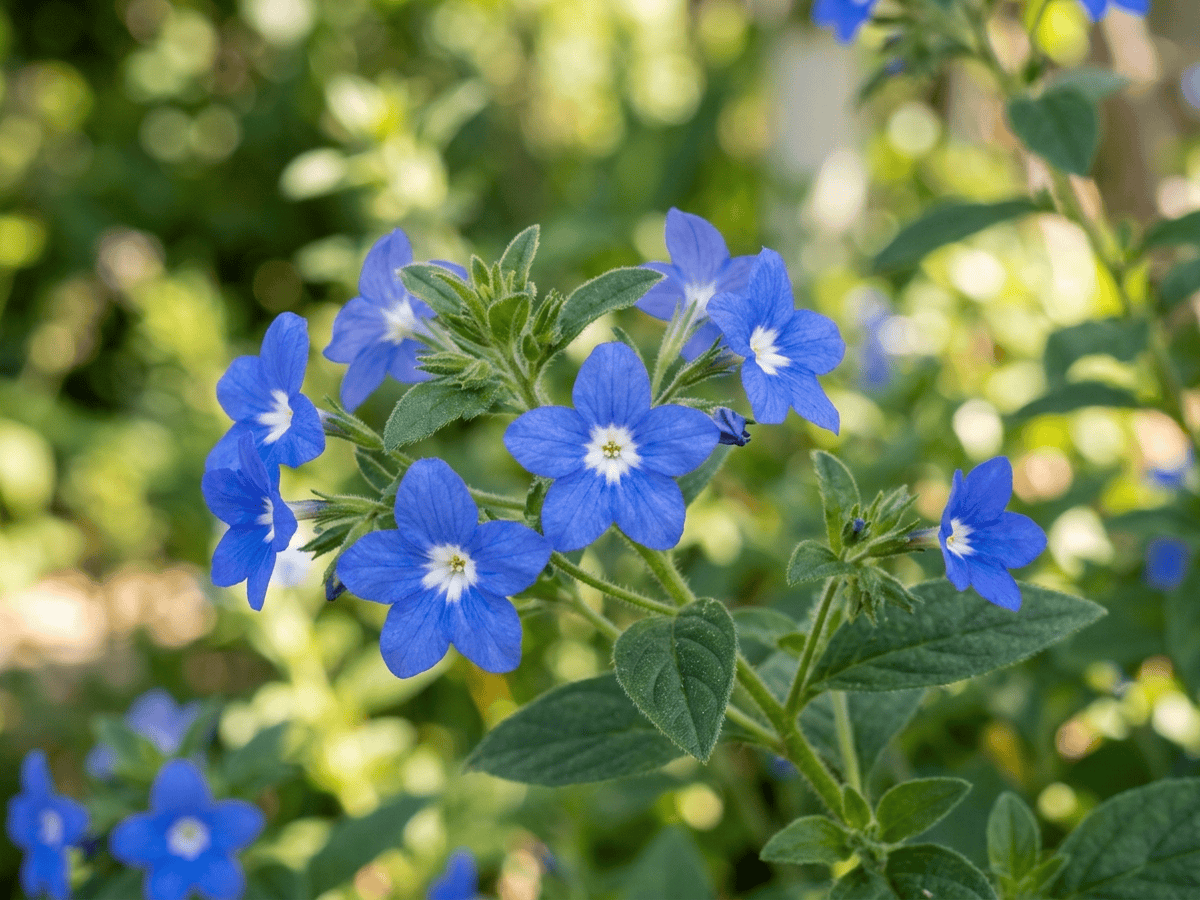
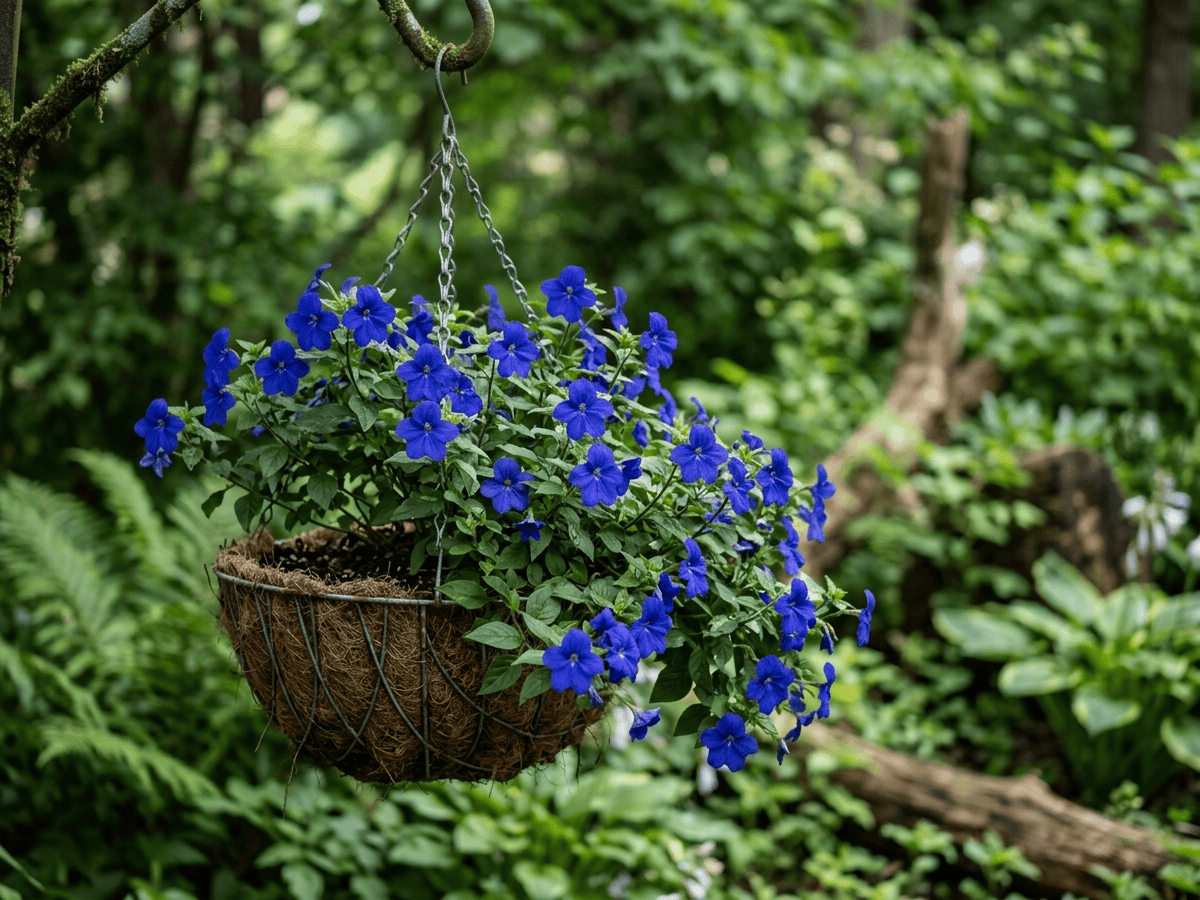
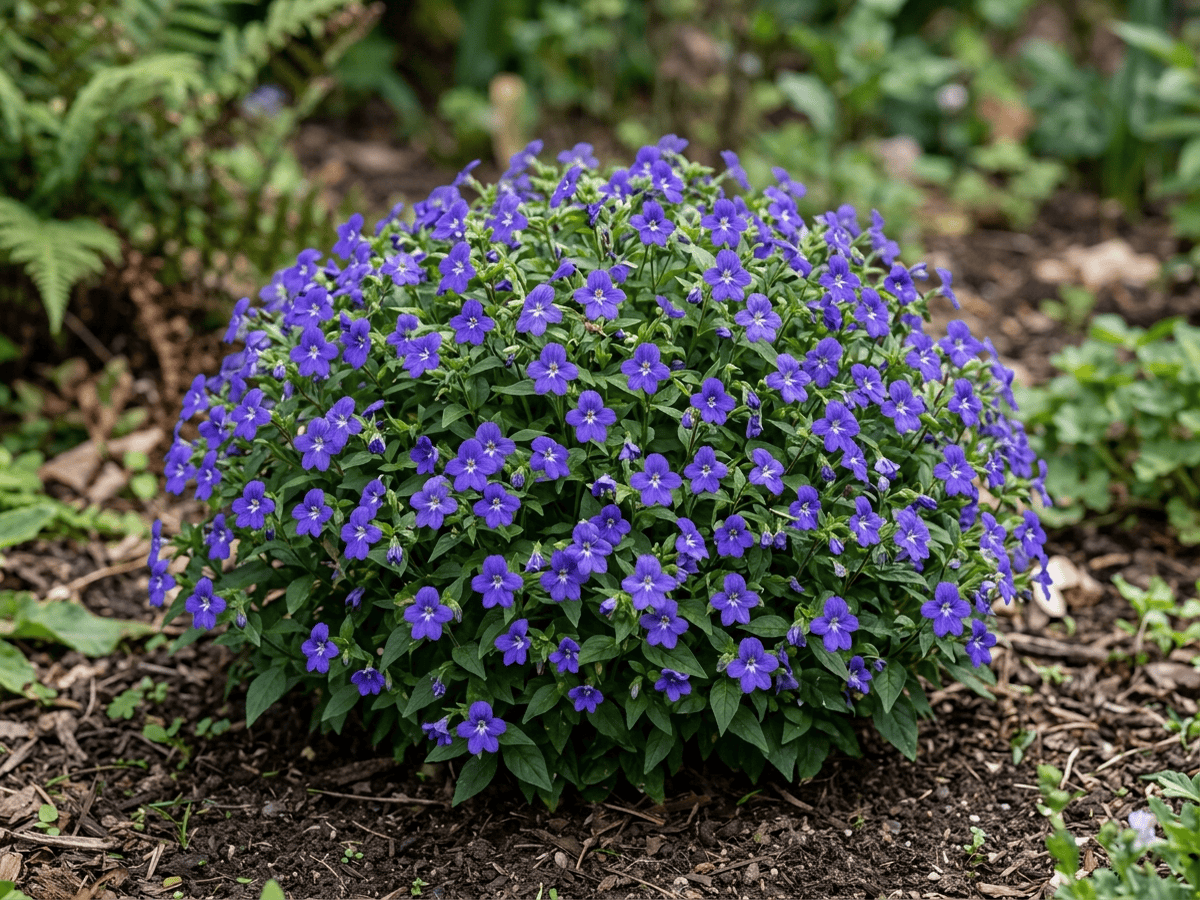
Amethyst Flower or Sticky Browallia is a Peruvian annual producing star-shaped violet-purple or white flowers on mounded plants 10 to 18 inches tall with sticky foliage. Blooms continuously from spring through frost in part shade, making it a top-tier shade color annual alongside impatiens. 'Sapphire' is the iconic AAS-winning cultivar that standardized browallia in American shade-container gardening.
- Shade-tolerant
- Deer-resistant
- Container-friendly
- Long-blooming
How to care for Browallia viscosa
Watering
- Springevery 4 days
- Summerevery 3 days
- Fallevery 5 days
- Winterevery 7 days
Soil · Well-draining
- Top dressingPine bark mulch10%
- Main mixPotting soil + perlite 2:170%
- DrainageLECA / gravel20%
Never skip the drainage layer — standing water is the top cause of root rot.
FERTILIZER
Balanced Feed 14-14-14
An even feed covers all three needs at once, keeping leaves, roots and blooms moving together with nothing pushed out of balance.
- Nitrogen · Leaves
- Phosphorus · Roots + Blooms
- Potassium · Strength
- Springevery 21 days
- Summerevery 21 days
At a Glance
- NativeSouth America
- Height1–1.5 ft (0.3–0.5 m)
- Spread1–1.5 ft (0.3–0.5 m)
- Flower colorBlue, Purple, White
- Foliage colorGreen
- SoilLoamy, Well-drained
- LocationsYard · Balcony
Bloom time
BLOOM CYCLE
Peak bloom
Mar–Nov
Violet star flowers spring to frost in shade
Toxicity
Toxicity unknown
None reported
Unknown
EXPOSURE Unspecified plant material.
EFFECT Toxic effects are not specified.
NOTE Toxicity for humans is not well documented; use caution until verified.
Unknown
EXPOSURE Unspecified plant material.
EFFECT Toxic effects are not specified.
NOTE Toxicity for dogs is not well documented; use caution until verified.
Unknown
EXPOSURE Unspecified plant material.
EFFECT Toxic effects are not specified.
NOTE Toxicity for cats is not well documented; use caution until verified.
Educational information, not medical or veterinary advice. If exposure is suspected, contact a doctor or veterinarian.
DISTRIBUTION


- Native
- South America
History

Browallia viscosa, commonly called sticky amethyst flower or compact sticky browallia, is a small annual native to moist rocky slopes of the Andes in Peru and Ecuador. Prussian botanist Carl Sigismund Kunth described it in 1818 based on Humboldt and Bonpland's South American collections. The genus Browallia was originally established by Linnaeus in 1753 to honor Johan Browallius, a Swedish bishop and botanist who publicly defended the new binomial system against its early detractors.
The plant produces brilliant violet-blue to purple star-shaped flowers with contrasting white throats atop sticky glandular foliage. Though overshadowed commercially by its larger cousin B. speciosa, B. 'Sapphire' won All-America Selections recognition in 1984, cementing it as a standard American shade annual.
Now a go-to choice for gardeners seeking blue-violet flowers where sun-loving blues cannot grow. viscosa remains a favorite of heirloom seed specialists for cool-season bedding and container culture in shaded gardens worldwide.
Symbolism & meaning
What It Symbolizes
Browallia suggests faithful admiration, its violet-blue blooms holding their color through the shaded summer where many flowers fade. Paired with the gemlike depth of amethyst, it brings small, jewel-toned constancy to dim corners. It is the quiet flower of long-held affection — the kind that doesn't need full sun to keep its color true.
- Faithful admiration — constant violet blooms in shade
- Amethyst — gemlike violet color
Where the Name Comes From
'Browallia' honors Johan Browall (1707-1755), Swedish bishop and botanist; 'viscosa' from Latin means sticky, for glandular-hairy leaves.
Uses & Fun Facts
- Compact violet-blue flowers brighten shaded patio pots
- Star-shaped lavender-blue blooms enliven shaded summer borders
Related plants
More Browallia plants

Plants with similar care
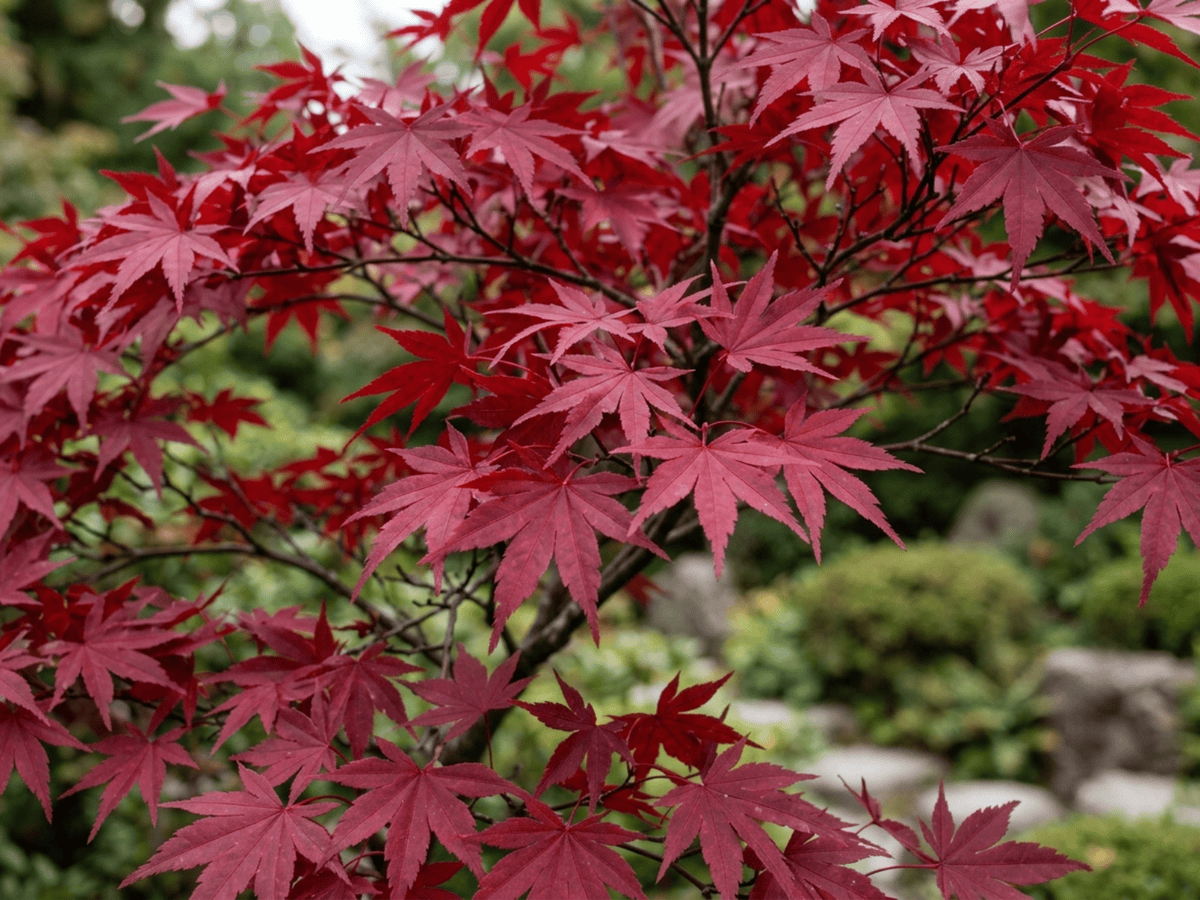 Japanese MapleAcer palmatum
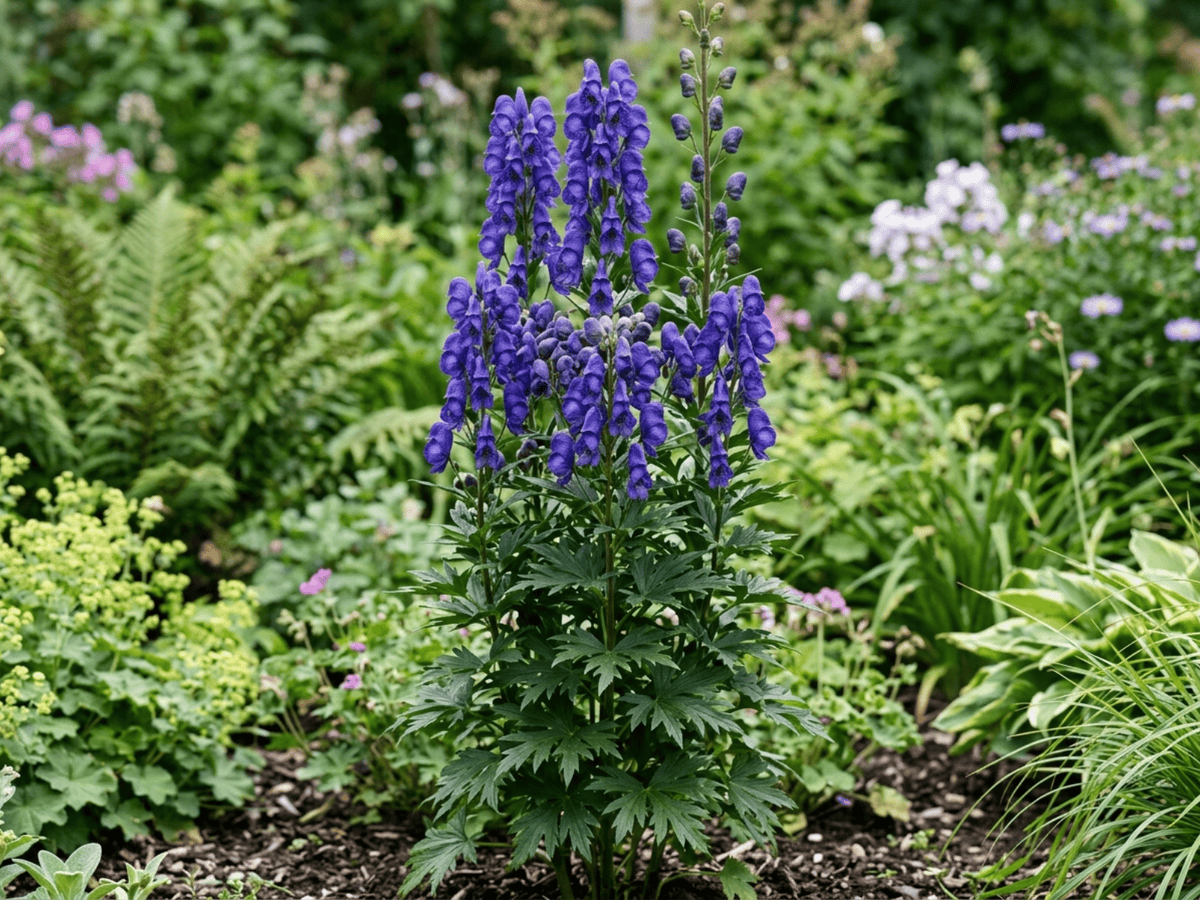 Azure MonkshoodAconitum carmichaelii
 Florida HobblebushAgarista populifolia
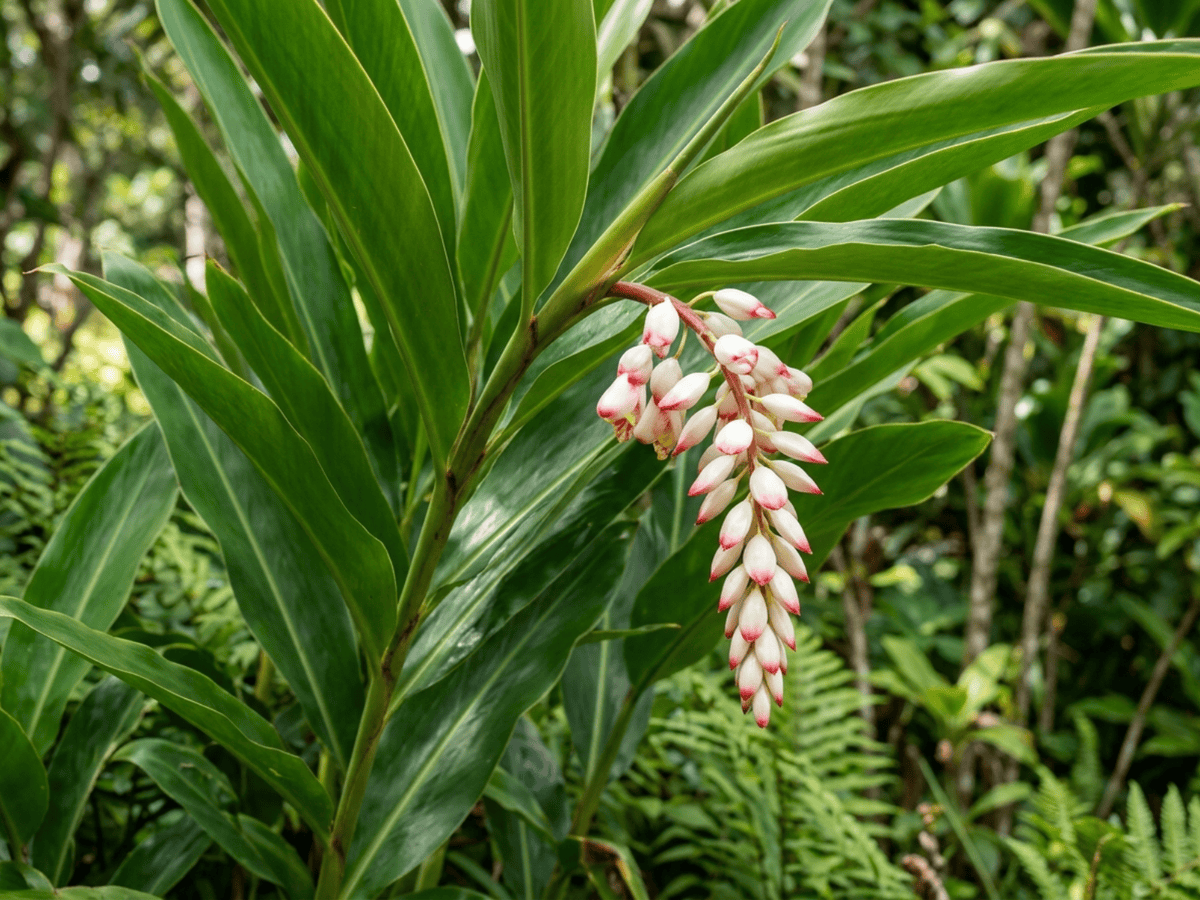 Shell GingerAlpinia zerumbet
Frequently asked questions
How often should I water Browallia viscosa?
In summer, water about every 3 days; in winter, about every 7 days. Adjust for heat, pot size and drainage.
How much light does Browallia viscosa need?
Part shade: 2–4 hrs direct. Watch the leaves — scorching or stretching means the light needs adjusting.
Is Browallia viscosa toxic to cats or dogs?
Pets Unknown (Dogs Unknown · Cats Unknown) Educational information, not medical or veterinary advice. If exposure is suspected, contact a doctor or veterinarian.
Is Browallia viscosa easy to grow?
It is moderately demanding: a good choice once you have a little experience.
When does Browallia viscosa bloom?
It typically blooms Mar–Nov in the Northern Hemisphere.
YardMate
Identify any plant in seconds
Snap a photo — YardMate names the plant, diagnoses problems, and reminds you when to water.
Download on the App Store